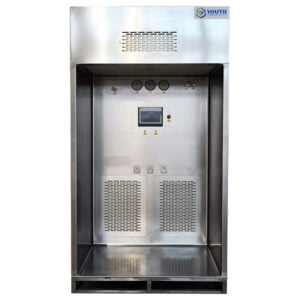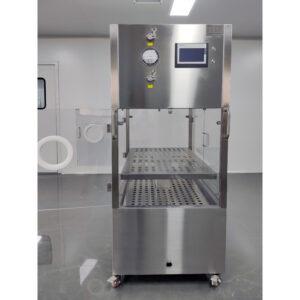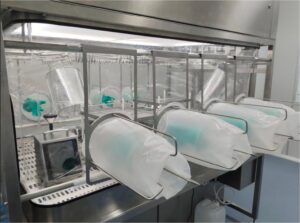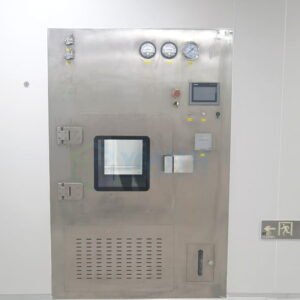
Il mantenimento del contenimento assoluto durante le procedure di manutenzione ad alto rischio è un requisito non negoziabile nelle industrie che trattano materiali tossici, radioattivi o patogeni. Il processo di sostituzione dei filtri nei sistemi di ventilazione critici rappresenta una vulnerabilità significativa, dove una singola violazione può esporre il personale e l'ambiente a gravi pericoli. I professionisti che gestiscono queste strutture devono navigare in un complesso panorama di standard tecnici, rischi specifici dell'applicazione e tecnologie di sistema in evoluzione per implementare strategie di contenimento efficaci.
La posta in gioco operativa e normativa non è mai stata così alta. Con l'aumento dei composti farmaceutici, l'avanzamento della ricerca biotecnologica verso attività a più alto contenimento e l'incremento dei progetti di smantellamento nucleare, si intensifica la richiesta di isolamento a prova di guasto durante la manutenzione. Questa analisi fornisce un quadro focalizzato sul 2025 per comprendere le applicazioni del sistema BIBO, gli imperativi di conformità e i criteri di selezione per garantire la sicurezza e la continuità operativa.
Che cos'è un sistema Bag-In/Bag-Out (BIBO)?
Definizione della funzione centrale di contenimento
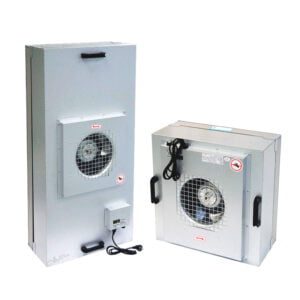
Un sistema Bag-In/Bag-Out (BIBO) è una soluzione di contenimento ingegnerizzata e specializzata, progettata per la rimozione e la sostituzione sicura di filtri dell'aria ad alta efficienza contaminati. La sua funzione principale è quella di proteggere il personale di manutenzione e l'ambiente esterno dall'esposizione a particolati o gas pericolosi durante la fase operativa più vulnerabile: la manutenzione dei filtri. Il sistema ottiene questo risultato consentendo di svolgere l'intera procedura all'interno di un sacco sigillato e impermeabile che funge da barriera fisica primaria.
La filosofia della protezione assoluta delle barriere
La filosofia di progettazione fondamentale va oltre la semplice filtrazione per affrontare la lacuna procedurale del contenimento. Nelle applicazioni che coinvolgono agenti biologici, potenti ingredienti farmaceutici attivi (API) o isotopi radioattivi, anche una piccola esposizione durante un normale cambio di filtro è inaccettabile. Il processo BIBO incapsula il filtro prima di rimuoverlo dal suo alloggiamento, assicurando che qualsiasi contaminazione dislocata durante la manipolazione rimanga isolata all'interno del sacchetto. Questo approccio considera la manutenzione non come un'attività di routine, ma come un evento di contenimento controllato.
Differenza tra BIBO e gli alloggiamenti standard
Un'idea errata comune è che qualsiasi alloggiamento del filtro in un'area pericolosa si qualifichi come sistema di contenimento. Nella nostra valutazione delle strategie di contenimento, la caratteristica che definisce un vero sistema BIBO è la porta per il sacchetto e il meccanismo di sigillatura integrati che consentono di attaccare e sigillare un sacchetto all'alloggiamento. prima lo sportello di accesso al filtro viene aperto. Questo si distingue dagli alloggiamenti ad alta integrità “senza sacchetto”, che possono essere chiusi ermeticamente ma richiedono che il filtro sia esposto all'atmosfera del locale durante il trasferimento in un contenitore secondario. La scelta tra questi livelli è una decisione fondamentale per la gestione del rischio.
Principi tecnici fondamentali e progettazione del sistema
Integrità dell'involucro e tecnologie di tenuta
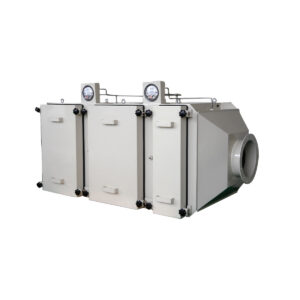
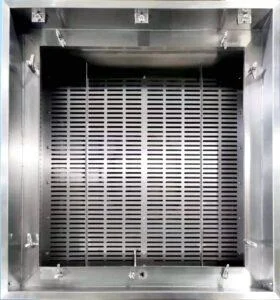
Il fondamento di ogni sistema BIBO è l'alloggiamento permanente interamente saldato, in genere costruito in acciaio inox serie 300 per garantire la durata e la compatibilità con protocolli di decontaminazione aggressivi. L'elemento critico di differenziazione è la tecnologia di tenuta, che definisce direttamente l'affidabilità a lungo termine del sistema e il profilo di sicurezza della manutenzione. Le guarnizioni utilizzano un meccanismo di serraggio ad alta forza, mentre le guarnizioni a lama (fluide) impiegano un canale riempito di gel premuto contro una flangia, spesso con interblocchi di sicurezza. Gli esperti del settore raccomandano di valutare la scelta della guarnizione in base all'integrità della tenuta richiesta per migliaia di cicli operativi e alla capacità dell'impianto di eseguire procedure di manutenzione precise.
Architettura modulare per prestazioni personalizzate
I sistemi moderni sono costruiti secondo il principio della progettazione modulare, che consente di configurare le sezioni collaudate in fabbrica, come i prefiltri, le serrande di isolamento e le porte di prova. Questo approccio “drop-in” consente la personalizzazione per specifici requisiti di flusso d'aria e di spazio. Tuttavia, un dettaglio spesso trascurato è che la modularità richiede una progettazione rigorosa per garantire che tutti i componenti funzionino come un insieme unificato e a tenuta stagna sotto pressioni operative che possono superare i 20 pollici di colonna d'acqua. L'approvvigionamento deve concentrarsi sull'acquisto di sistemi integrati e garantiti, piuttosto che sul tentativo di assemblare i componenti.
Il ruolo strategico della prefiltrazione
Un'efficace strategia di prefiltrazione è una leva diretta per il risparmio dei costi operativi e la riduzione dei rischi. Catturando le particelle più grandi prima che raggiungano il filtro primario HEPA o ULPA, i prefiltri prolungano significativamente la durata di questi costosi elementi ad alto contenimento. Inoltre, consentono di effettuare intervalli di manutenzione più sicuri e frequenti sullo stadio del prefiltro senza esporre le guarnizioni critiche del filtro primario. Questo accorgimento progettuale riduce la frequenza con cui deve essere eseguita la procedura BIBO ad alto rischio sul filtro principale.
| Componente/caratteristica | Specifiche/Caratteristiche chiave | Impatto primario |
|---|---|---|
| Materiale dell'alloggiamento | Acciaio inox serie 300 | Durata, decontaminazione |
| Tecnologia di sigillatura | Guarnizione vs. guarnizione a lama (fluida) | Profilo di rischio, complessità della manutenzione |
| Pressione operativa | Supera i 20″ di colonna d'acqua | Requisiti di integrità a tenuta stagna |
| Strategia del prefiltro | Prolunga la durata del filtro primario | Leva di risparmio dei costi operativi |
| Design modulare | Sezioni “drop-in” testate in fabbrica | Personalizzazione, prestazioni unificate |
Fonte: Documentazione tecnica e specifiche industriali.
Applicazioni nell'industria farmaceutica
Contiene composti potenti e API
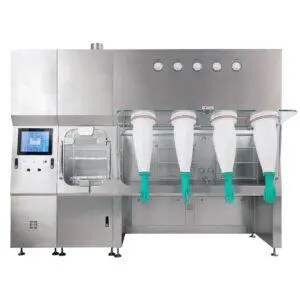
Nella produzione farmaceutica, i sistemi BIBO sono essenziali per controllare l'esposizione professionale a potenti ingredienti farmaceutici attivi (API), citotossine e ormoni. Vengono utilizzati per contenere gli scarichi delle suite di produzione di composti potenti, delle cabine di isolamento e delle stazioni di distribuzione degli API. La conformità a rigorosi quadri di controllo dell'esposizione, come il Control Banding, e l'adesione ai limiti di esposizione professionale (OEL) richiedono questo livello di contenimento. Il panorama normativo è in continua evoluzione; man mano che le aziende sviluppano composti più potenti e terapie geniche, l'investimento proattivo nell'infrastruttura BIBO serve come copertura strategica contro i futuri obblighi più severi.
Garantire la biosicurezza nella ricerca e nella produzione
Oltre che nel settore farmaceutico tradizionale, questi sistemi sono fondamentali nella ricerca ad alto contenimento e nella produzione di terapie avanzate. Proteggono il personale di laboratorio filtrando gli scarichi delle cappe di aspirazione nelle strutture di livello di biosicurezza 3 (BSL-3) che trattano composti volatili o agenti patogeni. Nella produzione di vaccini e terapie cellulari/gene, i sistemi BIBO assicurano che gli agenti biologici o gli organismi geneticamente modificati siano completamente contenuti nello scarico della ventilazione. Questa applicazione sottolinea la convergenza degli standard di sicurezza, dove i protocolli di contenimento biotecnologico stanno adottando il rigore storicamente visto nelle applicazioni nucleari.
| Area di applicazione | Pericolo primario contenuto | Principali fattori normativi |
|---|---|---|
| Produzione di API potenti | Principi attivi farmaceutici (API) | Banda di controllo, OEL |
| Scarico della cabina di isolamento | Citotossine, ormoni | Manipolazione di composti potenti |
| Cappe da laboratorio BSL-3 | Agenti biologici, volatili | Protocolli di sicurezza biologica |
| Produzione di vaccini | Agenti biologici, OGM | Contenimento avanzato della terapia |
| Conformità futura | Composti sempre più potenti | Copertura normativa preventiva |
Fonte: Documentazione tecnica e specifiche industriali.
Applicazioni nei settori nucleare e biotecnologico
Lo standard nucleare per il contenimento dei radioattivi
L'industria nucleare ha adottato per prima la tecnologia BIBO, stabilendo gli standard fondamentali per la gestione degli isotopi radioattivi. I sistemi sono utilizzati nella ventilazione delle centrali elettriche per le sale di controllo e i camini di scarico, nelle bocchette di ventilazione delle scatole a guanti e delle celle calde nei laboratori di ricerca e durante i progetti di smantellamento per gestire la contaminazione disturbata. Le procedure e i protocolli di test sviluppati in questa sede, regolati da standard come ASME AG-1, ha stabilito il punto di riferimento per l'affidabilità assoluta del contenimento, che oggi viene seguito da altre industrie.
Convergenza delle biotecnologie civili e della difesa
Una tendenza significativa è la convergenza tra la difesa CBRN (chimica, biologica, radiologica e nucleare) e la biotecnologia civile, che spinge l'innovazione della filtrazione. Le applicazioni militari per la biodifesa hanno finanziato la ricerca e lo sviluppo avanzati, creando una pipeline tecnologica a doppio uso che ora si sta trasferendo ai laboratori civili ad alto contenimento, alle strutture di ricerca biomedica e alle suite di ricerca sugli animali. Tuttavia, l'adozione di questa tecnologia avanzata richiede l'adozione della rigorosa cultura della sicurezza operativa che l'accompagna per mitigare i rischi ad alto rischio. Inoltre, la filosofia di contenimento sta migrando verso isolatori a film flessibili e portatili con filtrazione HEPA integrata di tipo BIBO per le applicazioni sul campo.
Standard chiave, conformità e protocolli di sicurezza
Codici fondamentali di ingegneria
La conformità è regolata da standard rigorosi e non negoziabili. Negli Stati Uniti, ASME AG-1, N509 e N510 dettano la progettazione, la costruzione, la saldatura, i valori di pressione e i test per i sistemi di trattamento dell'aria nucleare, costituendo la base autorevole per gli alloggiamenti critici BIBO. Questi codici impongono rigorosi test di tenuta in fabbrica, spesso fino a una perdita massima consentita di 0,2% di volume dell'alloggiamento all'ora. È fondamentale riconoscere che tale certificazione è un requisito di base per l'ingresso nel mercato, non un fattore di differenziazione delle prestazioni. Gli acquirenti devono guardare oltre la conformità di base per valutare i fornitori in base ai dati di convalida specifici dell'applicazione e alle capacità di integrazione totale del sistema.
Protocolli operativi come parte del sistema
L'ingegneria è efficace solo quanto le procedure che ne supportano l'uso. Il processo di cambio del sacco è una sequenza meticolosamente coreografata eseguita all'interno dell'ambiente sigillato. Caratteristiche come le aste di rimozione del filtro interno e le cinghie di sicurezza sono essenziali per una manipolazione controllata. Per i sistemi che incorporano adsorbitori di gas (filtri HEGA), le procedure di ingresso in spazi confinati diventano obbligatorie a causa del rischio di esaurimento dell'ossigeno dai letti di carbone umidi. Questa integrazione di hardware e protocollo forma un programma completo di garanzia della sicurezza, in cui la progettazione del sistema consente procedure sicure e le procedure convalidano lo scopo del sistema.
| Standard/Protocollo | Ambito primario | Soglia di prestazione chiave |
|---|---|---|
| ASME AG-1 | Progettazione del sistema aria nucleare | Costruzione, saldatura, pressione |
| ASME N509 E N510 | Ventilazione delle centrali nucleari | Test del sistema, manutenzione |
| Test di tenuta in fabbrica | Integrità dell'alloggio | ≤0,2% volume di alloggiamento/ora |
| Procedura di cambio sacca | Sicurezza del personale | Sequenza sigillata e coreografica |
| Ingresso nello spazio confinato | Manutenzione dell'adsorbitore di gas | Riduzione del rischio di esaurimento dell'ossigeno |
Fonte: ASME AG-1-2023 - Codice sul trattamento dell'aria e dei gas nucleari. Questo codice stabilisce gli autorevoli criteri di progettazione, costruzione e collaudo per i sistemi di filtrazione e contenimento, disciplinando direttamente la progettazione e la convalida degli alloggiamenti BIBO per le applicazioni di sicurezza critiche.
Considerazioni operative e procedure di manutenzione
Allineare il livello del sistema al rischio effettivo
Una considerazione operativa fondamentale è l'opzione “senza sacchetto”. I fornitori offrono alloggiamenti ad alta integrità che soddisfano standard di tenuta come ISO 29463-5 per le prestazioni del filtro, ma senza la funzione di insaccamento integrata. In questo modo si crea un livello di prodotto per le applicazioni con particolato pericoloso ma non criticamente tossico. La valutazione del rischio di un impianto deve definire con precisione la tossicità dei contaminanti e le conseguenze dell'esposizione per giustificare il significativo investimento procedurale e di costo in un sistema BIBO completo rispetto a un'alternativa senza sacco. Un disallineamento in questo senso introduce un rischio inaccettabile o comporta un'inutile complessità operativa.
Il ciclo di vita si concentra sul costo totale di proprietà
Per un funzionamento efficace è necessario spostare l'attenzione dalla spesa di capitale iniziale al costo totale di proprietà (TCO) su una durata di 15-20 anni. La strategia del prefiltro è una leva economica primaria; l'ottimizzazione della selezione e dei programmi di sostituzione riduce direttamente la frequenza della manutenzione del filtro primario ad alto rischio e ad alto costo. La scelta tra guarnizioni e guarnizioni a lama ha un ulteriore impatto sui costi a lungo termine attraverso le ore di manodopera per la manutenzione, le parti di ricambio delle guarnizioni e i potenziali tempi di inattività. Una cultura della manutenzione disciplinata e guidata da protocolli non è negoziabile per preservare l'integrità del contenimento durante ogni evento di manutenzione.
| Considerazione | Variabile chiave/Scelta | Conseguenze operative |
|---|---|---|
| Livello del sistema | Custodia completa BIBO vs. custodia “Bagless | Allineamento dei rischi e dei costi |
| Tipo di guarnizione | Guarnizione o bordo a coltello | Tempo di sostituzione, complessità |
| Strategia del prefiltro | Programma di selezione e modifica | Frequenza di manutenzione primaria |
| Protocollo di manutenzione | Personale addestrato, sequenza rigorosa | Integrità del contenimento durante il servizio |
| Focus sul ciclo di vita | Costo totale di proprietà (TCO) | Efficienza operativa per 15-20 anni |
Fonte: Documentazione tecnica e specifiche industriali.
Tendenze future ed evoluzione del sistema per il 2025
Efficienza del design e integrazione intelligente
L'evoluzione dei sistemi punta a una maggiore sicurezza, a un ingombro ridotto e a un minore onere operativo. Le tendenze includono design compatti che utilizzano media filtranti avanzati a V per mantenere un flusso d'aria elevato in uno spazio ridotto e meccanismi di chiusura senza attrezzi per ridurre i tempi di sostituzione e il potenziale errore dell'operatore. Queste innovazioni indicano che l'analisi dei costi del ciclo di vita sta decisamente sostituendo la spesa di capitale iniziale come principale fattore di acquisto. La prossima frontiera competitiva è il monitoraggio digitale integrato, che va oltre i controlli manuali della pressione per passare a sensori abilitati all'IoT per il rilevamento delle perdite in tempo reale, la previsione della durata dei filtri e i registri di manutenzione digitali.
Manutenzione predittiva guidata dai dati
La logica progressione è verso la piena integrazione con i sistemi di gestione degli edifici (BMS). I sistemi BIBO intelligenti forniranno approfondimenti basati sui dati, consentendo programmi di manutenzione predittivi e migliorando la garanzia di sicurezza attraverso l'analisi continua delle prestazioni. Questo cambiamento richiede che le strutture pianifichino l'infrastruttura dei dati e la cybersecurity insieme al contenimento fisico. I sistemi futuri non si limiteranno a contenere i pericoli, ma genereranno anche l'intelligenza operativa per ottimizzare l'intero sistema di ventilazione critico per la sicurezza, trasformando la manutenzione da un compito basato sul calendario a un imperativo basato sulle condizioni.
| Tendenza | Innovazione/caratteristica chiave | Beneficio primario |
|---|---|---|
| Design compatto | Media filtranti avanzati a V | Riduzione dell'ingombro della struttura |
| Efficienza della manutenzione | Meccanismi di chiusura senza attrezzi | Sostituzione più rapida, meno complessità |
| Focus sugli acquisti | Analisi dei costi del ciclo di vita | TCO rispetto alla spesa in conto capitale |
| Integrazione digitale | Sensori IoT, analisi predittiva | Monitoraggio in tempo reale, manutenzione predittiva |
| Connettività del sistema | Integrazione del sistema BMS (Building Management System) | Garanzia di sicurezza basata sui dati |
Fonte: Documentazione tecnica e specifiche industriali.
Selezione del sistema BIBO più adatto alla vostra struttura
Iniziare con una rigorosa valutazione del rischio
La selezione inizia con una precisa valutazione del rischio dell'impianto per definire la tossicità del contaminante, la forma fisica e il livello di contenimento richiesto. Questa analisi determina la scelta fondamentale tra un sistema BIBO completo e un alloggiamento senza sacco ad alta integrità. La valutazione deve coinvolgere le parti interessate in materia di sicurezza, ingegneria e operatività, per garantire che vengano presi in considerazione tutti gli scenari di esposizione durante la manutenzione. Questa fase allinea la soluzione tecnica al profilo di rischio effettivo, assicurando che le risorse siano allocate in modo appropriato e che non vengano trascurate le vulnerabilità critiche.
Valutazione delle specifiche tecniche e della capacità del fornitore
Una volta definito il profilo di rischio, valutare la tecnologia di tenuta in base alla sicurezza della manutenzione a lungo termine e alla complessità delle procedure. È importante acquistare sistemi modulari integrati e garantiti dalle prestazioni da fornitori con comprovata esperienza nei test e nelle applicazioni. Esaminare i dati dei test di fabbrica che vanno oltre la conformità agli standard, richiedendo una convalida delle prestazioni specifica per l'applicazione. La capacità del fornitore di fornire una formazione completa e una documentazione procedurale è fondamentale quanto l'hardware stesso, in quanto garantisce che il sistema venga utilizzato come progettato.
Implementazione di un modello di costo del ciclo di vita
Il passo finale consiste nell'implementare un modello dettagliato dei costi del ciclo di vita. Considerate le spese a lungo termine per i filtri, la manodopera specializzata, lo spazio (l'ingombro), il consumo energetico e i potenziali tempi di fermo della produzione. Privilegiate le caratteristiche che riducono questi costi, come un design efficiente dei pre-filtri, l'accesso senza attrezzi e la compatibilità con le future piattaforme di monitoraggio digitale. Per le strutture che gestiscono composti potenti, è necessario esplorare le soluzioni specializzate. Soluzioni di contenimento BIBO per applicazioni farmaceutiche può fornire un percorso diretto verso una progettazione conforme ed efficiente dal punto di vista operativo. Questa valutazione finanziaria e tecnica olistica garantisce che il sistema selezionato offra sicurezza ed efficienza sostenibili per l'intera durata di vita.
Il quadro decisionale dà priorità a una precisa valutazione del rischio per stabilire il livello del sistema, seguita da una valutazione tecnica incentrata sull'integrità della tenuta e sulla convalida del fornitore. Il successo dell'implementazione dipende dall'integrazione del sistema fisico con procedure rigorose e un modello di costo del ciclo di vita che tenga conto di due decenni di funzionamento. Questo approccio va oltre il semplice approvvigionamento per stabilire una strategia di contenimento a lungo termine.
Avete bisogno di una guida professionale per specificare un sistema BIBO che corrisponda esattamente al profilo di rischio e al flusso di lavoro operativo della vostra struttura? Il team di ingegneri di YOUTH è specializzata nella traduzione di complessi requisiti di contenimento in progetti di sistemi affidabili e conformi. Contattateci per discutere le specifiche della vostra applicazione ed esaminare i dati di prestazione convalidati.
Domande frequenti
D: Come si fa a scegliere tra una guarnizione di tenuta e una guarnizione a lama per un alloggiamento BIBO?
R: La scelta è una decisione fondamentale per la gestione del rischio. Una guarnizione di tenuta utilizza un morsetto ad alta forza per creare una robusta barriera meccanica, mentre una guarnizione a lama si basa su un canale riempito di gel premuto contro una flangia, spesso con interblocchi di sicurezza integrati. Il design a lama offre in genere una maggiore affidabilità di contenimento, ma può aumentare la complessità operativa. Ciò significa che le strutture che trattano i materiali più pericolosi, come gli isotopi radioattivi o i potenti API, dovrebbero dare la priorità alla sicurezza dei sistemi avanzati a lama di coltello, nonostante le richieste di manutenzione potenzialmente più elevate.
D: Che ruolo hanno i prefiltri nella sicurezza operativa e nei costi di un sistema BIBO?
R: I prefiltri sono una leva economica e di sicurezza fondamentale, non solo una fase di filtrazione preliminare. Catturano le particelle più grandi, prolungando in modo significativo la durata del costoso filtro primario HEPA o ULPA. Questa inclusione strategica consente una manutenzione più frequente e a basso rischio dello stadio prefiltro, senza esporre le guarnizioni ad alto contenimento dell'alloggiamento primario. Per i progetti in cui è fondamentale ridurre al minimo le sostituzioni dei filtri ad alto rischio, è necessario pianificare una strategia di prefiltro ottimizzata per ridurre i costi di manodopera a lungo termine e l'esposizione ai rischi operativi.
D: Quali sono gli standard che regolano la progettazione e i test di tenuta dei sistemi BIBO di grado nucleare?
R: Negli Stati Uniti, i sistemi di trattamento dell'aria nucleare sono regolamentati dal Codice ASME AG-1, che impone la costruzione, la saldatura e i valori di pressione. Questo codice impone rigorosi test di tenuta in fabbrica, spesso fino a una perdita massima consentita di 0,2% di volume dell'involucro all'ora. La conformità a questi standard è un requisito di base. Ciò significa che i team di approvvigionamento devono verificare i certificati di collaudo dei fornitori rispetto all'AG-1, ma anche valutare ulteriori dati sulle prestazioni, poiché la certificazione da sola non differenzia la qualità del sistema per le applicazioni critiche.
D: Quando un alloggiamento del filtro ‘senza sacco’ è una valida alternativa a un sistema BIBO completo?
R: L'alloggiamento senza sacco è un prodotto di livello per applicazioni con particolato pericoloso ma non criticamente tossico. Queste unità soddisfano gli stessi standard strutturali e di tenuta (come l'ASME AG-1), ma omettono la procedura di insaccamento integrata per la sostituzione del filtro. La valutazione del rischio della vostra struttura deve definire con precisione la tossicità dei contaminanti e i limiti di esposizione professionale per giustificare l'investimento. Se il vostro impianto tratta polveri o polverine a basso rischio, un alloggiamento senza sacchi ad alta integrità può garantire una sicurezza sufficiente, riducendo al contempo la complessità delle procedure e i costi del ciclo di vita.
D: Come influisce la tendenza al monitoraggio digitale sulla manutenzione del sistema BIBO?
R: L'evoluzione è verso sensori intelligenti integrati e connettività IoT per l'analisi predittiva, andando oltre i controlli manuali della pressione differenziale. Ciò consente il rilevamento delle perdite in tempo reale, la previsione accurata della durata dei filtri e la creazione di registri di manutenzione digitali automatizzati. Le strutture dovrebbero pianificare l'integrazione di questa diagnostica con i sistemi di gestione degli edifici. Se la vostra attività richiede la massimizzazione dei tempi di attività e la garanzia di sicurezza basata sui dati, date priorità alla compatibilità del sistema BIBO con le piattaforme di monitoraggio digitale durante l'acquisto per consentire la manutenzione predittiva e ridurre gli interventi non pianificati.
D: Qual è la considerazione finanziaria fondamentale nella scelta di un sistema BIBO, al di là del costo iniziale?
R: È essenziale un'analisi dettagliata dei costi del ciclo di vita nell'arco di 15-20 anni, che sostituisca l'attenzione alla spesa di capitale iniziale. Questo modello deve tenere conto delle spese a lungo termine per la sostituzione dei filtri, della manodopera specializzata per le sostituzioni, dello spazio (ingombro) e dei potenziali tempi di fermo della produzione. Per i progetti in cui l'efficienza operativa è fondamentale, è necessario dare priorità alle caratteristiche che riducono questi costi, come i meccanismi di accesso senza attrezzi e i design efficienti dei pre-filtri, per garantire sicurezza e prestazioni finanziarie sostenibili per tutta la durata del sistema.
Contenuti correlati:
- Unità BIBO Nucleare | Sistemi di contenimento delle radiazioni
- Rivoluzione nella sicurezza nucleare: I sistemi BIBO migliorano la protezione
- Protocolli di sicurezza per i box HEPA delle strutture nucleari 2025
- I sistemi BIBO nelle strutture nucleari: La sicurezza prima di tutto
- BIBO vs. contenimento tradizionale: Qual è la soluzione migliore?
- Scatole di contenimento HEPA nella produzione farmaceutica: Usi
- Manipolazione sicura dei prodotti chimici con i sistemi BIBO
- Comprensione del BIBO | Contenimento dei materiali pericolosi
- Le 5 principali soluzioni di contenimento BIBO per il 2025