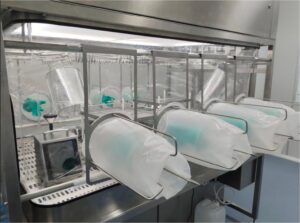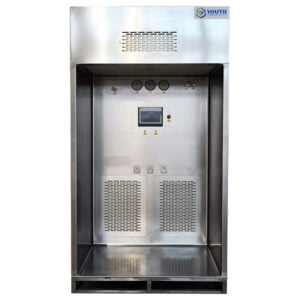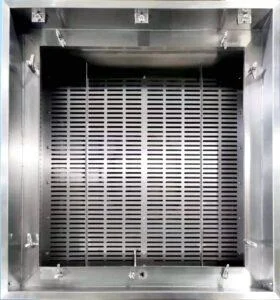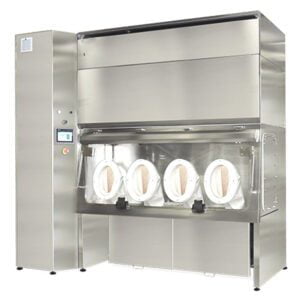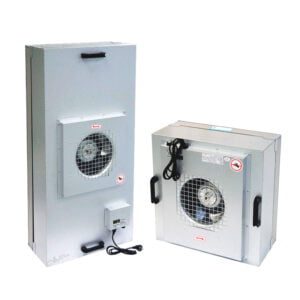
Il mantenimento di condizioni di sterilità nella produzione farmaceutica richiede molto di più della semplice installazione di filtri HEPA. La vera sfida sta nel gestire la complessa interazione tra l'efficienza dei filtri, la progettazione del sistema HVAC e un rigoroso ciclo di vita di convalida per garantire la continua conformità alle linee guida della FDA e dell'EMA. Una singola svista nella selezione, nell'installazione o nel monitoraggio dei filtri può compromettere un intero lotto di produzione, causando costosi richiami e controlli normativi.
L'enfasi sulle terapie avanzate e sui controlli più severi della contaminazione incrociata sta spingendo i requisiti HEPA in nuove aree della struttura. Questa evoluzione richiede un approccio strategico alla filtrazione dell'aria che bilanci la cattura assoluta delle particelle con la sostenibilità operativa. La comprensione degli standard tecnici, dei protocolli di convalida e dei costi del ciclo di vita non è più un optional, ma è fondamentale per salvaguardare la qualità dei prodotti e mantenere un'attività efficiente e conforme.
Come i filtri HEPA raggiungono l'efficienza del 99,97% nelle camere bianche
La scienza delle dimensioni delle particelle più penetranti
Le prestazioni del filtro HEPA sono valutate con un'efficienza del 99,97% per le particelle a 0,3 micron, note come dimensioni delle particelle più penetranti (MPPS). Questa dimensione specifica rappresenta il punto in cui il comportamento delle particelle le rende più difficili da catturare. Le particelle più grandi vengono facilmente intrappolate per impattamento inerziale, mentre le particelle submicroniche vengono catturate tramite la diffusione dovuta al moto browniano. L'MPPS da 0,3 micron si trova nel mezzo, dove questi meccanismi sono meno efficaci, e rappresenta quindi il test critico per le prestazioni dell'HEPA. Questo approccio multi-meccanico garantisce una difesa ad ampio spettro.
Costruzione del supporto e densità del gradiente
Il media filtrante è un tappeto denso e non tessuto di microfibre di vetro. La sua efficienza non è uniforme; utilizza un design a densità graduale. Il lato a monte è più aperto per consentire il caricamento in profondità e distribuire le particelle, mentre il lato a valle è più denso per la lucidatura finale. Questa struttura massimizza la capacità di trattenere la polvere e la durata, mantenendo l'efficienza desiderata. Gli esperti del settore raccomandano di valutare le specifiche relative alla profondità e al gradiente del media, in quanto influenzano direttamente la caduta di pressione iniziale e il consumo energetico a lungo termine, fattori chiave del costo totale di proprietà.
Profili dei contaminanti specifici per le applicazioni
La scelta di un filtro basata esclusivamente sulla sua classificazione 99,97% è una svista comune. La scelta deve essere guidata dal profilo dei contaminanti dello specifico processo farmaceutico. I processi che generano principalmente gocce di grandi dimensioni potrebbero non necessitare dello stesso filtro di quelli che producono polveri o vapori fini. Abbiamo confrontato i dati relativi alle prestazioni dei filtri per le diverse tipologie di aerosol e abbiamo scoperto che la curva di efficienza di un filtro nello spettro delle dimensioni delle particelle è importante quanto la sua classificazione MPPS. Questo garantisce che la soluzione di filtrazione sia progettata per la minaccia reale, non solo per uno standard generico.
Principali standard dei filtri HEPA: Classificazioni ISO, EN e IEST
Il quadro di classificazione delle prestazioni
Gli standard globali forniscono un linguaggio preciso per specificare le prestazioni dei filtri HEPA. Gli standard ISO 29463 ed EN 1822 classificano i filtri in base alla loro efficienza minima al MPPS, non a una singola dimensione delle particelle. Ad esempio, un filtro H13 per IT 1822 o un filtro ISO 35 E per ISO 29463 devono dimostrare un'efficienza ≥99,95%. Queste classificazioni creano un collegamento diretto e verificabile tra il filtro installato e la classe di pulizia ISO 14644-1 richiesta per la camera bianca.
Collegamento tra grado del filtro e classe della camera bianca
Il valore strategico di questi standard è la loro integrazione in un quadro olistico di conformità. Un ambiente di grado A ISO Classe 5, critico per il riempimento asettico, richiede in genere filtri H14 o ISO 45 H. La scelta non è arbitraria, ma è una decisione calcolata per fornire un margine di sicurezza sufficiente rispetto ai limiti di particolato definiti. La scelta non è arbitraria, ma una decisione calcolata per fornire un margine di sicurezza sufficiente rispetto ai limiti di particolato definiti da ISO 14644-1. Questo approccio stratificato, dallo standard del filtro alla classificazione della stanza, costituisce la prova documentale essenziale per gli audit normativi.
Il ruolo delle pratiche raccomandate IEST
Al di là della classificazione, l'implementazione è guidata da IEST-RP-CC001. Questo documento definisce le procedure di collaudo e manipolazione che garantiscono la realizzazione delle prestazioni nominali di un filtro sul campo. Copre aspetti critici, dai test di efficienza alle metodologie di ricerca delle perdite. Nei nostri progetti di convalida, l'adesione alle procedure IEST-RP-CC001 non è negoziabile per la qualificazione dell'installazione (IQ), in quanto fornisce il metodo riconosciuto dal settore per dimostrare l'integrità del filtro dopo l'installazione.
La tabella seguente riassume le principali classificazioni di efficienza dei principali standard internazionali.
Classificazioni comparative dell'efficienza
| Standard | Classificazione chiave | Efficienza minima (a MPPS) |
|---|---|---|
| IT 1822 | H13 | ≥ 99,95% |
| IT 1822 | H14 | ≥ 99,995% |
| ISO 29463 | ISO 35 E | ≥ 99,95% |
| ISO 29463 | ISO 45 H | ≥ 99,995% |
Fonte: ISO 29463: Filtri e materiali filtranti ad alta efficienza e EN 1822: Filtri dell'aria ad alta efficienza. Questi standard forniscono un quadro formale di test e classificazione per i filtri HEPA, definendo gradi di efficienza come H13/H14 e ISO 35 E/45 H in base alle prestazioni alla dimensione delle particelle più penetranti (MPPS).
Integrazione dei filtri HEPA nei sistemi HVAC farmaceutici
Strategie di collocamento terminali e centralizzate
I filtri HEPA sono integrati come barriera finale nell'HVAC farmaceutico. Nelle zone critiche, sono installati come filtri terminali in moduli a soffitto per fornire un flusso d'aria unidirezionale (laminare) direttamente sul punto di esposizione del prodotto. Nelle aree meno critiche o di fondo, possono essere collocati all'interno dell'unità di trattamento dell'aria per diluire la miscela turbolenta. La scelta determina i modelli di flusso d'aria, il design della cascata di pressione e l'accessibilità per la manutenzione. Una collocazione poco ponderata può creare zone morte o non mantenere i differenziali di pressione richiesti per il contenimento.
Bilanciamento del flusso d'aria, della pressione e dell'energia
La progettazione del sistema deve bilanciare tre parametri in competizione tra loro: la velocità del flusso d'aria per raggiungere la classe ISO, i tassi di ricambio dell'aria per la diluizione della contaminazione e i differenziali di pressione per controllare il flusso direzionale. Un vincolo fondamentale è il compromesso efficienza-energia. I filtri a più alta efficienza presentano una maggiore resistenza al flusso d'aria. Se il sistema di ventilazione HVAC non è dimensionato per superare questa caduta di pressione iniziale mantenendo il flusso d'aria di progetto, il locale potrebbe non soddisfare il tasso di ricambio d'aria richiesto, compromettendo la conformità dal punto di vista operativo.
L'imperativo della sostenibilità
L'energia necessaria per spingere l'aria attraverso i filtri HEPA costituisce una parte significativa del costo operativo di una camera bianca. La scelta di filtri con una caduta di pressione iniziale più bassa può ridurre il consumo energetico del ventilatore di 15-20% o più nel corso della vita del filtro. Ciò rende la caduta di pressione una specifica critica, spesso superiore al prezzo di acquisto iniziale in un'analisi dei costi del ciclo di vita. La progettazione di un impianto moderno deve quindi valutare le opzioni di filtraggio non solo per l'efficienza di cattura, ma anche per il loro impatto sul consumo energetico a lungo termine e sull'impronta di carbonio.
Convalida del filtro HEPA: Test DOP e protocolli di rilevamento delle perdite
L'imperativo del test di integrità
L'efficienza nominale di un filtro non ha senso se viene installato con una perdita. La convalida mediante test di integrità fornisce una prova documentata. Il metodo standard è la scansione con fotometro ad aerosol. Un aerosol polidisperso, come la poli-alfa-olefina (PAO), viene generato a monte. Una sonda di scansione attraversa l'intera superficie del filtro, il telaio e la guarnizione di tenuta a valle per rilevare le perdite localizzate. Questo processo convalida che il sistema installato funzioni come specificato.
Definizione dei criteri di accettazione/rifiuto
La soglia di perdita accettabile è rigorosa, in genere fissata a ≤0,01% della sfida a monte. Ciò significa che una perdita superiore a 0,01% costituisce un guasto, che richiede una riparazione e un nuovo test. Questo test viene eseguito durante la qualifica iniziale di installazione (IQ) e ripetuto durante la qualifica operativa (OQ) per verificare le prestazioni in condizioni dinamiche. Questo test affronta la realtà critica del fatto che una perdita da un foro o una guarnizione difettosa bypassano completamente il supporto efficiente da 99,97%.
Documentazione e tracciabilità
Il risultato dei test di integrità è un rapporto formale, che include le mappe di scansione e le letture del fotometro. Questo documento è una pietra miliare del sistema di qualità e fornisce la tracciabilità alle autorità di regolamentazione. In base all'esperienza, il risultato più comune riscontrato durante gli audit non è il fallimento dei test, ma una documentazione incompleta o incoerente della procedura di test e dei risultati rispetto ai criteri di accettazione definiti.
La tabella seguente illustra i componenti e i parametri fondamentali di un protocollo di test di integrità conforme.
Parametri del protocollo di test di integrità
| Componente del test | Parametro chiave | Soglia accettabile |
|---|---|---|
| Sfida con l'aerosol | Tipo di particelle | Polidispersi (ad esempio, PAO) |
| Metodo di rilevamento delle perdite | Scansione fotometrica | Scansione completa della faccia del filtro e della guarnizione |
| Integrità Pass/Fail | Perdita massima | ≤ 0,01% |
| Fase di convalida | Qualificazione iniziale | IQ (Installazione) e OQ (Operativo) |
Fonte: IEST-RP-CC001: Filtri HEPA e ULPA. Questa pratica raccomandata fornisce le linee guida definitive per i test di integrità dei filtri HEPA, compresa la metodologia per la scansione con fotometro ad aerosol e la soglia critica di perdita che definisce il superamento del test.
Mantenere la conformità: Test di integrità e monitoraggio di routine
Sorveglianza programmata e ripetizione dei test
La conformità è uno stato continuo, non un evento unico. È obbligatorio un programma di test di integrità di routine, in genere ogni 6-12 mesi per gli ambienti di classe ISO 5 e 7, o dopo qualsiasi evento che possa disturbare il filtro (ad esempio, la manutenzione). Questa verifica periodica assicura che non si siano sviluppate perdite nel mezzo o nelle guarnizioni nel corso del tempo. Il programma dovrebbe essere basato sul rischio, con aree più critiche testate più frequentemente.
Monitoraggio ambientale continuo
Mentre il test di integrità controlla il filtro stesso, il monitoraggio continuo delle particelle verifica che l'ambiente della camera bianca rimanga nello stato classificato durante le operazioni. I contatori di particelle forniscono dati in tempo reale sul particolato presente nell'aria, fungendo da indicatore delle prestazioni dell'intero sistema di filtrazione. Una tendenza all'aumento del numero di particelle può segnalare il carico del filtro o un guasto incipiente prima che scatti un allarme.
La perdita di carico come strumento predittivo
Il monitoraggio della caduta di pressione attraverso il filtro è una pratica critica ma spesso sottoutilizzata. Un filtro pulito ha una resistenza iniziale nota. Quando il filtro si carica di particelle catturate, la caduta di pressione aumenta. Il monitoraggio di questo aumento consente di prevedere la sostituzione prima che la caduta di pressione diventi così elevata da limitare il flusso d'aria al di sotto delle specifiche di progetto. In questo modo, la manutenzione passa da un modello reattivo, basato sulla programmazione, a uno basato sulle condizioni, ottimizzando la durata del filtro e prevenendo i tempi di fermo imprevisti.
Selezione dei filtri HEPA: Materiali, perdite di carico e guarnizioni
Corrispondenza tra specifiche e rischio applicativo
La selezione inizia con il grado di efficienza (ad esempio, H13 o H14), dettato dalla classe ISO della camera bianca di destinazione. Al di là dell'efficienza, i materiali di costruzione sono fondamentali. I telai in acciaio inossidabile offrono una maggiore pulibilità e resistenza alla corrosione rispetto all'alluminio verniciato. I materiali delle guarnizioni di grado farmaceutico devono essere compatibili con gli agenti detergenti e non devono emettere gas. Per i processi che coinvolgono composti potenti, un sistema di alloggiamento Bag-in/Bag-out (BIBO) è una caratteristica di sicurezza necessaria per un cambio sicuro.
Il dominio del costo del ciclo di vita
Il prezzo di acquisto di un filtro HEPA è una piccola frazione del suo costo totale di proprietà (TCO). Il costo dominante è l'energia necessaria per superare la caduta di pressione nel corso della sua vita operativa. Un filtro con una caduta di pressione iniziale inferiore di 10% può far risparmiare migliaia di euro in costi energetici annuali. Le decisioni di acquisto devono basarsi su un'analisi dei costi del ciclo di vita che modellizzi il consumo di energia, la manodopera di sostituzione e i costi di smaltimento rispetto al prezzo unitario.
Garantire l'integrità delle guarnizioni a lungo termine
Il sistema di tenuta, sia esso una guarnizione comprimibile o un gel liquido, è l'ultima difesa contro il bypass. Deve mantenere una tenuta perfetta in presenza di vibrazioni operative, fluttuazioni di temperatura e differenziali di pressione. Una guarnizione difettosa invalida l'efficienza del filtro. La valutazione del design della guarnizione e delle sue prestazioni comprovate in applicazioni simili è una parte critica, ma spesso affrettata, del processo di selezione.
La matrice decisionale riportata di seguito evidenzia i principali criteri tecnici e il loro impatto sui costi operativi.
Matrice dei criteri di selezione del filtro HEPA
| Criteri di selezione | Fattore chiave | Impatto sul TCO |
|---|---|---|
| Grado di efficienza | H13 vs. H14 | Corrisponde alla classe di camera bianca ISO |
| Telaio di costruzione | Acciaio inox | Pulibilità e resistenza chimica |
| Specifiche critiche | Caduta di pressione iniziale | Determina il costo energetico del ventilatore |
| Sistema di tenuta | Tipo di guarnizione o gel | Garantisce l'integrità operativa |
| Base per l'approvvigionamento | Analisi dei costi del ciclo di vita | Energia e sostituzione rispetto al prezzo |
Fonte: Documentazione tecnica e specifiche industriali.
Filtri HEPA vs. ULPA: Scegliere il giusto grado di efficienza
Parametri di efficienza e dimensioni target delle particelle
La differenza fondamentale si coglie nelle loro definizioni. I filtri HEPA sono certificati per un'efficienza minima di 99,97% su particelle di 0,3 micron. I filtri ULPA (Ultra Low Penetration Air) sono certificati per un'efficienza minima di 99,999% su particelle di 0,12 micron (l'MPPS per i supporti ULPA). Ciò rende gli ULPA la scelta migliore per catturare particelle di dimensioni submicroniche e nanometriche.
Il compromesso sulle prestazioni: cattura e flusso d'aria
La maggiore efficienza dei filtri ULPA è ottenuta grazie a un supporto più denso, che crea una resistenza al flusso d'aria significativamente più elevata. Ciò può ridurre il tasso di ricambio d'aria effettivo in una stanza di 20-50% rispetto a un filtro HEPA, se la capacità del ventilatore del sistema HVAC non viene aumentata per compensare. La decisione strategica si basa sul fatto che l'applicazione richieda assolutamente la riduzione logaritmica supplementare dell'ULPA o che l'HEPA fornisca una protezione sufficiente con caratteristiche energetiche e di flusso d'aria migliori.
Selezione guidata dall'applicazione
I filtri ULPA sono tipicamente riservati alle applicazioni più critiche, come alcune produzioni di microelettronica, la produzione di medicinali per terapie avanzate (ATMP) o la ricerca che coinvolge le nano-particelle. Per la maggior parte della produzione farmaceutica sterile, compreso il riempimento asettico di farmaci e prodotti biologici tradizionali, i filtri HEPA adeguatamente specificati e convalidati sono la soluzione standard e sufficiente. La scelta deve essere giustificata da una valutazione formale del rischio del processo.
Le tabelle seguenti forniscono un confronto chiaro e leggibile tra i due tipi di filtro.
Definizioni di efficienza di base
| Tipo di filtro | Efficienza minima | Dimensione delle particelle target |
|---|---|---|
| HEPA | ≥ 99,97% | 0,3 micron |
| ULPA | ≥ 99,999% | 0,12 micron (MPPS) |
Nota: I media più densi di ULPA possono ridurre il tasso di ricambio d'aria effettivo di 20-50% rispetto all'HEPA.
Prestazioni e applicazioni a confronto
| Aspetto delle prestazioni | Filtro HEPA | Filtro ULPA |
|---|---|---|
| Resistenza al flusso d'aria | Più basso | Significativamente più alto |
| Consumo di energia | Moderato | Alto |
| Applicazione Fit | Produzione più sterile | Microelettronica critica / ATMP |
Fonte: ISO 29463: Filtri e materiali filtranti ad alta efficienza. Questo standard classifica i filtri HEPA e ULPA in base alla loro efficienza alla dimensione delle particelle più penetranti (MPPS), fornendo la base tecnica per questa selezione comparativa.
Implementazione di un programma di gestione del ciclo di vita dei filtri HEPA
Dall'approvvigionamento allo smaltimento: Una visione olistica
Un programma del ciclo di vita formalizza la gestione dalle specifiche iniziali allo smaltimento sicuro. Inizia con la definizione dei requisiti tecnici che si allineano al rischio di processo e ai mandati normativi. Comprende procedure documentate per la manipolazione, lo stoccaggio e l'installazione per evitare danni, seguite da un rigoroso protocollo di convalida IQ/OQ. Questo inizio strutturato previene i guasti dovuti a una cattiva gestione.
Monitoraggio operativo e protocolli di sostituzione
La fase operativa del programma comprende i test di integrità di routine e il monitoraggio della caduta di pressione precedentemente illustrati. Il programma deve inoltre definire chiare condizioni di sostituzione (ad esempio, il raggiungimento di una caduta di pressione massima, il fallimento di un test di integrità o il raggiungimento di un limite temporale). Per le applicazioni pericolose, il programma prevede procedure di sostituzione sicure con sistemi BIBO per proteggere il personale e l'ambiente dall'esposizione durante la sostituzione del filtro.
Partnership strategica con i fornitori
Questo approccio completo trasforma il rapporto con i fornitori di filtri da transazionale a strategico. I partner che forniscono supporto tecnico applicativo, pacchetti di documentazione di convalida e assistenza tecnica riducono gli oneri di conformità interna. Inoltre, la collaborazione con i produttori che investono nella ricerca e sviluppo di materiali sostenibili e a bassa pressione può sostenere direttamente sia gli obiettivi ambientali che i risparmi operativi a lungo termine, rendendo il vostro impianto a prova di futuro.
Una filtrazione dell'aria efficace nella produzione farmaceutica è definita da tre priorità interconnesse: specifiche allineate al rischio di processo, convalida supportata da dati inattaccabili e gestione del ciclo di vita incentrata sulle prestazioni predittive. La scelta tra HEPA e ULPA, la progettazione dell'integrazione HVAC e il rigore del programma di monitoraggio non sono dettagli tecnici, ma decisioni strategiche sulla qualità.
Avete bisogno di una guida professionale per specificare, convalidare e gestire i vostri sistemi di filtrazione dell'aria critici? Gli esperti di YOUTH fornisce soluzioni mirate all'applicazione e partnership tecniche per garantire che la vostra camera bianca rimanga conforme, efficiente e protetta. Esaminate le nostre risorse per filtrazione dell'aria ad alta efficienza in ambienti controllati per informare il vostro prossimo progetto.
Domande frequenti
D: In che modo gli standard ISO 29463 ed EN 1822 influiscono sulla scelta del filtro HEPA per una camera bianca di Classe 5 ISO?
R: Questi standard classificano i filtri in base alla loro efficienza alla dimensione delle particelle più penetranti (MPPS), che di solito è compresa tra 0,1 e 0,2 micron. La camera bianca ISO 14644-1 La classificazione determina la concentrazione di particelle sospese nell'aria richiesta, che informa direttamente il grado di filtro minimo necessario, come un H13 (≥99,95%) o un H14. Ciò significa che l'approvvigionamento deve partire dalle specifiche della classe di camera bianca e selezionare un grado di filtro tra ISO 29463 o IT 1822 che garantisce la conformità, costituendo la base del vostro audit trail normativo.
D: Qual è il fattore più critico nella convalida del filtro HEPA per garantire la conformità alle normative?
R: Il test di integrità documentato è un requisito non negoziabile. Ciò comporta la scansione della faccia del filtro, delle guarnizioni e del telaio con un fotometro ad aerosol, introducendo a monte un aerosol di sfida, con una soglia di passaggio tipica di ≤0,01% di perdita. Un materiale filtrante perfetto è inutile se una perdita aggira la guarnizione. Per i progetti per i quali sono previste verifiche da parte della FDA o dell'EMA, pianificare sia la Qualificazione iniziale dell'installazione che la Qualificazione operativa ricorrente, come definito in IEST-RP-CC001 per dimostrare l'integrità continua.
D: Dobbiamo scegliere filtri HEPA o ULPA per una nuova linea di riempimento asettico?
R: La scelta richiede una valutazione specifica del rischio. I filtri ULPA (≥99,999% su 0,12µm) offrono una cattura superiore per le criticità estreme, ma creano una resistenza al flusso d'aria superiore di 20-50% rispetto ai filtri HEPA. Questa maggiore resistenza può ridurre l'effettiva velocità di ricambio dell'aria, compromettendo potenzialmente il vostro sistema. ISO 14644-1 classificazione se il sistema HVAC non ha una compensazione sufficiente. Se la vostra attività richiede la massima cattura di particelle, prevedete un sistema HVAC più grande e potente per gestire il notevole consumo energetico a lungo termine e mantenere il controllo ambientale.
D: In che modo la caduta di pressione influenza il costo totale di proprietà di un filtro HEPA?
R: La specifica della perdita di carico iniziale è il fattore principale del costo del ciclo di vita, non il prezzo di acquisto del filtro. Una perdita di carico più elevata costringe i ventilatori a lavorare di più per mantenere il flusso d'aria previsto, aumentando direttamente il consumo di energia nel corso della vita utile del filtro. Ciò significa che le strutture con funzionamento continuo dovrebbero dare priorità ai filtri con una bassa perdita di carico iniziale e valutare l'acquisto in base a un'analisi dei costi del ciclo di vita che preveda il consumo di energia, non solo il prezzo unitario.
D: Cosa deve includere un programma di manutenzione ordinaria dei filtri HEPA per mantenere la conformità?
R: Un programma conforme pianifica scansioni periodiche dell'integrità, il conteggio continuo delle particelle e il monitoraggio della caduta di pressione. Il monitoraggio dell'aumento della pressione differenziale segnala il carico del filtro e ne impone la sostituzione prima che il flusso d'aria si interrompa. Questo passaggio strategico dalla manutenzione programmata a quella basata sulle condizioni, utilizzando sensori in tempo reale, rende l'impianto a prova di futuro. Per le operazioni che richiedono tempi di attività rigorosi, l'implementazione del monitoraggio predittivo ottimizza la durata dei filtri ed evita guasti imprevisti alla conformità.
D: Quali sono i criteri tecnici fondamentali nella scelta di un filtro HEPA per una suite di composti potenti?
R: È necessario abbinare il grado di efficienza alla classe ISO della camera bianca, specificare materiali resistenti agli agenti chimici come i telai in acciaio inox e selezionare un sistema di tenuta robusto (guarnizione o gel). L'integrità della tenuta è fondamentale per evitare bypass pericolosi. Ciò significa che le strutture che trattano composti potenti devono privilegiare i fornitori che offrono sistemi di sostituzione Bag-in/Bag-out convalidati e supporto tecnico applicativo per ridurre il rischio di conformità interna durante l'installazione e la manutenzione.
Contenuti correlati:
- Filtri HEPA vs ULPA: Scegliere l'opzione giusta
- Test dei filtri HEPA: Garantire prestazioni ottimali
- Filtri ULPA vs HEPA per unità a flusso laminare
- Sistemi di filtri HEPA | Apparecchiature per il trattamento dell'aria Specifiche
- Metriche di prestazione dei filtri per camera bianca e specifiche tecniche
- ULPA vs HEPA per unità laminari 2025
- Cosa sono i filtri dell'aria per camere bianche | Nozioni di base HEPA vs ULPA
- Scatole di contenimento ULPA vs HEPA: Dati sulle prestazioni della camera bianca
- Efficienza del filtro HEPA: Massimizzare la purificazione dell'aria