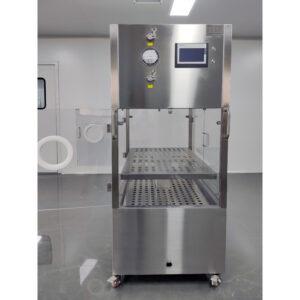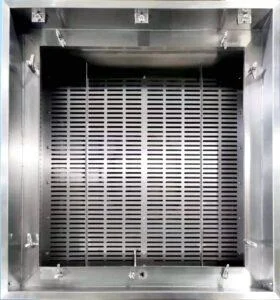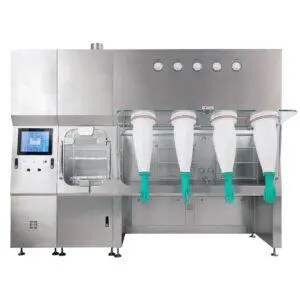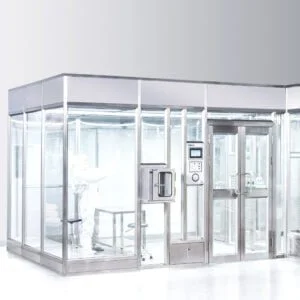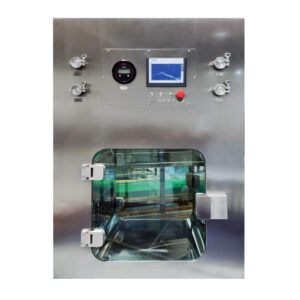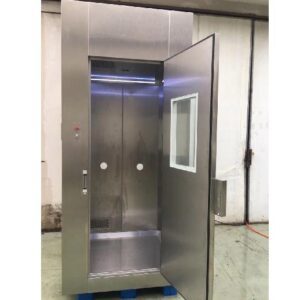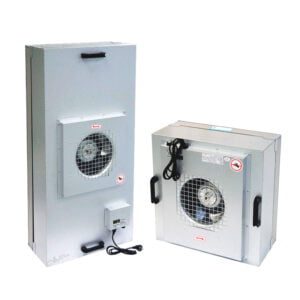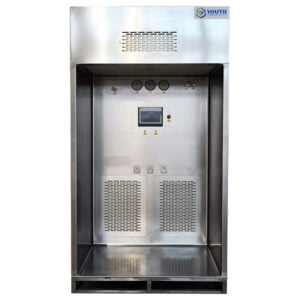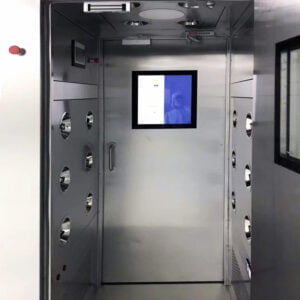
La scelta della configurazione ottimale dell'ugello della doccia a nebbia è una decisione tecnica critica che influisce direttamente sull'efficacia del controllo della contaminazione e sui costi operativi. Un'idea sbagliata comune è che la selezione degli ugelli sia una specifica secondaria, mentre in realtà è il fattore principale delle prestazioni di decontaminazione. Un disallineamento tra i parametri degli ugelli e la classificazione della camera bianca rischia di causare una rimozione inadeguata delle particelle o un costo operativo eccessivo.
La precisione richiesta dalle moderne operazioni in camera bianca, dalla produzione farmaceutica all'assemblaggio di componenti elettronici avanzati, richiede un approccio basato sui dati. Questa decisione influenza il successo della convalida, i costi di manutenzione a lungo termine e, in ultima analisi, la qualità del prodotto. Un quadro sistematico per la selezione delle configurazioni è essenziale per i gestori delle strutture e gli ingegneri di processo per mitigare efficacemente il rischio di contaminazione.
Parametri tecnici chiave per la configurazione degli ugelli
Definizione della gerarchia delle prestazioni
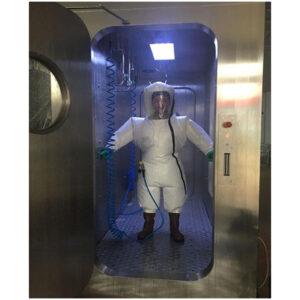
L'efficacia di una nebbia di decontaminazione è regolata da una gerarchia di parametri tecnici interdipendenti. La configurazione degli ugelli è al primo posto e determina la distribuzione delle gocce, la copertura e il tempo di ciclo. Le specifiche fondamentali comprendono il numero di ugelli, le dimensioni delle gocce e la dinamica del flusso. Il posizionamento strategico degli ugelli sulle pareti opposte è fondamentale per eliminare le zone d'ombra e garantire una copertura uniforme del personale. Abbiamo confrontato i sistemi in diverse installazioni e abbiamo scoperto che per soddisfare i requisiti più severi di rimozione del particolato sono necessarie configurazioni che arrivano a 30 o più ugelli.
Quantificare la dinamica delle gocce e del flusso
La dimensione delle gocce è il fattore più critico per l'incapsulamento dei contaminanti. I sistemi di nebulizzazione ottimali generano una nebbia di 5-10 micron, che ricopre efficacemente le particelle sub-microniche e i residui biologici con una bagnatura minima dei DPI del personale. Questa prestazione è quantificata dalla velocità dell'aria/acqua, in genere 30-34 m/s, e dalla portata volumetrica. I controlli a compensazione di pressione sono essenziali per mantenere questi parametri, garantendo prestazioni ripetibili per migliaia di cicli. Secondo le ricerche condotte sui protocolli di convalida delle camere bianche, i dettagli facilmente trascurati includono l'interazione tra le dimensioni delle gocce e la velocità dell'aria, che insieme determinano l'efficienza dell'impingement sulle superfici del particolato.
Mappatura dei parametri in una matrice di selezione
Questi parametri tecnici formano una matrice di prestazioni che deve corrispondere direttamente alla classe ISO di destinazione. Un quadro di selezione che mappa la classificazione ISO con la velocità, il numero e il tempo di ciclo degli ugelli richiesti impedisce di sotto o sovra-specificare. Gli esperti del settore raccomandano di trattare questi parametri come un sistema unificato piuttosto che come singole caselle di controllo; un numero elevato di ugelli con una velocità di flusso inadeguata non consentirà di ottenere la decontaminazione desiderata.
| Parametro | Intervallo obiettivo / Specifiche | Impatto sulle prestazioni |
|---|---|---|
| Dimensione delle gocce | Da 5 a 10 micron | Incapsulamento ottimale dei contaminanti |
| Velocità aria/acqua | 30-34 m/s | Aumenta l'efficacia della decontaminazione |
| Portata volumetrica | 2200-3900 m³/h | Determina la copertura e il tempo di ciclo |
| Numero di ugelli | Scala a 30+ | Assicura una copertura uniforme, senza ombre |
Fonte: ISO 14644-4: Camere bianche e ambienti controllati associati - Parte 4: Progettazione, costruzione e avviamento. Questo standard fornisce principi di progettazione fondamentali per i sistemi di controllo della contaminazione, stabilendo la necessità di parametri ingegneristici come il flusso d'aria e il controllo delle particelle che informano direttamente la velocità dell'ugello e le specifiche di posizionamento per una decontaminazione efficace.
Costi e ROI: Analisi dell'investimento totale per ogni classe
Andare oltre il prezzo di acquisto
L'investimento totale in un sistema di nebulizzazione è funzione dei costi del ciclo di vita, non solo della spesa di capitale iniziale. La scienza dei materiali è un fattore di costo fondamentale. Le parti bagnate in acciaio inossidabile di tipo 316 comportano un esborso iniziale più elevato, ma offrono una resistenza alla corrosione e una pulibilità superiori. In ambienti difficili con agenti igienizzanti aggressivi, questa specifica riduce drasticamente i costi di sostituzione a lungo termine e i tempi di fermo della produzione associati a guasti dei componenti.
Il ROI della modularità e dell'affidabilità
Il ROI operativo è fortemente influenzato dalla filosofia di progettazione. I progetti modulari con componenti standard, precablati e plug-and-play riducono al minimo il tempo medio di riparazione (MTTR). Questo ha un impatto diretto sulla redditività, riducendo le costose interruzioni di produzione. Per le camere bianche di classe superiore, come la classe ISO 5, l'investimento in una configurazione più robusta con un numero maggiore di ugelli e controlli avanzati è giustificato dai gravi costi finanziari e normativi di un evento di contaminazione. In questo caso, il ROI viene misurato correttamente in funzione della riduzione del rischio.
| Driver di costo | Considerazione primaria | Impatto a lungo termine |
|---|---|---|
| Selezione del materiale | Acciaio inossidabile di tipo 316 | Resistenza alla corrosione e pulibilità superiori |
| Filosofia del design | Componenti modulari e plug-and-play | Minimizza l'MTTR, riduce i tempi di inattività |
| Configurazione Scala | Numero di ugelli più elevato, controlli avanzati | Mitiga gli eventi di contaminazione ad alto costo |
| Focus sul ciclo di vita | Costo totale di proprietà | Supera il prezzo di acquisto iniziale |
Fonte: Documentazione tecnica e specifiche industriali.
Quale configurazione di ugelli è la migliore per la vostra classe di camera bianca?
Allineare la configurazione al rigore ISO
La scelta della configurazione ottimale degli ugelli dipende direttamente dalla classificazione ISO di destinazione e da una valutazione dettagliata del rischio di contaminanti specifici. Per gli ambienti ad alta severità, come la Classe ISO 5 (Classe 100) nel fill-finish farmaceutico, una configurazione aggressiva non è negoziabile. Ciò richiede un'alta densità di ugelli e tempi di ciclo più lunghi per garantire la rimozione di particelle submicroniche che potrebbero compromettere la sterilità. In base alla mia esperienza, il tentativo di utilizzare una configurazione standard in un ambiente di Classe 5 porta invariabilmente a fallimenti di convalida durante i test di sfida del particolato.
Scelta della tecnologia: Nebbia o aria
La prima decisione critica riguarda la tecnologia di base: doccia a nebbia o doccia ad aria. Questa scelta è dettata dal tipo di contaminante, non solo dalla classificazione. Una nebbia fine è progettata per incapsulare residui chimici o biologici, mentre le docce d'aria con filtro HEPA sono progettate per rimuovere il particolato secco. Un'area di confezionamento di Classe ISO 7 (Classe 10.000) può utilizzare una configurazione di nebulizzazione meno intensiva con un numero inferiore di ugelli, concentrandosi sulla riduzione grossolana dei potenziali contaminanti introdotti dalle zone adiacenti meno pulite.
| Classe della camera bianca (ISO) | Area di applicazione tipica | Priorità di configurazione |
|---|---|---|
| Classe ISO 5 (Classe 100) | Riempimento farmaceutico | Alta densità di ugelli, cicli più lunghi |
| ISO Classe 7 (Classe 10.000) | Area di imballaggio | Meno ugelli, riduzione lorda dell'attenzione |
| Scelta della tecnologia | Il tipo di contaminante determina | Nebbia o doccia d'aria |
| Requisito fondamentale | Rimozione di particelle sub-microniche | Configurazione aggressiva della nebbia |
Fonte: ISO 14644-4: Camere bianche e ambienti controllati associati - Parte 4: Progettazione, costruzione e avviamento. Il sistema di classificazione della norma e i requisiti di progettazione per il raggiungimento di specifici livelli di pulizia dell'aria sono direttamente correlati all'efficacia di decontaminazione necessaria, guidando la selezione della tecnologia e dell'intensità di configurazione appropriate per ciascuna classe ISO.
Confronto tra layout di involucri diritti e ad angolo retto
Il layout come funzione dell'architettura
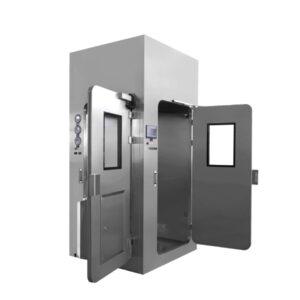
La disposizione fisica dell'involucro - diritto o ad angolo retto - non è una preferenza intercambiabile, ma è dettata dall'architettura della struttura e dalla logistica del flusso del personale. Questa decisione deve essere presa durante la fase di progettazione dell'impianto, in quanto l'adeguamento è proibitivo e costoso. Il design più comune è quello a passaggio rettilineo (tunnel), che funge da barriera diretta in linea tra due zone di diversa pulizia.
Impatto sul flusso di lavoro e sull'integrazione
La configurazione ad angolo retto viene utilizzata quando i vincoli di spazio o il flusso di lavoro unidirezionale richiedono un percorso di entrata e uscita a 90 gradi. Questa scelta influisce sulla complessità dell'integrazione, sull'ingombro e sui flussi d'aria interni. Indipendentemente dal layout, l'affidabilità del sistema di controllo è fondamentale. Il progetto deve includere porte interbloccate controllate da una sequenza automatica per prevenire la contaminazione incrociata, una caratteristica critica di sicurezza e contenimento. Gli esperti del settore consigliano di modellare il flusso di traffico del personale nei layout CAD per visualizzare l'impatto di ciascun tipo di armadio sulle operazioni quotidiane.
Considerazioni operative: Manutenzione, sicurezza e convalida
Progettare per l'assistenza e i tempi di attività
L'affidabilità operativa a lungo termine dipende dalla progettazione della manutenzione. Un ugello non otturato, con passaggi d'acqua sufficientemente ampi, è essenziale per evitare l'intasamento da depositi minerali, che garantisce una distribuzione uniforme delle gocce e delle prestazioni. La scelta di docce con componenti precablati e plug-and-play riduce significativamente il MTTR, un parametro fondamentale per gli impianti di produzione, dove i tempi di inattività equivalgono a una perdita di fatturato. Tra i dettagli facilmente trascurabili vi sono il posizionamento dei pannelli di accesso per la manutenzione e la standardizzazione delle parti di ricambio tra più unità.
Protocolli di sicurezza e convalida delle prestazioni
La sicurezza operativa è imprescindibile. Le caratteristiche devono includere arresti di emergenza, sblocco delle porte a prova di guasto e finestre di visualizzazione chiare. Infine, l'intero sistema configurato deve essere sottoposto a una rigorosa convalida. Questo protocollo dimostra l'efficacia del sistema contro i contaminanti specifici dell'impianto alla configurazione dell'ugello, al tempo di ciclo e alla concentrazione dell'agente definiti. La convalida è la fase finale ed essenziale che collega la progettazione ingegneristica con la garanzia di qualità operativa, fornendo prove documentate per la conformità alle normative.
Come integrare le docce a nebbia nel flusso di lavoro della struttura
Posizionamento come punto di controllo forzato
Un'integrazione efficace posiziona la doccia a nebbia non come un'apparecchiatura indipendente, ma come un punto di controllo procedurale all'interno del flusso di personale convalidato. Ciò richiede l'allineamento del tipo di cabina con la planimetria architettonica per garantire un movimento logico e senza compromessi tra le zone pulite. L'integrazione deve tenere conto delle procedure di vestizione, delle sequenze delle camere di compensazione e dei protocolli di trasferimento dei materiali, per evitare di creare colli di bottiglia o di aggirare le procedure che compromettono il controllo della contaminazione.
La frontiera dell'integrazione digitale
La prossima frontiera dell'integrazione operativa consiste nel collegare i comandi delle docce ai sistemi digitali di gestione degli edifici (BMS) tramite protocolli aperti come BACnet. In questo modo la doccia si trasforma da unità isolata in un nodo di dati all'interno di una rete di strutture intelligenti. Ciò consente di monitorare in remoto il conteggio dei cicli, lo stato dei filtri e i registri degli accessi, facilitando la manutenzione predittiva e i rapporti di conformità automatizzati. Questo livello di integrazione inserisce il controllo qualità direttamente nelle operazioni quotidiane della struttura, fornendo una supervisione in tempo reale e un supporto decisionale basato sui dati.
Selezione dei materiali: Resistenza alla corrosione e pulibilità
L'imperativo dell'acciaio inossidabile
La scelta dei materiali è un fattore determinante per la longevità del sistema e l'integrità del controllo della contaminazione. I componenti bagnati, compresi gli ugelli, i corpi delle custodie e tutte le tubazioni, sono sempre specificati in acciaio inox serie 300. Il tipo 304 è lo standard per l'uso generale, ma l'acciaio inossidabile di tipo 316 offre una resistenza chimica superiore per gli ambienti difficili come la manipolazione API o le aree che utilizzano agenti sporicidi aggressivi. Questa specifica non è negoziabile per resistere a frequenti cicli di decontaminazione.
Guarnizioni e costo totale di gestione
Oltre ai componenti metallici, le guarnizioni devono essere compatibili con gli agenti igienizzanti utilizzati. La scelta del materiale ha un impatto diretto sul costo totale di proprietà; specificare il grado corretto riduce il rischio di guasti indotti dalla corrosione, la generazione di particolato e la formazione di biofilm. Il compromesso sulla qualità dei materiali per ridurre il costo iniziale porta invariabilmente ad un aumento dei costi del ciclo di vita e rappresenta un rischio diretto per l'ambiente della camera bianca.
| Componente | Materiale consigliato | Proprietà chiave |
|---|---|---|
| Parti bagnate (generale) | Acciaio inox 304 | Pulibilità standard, resistenza chimica |
| Parti bagnate (dure) | Acciaio inox tipo 316 | Resistenza chimica superiore |
| Guarnizioni | Polimeri compatibili con gli agenti | Resiste ai prodotti chimici per la sanificazione |
| Obiettivo generale | Previene la corrosione | Protegge l'ambiente della camera bianca |
Fonte: Documentazione tecnica e specifiche industriali.
Un quadro graduale per la selezione della configurazione finale
Un processo decisionale sistematico
Un approccio disciplinato e graduale assicura che la configurazione selezionata soddisfi tutti i requisiti tecnici e strategici. Il processo inizia con la definizione della classificazione della camera bianca e l'esecuzione di una valutazione formale del rischio dei contaminanti presenti. Questa prima fase determina l'efficacia di decontaminazione richiesta e impone la scelta della tecnologia di base tra nebbia e aria. Abbiamo confrontato i risultati dei progetti e abbiamo scoperto che i team che non hanno effettuato una valutazione documentata del rischio hanno registrato un tasso 70% più elevato di modifiche alle specifiche post-installazione.
Dalle specifiche alla convalida
La seconda fase traduce il profilo di rischio in specifiche tecniche: dimensioni delle gocce target (5-10 micron), densità dell'ugello, velocità del flusso e tempo di ciclo. La terza fase finalizza il layout dell'involucro sulla base della pianta dell'impianto bloccato. La quarta fase specifica i materiali di costruzione, privilegiando il 316 SS per gli ambienti difficili. La quinta fase richiede caratteristiche che garantiscano il ROI operativo, come la manutenibilità modulare e la capacità di integrazione del BMS. L'ultima fase critica è la pianificazione del protocollo di convalida per certificare le prestazioni prima del rilascio operativo.
| Passo | Azione chiave | Uscita / Specifiche |
|---|---|---|
| 1 | Definizione della classe e valutazione del rischio | Efficacia richiesta, tipo di tecnologia |
| 2 | Tradurre in specifiche tecniche | Dimensione delle gocce (5-10µ), velocità, numero di ugelli |
| 3 | Finalizzare il layout dell'involucro | Passante diritto o ad angolo retto |
| 4 | Specificare i materiali di costruzione | 316 SS per ambienti difficili |
| 5 | Caratteristiche operative della domanda | Manutenibilità modulare, integrazione BMS |
| 6 | Piano di convalida | Protocollo di prestazione certificato |
Fonte: ISO 14644-4: Camere bianche e ambienti controllati associati - Parte 4: Progettazione, costruzione e avviamento. Questo standard delinea il processo essenziale di progettazione, costruzione e messa in funzione delle camere bianche, fornendo un quadro strutturato che si allinea all'approccio graduale per la selezione e la convalida di un sistema di controllo della contaminazione critico come una doccia a nebbia.
La configurazione finale deve bilanciare tre priorità fondamentali: l'efficacia tecnica rispetto al profilo di rischio specifico, l'affidabilità operativa per tutta la durata di vita del sistema e l'impatto finanziario totale che comprende sia le spese di capitale che quelle operative. La deviazione da un quadro di selezione strutturato introduce rischi inutili per la qualità del prodotto e la conformità dell'impianto.
È necessaria una guida professionale per specificare il corretto Configurazione della doccia a nebbia per camera bianca per la classificazione e il flusso di lavoro della vostra struttura? Gli ingegneri di YOUTH è in grado di fornire analisi specifiche per l'applicazione in base ai vostri piani e agli obiettivi di controllo della contaminazione.
Per una consulenza dettagliata sui requisiti del vostro progetto, potete anche Contatto.
Domande frequenti
D: Come possiamo determinare il numero corretto di ugelli e le dimensioni delle gocce per la nostra classe di camera bianca?
R: La configurazione ottimale dipende direttamente dalla classificazione ISO. Le classi più severe, come la ISO 5, richiedono configurazioni aggressive con un'alta densità di ugelli e cicli più lunghi per rimuovere le particelle submicroniche. La dimensione target delle gocce per un incapsulamento efficace è compresa tra 5 e 10 micron, erogate a velocità aria/acqua di 30-34 m/s. Ciò significa che le strutture che trattano composti potenti o prodotti sterili dovrebbero privilegiare sistemi ad alto flusso con più di 30 ugelli per ottenere una copertura uniforme senza zone d'ombra.
D: Qual è il principale fattore di costo per un sistema di nebulizzazione durante il suo ciclo di vita?
R: Il fattore di costo fondamentale è la scienza dei materiali, non il prezzo di acquisto iniziale. I componenti bagnati in acciaio inossidabile di tipo 316 richiedono un investimento iniziale più elevato, ma offrono una resistenza alla corrosione e una pulibilità superiori. Ciò riduce i costi di sostituzione a lungo termine e i tempi di fermo della produzione in ambienti difficili. Per i progetti in cui la sanificazione chimica è frequente, è opportuno prevedere un materiale di qualità superiore per ridurre i costi elevati di un evento di contaminazione o di un guasto indotto dalla corrosione.
D: Quando è opportuno scegliere una doccia a nebbia rispetto a una tradizionale doccia ad aria?
R: La scelta di questa tecnologia di base è dettata dal tipo di contaminante specifico. I sistemi a nebbia fine sono progettati per incapsulare e rimuovere residui chimici o biologici dagli indumenti. Le docce d'aria con filtro HEPA sono più efficaci per rimuovere il particolato secco. Se la vostra attività richiede la decontaminazione dopo la manipolazione di API o di rischi biologici, dovreste specificare un sistema a nebbia, poiché le docce d'aria da sole non sono sufficienti per questi rischi basati sui residui.
D: Come influisce la disposizione della cabina sull'integrazione di una doccia nebulizzata?
R: La disposizione - rettilinea o ad angolo retto - è dettata dalla planimetria della struttura chiusa e dal flusso del personale, non dalle prestazioni. Un tunnel diritto funge da barriera diretta tra le zone, mentre una configurazione ad angolo retto si adatta alle aree con spazio limitato che richiedono un percorso di ingresso a 90 gradi. Questa decisione deve essere presa durante la progettazione della struttura, poiché l'adeguamento è proibitivo. Per le nuove costruzioni, assicuratevi che i piani architettonici tengano conto dell'ingombro e della complessità di integrazione del layout scelto.
D: Quali sono le caratteristiche che garantiscono l'affidabilità operativa a lungo termine e la facilità di manutenzione?
R: Scegliete sistemi progettati per la manutenzione, compresi ugelli non otturatori con ampi passaggi d'acqua per evitare l'intasamento. Privilegiare progetti modulari con componenti precablati e plug-and-play per ridurre drasticamente il tempo medio di riparazione (MTTR). Questo approccio ha un impatto diretto sul ROI operativo, riducendo al minimo le interruzioni della produzione. Le strutture con finestre di manutenzione limitate dovrebbero richiedere queste caratteristiche per garantire prestazioni di decontaminazione costanti e costi del ciclo di vita inferiori.
D: Come possiamo integrare i controlli delle docce a nebbia con i nostri sistemi di gestione degli impianti più ampi?
R: Un'integrazione efficace utilizza protocolli di comunicazione aperti come BACnet per collegare i comandi delle docce a un sistema digitale di gestione degli edifici (BMS). Questo trasforma l'unità in un nodo dati per il monitoraggio remoto del conteggio dei cicli, dello stato dei filtri e dei registri degli accessi. Se la vostra attività richiede una manutenzione predittiva e un reporting automatico sulla conformità, dovreste pianificare questa capacità di integrazione BMS durante la fase di acquisto, per incorporare il controllo di qualità nelle operazioni della struttura.
D: Quale struttura sistematica dobbiamo seguire per selezionare la configurazione finale?
R: Seguite un processo a tappe: innanzitutto, definite la vostra classe ISO e il rischio di contaminazione; in secondo luogo, traducete questi dati in specifiche tecniche (dimensioni delle gocce, numero di ugelli, velocità); in terzo luogo, mettete a punto il layout del contenitore in base alla vostra planimetria; in quarto luogo, specificate i materiali resistenti alla corrosione, come l'acciaio inox 316; in quinto luogo, richiedete caratteristiche per il ROI operativo, come la manutenibilità modulare. Infine, pianificare il protocollo di validazione per certificare le prestazioni. Questo quadro di riferimento allinea le specifiche ingegneristiche con i risultati operativi e finanziari strategici, garantendo che il sistema soddisfi gli standard di qualità previsti, guidati dai principi in ISO 14644-4.
Contenuti correlati:
- Quale intervallo di dimensioni delle gocce garantisce un'efficace decontaminazione con nebulizzazione senza bagnare i DPI?
- Specifiche tecniche delle docce a nebbia per la conformità alle GMP: Dimensione delle gocce, velocità del flusso d'aria e standard di controllo della pressione 2025
- Perché le docce a nebbia prevengono la contaminazione secondaria meglio dei tradizionali sistemi a doccia umida
- Principi di funzionamento delle docce a nebbia: Come la tecnologia di nebulizzazione a ultrasuoni consente di ottenere una decontaminazione con gocce da 5-10 micron nelle camere bianche
- Sensori di attivazione per docce chimiche: Le ultime innovazioni
- Requisiti di pressione dell'acqua della doccia a nebbia: Ottenere una distribuzione uniforme delle gocce da 5-10 micron
- Sale d'emergenza per docce chimiche: Guida alla risposta rapida
- Qual è la durata ottimale del ciclo di nebulizzazione per la rimozione della polvere API dalle tute DPI?
- Sale doccia chimiche in acciaio inox: Guida alla durata