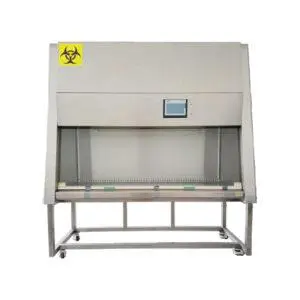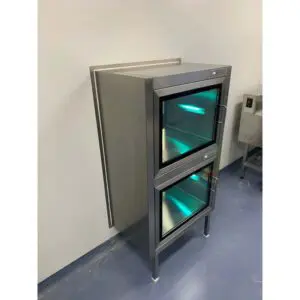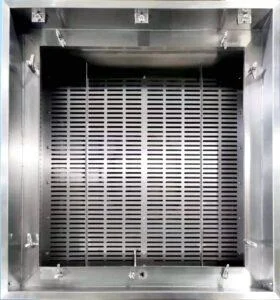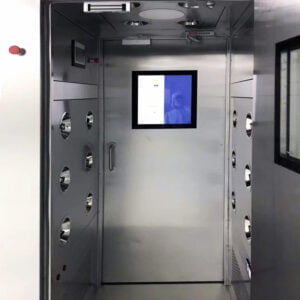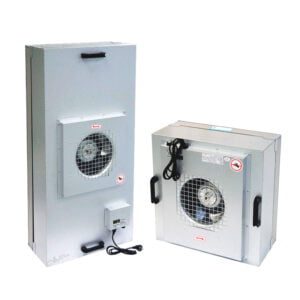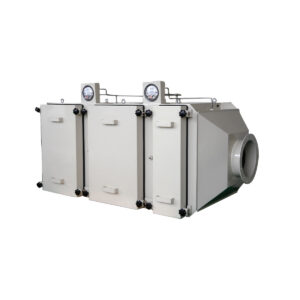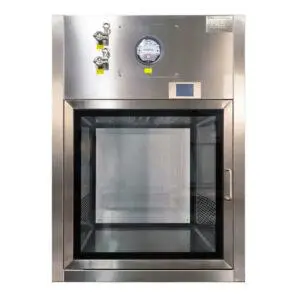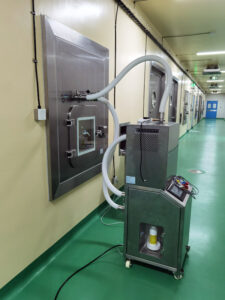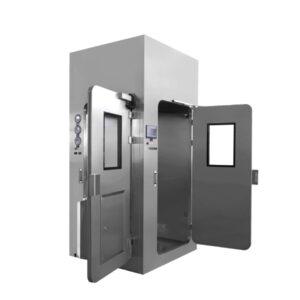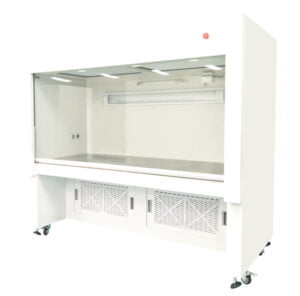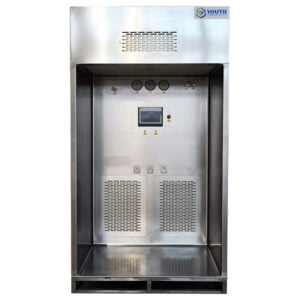
Gli acquirenti che si avvicinano a un annuncio per un cappa a flusso laminare Il prezzo è il solo motivo per cui le aziende che si basano sul prezzo scoprono di solito, dopo la consegna, che il costo a terra, una volta calcolata la manodopera per l'installazione, le riquotazioni del trasporto e le certificazioni mancanti, è sostanzialmente più alto della cifra che aveva spinto alla richiesta. Le conseguenze a valle non sono astratte: le unità che arrivano senza i dati dei test di accettazione in fabbrica o la tracciabilità di serie bloccano la convalida, creano un'esposizione ai controlli e talvolta richiedono test indipendenti per stabilire una conformità di base che avrebbe dovuto essere documentata prima della spedizione. Il controllo che risolve la maggior parte di questi attriti avviene prima dell'emissione dell'ordine di acquisto, non dopo l'arrivo dell'apparecchiatura. Le sezioni seguenti forniscono un quadro pratico per separare le offerte pronte per l'acquisto dagli elenchi che creeranno problemi in seguito.
Controlli sulle liste di vendita che filtrano velocemente le offerte deboli
Un elenco che a prima vista sembra credibile può fallire in pochi minuti di revisione strutturata. L'obiettivo in questa fase non è quello di completare un audit completo dei fornitori, ma di eliminare le offerte che mancano delle informazioni necessarie per effettuare un confronto significativo.
Iniziare con le informazioni di base: l'elenco indica il numero di modello, le dimensioni dell'armadio, il grado del filtro HEPA e la potenza standard? Queste quattro voci dovrebbero comparire senza dover contattare il fornitore. Se uno di questi elementi è assente, l'inserzione non può essere confrontata accuratamente con le offerte della concorrenza, il che significa che i confronti di prezzo basati su di essa sono inaffidabili. Un'unità commercializzata senza indicazione dell'efficienza del filtro, ad esempio, non può essere confermata come equivalente a un'unità che specifica un'efficienza di scansione del 99,99%: non si tratta di indicazioni intercambiabili.
Verificare poi se l'elenco distingue tra protezione della superficie di lavoro e protezione dell'operatore. Questa distinzione è importante ai fini della classificazione: una postazione di lavoro a flusso laminare orizzontale o verticale dirige l'aria filtrata attraverso la zona di lavoro per proteggere il prodotto o il processo dalla contaminazione, ma non protegge l'operatore dalle emissioni pericolose. Gli acquirenti che sbagliano a leggere questo punto scelgono la categoria di apparecchiatura sbagliata, il che rappresenta un problema di conformità che non può essere corretto aggiungendo accessori in un secondo momento.
Infine, verificare se l'elenco indica cosa viene spedito: il filtro HEPA è preinstallato o l'unità arriva con la necessità di essere assemblata? Ciò influisce sui tempi di installazione, sui requisiti di manodopera qualificata e sull'accuratezza del programma di avvio. Un elenco che omette questo dettaglio non è necessariamente squalificante di per sé, ma è un segnale che altre lacune potrebbero essere presenti più in basso.
Dettagli sulle specifiche che ogni fornitore serio dovrebbe rendere noti
Il problema pratico della divulgazione di specifiche incomplete non è che segnala un prodotto scadente, ma che rende strutturalmente inaffidabile il confronto tra elenchi incrociati. Se un fornitore dichiara un'efficienza HEPA scansionata del 99,99% con un filtro da 24 × 18 pollici e un'inserzione concorrente omette entrambe le cifre, non esiste una base valida per scegliere tra i due prodotti su basi tecniche. Il confronto dei prezzi diventa privo di significato perché le specifiche sottostanti sono sconosciute.
La compatibilità di tensione è un'omissione comune che crea un costo di progetto nascosto. Un'inserzione che indichi sia 115V/60 Hz che 230V/50 Hz indica immediatamente all'acquirente se l'unità è compatibile con lo standard elettrico dell'impianto senza richiedere modifiche al sito. Un elenco che omette completamente il voltaggio, o che indica solo uno standard, richiede un controllo diretto prima che una stima dei costi possa essere considerata affidabile.
Il punto relativo alla protezione merita un'attenzione specifica perché spesso viene frainteso nella fase di acquisto piuttosto che in quella di progettazione. Le postazioni di lavoro a flusso laminare sono progettate per proteggere la superficie di lavoro dalla contaminazione da particolato. Non sono classificate come dispositivi di protezione del personale per lavori che comportano rischi di emissioni biologiche o chimiche. L'acquisto di un armadio della categoria sbagliata, perché non è stato indicato chiaramente nell'elenco, non è un errore di documentazione, ma richiede la sostituzione dell'apparecchiatura.
Ogni informazione mancante nella tabella seguente rappresenta una lacuna che impedisce un confronto sicuro.
| Cosa confermare | Dettagli sulle specifiche | Perché è importante |
|---|---|---|
| Efficienza e dimensioni del filtro HEPA | 99,99% efficienza di scansione e dimensioni del filtro (ad esempio, 24 × 18 pollici) | Consente il confronto diretto delle specifiche tra gli annunci |
| Compatibilità di tensione | Il listino riporta sia 115V/60 Hz che 230V/50 Hz | Verifica la disponibilità elettrica senza modifiche |
| Ambito di protezione | Chiarire che la postazione di lavoro protegge la superficie di lavoro, non il lavoratore. | Previene l'errore di classificazione dei requisiti di sicurezza e la selezione di attrezzature sbagliate. |
| Stato di installazione del filtro | Se i filtri HEPA sono preinstallati al momento della consegna | Separa le unità pronte all'uso da quelle che necessitano di assemblaggio, incidendo sui tempi e sui costi di allestimento. |
Se un fornitore non è in grado di fornire questi dettagli nell'inserzione o in una scheda tecnica iniziale, consideratelo come un segnale sulla profondità del supporto documentale disponibile per tutta la durata del rapporto, non solo durante la vendita.
Prezzi pubblicati che nascondono l'ambito del test o del servizio mancante
Un prezzo basso pubblicato non è un punto di confronto finché non viene confermata la portata che lo sottende. Tre modelli di costo appaiono costantemente nelle inserzioni di tipo marketplace e ognuno di essi può spostare il costo effettivo sbarcato in modo significativo.
Il primo è un requisito per l'installazione dell'impianto elettrico, che viene indicato solo nei caratteri piccoli, se non addirittura in quelli piccoli. Quando un annuncio indica che per collegare la soffiante è necessario un elettricista certificato, il costo della manodopera non è incluso nel prezzo indicato. A seconda dell'ubicazione dell'impianto e del mercato della manodopera, questo può comportare un aumento significativo del costo totale e, cosa ancora più importante, una stima del campo di applicazione che l'acquirente potrebbe non aver preventivato.
Il secondo schema è la frase “è richiesto un certo assemblaggio”. In pratica, questo può significare qualsiasi cosa, dalla rimozione degli inserti in schiuma all'installazione e alla calibrazione dei filtri. Quando un'inserzione utilizza questo linguaggio senza specificare cosa comporta l'assemblaggio, l'acquirente non può stabilire se il personale interno è in grado di completarlo o se è necessaria una manodopera qualificata di terzi. La differenza di costo tra questi due scenari non è banale, così come l'impatto sulla tempistica di installazione.
Il terzo modello è una stima di spedizione che viene confermata solo dopo il pagamento. Un'inserzione che dichiara che i costi di spedizione saranno ricontrollati manualmente dopo l'invio dell'ordine non fornisce all'acquirente un preventivo di trasporto vincolante. Il trasporto stimato e quello effettivo possono differire in modo sostanziale a seconda del peso dell'unità, della destinazione e delle tariffe del vettore, e quando la discrepanza emerge, la decisione di acquisto è già stata presa.
Ciascuna di queste segnalazioni rappresenta un modello di rischio di fallimento, non una certezza per ogni offerta. Tuttavia, considerati nel loro insieme, illustrano il motivo per cui il prezzo di listino e il costo a terra dovrebbero essere considerati come cifre separate fino a quando tutte e tre le voci dell'ambito non vengono confermate per iscritto.
| Bandiera rossa per i costi nascosti | Cosa può essere omesso nell'elenco | Cosa chiarire prima dell'acquisto |
|---|---|---|
| Per il collegamento della soffiante è necessario un elettricista certificato | La manodopera per l'installazione non è inclusa nel prezzo | Confermare se l'allacciamento elettrico è incluso o aggiunge costi |
| “Avviso ”È necessario un certo assemblaggio | Manodopera di terze parti per l'assemblaggio non divulgata | Chiarire l'ambito dell'assemblaggio e se è coperto dal prezzo |
| Ricontrollo manuale della spedizione dopo il pagamento | Il costo esatto del trasporto non è indicato online; il costo può variare. | Richiedi un preventivo di spedizione vincolante prima del pagamento |
La pratica più sicura è quella di richiedere un preventivo scritto e dettagliato che includa il trasporto, la portata dell'installazione ed eventuali requisiti di montaggio prima di confrontare le offerte sul prezzo.
Offerte di rivenditori rispetto a proposte dirette alla fabbrica con responsabilità
La distinzione tra un elenco di rivenditori e una proposta diretta alla fabbrica non riguarda solo il prezzo, ma anche ciò che il fornitore può effettivamente fornire oltre all'unità stessa.
Un rivenditore può pubblicare cifre competitive perché il suo modello di spese generali è diverso da quello del produttore. Ciò che spesso non è in grado di fornire è la documentazione ingegneristica: disegni dimensionali, opzioni di personalizzazione per configurazioni di flusso d'aria o standard di potenza non standard, o un chiaro resoconto dei test di accettazione in fabbrica. Queste lacune possono non essere importanti per un semplice acquisto di sostituzione in un ambiente poco rischioso, ma lo sono in misura considerevole quando l'unità è destinata a una struttura regolamentata in cui la catena di custodia della documentazione è un requisito di qualificazione.
Il divario di responsabilità si concretizza durante la messa in servizio. Se un'unità arriva e richiede una modifica del profilo di velocità del flusso d'aria, o se l'installazione del filtro rivela una discrepanza dimensionale, un fornitore diretto dalla fabbrica ha un percorso definito per risolvere il problema: contatti tecnici, registri di produzione e una chiara catena di responsabilità. Un rivenditore che non ha un rapporto diretto con il produttore si trova in una posizione strutturalmente più debole per risolvere rapidamente il problema e l'acquirente assorbe il ritardo.
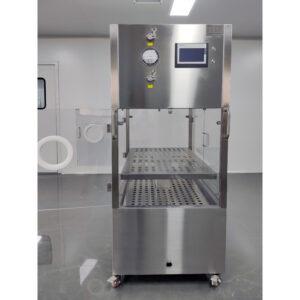
Per le applicazioni mobili o modulari, il carrello mobile a flusso d'aria laminare La configurazione introduce ulteriori considerazioni sulla flessibilità e sull'adattabilità al sito, questioni che richiedono conoscenze a livello di produttore per rispondere con precisione. Un rivenditore che faccia offerte su un'unità mobile senza avere accesso alle specifiche tecniche non è in grado di confermare la compatibilità con i requisiti del flusso di lavoro.
Le proposte dirette alla fabbrica includono in genere un maggior numero di informazioni preliminari - disegni, protocolli di prova e ambito di applicazione FAT definito - proprio perché il produttore dispone della documentazione necessaria per fornirle. Queste informazioni aggiuntive non sono un lusso, ma servono a rendere l'ordine di acquisto difendibile nella fase di qualificazione.
Lacune nell'identità dei produttori che rallentano la qualificazione dei fornitori
La qualificazione dei fornitori rallenta in modo significativo quando il team commerciale non è in grado di confermare chi abbia effettivamente prodotto l'unità oggetto della quotazione. Un'offerta che nomina un modello e un venditore ma non fornisce un'identità rintracciabile del produttore crea una lacuna nella catena di custodia che diventa un problema la prima volta che l'apparecchiatura necessita di assistenza, ricambi o documentazione normativa.
Il segnale più evidente di questa lacuna è il linguaggio vago della certificazione. Un elenco che afferma che un'unità “può essere conforme alle specifiche ISO” senza citare un numero di standard specifico o fare riferimento a prove di test non è una certificazione, ma una copertura. La differenza è importante perché un'affermazione di conformità significativa dovrebbe identificare il quadro di prova applicabile, come i metodi di prestazione del particolato descritti nella norma ISO 14644-3, e fare riferimento ai dati di prova che la comprovano. Un'affermazione secondo cui l'unità “può soddisfare” standard ISO non specificati non può essere utilizzata per soddisfare un protocollo di qualificazione. L'acquirente che se ne accorge dopo l'acquisto deve commissionare test indipendenti o rivolgersi al fornitore per ottenere una documentazione che potrebbe non esistere.
Si tratta di una bandiera rossa di qualificazione, non di una violazione confermata: alcuni fornitori utilizzano un linguaggio impreciso senza l'intenzione di travisare il loro prodotto. Ma dal punto di vista del processo di approvvigionamento, il risultato è lo stesso: l'acquirente deve svolgere un ulteriore lavoro di verifica che avrebbe dovuto essere risolto prima dell'emissione dell'ordine di acquisto. Un linguaggio di certificazione vago è un indicatore affidabile dell'esistenza di altre lacune nella documentazione.
Nel valutare i fornitori, chiedete direttamente: chi ha prodotto questa unità, in quale stabilimento è stata prodotta e quale standard di prova è stato applicato? Se queste domande producono risposte specifiche e verificabili, corredate da documentazione di supporto, il fornitore è di una categoria diversa rispetto a chi non è in grado di rispondere. Il Guida alla selezione dei fornitori di armadi a flusso laminare tratta il processo di qualificazione più ampio in modo più dettagliato per gli acquirenti che lavorano attraverso un confronto tra più fornitori.
Mancano i termini di tracciabilità e di supporto che squalificano l'inserimento nell'elenco
Un elenco che non rivela la tracciabilità seriale, i certificati di prova o una fonte definita di filtri di ricambio non è pronto per l'approvvigionamento, indipendentemente dal confronto del prezzo con le offerte della concorrenza. Non si tratta di una decisione normativa, ma di una soglia di prassi di approvvigionamento basata su ciò che accade a valle quando questi elementi sono assenti.
La tracciabilità seriale è alla base della gestione dell'assistenza a lungo termine. Senza un numero di serie rintracciabile, l'acquirente non può collegare l'unità fisica al suo record di produzione, non può registrarla accuratamente in un sistema di manutenzione e non può gestire un richiamo o una correzione sul campo se viene emesso. Un'unità non identificabile è difficile da controllare e quasi impossibile da revisionare attraverso la catena di fornitura originale.
I certificati di collaudo hanno una funzione diversa: stabiliscono che l'unità ha funzionato secondo le specifiche dichiarate in un determinato momento. Senza certificati, l'acquirente non dispone di una linea di base documentata per le prestazioni, il che significa che qualsiasi verifica futura delle prestazioni viene effettuata rispetto a un riferimento sconosciuto. Negli ambienti regolamentati, questo crea un'esposizione alle verifiche che non può essere risolta senza accettare la lacuna della documentazione o commissionare un test indipendente, entrambe operazioni che costano tempo e denaro e che un pacchetto completo di documentazione pre-spedizione avrebbe evitato.
La fonte del filtro di ricambio è una questione di manutenzione a lungo termine che rientra nella conversazione di acquisto, non in una chiamata di assistenza due anni dopo l'installazione. Se un'inserzione non specifica il modello di filtro e una fonte confermata per le sostituzioni, l'acquirente non ha alcuna garanzia che l'unità possa essere mantenuta secondo le specifiche originali per tutta la sua vita utile.
| Comunicazione mancante | Conseguenza squalificante | Cosa chiedere |
|---|---|---|
| Tracciabilità seriale | Non è possibile rintracciare l'unità per l'assistenza o il richiamo, compromettendo la fiducia nella manutenzione a lungo termine | Chiedete il numero di serie e la documentazione sulla tracciabilità |
| Certificati di prova | Nessuna prova di prestazione o di conformità, a rischio di accettazione da parte delle autorità di regolamentazione. | Richiedete i certificati che accompagnano la spedizione |
| Fonte del filtro di ricambio definita | Incertezza sulla disponibilità e sul supporto dei filtri in futuro | Confermare il modello di filtro, la fonte e il processo di sostituzione |
Un annuncio che non parla di tutti e tre questi punti deve essere considerato incompleto. Chiederli prima dell'acquisto non è un eccesso di due diligence, ma la conferma minima necessaria per avere fiducia che l'annuncio rappresenti un'apparecchiatura affidabile e manutenibile.
La soglia binaria per la valutazione di qualsiasi offerta è semplice: se non è in grado di confermare l'efficienza del filtro, la tracciabilità dell'unità e la portata del servizio, non è pronta per essere acquistata, indipendentemente dal prezzo. Il lavoro pratico di screening dei fornitori non consiste nel trovare l'offerta più economica; si tratta di confermare che un prezzo pubblicato copra effettivamente un'unità definita, documentata e mantenibile prima di prendere qualsiasi impegno.
Prima di passare alla fase successiva, confermate per iscritto che i certificati di prova, la documentazione di serie, la fonte del filtro di ricambio e il preventivo di trasporto vincolante sono tutti disponibili. Se uno di questi elementi richiede più controlli o produce risposte vaghe, l'attrito è un'anticipazione del rapporto di assistenza che esisterà dopo la consegna, e correggerlo nella fase di qualificazione costa molto meno che risolverlo durante la messa in servizio.
Domande frequenti
D: Questo quadro di screening si applica ancora se l'unità viene acquistata come semplice sostituzione piuttosto che per un nuovo impianto regolamentato?
R: Sì, ma il peso relativo di ciascun controllo cambia. La tracciabilità seriale e i certificati di collaudo sono importanti in ogni contesto perché stabiliscono una linea di base per la manutenzione e l'assistenza, indipendentemente dal contesto normativo. Laddove un acquisto di sostituzione in un contesto a basso rischio potrebbe tollerare una piccola lacuna nelle specifiche, un trasporto mancante o requisiti di assemblaggio non dichiarati incidono comunque sul costo totale sbarcato, e queste sorprese sono altrettanto dirompenti in un flusso di lavoro non regolamentato che in uno convalidato. Applicate la lista di controllo completa; riducete la soglia di documentazione solo quando potete confermare che il contesto di conformità lo consente davvero.
D: Una volta che un fornitore ha superato l'esame iniziale dell'elenco, qual è il passo immediatamente successivo prima di emettere un ordine di acquisto?
R: Richiedete un unico documento scritto che indichi il trasporto come preventivo vincolante, definisca l'intera portata dell'assemblaggio, confermi lo stato di pre-installazione del filtro HEPA e alleghi o si impegni a consegnare i certificati di collaudo e la documentazione di serie con la spedizione. Il consolidamento di questi elementi per iscritto, e non attraverso messaggi di posta elettronica separati, è ciò che trasforma un'offerta promettente in un'offerta pronta per l'acquisto. Se un fornitore non è in grado di produrre questo pacchetto su richiesta, significa che la documentazione di supporto durante e dopo la consegna sarà altrettanto frammentata.
D: A che punto l'offerta di un rivenditore diventa squalificante e non solo un'opzione più impegnativa?
R: L'offerta di un rivenditore diventa squalificante quando il rivenditore non è in grado di rispondere a domande sull'impianto di produzione, non può fornire prove di collaudo relative all'unità specifica venduta e non ha un percorso definito per l'assistenza tecnica nel caso in cui emerga un problema dimensionale o di prestazioni durante la messa in servizio. Un rivenditore che può fornire la documentazione completa dell'OEM e una chiara catena di responsabilità verso il produttore originale opera in modo diverso da chi ripubblica un annuncio senza accesso diretto al produttore. La soglia non è rappresentata dal rivenditore rispetto alla fabbrica, ma dall'esistenza di una documentazione tracciabile e di un percorso di risoluzione dei problemi tecnici.
D: I test indipendenti successivi alla consegna sono un valido ripiego se un fornitore non è in grado di fornire certificati di prova prima della spedizione?
R: È un ripiego praticabile per stabilire una linea di base delle prestazioni, ma è una strategia di approvvigionamento inadeguata. I test indipendenti aggiungono costi, allungano i tempi prima che l'unità possa essere messa in servizio e lasciano ancora irrisolto il problema della tracciabilità di serie: un test commissionato dopo la consegna documenta le prestazioni attuali, ma non sostituisce il record di accettazione di fabbrica legato alla produzione dell'unità. Negli ambienti regolamentati, i revisori possono richiedere specificamente la documentazione di collaudo originale, e un collaudo commissionato dall'acquirente potrebbe non soddisfare tale requisito. Per trattare il collaudo post-consegna come un'eventualità pianificata piuttosto che come una misura di emergenza, è necessario prevederlo esplicitamente prima della decisione di acquisto.
D: Qual è il costo totale aggiuntivo che un acquirente dovrebbe realisticamente mettere in conto quando un annuncio mostra tutti e tre gli schemi di portata nascosta: installazione elettrica, montaggio e trasporto non confermato?
R: L'articolo non fornisce cifre fisse perché i mercati del lavoro e le tariffe di trasporto variano troppo a seconda della località e delle dimensioni dell'unità per poter fornire una stima universale difendibile. Ciò che gli schemi stabiliscono è un principio strutturale: ognuna delle tre voci rappresenta una categoria di costo che è completamente assente dal prezzo di listino e deve essere quantificata in modo indipendente prima che qualsiasi confronto di prezzo sia significativo. Il passo pratico è quello di ottenere numeri vincolanti per tutte e tre le voci prima di considerare il prezzo di listino come una cifra di budget di lavoro: il divario tra il costo di listino e quello sbarcato su un listino che riporta tutte e tre le bandiere è raramente trascurabile.