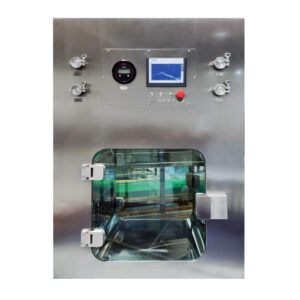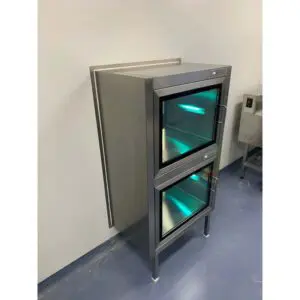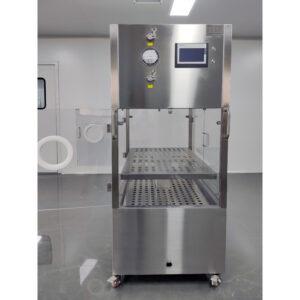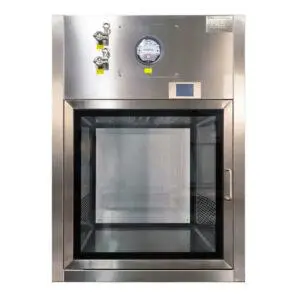
La scelta di un’attrezzatura di contenimento inadeguata a progetto già avviato raramente appare, a prima vista, come un errore evidente. Una cappa a flusso laminare già presente sul banco di lavoro, un’attività che comporta l’uso di un volume limitato di solvente, un team concentrato sul raggiungimento degli obiettivi di pulizia: il rischio di esposizione viene minimizzato fino a quando qualcuno non avverte mal di testa, odori alla postazione di lavoro o, peggio ancora, fino a quando un audit EHS non segnala la configurazione e il lavoro viene interrotto completamente. L’adeguamento della ventilazione o il passaggio a una cappa aspirante canalizzata dopo l’installazione comporta tempi di approvvigionamento più lunghi, costi per il tracciamento dei condotti e, in ambienti regolamentati, la riqualificazione dello spazio di lavoro. La valutazione che permette di evitare tutto ciò avviene in un momento specifico: quando si identifica se il rischio di processo è rappresentato da una particella che raggiunge il prodotto o da un vapore che raggiunge la persona.
Domande sui rischi di processo che consentono di individuare tempestivamente le anomalie nelle funzioni della cappa
La domanda fondamentale nella scelta non è quale unità si adatti al banco di lavoro o quale sia disponibile, bensì se il processo generi un rischio che si diriga verso il prodotto o verso l’operatore. Queste due direzioni del rischio richiedono risposte opposte in termini di flusso d’aria, e porre prima qualsiasi altra domanda significa basare la scelta su presupposti errati.
Un team che basa la propria decisione sui requisiti di pulizia ISO o sull’ingombro del flusso di lavoro potrebbe installare una cappa a flusso laminare che mantenga una superficie di lavoro immacolata conforme alla norma ISO 5, ma che allo stesso tempo convogli i vapori chimici o la polvere generati all’interno dell’unità direttamente verso la zona di respirazione dell’operatore. Questo risultato non è un’anomalia dovuta a un uso improprio, bensì una conseguenza prevedibile dell’applicazione di un flusso d’aria a ricircolo in sovrapressione a un tipo di attività non idoneo. La modalità di guasto è invisibile fino a quando non si verifica l’esposizione.
| Domanda sui rischi di processo | Se la risposta è sì | Cappa obbligatoria |
|---|---|---|
| L'attività comporta la produzione di fumi, vapori, polveri o odori tossici? | Rischio di inalazione ed esposizione per gli operatori | Cappa chimica |
| L'obiettivo principale è quello di garantire un ambiente sterile e privo di particelle per proteggere il prodotto? | Requisiti di pulizia del prodotto | Cappa a flusso laminare |
| L'attività comporta l'uso di sostanze chimiche corrosive o il rischio di schizzi o esplosioni di sostanze chimiche? | Sono necessarie una barriera fisica e un sistema di aspirazione | Cappa chimica |
Se la risposta alla prima domanda sui rischi di processo è sì — ovvero se l’attività comporta la presenza di fumi tossici, vapori, sostanze chimiche corrosive o polveri — la scelta è già definita. Il flusso laminare non è un’alternativa a basso costo che possa essere gestita con DPI aggiuntivi. Si tratta del modello di protezione inadeguato per quel tipo di rischio. Le domande rimanenti servono solo a precisare le specifiche della cappa chimica corretta.
Obiettivi di protezione del prodotto adeguati al flusso unidirezionale di aria pulita
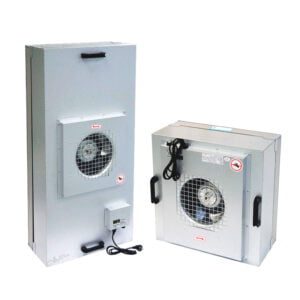
Le cappe a flusso laminare funzionano secondo un principio fisico semplice: l’aria filtrata con filtri HEPA viene erogata in un flusso unidirezionale sulla superficie di lavoro, allontanando continuamente le particelle presenti nell’ambiente prima che possano depositarsi sul prodotto o entrarvi in contatto. Il risultato è un ambiente conforme alla norma ISO 5 nella zona di lavoro — circa 100 particelle per piede cubo di dimensioni pari o superiori a 0,5 micron — mantenuto fintanto che la velocità del flusso d’aria e l’integrità del filtro rimangono inalterate. Questo meccanismo è perfettamente adatto a lavori che richiedono un’elevata cura del prodotto e che non comportano rischi chimici.
Il valore di riferimento della norma ISO 5 costituisce un utile parametro di riferimento per la progettazione, non un requisito di conformità universale. La necessità che un determinato processo rispetti i requisiti di pulizia previsti dalla norma ISO 5 dipende dallo standard del prodotto, non dalla cappa a flusso laminare in sé. Ciò che la cappa garantisce in modo affidabile è proprio quel livello di pulizia sulla superficie di lavoro, il che la rende lo strumento più adatto per attività in cui il rischio principale è rappresentato dalla contaminazione da particolato e le sostanze coinvolte non sono pericolose.
| Compito | Obiettivo di protezione del prodotto | I vantaggi del flusso laminare |
|---|---|---|
| Coltura cellulare | Mantenere la sterilità, prevenire la contaminazione | L'aria unidirezionale filtrata con filtro HEPA crea un campo sterile conforme alla norma ISO 5 |
| Preparazione dei media | Prevenire la contaminazione da particolato | Il flusso unidirezionale allontana le particelle dai contenitori aperti |
| Imballaggio sterile | Garantire un ambiente di confezionamento privo di particelle | Aria pulita conforme alla norma ISO 5 in tutta la zona di confezionamento |
| Assemblaggio dell'elettronica | Prevenire la formazione di difetti da particolato sui componenti | Il flusso d'aria verticale o orizzontale rimuove le particelle presenti nell'ambiente |
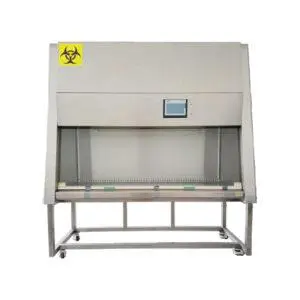
L'implicazione pratica per gli appalti è che le cappe a flusso laminare dovrebbero essere specificate solo dopo aver verificato che ogni sostanza utilizzata in quella postazione — compresi i detergenti, gli additivi per terreni di coltura o i materiali di imballaggio — non presenti alcun rischio legato all'inalazione o ai vapori. Questa fase di verifica viene spesso tralasciata quando i team operativi si concentrano sul controllo della contaminazione. Per le attività in cui sono richiesti sia la pulizia che il contenimento biologico, come il lavoro di coltura cellulare che coinvolge materiali di origine umana, un armadio di sicurezza biologica soddisfa sia i requisiti relativi alla protezione del prodotto che quelli relativi alla protezione del personale, che una cappa a flusso laminare da sola non è in grado di garantire.
Operazioni che comportano la presenza di vapori pericolosi e che rendono non sicuro il flusso d’aria laminare
Il meccanismo di flusso d’aria che rende una cappa a flusso laminare efficace per la protezione del prodotto è lo stesso meccanismo che la rende pericolosa per le operazioni che generano vapori. L’alimentazione unidirezionale in sovrapressione spinge l’aria filtrata verso l’esterno attraverso la superficie di lavoro e di nuovo nella stanza. Qualsiasi vapore, gas o particolato fine generato all’interno dell’unità viaggia con quel flusso d’aria — direttamente verso l’operatore. Non c’è alcuna cattura, nessun aspirazione in depressione e nessun percorso di scarico. Il filtro HEPA rimuove le particelle al di sopra della sua efficienza nominale, ma non assorbe vapori chimici o gas.
Non si tratta di un rischio marginale che varia in funzione della concentrazione dei vapori o del tempo di esposizione. La causa del malfunzionamento è di natura strutturale: l’unità è progettata per espellere l’aria, non per aspirarla. L’uso di una cappa a flusso laminare con solventi, acidi o qualsiasi sostanza che comporti un rischio di inalazione non crea una condizione neutra, ma genera una via di esposizione attiva.
| Attività/Rischio | Rischi legati all'uso del flusso laminare | Cappuccio corretto |
|---|---|---|
| Formazione di fumi tossici o vapori volatili | Il flusso d'aria spinge i fumi pericolosi verso l'operatore; rischio di inalazione | Cappa chimica (con o senza condotto di scarico) |
| Manipolazione di sostanze chimiche corrosive | Nessuna barriera; esposizione dell’operatore a schizzi o vapori | Cappa chimica con sportello scorrevole |
| Procedure che generano polveri pericolose | Polvere trasportata dal vento nella zona di respirazione dell’operatore | Cappa chimica |
| Lavori che generano odori | I vapori sgradevoli e potenzialmente irritanti si concentrano in corrispondenza dell'operatore | Cappa chimica |
Le conseguenze a valle della scoperta di questa applicazione errata dopo l’installazione sono significative. Se l’attività non può essere trasferita in una cappa chimica, la struttura deve o aggiungere un sistema di ventilazione canalizzata alla postazione esistente — il che richiede aperture, canalizzazioni e potenzialmente un ribilanciamento dell’impianto di climatizzazione — oppure interrompere il lavoro fino a quando non sarà installata l’attrezzatura corretta. In un ambiente di laboratorio GMP o regolamentato, qualsiasi modifica alle attrezzature in una postazione convalidata comporta anche un processo di controllo delle modifiche e di ricertificazione. Individuare il tipo di rischio in fase di definizione delle specifiche non comporta alcun costo. Individuarlo dopo l’installazione comporta invece un impatto concreto sui tempi e sul budget.
Maggiori dettagli sulla posizione del limite di sicurezza per le unità a flusso laminare sono riportati in Sicurezza dell'operatore nelle unità a flusso d'aria laminare.
Modelli di protezione a flusso laminare rispetto a modelli di protezione con cattura dei fumi di scarico
Questi due tipi di apparecchiature funzionano secondo una logica opposta per quanto riguarda il flusso d’aria, e tale opposizione non è una scelta progettuale, ma un vincolo fisico che le rende non intercambiabili, indipendentemente dagli aggiornamenti del sistema di filtrazione o dalle modifiche al flusso di lavoro. Una cappa a flusso laminare pressurizza verso l’esterno per mantenere un campo di alimentazione pulito in corrispondenza del prodotto. Una cappa aspirante aspira verso l’interno per catturare i vapori pericolosi prima che raggiungano l’operatore e li convoglia lontano dalla zona occupata. L’aggiunta di filtri al carbone a una cappa a flusso laminare non la trasforma in una cappa aspirante; la direzione del flusso d’aria continua a spingere l’aria della stanza verso l’esterno, non verso l’interno.
L’assenza di un pannello frontale in una cappa a flusso laminare è una conseguenza pratica di questa logica progettuale, non una lacuna secondaria nelle caratteristiche. Il pannello frontale di una cappa chimica fornisce una barriera fisica contro schizzi di sostanze chimiche, sbalzi di pressione e proiettili che possono verificarsi durante le reazioni chimiche. Una cappa a flusso laminare non dispone di una barriera equivalente poiché il suo design presuppone che il lavoro non sia pericoloso e che l’operatore debba avere libero accesso al prodotto. Tale presupposto è corretto per le applicazioni per cui l’unità è stata progettata. Diventa però un limite diretto alla sicurezza nel momento in cui viene introdotta un’attività chimica o reattiva.
| Caratteristica | Cappa a flusso laminare | Cappa aspirante |
|---|---|---|
| Obiettivo di protezione | Prodotto – protezioni contro la contaminazione da particolato | Personale – rileva ed elimina i rischi chimici |
| Flusso d'aria e pressione | Flusso d’aria unidirezionale a pressione positiva; l’aria filtrata viene reimmessa nell’ambiente | Aspirazione interna a depressione; scarico all’esterno (con condotto) o attraverso filtri (senza condotto) |
| Tipo di scarico | Ricircolo continuo (aria filtrata con filtro HEPA) | Con condotti (verso l'esterno) o senza condotti (ricircolo filtrato) |
| Barriera per operatori | Senza telaio; meccanismo di azionamento completamente a vista | Sash costituisce una barriera fisica contro schizzi, proiettili ed esplosioni |
| Applicazioni tipiche | Attività non pericolose che richiedono attenzione alle particelle: coltura cellulare, preparazione di terreni di coltura, assemblaggio di componenti elettronici | Lavori con sostanze chimiche pericolose: solventi, acidi, reazioni tossiche, formazione di polveri |
La cappa senza condotto rappresenta un punto di confusione in questo confronto. Poiché ricircola l’aria filtrata come una cappa a flusso laminare, può sembrare un’opzione intermedia. La distinzione fondamentale sta nella direzione del flusso d’aria e nel meccanismo di cattura: una cappa senza condotto aspira comunque l’aria verso l’interno attraverso l’apertura frontale e la fa passare attraverso un adeguato sistema di filtrazione adsorbente o chimica prima di ricircolarla. La logica di cattura verso l’interno rimane invariata. Una cappa a flusso laminare non presenta alcuna aspirazione verso l’interno in nessuna fase del suo funzionamento, il che significa che le due unità non sono comparabili semplicemente perché nessuna delle due richiede una canalizzazione esterna.
Le valutazioni relative alla salute, alla sicurezza e all’ambiente (EHS) e quelle operative, che spesso presentano contrasti nella selezione
Il processo di selezione spesso si blocca — o, peggio ancora, porta a una decisione errata — perché i team EHS e operativi rispondono a domande diverse quando valutano la stessa attrezzatura. Il team EHS valuta in genere il rischio di esposizione chimica, la classificazione dei pericoli da inalazione e se il modello di protezione dell’unità corrisponde al profilo della sostanza utilizzata nell’attività. Il team operativo valuta in genere i requisiti di pulizia, l’ingombro sul banco di lavoro, l’integrazione nel flusso di lavoro e se l’unità supporta gli obiettivi di produttività del processo. Nessuno dei due approcci è di per sé sbagliato. Il problema è che entrambe le valutazioni possono concludersi senza che nessuno si chieda esplicitamente se nell’attività siano presenti vapori di solventi, agenti corrosivi o rischi di inalazione.
La domanda fondamentale — questo processo genera un rischio legato ai vapori o alle sostanze chimiche in una qualsiasi delle sue fasi? — deve essere posta prima che la valutazione si suddivida in aspetti tecnici e operativi. Una volta data risposta alla domanda sul rischio chimico, il modello di protezione viene definito. Tutto il resto — ingombro, livello di pulizia, direzione del flusso d’aria, requisiti di canalizzazione — costituisce un dettaglio delle specifiche che deriva da tale risposta. Se la questione non viene chiarita in primo luogo, entrambi i team potrebbero valutare favorevolmente una cappa a flusso laminare in base ai propri criteri e raccomandarne l’installazione per un’attività che richiede categoricamente il contenimento dei fumi tramite cappa chimica.
Un utile controllo di verifica consiste nel chiedere al reparto operativo di elencare tutte le sostanze che verranno utilizzate nella stazione, compresi i detergenti e i reagenti secondari, non solo il materiale primario di processo. L’EHS valuta quindi l’elenco completo alla luce dei criteri di esposizione per inalazione e per vapori prima di procedere con qualsiasi specifica delle attrezzature. Questa sequenza impedisce che si verifichi la situazione in cui un’attività venga classificata come lavoro sensibile alle particelle — e le venga correttamente assegnata una cappa a flusso laminare — mentre una fase di pulizia con solventi nello stesso flusso di lavoro non venga esaminata.
Rischio di inalazione di sostanze chimiche che esclude l'uso di cappe a flusso laminare
Qualsiasi attività che comporti la presenza di vapori di solventi, sostanze chimiche corrosive o rischi di inalazione per l’operatore esula categoricamente dall’ambito di protezione offerto da una cappa a flusso laminare. Non si tratta di una raccomandazione generica che possa essere compensata da miglioramenti alla ventilazione, dispositivi di protezione individuale delle vie respiratorie o una riduzione del tempo di esposizione. Il modello di protezione di una cappa a flusso laminare non prevede la cattura delle sostanze chimiche, il convogliamento dei fumi o una barriera per l’operatore — e nessuna modifica operativa può aggiungere tali funzioni a posteriori.
Il CDC La biosicurezza nei laboratori microbiologici e biomedici, 6ª edizione, fornisce un quadro di riferimento pertinente per la classificazione dei rischi in laboratorio, in particolare laddove i rischi biologici e chimici si sovrappongono. Le sue linee guida sul contenimento primario e sulla valutazione dei rischi rafforzano il principio secondo cui il dispositivo di contenimento deve corrispondere alla classe di rischio del materiale trattato — un principio che si applica direttamente alla soglia di inalazione delle sostanze chimiche in questione, anche laddove il contesto normativo specifico sia diverso.
Ai fini dell’approvvigionamento, la soglia di rischio di inalazione funge da filtro binario. Se l’attività la supera, le specifiche passano alla selezione della cappa chimica e la cappa a flusso laminare viene esclusa dalla selezione, indipendentemente dalle sue prestazioni in termini di pulizia o dai vantaggi in termini di costo. Se l’attività non la supera — ovvero se tutte le sostanze coinvolte sono non pericolose e non sussiste alcun rischio di vapori o di inalazione in nessuna fase — allora il cappa a flusso laminare viene valutato in base alla pulizia, alla configurazione del flusso d’aria e all’adattamento all’ingombro. La soglia è il punto in cui la decisione si ramifica e deve essere confermata esplicitamente, anziché data per scontata.
Il costo a valle di un errore in questo ambito non si limita agli incidenti di esposizione. Un audit EHS che individui l’utilizzo di una cappa a flusso laminare per attività che generano vapori richiederà probabilmente l’immediata sospensione del lavoro, la sostituzione dell’attrezzatura e un’azione correttiva formale. In una struttura convalidata, tale azione correttiva potrebbe comportare la ricertificazione dei processi adiacenti e la revisione della documentazione. La differenza di costo tra una cappa a flusso laminare e una cappa chimica è raramente significativa rispetto a tali conseguenze.
Il criterio fondamentale di scelta è semplice, una volta posto al momento giusto: identificare innanzitutto la direzione del pericolo — verso il prodotto o verso la persona — e lasciare che sia quella risposta a determinare il modello di protezione. Le cappe a flusso laminare garantiscono un livello di pulizia affidabile secondo la norma ISO 5 grazie a un flusso d’aria unidirezionale in sovrapressione, e tale meccanismo funziona esattamente come previsto per lavori non pericolosi ma sensibili alle particelle. Le cappe chimiche utilizzano un sistema di cattura e scarico verso l’interno per proteggere l’operatore, e tale meccanismo è strutturalmente insostituibile quando l’attività comporta la presenza di vapori chimici, sostanze corrosive o rischi di inalazione.
Prima di specificare una delle due unità, è necessario confermare il profilo completo delle sostanze del flusso di lavoro — comprese le fasi di pulizia e i reagenti secondari — e applicare esplicitamente la soglia di rischio di inalazione. Se un’attività comporta sia requisiti di pulizia che rischi chimici, nessuna delle due unità da sola risolve il modello di protezione: tale combinazione indica tipicamente l’uso di una cabina di biosicurezza o di un flusso di lavoro separato, piuttosto che un compromesso tra i due tipi di cappa. La scelta dell’attrezzatura risulta semplice una volta che si è risposto onestamente alla domanda sul pericolo; il rischio sta nel considerarla una questione secondaria dopo che l’ingombro e il costo hanno già determinato la raccomandazione.
Domande frequenti
D: Una cappa aspirante senza condotto può rappresentare una soluzione di compromesso quando, nella stessa postazione, sono richiesti sia la pulizia che il contenimento delle sostanze chimiche?
R: No — una cappa chimica senza condotto garantisce il contenimento delle sostanze chimiche, ma non fornisce il campo d’aria pulita unidirezionale conforme alla norma ISO 5 richiesto dalle attività che prevedono l’uso di prodotti sensibili. Il suo sistema di cattura verso l’interno protegge l’operatore dai vapori, ma il flusso d’aria non è ottimizzato per mantenere la superficie di lavoro priva di particelle come invece avviene con un’unità a flusso laminare. Quando un’attività richiede effettivamente sia la pulizia che il contenimento di rischi chimici o biologici, la soluzione appropriata è in genere una cabina di biosicurezza o un flusso di lavoro fisicamente separato, non una cappa chimica senza condotto posizionata come compromesso tra i due modelli di protezione.
D: Cosa occorre fare subito dopo aver verificato che l’attività non comporti rischi legati all’inalazione o all’esposizione ai vapori e dopo aver scelto una cappa a flusso laminare?
R: Il passo successivo consiste nel verificare l’elenco completo delle sostanze per ogni fase eseguita in quella postazione — compresi i detergenti, i reagenti secondari e qualsiasi materiale introdotto durante la manutenzione — prima di finalizzare le specifiche. La soglia di rischio per inalazione deve applicarsi all’intero flusso di lavoro, non solo al materiale del processo primario. Confermare che il modello di protezione sia corretto solo per l’attività principale, tralasciando di esaminare una fase di pulizia con solventi, è esattamente la lacuna che causa un’applicazione errata dopo l’installazione.
D: L'uso di dispositivi di protezione individuale (DPI) per le vie respiratorie o il miglioramento della ventilazione dell'ambiente rendono accettabile l'utilizzo di una cappa a flusso laminare per lavori con solventi a basso volume?
R: No — nessuna delle due modifiche altera la modalità di cedimento strutturale. Una cappa a flusso laminare spinge attivamente l’aria filtrata verso l’operatore; i DPI riducono l’esposizione personale ma non eliminano il percorso attivo dei vapori creato dall’unità, mentre la ventilazione supplementare dell’ambiente non modifica la direzione del flusso d’aria dell’unità. Le normative e gli standard EHS (Ambiente, Salute e Sicurezza) richiedono che il dispositivo di contenimento primario sia adeguato alla classe di pericolo del materiale. L’uso di una cappa a flusso laminare con qualsiasi solvente o sostanza corrosiva rimane un impiego improprio, indipendentemente dai controlli compensativi che vengono applicati in aggiunta.
D: A partire da quale punto la differenza di costo tra una cappa a flusso laminare e una cappa chimica smette di essere un fattore rilevante nella scelta?
R: Il confronto dei costi diventa irrilevante nel momento in cui una qualsiasi sostanza presente nel flusso di lavoro supera la soglia di rischio di inalazione. Una volta confermata tale soglia, la cappa a flusso laminare non rappresenta un’alternativa a basso costo: si tratta del modello di protezione sbagliato e non può essere reso corretto attraverso la negoziazione del prezzo, l’aggiunta di DPI o adeguamenti operativi. A quel punto, il confronto di costi rilevante si sposta sulle configurazioni delle cappe chimiche con o senza condotto, in base all’infrastruttura di ventilazione della struttura, e non su un confronto con le apparecchiature a flusso laminare.
D: In che modo un team dovrebbe gestire una cappa a flusso laminare già installata in una postazione in cui, successivamente, è stata aggiunta al flusso di lavoro una fase che comporta un rischio chimico?
R: Le attività che comportano una fase di rischio chimico devono essere immediatamente interrotte in quella postazione e, prima di riprendere, devono essere trasferite in una cappa chimica adeguata. La cappa a flusso laminare esistente non può essere adattata per garantire la cattura verso l’interno: la direzione del flusso d’aria è fissa per progettazione. In un ambiente regolamentato o conforme alle GMP, l’introduzione di un rischio chimico in una postazione a flusso laminare convalidata costituisce inoltre una modifica non controllata che probabilmente richiede un controllo formale delle modifiche, la documentazione delle azioni correttive e, potenzialmente, la ricertificazione dell’area di lavoro una volta installata l’attrezzatura corretta.