La scelta del materiale sbagliato per il telaio di un carrello LAF mobile raramente si manifesta al momento della messa in servizio: si manifesta sei mesi dopo sotto forma di ruggine nelle giunture delle saldature, di una chiusura dello sportello resa fragile dai ripetuti lavaggi IPA o di una ruota che si è grippata dopo il contatto con un agente sporicida concentrato. Quando il problema è visibile, il carrello potrebbe essere già sotto osservazione per una revisione o mettere fuori servizio una linea di produzione mentre si rintracciano i pezzi di ricambio. La decisione per evitare questo problema non è complicata, ma richiede che il tipo di materiale, la finitura superficiale e le specifiche dei componenti corrispondano alle reali condizioni di pulizia che il carrello dovrà affrontare, e non alle condizioni che sembravano probabili al momento dell'acquisto. Quanto segue fornisce ai team di approvvigionamento e di progettazione un quadro pratico per effettuare questa corrispondenza in modo accurato e per riconoscere le condizioni in cui le opzioni di materiale a basso costo smettono di essere una scelta difendibile.
Domande sui materiali che influenzano la durata dei carrelli GMP
La scelta tra l'acciaio inossidabile SS304 e SS316 non è un obbligo normativo, ma una decisione conseguente. L'SS304 offre un'adeguata resistenza alla corrosione per i programmi di sanificazione GMP standard che prevedono l'uso di detergenti delicati o di disinfettanti diluiti a base di alcol in ambienti ad umidità controllata, e si comporta in modo affidabile in queste condizioni per una durata prolungata. La logica delle conseguenze cambia quando la chimica di pulizia diventa più aggressiva: gli agenti ossidanti concentrati, i composti di ammonio quaternario ad alta frequenza di diluizione o l'elevata umidità ambientale persistente creano microambienti ricchi di cloruri sulla superficie del carrello a cui l'SS304 non può resistere in modo costante. La vaiolatura inizia in corrispondenza di microdiscontinuità - tipicamente in corrispondenza di saldature, bordi e fessure - e una volta che la vaiolatura inizia sull'acciaio inossidabile, la pulizia della superficie secondo uno standard accettabile per le GMP diventa progressivamente più difficile, non più facile.
Il contenuto aggiuntivo di molibdeno dell'SS316 affronta in modo specifico questo percorso di rottura. Non è che l'SS316 non si corroda mai; è che la soglia per l'innesco della vaiolatura in presenza di agenti detergenti contenenti cloruro è significativamente più alta, il che è importante quando la stessa superficie del carrello viene pulita più volte per ogni turno di lavoro per una durata di servizio pluriennale.
| Pulizia dell'ambiente | Grado di inossidabilità consigliato | Perché è importante |
|---|---|---|
| Standard (detergenti delicati, umidità controllata) | SS304 | Adeguata resistenza alla corrosione per la sanificazione GMP di routine |
| Prodotti chimici aggressivi o umidità elevata | SS316 | L'elevato contenuto di molibdeno previene la vaiolatura e la degradazione della superficie in caso di pulizia aggressiva |
L'implicazione pratica della tabella è che la decisione sul tipo di prodotto deve essere presa dal protocollo di pulizia verso l'esterno, non dal listino prezzi verso l'interno. Le squadre che optano per SS304 senza rivedere il loro regime di disinfettanti accettano un rischio materiale che potrebbe non emergere fino a quando il carrello non è in servizio.
Chimica della pulizia ed esposizione all'impatto alla base della scelta del materiale
La scelta del materiale per il corpo del carrello è la decisione più visibile, ma non è l'unica in cui la chimica e il carico meccanico interagiscono con la scelta del materiale. Le cerniere e le ruote sono due componenti in cui una specifica sbagliata crea un percorso di guasto distinto, ed entrambi sono abitualmente sotto-specificati nei documenti di acquisto.
Le cerniere delle porte degli armadietti o dei pannelli delle cabine sono un punto di usura meccanica ripetitiva e sono anche un obiettivo frequente per la pulizia. Le cerniere non inossidabili - in lega di zinco, in acciaio al carbonio standard o in acciaio cromato - iniziano a presentare danni superficiali da corrosione entro pochi mesi dall'esposizione all'alcol o a disinfettanti ossidanti, soprattutto se la pulizia è accurata e raggiunge la giunzione della cerniera stessa. Specificare cerniere in acciaio inox resistenti alla corrosione al momento dell'acquisto è un'operazione di pianificazione semplice che evita un ciclo di sostituzione prevedibile. Non è detto che le cerniere non specificate si guastino sempre in tempi prestabiliti, ma in un programma di sanificazione aggressivo o anche solo moderatamente frequente, la probabilità di una corrosione precoce e di un'eventuale compromissione meccanica è abbastanza alta da dover essere trattata come un criterio di approvvigionamento piuttosto che come una correzione post-fallimento.
Le specifiche delle ruote seguono una logica parallela con l'aggiunta di una dimensione meccanica. Le ruote in poliuretano offrono una configurazione che affronta sia l'esposizione chimica che l'impatto fisico: il materiale resiste alla degradazione sotto i comuni disinfettanti e assorbe gli impatti sul pavimento in modo più efficace rispetto alle alternative più dure. Un carrello che si sposta frequentemente in un impianto di produzione o in un corridoio di una camera bianca subisce un carico meccanico cumulativo sulle ruote che i materiali più morbidi e meno resistenti agli agenti chimici non possono sostenere. La conseguenza di una ruota non specificata o non specificata non è sempre un cedimento improvviso; più spesso si tratta di un degrado graduale della mobilità che nel tempo diventa un problema di manipolazione e controllo della contaminazione. La scelta di ruote in PU con una capacità di carico definita e una compatibilità chimica confermata con gli agenti di pulizia del sito elimina questo rischio prima che il carrello entri in servizio.
Finiture superficiali che si degradano in caso di ripetute sanificazioni
La finitura superficiale è il punto in cui l'aspetto iniziale e le prestazioni a lungo termine divergono più nettamente, ed è anche il punto in cui le decisioni di acquisto vengono spesso prese sulla base di informazioni sbagliate. Un carrello verniciato a polvere sembra pulito, uniforme e rifinito in modo professionale al momento dell'acquisto. Il degrado che conta in un contesto GMP - macchie, microcrepe, perdita di aderenza del rivestimento - non è visibile in quella fase. Diventa visibile dopo l'esposizione ripetuta ai disinfettanti, in particolare a quelli con azione ossidante o alla chimica dei tensioattivi che attaccano lentamente l'interfaccia del rivestimento.
I componenti in plastica presentano un rischio correlato ma specifico per le operazioni. Le chiusure degli sportelli in vetro temperato sono un esempio comune: le chiusure in plastica possono deteriorarsi in seguito a ripetute esposizioni chimiche, diventando fragili, scolorendo o perdendo l'integrità meccanica necessaria per mantenere saldamente in posizione lo sportello. Non si tratta di una modalità di guasto universale che si verifica in ogni ambiente di pulizia, ma è un punto debole noto nei carrelli che vengono puliti frequentemente e con agenti più aggressivi dell'alcol diluito. La conseguenza non è estetica: una chiusura compromessa crea un problema di sicurezza dello sportello che influisce sull'integrità dell'ambiente a flusso d'aria laminare che il carrello è progettato per mantenere, e il reperimento di un pezzo di ricambio adeguato a metà del servizio è spesso più lento del previsto.
La disciplina più ampia che ne deriva è che la finitura superficiale dovrebbe essere specificata come parte dell'approvvigionamento iniziale, non lasciata come caratteristica implicita del materiale da costruzione. Un carrello inossidabile saldato con una finitura di saldatura ruvida o una superficie interna incoerente presenta caratteristiche di pulibilità diverse rispetto a uno con saldature lisce e completamente fuse e un grado di finitura superficiale definito. La qualità della finitura influisce sull'efficacia della disinfezione della superficie e sulla possibilità che il detergente entri in contatto con la geometria di ristagno che accelera la corrosione localizzata. Specificare la finitura come criterio di acquisto - e non semplicemente specificare il materiale - è il passo che rende la scelta del materiale significativa.
Costruzioni in acciaio inox contro i compromessi di costo dei materiali misti
La convenienza dell'acciaio elettrozincato a polvere (EG) rispetto alla costruzione saldata in acciaio inossidabile è reale al momento dell'acquisto e incerta nel corso della vita utile del carrello. Il compromesso non è che l'acciaio EG verniciato a polvere sia categoricamente inadatto, ma che le sue prestazioni in un ambiente di pulizia GMP dipendono fortemente dall'integrità del rivestimento, che è davvero incerta in caso di disinfezione rigorosa e ripetuta.
La lacuna nella convalida è il problema principale. Le prestazioni di un carrello saldato in acciaio inox in caso di esposizione chimica sono prevedibili in base alle specifiche del grado e della finitura superficiale. Le prestazioni di un carrello in acciaio EG verniciato a polvere dipendono dalla formulazione del rivestimento, dalla qualità dell'applicazione e dalle caratteristiche di adesione, che non sono specificate o convalidate in modo uniforme dai vari fornitori. Quando il rivestimento si degrada - e nei programmi di pulizia aggressivi spesso lo fa, a un ritmo difficile da prevedere in fase di approvvigionamento - il substrato sottostante non è inossidabile resistente alla corrosione, ma acciaio al carbonio con uno strato protettivo degradato. Le conseguenze igieniche e strutturali che ne derivano possono erodere il vantaggio economico che aveva giustificato la scelta iniziale.
L'acciaio EG verniciato a polvere antimicrobica viene talvolta presentato come un'opzione intermedia, ma introduce un'ulteriore incertezza anziché risolvere quella di fondo. La proprietà antimicrobica riguarda la proliferazione microbica sulla superficie tra un ciclo di pulizia e l'altro, che è un problema diverso dalla durata del rivestimento in presenza di disinfettanti. Un rivestimento antimicrobico che si degrada in seguito a ripetute esposizioni chimiche non compensa tale degrado con la sua dichiarazione antimicrobica. Senza dati convalidati sull'integrità del rivestimento in base agli agenti e alle frequenze di pulizia specifici previsti per il sito, la scelta di questa opzione non colma il divario di durata, ma aggiunge un'ipotesi non convalidata.
| Materiale di costruzione | Pulibilità e resistenza chimica | Durata e costi a lungo termine | Rischi principali |
|---|---|---|---|
| Acciaio inox saldato (SS304/SS316) | Liscio, non poroso; alta resistenza ai disinfettanti; 316 richiesto per agenti aggressivi | Costo iniziale più elevato, costo del ciclo di vita più basso; lunga durata di servizio | Minima in condizioni di pulizia standard e severa se si sceglie la qualità corretta |
| Acciaio elettrozincato verniciato a polvere | Il rivestimento può macchiarsi, screpolarsi o degradarsi con la disinfezione ripetuta; minore pulibilità nel tempo | Costo iniziale più basso; durata di vita incerta in caso di pulizia GMP rigorosa | Il fallimento del rivestimento porta a problemi di corrosione e igiene; richiede la convalida delle specifiche |
| Acciaio EG rivestito di polvere antimicrobica (alternativa) | Proprietà antimicrobiche aggiunte, ma l'integrità del rivestimento a lungo termine in caso di disinfezione ripetuta non è stata convalidata. | Potenziale risparmio iniziale, durata sconosciuta | La longevità non è comprovata; può ancora subire il degrado del rivestimento, le macchie e i problemi di manutenzione delle saldature. |
L'inquadramento dei costi del ciclo di vita è la lente più utile in questo caso. Un carrello in acciaio inox costa di più al momento dell'acquisto e, se correttamente specificato per l'ambiente di pulizia, costa meno in termini di manutenzione nel corso di un periodo di servizio pluriennale. Un carrello verniciato a polvere costa meno al momento dell'acquisto e comporta costi di manutenzione e sostituzione difficilmente prevedibili al momento dell'acquisto. Per i team che si occupano di acquisti e che sono sotto pressione per il budget, vale la pena di menzionare esplicitamente questa incertezza nella conversazione sulle specifiche, in particolare se il carrello opererà in un programma in cui la frequenza di pulizia è elevata o la chimica degli agenti non è delicata.
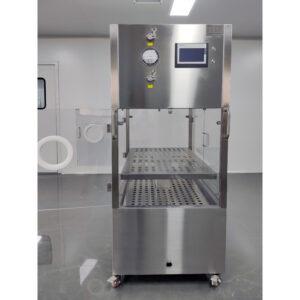
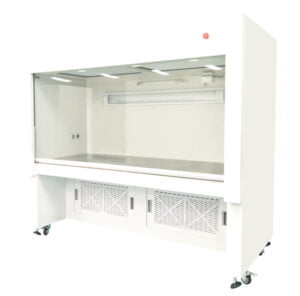
Per i team che valutano le opzioni dei carrelli a flusso d'aria laminare in base alle loro specifiche condizioni di pulizia, il sistema Carrello mobile a flusso d'aria laminare offre un punto di riferimento per la configurazione delle scelte costruttive nei casi d'uso standard.
Lacune nelle finiture e nei ricambi che rallentano le decisioni
La scelta dei materiali e il tipo di costruzione sono le decisioni che tendono a guidare le conversazioni sugli acquisti, ma gli elementi che bloccano in modo più affidabile tali conversazioni - o che causano rimpianti a posteriori - sono le tre aree di specifica che spesso rimangono irrisolte: la qualità delle saldature, la disponibilità dei pezzi di ricambio e le specifiche a livello di componenti di cerniere, ruote e filtri.
La qualità della saldatura non è una questione estetica. Su un carrello inossidabile, la qualità della saldatura determina la pulibilità della superficie e la resistenza della struttura alla corrosione nelle interfacce dei giunti. Saldature a penetrazione incompleta, cordoni di saldatura ruvidi o una geometria degli angoli incoerente nelle giunzioni ad angolo retto creano geometrie interstiziali che intrappolano i residui di disinfettante e accelerano la corrosione localizzata - l'esatta modalità di guasto che la costruzione in acciaio inossidabile doveva prevenire. La specificazione di angoli ad angolo retto SS304 a penetrazione totale e di una finitura superficiale definita delle saldature al momento dell'acquisto è un modo diretto per evitare che il carrello non sia all'altezza del suo materiale in servizio. Senza questa specifica, due carrelli costruiti con lo stesso tipo di acciaio possono fornire risultati di pulizia e durata significativamente diversi.
La disponibilità dei pezzi di ricambio merita la stessa attenzione delle specifiche iniziali. Una decisione di acquisto che non conferma l'intercambiabilità e la disponibilità di cerniere, ruote e materiali filtranti di ricambio crea un problema di manutenzione futura senza costi visibili al momento dell'acquisto. Quando una cerniera si blocca, una rotella si degrada o un filtro raggiunge la fine della sua vita utile, le conseguenze operative dipendono dalla rapidità con cui è possibile reperire il pezzo di ricambio, e ciò dipende dal fatto che la disponibilità è stata verificata prima dell'acquisto del carrello, non dopo che è stato in servizio per due anni.
| Area delle specifiche | Cosa chiarire | Rischio se vago |
|---|---|---|
| Qualità della saldatura e finitura superficiale | Angoli ad angolo retto SS304 a penetrazione totale, saldature lisce, grado di finitura superficiale | Corrosione sulle saldature, più difficile da sanificare, cedimento strutturale precoce |
| Cerniere | Acciaio inossidabile resistente alla corrosione, adatto a ripetuti cicli di disinfezione | Grippaggio o rottura della cerniera, sicurezza della porta compromessa, sostituzione frequente |
| Ruote | Materiale delle rotelle in poliuretano (PU), capacità di carico, resistenza agli agenti chimici | Degrado della ruota in seguito a pulizia o urti, guasto della mobilità |
| Filtri | Disponibilità di pezzi di ricambio, intercambiabilità, specifiche | Ritardi negli approvvigionamenti, carrello offline durante la sostituzione del filtro, tempi di inattività non pianificati |
Il rischio pratico, quando queste quattro aree di specifica sono lasciate vaghe, è che le decisioni di acquisto vengano prese solo in base al prezzo, il che fa sì che i team si ritrovino con carrelli che sono stati specificati correttamente per quanto riguarda il tipo di materiale, ma che non sono stati sufficientemente specificati per quanto riguarda i componenti e la qualità di finitura che determinano le effettive prestazioni di servizio. Risolvere questi problemi prima dell'emissione dell'ordine di acquisto richiede meno tempo che gestire i tempi di inattività non pianificati durante un ciclo di produzione.
Una rassegna più ampia di come le configurazioni dei materiali si applicano ai progetti di unità a flusso d'aria laminare è disponibile in questo documento. confronto dei materiali per le unità a flusso d'aria laminare.
Condizioni di pulizia difficili che escludono i materiali più economici
Esiste una soglia pratica nella selezione dei materiali per carrelli LAF mobili in cui l'economia del ciclo di vita si sposta chiaramente verso l'acciaio inossidabile SS316, anche a fronte di un costo iniziale più elevato: quando la chimica di pulizia è aggressiva, quando l'umidità ambientale è persistentemente elevata o quando il carrello subisce frequenti impatti meccanici sulle ruote e sulle cerniere a causa del riposizionamento regolare in un ambiente di produzione affollato. Al di sotto di questa soglia, SS304 è appropriato e l'acciaio EG con un rivestimento ben specificato può essere un'opzione difendibile. Al di sopra di questa soglia, i materiali di qualità inferiore non offrono un reale vantaggio in termini di costi: rimandano al futuro un costo di sostituzione e manutenzione prevedibile, creando al contempo un rischio operativo intermedio.
Il modello di guasto negli ambienti di pulizia non specificati è coerente: il degrado della superficie inizia nei punti più vulnerabili - saldature, fessure, interfacce dei componenti - e avanza a un ritmo che segue la frequenza di pulizia e l'aggressività dell'agente. L'acciaio SS304 e l'acciaio EG non sono materiali categoricamente inadatti, ma hanno limiti di prestazione convalidati e il loro utilizzo oltre tali limiti non produce un degrado graduale e gestibile. Si verificano invece problemi di corrosione, macchie e manutenzione strutturale che sono più difficili da affrontare a posteriori di quanto sarebbe stato possibile evitare con una corretta selezione iniziale del materiale. Il contenuto più elevato di molibdeno nell'SS316 innalza la soglia di innesco della corrosione in ambienti contenenti cloruri, il che è particolarmente importante nelle strutture che utilizzano disinfettanti concentrati o ossidanti o in cui l'umidità non è controllata in modo affidabile.
| Gravità della pulizia | Materiali adatti | Materiali da evitare | Conseguenze dell'utilizzo di materiale non idoneo |
|---|---|---|---|
| Standard (detergenti delicati, umidità controllata) | SS304, acciaio EG | – | – |
| Dure (prodotti chimici aggressivi, elevata umidità) | SS316 | SS304, acciaio EG | Corrosione, macchie, degrado superficiale, guasto prematuro |
Le conseguenze in termini di costi del ciclo di vita della sottospecificazione di un materiale più economico in un ambiente difficile non sono ipotetiche: si tratta di uno schema che emerge durante le revisioni e gli audit di manutenzione ordinaria, in genere molto tempo dopo che la decisione di acquisto non è più reversibile senza una spesa significativa non pianificata. L'approccio difendibile è quello di trattare la chimica di pulizia, il livello di umidità e la frequenza di manipolazione come input ingegneristici per la decisione di selezione del materiale e di effettuare l'upgrade all'SS316 quando questi input superano ciò che l'SS304 o l'acciaio EG possono sostenere in modo affidabile.
La cosa più utile che un team di approvvigionamento o di progettazione può fare prima di finalizzare le specifiche di un carrello LAF mobile è annotare l'effettivo regime di disinfettanti - tipo di agente, concentrazione e frequenza di pulizia - insieme all'intervallo di umidità ambientale e al carico di movimentazione previsto, per poi abbinare questi input al tipo di materiale, alla finitura superficiale e alle specifiche dei componenti. Questo allineamento a tre vie è ciò che separa un carrello che funziona in modo affidabile durante i cicli di revisione e manutenzione da uno che sembra adeguato alla consegna ma che genera costi non pianificati entro il primo anno di servizio.
Se questo esercizio di allineamento rivela una chimica aggressiva, un'elevata umidità o un frequente contatto meccanico, i calcoli del ciclo di vita sosterranno quasi sempre l'investimento nella costruzione in SS316 con cerniere inossidabili resistenti alla corrosione e rotelle in PU rispetto all'apparente risparmio di un'alternativa in materiale misto o verniciata a polvere. Le altre domande da confermare prima dell'acquisto sono lo standard di qualità delle saldature, le specifiche della finitura superficiale e la disponibilità di pezzi di ricambio per cerniere, ruote e filtri, perché lasciare irrisolti alcuni di questi aspetti è il modo in cui una scelta di materiale ben intenzionata finisce per avere prestazioni inferiori alla qualità selezionata.
Domande frequenti
D: Cosa dobbiamo fare subito dopo aver finalizzato il grado del materiale, prima che venga emesso l'ordine di acquisto?
R: Confermate lo standard di qualità delle saldature, il grado di finitura delle superfici e la disponibilità di pezzi di ricambio per cerniere, ruote e filtri prima di firmare. Queste tre aree di specifica sono la fonte più comune di problemi post-acquisto perché determinano direttamente le prestazioni di servizio e i tempi di manutenzione, eppure sono spesso lasciate irrisolte quando l'approvvigionamento si basa solo sul prezzo. La loro verifica richiede meno sforzi prima dell'ordine che la gestione dei tempi di inattività non pianificati dopo che il carrello è in servizio.
D: La decisione SS304 contro SS316 è ancora importante se puliamo con IPA diluito piuttosto che con un agente sporicida o ossidante?
R: Per i disinfettanti diluiti a base di alcol in un ambiente a umidità controllata, l'SS304 è generalmente adeguato e l'SS316 difficilmente offre un vantaggio significativo in termini di prestazioni. Il contenuto di molibdeno nell'SS316 innalza la soglia di vaiolatura in presenza di prodotti chimici contenenti cloruro, il che è molto importante quando i detergenti sono ossidanti, concentrati o applicati ad alta frequenza in ambienti in cui l'umidità non è controllata in modo affidabile. Se il vostro programma di pulizia è veramente delicato e l'umidità è stabile, il sovrapprezzo per l'SS316 è difficile da giustificare solo sulla base della durata.
D: Stiamo confrontando un carrello completamente saldato in SS304 con un carrello in acciaio EG verniciato a polvere di un altro fornitore a circa la metà del prezzo: come dobbiamo inquadrare questo divario per l'approvazione del budget interno?
R: inquadratelo come un rischio previsto, non come un costo noto. Il costo del ciclo di vita del carrello inox è prevedibile in base alle specifiche del materiale e della finitura; il costo del ciclo di vita del carrello con rivestimento in polvere dipende dall'integrità del rivestimento in base ai disinfettanti e alla frequenza di pulizia specifici, che non è convalidata al momento dell'acquisto. Se il rivestimento si degrada - e nei programmi rigorosi spesso accade - il substrato sottostante è acciaio al carbonio, e i costi di manutenzione e sostituzione che ne derivano possono colmare o superare il divario di prezzo iniziale più rapidamente di quanto la maggior parte dei cicli di budget preveda. Il caso interno più onesto è che il carrello più economico comporta un'esposizione alla manutenzione non quantificata, che dovrebbe essere riconosciuta piuttosto che ipotizzata.
D: Cosa succede se specifichiamo il giusto tipo di acciaio ma non la qualità della saldatura?
R: Il grado del materiale non funziona perché il fattore limitante è la geometria della saldatura, non la chimica del metallo base. Saldature a penetrazione incompleta, cordoni di saldatura ruvidi e geometria degli angoli incoerente creano fessure che intrappolano i residui di disinfettante e accelerano la corrosione localizzata proprio in corrispondenza delle giunzioni che la costruzione inossidabile avrebbe dovuto proteggere. Due carrelli costruiti con la stessa lastra di SS304 possono offrire una pulibilità e una resistenza alla corrosione significativamente diverse in servizio, a seconda della qualità delle saldature. La scelta di saldature a piena penetrazione e di una finitura superficiale definita in corrispondenza delle giunzioni angolari è ciò che consente di scegliere il tipo di materiale in condizioni di pulizia GMP.
D: La nostra struttura è al limite: i detergenti sono moderatamente aggressivi ma non altamente concentrati e l'umidità è generalmente controllata ma non garantita. L'SS316 vale ancora il costo in questo scenario?
R: La risposta dipende dalla frequenza di movimentazione e dall'affidabilità del controllo dell'umidità nella pratica, non nelle specifiche. Se il carrello si sposta frequentemente da un'area di produzione all'altra, se le escursioni di umidità sono frequenti anche quando si rispettano gli obiettivi, o se si prevede che il programma di pulizia si intensifichi nel tempo, la soglia di innesco della corrosione dell'acciaio SS304 ed EG può essere raggiunta più rapidamente di quanto suggerisca l'etichetta “moderatamente aggressivo”. In condizioni davvero al limite, la decisione di rimanere con l'SS304 dovrebbe essere presa con la consapevolezza documentata che la soglia è vicina, perché se la chimica di pulizia o le condizioni ambientali cambiano anche solo di poco, la scelta del materiale dovrà essere rivista in un momento in cui la sostituzione è molto più dispendiosa di quanto non sarebbe stato l'aggiornamento delle specifiche al momento dell'acquisto.