Gli acquirenti che confermano innanzitutto le dimensioni dell’area di lavoro e considerano i vincoli del percorso di spostamento solo come un controllo successivo, scoprono sistematicamente il problema nel momento peggiore possibile: quando il carrello arriva a un vestibolo, a un ascensore o a uno stipite e non riesce a passare. A quel punto, il costo non è più una semplice modifica: si tratta di un ciclo completo di riprogettazione, di una revisione delle specifiche dei requisiti utente, di nuovi cicli di approvazione e di una reale perdita di tempo su un progetto che potrebbe già essere sotto pressione per la certificazione. La decisione che permette di evitare tutto ciò non è complicata, ma richiede di definire contemporaneamente tre dimensioni — l’involucro del carico utile, lo spazio libero per l’operatore e il punto più stretto del percorso di spostamento — prima di definire definitivamente qualsiasi disegno di layout. Affrontare queste questioni di dimensionamento nella giusta sequenza è ciò che consente al team di progetto di confermare l’adattabilità del carrello una volta sola, anziché doverla riconfermare ripetutamente dopo che le risorse sono già state assegnate.
Domande relative alle dimensioni che combinano i limiti di carico utile e di percorso
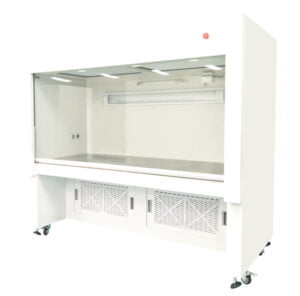
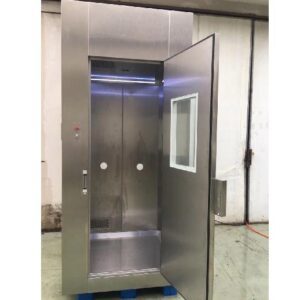
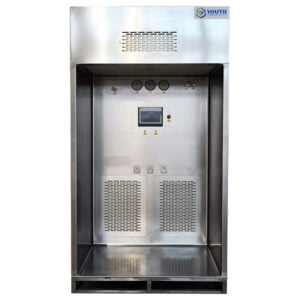
Ogni carrello mobile LAF presenta due profili dimensionali distinti che devono entrambi superare lo stesso percorso. Il primo è l’ingombro strutturale complessivo, ovvero l’impronta esterna totale che il carrello occupa in un corridoio. Il secondo è l’area di lavoro protetta, che è significativamente più piccola. Nelle configurazioni più comuni, le dimensioni complessive dei carrelli variano da circa 800 × 600 × 1800 mm per i modelli più compatti a 1400 × 850 × 1800 mm per quelli più larghi, mentre l’area di lavoro protetta può misurare circa 720 × 580 × 750 mm all’interno delle stesse strutture.
La differenza tra questi due profili non è puramente estetica. Un carrello in grado di ospitare un determinato volume di carico può comunque essere strutturalmente più largo, più alto e più profondo di quanto suggerisca l’area di lavoro — ed è proprio il volume strutturale, non l’area di lavoro, che deve superare ogni porta, curva e dislivello lungo il percorso. Considerare l’adattabilità del carico utile come criterio primario di dimensionamento e lo spazio libero lungo il percorso come fase di conferma inverte la sequenza corretta. Entrambi i vincoli devono essere affrontati nella stessa fase di pianificazione, e la loro conciliazione con la geometria del percorso è un passo obbligatorio prima di redigere qualsiasi specifica.
Per i team addetti agli appalti abituati a specificare le dimensioni dei piani di lavoro, ciò significa, in pratica, che i sopralluoghi del percorso devono fornire dati attendibili relativi agli spazi liberi prima che vengano proposte le dimensioni dei carrelli — e non dopo che le dimensioni preferite dell’area di lavoro abbiano già determinato l’involucro strutturale.
L'involucro del carico utile, la posizione dell'operatore e la larghezza della porta nel loro insieme
La larghezza strutturale di un carrello supera la sua larghezza utile di lavoro di un margine costante, che riflette la struttura dell’alloggiamento e lo spazio libero necessario all’operatore per manovrare l’unità in sicurezza mentre la sposta attraverso una porta. Sulla base dei dati di progetto relativi a queste configurazioni, tale margine è pari a circa 80 mm. Non si tratta di un requisito normativo, ma di una realtà fisica legata alla struttura del carrello e alle modalità di movimentazione: la porta deve poter accogliere la larghezza complessiva del carrello, non solo la superficie di lavoro.
Quel valore di 80 mm ha un'implicazione diretta sull'approvvigionamento. Un team che verifica la larghezza della porta in base alle dimensioni del piano di lavoro anziché alla larghezza strutturale complessiva sta utilizzando un dato errato. L’errore è particolarmente comune quando i disegni della struttura riportano le aperture nominali delle porte anziché le aperture libere nette, al netto di telai, cerniere, fermaporte e sporgenze della ferramenta. Ciascuno di questi elementi riduce la larghezza di passaggio utilizzabile e deve essere verificato rispetto all’ingombro strutturale del carrello.
| Larghezza complessiva del carrello | Spazio libero minimo della porta | Nota |
|---|---|---|
| 600 mm | 680 mm | Larghezza totale + 80 mm (spazio strutturale e passaggio dell'operatore) |
| 800 mm | 880 mm | Verificare che la porta più stretta lungo il percorso soddisfi questo valore |
| 1400 mm | 1480 mm | Configurazione più ampia; verificare che tutte le porte siano sufficientemente larghe |
Se una qualsiasi porta lungo il percorso non soddisfa lo spazio libero minimo richiesto per la larghezza del carrello selezionato, il carrello è considerato fuori misura per quel percorso — indipendentemente dal fatto che le sue dimensioni siano adeguate al carico utile. Il vincolo relativo alla porta non può essere superato con una giustificazione basata sul carico utile; si tratta di un limite geometrico inderogabile.
Controlli a posteriori sui percorsi che mettono in luce progetti di carrelli di dimensioni eccessive
L'altezza del carrello, pari a 1800 mm, è fissa per l'intera gamma di configurazioni standard. La larghezza e la profondità variano a seconda del modello e delle specifiche tecniche del cliente (URS), ma l'altezza rimane invariata. Questa uniformità fa sì che l'altezza sia la dimensione che più facilmente viene trascurata durante il dimensionamento iniziale — e quella che causa i guasti più gravi in fase avanzata.
Lo schema è prevedibile: il team addetto alla struttura misura l’altezza dei soffitti delle camere bianche, verifica che superino i 1800 mm e contrassegna l’altezza come conforme. Ciò che non è stato verificato sono i punti di transizione: i dispositivi di chiusura delle porte che riducono l’apertura libera da 20 a 50 mm, il soffitto dell’anticamera installato al di sotto dell’altezza del corridoio principale, l’interno della cabina dell’ascensore progettato per il personale anziché per attrezzature di grandi dimensioni. Nessuno di questi elementi compare nella planimetria della camera bianca e nessuno è evidente a meno che il percorso non venga ispezionato tenendo conto dell’altezza specifica del carrello.
| Punto di smistamento | Perché spesso viene trascurato | Conseguenze potenziali |
|---|---|---|
| Altezza della porta (compresi i dispositivi di chiusura e le cerniere) | Sono state misurate solo le altezze dei soffitti delle camere bianche | L'altezza del carrello (1800 mm) potrebbe non consentire il passaggio attraverso l'apertura in presenza di elementi metallici |
| Altezza del soffitto del vestibolo | Si ipotizza un'altezza uniforme del corridoio | La parte superiore del carrello potrebbe urtare i soffitti più bassi del vestibolo, non indicati nella pianta |
| Altezza interna della cabina dell'ascensore | Il rilevamento del percorso non tiene conto del trasporto verticale | Il carrello non può entrare nell'ascensore per raggiungere i piani superiori, impedendo così la consegna |
La conseguenza a valle non è solo un inconveniente logistico. Un carrello che non riesce a raggiungere la propria destinazione attraverso i normali passaggi all’interno dell’edificio richiede o una modifica del percorso — che potrebbe comportare interventi strutturali — oppure una modifica delle dimensioni del carrello stesso, con conseguente riavvio del ciclo di URS e di approvazione. Entrambe le conseguenze sono evitabili se l’altezza viene considerata una variabile del percorso piuttosto che una costante strutturale destinata a risolversi da sé.
Mobilità compatta contro maggiore capacità di allestimento
La scelta della larghezza rappresenta un compromesso ingegneristico tra i limiti di percorso da un lato e i vincoli di spazio di lavoro dall’altro. I modelli compatti con larghezza complessiva di 600 mm si muovono in modo affidabile attraverso corridoi ristretti e punti di svolta stretti, ma la superficie di lavoro che offrono è di conseguenza limitata: circa 520 mm di larghezza utile. I modelli più larghi, nella gamma compresa tra 700 e 850 mm, offrono un’area di lavoro significativamente maggiore, con larghezze utili che si avvicinano ai 770-800 mm, riducendo così i compromessi in termini di carico durante le procedure complesse. Il guadagno in termini di capacità di lavoro è reale, ma è disponibile solo se il carrello più largo è in grado di superare ogni ostacolo lungo il proprio percorso.
È facile sottovalutare questa condizione in fase di specifica. Un team che mette a confronto modelli da 600 mm e 800 mm si concentra naturalmente su ciò che ciascuno offre a livello di superficie di lavoro. Il vincolo del percorso entra nel confronto solo quando qualcuno ha verificato le effettive larghezze libere delle porte e dei corridoi — e a quel punto, il modello più largo potrebbe semplicemente non essere idoneo per l’edificio in cui deve essere utilizzato. Scegliere la larghezza senza conoscere prima il tratto di percorso più stretto significa che il compromesso è ipotetico piuttosto che reale. Per ulteriori dettagli sul confronto tra queste configurazioni nei contesti operativi, consultare Unità mobili a flusso laminare: Pro e contro.
| Categoria "Larghezza" | Larghezza totale | Larghezza di lavoro approssimativa* | Mobilità su percorsi vincolati | Capacità di allestimento |
|---|---|---|---|---|
| Compatto | 600 mm | 520 mm | Elevata manovrabilità; si adatta a corridoi stretti | Area di stoccaggio temporaneo limitata |
| Standard | 800 mm | 720 mm | Spazio libero moderato; corridoi tipici delle camere bianche | Staging moderato, minori compromessi in fase di caricamento |
| Ampio | 850 mm | 770 mm | Spazio libero ridotto lungo il percorso; richiede porte più larghe | Superficie di lavoro più ampia, con larghezza di lavoro fino a 800 mm |
*Larghezza di lavoro = larghezza totale − 80 mm (spazio strutturale).
La sequenza decisionale pratica è la seguente: individuare innanzitutto la larghezza minima della porta e del corridoio, quindi determinare il carrello più largo in grado di attraversarli in modo sicuro, infine valutare quale capacità di stoccaggio temporaneo tale larghezza consenta. Procedere nell’ordine inverso — partendo dall’area di stoccaggio temporaneo desiderata e verificando il percorso solo in un secondo momento — porta a specifiche dei carrelli che sembrano corrette sulla carta ma che si rivelano inadeguate sul campo.
Errori nella tempistica delle perizie che ritardano l’approvazione della metratura
Poiché carrelli mobili LAF Poiché vengono realizzati in base alle specifiche richieste dall'utente finale anziché come unità standard, la tempistica del sopralluogo del percorso determina direttamente quando è possibile redigere le specifiche corrette. Un sopralluogo del percorso completato prima della prima revisione del layout significa che il carrello viene dimensionato fin dall'inizio in base ai vincoli confermati: le dimensioni complessive vengono scelte tenendo conto della porta più stretta, del corridoio più angusto e degli spazi liberi verticali in ogni punto di transizione. Non è necessario alcun ciclo di revisione poiché il progetto si basa su dati reali.
La prassi più comune prevede che il rilievo venga rinviato a dopo la presentazione dell’offerta. A quel punto, le dimensioni indicate nell’offerta potrebbero già superare i limiti consentiti dal tracciato, e per adeguare il progetto è necessario rinegoziare le specifiche, riemettere la documentazione e, in alcuni casi, ricominciare da capo alcune parti del processo di approvazione. La perdita di tempo non è ipotetica: è una conseguenza prevedibile dell’aver fissato una dimensione prima di conoscere i vincoli del tracciato.
| Scenario relativo alla tempistica del sondaggio | Conseguenze per l'approvazione delle dimensioni | Cosa conferma riguardo al carrello |
|---|---|---|
| Prima della revisione iniziale del layout (ideale) | Nessun ritardo; carrello dimensionato fin dall’inizio in base ai vincoli del percorso | La compatibilità del carrello è stata confermata in anticipo |
| Dopo il preventivo ma prima della prima revisione del layout (errore comune) | Il layout deve essere adattato ai vincoli, il che spesso comporta modifiche al progetto e ritardi nelle approvazioni | Le dimensioni indicate potrebbero non corrispondere alla capacità effettiva del percorso |
| Dopo la revisione iniziale del layout (ritardo critico) | Il layout potrebbe non essere valido; il carrello sembra essere troppo grande, il che richiede una riprogettazione completa e una nuova approvazione | Il percorso dimostra che il progetto è errato dopo che le risorse sono state assegnate |
Effettuare il rilevamento dopo che la revisione iniziale del tracciato è già stata completata rappresenta l’errore di tempistica più grave. Le risorse sono già state assegnate, il layout potrebbe essere stato presentato alle parti interessate o integrato nella pianificazione della struttura, e scoprire che il carrello è troppo grande per il percorso previsto significa che l’intero presupposto progettuale risulta invalido. Il rilievo del percorso non è una fase di convalida secondaria. È il vincolo che determina, in primo luogo, quali dimensioni è possibile specificare, e ritardarlo significa scambiare un piccolo sforzo iniziale con una grande quantità di rielaborazioni successive.
Errore di percorso ottimale che dimostra che il carrello è troppo grande
La logica diagnostica per la qualificazione del percorso è asimmetrica: lo spazio libero medio lungo un percorso non determina se il carrello sia in grado di percorrerlo. A determinarlo è il singolo tratto più stretto. Un carrello che supera diciannove porte ma non riesce a passare la ventesima non supera la qualificazione del percorso. Non vengono assegnati crediti parziali per i tratti superati, e nessuna giustificazione relativa al carico utile può prevalere su un limite fisico inderogabile.
Per un carrello con un’altezza fissa di 1800 mm e ruote pivottanti che richiedono un raggio di sterzata finito, le condizioni di fallimento rilevanti sono geometriche e binarie. O la larghezza del carrello più lo spazio necessario all’operatore si adatta all’apertura, oppure no. O l’altezza del carrello supera la porta, compresa qualsiasi sporgenza della ferramenta, oppure no. O il raggio di sterzata del carrello, definito dalla sua lunghezza e dalla geometria di rotazione delle ruote, consente di effettuare una svolta di 90 gradi nella larghezza disponibile del corridoio, oppure no. Per identificare queste condizioni di non conformità è necessario verificare l’ingombro dimensionale complessivo del carrello in corrispondenza di ciascun punto di transizione — non rispetto alla media o alla maggioranza.
| Punto di controllo | Cosa verificare | Condizione di errore (carrello troppo grande) |
|---|---|---|
| Larghezza minima della porta | Larghezza totale + spazio libero per l'operatore (≥80 mm) | La larghezza del carrello supera quella dell’apertura |
| Altezza della porta (comprese le rientranze) | Altezza totale (1800 mm) più spazio libero per il perno della rotella | L'altezza supera quella dell'apertura |
| Larghezza del corridoio con curva a 90 gradi | Raggio di sterzata richiesto dalla lunghezza del carrello e dalle rotelle girevoli | Il carrello non riesce a percorrere la curva |
Un singolo errore in qualsiasi punto di controllo di questa tabella conferma che il carrello non è della dimensione corretta per il percorso, indipendentemente da quanto l’area di lavoro corrisponda ai requisiti del processo. La risposta corretta è tornare alla selezione di larghezza, altezza o lunghezza considerando il vincolo non soddisfatto come limite vincolante — non cercare una soluzione alternativa nel punto di transizione, che potrebbe non essere fattibile dal punto di vista strutturale o operativo.
Il risultato più affidabile in termini di dimensionamento si ottiene considerando il percorso di traslazione e l’involucro del carico utile come vincoli equivalenti sin dalla prima fase di pianificazione. Prima di proporre qualsiasi dimensione del carrello, è necessario documentare la larghezza libera della porta più stretta, l’altezza libera minima in tutti i punti di transizione e il corridoio di svolta più stretto — che andranno poi considerati come limiti fissi che l’involucro strutturale deve soddisfare. L’area di lavoro protetta e la capacità di stoccaggio derivano dalla larghezza e dalle dimensioni complessive che il percorso è in grado di supportare, e non viceversa.
Per i team che lavorano su una specifica, le domande a cui rispondere prima del preventivo sono: qual è l’apertura netta libera della porta più ristretta, qual è lo spazio libero verticale minimo lungo il percorso, compresi gli interni dell’ascensore e i vestiboli, e quale raggio di sterzata consente il corridoio più stretto? Queste risposte determinano la gamma di dimensioni disponibili. La scelta all’interno di tale gamma — e il bilanciamento tra la capacità di stoccaggio e la manovrabilità lungo il percorso — rappresenta un vero e proprio compromesso ingegneristico. Scegliere al di fuori di tale intervallo crea un problema di consegna che nessuna giustificazione relativa al carico utile potrà risolvere. Una risorsa come il Guida alle dimensioni delle unità a flusso d'aria laminare per i laboratori 2025 può aiutare a definire quali dimensioni sono disponibili prima che vengano applicati i vincoli di percorso.
Domande frequenti
D: Cosa succede se non è possibile effettuare un sopralluogo della struttura prima dell'emissione del preventivo? È possibile modificare le dimensioni dopo l'invio dell'URS?
R: Sì, ma a un costo significativo in termini di tempistiche. Poiché i carrelli LAF mobili vengono realizzati in base alle specifiche richieste dal cliente anziché essere disponibili come unità standard, qualsiasi modifica dimensionale successiva alla presentazione dell’URS richiede la riemissione della documentazione, la revisione delle specifiche e, nella maggior parte dei casi, il riavvio di alcune fasi del ciclo di approvazione. Più il sopralluogo viene effettuato in ritardo, maggiore sarà il lavoro di rielaborazione che ne deriverà. Se l’accesso al sopralluogo prima del preventivo è effettivamente impossibile, l’approccio provvisorio più sicuro consiste nel considerare il vincolo realistico più restrittivo — la porta più stretta tra quelle probabili, l’altezza libera verticale più bassa tra quelle probabili — come limite operativo fino a quando non verrà sostituito da misure confermate.
D: Lo spazio di 80 mm tra la larghezza complessiva e la larghezza di lavoro rimane costante in tutte le configurazioni del carrello o varia a seconda delle dimensioni del modello?
R: Il valore di 80 mm riflette l’alloggiamento strutturale e il margine di spazio libero per l’operatore integrati in queste configurazioni, ma va considerato come un riferimento derivato dal progetto piuttosto che come una costante garantita per ogni modello. I carrelli più larghi presentano una struttura più ampia e le configurazioni URS personalizzate possono modificare la geometria dell’alloggiamento. Per qualsiasi configurazione specifica, il dato determinante per la verifica dell’idoneità al passaggio attraverso le porte è sempre la larghezza strutturale complessiva confermata — non la larghezza di lavoro più un offset ipotetico. Richiedere le dimensioni esterne complessive, non solo quelle della superficie di lavoro, prima di effettuare il confronto con le aperture nette delle porte.
D: Se il percorso comprende sia un corridoio con spazi ristretti sia un’area di lavoro più ampia in camera bianca, quale dimensione dovrebbe determinare la scelta della larghezza del carrello?
R: Il corridoio più stretto è determinante, senza eccezioni. Il tratto più stretto del percorso di spostamento definisce la larghezza complessiva massima consentita; la capacità operativa all’interno della camera bianca viene quindi determinata dalla larghezza che consente di superare tale vincolo. Un carrello dimensionato per massimizzare la superficie di lavoro nella camera bianca, ma incapace di superare un vestibolo o una zona di transizione nel corridoio, non ha alcun valore operativo, indipendentemente da quanto il suo spazio operativo corrisponda ai requisiti del processo. Verificare innanzitutto l’apertura libera netta nel punto più restrittivo, quindi valutare quale area di stoccaggio temporaneo sia supportata da tale larghezza ammissibile.
D: Esistono tipi di passaggi all’interno degli edifici — oltre alle porte — che potrebbero non garantire lo spazio libero in altezza necessario per il passaggio di un carrello da 1800 mm?
A: Gli interni delle cabine dell’ascensore e i soffitti dei vestiboli sono i due punti critici più spesso trascurati. L’altezza dei corridoi principali e dei soffitti delle camere bianche supera in genere i 1800 mm e supera un controllo generale, ma le cabine degli ascensori progettate per il personale anziché per attrezzature di grandi dimensioni hanno spesso un’altezza interna pari o inferiore a 2000 mm, prima che gli impianti di illuminazione o di ventilazione a soffitto riducano ulteriormente lo spazio utile. I vestiboli installati come camere di compensazione presentano talvolta strutture del soffitto indipendenti, posizionate al di sotto del corridoio adiacente. Nessuno dei due elementi compare nelle planimetrie standard delle camere bianche; per questo motivo, un sopralluogo fisico del percorso — effettuato tenendo conto dell’altezza del carrello in ogni punto di transizione — rappresenta l’unico metodo di verifica affidabile.
D: Un carrello compatto da 600 mm è sempre l'opzione predefinita più sicura quando i vincoli del percorso sono incerti?
R: Non necessariamente. Scegliere di default il carrello più stretto disponibile elimina il rischio legato al percorso, ma può introdurre un rischio di processo se la superficie di lavoro risultante è troppo limitata per la procedura che deve supportare. Una larghezza complessiva di 600 mm offre circa 520 mm di larghezza utile per la sistemazione, che è insufficiente per alcuni flussi di lavoro multicomponente. La scelta predefinita corretta in caso di incertezza è quella di documentare il vincolo di percorso più stretto conosciuto o stimato e selezionare il carrello più largo che vi si adatti con un margine di sicurezza — quindi valutare se tale larghezza offra una capacità di preparazione adeguata. In caso contrario, la carenza di spazio di preparazione costituisce un vero e proprio vincolo che deve essere risolto attraverso la riprogettazione del processo o la modifica del percorso, non nascosto selezionando un carrello che tecnicamente si adatta ma non è in grado di supportare il lavoro.