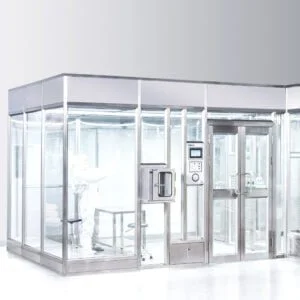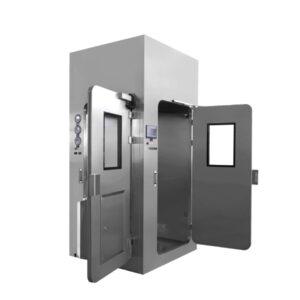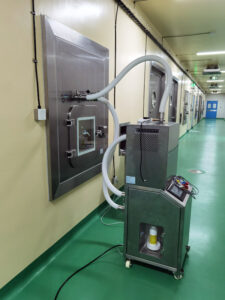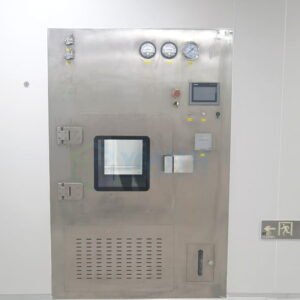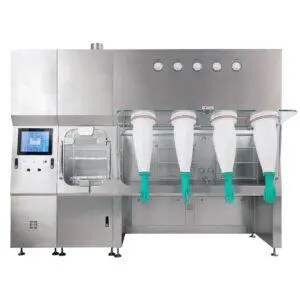
Специалисты по закупкам, занимающиеся подбором оборудования для лабораторий уровня BSL-3, часто сталкиваются с первой серьезной проблемой не на этапе ввода в эксплуатацию, а уже во время переговоров, когда поставщику задают вопрос о том, “подходит” ли его оборудование для BSL-3. Проблема заключается в самом этом вопросе. Когда поставщик подтверждает, что его шкаф, корпус BIBO или проходная дверь “поддерживают требования BSL-3”, это заявление может распространиться по всему проекту как гарантия соответствия, незаметно возлагая ответственность за каскады давления в системе вентиляции и кондиционирования, целостность конструкции помещения и объем сертификации, за которые ни один поставщик оборудования не может законно нести ответственность. Последствием этого становится тупиковая ситуация при вводе в эксплуатацию: барьеры, не связанные с фактическим рабочим процессом локализации, пробелы в валидации, выявляемые в ходе аудита, а также доработка вытяжных соединений или интерфейсов деконтаминации, ответственность за которые так и не была четко возложена ни на кого. Решение, позволяющее предотвратить эту неудачу, заключается в том, чтобы отделить то, что поставщик оборудования для локализации может поставить, испытать и передать, от того, за что должны отвечать проект объекта, инженер по системам отопления, вентиляции и кондиционирования воздуха (ОВКВ) и эксплуатирующая организация до того, как лаборатория будет готова к сертификации.
Объем оборудования уровня BSL-3 по сравнению с объемом требований к объекту
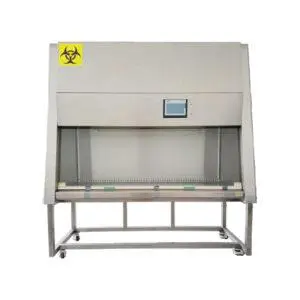
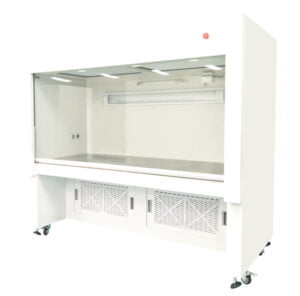
Стандарты проектирования BSL-3 не рассматривают локализацию как единую область. CDC BMBL разделяет средства безопасности — первичные барьеры, такие как биологические шкафы безопасности, — от лабораторных помещений, которые представляют собой вторичные барьеры. Это разделение является принципом определения объема работ, а не предметом коммерческих переговоров. Поставщик, поставляющий биологические шкафы безопасности (BSC) класса II или III, предоставляет устройство, представляющее собой первичный барьер. Он не предоставляет систему направленного воздушного потока, которая забирает воздух из нелабораторных зон в лабораторные, а также не обеспечивает вытяжную систему здания с HEPA-фильтрацией и конструкцию без рециркуляции, которые специально требуются в качестве инженерных средств контроля объекта в соответствии с руководством по BSL-3.
Поставщик оборудования, предоставляющий услугу BSC, не является владельцем каскада давления.
Это различие приобретает важное значение в тот момент, когда проектировщики объекта приступают к составлению технических заданий на закупку. Например, подключение вытяжной системы шкафа безопасности класса II к вытяжной системе здания требует тщательной координации, чтобы не нарушить воздушный баланс ни в шкафу, ни в здании. Соединение с проходной втулкой — конструкция с воздушным зазором — является распространённым решением, используемым для поддержания этого баланса, однако определение того, какая сторона несет ответственность за расчёт размеров, монтаж и проверку данного соединения, является решением на уровне проекта, а не обязательным условием поставки со стороны поставщика. Если эта ответственность не будет явно возложена до выбора оборудования, она станет нерешённым вопросом при передаче объекта во время монтажа или ввода в эксплуатацию.
В приведенной ниже таблице кратко изложено, где, как правило, заканчивается сфера ответственности за оборудование и начинается сфера ответственности за объект в контексте требований к локализации, применимых к проектированию лабораторий уровня BSL-3. Столбцы отражают общепринятое коммерческое деление и должны быть сверены с конкретной моделью реализации каждого проекта.
| Требование к содержанию | Поставщик оборудования, как правило, предоставляет | Объект/проект, как правило, предоставляет |
|---|---|---|
| Шкафы биологической безопасности (первичный барьер) | Данные о поставках, заводских испытаниях и эффективности локализации для BSC | Планировка помещения, подключение инженерных сетей и окончательное размещение |
| Направленный воздушный поток и каскад давления | Технические характеристики воздушных потоков в корпусе для обеспечения баланса в помещении | Проектирование и регулирование направленного воздушного потока из зон, не относящихся к лаборатории, в лабораторные зоны |
| Фильтрация вытяжного воздуха с помощью HEPA-фильтров и отсутствие рециркуляции | HEPA-фильтр вытяжной системы BSC (если встроен) | Система вытяжной вентиляции здания с HEPA-фильтрацией и без рециркуляции воздуха |
| Сертификация эффективности BSC | Проверка расхода воздуха при первоначальной установке и целостности фильтра | Ежегодная сертификация и подключение к вытяжной системе здания |
| Изготовление и герметизация камеры | Выходит за рамки | Герметичные проходы, блокировка дверей и целостность физической защитной оболочки |
Колонка “Обычно поставляется поставщиком оборудования” не является исчерпывающей. Данные заводских испытаний и показатели герметичности, предоставленные поставщиком для камеры безопасности (BSC), определяют базовые показатели воздушного потока и целостности фильтра устройства, но не заменяют проверку после установки. Планировка помещения, подключение к инженерным сетям и окончательное расположение шкафа влияют на эксплуатационные характеристики установленного оборудования таким образом, что заводские данные не могут этого предсказать. Сертификация эксплуатационных характеристик BSC после установки — и ежегодно впоследствии — является обязанностью заказчика и владельца, которая должна быть четко закреплена до поставки устройства поставщиком, а не считаться включенной в стоимость покупки.
Вопросы, касающиеся переноса, замены фильтров HEPA, дезактивации и барьерных средств
На данном этапе наиболее конструктивные вопросы к поставщикам касаются целостности системы локализации в том месте, где что-либо проходит через барьер — загрязнённый фильтр, жидкие отходы, обеззараженный инструмент или материал, проходящий через проходной. Каждое из этих событий, связанных с пересечением, представляет собой потенциальный риск нарушения герметичности, если сопряжение оборудования не будет проверено до начала его эксплуатации.
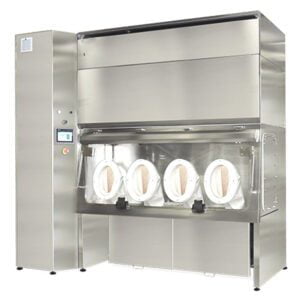
Требования BSL-3 предусматривают, что лаборатория должна быть оборудована для деконтаминации лабораторных отходов с использованием автоклава, мусоросжигателя или другого утвержденного метода в зависимости от оценки биологического риска. Данное требование налагает на проект объекта обязательство по обеспечению интерфейса деконтаминации. С точки зрения закупки оборудования это означает, что поставщику биологического шкафа класса III может потребоваться обеспечить прямой механический интерфейс — фланцевое соединение, теплоизоляцию, герметичность под давлением — с проходным автоклавом, который сам по себе является отдельным элементом, предоставляемым объектом. Некоторые производители проектируют свои шкафы класса III с прямыми соединениями с автоклавами и системами газовой деконтаминации, что позволяет снизить риски, связанные с интерфейсами, при реализации сложных рабочих процессов. Речь идет о конфигурации конструкции, специфичной для конкретного производителя, а не о стандартной функции, наличие которой следует считать само собой разумеющимся на всем рынке.
Каждый проход через шлагбаум является контрольным пунктом, а не стандартным элементом.
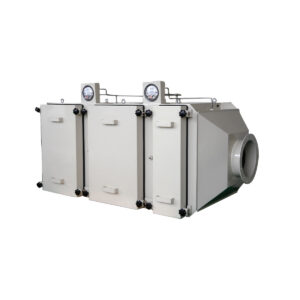
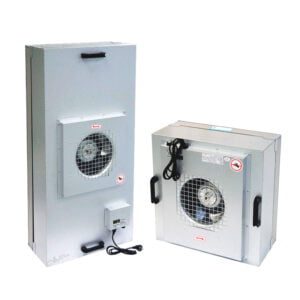
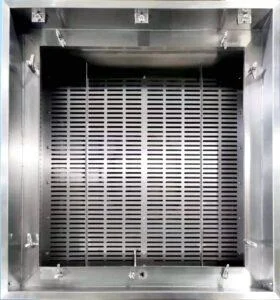
Для BIBO Что касается корпусов фильтров HEPA, ключевой вопрос для поставщика заключается в том, позволяет ли конструкция корпуса осуществлять процедуру замены фильтра с обеспечением герметичности на протяжении всего процесса, включая сохранность уплотнений после замены и подтвержденное соединение с вытяжной системой здания. A Корпус BIBO устройство, которое работает исправно в автономном режиме, всё равно может не обеспечить герметичность, если соединение вытяжной системы не прошло проверку на герметичность в установленном состоянии.
В приведенной ниже таблице представлены пять наиболее распространенных барьерных интерфейсов: корпус BIBO, резервуар для погружения, порт дезактивации VHP, проходной канал автоклава и блокировка проходная дверь—в качестве контрольных точек, а не отдельных пунктов спецификации. Используйте колонку “Что необходимо проверить” в качестве контрольного списка для проверки перед окончательным утверждением объема работ поставщика.
| Барьер/Интерфейс | Ключевой вопрос поставщику | Что нужно проверить |
|---|---|---|
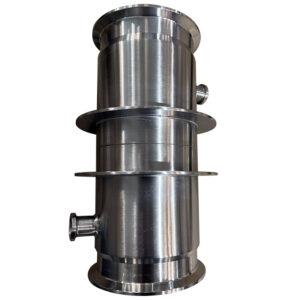
| Корпус фильтра BIBO HEPA | Позволяет ли корпус безопасно производить замену фильтра без нарушения герметичности? | Процедура «Bag-in/bag-out», проверка целостности уплотнения после замены и подключение к вытяжной системе здания |
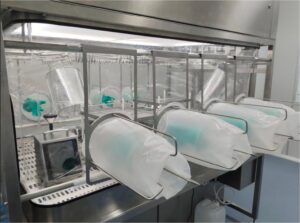
| Бассейн для обливания / Порт для слива жидкостей | Как резервуар поддерживает перепад давления в помещении во время перекачки жидкости? | Конструкция жидкостного уплотнения, контроль уровня и совместимость с системой слива объекта |
| Порт дезактивации VHP | Оснащен ли шкаф для впрыска VHP и совместим ли он с циклами дезактивации на объекте? | Расположение порта, совместимость материалов и ответственность за валидацию цикла |
| Автоклав / Проходной канал для оборудования | Предусматривает ли поставщик прямой механический интерфейс для автоклава с проходной камерой? | Фланцевое соединение, теплоизоляция и герметичность под давлением |
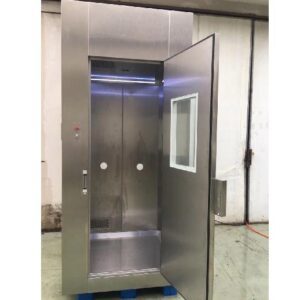
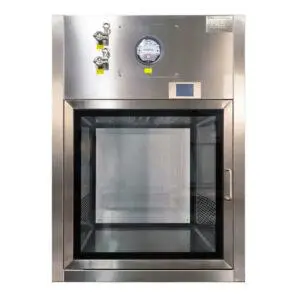
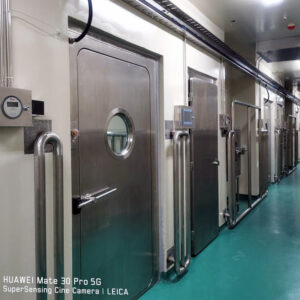
| Дверь с перекрестным замком | Предотвращает ли блокировка одновременное открытие в любых условиях? | Механическая или электрическая блокировка, функция сигнализации и рабочие характеристики пломбы |
Резервуар для погружения или патрубок для слива жидких отходов представляет собой особую проблему, которую легко упустить из виду при выборе оборудования: конструкция жидкостного уплотнения должна обеспечивать поддержание перепада давления в помещении во время операций по перекачке. Это функциональное требование к взаимодействию, которое связывает механическую конструкцию оборудования с каскадом давления на объекте. Если резервуар для погружения, предлагаемый поставщиком, будет выбран без подтверждения совместимости глубины жидкостного уплотнения и системы контроля уровня с дренажной системой объекта, то допущение о перепаде давления, заложенное в проекте помещения, может не оправдаться при фактической эксплуатации.
Роль поставщика контейнеров в рабочем процессе лаборатории
В тех случаях, когда лаборатория уровня BSL-3 имеет сложный внутренний рабочий процесс — с использованием множества аналитических приборов, систем культивирования или этапов обработки, которые должны оставаться в пределах системы локализации, — роль поставщика оборудования выходит за рамки простой поставки отдельных устройств и включает интеграцию на уровне рабочего процесса. Некоторые поставщики специализируются на интеграции лабораторных компонентов, аналитических приборов и технологического оборудования в биологических защитных камерах (BSC) класса III, что позволяет сократить количество точек нарушения герметичности за счет переноса большей части технологического процесса внутрь единой системы первичного барьера.
Эта возможность актуальна при закупках, когда альтернативой является фрагментированная конфигурация отдельно поставляемых устройств, взаимодействие которых между собой не было спроектировано и не прошло испытания в составе единой системы. Шкаф класса III, сконфигурированный для подключения к конкретному фланцевому соединению автоклава, конкретному порту для деконтаминации газом и конкретной проходной дверце, представляет собой иной объект закупки, чем шкаф, поставляемый в качестве автономного устройства. Риск, связанный с взаимодействием компонентов, ниже, но объем обязательств и ответственность поставщика соответственно выше, что должно быть отражено в контракте и плане валидации.
Практические последствия этого различия проявляются на этапах ввода в эксплуатацию и эксплуатационной аттестации. Если поставщик интегрировал рабочий процесс в рамках единой защитной оболочки, объем проверки для этой оболочки можно определить как систему. Если же тот же рабочий процесс охватывает несколько устройств, поставляемых независимо друг от друга, каждый интерфейс между ними требует проведения отдельного мероприятия по проверке, и ответственность за проведение этих испытаний интерфейсов должна быть возложена — на поставщика, подрядчика объекта или владельца — до начала монтажа.
Неясность в определении сферы применения, когда предполагается, что системы ОВКВ и валидация включены в неё
Наиболее наглядный пример того, как на практике возникает путаница с определением сферы ответственности, можно увидеть на примере автономных мобильных лабораторных комплексов уровня BSL-3, в которых один производитель предоставляет в качестве единого комплекта системы электроснабжения, водоснабжения, утилизации отходов и системы локализации III класса. Такая схема смещает традиционную границу между оборудованием и объектом, поскольку поставщик также предоставляет инфраструктуру. Это создает целостную модель соответствия требованиям для данного конкретного формата поставки, но приводит к искажению ориентира, когда группы по закупкам стационарных лабораторий используют её в качестве основы для ожидания аналогичного объема работ от стандартных поставщиков оборудования уровня BSL-3.
В проектах со стационарными лабораториями система вентиляции и кондиционирования воздуха с фильтрацией и без рециркуляции входит в объем работ по объекту, если в контракте прямо не оговорено иное.
Согласно руководству CDC BMBL, требуется фильтрованная вентиляция с вытяжкой воздуха, который не подлежит рециркуляции. В стационарной лаборатории уровня BSL-3 это требование относится к проекту системы отопления, вентиляции и кондиционирования воздуха (ОВКВ) объекта. Оно не обеспечивается биологической безопасностью кабинетом (BSC), корпусом BIBO или проходной дверью. Если в тендерной документации явно не указано, что проектирование системы вытяжной вентиляции здания с HEPA-фильтрацией, проходная трубопроводная сеть, изолирующие заслонки и последовательность управления воздушными потоками относятся к сфере ответственности подрядчика по системам отопления, вентиляции и кондиционирования воздуха (ОВКВ) или проекта объекта, эти вопросы будут возложены на кого-то — и такое предположение, скорее всего, приведет к задержке ввода в эксплуатацию, когда станет ясно, кто на самом деле несет ответственность.
Объем валидации определяется по той же схеме. Приемочные испытания, проводимые производителем BSC, обеспечивают исходные данные для установки. Оно не является квалификацией установки или эксплуатационной квалификацией системы локализации в том виде, в котором она будет функционировать на объекте. Сертификация биологической безопасности класса II (BSC) требуется ежегодно в соответствии с рекомендациями США и должна учитывать сопряжение с вытяжной системой здания. Если размеры соединения с вытяжным патрубком или баланс вытяжного вентилятора не были проверены в ходе установки, в ходе ежегодной сертификации будут выявлены неисправности, связанные с состоянием объекта, а не с дефектами оборудования — и для их устранения потребуется координация систем отопления, вентиляции и кондиционирования воздуха (ОВКВ), которая должна была быть проведена до установки шкафа.
Триггер поиска поставщиков после определения интерфейса и критериев проверки
Выбор оборудования для лаборатории уровня BSL-3 не следует начинать до тех пор, пока для каждого предмета, входящего в сферу применения, не будут определены четыре аспекта: конкретная функция обеспечения биологической безопасности, которую должно выполнять оборудование; сторона, ответственная за каждый механический и инженерно-технический интерфейс; критерии приемки и метод испытаний для проверки рабочих характеристик; а также параметры взаимодействия со зданием, определяющие совместимость с системой вытяжки и каскадом давления объекта. Если рассматривать эти аспекты как детали, которые можно уточнить уже после закупки, это приведет к тому, что скорость закупки обернется необходимостью доработок при вводе в эксплуатацию.
Требование о ежегодной сертификации систем BSC класса II конкретизирует ожидания в отношении проверки: первоначальный объем сертификации поставщика — то, что он будет тестировать при монтаже, и какую документацию предоставит — должен соответствовать постоянной ответственности владельца за соблюдение требований ещё до размещения заказа. Если объем монтажных испытаний поставщика не охватывает интерфейс вытяжной системы здания, и этот интерфейс не был закреплён за подрядчиком по системам ОВКВ, в проектной документации возникает пробел, который останется незамеченным до первой попытки прохождения ежегодной сертификации.
В приведенной ниже таблице решений перечислены четыре ключевых момента, которые необходимо зафиксировать в документации до окончательного выбора оборудования. Если на какой-либо из этих четырёх вопросов невозможно дать ответ на момент закупки, то данная закупка сопряжена с нерешенным риском, который проявится на этапе монтажа, ввода в эксплуатацию или аудита.
| Точка принятия решения | Что подтвердить | Риск в случае неясности |
|---|---|---|
| Роль каждого элемента оборудования в обеспечении локализации | Конкретная функция локализации (например, защита продукции, персонала, окружающей среды) и эксплуатационные требования | Оборудование может не соответствовать требованиям уровня биобезопасности; имеются пробелы в валидации |
| Владелец интерфейса для каждого соединения | Кто несет ответственность за подключение вытяжной системы, инженерных сетей и механических соединительных узлов: поставщик, подрядчик по строительству объекта или владелец? | Нерешённые вопросы передачи объекта, приводящие к задержкам в строительстве или пробелам в объёме работ |
| Требования к проверке | Критерии приемки, метод испытаний и лицо, ответственное за проверку работоспособности каждого элемента системы локализации | Тестирование может быть пропущено или оспорено; это может повлиять на готовность к сертификации |
| Параметры интерфейса здания | Тип подключения выхлопной системы (например, муфта), совместимость с потоком воздуха и влияние каскада давления | Нарушение воздушного баланса в шкафу/здании; не пройдена сертификация |
Отложить выбор оборудования до тех пор, пока не будут задокументированы все требования владельцев интерфейсов и ожидания в отношении верификации.
Колонка «Параметры сопряжения со зданием» имеет особое значение для проектов, в которых вытяжка из шкафов безопасности класса II будет подключена к системе вентиляции здания. Соединение с переходником — устройство с воздушным зазором между вытяжкой шкафа и вентиляционной системой здания — является распространенным решением для поддержания воздушного баланса, однако его необходимо определить в технических условиях до начала закупок, чтобы подрядчик по монтажу воздуховодов и поставщик шкафов проектировали системы с учетом совместимых допущений относительно размеров и расхода воздуха. Обнаружение такой несовместимости во время монтажа влечёт за собой доработку листового металла, возможное перемещение шкафов и повторную проверку, которая не была предусмотрена в графике ввода в эксплуатацию.
Разграничение между тем, что поставляет поставщик оборудования, и тем, что должен обеспечить объект уровня BSL-3, является не столько коммерческим вопросом, сколько вопросом распределения обязанностей в рамках проекта. Прежде чем выбирать какое-либо оборудование для обеспечения герметичности, необходимо соотнести функции первичного и вторичного барьеров с конкретными обязанностями в рамках проекта, а также определить ответственное лицо за каждый механический, электрический и вентиляционно-кондиционерный интерфейс. Оборудование, поступившее на объект без предварительного распределения этих обязанностей, вынудит решать эту проблему в условиях строительной спешки, когда результаты редко документируются должным образом и редко являются оптимальными с точки зрения обеспечения герметичности.
Минимальные требования к обоснованному подходу к закупкам заключаются в том, чтобы для каждого элемента оборудования уровня BSL-3 была задокументирована функция локализации, назначен конкретный ответственный за каждый соединительный узел, согласованы с поставщиком критерии приемки, а параметры сопряжения с зданием были включены в технические условия объекта до размещения заказа на оборудование. Любая информация, подтверждаемая уже после начала закупочного процесса — особенно объем работ по системе отопления, вентиляции и кондиционирования воздуха (ОВКВ) и параметры вытяжной вентиляции здания — поступает слишком поздно, чтобы предотвратить конфликты сопряжения, для устранения которых потребуется либо перепроектирование, либо недокументированные обходные решения.
Часто задаваемые вопросы
Вопрос: Наша лаборатория уровня BSL-3 строится в рамках единого контракта на проектирование и строительство. Нужно ли нам по-прежнему разделять объемы работ по оборудованию и по сооружению, или это уже дело подрядчика?
A: Да, такое разделение по-прежнему имеет решающее значение. Даже если одна компания поставляет и здание, и оборудование для герметизации, в контракте должно быть четко указано, кто является владельцем каскада давления системы ОВКВ, размеров соединений вытяжных патрубков и интерфейса сертификации BSC. Без такого внутреннего разделения в ходе ввода в эксплуатацию возникнут пробелы в объеме работ, точно так же, как и в случае с отдельными поставщиками — только в этом случае ответственность будет сложнее разграничить.
Вопрос: Меняется ли строгое разграничение между поставкой оборудования и объемом работ по строительству в случае готовой модульной лаборатории уровня BSL-3?
A: В модульной лаборатории поставщик зачастую интегрирует оболочку помещения, систему вентиляции и устройства первичной локализации, в результате чего граница локализации смещается внутрь. Однако взаимодействие с вытяжной системой здания, системой электроснабжения и канализацией объекта по-прежнему остается отдельным вопросом, который необходимо уточнить до начала закупок. Основной принцип статьи — назначить ответственное лицо для каждого интерфейса, имеющего отношение к локализации — по-прежнему остается в силе, особенно в тех случаях, когда модульный блок подключается к существующим системам объекта.
Вопрос: Лучше ли закупать всё оборудование для локализации у одного специалиста по интеграции, или можно обращаться к разным поставщикам для приобретения бок-с-чистов (BSC), корпусов BIBO и проходных камер?
A: В случае сложных технологических процессов, в которых несколько приборов объединены в единую герметичную оболочку, специалист по интеграции сокращает количество независимых интерфейсов, требующих проверки. Для более простых установок уровня BSL-3, где достаточно биологического шкафа класса II и автономного корпуса BIBO, привлечение отдельных поставщиков вполне возможно, если для каждого механического и вытяжного интерфейса точно определены размерные характеристики и параметры воздушного потока. Минус заключается в том, что фрагментированная цепочка поставок увеличивает количество проверок, которые необходимо назначить и скоординировать.
Вопрос: Насколько оправданы затраты на подготовку перед покупкой? Разве нельзя уточнить детали интерфейса во время ввода в эксплуатацию при условии хорошей координации?
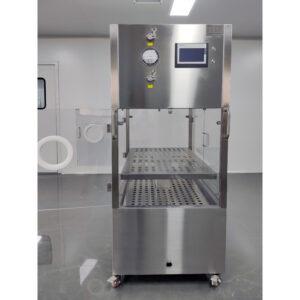
A: Заранее определить владельцев интерфейсов и критерии проверки почти всегда обходится дешевле, чем исправления и задержки, возникающие в случае обнаружения проблем с интерфейсами уже на этапе ввода в эксплуатацию. В частности, устранение несоответствия в соединении «тимбл» блока BSC или утечки на выходе BIBO после монтажа зачастую требует доработки металлоконструкций, повторного тестирования балансировки и срыва графика, что значительно превышает затраты времени на проектирование, необходимые на начальном этапе. A проходной шкаф для биобезопасности, например, будет выполнять свою функцию только в том случае, если герметичность и блокировка будут проверены с учетом каскада давления в помещении — такая проверка невозможна после закрытия стены, если только это не было предусмотрено изначально.
Вопрос: После того как мы зафиксируем владельцев интерфейсов и критерии приемки, как нам закрепить эти назначения в процессе закупок?
A: Перед оформлением заказа на поставку необходимо перенести каждое задокументированное задание в перечень работ поставщика оборудования и в перечень работ подрядчика по строительству объекта. Например, следует указать, что поставщик BSC обязан предоставить подрядчику по системам ОВКВ размеры фланцев для муфтовых соединений и данные о расходе вытяжного воздуха, а подрядчик по системам ОВКВ должен проверить баланс вытяжной вентиляции и совместимость воздуховодов перед окончательной установкой. Эти передачи обязанностей следует включать в договор в качестве контрольных точек, а не в качестве неформальных примечаний по координации работ.