Специалисты по закупкам, которые определяют оборудование для контроля загрязнения по категориям продукции до того, как проанализировать фактические пути загрязнения в своем технологическом процессе, зачастую обнаруживают этот пробел только на этапе ввода в эксплуатацию — когда в ходе первого нормативного аудита выясняется, что тщательно подобранная установка с фильтрами HEPA никак не повлияла на путь переноса материала, который так и не был соотнесен с конкретным устройством. Этот единственный пропущенный интерфейс может затормозить квалификацию объекта и потребовать работ по дооборудованию, которые нанесут гораздо больший ущерб, чем любая экономия, полученная за счет консолидации объема закупок. Практическая задача заключается не в том, оборудование какого поставщика лучше, а в том, был ли каждый путь загрязнения на объекте — воздушные частицы, контакт персонала, перемещение материалов, перекрестное загрязнение, нагрузка на дезактивацию — четко соотнесен с семейством устройств до того, как будет определена любая поставка от поставщика. Ниже приводится схема, которая поможет руководителям отделов закупок и инжиниринга правильно достичь этой точки сопоставления, включая компромиссы, влияющие на совокупную стоимость владения, и требования к документации, определяющие, является ли предложение поставщика полным.
Путь загрязнения до выбора категории оборудования
Самой серьезной ошибкой при планировании мер по контролю загрязнения является рассмотрение выбора оборудования в качестве отправной точки. Система HEPA на уровне помещения может обеспечивать достижение целевых показателей количества частиц на границе помещения, в то время как взаимодействие персонала в критической зоне останется без внимания — не потому, что оборудование вышло из строя, а потому, что путь проникновения никогда не был соотнесен с конкретным устройством. Воздушно-переносимые частицы, микроорганизмы, перенос химических веществ и контакт человека — это четыре отдельных пути проникновения, и каждый из них требует использования отдельного класса оборудования. Объединение их в общую цель “чистоты воздуха” регулярно приводит к пробелам, которые выявляются только в ходе квалификационных испытаний или аудита.
Вузловым источником загрязнения в чистых помещениях неизменно является взаимодействие людей, а это означает, что системы барьерной защиты — изоляторы или открытые системы RABS — должны рассматриваться в первую очередь, а не в качестве дополнительного оборудования, устанавливаемого уже после того, как средства на фильтрацию на уровне помещения уже заложены в бюджет. Если начинать с фильтрации воздуха и рассматривать барьерные средства защиты персонала как дополнительные элементы, это приводит к переворачиванию иерархии рисков и, как правило, к тому, что путь проникновения с наибольшей вероятностью остается наименее защищенным.
Классификация твердых частиц позволяет использовать более точный инструмент для картирования. Загрязнители, классифицируемые как внутренние (происходящие из самого продукта), собственные (образующиеся в процессе производства или от упаковочных материалов в результате отслоения или износа) и внешние (попадающие извне, включая частицы, переносимые воздухом, и персонал), указывают на необходимость применения различных основных мер контроля. Например, использование фильтрации HEPA в качестве основного средства решения проблемы собственного отслоения устраняет последствие, но не устраняет источник образования загрязнения.
| Тип твердых частиц | Происхождение | В фокусе: оборудование |
|---|---|---|
| Присущий | Происходящий из продукта (является частью лекарственного средства/продукта) | Изоляция (например, изолятор, закрытая одноразовая обработка) |
| Внутренний | Происходящие в процессе производства/упаковки (выпадение, износ) | Системы одноразового использования или фильтрация непосредственно у источника |
| Внешний | Внешнее происхождение (воздушные частицы, персонал) | Фильтрация по стандарту HEPA в месте использования или на уровне помещения |
Использование этой классификации в качестве контрольного списка при планировании до начала формирования категорий оборудования гарантирует, что выбранные устройства будут соответствовать конкретному источнику, а не общим опасениям относительно загрязнения. Несоответствующее оборудование не выходит из строя с видимыми признаками — оно просто не обеспечивает защиту нужного пути распространения, и этот пробел трудно восстановить задним числом, опираясь исключительно на данные о рабочих характеристиках.
Фильтрация по стандарту HEPA, перенос, дезактивация и обеспечение локальной защиты
Каждый правильно выявленный путь загрязнения теперь требует применения устройства, которое устраняет его в нужной точке технологического процесса, при этом четыре функции оборудования охватывают большинство применений в фармацевтической и биотехнологической отраслях: фильтрация HEPA на уровне помещения или зоны, валидированные системы переноса, возможности деконтаминации и локальная защита в критической зоне.
Фильтрация HEPA позволяет контролировать внешнее загрязнение из воздуха за счет подачи отфильтрованного воздуха непосредственно в точку использования. Принцип работы, имеющий отношение к планировке установки, — это концепция «First Air» (первоочередный воздух): непрерывный однонаправленный поток воздуха от поверхности фильтра к критически важному продукту с минимальной турбулентностью между ними. Если этот путь потока нарушается из-за расположения оборудования, проходов или нахождения оператора, классификация частиц по стандарту ISO 14644-1:2015, достигнутая на уровне помещения, может не отражать условия в фактической точке воздействия. Эффективность фильтров HEPA должна проверяться в соответствии со стандартами IEST для однонаправленных устройств; сам по себе класс эффективности, указанный без проведения квалификационных испытаний с учётом конкретных условий объекта, не является надёжным критерием приёмки.
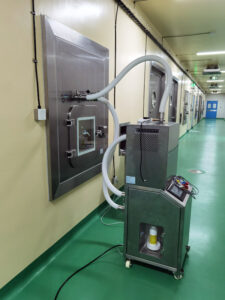
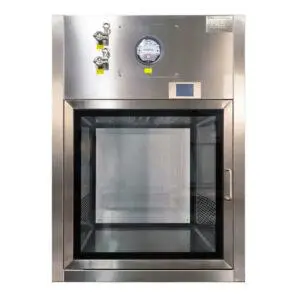
Для перемещения материалов между зонами с ограниченным доступом требуются валидированные системы перекачки, предотвращающие попадание загрязнений вместе с продуктом. Быстродействующие перепускные отверстия, шлюзы с перекисью водорода и бесконтактные методы перекачки позволяют устранить один и тот же риск, но предъявляют разные требования к интеграции в технологический процесс. Выбор метода перекачки без подтверждения его валидации для системы барьерной защиты, с которой он взаимодействует, приводит к образованию пробела в защите на границе зон — пробела, который не может быть компенсирован установкой HEPA-фильтра по другую сторону этой границы.
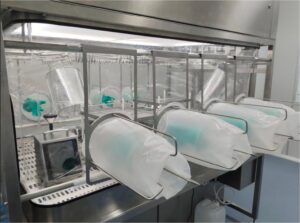
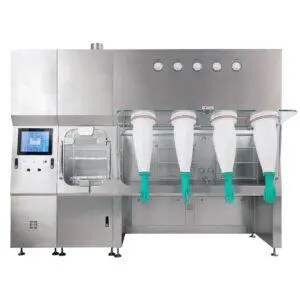
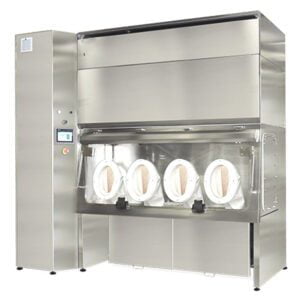
Именно при обеспечении локальной защиты в критической зоне выбор между изолятором и системой RABS в открытом исполнении становится вопросом совокупной стоимости владения, а не просто статьёй капитальных затрат. Компромисс между этими двумя технологиями достаточно четко структурирован, что позволяет провести их прямое сравнение.
| Фактор | Изолятор | ОРАБС |
|---|---|---|
| Требования к классу чистоты помещения | Может эксплуатироваться в условиях более низкого класса фонового излучения (например, ISO 8) | Как правило, требуется более высокий класс (например, ISO 7) |
| Капитальные затраты | Более высокие первоначальные инвестиции | Низкие первоначальные инвестиции |
| Эксплуатационные расходы | Низкий уровень (меньший спрос на чистые помещения, сокращение необходимости переодевания) | Выше (при соблюдении более строгих экологических требований) |
Из таблицы видно, что более низкие эксплуатационные затраты на изолятор — обусловленные снижением требований к классу чистоты помещения и менее строгими требованиями к переодеванию — со временем зачастую компенсируют его более высокую капитальную стоимость, но только в том случае, если можно снизить класс чистоты фонового помещения. Если объекту по другим причинам необходимо поддерживать более высокий класс чистоты, такая компенсация затрат исчезает, и разница в капитальных затратах становится чистым убытком. Именно этот сценарий чаще всего недооценивают на этапе планирования капитальных вложений, когда стоимость оборудования рассчитывается изолированно.
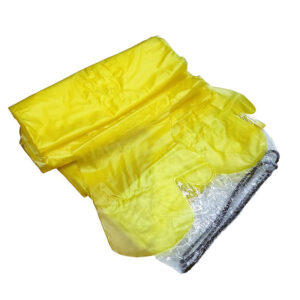
Нагрузка, связанная с деконтаминацией как отдельным технологическим процессом, также варьируется в зависимости от того, используется ли в технологическом процессе оборудование из нержавеющей стали или системы одноразового использования. Системы одноразового использования позволяют исключить или сократить процедуры очистки на месте (CIP), что представляет операционную ценность, однако при этом возникает риск выделения экстрагируемых и выщелачиваемых веществ, что требует предоставления подробных данных от поставщика до принятия оборудования в эксплуатацию. Практическим следствием этого является то, что нагрузка, связанная с CIP, не устраняется — она просто заменяется требованием по квалификации данных.
| Фактор | Системы одноразового использования | Нержавеющая сталь с системой CIP |
|---|---|---|
| Требования к CIP/SIP | Позволяет полностью исключить или значительно сократить необходимость в CIP/SIP | Требуются проверенные циклы CIP/SIP |
| Риск, связанный с экстрагируемыми и выщелачиваемыми веществами | Имеется; требуются данные поставщика об экстрагируемых веществах (BPOG/USP) | Не применимо |
| Риск перекрестного загрязнения | Снижает риск, если уровень экстрагируемых веществ находится в допустимых пределах | Остаточный риск в случае недостаточной валидации очистки |
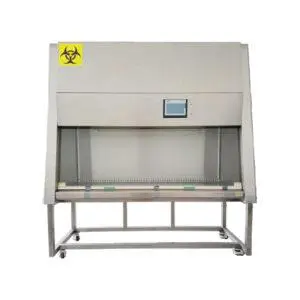
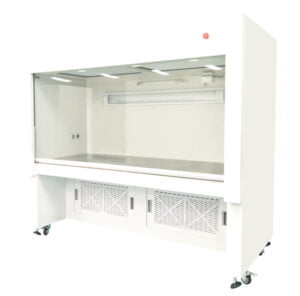
Реальный пример того, как такой компромисс может привести к негативным последствиям: продукты разложения технологических добавок, используемых в производстве одноразовых изделий, вызывали ингибирование роста клеток в биотехнологических процессах. Такой результат не является дефектом продукции в традиционном смысле — он обусловлен выбором материала поставщиком, который не был оценен на этапе закупки. Рабочие станции с ламинарным потоком воздуха и шкафы биологической безопасности, прошедшие испытания в соответствии со стандартами NSF 49 и IEST, обеспечивают локальную защиту оператора и продукта, но они дополняют решения по перемещению и деконтаминации, а не заменяют их.
Границы комплектации поставщика для оборудования по контролю загрязнения
Определение сферы ответственности поставщика не менее важно, чем определение того, какое оборудование он поставляет. Фрагментированный объем работ — когда фильтрующее оборудование, системы перекачки и средства дезактивации закупаются отдельно без ответственности за их интеграцию — создает риски взаимодействия, ответственность за которые не несет ни один отдельный поставщик. Требования Стратегии контроля загрязнения (CCS), изложенные в Приложении 1 к GMP ЕС, рассматривают локализацию и автоматизацию как единый комплекс, а не как отдельно специфицируемые дополнения. Такой подход имеет последствия для закупок: поставщики, поставляющие отдельные узлы без ответственности за их интегрированную работу в соответствии с CCS, могут соответствовать техническим требованиям к продукту, но при этом объект останется несоответствующим требованиям на системном уровне.
Полноту пакета документов поставщика можно оценить по четырём критериям: комплексной интеграции систем локализации и автоматизации, сертификационной и испытательной документации, данных об экстрагируемых и выщелачиваемых веществах для всех компонентов одноразового использования, а также постоянной поддержки, включающей повторную сертификацию и гарантийный ремонт.
| Элемент пакета | Что подтвердить | Риск в случае пропажи |
|---|---|---|
| Комплексная система локализации и автоматизации | Поставщик объединяет меры по локализации и автоматизацию в единый комплекс (в соответствии с Приложением 1 к GMP ЕС «Системы контроля и управления») | Несогласованность оборудования, несоблюдение Стратегии контроля загрязнения |
| Услуги по сертификации и испытаниям | В комплект входит документация о независимой проверке (NSF, IEST, ISO) | Неподтвержденные показатели эффективности, задержки со стороны регулирующих органов, отклонение в ходе аудита |
| Данные об экстрагируемых и выщелачиваемых веществах (одноразовые изделия) | Данные, полученные с использованием методологии BPOG/USP, а также по показателям эндотоксинов по методу LAL и USP <788> результаты анализа твердых частиц | Загрязнение выделяемыми веществами, влияние на качество продукции, несоблюдение нормативных требований |
| Постоянная поддержка и гарантия | Поставщик осуществляет плановое тестирование, повторную сертификацию и гарантийный ремонт фильтров HEPA и сопутствующих компонентов | Простои оборудования, пробелы в переаттестации, постепенное ухудшение показателей |
В столбце «Риск» данной таблицы указано, что происходит в случае отсутствия каждого из элементов, и, как правило, последствия редко проявляются сразу. Отсутствие сертификационной документации может не вызывать заметных проблем с эксплуатационными характеристиками в ходе нормальной работы — оно приводит к выявлению несоответствия нормативным требованиям во время аудита. Отсутствие данных об экстрагируемых веществах может не выявиться на ранних этапах испытаний партии — оно проявляется в виде инцидента, связанного с качеством продукции, после масштабирования производства. Отсутствие постоянной поддержки в рамках гарантийного обслуживания и повторной сертификации приводит к постепенному ухудшению характеристик фильтров HEPA и других компонентов, которое трудно обнаружить без плановой проверки. Общей чертой этих пробелов является то, что они остаются незаметными до тех пор, пока не станут очевидными. Уточнение перед заключением контракта, что пакет поставщика должен включать все четыре элемента, — это единственный надежный способ избежать ситуации, когда во время аудита или расследования, требующих оперативного реагирования, выясняется, какой из элементов отсутствовал.
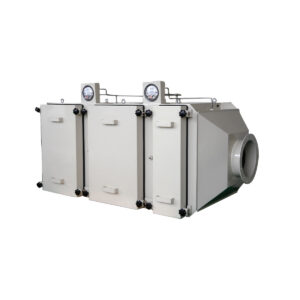
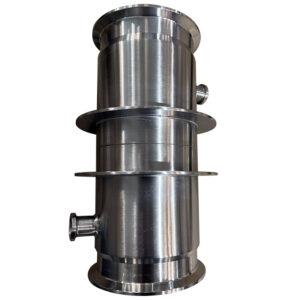
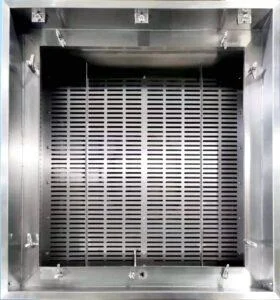
Для Корпус фильтра HEPA и компоненты конечной фильтрации, убедитесь, что поставщик предоставляет в составе комплекта сертификаты испытаний фильтров, документацию по испытаниям на герметичность после монтажа, а также четкий график повторной сертификации — и не в качестве дополнительных опций, требующих отдельного заказа на поставку.
Риск, связанный с интерфейсом, когда названия продуктов заменяют анализ рисков технологического процесса
Наиболее часто описываемый в ходе расследований, проводимых после ввода в эксплуатацию, тип сбоя связан не с неисправностью оборудования, а с тем, что оборудование работает в точном соответствии с техническими характеристиками, но при этом устраняет не тот канал загрязнения. Две разновидности этого типа сбоя встречаются достаточно регулярно, поэтому их следует рассматривать как вероятные риски, а не как единичные случаи.
Во-первых, это определение систем одноразового использования по названию продукта или коммерческой линейке без оценки профиля экстрагируемых и выщелачиваемых веществ конкретных материалов, контактирующих с потоком продукта. Химический состав пластификаторов, антиоксидантов и технологических добавок, используемых при производстве систем одноразового использования, варьируется в зависимости от поставщика и версии продукта. Решение о закупке, в котором “мешок для биореактора одноразового использования” рассматривается как категория продукта, а не как система материалов, пропускает этап оценки, позволяющий определить, химически совместима ли выбранная сборка с конкретным технологическим процессом. Если данные об экстрагируемых веществах не запрашиваются и не анализируются до приемки оборудования, путь загрязнения, создаваемый самой системой одноразового использования, остается нехарактеризованным — и первым признаком проблемы может стать необъяснимое отклонение в технологическом процессе.
Второй подход заключается в определении фильтров HEPA по классу эффективности, при этом более общие пути проникновения загрязнений — в частности, перемещение персонала и передача материалов — остаются без внимания. Фильтр, соответствующий требованиям по эффективности, не обеспечивает защиту от загрязнения, попадающего через невалидированный переходной канал или в результате контакта оператора с критической зоной. Установка HEPA соответствует собственным критериям приемлемости, а зазор в переходном канале становится источником загрязнения; при этом эти два факта не имеют очевидной связи до тех пор, пока не будет проведен анализ путей проникновения.
Обе схемы имеют одну и ту же первопричину: выбор оборудования начинался с названия продукта или его категории, а не с карты путей загрязнения. Название продукта фокусирует внимание на технических характеристиках, которые в отдельности могут быть технически верными; карта путей загрязнения заставляет задаться вопросом, действительно ли выбранное оборудование устраняет риск, существующий в технологическом процессе. Если не подтверждено, что эти два аспекта согласуются друг с другом, риск возникновения пробела в защите становится значительным, и этот пробел трудно обнаружить до того, как он приведет к серьезным последствиям.
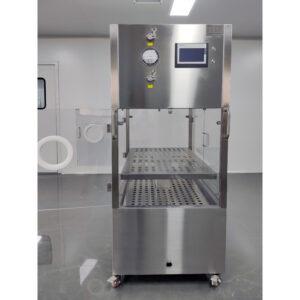
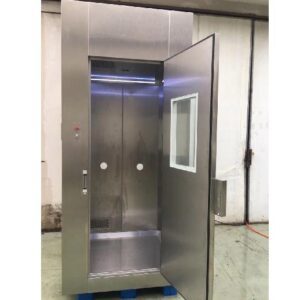
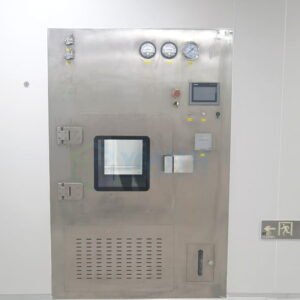
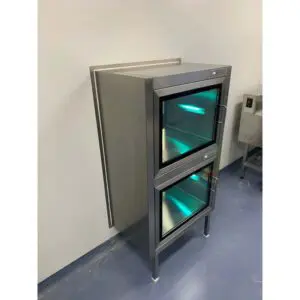
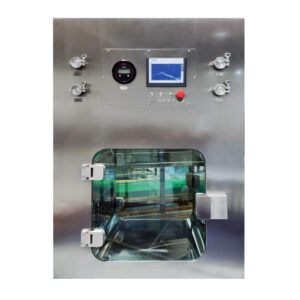
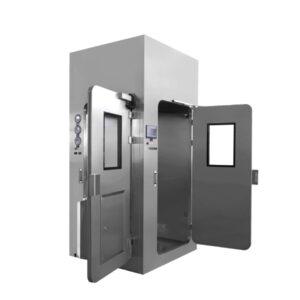
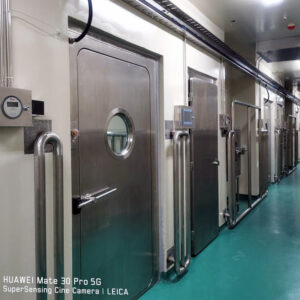
Что касается именно риска переноса загрязнения, Проходные камеры и отсеки VHP направлена на устранение конкретного пути загрязнения — дезактивацию материалов на границе зоны — и должна применяться только в тех случаях, когда данный путь загрязнения определен как риск, подлежащий контролю, а не в качестве универсального решения для перемещения материалов.
Для каждого пути заражения предусмотрено соответствующее устройство
Практическим критерием для определения пакета услуг поставщика является то, что каждый путь загрязнения, выявленный на этапе планирования, должен быть соотнесён с конкретным устройством, определённым интерфейсом с соседними системами и подтверждённым требованием к доказательствам. До завершения такого соотнесения выбор поставщика является преждевременным — объем работ ещё не определён достаточно точно, чтобы оценить, сможет ли какой-либо поставщик его выполнить.
На данном этапе основная часть остаточного риска сосредоточена в четырёх сценариях принятия решений.
| Сценарий принятия решения | Основные критерии / Компромисс | Что подтвердить |
|---|---|---|
| Isolator против oRABS | Требуемый класс чистоты помещения, капитальные и операционные затраты, частота вмешательства оператора | Совместимость по классам ISO, совокупная стоимость владения и требования к техническому обслуживанию |
| Одноразовые изделия против изделий из нержавеющей стали (риск перекрестного загрязнения) | Уровень риска перекрестного загрязнения, приемлемость данных по экстрагируемым веществам, трудоемкость CIP | Данные о выделяемых и выщелачиваемых веществах из материалов поставщика, эндотоксинах (LAL) и твердых частицах (USP) <788>) результаты |
| Проверка мер по контролю эндотоксинов и твердых частиц | Риск переноса эндотоксинов или твердых частиц с медицинского изделия | Поставщик предоставляет результаты тестирования по методу LAL и стандартам USP <788> данные о соблюдении требований |
| Комплексная валидация системы | Составление схемы «путь загрязнения — устройство» завершено | Провести валидацию интегрированной системы на соответствие требованиям стандарта ISO 14644 и Приложения 1 к GMP в отношении контроля чистоты воздуха (CCS) |
Решение о выборе между изолятором и системой oRABS не должно приниматься исключительно на основе капитального бюджета. Важными факторами являются: требуемая классификация ISO для фонового помещения, частота и продолжительность вмешательств оператора, а также прогнозируемые эксплуатационные расходы в течение всего срока службы объекта. Решение о закупке, ориентированное на оптимизацию капитальных затрат без моделирования разницы в эксплуатационных расходах, часто приводит к выбору более дешевого изолятора, который в перспективе пяти лет оказывается более дорогостоящим вариантом. Это не теоретическая проблема — именно такой сценарий приводит к тому, что раннее ценообразование, основанное исключительно на стоимости оборудования, систематически вводит в заблуждение, когда последствия классификации объекта ещё не подтверждены.
Что касается риска перекрестного загрязнения, выбор между системами одноразового использования и оборудованием из нержавеющей стали с системой CIP должен определяться результатами оценки допустимости экстрагируемых веществ, а не исключительно преимуществами, связанными с устранением риска перекрестного загрязнения за счет CIP. Если поставщик не может предоставить данные по экстрагируемым веществам, соответствующие требованиям BPOG, результаты тестирования на эндотоксины по методу LAL, а также данные по USP \<788> Если перед приемом оборудования будут представлены данные о соответствии требованиям по содержанию твердых частиц, то риск перекрестного загрязнения, связанный с остатками чистящих химикатов в варианте из нержавеющей стали, может оказаться ниже, чем риск, связанный с нехарактеризованными экстрагируемыми веществами, который возникает при использовании одноразовых материалов.
Комплексная валидация системы — подтверждение того, что весь комплекс, состоящий из HEPA-фильтров, барьерной системы и перегрузочного оборудования, функционирует как единая система контроля загрязнения (CCS) — должна проводиться в соответствии с методами испытаний, предусмотренными стандартом ISO 14644-3:2019, а также с учетом документации по CCS данного объекта до ввода системы в эксплуатацию. Стандарт ISO 14644-3:2019 определяет рамки испытаний для проверки работоспособности интегрированной системы; он не предписывает, какое оборудование следует выбирать, но устанавливает измеримые критерии приемки, которые определяют, соответствует ли смонтированная система требованиям к классификации и чистоте, для достижения которых было предусмотрено использование отдельных видов оборудования.
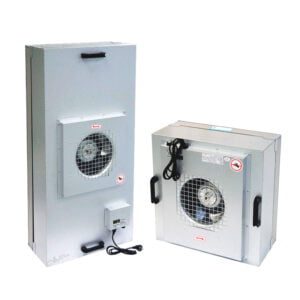
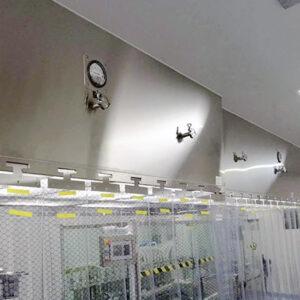
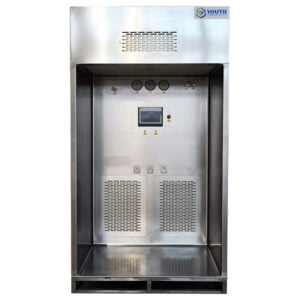
Для обеспечения циркуляции воздуха на уровне помещения или по зонам, фильтровальные установки вентиляторов может рассматриваться в качестве гибкого варианта установки фильтров HEPA в случаях, когда возможности изменения инфраструктуры потолочного монтажа ограничены — но только после того, как будет подтверждено, что внешний воздушный путь передачи является основным источником риска в данной зоне, а не в качестве стандартного решения при наличии любых невыясненных проблем, связанных с загрязнением.
Дополнительная информация о применимых требованиях к соответствию и протоколах испытаний для аттестации оборудования чистых помещений приведена в Обзор стандартов соответствия ISO 14644 и GMP.
Наиболее четкий способ оценить поставщика оборудования для контроля загрязнений — прийти на переговоры с готовой схемой маршрута, в которой указаны все пути проникновения загрязнений, соответствующие им семейства устройств, интерфейсы, которые эти устройства должны обеспечивать с соседними системами, а также данные, необходимые для подтверждения их работоспособности в соответствии с назначением. Поставщик, способный выполнить все эти требования в области фильтрации, перекачки и локальной защиты, а также включающий в стандартный пакет сертификационную документацию, данные об экстрагируемых веществах (где это применимо) и обязательство по постоянной технической поддержке, представляет собой предложение, существенно отличающееся от предложения поставщика, который поставляет отдельные агрегаты в соответствии с техническими характеристиками продукта. Это различие не видно при сравнении каталогов; оно становится очевидным во время ввода в эксплуатацию, квалификации или первой проверки со стороны регулирующих органов.
Прежде чем утверждать любой пакет документов поставщика, убедитесь, что каждое сопоставление «маршрут — устройство» задокументировано, что данные об экстрагируемых веществах для всех компонентов одноразового использования получены и проанализированы, а также что валидация комбинированной системы в соответствии с требованиями стандарта ISO 14644 и Приложения 1 к GMP входит в объем проекта — а не является предположением, которое будет рассмотрено позже. В данном контексте «позже» обычно означает «после того, как проблема уже возникла».
Часто задаваемые вопросы
Вопрос: Что произойдет, если предприятию необходимо поддерживать высокий класс чистоты помещения по причинам, не связанным с асептическим процессом — будет ли использование изолятора по-прежнему экономически целесообразным?
A: Не всегда. Преимущество изолятора в плане эксплуатационных затрат зависит от возможности снизить класс чистоты фонового помещения; если помещение должно оставаться на более высоком уровне чистоты по другим технологическим или нормативным причинам, это преимущество исчезает, и более высокая стоимость изолятора становится чистым убытком, а не долгосрочной экономией. Решение следует принимать на основе моделирования с учетом фактического класса чистоты фонового помещения, которого может достичь объект, а не исходя из теоретического минимума, который изолятор мог бы обеспечить в условиях изоляции.
Вопрос: На каком этапе проекта следует завершить составление схемы путей загрязнения с учётом переговоров с поставщиками?
A: Карта маршрута должна быть составлена до того, как будет определён или оценен какой-либо пакет предложений поставщика, а не в ходе этого процесса. Как только каждому маршруту будет присвоено семейство устройств, подтверждённое требование к интерфейсу и определённые ожидания в отношении доказательной базы, объем работ станет достаточно точным, чтобы оценить, может ли конкретный поставщик действительно его выполнить. Начало переговоров с поставщиком до завершения составления этой карты означает, что объем работ ещё не определён, и любые цены или структура пакета, полученные на этом этапе, основаны на допущениях, сделанных поставщиком от имени медицинского учреждения.
Вопрос: Применяется ли данная система планирования маршрутов к объектам, на которых проводится модернизация или переоборудование существующих чистых помещений, или только к новым объектам?
A: Это в равной степени относится и к модернизации, причем в данном контексте ставки, пожалуй, даже выше. При новом строительстве отсутствующее устройство можно включить в объем строительных работ с приемлемыми финансовыми последствиями. На действующем или частично сертифицированном объекте добавление устройства для устранения ранее не учтенного пути — например, невалидированного интерфейса передачи, обнаруженного в ходе аудита — требует проведения работ по модернизации в условиях продолжающейся эксплуатации, зачастую под пристальным вниманием регулирующих органов. Составить схему маршрутов при модернизации сложнее, поскольку существующее оборудование и инфраструктура ограничивают возможные варианты, но отказ от этого в пользу постепенного добавления оборудования — это именно тот подход, который приводит к описанным выше пробелам в защите.
Вопрос: Если от поставщика имеются данные об экстрагируемых веществах для одноразового оборудования, но они основаны на общих условиях «наихудшего сценария», а не на условиях контакта, характерных для конкретного технологического процесса, достаточно ли этого для приемки оборудования?
A: Как правило, нет, и признание таких данных достаточными влечет за собой остаточный нехарактеризованный риск. Общие данные по экстракции могут не отражать фактическую температуру, pH, воздействие растворителя или продолжительность контакта в конкретном технологическом процессе, а это означает, что компонент, прошедший общий скрининг, в реальных условиях все же может выделять проблемное соединение в концентрациях, значимых для данного технологического процесса. Для одобрения должны требоваться данные, полученные в условиях, репрезентативных для предполагаемого использования, в соответствии с методологией BPOG и сопровождаемые результатами анализа на эндотоксины и твердые частицы — а не общая каталожная документация, охватывающая ассортимент продукции в целом, а не конкретную сборку, контактирующую с потоком продукта.
Вопрос: Как отделу закупок следует действовать в случае, когда путь заражения действительно неопределён — то есть когда в ходе оценки рисков технологического процесса не удалось установить основной путь заражения среди таких вариантов, как передача через воздух, через персонал и через материалы?
A: Сама по себе неопределенность должна быть задокументирована и передана на рассмотрение вышестоящим инстанциям до открытия категорий оборудования, а не устраняться путем выбора по умолчанию наиболее знакомого типа продукта. Указание фильтрации HEPA в качестве ответа на нерешенный вопрос о пути проникновения является распространенным подходом по умолчанию, который учитывает один из возможных путей, оставляя другие открытыми. Более надежный подход заключается в том, чтобы рассматривать нерешенный путь передачи как пробел в планировании, требующий либо дополнительного анализа рисков процесса, либо принятия консервативного решения в отношении объема работ — например, включения системы барьеров, способной предотвратить контакт персонала, даже если этот путь передачи является лишь вероятным, — вместо того, чтобы выделять бюджет на закупку оборудования, которое может быть направлено на устранение не того риска.