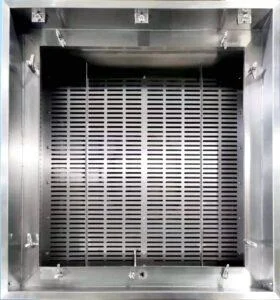
Определение количества блоков FFU исключительно на основе площади помещения является одной из наиболее частых причин задержек при вводе в эксплуатацию в проектах чистых помещений, соответствующих требованиям GMP. Команды, которые фиксируют количество блоков до того, как будут утверждены концепция воздушных потоков, конструкция потолочной решетки и стратегия поддержания давления в помещении, зачастую обнаруживают пробелы в покрытии или зоны с несбалансированной вентиляцией только на этапе квалификации — и на этом этапе изменения в планировке влекут за собой расходы, связанные с внесением изменений в заказ, и негативные последствия для графика работ. Решения, позволяющие избежать этой ситуации, несложны, но зависят от правильной последовательности действий: класс фильтра, программа управления двигателем, способ доступа и согласование потолочной конструкции должны быть определены до начала закупок. Приведенная ниже информация поможет вам понять, как эти решения взаимосвязаны, где несоответствия создают риски на последующих этапах и какие технические характеристики нельзя выбирать независимо друг от друга.
Требования к FFU в зависимости от класса ISO и сценария применения в соответствии с GMP
Первый вопрос при планировании системы FFU заключается не в том, сколько блоков потребуется для помещения, а в том, какой класс чистоты должно обеспечить помещение и какую схему воздушных потоков требует данный класс. Ответ на этот вопрос определяет все последующие этапы — от плотности покрытия потолка до уровня резервирования, необходимого для систем управления и обеспечения доступа для технического обслуживания.
Для чистых помещений классов ISO от 1 до 5 полное покрытие потолка блоками FFU является скорее широко распространенным подходом к проектированию, чем нормой, закрепленной в стандартах. Когда вся плоскость потолка заполнена такими блоками, сама потолочная решетка становится системой подачи воздушного потока, и все решения относительно конструктивной схемы, доступа для технического обслуживания и прокладки электропроводки вытекают из этой плотности размещения. Это иные проектные условия по сравнению с чистым помещением, в котором используется центральный вентиляционно-кондиционерный агрегат с канальным распределением воздуха, и это влечет за собой иную нагрузку на техническое обслуживание. Для чистых помещений класса ISO 6 — обычно обозначаемого как класс 1000 в старой нотации — в Приложении 5 к документу ВОЗ TRS 961 установлен проектный порог в 50–60 смен воздуха в час. Этот показатель является полезным ориентиром для определения количества блоков FFU и производительности воздушного потока, но он применим конкретно к данному классу и не должен обобщаться на все уровни GMP без проверки применимых рекомендаций для целевой классификации.
Сценарий применения GMP добавляет второй уровень сложности. Фармацевтическая линия розлива, работающая в условиях класса A / ISO 5, требует однонаправленного воздушного потока через критическую зону с постоянной линейной скоростью, что предъявляет к расположению FFU требования по плотности и равномерности, которых нет в случае обычного коридора класса ISO 7. Увеличение плотности FFU над зонами повышенного риска — линиями розлива, открытыми точками контакта с продуктом — является критерием планирования, который вытекает из классификации зон, а не только из размера помещения. Именно поэтому первая оценка количества должно основываться на концепции воздушных потоков, а не на плане помещения.
Для читателей, занимающихся определением первоначального объема проекта, Каковы требования к FFU для различных классов чистых помещений? более подробно рассматривает проектные параметры для каждого класса.
Выбор степени фильтрации, управление двигателем, уровень шума и решения по доступу
Выбор класса фильтрации — не самое спорное решение, но именно в этом вопросе допустимая погрешность минимальна. Фильтрация HEPA H14 — с номинальной эффективностью 99,9951 TP10T для частиц максимального проникающего размера (MPPS) при ISO 29463-1:2024 — это стандартная спецификация для чистых помещений, соответствующих требованиям GMP, где контроль содержания твердых частиц напрямую влияет на качество продукции. Конструкция рамы и уплотнения имеет не меньшее значение, чем класс фильтрующего материала: рамы с гелевым уплотнением или с ножевым краем, оснащенные прокладками из ПТФЭ, исключают утечки через боковые зазоры в местах соединения корпуса — именно там на практике чаще всего возникают нарушения герметичности. Указание в спецификации фильтрации класса H14 при одновременном использовании конструкции рамы, допускающей утечки по краям, полностью сводит на нет заявленную эффективность.
Тип двигателя определяет стоимость жизненного цикла, которая на этапе разработки технических требований зачастую недооценивается. Двигатели постоянного тока и двигатели с электронным управлением (ECM) потребляют на 30% меньше энергии, чем аналогичные двигатели переменного тока, при этом обеспечивая постоянную скорость воздушного потока на лицевой поверхности 0,45 м/с. При установке десятков агрегатов, работающих в непрерывном режиме, эта разница становится значительной статьёй эксплуатационных расходов. Однако гораздо более важным фактором при выборе является программа управления ECM, поскольку неправильный выбор приводит к нестабильности воздушного потока, которую трудно диагностировать после установки.
| Программа управления | Ключевая характеристика | Пригодность для пленумного монтажа | Требуется дополнительное оборудование |
|---|---|---|---|
| Постоянный поток | Поддерживает заданный расход воздуха при загрязнении фильтра | Общая камера с отрицательным давлением | Нет |
| Постоянный крутящий момент | Требуется установка вверх по потоку клапана Вентури для стабилизации расхода | Ознакомьтесь с конструкцией пленума | Клапан Вентури |
Программа «постоянный расход» является оптимальным выбором для общей камеры с отрицательным давлением: она автоматически компенсирует увеличение сопротивления фильтра при росте нагрузки, поддерживая заданный расход воздуха без дополнительного оборудования. Программа «постоянный крутящий момент» требует установки входного клапана Вентури для стабилизации расхода и должна назначаться только в том случае, если этот клапан уже входит в конструкцию камеры. Несоответствие — использование программы с постоянным крутящим моментом без клапана Вентури или программы с постоянным расходом в конфигурации распределительной камеры, для которой она не была разработана, — приводит к отклонению скорости, которое проявляется во время сертификационных испытаний и которое трудно отнести к ошибке в конфигурации системы управления.
Шум является практическим ограничивающим фактором в занятых помещениях, соответствующих требованиям GMP. Уровень шума блоков FFU колеблется от примерно 50 дБ до 55 дБ на расстоянии 1 метра ниже устройства в зависимости от размера и типа двигателя. В потолочной конструкции с высокой плотностью установки, где размещены десятки таких блоков, совокупный акустический фон становится реальным фактором, влияющим на концентрацию внимания операторов и комфорт во время смены. Блоки с двигателями постоянного тока, как правило, работают тише при одинаковом расходе воздуха, что является одной из практических причин для их выбора помимо энергоэффективности.
Решение о способе доступа — замена непосредственно в помещении или на рабочем столе — является тем фактором, который наиболее непосредственно связывает технические характеристики фильтра с планированием технического обслуживания:
| Тип доступа | Площадь фильтра (относительная) | Замена точки доступа | Влияние на систему |
|---|---|---|---|
| Возможность замены со стороны помещения | Базовый уровень | Из комнаты | Минимальное вмешательство в конструкцию потолка; стандартная производительность по воздухопропусканию |
| Настольный, с возможностью замены | +25% — увеличение площади фильтра | Со стороны пленарного зала (требуется свободное пространство под потолком) | Более высокая пропускная способность воздушного потока; требуется более тщательная согласованность с конструкцией потолка |
Настольные сменные блоки 25% обладают большей площадью фильтрации, чем модели с доступом со стороны помещения, что напрямую обеспечивает более высокую производительность по воздушному потоку на единицу оборудования. Это преимущество в производительности имеет большое значение в зонах с высокой плотностью размещения оборудования. Однако доступ к блоку со стороны стола требует свободного пространства со стороны потолка и требует согласования с конструкцией пленума, чего не требуется при доступе со стороны помещения. Модели со сменными блоками со стороны помещения позволяют производить замену фильтров изнутри чистой комнаты без вмешательства в потолочную систему, что снижает риск загрязнения во время технического обслуживания и упрощает график замены. Этот компромисс невозможно разрешить без учета того, кто отвечает за техническое обслуживание, какое свободное пространство имеется под потолком и оправдывает ли потребность в воздушном потоке в данной зоне дополнительную координацию с потолочной системой, которую требует доступ со стороны стола.
Проблемы согласования потолочных конструкций, влияющие на техническое обслуживание FFU
Координация работ с потолком — это та область, где при монтаже большинства блоков FFU возникает наибольшее количество сложностей. Взаимосвязи между выравниванием потолочной решетки, расчетом давления в пленуме, прокладкой кабелей и доступом для замены фильтров сами по себе не являются сложными, но их необходимо решать последовательно, а нарушение этой последовательности создает условия, исправление которых после закрытия потолка обходится дорого.
Перед установкой фильтров HEPA необходимо смонтировать и выровнять потолочную решетку и все опорные профили. Если корпуса FFU будут установлены до того, как решетка будет должным образом выровнена, агрегаты не будут правильно прилегать, что поставит под угрозу как герметичность, так и конструктивную надежность установки. Речь идет о последовательности работ, а не просто о предпочтении в плане качества — это означает, что при планировании закупок и поставок фильтров HEPA необходимо учитывать завершение монтажа потолка в качестве обязательного предварительного условия, а не параллельного этапа работ.
Требования к герметизации помещения и обкатке создают дополнительный запас времени в графике замены:
| Предпосылка / Условие | Спецификация / Требование | Влияние на планирование технического обслуживания |
|---|---|---|
| Герметизация чистых помещений | Помещение необходимо герметично закрыть и тщательно вытереть | Установка фильтра не может начаться до завершения герметизации |
| Обкатка FFU | FFU работает непрерывно в течение 12 и более часов до установки окончательного фильтра | Добавляет 12-часовой запас времени в график замены |
| Работа с персоналом | Перчатки и спецодежда для чистых помещений; фильтры следует брать только за рамку, ни в коем случае не прикасайтесь к фильтрующему материалу | Снижает риск повреждения фильтра и загрязнения твердыми частицами |
| Завершение монтажа потолочной решетки | Перед установкой модулей FFU была смонтирована и выровнена потолочная решетка и профили | Обеспечивает правильную установку FFU; определяет последовательность выполнения работ на потолке |
| Прокладка кабеля | Кабели питания и сетевые кабели проложены отдельно; расстояние между параллельными кабелями не превышает 600 мм; сетевые кабели не скреплены с кабелями питания | Предотвращает возникновение помех; требует согласования с схемой электромонтажа |
Требование о 12-часовой непрерывной работе перед окончательной установкой фильтра является реальным ограничением при планировании. В рамках запланированного окна технического обслуживания этот запас времени должен быть заложен в график с самого начала — его нельзя компенсировать за счет сокращения времени на другие этапы. Аналогичным образом, протокол обращения с фильтрами — перчатки и спецодежда для чистых помещений, манипуляции исключительно за раму, отсутствие контакта с фильтрующим материалом — представляет собой фактор оперативной координации, влияющий на организацию и подготовку персонала, занимающегося техническим обслуживанием, а не просто предпочтение в обращении с фильтрами.
Стратегия регулирования давления в пленуме напрямую влияет на контроль загрязнения. Пленум с отрицательным давлением предотвращает проникновение загрязняющих веществ из пустоты под потолком в чистое помещение. Это конструктивное решение, которое влияет на сложность потолочной системы и должно быть принято до определения программы управления двигателями ECM — поскольку, как отмечалось в предыдущем разделе, программа управления с постоянным расходом разработана специально для работы пленума с отрицательным давлением. Независимый выбор типа пленума и программы управления двигателями является типичной ошибкой, которая проявляется в виде нестабильности воздушного потока во время ввода в эксплуатацию.
Прокладка кабелей сопряжена с собственными требованиями к координации: силовые и сетевые кабели должны прокладываться отдельно, расстояние между параллельно проложенными кабелями не должно превышать 600 мм без обеспечения надлежащего зазора, а сетевые кабели не должны связываться в пучки с силовыми кабелями. Это практические требования по предотвращению взаимных помех, которые необходимо согласовать с электрической схемой перед закрытием потолка. Внесение изменений в схему прокладки после закрытия потолка сопряжено со значительно большими неудобствами, чем их урегулирование на этапе координации.
Риск несоответствия требованиям при выборе количества FFU до определения схемы вентиляции
Расчет количества FFU исходя из площади пола до определения концепции воздушных потоков является наиболее предсказуемым источником дополнительных работ на этапе ввода в эксплуатацию в проектах по созданию чистых помещений. Это не редкая ошибка — это типичная ситуация, возникающая, когда сроки закупок вынуждают команды определять спецификации оборудования до окончательного утверждения проекта. Последствия этой ошибки хорошо известны и неизменно приписываются неверной первопричине.
Формула расчёта объёма позволяет провести прямую проверку: объём помещения, умноженный на требуемое количество циклов обмена воздухом (ACH), делится на расход воздуха одного блока FFU, округляется в большую сторону, с добавлением запаса в 10–20 процентов, учитывающего постепенное загрязнение фильтров и потенциальные будущие потребности в производительности. Этот запас является критерием планирования, а не нормативным резервом — однако его игнорирование означает, что при первом значимом увеличении сопротивления фильтра произойдёт заметное падение скорости, и устранить эту проблему будет невозможно без установки дополнительных блоков. Формула дает обоснованный результат только в том случае, если целевой показатель ACH подтвержден для конкретного класса помещения, а показатель расхода воздуха на один блок соответствует выбранному типу доступа к фильтру, поскольку блоки, заменяемые со стороны помещения, и настольные блоки обеспечивают не одинаковый расход воздуха в кубических футах в минуту (CFM).
Риски, связанные с пропуском этого этапа, следуют по предсказуемой схеме:
| Риск, связанный с ранней оценкой объемов работ | Основная причина | Что должна подтвердить концепция «Airflow» |
|---|---|---|
| Пробелы в покрытии | Количество рассчитано без учета плотности в критической зоне | Планировка и плотность покрытия с учетом классификации зон |
| Конфликты доступа | При размещении не учитываются ограничения, связанные с потолочной решеткой, и маршруты технического обслуживания | Расположение FFU относительно решетки потолка и проходов для доступа |
| Будущие изменения в системе балансировки | Нет возможности для увеличения нагрузки на фильтр или повышения его производительности | Включение дополнительного запаса FFU в размере 10–20%, рассчитанного по формуле расчета воздушного потока |
Наиболее заметным результатом являются пробелы в зоне покрытия — зоны, не соответствующие требованиям по количеству частиц при первоначальной сертификации. Конфликты, связанные с доступом, сложнее обнаружить до завершения монтажа потолочной системы: установка агрегата без учета маршрутов технического обслуживания приводит к ситуации, когда для замены фильтра требуется либо демонтировать часть потолочной системы, либо принять риск загрязнения при проведении работ в занятом чистом помещении. Будущие изменения в балансировке — необходимость добавления агрегатов или перенаправления воздушного потока после первоначальной установки — почти всегда обусловлены расчётом количества, выполненным до применения правил классификации зон и плотности.
Концепция воздушных потоков не будет полной, пока в ней не будет отдельно учтена плотность в критических зонах по сравнению с плотностью в общих зонах. Линия розлива, работающая в соответствии с классом A, требует большего количества блоков FFU на квадратный метр, чем коридор для переодевания, соответствующий классу D, и рассмотрение помещения как единой зоны приводит к оценке количества, которая технически верна для средних показателей, но неверна для зон повышенного риска, которые регулирующие органы и протоколы квалификации проверяют наиболее тщательно.
Срабатывание процедуры закупки после определения требований к макету, фильтрам и элементам управления
Решение о закупке FFU не должно приниматься исходя из площади помещения. Оно должно основываться на согласовании четырёх подтверждённых проектных параметров: схемы расположения потолочной решётки, целевых показателей чистоты воздуха по зонам, архитектуры системы управления и способа доступа для технического обслуживания. До тех пор, пока все четыре параметра не будут определены, любые технические требования носят предварительный характер — а именно предварительные технические требования, на основании которых оформляются заказы на закупку, являются непосредственной причиной проблем с монтажом, описанных в предыдущих разделах.
Стандартные размеры блоков FFU — 2×2, 2×3 и 2×4 фута — рассчитаны на установку в стандартные решетки подвесных потолков. Эти размеры не поддаются регулировке на месте монтажа. Определение размера блока до того, как будет определён модуль решетки потолка, представляет собой риск нарушения последовательности работ, который может привести либо к невозможности монтажа, либо к вынужденной модификации решетки; в обоих случаях связанные с этим затраты значительно превышают экономию времени, полученную за счёт раннего заказа. Выбор размера должен следовать за определением решетки, а не предшествовать ему.
Базовым показателем производительности для утверждения закупки является целевая скорость воздушного потока на лицевой поверхности от 90 до 100 футов в минуту, при этом сменный блок размером 2×2 фута, установленный со стороны помещения, обеспечивает расход воздуха примерно 480 кубических футов в минуту в указанных условиях. Это значение учитывается в формуле расчета количества — и подтверждает, достижимо ли количество, полученное в результате расчета ACH, с использованием выбранного типа агрегата. Если это невозможно, решением проблемы станет либо выбор блока другого размера, либо более плотная компоновка, либо корректировка целевого показателя ACH; все эти вопросы должны быть решены до утверждения закупки.
| Технические характеристики | Ключевое значение / Принцип | Последствия для закупочной деятельности |
|---|---|---|
| Размер единицы измерения | Стандартные размеры 2×2, 2×3, 2×4 фута (подходят для каркасов подвесных потолков) | Должно соответствовать потолочной решетке; неправильный размер приведёт к невозможности монтажа |
| Скорость по поверхности и CFM | 90–100 футов в минуту; например, 2×2 сменные со стороны помещения ≈480 кубических футов в минуту | Подтверждает, что расход воздуха на единицу соответствует расчёту частоты обмена воздуха (ACH) в помещении |
| Плотность размещения | 1 FFU на 4–6 м²; увеличение в зонах повышенного риска | Определяет окончательное количество и расположение перед размещением заказа |
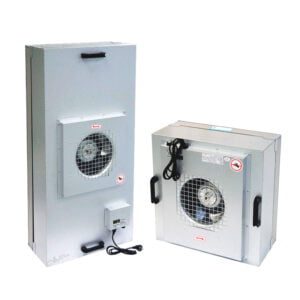
Плотность размещения — в качестве общего ориентира принимается одна FFU на 4–6 квадратных метров, с увеличением плотности в зонах повышенного риска — является окончательным фактором, определяющим количество установок. Применение правила единой плотности во всем помещении, содержащем зоны различной классификации, приведет к недостаточному обслуживанию критически важных зон. После согласования карты зон, целевых показателей ACH, размера установок и правил плотности количество установок можно не просто оценить, а подтвердить, и Блок фильтрации вентилятора Технические условия могут быть утверждены на обоснованных основаниях.
Принцип последовательности, лежащий в основе каждого раздела данной темы, остается неизменным: технические характеристики FFU, утвержденные до того, как будут согласованы концепция воздушных потоков, решетка потолка и стратегия технического обслуживания, как правило, приводят к необходимости доработок на самом затратном этапе проекта — в ходе ввода в эксплуатацию и аттестации. Решения, позволяющие избежать такого исхода, не представляют технической сложности, однако они требуют, чтобы планировка, способ доступа к фильтрам, программа управления и стратегия организации пленумной камеры рассматривались как единый комплекс, а не как отдельные элементы.
Перед публикацией технического задания на закупку убедитесь, что целевой показатель ACH определён с учётом конкретного класса и зоны, что программа контроля соответствует конструкции пленума, что тип доступа отражает, кто несет ответственность за техническое обслуживание и какие требования предъявляются к высоте потолка, а также что указанное количество включает запас по нагрузке. Эти четыре проверки являются практическим критерием, позволяющим отличить обоснованное техническое задание от такого, которое потребует пересмотра на этапе квалификации.
Часто задаваемые вопросы
Вопрос: Применим ли этот подход к проектированию FFU в том случае, если в чистой комнате используется центральный вентиляционно-кондиционирующий агрегат вместо полного покрытия потолка блоками FFU?
A: Только частично. Решения, касающиеся класса фильтрации, уровня шума и доступа для технического обслуживания, по-прежнему актуальны, однако вопросы согласования с потолком, стратегии поддержания давления в пленуме и выбора программы управления ECM являются специфическими для распределенных установок FFU. Централизованные системы кондиционирования воздуха используют распределение по воздуховодам, что переносит вопросы балансировки воздушного потока, планирования резервирования и ответственности за техническое обслуживание в иную систему взаимозависимостей. Формула расчёта количества и правила определения плотности, приведённые в данной статье, разработаны для систем подачи чистого воздуха на основе FFU и не должны применяться напрямую к централизованным системам без учёта особенностей их архитектуры воздушных потоков.
Вопрос: После того как будут выполнены четыре подтверждённых проектных условия и будет дано разрешение на закупку, каков первый этап координационных работ до того, как блоки FFU поступят на объект?
A: Перед тем как планировать доставку фильтров, убедитесь, что потолочная решетка полностью смонтирована и выровнена. В статье выравнивание решетки указано как обязательное предварительное условие для установки фильтров HEPA, а не как параллельное действие. Если агрегаты поступят до того, как решетка будет полностью готова и выровнена, их невозможно будет правильно установить, что создаст риски для герметичности и конструкции, устранить которые будет сложно без частичного демонтажа потолка. Сроки доставки должны быть привязаны к подписанию акта о завершении монтажа решетки, а требование о 12-часовой прогонке должно быть учтено в графике ввода в эксплуатацию до установки первого агрегата.
Вопрос: В каких случаях выбор фильтра HEPA H14 вместо фильтра более низкого класса перестает быть правильным решением для чистой комнаты, соответствующей требованиям GMP?
A: Спецификация H14 по-прежнему является подходящей везде, где контроль за содержанием твердых частиц напрямую влияет на качество продукции — в фармацевтических помещениях класса A/B, помещениях класса ISO 5 и выше, а также в любых зонах, подлежащих нормативной проверке чистоты воздуха. Для вспомогательных зон с более низким уровнем риска, таких как коридоры класса D или помещения общего назначения класса ISO 8, фильтрация H13 может быть приемлемой в зависимости от применимых рекомендаций и стратегии контроля загрязнения на объекте. Определяющим фактором является не только класс ISO, но и то, относится ли зона к категории «критическая» или «обеспечивающая» в соответствии с классификацией рисков объекта. Единообразное применение фильтров H14 во всех зонах GMP является консервативным подходом, но влечет за собой дополнительные затраты на фильтры и повышенный перепад давления, что влияет на выбор вентиляторов и энергопотребление.
Вопрос: Всегда ли общая камера с отрицательным давлением является более предпочтительной, чем конструкция с положительным давлением, с точки зрения контроля загрязнения, или существуют условия, при которых использование камеры с положительным давлением оправдано?
A: Пленум с отрицательным давлением является более безопасным выбором именно потому, что он предотвращает проникновение загрязняющих веществ из пустоты под потолком в чистое помещение — это прямое преимущество в плане контроля загрязнения, которое явно отмечается в статье. Использование пленума с положительным давлением может быть оправдано в тех случаях, когда чистота пустоты под потолком находится под контролем, частота доступа к ней низкая, а проектные ограничения делают строительство пленума с отрицательным давлением нецелесообразным. Однако выбор пленума с избыточным давлением устраняет один из основных барьеров, предотвращающих загрязнение, встроенных в конструкцию пленума с отрицательным давлением, и перекладывает нагрузку на другие средства контроля. Это решение также имеет последующие последствия для выбора программы управления двигателем ECM: режим постоянного расхода рассчитан на работу с пленумом с отрицательным давлением, поэтому смена типа пленума после того, как уже определены параметры управления двигателем, требует пересмотра этой конфигурации.
Вопрос: В случае проекта с сжатыми сроками закупки существует ли минимальный набор проектных решений, который необходимо утвердить до размещения заказа, или всегда требуется полный чек-лист из четырёх пунктов?
A: Все четыре поля ввода являются обязательными, поскольку они взаимосвязаны, а не представляют собой последовательные флажки. Определение решетки потолка определяет размер блока, что влияет на расход воздуха в кубических футах в минуту (CFM) на единицу, который входит в формулу расчета количества, зависящую от целевых показателей ACH для конкретной зоны. Запуск закупки при наличии хотя бы одного нерешенного вопроса из этих четырёх — особенно типа доступа или программы управления — означает, что технические условия могут измениться после размещения заказа, что, как правило, обходится дороже из-за затрат на внесение изменений в заказ и перепланирование, чем позволяет сэкономить сокращение сроков поставки. Практический минимум заключается не в сокращении списка, а в более быстром получении всех четырёх подтверждений за счёт параллельного, а не последовательного принятия решений по планировке, доступу к фильтрам и стратегии использования пленумных камер.