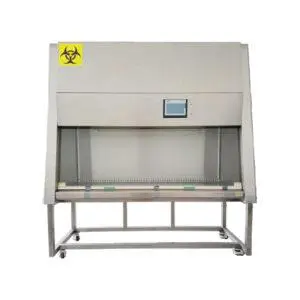
Определение класса помещения до того, как будет подтверждено, какие именно операции фактически приводят к выделению продукта, является одним из самых верных способов повлечь за собой затраты на доработку уже после начала строительства. Ошибка, как правило, заключается не в неправильном толковании предельных значений концентрации частиц, а в выборе класса помещения на ранних этапах составления бюджета, до того как кто-либо задал вопрос: подойдет ли для критической операции помещение более низкого класса с локальной защитой или действительно ли все помещение должно соответствовать более строгому стандарту. Это упущение может проявиться позже в виде отказа в аттестации, когда выясняется, что уязвимый технологический процесс осуществляется в помещении, не способном его обеспечить, или в виде ненужных затрат на системы отопления, вентиляции и кондиционирования воздуха (ОВКВ) и валидацию, когда всё помещение было модернизировано для соответствия требованию, применимому лишь к одной рабочей станции. Решением, позволяющим избежать обоих исходов, является картирование уязвимостей: определение того, какие операции подвергают продукт риску, на каком этапе процесса это происходит и можно ли контролировать эту уязвимость локально до того, как будет зафиксирован класс помещения. Читатели, внимательно изучившие эту статью, смогут более обоснованно оценить, соответствует ли предлагаемый класс помещения фактическому риску процесса и насколько вероятно, что заложенные в него бюджетные и приемные допущения оправдаются.
Выбор класса комнаты влияет не только на предельные значения концентрации частиц
Предельные значения концентрации частиц в классах ISO 5, 7 и 8 следуют соотношению «коэффициент 10» на каждом уровне: 3 520 частиц/м³ в классе 5, 352 000 — в классе 7 и 3 520 000 — в классе 8 для частиц размером ≥0,5 мкм при ISO 14644-1:2015. Эти цифры важны для классификации и мониторинга, однако границы классов не определяют автоматически, какое именно оборудование должно находиться в помещении. Выбор класса определяет весь комплекс оборудования и связанную с ним планировку: режим воздушных потоков, степень конечной фильтрации, производительность вентиляторов, последовательность воздушных шлюзов и энергетическую нагрузку. Предельное содержание частиц — это конечный результат; оборудование и эксплуатационные затраты — это стоимость.
Одним из факторов планирования, влияющих на сложность планировки, является распространенная проектная практика, заключающаяся в том, чтобы избегать разницы в классе ISO более чем на один ступень между соседними зонами. Пропуск одного класса в каскаде давления может нарушить буферную функцию, которую призваны выполнять соседние помещения, что, как правило, влечет за собой необходимость установки дополнительных шлюзов, дополнительных точек мониторинга и более сложных траекторий движения материалов. Это не является жестким нормативным требованием, вытекающим из какого-либо отдельного стандарта, но является широко применяемым фактором при проектировании планировки, поскольку последствия ошибки — неудачное испытание на перепад давления, нарушение барьера, предотвращающего загрязнение — трудно устранить после возведения стен.
На практике это означает, что класс, выбранный для зоны с наивысшим уровнем контроля в комплексе, определяет минимальную сложность отделки для каждой прилегающей к ней зоны. Выбор класса ISO 5 для центрального помещения определяет характеристики всей цепочки прихожих, а не только технические требования к самому центральному помещению.
Последствия для оборудования при классах ISO 5, 7 и 8
Разница в затратах между классом ISO 5 и более низкими классами оказывается более значительной, чем можно было бы предположить, исходя только из предельных значений концентрации частиц, и она почти полностью обусловлена режимом воздушного потока. В классах ISO 7 и ISO 8 используется не однонаправленный турбулентный воздушный поток — такая конфигурация позволяет применять частичную фильтрацию на уровне потолка и относительно стандартную конструкцию системы вентиляции и кондиционирования воздуха. Стандарт ISO 5 требует однонаправленного ламинарного воздушного потока со скоростью 0,3–0,5 м/с по всей рабочей зоне, что подразумевает полное покрытие потолка фильтрами HEPA, возвратные отверстия на уровне пола и вентиляционные системы, рассчитанные на обеспечение 240–360 смен воздуха в час вместо 30–60, характерных для ISO 7. Такое изменение режима воздушного потока — это не незначительное обновление оборудования, а переход в другую категорию инфраструктуры.
| Параметр | ISO 5 | ISO 7 | ISO 8 |
|---|---|---|---|
| Количество смен воздуха в час (ACH) | 240–360 | 30–60 | 10–25 |
| Тип воздушного потока | Однонаправленный (ламинарный) | Неоднонаправленное (турбулентное) | Неоднонаправленное (турбулентное) |
| Терминальная HEPA-фильтрация | HEPA-фильтр по всей площади потолка, эффективность 99,971 TP10T | Фильтрация по стандарту HEPA, эффективность 99,971 TP10T | Фильтрация по стандарту HEPA, эффективность 99,971 TP10T |
| Требования к скорости воздушного потока | 0,3–0,5 м/с | Не указано | Не указано |
| Требования к воздушному шлюзу/планировке | Как правило, используется несколько воздушных шлюзов (следует избегать разницы в классах более чем на 1; каскад 8→7→6→5 можно сократить) | Требуется прихожая, соответствующая стандарту ISO 8 | Можно ввести непосредственно из неконтролируемого пространства |
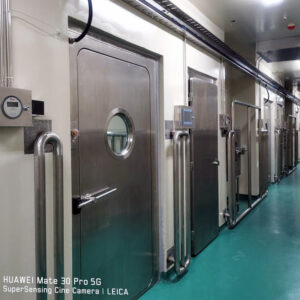
Наличие воздушного шлюза увеличивает прямые затраты на помещение. Помещение класса ISO 7 требует наличия прихожей класса ISO 8 в качестве буферной зоны для предотвращения загрязнения; помещение класса ISO 5, как правило, требует более сложной каскадной схемы для поддержания допустимых различий в классах чистоты между соседними зонами. Напротив, в помещения класса ISO 8 во многих конфигурациях можно попасть напрямую из неконтролируемого пространства, что существенно упрощает материальный поток и процесс переодевания персонала. Эти различия в планировке влияют на площадь помещения, сроки строительства и количество точек мониторинга, необходимых во время квалификации — ни один из этих факторов не отражается в статье расходов под названием “выбор класса помещения”.”
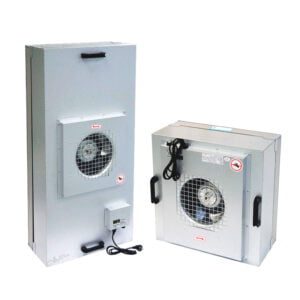
При закупке следует заранее обратить внимание на энергетические последствия применения стандарта ISO 5. Вентиляторно-фильтрующие установки, работающие в непрерывном режиме с частотой воздухообмена, необходимой для обеспечения однонаправленного потока, представляют собой значительные долгосрочные эксплуатационные расходы, а не только капитальные затраты. Фильтры для вентиляторов Используемые в потолочных системах типа ISO 5 также должны обеспечивать статическое давление, необходимое для надежной подачи воздуха через фильтрующие элементы HEPA в течение длительного времени, что влияет как на критерии выбора, так и на график замены в бюджете на техническое обслуживание.
Локальная защита как альтернатива модернизации всего помещения
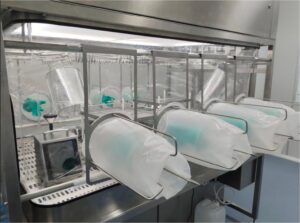
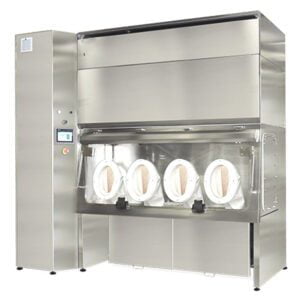
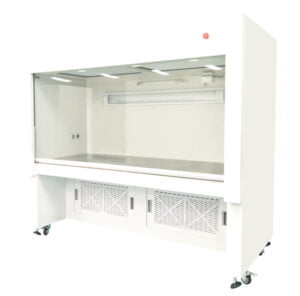
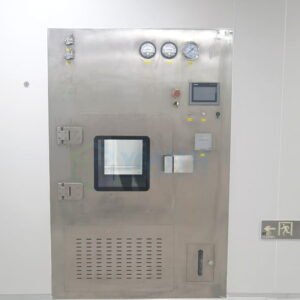
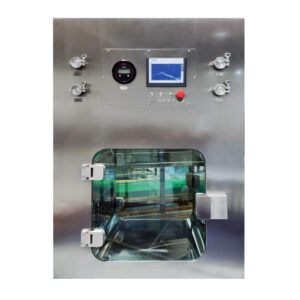
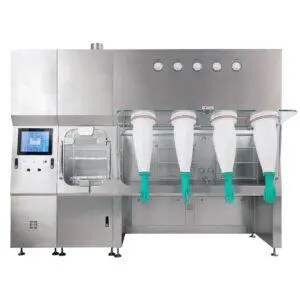
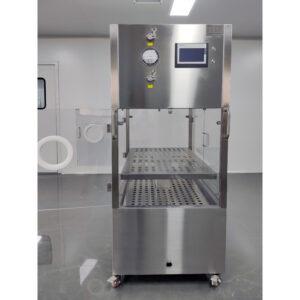
Если воздействие критической среды ограничивается конкретным рабочим местом или пунктом передачи, перед тем как принять решение о проектировании всего помещения в соответствии со стандартом ISO 5, стоит задаться вопросом, можно ли использовать соответствующее местное оборудование — ламинарный бокс, установка ламинарного потока воздуха, либо изолятор — может обеспечить условия класса ISO 5 в точке воздействия внутри помещения класса ISO 7. Данный подход признан в стандарте ISO 14644-1:2015 и соответствует логике контроля загрязнения, изложенной в Приложение 1 к GMP ЕС, в котором локальная защита рассматривается как законная мера по контролю загрязнения при условии надлежащей квалификации и соблюдения установленных процедур.
| Фактор | ISO 5 для всего помещения | Локальная защита класса ISO 5 в помещении класса ISO 7 |
|---|---|---|
| Стоимость строительства | Высокий уровень — HEPA-фильтры на всей высоте потолка, однонаправленная циркуляция воздуха, несколько воздушных шлюзов | Нижний уровень — обновление всего помещения не требуется, достаточно локального устройства |
| Системы отопления, вентиляции и кондиционирования воздуха и затраты на энергию | Очень высокий показатель ACH, энергоемкая работа вентилятора | Стандартная интенсивность воздухообмена (ACH) в помещении 7 по стандарту ISO (30–60) |
| Бремя квалификации | Проверка и мониторинг всего помещения | Дополнительная аттестация оборудования (ламинарный бокс/изолятор) |
| Порядок действий | Проще — всё рабочее пространство в одном классе | Дополнительные процедуры по эксплуатации, техническому обслуживанию и мониторингу локальных устройств |
| Подтверждение соответствия | Полностью соответствует стандарту ISO 5 | Соответствует стандартам; признанная нормативная альтернатива |
Потенциал экономии за счет локальной защиты вполне реален, однако компромисс имеет свои минусы с обеих сторон. Отказ от модернизации всего помещения до уровня ISO 5 позволяет избежать капитальных затрат на полное покрытие потолка фильтрами HEPA, установку вентиляционных систем с высокой частотой воздухообмена (ACH) и расширение схем работы шлюзов. Однако это не устраняет нагрузку, связанную с аттестацией — она просто переносится в другое русло. Локальное устройство должно пройти независимую аттестацию, его рабочие характеристики должны быть подтверждены, а в эксплуатационных процедурах должны быть учтены его правильное использование, доступ для технического обслуживания и мониторинг. Команды, которые сравнивают локальную защиту с классом ISO 5 для всего помещения исключительно с точки зрения затрат на строительство, часто недооценивают процедурные и аттестационные накладные расходы, которые влечет за собой использование данного устройства.
Рациональное обоснование выбора локальной защиты заключается в том, что риск загрязнения ограничен географически, квалификация оборудования не представляет сложностей с учетом имеющейся у команды инфраструктуры валидации, а меры по контролю загрязнения в помещении класса ISO 7 являются достаточными для всех остальных операций, проводимых в этом помещении. Если какое-либо из этих условий вызывает сомнения, перед окончательным определением класса помещения следует проверить обоснованность предположения об экономии средств.
Риски, связанные с оценкой затрат, до составления схемы этапов процесса
Наиболее значимая ошибка, связанная с классом помещений, как правило, происходит не на этапе детального проектирования, а на ранних этапах составления бюджета, когда выбирается класс для определения ориентировочной стоимости, ещё до того как кто-либо официально проанализировал, какие операции подвергают продукт риску и какую защиту эти операции требуют. Такая последовательность действий закрепляет цифру, которая определяет размеры систем отопления, вентиляции и кондиционирования воздуха (ОВКВ), количество шлюзов, количество фильтров и объем валидации ещё до того, как был задан вопрос, который, скорее всего, изменит все эти параметры.
| Риск в случае игнорирования | Потенциальное последствие | Что необходимо уточнить при составлении сметы |
|---|---|---|
| Чрезмерная классификация помещения без подтверждения необходимости применения данного процесса | Излишняя мощность систем отопления, вентиляции и кондиционирования воздуха, энергопотребление и затраты на валидацию без какой-либо выгоды | Действительно ли данный процесс требует именно такого уровня чистоты, или же достаточно было бы местных мер защиты |
| Выбор класса помещения до совместного рассмотрения вопросов облучения в процессе и локальной защиты | Избыточная проработка (ненужные затраты) или недостаточная проработка (отказ в сертификации, вынужденный перенос) | На раннем этапе следует объединить составление схем воздействия технологических процессов с выбором класса помещений |
| Исходя из типовых требований к ACH/шлюзовой зоне без учета оптимизированной планировки, особенностей технологического процесса и численности персонала | Неточные расчеты затрат, приводящие к превышению бюджета или недостаточной вместимости помещений | Проверить соответствие требованиям к ACH и воздушным камерам с учетом фактической степень воздействия технологического процесса и параметров конкретного помещения |
С точки зрения ретроспективы более заметной ошибкой является завышение класса чистоты. Помещение, построенное в соответствии с требованиями ISO 5, в то время как критическую операцию можно было бы защитить с помощью ламинарного бокса внутри помещения класса ISO 7, обременено ненужной инфраструктурой систем отопления, вентиляции и кондиционирования воздуха (ОВКВ), завышенным количеством фильтров и более обременительным объемом валидации — ни один из этих факторов не повышает уровень защиты технологического процесса. Недостаточная классификация сложнее обнаружить на этапе оценки и устранить её последствия гораздо сложнее: помещение более низкого класса, которое прошло этапы строительства и поступило на квалификацию с незащищённой критической операцией внутри, как правило, выявляется в ходе проверки как несоответствие, а меры по исправлению ситуации — будь то добавление квалифицированного локального оборудования или перемещение технологического процесса — принимаются в самый неблагоприятный момент проектного графика.
Допущения относительно ACH и воздушных шлюзов также являются источником погрешностей при оценке затрат, которые усугубляются в случае отсутствия анализа технологических рисков. Фактические требования зависят от размера помещения, численности персонала, деталей технологического процесса и планировки — факторов, которые настолько различаются от проекта к проекту, что использование типовых цифр на слишком раннем этапе может привести к оценкам, не отражающим реальное состояние помещения после его строительства и аттестации. Проверка на этапе составления сметы проста: необходимо подтвердить, какие операции сопряжены с контактом с продуктом, убедиться, что локальная защита является частью стратегии проектирования, и удостовериться, что выбранный класс помещения соответствует карте воздействия, а не предваряет её.
В классах с учащимися из малообеспеченных семей необходима стратегия безопасного контакта
Выбор помещения более низкого класса с целью сокращения затрат на строительство является оправданным решением, если это обосновано анализом рисков. Однако это становится риском для сертификации, если подверженная риску критически важная операция остается в помещении более низкого класса без соответствующей стратегии защиты, и этот риск, как правило, проявляется уже после завершения строительства — либо в виде отказа в сертификации, либо в виде вынужденного переноса технологического процесса, который обходится дороже, чем стоила бы первоначальная модернизация.
| Условия экспозиции | Можно ли проводить занятия в нижнем зале? | Ключевое требование |
|---|---|---|
| Незащищенная критически важная операция без локальной защиты | Нет — риск отказа в квалификации или переноса производственного процесса | Повысьте класс номера или добавьте надежную охрану на месте |
| Открытая критически важная операция, защищенная соответствующим местным устройством (например, ламинарным боксом, изолятором) | Да | Устройство должно пройти аттестацию, а рабочие процедуры — поддерживаться в актуальном состоянии |
| Для эксплуатации не требуется повышенная степень чистоты | Да | Дополнительная защита не требуется; существующий класс помещения может оставаться более низким |
Суть заключается в том, что класс помещения и условия воздействия необходимо оценивать комплексно, а не поочередно. Помещение, соответствующее требованиям ISO 7, является приемлемой средой для многих фармацевтических и биотехнологических операций, но не является приемлемой средой для подверженной загрязнению критической операции, требующей условий ISO 5, за исключением случаев, когда такая операция защищена квалифицированным локальным устройством с подтвержденными эксплуатационными характеристиками. Нельзя полагаться на эту защиту или полагаться исключительно на рабочие процедуры — устройство должно быть квалифицировано, его способность обеспечивать условия ISO 5 должна быть подтверждена, а процедуры, регулирующие его использование, должны поддерживаться в рамках стратегии контроля загрязнения.
Если технологический процесс действительно не требует более высокого уровня чистоты — то есть если профиль риска проводимой операции соответствует рассматриваемому классу помещения — дополнительная защита не требуется, и помещение более низкого класса остается целесообразным и соразмерным с точки зрения затрат выбором. Принцип принятия решения заключается не в том, чтобы по умолчанию выбирать более высокий класс для обеспечения запаса прочности, а в том, чтобы убедиться, что соответствие условий проведения операции и класса помещения было тщательно проверено до начала проектирования.
Последовательность действий, позволяющая избежать наиболее дорогостоящих ошибок при определении технических характеристик чистой комнаты, заключается в составлении карты экспозиции до выбора класса чистоты помещения и в оценке компромиссных решений по локальным устройствам до принятия окончательного решения в отношении всего помещения. Предельные значения концентрации частиц определяют, каких показателей должно достичь помещение; они не указывают, какая конфигурация оборудования соответствует фактическому риску технологического процесса, и не дают ответа на вопрос, сможет ли помещение более низкого класса с локальными средствами защиты удовлетворить тем же квалификационным критериям при меньших капитальных и эксплуатационных затратах.
Прежде чем класс помещения будет окончательно зафиксирован в любом бюджетном или проектном документе, необходимо получить следующие подтверждения: какие операции связаны с воздействием продукта или технологического процесса; являются ли эти воздействия достаточно локализованными с географической точки зрения, чтобы обеспечить эффективность локальной защиты; а также какую нагрузку в плане квалификации и процедурных требований влечет за собой применение локальной защиты по сравнению с модернизацией всего помещения. Именно эти три вопроса, рассмотренные вместе на раннем этапе, позволяют предотвратить два варианта неудачи: помещение с завышенным классом защиты, в котором никогда не требовались соответствующие технические характеристики, и помещение с заниженным классом защиты, отказ в аттестации которого поступает слишком поздно, чтобы исправить ситуацию с минимальными затратами.
Часто задаваемые вопросы
Вопрос: Может ли помещение класса ISO 7, оборудованное ламинарным боксом, соответствовать тем же нормативным критериям приемки, что и помещение, спроектированное в целом в соответствии с классом ISO 5?
A: Да, при условии, что локальное устройство прошло независимую квалификацию и соответствие его условиям стандарта ISO 5 подтверждено в соответствии с применимым стандартом. Как в стандарте ISO 14644-1:2015, так и в Приложении 1 к GMP ЕС локальная защита признается законной мерой контроля загрязнения, если она должным образом квалифицирована и подкреплена соответствующими процедурами — риск, связанный с принятием решения, заключается не в выборе локальной защиты, а в том, что квалификация осталась незавершенной или было сделано предположение, что одной только эксплуатационной процедуры достаточно.
Вопрос: Что произойдет с схемой каскадного давления, если в проекте перейти из зоны ISO 8 непосредственно в зону ISO 5, минуя промежуточную зону?
A: Отказ от промежуточной камеры лишает систему буферной зоны, которую призван обеспечивать каскад, что, как правило, вынуждает прибегать к компенсационным мерам — установке дополнительных шлюзов, повышению заданных значений перепада давления или увеличению количества точек мониторинга — для поддержания барьера, предотвращающего загрязнение. В результате сложность планировки и связанные с ней затраты на строительство зачастую превышают те затраты, которые потребовала бы промежуточная прихожая класса ISO 7, а риск сбоя в поддержании перепада давления во время квалификационных испытаний возрастает, если эти компенсационные меры изначально не рассчитаны надлежащим образом.
Вопрос: В какой момент затраты на сертификацию и процедурные издержки, связанные с установкой локального устройства, соответствующего стандарту ISO 5, перевешивают экономию, получаемую за счет модернизации всего помещения?
A: Когда в одном помещении требуется использовать несколько устройств или когда существующая инфраструктура валидации команды не приспособлена для управления независимыми циклами квалификации устройств, дополнительные затраты, как правило, быстро окупаются. Один ламинарный бокс, защищающий одну изолированную рабочую станцию, — это, как правило, тот сценарий, при котором локальная защита обеспечивает явную чистую экономию; по мере увеличения количества защищенных рабочих мест или по мере усложнения операционных процедур, необходимых для управления каждым устройством, соотношение затрат и выгод склоняется в пользу рассмотрения варианта с проектированием всего помещения в соответствии со стандартом ISO 5.
Вопрос: Является ли присвоение помещению более высокого класса классификации безопасным вариантом по умолчанию, если уровень воздействия процесса еще не определен?
A: Нет — завышение класса классификации влечет за собой дополнительные затраты, которые не окупаются после завершения строительства. Постройка помещения, соответствующего классу ISO 5, в то время как критически важный технологический процесс можно было бы защитить локально, приводит к созданию ненужной инфраструктуры систем отопления, вентиляции и кондиционирования воздуха (ОВКВ), увеличению количества фильтров, усложнению схемы воздушных шлюзов и расширению объема валидации без обеспечения соразмерного уровня защиты технологического процесса. Правильным подходом по умолчанию является отсрочка определения класса помещения до завершения картирования рисков, а не выбор более высокого класса в качестве меры предосторожности.
Вопрос: Если проект находится на ранней стадии составления бюджета, какая минимальная информация о нагрузке необходима для того, чтобы можно было обоснованно зафиксировать класс помещения в смете?
A: Как минимум, необходимо подтвердить три момента: какие именно операции связаны с воздействием на продукт или технологический процесс; являются ли эти зоны воздействия достаточно локализованными с географической точки зрения, чтобы локальная защита могла стать реальной альтернативой модернизации всего помещения; и какую нагрузку в плане квалификационных испытаний повлечет за собой такая локальная защита по сравнению с ожидаемой экономией. Без этих трёх данных класс помещения в смете фактически является лишь условным значением — а условный показатель, определяющий размеры системы отопления, вентиляции и кондиционирования воздуха (ОВКВ), количество шлюзов и объём валидации, является одним из наиболее надёжных источников затрат на доработку на поздних этапах проекта.