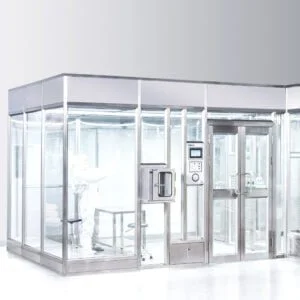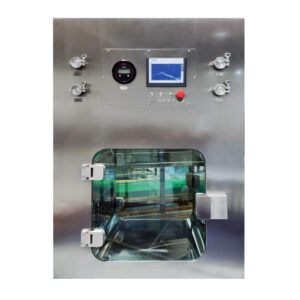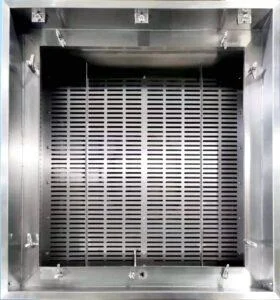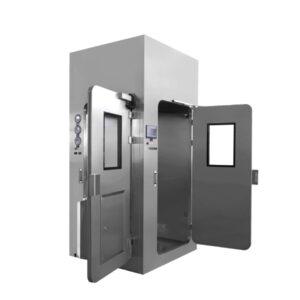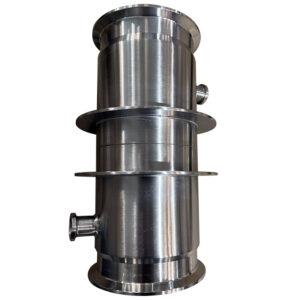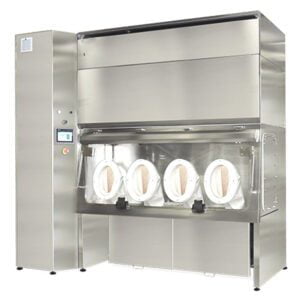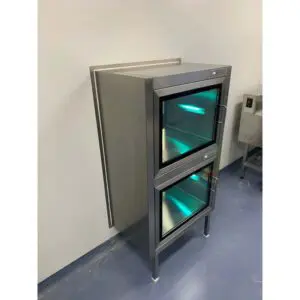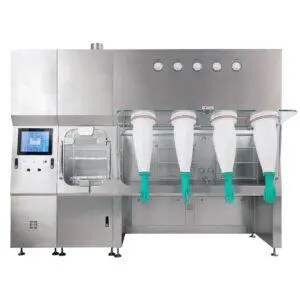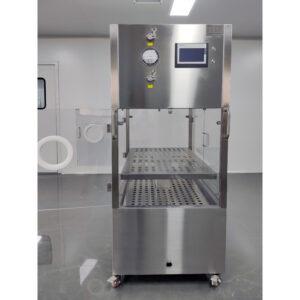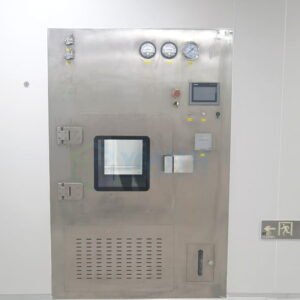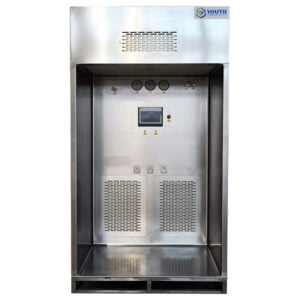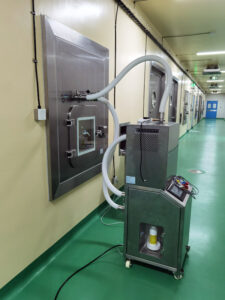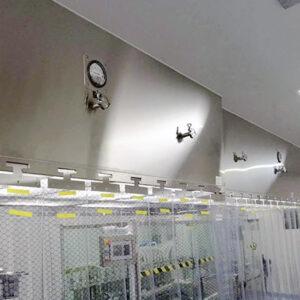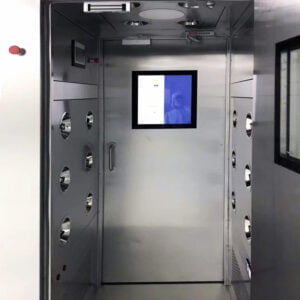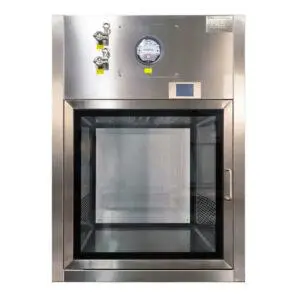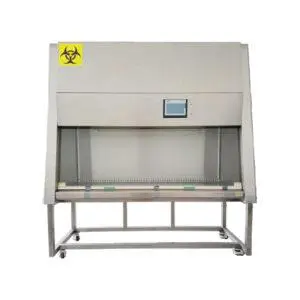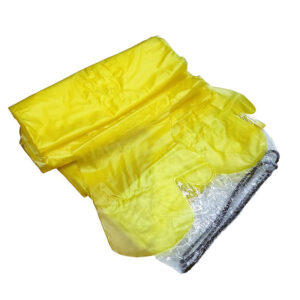
Замена фильтра BIBO — это не то же самое, что замена стандартного фильтра системы отопления, вентиляции и кондиционирования воздуха. В Система "мешок в мешок - мешок на вынос, отработанный фильтр типа HEPA или ULPA может содержать опасную пыль, биологические материалы, остатки фармацевтических препаратов, радиоактивные частицы или другие загрязняющие вещества, уловленные из контролируемого воздушного потока. В процессе замены необходимо обеспечить изоляцию отработанного фильтра с момента вскрытия корпуса до тех пор, пока упаковка с отходами не будет запечатана, маркирована и удалена из рабочей зоны.
Процедуры BIBO применяются в чистых помещениях, на фармацевтических предприятиях, в биотехнологических лабораториях, в изоляционных зонах медицинских учреждений, в атомной энергетике и других контролируемых средах, где замена фильтров может создавать риск воздействия вредных веществ или загрязнения. Правильно спланированная процедура обеспечивает защиту технического персонала, сохраняет герметичность системы и помогает объекту поддерживать показатели чистоты воздуха после проведения технического обслуживания.
В данном руководстве подробно описан весь процесс замены фильтра BIBO: подготовка системы, необходимые средства индивидуальной защиты, действия по обеспечению доступа, демонтаж загрязненного фильтра, установка нового фильтра, проверка герметичности, проверка после установки, утилизация отходов, периодичность замены, действия в чрезвычайных ситуациях и обучение персонала.
Основные компоненты при замене фильтра BIBO
Перед началом процедуры технические специалисты должны ознакомиться с основными компонентами, входящими в состав системы.
| Компонент | Функция | Почему это важно |
|---|---|---|
| Фильтр HEPA или ULPA | Улавливает мелкие взвешенные в воздухе частицы | Использованный фильтр может содержать опасные или подпадающие под регулирование загрязняющие вещества |
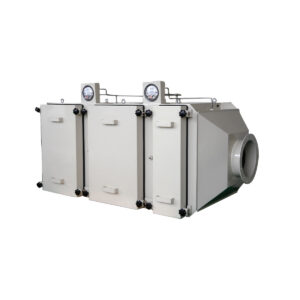
| Корпус BIBO | Удерживает фильтр и обеспечивает контролируемый доступ | Обеспечивает герметичность во время технического обслуживания |
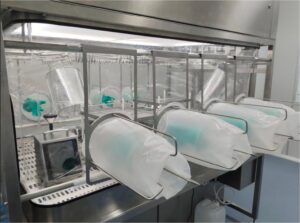
| Сумка для обеспечения безопасности / мешок для сбора отходов | Обеспечивает изоляцию загрязнённого фильтра при его извлечении | Предотвращает прямое воздействие во время замены |
| Зажимной или фиксирующий механизм | Фиксирует фильтр в нужном положении | Обеспечивает поддержание надлежащего давления уплотнения и работоспособности фильтра |
| Дверь доступа | Обеспечивает доступ сервиса к секции фильтра | Открывать можно только после того, как система локализации будет готова |
| Прокладка или гелевое уплотнение | Обеспечивает герметичность соединения между фильтром и корпусом | Предотвращает утечку через байпас |
| Манометр или точка контроля | Отображает состояние системы и степень загрязнения фильтра | Помогает определить, когда требуется замена |
| Порт для дезактивации или испытаний | Поддерживает очистку, регулирование давления или испытания | Помогает проверить безопасность и целостность системы |
Система BIBO работает только в том случае, если корпус, мешок, уплотнение, фильтр и процедура действуют согласованно. Оборудование обеспечивает путь локализации, но именно последовательность действий технического специалиста определяет, будет ли локализация фактически соблюдена.
Как подготовиться к замене фильтра BIBO?
Подготовка — это наиболее важный этап безопасной замены фильтра BIBO. Перед вскрытием корпуса команда должна убедиться в причине замены, уровне опасности отработанного фильтра, правильности выбора запасных частей и способе утилизации.
Как минимум, команда должна подтвердить:
- Правильная модель сменного фильтра, размер, класс эффективности, направление воздушного потока, тип рамы и тип уплотнения
- Совместимые герметичные мешки, уплотнительные ленты, зажимы и инструменты для обслуживания
- Необходимые средства индивидуальной защиты и средства защиты органов дыхания (при необходимости)
- Меры по изоляции системы, включая отключение вентиляторов, регулировку положения заслонок или контроль давления
- Обеззараживание требования, предъявляемые перед доступом, если это предусмотрено правилами сайта
- Классификация отходов, метод маркировки и способ утилизации
- Требования к проверке после внесения изменений, такие как проверка давления, проверка расхода воздуха или проверка на герметичность
- Форма учета технического обслуживания и подпись ответственного сотрудника
| Пункт подготовки | Назначение |
|---|---|
| Сменный фильтр | Подтверждает правильность выбора размера фильтра, номинальной производительности, типа уплотнения и направления воздушного потока |
| СИЗ | Защищает технических специалистов от риска воздействия |
| Контейнерный мешок | Обеспечивает герметичное удержание использованного фильтра во время его извлечения |
| Инструменты и зажимы | Позволяет правильно отсоединить и закрепить фильтр |
| Этикетки и контейнеры для отходов | Обеспечивает безопасную утилизацию и отслеживаемость |
| Процедура и разрешение на работу | Подтверждает, что задача соответствует требованиям объекта |
| План тестирования | Определяет порядок проверки системы перед возобновлением эксплуатации |
Процедуру не следует начинать до тех пор, пока фильтр, мешок для сбора отходов, инструменты, этикетки и материалы для утилизации имеются в зоне проведения работ. Начало работ без всех необходимых предметов может привести к увеличению времени простоя и вынудить технических специалистов прервать процедуру локализации.
Какие средства индивидуальной защиты и обучение требуются?
Замену фильтра BIBO должен производить только квалифицированный персонал. Опыт общего технического обслуживания систем отопления, вентиляции и кондиционирования воздуха (ОВКВ) будет полезен, но его недостаточно в тех случаях, когда необходимо обеспечить герметичное удержание отработанного фильтра.
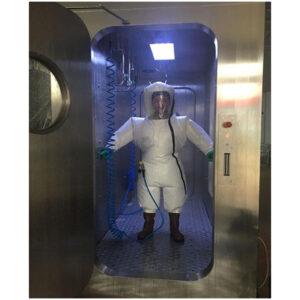
Необходимые средства индивидуальной защиты зависят от типа загрязняющего вещества, результатов оценки рисков на объекте и действующих на объекте процедур. К типичным средствам индивидуальной защиты могут относиться:
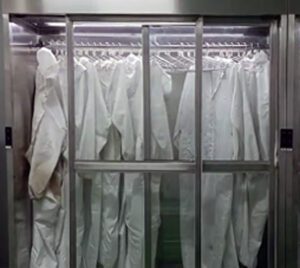
- Одежда для чистых помещений или защитные комбинезоны
- Перчатки, устойчивые к воздействию химических веществ, или перчатки для предотвращения загрязнения
- Защита глаз и лица
- Средства защиты органов дыхания, если это необходимо
- Обувь, пригодная для использования в чистых помещениях, или защитная обувь
- Дополнительные защитные слои для систем отвода отходов с высоким уровнем риска в биологической, фармацевтической или опасной отраслях
Обучение должно охватывать как оборудование, так и последовательность выполнения работ. Технические специалисты должны понимать, как крепится мешок, как извлекается фильтр, как герметизируется отработанный фильтр, как устанавливается новый фильтр и что делать в случае нарушения герметичности.
| Учебная зона | Техник должен понимать |
|---|---|
| Планировка жилого комплекса BIBO | Оглядовая дверца, кольцо для упаковки, фиксирующий механизм, уплотнительная поверхность, отверстия и датчики |
| Обработка мешков для локализации | Как прикрепить, закрепить, загерметизировать и отделить мешок |
| Удаление фильтра | Как переместить использованный фильтр, не нарушая целостность загрязнений |
| Установка нового фильтра | Как осмотреть, правильно расположить, установить и зафиксировать новый фильтр |
| Использование СИЗ | Как правильно надевать, использовать, снимать и утилизировать средства индивидуальной защиты |
| Экстренное реагирование | Что делать, если порвалась сумка, ослаб зажим или есть подозрение на утечку |
| Документация | Как регистрировать данные о фильтрах, показания приборов, результаты испытаний и записи об утилизации отходов |
В отношении объектов, подпадающих под регулирование или относящихся к категории высокого риска, записи об обучении должны храниться вместе с документацией по техническому обслуживанию. Эти записи помогают подтвердить, что работа была выполнена квалифицированным персоналом с использованием контролируемого метода.
Каковы первые шаги для доступа к системе BIBO?
Для доступа к системе BIBO необходимо соблюдать установленный порядок действий. Перед вскрытием кожуха следует изолировать систему вентиляции или вытяжки в соответствии с процедурой, действующей на объекте. В зависимости от особенностей установки это может включать отключение вентилятора, закрытие заслонок, проверку давления или применение средств блокировки.
Техник должен осмотреть корпус BIBO, дверцу доступа, соединение для мешка, установленный мешок, зажимы, крепежные элементы, манометр и прилегающую рабочую зону. Если корпус поврежден, соединение для мешка ненадёжно или состояние давления неясно, работу следует приостановить до устранения проблемы.
| Шаг доступа | Ключевое соображение |
|---|---|
| Отключение или изоляция системы | Предотвращает неконтролируемый поток воздуха во время технического обслуживания |
| Проверка жилья | Выявляет повреждения, коррозию, ослабленные крепежные детали или проблемы с уплотнениями |
| Досмотр сумок | Убедитесь, что мешок для сбора отходов подходит по размеру и не имеет повреждений |
| Настройка рабочей зоны | Позволяет держать инструменты, контейнеры для отходов и документацию под рукой |
| Общение | Подтверждает, что подразделения по эксплуатации, безопасности и техническому обслуживанию осведомлены о том, что работы ведутся |
На некоторых объектах перед открытием люка может потребоваться обеспечение отрицательного давления, дезактивация поверхностей или проведение предэксплуатационных проверок безопасности. Эти меры должны осуществляться в соответствии с утвержденными на объекте оценка рисков и инструкции по эксплуатации оборудования.
Как безопасно извлечь загрязнённый фильтр?
Извлечение загрязнённого фильтра, как правило, является этапом процедуры BIBO, сопряжённым с наибольшим риском. Использованный фильтр должен оставаться в пределах контейнерного контура с момента его извлечения до момента полной герметизации для транспортировки.
После того как улавливающий мешок закреплен на корпусе, технический специалист освобождает фиксирующий или зажимной механизм фильтра. Затем фильтр медленно вводится в мешок. Следует избегать резких рывков, скручивания или ударов, так как это может привести к повреждению рамы фильтра, перемещению уловленного материала или перегрузке мешка.
Как только фильтр полностью окажется внутри пакета, пакет следует запечатать в соответствии с процедурой, действующей на объекте. На некоторых объектах используют метод «скручивания и заклеивания», обвязку лентой, термосварку, двойную упаковку или другой утвержденный метод.
| Шаг удаления | Мера безопасности |
|---|---|
| Прикрепите защитный мешок | Создает контролируемый путь удаления |
| Снять блокировку фильтра | Позволяет фильтру перемещаться без повреждения корпуса |
| Вставьте фильтр в пакет | Обеспечивает герметичное удержание загрязнённого фильтра |
| Закройте пакет | Предотвращает вытекание во время транспортировки |
| Пометьте посылку | Обеспечивает отслеживаемость и способствует надлежащей утилизации |
Использованный фильтр не должен выниматься из корпуса в виде открытого элемента. Он должен выниматься в виде герметично закрытой упаковки с маркировкой, предназначенной для утилизации.
Как следует упаковывать, маркировать и утилизировать отработанный фильтр?
Обращение с отходами является частью процедуры BIBO, а не отдельным дополнением, добавленным задним числом. Отработанный фильтр из системы вентиляции и кондиционирования воздуха обычной чистой комнаты может не требовать такого же порядка утилизации, как фильтр из лаборатории биологической безопасности, фармацевтического производственного процесса с ограничением распространения, ядерного объекта или системы вытяжки опасных веществ.
В плане утилизации должны быть определены: способ упаковки в мешки, требования к вторичной защитной оболочке, информация на этикетке, место временного хранения, маршрут транспортировки и способ окончательной утилизации.
| Поле «Учет отходов» | Пример информации |
|---|---|
| Расположение системы | Номер помещения, блок обработки воздуха, вытяжной отвод, фильтрующий блок или идентификационный номер оборудования |
| Идентификация фильтра | Размер, модель, серийный номер, класс энергоэффективности или ступень |
| Классификация опасностей | Биологические, фармацевтические, химические, радиологические или общие твердые частицы |
| Метод упаковки в мешки | Одинарная упаковка, двойная упаковка, термосварка, обвязочная сварка или утвержденный метод предприятия |
| Ответственные сотрудники | Техник, руководитель, специалист по ОТ, ТБ и ООС или специалист по контролю качества |
| Способ утилизации | Внутреннее хранение, самовывоз подрядчиком, маршрут обеззараживания или поток отходов, подлежащих регулированию |
Если классификация опасности неясна, с фильтром следует обращаться с особой осторожностью до тех пор, пока ответственная группа по охране труда, экологии и технике безопасности, биобезопасности, радиационной безопасности или качеству не подтвердит способ утилизации.
Какие меры предосторожности необходимо соблюдать при установке нового фильтра?
Установка нового фильтра требует такого же внимания, как и демонтаж старого. Перед установкой новый фильтр следует осмотреть на предмет повреждений при транспортировке, деформации рамы, повреждений прокладки, дефектов гелевого уплотнителя, несоответствия размеров или неправильного направления воздушного потока.
Также следует проверить внутреннюю поверхность корпуса и уплотнительную поверхность. Если требуется очистка или дезактивация, их следует выполнить до установки нового фильтра. Техник должен избегать прикосновений к фильтрующему материалу и перемещать фильтр, удерживая его за раму или за утвержденные точки подъема.
| Шаг установки | Критический фактор |
|---|---|
| Проверить запасной фильтр | Проверяет исправность фильтра перед установкой |
| Проверьте направление воздушного потока | Предотвращает некорректную работу системы |
| Осмотрите поверхность уплотнения | Снижает риск утечки через байпас |
| Равномерно распределите фильтр по сиденью | Обеспечивает надлежащий контакт прокладки или гелевого уплотнителя |
| Включить механизм блокировки | Обеспечивает сжатие и целостность системы |
Если в корпусе используется прокладка, фильтр должен равномерно прижиматься к уплотняющей поверхности. Если в корпусе используется гелевое уплотнение, режущая кромка должна правильно входить в гель, не разрывая и не смещая его. Неравномерное прилегание может привести к утечке через байпас и стать причиной неудачного прохождения фильтром испытаний после замены.
Как обеспечить надлежащую герметичность и целостность системы?
После установки нового фильтра команда должна убедиться, что фильтр установлен правильно, а корпус надежно закрыт. Этот шаг позволяет убедиться, что система вновь функционирует в качестве контролируемого барьера для фильтрации воздуха.
Техник должен проверить состояние прокладки или гелевого уплотнителя, фиксирующий механизм, дверцу доступа, место подключения мешка и соединения для контроля давления. Если корпус оснащен портами для сканирования или портами для аэрозольного тестирования, на объекте можно провести проверку на герметичность или проверку целостности в соответствии с действующей процедурой.
| Шаг верификации | Назначение |
|---|---|
| Проверка прокладки или гелевого уплотнителя | Подтверждает герметичность соединения |
| Проверка зажимов или фиксаторов | Подтверждает, что фильтр закреплен |
| Проверка люка доступа | Проверяет, правильно ли закрыт корпус |
| Показания давления | Проверяет состояние системы после замены |
| Испытание на герметичность или проверка целостности | При необходимости проверяет работоспособность фильтра и корпуса |
В случае чистых помещений и критически важных систем вентиляции проверка герметичности фильтров HEPA и ULPA часто планируется с учетом общепринятых методов испытаний, таких как IEST-RP-CC034. ISO 14644-1 имеет отношение к классификации степени чистоты по количеству частиц в чистых помещениях, однако не заменяет испытания герметичности фильтров или процедуры технического обслуживания, разработанной с учетом особенностей конкретного объекта.
Какие процедуры необходимо выполнить после установки?
После установки и герметизации нового фильтра систему не следует возвращать в режим нормальной эксплуатации до тех пор, пока не будут выполнены все необходимые проверки. Эти проверки позволяют убедиться в том, что новый фильтр работает надлежащим образом и что во время замены не произошло нарушения контролируемой среды.
К типичным процедурам после установки относятся:
- Уборка инструментов и расходных материалов с рабочего места
- Убедитесь, что дверца закрыта и зафиксирована
- Проверка соединения или места застежки сумки BIBO
- Регистрация перепада давления после замены
- Перезапуск системы вентиляции или вытяжки в соответствии с установленным порядком
- Проверка расхода воздуха или рабочего состояния системы
- Проверка сигнализации, приборов и устройств контроля
- Проведение испытаний на герметичность или сканирующих испытаний в случае необходимости
- Учет информации об обращении с отходами и их утилизации
- Заполнение отчетов о техническом обслуживании и контроле качества
| Этап после установки | Назначение |
|---|---|
| Удаление инструментов | Обеспечивает чистоту и предотвращает риск попадания посторонних веществ |
| Утилизация старого фильтра | Обеспечивает надлежащее обращение с загрязнёнными отходами |
| Перезапуск системы | Возвращает устройство в режим управляемого функционирования |
| Измерение расхода воздуха | Проверяет работоспособность фильтра и системы |
| Проверка наличия частиц или целостности | Подтверждает соответствие требованиям к чистоте или герметичности |
| Документация | Создает отслеживаемую запись о техническом обслуживании |
Качественное выполнение работ после монтажа заключается не только в перезапуске системы. Оно должно подтвердить, что фильтр был установлен правильно, процесс локализации был под контролем, а система соответствовала требованиям объекта к возобновлению эксплуатации.
Что необходимо зафиксировать после замены фильтра?
Документация превращает событие замены в отслеживаемую запись о техническом обслуживании. Подробная запись помогает будущим бригадам технического обслуживания понять, почему был заменен фильтр, что было установлено, как обеспечивалась герметичность и соответствовала ли система критериям приемки.
| Запись | Необходимая информация |
|---|---|
| Причина замены | Динамика давления, плановое техническое обслуживание, неудачный тест, реагирование на событие или иной триггер |
| Сведения о старом фильтре | Местонахождение, модель, размер, состояние, дата демонтажа и выявленные проблемы |
| Подробная информация о новом фильтре | Модель, серийный номер, класс энергоэффективности, тип уплотнения и дата установки |
| Метод локализации | Способ упаковки в мешки, способ запечатывания и этикетка на упаковке с отходами |
| Измерения | Перепад давления, расход воздуха, сигналы тревоги или показания систем мониторинга |
| Результаты тестирования | Результаты испытания на герметичность, сканирования или иной проверки целостности (при необходимости) |
| Персонал | Подписи технического специалиста, руководителя, рецензента и лица, дающего разрешение |
| Исключения | Нештатное состояние, корректирующие меры или последующие работы |
В фармацевтической, биобезопасной, медицинской, атомной и других сферах, подпадающих под регулирование, неполные записи могут стать причиной проблем с качеством или безопасностью, даже если физическая замена фильтра была выполнена правильно.
Как часто следует производить замену фильтров BIBO?
Частота замены фильтров BIBO зависит от области применения, степени загрязнения, наработки, перепада давления, процедур на объекте и нормативных требований. Для критически важных систем одного только фиксированного календарного интервала обычно недостаточно.
На многих объектах используется комплексный подход, включающий анализ показателей давления, характеристик воздушного потока, мониторинг частиц, плановые интервалы технического обслуживания и оценку рисков технологического процесса. Слишком ранняя замена фильтров может привести к увеличению затрат и образованию отходов. Слишком длительное откладывание замены может привести к увеличению перепада давления, снижению расхода воздуха, ухудшению герметичности системы или возникновению проблем с качеством и безопасностью.
| Фактор, влияющий на частоту изменений | Рассмотрение |
|---|---|
| Перепад давления | Указывает на загрузку фильтра |
| Количество частиц | Оценивает динамику изменения качества или чистоты воздуха |
| Время работы | Поддерживает планирование профилактического обслуживания |
| Нормативные требования | Определяет требования к соответствию или валидации |
| Уровни производства | Влияет на образование загрязняющих веществ и загрязнение фильтра |
| Процесс или опасное событие | Может потребоваться замена после определенного случая воздействия |
Эффективная программа замены должна определять периодичность мониторинга, предельные значения сигналов тревоги, критерии принятия решений, порядок утверждения и требования к документации.
Что делать, если во время замены фильтра BIBO возникнут проблемы?
Перед началом процедуры необходимо определить порядок действий в чрезвычайных ситуациях. Команда должна знать, кто уполномочен приостановить работы, кому необходимо сообщить об этом, как будет обеспечена безопасность на участке, а также какие меры по дезактивации или расследованию потребуются.
К возможным нештатным ситуациям относятся:
- Разрыв или прокол мешка для сбора отходов
- Ослабленный зажим или неполное уплотнение
- Неожиданное изменение давления
- Повреждение фильтра при демонтаже
- Предполагаемое загрязнение снаружи пакета
- Повреждение средств индивидуальной защиты или опасения по поводу воздействия
| Ненормальное состояние | Немедленная реакция |
|---|---|
| Разрыв сумки | Остановите движение, обеспечьте оцепление территории и следуйте процедуре локализации аварии на объекте |
| Ослабленный зажим или неполное уплотнение | Прервите работу и заново закрепите груз только в том случае, если это можно сделать с соблюдением мер безопасности |
| Неожиданная ситуация, связанная с давлением | Остановите процедуру и проверьте изоляцию, положение заслонки и состояние воздушного потока |
| Повреждение фильтра во время экстракции | Обеспечьте локализацию утечки и сообщите об этом ответственному лицу по технике безопасности или руководителю объекта |
| Повреждение средств индивидуальной защиты или подозрение на контакт с опасными веществами | Соблюдайте процедуры дезактивации персонала, оказания медицинской помощи и подачи отчетов об инцидентах |
| Видимые загрязнения снаружи пакета | Ограничьте зону и следуйте утвержденной процедуре очистки и расследования |
Перед открытием дверцы доступа необходимо ознакомиться с порядком действий в чрезвычайных ситуациях, особенно если в фильтре могут находиться биологические, фармацевтические, радиоактивные, токсичные или иные опасные вещества.
Какое обучение необходимо пройти персоналу, выполняющему процедуры BIBO?
Персонал, выполняющий процедуры BIBO, должен пройти как теоретическую, так и практическую подготовку. Процедура включает в себя локализацию, механическую обработку, использование средств индивидуальной защиты, контроль отходов и ведение документации, поэтому технические специалисты не должны полагаться исключительно на общий опыт технического обслуживания.
Полная программа обучения должна включать:
- Принципы предотвращения загрязнения в чистых помещениях или помещениях с контролируемой средой
- Фильтры HEPA и ULPA основы
- Конструкция корпуса BIBO и обозначение компонентов
- Способы крепления и герметизации мешка для сбора отходов
- Последовательность действий по извлечению и перемещению отработанного фильтра
- Проверка, выравнивание и установка нового фильтра
- Выбор и использование средств индивидуальной защиты
- Меры реагирования на чрезвычайные ситуации в случае нарушения герметичности контейнера или повреждения мешка
- Правила маркировки, транспортировки и утилизации отходов
- Проверка давления после внесения изменений, проверка на герметичность и оформление документации
Практические занятия имеют особое значение. Технические специалисты должны иметь возможность отработать последовательность действий на макете, неработающей системе или в ходе технического обслуживания под наблюдением, прежде чем приступать к работе с критически важной или загрязнённой системой.
В каких случаях учреждению следует использовать систему BIBO?
Система BIBO, как правило, рассматривается в тех случаях, когда отработанный фильтр может представлять опасность, когда замена фильтра может подвергнуть персонал риску или когда необходимо защитить окружающую среду от загрязнения во время технического обслуживания.
| Приложение | Почему может потребоваться BIBO |
|---|---|
| Фармацевтическое производство | Обеспечивает контроль воздействия сильнодействующих веществ, рисков, связанных со стерильными технологическими процессами, или загрязненных вытяжных фильтров |
| Лаборатории биобезопасности | Обеспечивает более безопасное обращение с фильтрами, подвергшимися воздействию биологических агентов |
| Ядерные объекты | Помогает предотвратить распространение радиоактивного загрязнения в виде твердых частиц во время замены фильтра |
| Системы изоляции в здравоохранении | Снижает риск воздействия при обслуживании загрязнённых выхлопных фильтров |
| Производство полупроводников или прецизионное производство | Обеспечивает соблюдение требований по контролю загрязнения в системах подачи воздуха, имеющих критическое значение |
| Выбросы опасных веществ в процессе производства | Защищает технических специалистов от токсичных или вредных уловленных веществ |
Для систем ОВКВ с низким уровнем риска может быть достаточно стандартного корпуса фильтра. Для систем, в которых отработанный фильтр создает риск воздействия, загрязнения или несоответствия нормативным требованиям, корпус BIBO обеспечивает более контролируемый способ замены.
Распространенные ошибки, которых следует избегать при замене фильтра BIBO
- Начинать до того, как будут готовы сменный фильтр, мешок, этикетки и инструменты
- Использование мешка для сбора отходов неподходящего размера или из неподходящего материала
- Отказ от проведения предварительной оценки рисков перед началом работы, поскольку задача считается рутинной
- Слишком быстрое перемещение использованного фильтра и создание нагрузки на мешок или раму фильтра
- Отсутствие определения маршрута отвода отходов до снятия фильтра
- Установка фильтра с неправильным направлением воздушного потока или типом уплотнения
- Восстановление работы системы до завершения проверки давления, расхода воздуха или выполнения других контрольных процедур
- Неполные записи, в частности, касающиеся старых и новых данных о фильтрах, обращения с отходами и результатов испытаний
Заключение
Замена фильтра BIBO — это не просто замена фильтра. Это контролируемая процедура технического обслуживания, призванная обеспечить безопасность персонала, сохранить герметичность системы, поддерживать качество очищенного воздуха и создать отслеживаемую документацию о проведенных работах.
Надежная процедура BIBO должна включать в себя подготовку, использование средств индивидуальной защиты, обучение технического персонала, изоляцию системы, контролируемое извлечение фильтра, надежную упаковку в мешки, правильную установку нового фильтра, проверки после замены, обращение с отходами и ведение полной документации. Предприятия должны также определить меры реагирования на чрезвычайные ситуации до начала работ, особенно в тех случаях, когда фильтр может содержать биологические, фармацевтические, радиоактивные, токсичные или иные опасные загрязняющие вещества.
Для организаций, занимающихся планированием или модернизацией системы BIBO, Системы YOUTH типа «мешок в мешке — мешок из мешка» (BIBO) Мы предлагаем корпуса фильтров, предназначенные для обеспечения герметичности, для использования в чистых помещениях, системах биобезопасности, фармацевтической промышленности и системах отвода опасных отработанных газов. Правильный выбор конструкции корпуса, класса фильтра, способа доступа для тестирования и процедуры технического обслуживания способствует повышению безопасности и улучшению отслеживаемости при последующей замене фильтров.
Внешние ресурсы
- CDC/NIH — «Биобезопасность в микробиологических и биомедицинских лабораториях» (BMBL), 6-е издание
Руководство по биобезопасности, в котором особое внимание уделяется оценке рисков на основе протоколов для биомедицинских и клинических лабораторий. - NIOSH — Руководство по системам фильтрации и очистки воздуха
Рекомендации по фильтрации и очистке воздуха в помещениях, подверженных воздействию химических, биологических или радиологических загрязнителей, переносимых воздухом. - IEST-RP-CC034: Испытания на герметичность фильтров HEPA и ULPA
Рекомендации, охватывающие определения, оборудование и процедуры проверки герметичности фильтров HEPA и ULPA. - ISO 14644-1:2015
Стандарт для чистых помещений, определяющий классификацию степени чистоты воздуха по концентрации частиц. - FDA — Стерильные лекарственные препараты, произведенные методом асептической переработки
Руководство для производителей стерильных лекарственных средств и биологических препаратов, применяющих асептические технологии производства.