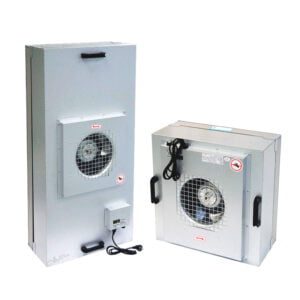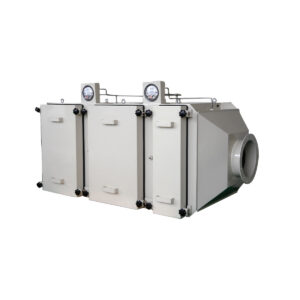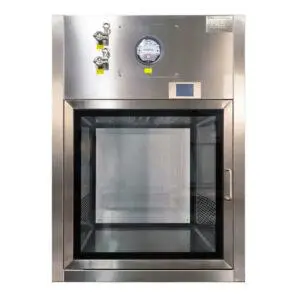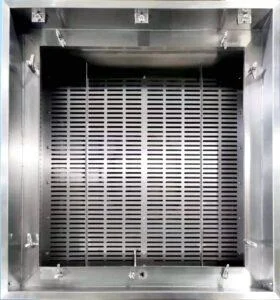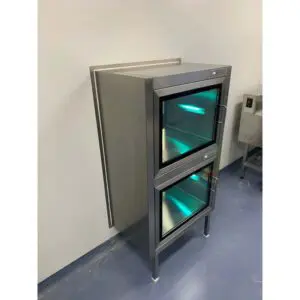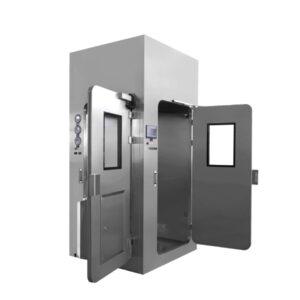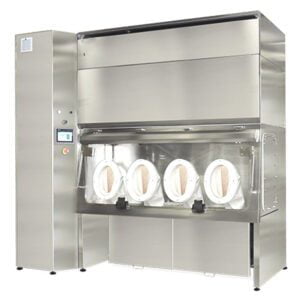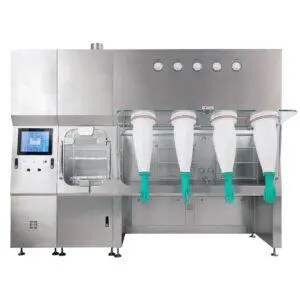
Определение локальной установки класса A до завершения проектирования планировки является одной из наиболее распространенных и дорогостоящих ошибок в последовательности действий при планировании проектов чистых помещений. Команды, которые рассматривают установку LAF как объект закупки — то есть как нечто, заказываемое после постройки помещения и запуска технологического процесса, — регулярно сталкиваются с тем, что критическая точка манипуляций находится за пределами защищенной зоны, что траектория обратного воздушного потока создает турбулентность именно на той высоте, где этого не должно быть, или что корпус фильтра невозможно просканировать на месте без частичного демонтажа установки. Каждую из этих проблем можно устранить, но исправление любой из них после изготовления обходится недешево. Критерием, отличающим обоснованную установку от той, которая вызывает замечания на этапе операционной квалификации (OQ), является то, были ли определены открытые участки работы, рабочее положение и маршрут квалификации до того, как был выбран агрегат. Приведенная ниже информация поможет вам определить, на каком этапе происходит сбой в последовательности действий и что на самом деле требуется на каждом этапе.
Роль подразделения Ливанских вооруженных сил в обеспечении защиты местного уровня «А»
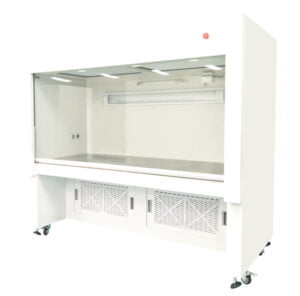
Основная функция установки LAF заключается в создании условий класса ISO 5 в конкретной точке обработки, а не во всем помещении. Это различие имеет практическое значение: предприятие может обеспечить защиту класса A на станции розлива, в точке выдачи или в зоне контроля упаковки и крышек без строительства чистой комнаты класса ISO 5, поскольку установка концентрирует однонаправленный воздушный поток именно в том месте, где продукт подвергается воздействию.
Принцип действия прост. Отфильтрованный воздух выходит из лицевой панели фильтра HEPA с регулируемой скоростью, проходит в одном направлении по рабочей зоне и уносит твердые частицы, не давая им осесть на открытых ёмкостях, незащищённых поверхностях продукции или важных компонентах. Ключевое слово — однонаправленный — как только эта схема циркуляции нарушается — будь то из-за препятствия, резкого движения руки или неправильно спроектированного пути обратного воздуховода — утверждение о соответствии классу A становится трудно обосновать. Одно лишь подсчёт частиц может не выявить эту несоответствие; а вот исследование дыма — выявит.
Для объектов, работающих в соответствии с Приложением 1 к GMP ЕС, локальная защита с помощью надлежащим образом квалифицированной установки с контролируемым воздушным потоком (LAF) прямо признается в качестве средства обеспечения соответствия требованиям класса A в критических зонах. Это признание сопряжено с обязательством: установка должна быть не просто смонтирована, но и пройти квалификацию. Условия класса ISO 7 или ISO 8 на уровне помещения, окружающего неквалифицированную установку LAF, не обеспечивают защиту класса A в точке использования, независимо от того, насколько эффективно функционирует само помещение.
Направление воздушного потока и рабочее положение перед выбором агрегата
Выбор между вертикальным, горизонтальным и обратным ламинарным воздушным потоком — это не вопрос личных предпочтений, а следствие требований конкретной операции и того, кто её выполняет. Неправильно выбранную ориентацию невозможно исправить путем регулировки скорости или изменения положения оператора после завершения монтажа установки.
Вертикальная система LAF направляет воздух вниз от фильтрующего блока, установленного на потолке или над рабочим местом, обеспечивая более глубокое покрытие рабочей поверхности и защищая оператора от повторного вдыхания взвешенных частиц. Горизонтальная система LAF направляет воздух поперек рабочего стола от задней части фильтрующего блока, что сохраняет хороший обзор рабочей зоны, но обеспечивает оператору меньшую защиту, поскольку взвешенные частицы движутся в его сторону. Обратная система LAF, используемая в основном при работе с порошками и их дозировании, работает по противоположному принципу: воздух направляется в сторону от оператора, чтобы удерживать пыль в воздухе у источника, а не защищать продукт от воздействия окружающей среды.
| Тип воздушного потока | Влияние оператора и наглядность | Лучше всего подходит для |
|---|---|---|
| Вертикальный LAF | Повышенная защита оператора; более глубокая зона обработки | Общая защита продукции, при которой безопасность оператора является приоритетом |
| Горизонтальный LAF | Меньшая защита оператора, но беспрепятственный обзор рабочей поверхности | Задачи, требующие хорошей обзорности, например, сложные ручные операции |
| Обратный LAF (RLAF) | Воздух, отводимый от оператора, содержащий пыль и твердые частицы | Работа с порошками, их дозирование или операции, приводящие к образованию пыли в воздухе |
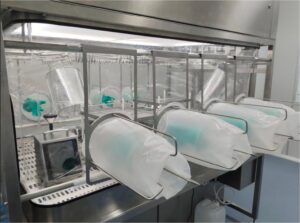
Рабочая высота, радиус действия оператора и траектория обратного воздушного потока должны быть определены до начала изготовления установки. Если руки оператора пересекают плоскость воздушного потока на высоте, приводящей к рециркуляции, или если решетки обратного воздухозабора расположены так, что тело оператора препятствует отводу воздуха, это приводит к возникновению турбулентности в критической зоне — что видно при дымовом тестировании и невозможно объяснить показаниями скорости, соответствующими нормам. Изменения высоты рабочего стола или положения решеток, вносимые после монтажа, часто требуют переделки каркаса и последующей повторной аттестации. В случае сложных конфигураций, таких как роботизированные линии розлива в ампулы, где конструкция в виде «верхового» моста охватывает обширную технологическую зону, сложность планирования еще выше, но преимуществом является полное исключение необходимости в помещении, полностью соответствующем требованиям ISO 5.
Требования к целостности фильтров HEPA и доступу для проведения исследований по дыму
Признание подразделения LAF соответствующим требованиям зависит от возможности выполнения в полевых условиях трёх следующих действий: сканирования фильтра, визуализации воздушного потока и отбора проб микробиологической среды в условиях, имитирующих технологический процесс. Если выполнение любого из этих трёх действий невозможно без частичного разборки, то недостаток обоснованности аудита носит структурный, а не процедурный характер.
Числовые критерии приемлемости для каждого испытания отражают проектные задачи и пороговые значения, установленные в рамках испытательной методики, а не являются произвольными пунктами для отметки. HEPA-фильтр, прошедший фотометрическое сканирование при установке, со временем может утратить свои эксплуатационные характеристики, поэтому периодическое повторное тестирование является обязательным требованием GMP, а не факультативной мерой технического обслуживания. Испытание с использованием дыма является особенно показательным, поскольку позволяет оценить поведение воздушного потока в реалистичных условиях — с установленным оборудованием, персоналом за рабочим столом и материалами, расположенными так, как это будет во время фактического производства. Установка, которая демонстрирует однонаправленный поток на пустом рабочем столе, но при загрузке создает обратный поток или «мёртвые зоны», не соответствует требованиям для данной операции.
| Тест / Параметры | Критерии приемлемости | Почему это важно |
|---|---|---|
| Проверка герметичности фильтра HEPA | Утечка в нисходящем направлении ≤0,01% от пробного давления в восходящем направлении; площадь устраненного повреждения ≤5% любой поверхности фильтра | Проверяет целостность фильтра; предотвращает загрязнение в результате обхода частиц |
| Средняя скорость приточного воздуха | 120–130 футов в минуту (35–40 м/мин) | Позволяет избежать образования турбулентности (при слишком высоком значении) или недостаточного удаления частиц (при слишком низком значении) |
| Исследование дыма (визуализация воздушных потоков) | Однонаправленный поток; отсутствие мёртвых зон, обратного потока, утечек или развеивания над рабочей поверхностью | Визуальное подтверждение правильного распределения воздушного потока; отсутствие такого подтверждения свидетельствует о неэффективности однонаправленной защиты |
| Отбор проб воздуха на жизнеспособность (PQ) | ≤0,1 КОЕ/фут³ | Прямой предельно допустимый уровень микробиологического загрязнения воздуха для помещений класса A |
| Отбор проб с жизнеспособной поверхности (PQ) | ≤2 КОЕ на 30 см² | Обеспечивает соответствие рабочих поверхностей требованиям к чистоте класса А |
| Эффективность фильтра HEPA | ≥99,971 TP10T при 0,3 мкм (H13/H14); некоторые модели заявляют о показателе 99,9991 TP10T | Более высокая эффективность обеспечивает более качественное удаление твердых частиц; влияет на выбор оборудования |
Возможность доступа должна быть предусмотрена при проектировании. Корпус фильтра, прилегающий вплотную к стене, камера распределения, к которой невозможно добраться с помощью щупа фотометра, или установка, расположенная таким образом, что точка впрыска дыма перекрыта соседним оборудованием, создадут пробелы, которые невозможно устранить одним лишь оформлением документации. Это один из немногих моментов, когда решение, принятое на этапе проектирования — на каком расстоянии от стены, какое свободное пространство над лицевой поверхностью фильтра — определяет, можно ли избежать замечаний в ходе будущего аудита или нет. Рекомендации о том, как эти требования соотносятся с ожиданиями FDA и ISO, см. в Соответствие требованиям FDA/ISO для установок ламинарного потока воздуха обзор.
Тип отказа при рассмотрении LAF в качестве обычной мебели для чистых помещений
Наиболее распространённая причина сбоев заключается не в неисправном устройстве, а в том, что правильно подобранное устройство используется как фоновая инфраструктура, а не как активное средство защиты. После установки и аттестации LAF часто возникает ошибочное предположение, что условия класса A поддерживаются автоматически. На самом деле это не так.
На практике защита подвергается риску из-за трех различных механизмов. Оборудование или бочки, размещенные слишком близко к лицевой поверхности фильтра или рабочей зоне, нарушают профиль ламинарного потока выше критической точки. Резкие движения рук, материалы, оставленные внутри установки, или заблокированные решетки обратного потока нарушают однонаправленное течение таким образом, что счетчики частиц, расположенные в точках статического мониторинга, не фиксируют это. Пропуск или отсрочка проверок целостности фильтров HEPA создают «окно», в течение которого ухудшение состояния фильтра остается незамеченным — установка продолжает работать, воздух циркулирует, и ничто не сигнализирует о потере эффективности, пока не будет обнаружено превышение допустимых значений микробиологических показателей или не будет выявлено несоответствие в ходе аудита.
| Ошибка | Риск | Почему это важно |
|---|---|---|
| Размещение крупного оборудования или бочек слишком близко к фильтру HEPA или рабочей зоне | Нарушает ламинарное течение воздуха, вызывает турбулентность, снижает эффективность локализации | Нарушает условия категории A именно в тех местах, где продукт находится под воздействием внешних факторов |
| Резкие движения, хранение материалов внутри LAF или перекрытие вентиляционных решеток | Вызывает турбулентность, нарушает однонаправленное течение, ставит под угрозу стерильность | Неправильные действия оператора напрямую сводят на нет защиту системы LAF, даже если устройство прошло соответствующую аттестацию |
| Игнорирование надлежащей квалификации (IQ/OQ/PQ) и регулярных проверок герметичности фильтров HEPA | Возможна неудача при прохождении нормативных проверок; незамеченное снижение эффективности фильтра или уменьшение расхода воздуха | Обязательно для обеспечения соответствия требованиям GMP; невыполнение приводит к несоответствию требованиям и риску загрязнения |
Стоит выделить именно поведенческие ошибки, поскольку их невозможно устранить с помощью технических мер. Более мощный вентилятор не решит проблему, связанную с тем, что оператор хранит материалы внутри агрегата в перерывах между операциями. Пересмотренный стандарт операционных процедур (SOP) не может надежно заменить обучение, в ходе которого объясняется почему существует каждое поведенческое ограничение. Приложение 1 к GMP ЕС возлагает обязанность по квалификации исключительно на производителя, и эта обязанность не теряет силу после первоначальной квалификации (PQ) — она распространяется на рабочие процедуры, частоту мониторинга и периодические повторные испытания, которые позволяют обосновать соответствие требованиям класса A на протяжении всего жизненного цикла продукта.
Определены пороговое значение отбора после воздействия на продукт и порядок аттестации
Единица измерения LAF должна быть определена только после того, как пять факторов будут подтверждены, а не оценены. Каждый из них либо напрямую определяет физическую конфигурацию единицы, либо определяет, можно ли фактически завершить последовательность квалификационных испытаний.
| Определяемый фактор | Почему это важно |
|---|---|
| Открытый процесс | Обеспечивает наведение LAF именно на фактическую критическую точку маневра, а не просто на общий участок |
| Рабочее положение и радиус действия оператора | Обеспечивает правильную рабочую высоту и радиус действия, чтобы избежать турбулентности, возникающей из-за неудобных движений или неправильно расположенных каналов обратного воздухозабора |
| Направление воздушного потока | Обеспечивает баланс между защитой оператора и обзорностью; неправильный выбор ставит под угрозу герметичность или удобство использования |
| Доступ к тестовому фильтру | Должна обеспечивать возможность проведения на месте проверок целостности фильтров HEPA и тестирования на наличие дыма; недоступность фильтров приводит к пробелам в квалификации |
| Квалификация на трассе | Определяет последовательность IQ/OQ/PQ; без четкого плана невозможно подтвердить соответствие требованиям GMP |
Процесс определения квалификационных требований заслуживает особого внимания, поскольку он определяет физические требования на этапе проектирования. Если в рамках PQ требуется отбор проб воздуха во время имитации процесса дозирования, установка должна обеспечивать возможность работы человека за рабочим столом при одновременной работе оборудования для отбора проб поблизости — что влияет на полезную рабочую глубину, расположение решетки возврата воздуха и свободное пространство вокруг лицевой поверхности фильтра для одновременного сканирования фотометром во время OQ. Проектирование установки без знания требований PQ часто приводит к необходимости переработки этих размеров после того, как в ходе OQ выявляется наличие препятствий.
Последовательность этапов IQ/OQ/PQ для установки LAF следует определённой логике, однако мероприятия в рамках каждого этапа зависят от конфигурации установки и технологического процесса, который она обеспечивает.
| Этап квалификации | Основные мероприятия | Назначение |
|---|---|---|
| IQ (квалификация установки) | Проверка установки, проверка документации | Подтверждает, что агрегат установлен в соответствии с проектом и техническими условиями |
| OQ (операционная квалификация) | Измерение скорости воздуха, проверка целостности фильтров HEPA, исследование дыма | Проверяет, соответствует ли работа LAF критериям приемки в нормальных условиях эксплуатации |
| PQ (квалификация по эксплуатационным характеристикам) | Моделирование реального дозирования, подсчёт частиц, отбор проб воздуха и поверхностей на наличие жизнеспособных микроорганизмов | Показывает, что установка стабильно поддерживает условия класса А в ходе реальной эксплуатации |
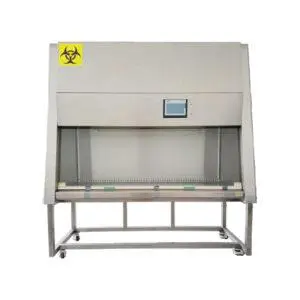
Сайт Устройство ламинарного потока воздуха Процесс выбора становится управляемым, как только эти пять факторов зафиксированы, — и значительно усложняется, если после изготовления агрегата выясняется, что один из них был лишь предположением, а не подтвержденным фактом. Стоимость устранения неверно выровненного пути обратного воздуха или недоступного корпуса фильтра после изготовления заключается не только в финансовых затратах; это задерживает сроки аттестации и, в условиях нормативного регулирования, может потребовать оформления официального отклонения, объясняющего, почему установка отличается от первоначального проектного замысла. Для предприятий, оценивающих настольные конфигурации для этапов дозирования или смешивания, Рабочий стол с локальной системой подачи воздуха (LAF) для чистых помещений предлагает формат, в котором рабочая поверхность и система вентиляции объединены в одно целое — однако перед его выбором необходимо выполнить те же пять контрольных проверок.
Практический вывод заключается в том, что устройство LAF получает классификацию класса A в результате серии квалификационных испытаний, результаты которых зависят от решений, принятых задолго до заказа устройства. Целевые значения скорости, показатели эффективности фильтрации и предельные значения микробиологического загрязнения являются конечными результатами процесса, который начинается с определения зоны воздействия, рабочего положения и направления воздушного потока, а затем подтверждается возможность проведения испытаний фильтра и исследования дыма непосредственно на месте установки. Если какой-либо из этих исходных параметров остаётся неясным к моменту начала переговоров о закупке, риск заключается не в том, что установка будет в принципе несоответствующей, а в том, что она не пройдет квалификацию или будет иметь эксплуатационные недостатки, которые проявятся только на этапе операционной квалификации (OQ). Наиболее эффективная проверка перед покупкой — это не сравнение технических характеристик, а проверка планировки и возможности проведения квалификационных испытаний, проводимая до начала проектирования установки.
Часто задаваемые вопросы
Вопрос: Соответствует ли установка LAF требованиям класса A, если класс чистоты окружающего помещения составляет лишь ISO 7 или ISO 8?
A: Да, при условии, что установка прошла надлежащую квалификацию — классификация окружающего помещения не определяет статус класса A в точке использования. Приложение 1 к GMP ЕС прямо признает локальную защиту с помощью квалифицированной установки LAF в качестве допустимого средства обеспечения соответствия требованиям класса A в критических зонах. Окружающее помещение не может заменить квалификацию: неквалифицированная установка LAF внутри помещения класса ISO 7 не обеспечивает защиту класса A, независимо от того, насколько хорошо функционирует само помещение.
Вопрос: На каком этапе реализации проекта чистой комнаты следует определить технические характеристики установки LAF, чтобы избежать повторных работ?
A: Разработка технических условий должна производиться только после подтверждения пяти факторов: открытой операции, рабочего положения, направления воздушного потока, доступа для испытаний фильтров и маршрута квалификации — включая требования к PQ в отношении персонала, оборудования для отбора проб и конфигурации испытательного стенда. Заказ установки до того, как эти параметры будут окончательно согласованы, часто приводит к необходимости доработки пути обратного воздуха, рабочей глубины или зазора фильтра после изготовления, что задерживает сроки квалификации и может потребовать оформления официального отклонения в регулируемых средах.
Вопрос: В каких случаях вертикальная система LAF становится нецелесообразным выбором, даже если защита продукции является основной задачей?
A: Вертикальная система LAF становится проблематичной, когда в процессе эксплуатации задействовано высокое оборудование или надголовные соединения, которые препятствуют движению воздушного потока вниз до того, как он достигнет критической рабочей зоны. В таких случаях схема потока нарушается выше по потоку от изделия, и исследование дымового следа выявит мертвые зоны или обратный поток, которые не будут обнаружены при измерении скорости, соответствующей нормативным требованиям. Если конфигурацию рабочей зоны невозможно удержать ниже порогового значения препятствия, более обоснованным выбором может стать горизонтальная система LAF или индивидуальная конфигурация с изменением расположения фильтра — однако это решение должно быть принято до начала изготовления, а не после того, как в ходе квалификации эксплуатации (OQ) будет выявлена проблема.
Вопрос: Является ли периодическая повторная проверка целостности фильтров HEPA нормативным требованием или просто передовой практикой?
A: Это требование нормативных актов, а не факультативная мера по техническому обслуживанию. Фильтр, прошедший фотометрическое сканирование при установке, со временем может утратить свои эксплуатационные характеристики, и Приложение 1 к GMP ЕС устанавливает обязательство по квалификации на протяжении всего жизненного цикла продукта — а не только при первоначальной квалификации (PQ). Отсрочка повторного тестирования создаёт период, в течение которого ухудшение характеристик фильтра остаётся незамеченным, что, как правило, выявляется только при превышении допустимых значений микробиологических показателей или в ходе аудита, и в этот момент пробел в истории тестирования сам по себе становится нарушением требований.
Вопрос: При выполнении небольших операций по приготовлению или дозированию препаратов применяются ли к настольной конфигурации локальной вытяжной установки (LAF) те же стандарты аттестации, что и к полноразмерной напольной установке?
A: Да — последовательность IQ/OQ/PQ, проверка герметичности фильтров HEPA, исследование дымового теста и требования к отбору проб жизнеспособных микроорганизмов применяются независимо от физического масштаба. Настольный формат уменьшает занимаемую площадь и может упростить планировку, но не снижает порог квалификации. Перед определением технических характеристик необходимо подтвердить те же пять проверок на этапе предварительного отбора — открытый режим работы, рабочее положение, направление воздушного потока, доступ к тестированию фильтра и маршрут квалификации — а корпус фильтра по-прежнему должен иметь достаточное свободное пространство для введения зонда фотометра и беспрепятственного впрыска дыма во время OQ.