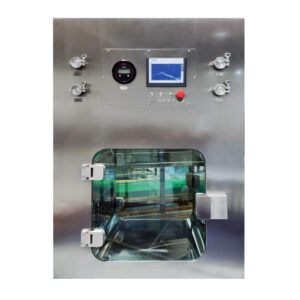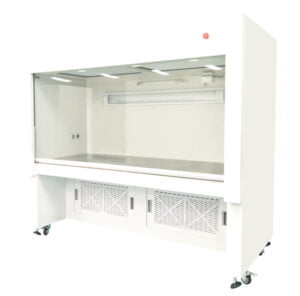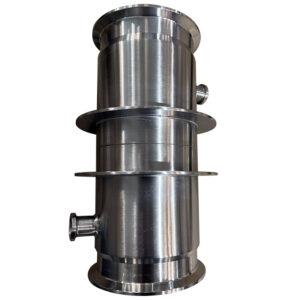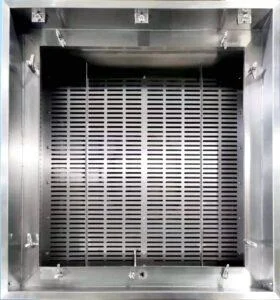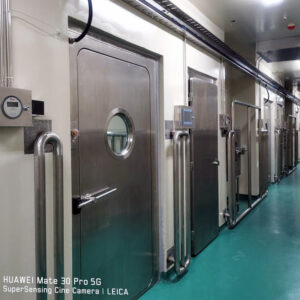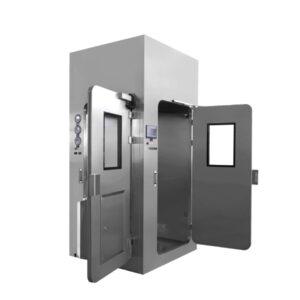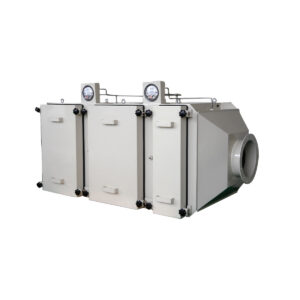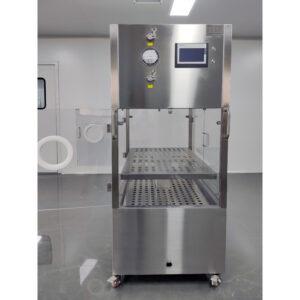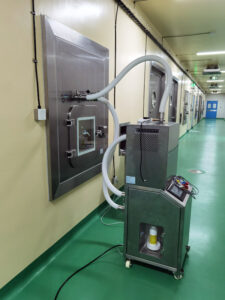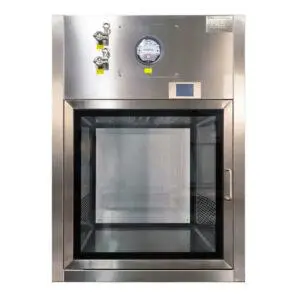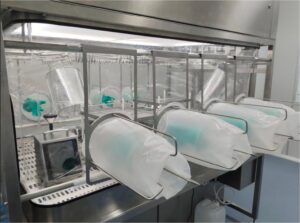
Güvenli değiştirme kararını yerleşim planının onaylanmasına kadar erteleyen tesisler, genellikle kanal sistemi çizimleri çoktan koordine edilmiş ve yapısal geçişler sabitlenmiş olduktan sonra bu durumun sonuçlarıyla karşı karşıya kalırlar. Hava akışına göre boyutlandırılmış bir BIBO muhafazası, uzunluğu 18 feet’e yaklaşabilir, oda tarafında bakım yapılabilmesi için çevresinde boşluk gerektirebilir ve temiz odanın üzerindeki teknik alanda yer alabilir — bunların hiçbiri, mekanik paket tamamlandıktan sonra kolayca karşılanabilecek özellikler değildir. Sonuç olarak, erken bir şartname kararı alınmış olsaydı önlenebilecek olan kanal yeniden düzenlemeleri, tavan yüksekliği çakışmaları veya kalıcı erişim kısıtlamaları ortaya çıkar. Bu makalenin desteklemeyi amaçladığı karar, hangi egzoz uygulamalarının gerçekten güvenli değiştirme muhafazasına ihtiyaç duyduğunu, tedarik öncesinde hangi doğrulama arayüzlerinin tanımlanması gerektiğini ve standart GMP filtrelemesinin hangi durumlarda daha uygun bir çözüm olmaya devam ettiğini bilmektir.
BIBO Muhafazasını Gerekçelendirebilecek Aseptik Tesis Havalandırma Riskleri
BIBO değerlendirmesinin temel nedeni temiz oda sınıflandırması değildir; asıl belirleyici faktör, egzoz hava akımının taşıdığı maddeler ve söz konusu filtre nihayetinde değiştirildiğinde operatöre ne olacağıdır. Besleme tarafındaki filtreleme ile egzoz tarafındaki filtreleme birbirinin aynısı sorunlar değildir; bunları birbirinin aynısıymış gibi ele almak, ya kapsamın gereksiz yere genişlemesine ya da egzoz yolunda gerçek maruz kalma açıklarına yol açar.
İlaç ve biyoteknoloji ortamlarında BIBO muhafazasını en doğrudan haklı kılan egzoz akışları, yüksek ilaç konsantrasyonları biriktirmiş filtreleri içerir — özellikle de aktif ilaç bileşenlerini işleyen bir izolatörün egzoz yolunda bir HEPA ünitesinin bulunduğu durumlarda. Bu senaryoda, standart bir muhafaza, filtre değiştirme işlemi sırasında herhangi bir muhafaza mekanizması sağlamaz. Operatörün tam KKD giymesi gerekir ve çevredeki alan, partikül salınımı nedeniyle gerçek bir kontaminasyon riskiyle karşı karşıya kalır. Hava akımı, BSL egzoz sistemlerinde veya izolasyon odalarında olduğu gibi virüsler, bakteriler veya diğer patojenler içeriyorsa, aynı mantık geçerlidir: standart muhafaza, çalışma sırasında etkili filtreleme sağlar ancak yüklü filtreyi hava akımından çıkarmak için güvenli bir mekanizma sunmaz.
Sektördeki uygulama verileri, BIBO güvenli değiştirme prosedürlerinin yüksek koruma seviyeli ortamlarda operatörün maruz kalma riskini %'ye kadar azaltabileceğini göstermektedir. Bu rakam, sertifikalı bir performans garantisi olarak değil, güvenlik avantajının yönünü gösteren bir gösterge olarak değerlendirilmelidir; ancak tasarım amacını yansıtmaktadır: “bag-in/bag-out” (torba-içeri/torba-dışarı) sırası, değiştirme işlemi boyunca kontamine olmuş filtrenin sızdırmazlığını koruyarak, korumasız bir değiştirme işleminin yol açabileceği maruz kalma olayını önler.
| Risk Senaryosu | BIBO Konutları Olmadan | BIBO Konut ile |
|---|---|---|
| Yüksek ilaç konsantrasyonuna maruz kalan HEPA filtresi (örneğin, aktif farmasötik madde içeren izolatör egzozu) | Operatör tam kişisel koruyucu donanım (KKD) giymelidir; filtre değişimi sırasında çevredeki alan kirlenme riskiyle karşı karşıyadır | Torba-içeri/torba-dışı güvenli değiştirme prosedürü; operatörün maruz kalma düzeyi %'ye kadar azaltıldı |
| Virüs, bakteri veya patojen içeren egzoz havası (izolasyon odaları, biyogüvenlik laboratuvarları) | Filtre değişimi sırasında sızıntı önleme tedbiri alınmamıştır; tesis içine patojen yayılma riski bulunmaktadır | Değişim süreci boyunca sızdırmaz muhafaza torbası sistemi içinde sızdırmaz şekilde tutulur; çevreye salınımını önler |
Bu iki kategorideki risk senaryoları — yüksek ilaç konsantrasyonlu egzoz havası ve patojen içeren egzoz havası — BIBO’nun bir donanım tercihi olmaktan ziyade bir kontaminasyon kontrolü kararı haline gelmesini sağlayan koşullardır. Egzoz tasarımında bu koşulların hiçbiri mevcut değilse, BIBO’nun kullanılmasını yalnızca risk gerekçesiyle haklı çıkarmak çok daha zor hale gelir.
Kullanılmış Filtrelerle İlgili FDA Düzenlemelerine Tabi Bakım Kontroller
FDA’nın aseptik işleme kılavuzu ve 21 CFR Bölüm 211 Bakım faaliyetleri sırasında temiz oda bütünlüğünün korunması ve kontaminasyon kaynaklarının kontrol edilmesi için genel bir gereklilik getirir. Bu gereklilikler, bir BIBO muhafazasının belirli donanım özelliklerini belirlemez. Oluşturdukları şey, filtre değiştirme işleminin kendisinin kontrollü bir prosedür olması gereken bir uygunluk çerçevesidir — ve bu kontrolün uygulanmasının gerçekçi olup olmadığı, muhafaza spesifikasyonuna göre belirlenir.
Oda içinden bakım yapılabilmesi temel bir gerekliliktir. Testler, filtre değişimi ve aerosol enjeksiyonu için temiz oda sınırının dışından erişim gerekiyorsa, bakım prosedürü doğası gereği erişim noktasında bir bütünlük riski yaratır. Tüm bu faaliyetlerin temiz oda içinden gerçekleştirilmesine olanak tanıyan bir muhafaza, bu maruz kalma yolunu ortadan kaldırır; bu da, düzenlemelere tabi ortamlarda BIBO için pratik bir bakım-bütünlük argümanı oluşturur.
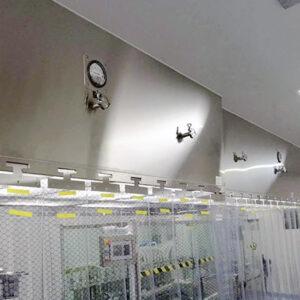
Ön filtre yönetimi, genellikle belirtildiğinden daha büyük önem taşır. HEPA aşamasını koruyan bir MERV 8–11 ön filtre, HEPA’nın hizmet ömrünü uzatır ve güvenli değiştirme işlemlerinin sıklığını azaltır; bu da operatörün maruz kalma süresini doğrudan sınırlar. Her filtreleme aşamasındaki diferansiyel basınç izleme, HEPA aşırı yüklenmeden önce değiştirmeyi tetikleyen operasyonel sinyali sağlar; tesis aseptik koşullar altında çalışıyorsa, basınç izleme hatlarının kendileri de steril izolasyon vanaları ve sterilizasyon bağlantı noktaları içermelidir. Tedarik aşamasında bu bağlantı noktalarının belirtilmemesi, genellikle daha sonra daha yüksek maliyetle ve sınırlı kurulum erişimi ile eklenmesi anlamına gelir.
| Kontrol Özelliği | Neler Belirtilmelidir? | Neden Önemli? |
|---|---|---|
| Oda tarafında bakım kolaylığı | Filtre testi, değiştirme ve karşılaştırma amaçlı aerosol enjeksiyonu işlemlerinin tümüne temiz oda tarafından erişilebilir | Temiz oda bütünlüğünü korur ve bakım çalışmaları sırasında kontrollü alanlara izinsiz girişi önler |
| Ön filtre yönetimi | MERV 8–11 ön filtre, belirlenen zaman aralıklarında değiştirilir; değiştirme sıklığını azaltmak için uzun ömürlü ön filtre | HEPA filtresinin ömrünü uzatır ve filtre değişimi sırasında operatörün maruz kalmasını sınırlar |
| Diferansiyel basınç izleme | Her filtreleme aşamasında DP göstergeleri; basınç hatlarında steril izolasyon vanaları ve sterilizasyon bağlantı noktaları | Performans izlemeyi ve izleme hatlarının güvenli bir şekilde izole edilmesini sağlar |
| Otomatik filtre tarama sistemi | Bakım sırasında filtrenin sızdırmazlığını kontrol etmek için isteğe bağlı sistem | Otomatik bütünlük doğrulaması sağlar ve yasal düzenlemelere uyumu destekler |
Otomatik filtre tarama sistemi isteğe bağlı bir özellik olarak sunulmaktadır ve her bakım işleminde filtre sızdırmazlığının belgelenmiş, otomatik bir şekilde doğrulanmasını sağlayarak mevzuata uygunluğu destekleyebilir. Bu düzeyde bir otomasyonun gerekli olup olmadığı, filtre değiştirme sıklığına ve ilgili tesisin denetim belgeleme gerekliliklerine bağlıdır; ancak bu sistemi orijinal muhafaza spesifikasyonuna dahil etmek, sonradan eklemekten daha kolaydır.
Geç Alınan Güvenli Değişiklik Kararlarının Neden Olduğu Tasarım Yeniden Düzenlemesi
BIBO’nun oda ekipman listesine, HVAC paketine mi yoksa proje URS’sine mi dahil edilmesi gerektiği konusundaki sahiplik sorunu, genellikle yerleşim çakışmalarının kaynağıdır. Karar ertelenir veya paketler arasında belirsiz bırakılırsa, BIBO muhafazası erken aşamadaki yerleşim koordinasyonunun tamamen dışında kalabilir ve ancak kanal güzergâhı ve tavan üstü yapı kesinleştikten sonra fiziksel bir gereklilik olarak ortaya çıkabilir.
Alan gereksinimleri önemsiz değildir. BIBO muhafazası, temiz odanın üzerindeki teknik alanda yer alır ve hem filtre takılması hem de torba elleçlemesi için dikey boşluk, hem de güvenli değiştirme prosedürü için muhafaza çevresinde yatay boşluk gerektirir. Geleneksel bir muhafaza, uzunluğu 18 feet'e yaklaşabilir. Özelleştirme ile kapladığı alan yaklaşık 6 feet'e indirilebilir, ancak bu seçenek tedarik öncesinde belirtilmelidir — varsayılmamalıdır. Her iki rakam da sabit standartlar olarak değil, tasarım aralığı planlamasına yönelik girdiler olarak değerlendirilmelidir; ancak planlama açısından sonuç açıktır: muhafaza boyutları yerleşim planına ne kadar erken dahil edilirse, yapısal çakışma riski o kadar azalır.
| Düzen Faktörü | Tipik Gereksinim | Geç Kararın Sonuçları |
|---|---|---|
| Dikey alan tahsisi | Teknik alanda temiz odanın üzerine monte edilen BIBO muhafazası; filtre takılması ve torba elleçlemesi için gerekli yükseklik | Erken aşamada planlanmazsa, kanalın yeniden düzenlenmesi veya yetersiz boşluk sorunu ortaya çıkabilir |
| Yuva uzunluğu | Geleneksel BIBO, 18 ft'ye kadar uzayabilir; özelleştirme sayesinde kapladığı alan yaklaşık 6 ft'ye indirilebilir | Planlanmamış uzun konutlar, yerleşim çakışmalarına ve maliyetli yeniden çalışma gerekliliğine yol açar |
| Çevre bakım erişimi | Filtre torbasının güvenli bir şekilde takılması ve çıkarılması için muhafaza çevresinde yeterli boşluk bulunmalıdır | Erişim imkânının olmaması, uygun bakımın yapılmasını engeller veya yapısal değişiklikler yapılmasını gerektirir |
Geç alınan bir kararın ileride ortaya çıkacak maliyeti sadece maddi değildir. Tasarım onayı verdikten sonra güvenli değiştirme donanımı eklendiğinde, sonuç genellikle kalıcı olarak kısıtlanmış bir servis erişim koşulu olur; bu durum, tesisin kullanım ömrü boyunca her filtre değişimi işleminde bakım personelinin bu kısıtlamayı aşmak zorunda kalmasına neden olur. Bu operasyonel zorluk, değiştirme prosedürünün ne kadar güvenilir bir şekilde uygulandığını etkileyebilir; bu da denetim gözlemlerinde ortaya çıkan türden bir bakım eksikliğidir. Örneğin, GMP temiz odası Devreye alma sürelerinin sıkışık olduğu projelerde, bu, erken bir çözümün orantısız derecede büyük bir getirisi olduğu az sayıdaki kararlardan biridir.
Alıcıların Satın Alma Öncesi Belirlemesi Gereken Doğrulama Arayüzleri
BIBO donanım spesifikasyonu ile doğrulama gereklilikleri arasındaki uyumsuzluk, tedarik hatalarının çoğunun ortaya çıktığı noktadır. Doğrulama arayüzlerini tanımlamadan muhafaza spesifikasyonunu belirleyen alıcılar, bu arayüzlerin teslimattan sonra eklenmesi gereken bir durum yaratır — ya da bu arayüzlerin eksikliğini telafi etmek için doğrulama protokolünün değiştirilmesi gerekir. Her iki sonuç da verimli değildir ve ikincisi, yeterlilik değerlendirmesi sırasında giderilmesi zor olan dokümantasyon eksikliklerine yol açabilir.
FDA’nın Proses Validasyonu Kılavuzu, validasyonu, bir prosesin tutarlı bir şekilde kaliteli sonuçlar sağladığını gösteren belgelenmiş kanıt gerektiren bir yaşam döngüsü faaliyeti olarak tanımlamaktadır. BIBO muhafazaları için bu ilke, filtre değiştirme yöntemi, bütünlük doğrulama prosedürü ve basınç izleme yaklaşımının hepsinin — sadece filtrenin kendisi değil — entegre bir sistem olarak valide edilmesi gerektiği anlamına gelir. İlgili arayüzlerin birçoğu ya isteğe bağlı özellikler olduğundan ya da özel imalat gerektirdiğinden, bu validasyon kapsamı satın alma siparişi verilmeden önce tanımlanmalıdır.
OEM’den hem filtre hem de gövde için fabrika kabul testi raporlarının talep edilmesi, yasal bir zorunluluk değil, pratik bir tedarik kontrolüdür; ancak bu, ekipman sevk edilmeden önce teknik özellik uyuşmazlıklarını ortaya çıkarmak için en etkili yollardan biridir. Hem filtre hem de gövde için tek bir OEM’in sorumlu olması, sahada bir performans uyuşmazlığı tespit edildiğinde ortaya çıkan ve her bir tedarikçinin sorunu diğer tarafın bileşenine atfettiği sorumluluk boşluğunu ortadan kaldırır.
| Arayüz / Gereksinim | Ne Onaylanmalı | Neden Önemli? |
|---|---|---|
| Fabrika kabul testleri (FAT) | OEM’den hem filtreler hem de filtre muhafazaları için FAT raporları talep edin | Sahada yapılan doğrulama sırasında ortaya çıkabilecek beklenmedik durumları azaltır ve teknik şartnamelere uygunluğu teyit eder |
| Tek bir OEM’in sorumluluğu | Filtre ile muhafazanın aynı üretici tarafından tedarik edildiğinden emin olun | Performans uyumsuzluklarını önler ve hesap verebilirliği kolaylaştırır |
| Tamamen kaynaklı gövde | Sızıntılara karşı ömür boyu garanti şartı belirtin | Baypas yoluyla bulaşmayı önler |
| Bütünlük testi prosedürleri | Muhafaza torbasının sızdırmazlık contasının DOP/PAO testi, hava akışı testi, filtre bütünlüğü testi ve basınç farkı doğrulamasını onaylayın | BIBO sisteminin operasyonel koşullar altında güvenli bir şekilde çalıştığını teyit eder |
| Lokal aerosol enjeksiyonu | İlaç uygulamalarında, aerosolü uzaktan değil, muhafazanın içine yerel olarak enjekte edin | Bütünlük testi sırasında diğer alanlarla çapraz bulaşmayı önler |
| İsteğe bağlı doğrulama aksesuarları | Tarama kesitleri, Magnehelic DP göstergeleri, sızıntısız ve hava kabarcığı geçirmeyen damperler, fumigasyon bağlantı noktaları ile giriş/çıkış geçiş parçalarına duyulan ihtiyacı belirleyin | Sürekli doğrulama ve bakım erişimini kolaylaştırır |
| Yüksek riskli dekontaminasyon hükümleri | Yüksek riskli deşarj sistemleri için tesis içi dezenfeksiyon bağlantı noktalarını ve biyolojik sızdırmaz vanaları belirleyin | Filtrenin çıkarılmasından önce güvenli bir şekilde izole edilmesini ve dekontaminasyonunu sağlar |
İlaç uygulamaları söz konusu olduğunda, yerel aerosol enjeksiyonu gerekliliği özel bir dikkat gerektirir. Test aerosolünün ortak kanal sistemi aracılığıyla uzaktan enjekte edilmesi, bütünlük testi sırasında tesisin diğer alanlarına çapraz kontaminasyon riskini beraberinde getirir. Doğrudan muhafazaya yapılan yerel enjeksiyon, testi doğrulanmakta olan üniteyle sınırlandırır. Bu, evrensel olarak standartlaştırılmış bir protokol değildir; ancak yerinde yeterlilik değerlendirmesi sırasında çözülmek yerine satın alma şartnamesine dahil edilmesi gereken pratik bir gerekliliktir. Benzer şekilde, yüksek riskli tahliye sistemleri için yerinde dezenfeksiyon bağlantı noktaları ve biyolojik sızdırmaz vanalar, filtrenin sökülmesinden önce güvenli izolasyon ve dekontaminasyona olanak tanır; bunları satın almadan önce belirtmek, kurulu bir muhafazaya sonradan takmaktan çok daha ucuzdur. iç içe yerleştirme muhafazası Teknik şartname, sadece gövde kabuğunu değil, doğrulama protokolünün nihayetinde gerektireceği tüm arayüzleri içermelidir.
Standart GMP Filtrasyonu ile BIBO Arasındaki Karar Sınırı
Giriş havası ile çıkış havası arasındaki ayrım, BIBO kapsam belirleme kararlarında en tutarlı şekilde göz ardı edilen değişkendir. Standart bir ilaç temiz odasında giriş havasına “güvenli değişiklik” mantığını uygulamak, kontaminasyon kontrol sonuçlarını iyileştirmeden proje kapsamını şişirir. Yüksek ilaç konsantrasyonları veya biyolojik tehlikeler taşıyan çıkış hava akımlarında bu ayrımı göz ardı etmek, BIBO’nun ortadan kaldırmak üzere tasarlandığı operatör maruziyet riskini tam olarak yaratır. Pratik sınır, temiz oda sınıflandırmasına değil, kontaminasyon seviyesine ve hava akımı yönüne göre belirlenir.
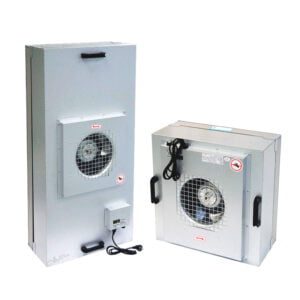
İlaç sektöründeki temiz odalar, ameliyathaneler ve düşük riskli kontrollü ortamlarda besleme havası için, tavana monte terminal HEPA modülleri hâlâ uygun standart olarak kabul edilmektedir. Besleme tarafındaki filtre değişimi, operatörü kontamine hava akımına maruz bırakmaz ve risk profili, güvenli değiştirme donanımının kullanılmasını gerektirmez. Standart terminal muhafazası bu uygulama için en uygun seçenektir; bunun aksini belirtmek, karşılık gelen bir güvenlik veya uygunluk faydası sağlamadan maliyeti ve karmaşıklığı artırır.
Egzoz hava akımında sağlık açısından endişe verici partiküller bulunduğunda bu eşik değişir. İlaç konsantrasyonunun düşük olduğu ve filtre değişiminin, kirletici madde taşınmasını en aza indirerek bir izolatör içinde gerçekleştirilebildiği egzoz durumlarında standart prosedürler yeterli olabilir. HEPA filtresi, yüksek konsantrasyonlarda aktif farmasötik maddeyle doğrudan temas halindeyken bu eşik aşılmış olur ve BIBO güvenli değiştirme muhafazası uygun kontrol yöntemi haline gelir. BSL ortamlarından, izolasyon odalarından ve biyogüvenlik laboratuvarlarından gelen egzoz havası bu sınırın aynı tarafında yer alır — hava akımı kendisi bir tehlike oluşturur ve filtre değiştirme işlemi, bu tehlikenin operatöre ulaşma olasılığının en yüksek olduğu andır.
| Uygulama / Airstream | Standart GMP Filtrasyonu | BIBO Konutları |
|---|---|---|
| Besleme havası (ilaç sektörüne yönelik temiz odalar, düşük riskli temiz odalar, ameliyathaneler) | Tavana monte edilen terminal HEPA modülleri yeterlidir | Arz tarafı için gerekli değildir |
| İlaç konsantrasyonu düşük olan egzoz (izolatör içinde filtre değişimi, minimum kirletici madde taşınması) | İzolatör içindeki filtre değişimi yeterli olabilir | Genellikle gerekli değildir |
| Yüksek ilaç konsantrasyonuna sahip egzoz (HEPA, aktif ilaç bileşeniyle doğrudan temas halindedir) | Önerilmez; değiştirme sırasında maruz kalma riski | BIBO muhafazasının güvenli bir şekilde değiştirilmesi gerekmektedir |
| İzolasyon odaları ve biyogüvenlik laboratuvarlarından çıkan egzoz havası (virüsler, bakteriler ve patojenler içeren hava) | Standart muhafaza, değiştirme sırasında herhangi bir sızıntı önleme özelliği sunmaz | Operatörleri ve çevreyi korumak için BIBO muhafazası gereklidir |
Bu sınır, mühendislik ve risk temelli bir karardır; FDA kılavuzlarında açıkça belirtilmiş kesin bir düzenleyici sınır değildir. Bunu denetim karşısında savunulabilir kılan şey, gerekçelerin belgelenmesidir: hava akımı karakterizasyonu, kontaminasyon seviyesi değerlendirmesi ve seçim kararı. Filtre değiştirme yönteminin sadece donanım özellikleri değil, bir kontaminasyon kontrol kararı olarak değerlendirildiğini gösterebilen bir tesis, belgelenmiş bir dayanak olmaksızın BIBO'yu seçen (veya reddeden) bir tesise kıyasla denetim sırasında çok daha güçlü bir konumdadır.
Bir BIBO spesifikasyonunda en önemli tedarik kararı, gövde modeli değil; satın almadan önce tanımlanan arayüz listesinin eksiksizliğidir. Doğrulama aksesuarları, dekontaminasyon bağlantı noktaları, diferansiyel basınç izleme düzenlemeleri ve yerel aerosol enjeksiyon noktalarının tümü, kurulumdan sonra eklenmektense orijinal siparişe dahil edilmesi daha kolay ve daha ucuzdur. Bu öğelerden herhangi birinin devreye alma aşamasında çözülmesi gerekirse, proje, sıkışık bir zaman çizelgesinde daha da ağırlaşan yenileme riski ve potansiyel yeterlilik gecikmeleriyle karşı karşıya kalır.
Satın alma süreci tamamlanmadan önce, hava akışı gerekçesinin belgelendirildiğini, erişim çakışmalarını önlemek için muhafaza boyutlarının tesis yerleşim planına yeterince erken bir aşamada dahil edildiğini ve doğrulama protokolü gerekliliklerinin, yeterlilik aşamasına ertelenmek yerine satın alma şartnamesine yansıtıldığını teyit edin. Filtre değiştirme yöntemi, sadece bir donanım detayı değil, tesis işletimi ile ilgili bir konudur — ve bu yöntemi destekleyen inceleme kaydı, bir denetimde BIBO kararının savunulabilir olmasını sağlayan unsurdur.
Sıkça Sorulan Sorular
S: BIBO konut kararı, URS’ye, HVAC paketine mi yoksa oda ekipman listesine mi kaydedilmelidir — ve hangisine kaydedildiği önemli midir?
C: Bu çok önemlidir, çünkü karar yetkisine sahip paket, BIBO boyutlarının çakışmaları önlemek için yerleşim koordinasyonuna yeterince erken dahil edilip edilmeyeceğini belirler. Paketler arasında sahiplik belirsiz kaldığında, muhafaza genellikle tavan üstü koordinasyonun tamamen dışında kalır ve ancak kanal güzergâhı ve yapısal geçişler sabitlendikten sonra ortaya çıkar. Bunu URS’de açıkça atamak — hem HVAC hem de oda ekipmanı paketlerine çapraz referans vererek — mekanik çizimler tamamlanmadan önce fiziksel gereksinimlerin dahil edilmesini sağlamanın en güvenilir yoludur.
S: İhale süreci başladığında doğrulama protokolü hâlâ taslak aşamasındaysa, konut şartnamesini yine de kesinleştirmek uygun olur mu?
C: Hayır — doğrulama protokolü hazırlanmadan önce muhafazanın son halinin belirlenmiş olması, BIBO projelerinde sonradan yapılan değişiklik maliyetlerinin en yaygın kaynaklarından biridir. Yerel aerosol enjeksiyon portları, dezenfeksiyon portları, biyolojik sızdırmaz valfler, tarama bölümleri ve diferansiyel basınç izleme düzenekleri gibi arayüzler ya isteğe bağlı özelliklerdir ya da özel imalat gerektirir. Validasyon protokolü daha sonra bunlardan herhangi birini gerektirirse, bunları kurulu bir muhafazaya eklemek çok daha pahalıya mal olur ve orijinal kurulum sırasında mevcut olmayan erişim kısıtlamalarını da beraberinde getirebilir. Pratik yaklaşım, tam protokol henüz kesinleşmemiş olsa bile, satın alma siparişi verilmeden önce en azından ön bir validasyon arayüz listesi hazırlamaktır.
S: Düşük ilaç konsantrasyonuna sahip bir egzoz akımı, hangi noktada BIBO’nun isteğe bağlı olmaktan çıkıp zorunlu hale geldiği eşiği aşar?
C: Makale, yönlendirici bir sınır belirlemektedir ancak belirli bir konsantrasyon eşiği tanımlamamaktadır; zira bu belirleme, FDA kılavuzlarında kodlanmış bir kural olmaktan ziyade riske dayalıdır. İlgili faktörler, filtrenin değiştirme sırasında operatör için ölçülebilir bir maruz kalma riski oluşturacak düzeylerde aktif farmasötik bileşenle doğrudan temas halinde olup olmadığı ve değiştirme işleminin, kontaminant taşınmasını en aza indirerek bir izolatör içinde gerçekleştirilip gerçekleştirilemeyeceğidir. Her iki koşul da yeterli kontrol sağlamadığında, bu durum BIBO'nun uygun seçim haline geldiği pratik eşik noktasıdır — ve bu değerlendirmenin gerekçesi, varsayılmamalı, hava akımı karakterizasyonunun bir parçası olarak belgelenmelidir.
S: BIBO güvenli filtre değiştirme muhafazası, muhafazanın kapladığı alanı barındıramayan tesisler için, filtre değişiminin eldiven torbası içinde veya tam KKD kullanılarak gerçekleştirilmesiyle karşılaştırıldığında nasıl bir fark sunar?
C: BIBO, yüksek riskli egzoz akışları için daha savunulabilir bir seçenektir; ancak bu karşılaştırmayı açıkça yapmakta fayda vardır. Eldiven torbası veya KKD temelli bir prosedür, tamamen operatörün tekniğine bağlıdır, belgelenmiş ve doğrulanmış bir anlamda tekrarlanabilir değildir ve değiştirme işlemi sırasında çevreyi maruz bırakır. BIBO ise, operatörün el becerisinden bağımsız olarak, işlem süreci boyunca yüklü filtreyi sızdırmaz halde tutar. Muhafaza ünitesinin kapladığı alanın gerçekten de yerleştirilemediği durumlarda, alternatif çözüm basit bir eşdeğerlik değildir — maruz kalma açığını ele alan, belgelenmiş bir kontaminasyon kontrol gerekçesi gerektirir ve bu gerekçeyi bir denetim sırasında savunmak, uygun şekilde tanımlanmış ve doğrulanmış bir muhafaza ünitesine kıyasla daha zordur.
S: Egzoz HEPA filtrelerini nadiren — örneğin, birkaç yılda bir — değiştiren bir tesis için BIBO muhafazası hâlâ doğru bir yatırım mıdır?
C: Düşük değiştirme sıklığı, kümülatif maruz kalma olaylarını azaltır ancak her bir değiştirme işlemi sırasında riski ortadan kaldırmaz. Yüksek konsantrasyonlu API veya biyolojik tehlike içeren bir HEPA filtresinin tek bir kontrolsüz değiştirme işlemi sırasında maruz kalma riski, bu işlemin nadiren gerçekleşmesi nedeniyle anlamlı bir şekilde daha düşük değildir — aksine, seyrek değiştirme işlemleri, filtrenin çıkarılması sırasında filtrenin daha fazla yüklenmesine yol açarak partikül salınım riskini artırabilir. BIBO için hava akımı gerekçesi mevcut olduğunda, değiştirme sıklığı ön filtre programlaması ve servis planlamasında bir faktördür; ancak güvenli değiştirme muhafazasının gerekli olup olmadığına dair temel kararda bir faktör değildir.