Eksik teknik özelliklere dayalı ekipman fiyatlandırması, temiz oda projelerinde en kalıcı maliyet kaynaklarından biridir. Teklif aşamasında basınç kademelendirme mantığı, kapı sıralaması ve transfer arayüz konumları belirlenmemişse, tedarikçilerin varsayımlara dayalı olarak kapsam belirlemekten başka seçeneği kalmaz — ve bu varsayımlar, devreye alma aşamasında hiçbir tarafın sorumluluğunda olmayan kapılar, geçiş kutuları ve HVAC bağlantılarında yeniden çalışma olarak ortaya çıkar. Tanımlanmış hava akışı yönü, geri kazanım süresi hedefleri ve isimlendirilmiş transfer arayüzlerinden yoksun bir tasarım, şartname aşamasında gözle görülür bir şekilde başarısız olmaz; mekanik, panel ve izleme kapsamlarının kesiştiği noktada ve sahiplik boşluklarını kapatmanın en maliyetli olduğu noktada başarısız olur. Aşağıda, alıcılara ve mühendislik ekiplerine, tedarikçilerle çalışmaya başlamadan önce hangi hava akışı ve basınç girdilerinin sabitlenmesi gerektiğini belirlemeleri için bir çerçeve sunulmaktadır.
Teklif Verilmeden Önce Hava Akışı ve Basınç Değerleri Belirlenmelidir
Temiz oda tasarımının ilk aşamalarında alınacak en önemli karar, hangi ISO sınıfını hedefleyeceğimiz değil; bu sınıfın gerçek çalışma koşulları altında sürdürülebilir olmasını sağlayacak hava akışı girişlerinin nasıl ayarlanacağıdır. Hava değişim oranı, besleme cihazlarının yerleştirilmesi, geri dönüş yolunun konfigürasyonu, basınç ayar noktaları ve geri kazanım davranışı birbiriyle bağlantılıdır. Diğer unsurları dikkate almadan bunlardan birini değiştirmek, ya performans eksikliklerine ya da işletme maliyeti yüksek ve değiştirilmesi zor olan aşırı boyutlandırılmış sistemlere yol açar.
Bu konuyu erken aşamada doğru bir şekilde ele almanın enerji açısından önemi açıktır. HVAC sistemleri, toplam temiz oda enerji tüketiminin %’sine kadarını oluşturabilir; bu da, tasarım aşamasında ACH hedefinin çok yüksek belirlenmesi durumunda, bu maliyetin projenin tüm yaşam döngüsü boyunca devam edeceği anlamına gelir. Hava değişim oranını 22'den 33 ACH'ye çıkarmak, ortalama partikül konsantrasyonunu %'ye kadar azaltabilir; ancak daha yüksek oranlar aynı zamanda türbülans riskini ve enerji tüketimini de artırır — bunlar birbirinden bağımsız değişkenler değildir. Aşağıdaki tablo, erken aşamada hedef belirlemeyi desteklemek amacıyla bu ödünleşimi enerji ve türbülans sonuçlarıyla karşılaştırmalı olarak göstermektedir.
| Hava Değişim Oranı (ACH) | Parçacık Konsantrasyonunun Azaltılması | Enerji Etkisi | Türbülans Riski |
|---|---|---|---|
| 22 Ağustos | Başlangıç değeri (daha düşük azalma) | Daha düşük enerji tüketimi | Daha düşük türbülans riski |
| 33 ACH | 55%’ye kadar azalma | Daha yüksek enerji tüketimi (toplamın 75%’sine kadar HVAC) | Türbülansı ve parçacıkların yayılmasını artırabilir |
Sık sık çok geç bir aşamaya ertelenen planlama unsurlarından biri de Hava Akışı Azaltma Modu’dur (ARM). ARM’nin asıl amacı — boş kalınan dönemlerde enerji tasarrufu sağlamak — BMS entegrasyonu, otomatik damperler, fan hızı kontrolü, odaya erişim engellemesi ve sıcaklık ile nem için geri çekme kontrolleri gerektirir. Bu ön koşullar ekipman seçimi öncesinde tanımlanmazsa, işletme ekibi daha sonra bu özelliği uygulamak istediğinde gerekli kapasite mevcut olmayacaktır. Bir aşı üretim vakasında, ARM dönemlerinde toplam 43,41 TP10T havalandırma tasarrufu kaydedilmiştir; bu da, söz konusu unsurların sonradan akla gelen unsurlar olarak değil, tasarım kriterleri olarak ele alındığında elde edilebilecek somut değeri göstermektedir.
Bu aşamada kapı açılma sıklığı ve sıralaması da belirlenmelidir. Bir kapının açılması basınç dengesini anında değiştirir ve HVAC sisteminin tepki süresi sınırsız değildir. Açılma düzenleri bir girdi olarak belirtilmezse, basınç geri kazanım gereksinimi doğru bir şekilde tanımlanamaz ve devreye alma sürecinde bu eksiklik en uygunsuz şekilde ortaya çıkacaktır.
Geri kazanım testi, ayrı ancak ilgili bir unsurdur. ISO 14644-3 standardı, partikül sayısı, hava basıncı farkı ve hava akışını zorunlu testler olarak sınıflandırırken, geri kazanım testi isteğe bağlıdır; ayrıca partikül sayacının sınırlamaları nedeniyle ISO Sınıf 8 ve 9 için tavsiye edilmez. Daha düşük temiz oda sınıfları için geri kazanım oranı, doğrudan ölçülmek yerine bir grafikten tahmin edilebilir. A Sınıfı ortamlar için ise geri kazanım testi uygun yöntemdir. Alıcılar, teklif almadan önce kendi sınıflandırmalarına hangi geri kazanım yaklaşımının uygun olduğunu belirlemelidir; çünkü bu karar, hem test kapsamını hem de ekipman performans özelliklerini şekillendirir.
Ekipmanı Şekillendiren Besleme, Geri Dönüş ve Aktarım Arayüzleri
Hava besleme ve dönüş arayüzlerinin konumları, mimari detaylar değildir. Bu konumlar, havanın ölü noktalar oluşturmadan çalışma alanına ulaşıp ulaşmayacağını, kirletici maddelerin yeniden havaya karışmadan yakalanıp yakalanmayacağını ve her aktarım noktasındaki basınç tamponunun gerçek trafik koşulları altında işlev görüp görmeyeceğini belirler. Bu konumları inşaat sırasında kesinleştirilecek unsurlar olarak ele almak, tedarikçilerin fiyatlandırmalarında bu konumların doğru bir şekilde ayarlanması için gerekli koordinasyonun dikkate alınamayacağı anlamına gelir.
Geri dönüş ızgaralarının yerleştirilmesi buna somut bir örnektir. Geri dönüş ızgaralarının zemine yakın konumlandırılması — bir tasarım kuralı olarak, uzman kılavuzlarında genellikle ≤0,7 m değeri belirtilir — partiküllerin doğal çökelme davranışıyla birlikte çalışarak kirletici maddelerin giderilme verimliliğini artırır. Bunun arayüz özetinden çıkarılması, gözle görülür bir şartname hatasına yol açmaz; ancak kurulumdan sonra sorunun kaynağını tespit etmenin zor olduğu, düşük performans gösteren bir sistem ortaya çıkarır. Benzer şekilde, difüzör ve emme noktalarının konumları, standart akış hesaplamalarının CFD modellemesi olmadan ortaya çıkaramayacağı ölü bölgeler ve devridaim yollarını önlemek için koordine edilmelidir.
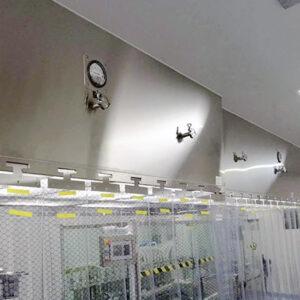
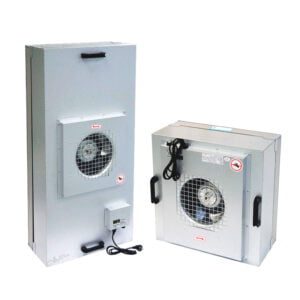
Tavan ızgarasının modüler yapısı, fan filtre üniteleri (FFU) için yapısal bir arayüzdür. Genellikle 1200×1200 mm veya 1200×600 mm’lik modüllerin kullanıldığı tavan ızgarası düzeni ile FFU’ların yerleştirilmesi arasındaki uyum, hem hava akışı dağılımının kalitesini hem de gelecekteki bakım erişimini belirler. Fan Filtre Üniteleri FFU aralıkları dikkate alınmadan boyutlandırılmış bir tavan ızgarasına entegre edilen sistemler, her bakım aralığında daha da artan erişim sorunlarına yol açar. Tavan ızgarası, panellerin imalatından önce belirlenmezse, koordinasyon maliyeti tedarik aşamasında değil, kurulum aşamasında ortaya çıkar.
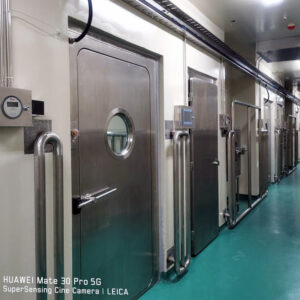
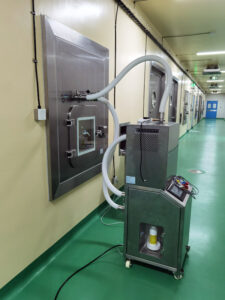
Hava kilidi tasarımı, kendine özgü bir arayüz kontrol listesi içerir. Trafik sıklığı, kapı açılma sırası, kilitleme mantığı, acil durum serbest bırakma protokolleri ve işlemler arasındaki beklenen geri kazanım süresi, hava kilidinin boyutlandırılma şekline ve ona sağlanan HVAC beslemesinin yapılandırılmasına etki eder. Düşük sıklıklı, tek kişilik geçişler için boyutlandırılmış ancak iki işgal edilmiş bölge arasında yüksek trafikli bir tampon olarak kullanılan bir hava kilidi, basınç bariyeri olarak tekrar tekrar başarısız olacaktır — bu, bir bileşen kusurundan değil, çalışma koşullarının hiçbir zaman tanımlanmamış olmasından kaynaklanır.
| Arayüz | Ne Tanımlanmalı | Göz Ardı Edilirse Risk |
|---|---|---|
| Dağıtıcılar ve emme noktaları | Ölü bölgeleri önlemek için konumlar ve düzen | Ölü bölgeler, gereksiz devridaim, kurulumda yeniden çalışma |
| Hava giriş ızgaraları | Zemin seviyesine yakın yerleştirme (≤0,7 m) | Kirletici maddelerin giderilme verimliliğinde azalma |
| Hava kilidi kapıları | Trafik sıklığı, kapı sırası, kilitleme mantığı, acil durum serbest bırakma, geri kazanım süresi, basınç farkı | Hava kilidi, basınç tamponlaması işlevini yerine getiremiyor; kirletici maddelerin yayılması |
| Tavan ızgarası | FFU entegrasyonu ve bakım erişimi için modülerlik (1200×1200 mm veya 1200×600 mm) | FFU ile uyumsuzluk, hava akışı dağılımı sorunları |
| Panel kılıfı | Yangın dayanımı, düzlük, yalıtım, ağırlık, korozyon ve temizlenebilirlik gereksinimlerini karşılayan çekirdek malzemesi | Sızdırmazlık arızaları, arayüz sızıntısı |
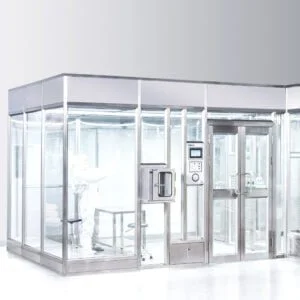
| Konteyner laboratuvarı | Sevkiyat öncesinde tüm arayüzleri birleştiren ön imalat | Kontrol edilemeyen saha değişkenleri, uzun süren devreye alma süreci |
Panel çekirdeğinin seçimi — ister taş yünü, ister MgO, alüminyum petek yapısı veya poliüretan olsun — panellerin kapılar, geçiş kutuları ve kanal geçişleriyle birleştiği her arayüzde sızdırmazlığın bütünlüğünü etkiler. Ortam koşullarına (yangın performansı gereklilikleri, nem, temizlik maddeleri, yapısal düzlük) uygun olmayan bir çekirdek seçimi, basınç düşüşünün en çok bağlı olduğu noktalarda uzun vadeli sızdırmazlık sorunlarına yol açar. Bu kararlar, sonradan alınmamalı, aktarım ekipmanının seçimi ile eşzamanlı olarak koordine edilmelidir.
Pozitif Basınç ile Muhafaza Basıncı Mantığı Karşılaştırması
Pozitif basınç ve muhafaza basıncı, aynı tasarımın farklı varyasyonları değildir; bunlar, farklı arıza modlarına sahip zıt hava akış yönlerini temsil eder ve her arayüzde farklı ekipman konfigürasyonları gerektirir. Basınç yönünü, ekipman seçildikten sonra teyit edilmesi gereken bir unsur olarak ele almak, düzeltilmesi için fiziksel yeniden çalışma gerektirecek bir şartname hatasıdır.
Pozitif basınçlı temiz oda tasarımında, besleme havası temiz bölgeden dışarıya, bitişik alanlara doğru akar ve ürünü kapı aralıklarından, geçiş deliklerinden ve sızdırmazlığı sağlanmamış geçiş noktalarından giren kirlenmelerden korur. Tehlikeli bileşikler, güçlü aktif ilaç bileşenleri (API'ler) veya biyogüvenlik uygulamaları için kullanılan muhafaza tasarımlarında ise basınç mantığı tersine döner: Muhafaza edilen maddenin dışarıya yayılmasını önlemek için odanın basıncı, bitişik koridorun basıncının altında tutulmalıdır. Bu konfigürasyonlar birbirinin yerine kullanılamaz ve herhangi bir arayüzün boyutlandırılmasından önce basınç kademelendirme sistemi yönlü olarak açıkça tanımlanmalıdır.
Bitişik temiz bölgeler arasındaki basınç farkı için tipik bir tasarım değeri, proses riski ve hava akışı yönüne göre ayarlanmış 10–15 Pa’dır. Bu, bir planlama hedefidir, yasal olarak belirlenmiş sabit bir değer değildir — uygun basınç farkı, bölge sınıflandırmasına, kapı tipine, kapı açılma sıklığına ve basınç tersine dönme olayının sonuçlarına göre değişir. 10–15 Pa aralığı, alıcıların teklif almadan önce belirlemesi gereken bir eşik değerdir; çünkü bu aralık, damper kontrol yetkisini, HVAC tepki hızını, kapı contası özelliklerini ve izleme hassasiyetini belirler. Bu aşamada yeterince tanımlanmamış bir kademeli sistem, sadece ekipman ayarlamalarıyla sonradan uygulanamaz.
Hava kilidi, her iki stratejinin de operasyonel merkezinde yer alır. İşlevsel rolü, bir basınç tamponu olarak hareket etmektir — basınç gradyanının hangi yönde seyrettiğine bakılmaksızın odalar arasında kirletici maddelerin geçişini önleyen kontrollü bir geçiş bölgesidir. AB GMP Ek 1 ve ilaç tesisleri için WHO HVAC kılavuzuna göre, hava kilidi, kapı işlemleri arasında basıncı geri kazanacak şekilde tasarlanmalıdır; bu da, hava kilidinin besleme ve egzoz konfigürasyonunun, bitişik bölgelere hizmet veren HVAC sistemi ile koordineli olması gerektiği anlamına gelir. Bir basınç dengeleme cihazı yerine geçiş odası olarak boyutlandırılmış bir hava kilidi bu işlevi güvenilir bir şekilde yerine getiremez ve korumayı amaçladığı basınç kademelendirmede tekrarlanan sapmalar meydana gelir.
İzolasyon odaları talep eden alıcılar, negatif basınç gerekliliklerinin komşu pozitif basınçlı bölgelerle etkileşime girip girmediğini de belirlemelidir. Etkileşim söz konusu olduğunda, herhangi bir tedarikçiden teklif istenmeden önce, ara alanlar ve bunların kilitleme dizileri şartnamede açıkça belirtilmelidir — zira HVAC damperi yetki sınırları, kapı sızdırmazlık dereceleri ve izleme alarm eşikleri bölgeler arasında farklılık gösterecek ve bu farklılıklar oda düzeyindeki bir şartnamede görünmez.
Isıtma, Havalandırma ve İklimlendirme (HVAC) ile Ekipman Mülkiyeti Konusunda Ortaya Çıkan Sorunlar
HVAC tasarımı ile temiz oda inşaatı kapsamı arasındaki arayüz, devreye alma sorunlarının çoğunun kaynaklandığı noktadır. Bunun nedeni, her iki disiplinin de tek başına yetersiz bir şekilde yönetilmesi değil; aralarındaki devir teslim varsayımlarının, tasarımdan kurulum aşamasına geçiş sürecini sorunsuz atlatacak kadar net bir şekilde nadiren yazılı hale getirilmesidir.
Aşırı boyutlandırılmış HVAC sistemleri, belirli bir arıza modeline yol açar. Bir sistem, tasarım aşamasında geniş kapasite marjlarıyla boyutlandırılıp daha sonra gerçek hava akışı talebine göre küçültüldüğünde, fanlar ve damperler genellikle optimum çalışma aralığının dışında çalışır. Basınç dengesini korumak zorlaşır ve daha yüksek hacimli bir ayar noktası temel alınarak tasarlanan kontrol sistemleri, farklı bir çalışma koşuluna göre yeniden ayarlanmak zorunda kalır. Bu bir kontrol sistemi arızası değildir; hava akışı girdilerinin geç tanımlanması ve boyutlandırmanın belirli bir tasarım koşulu yerine marj temel alınarak yapılmasının bir sonucudur.
CFD, enerji simülasyonu veya basınç kaskad haritası gibi önceden hazırlanmış bir sistem düzeyinde model olmadan devreye alma işlemi, ayarlama yükünü saha personeline yükler; bu durum, uzun süreler boyunca tekrarlanan manuel dengeleme çalışmalarıyla çözülür. HVAC mühendisleri, panel tedarikçileri ve izleme tedarikçileri arasında ortaya çıkan sorumluluk anlaşmazlıkları, devreye alma sırasında hava akışının dengesiz olmasının tek bir görünür kaynağı olmaması nedeniyle ortaya çıkar. Ters akış, toz taşınması, yavaş basınç geri kazanımı ve kurulumdan sonra tekrarlanan dengeleme çalışmaları, tek tek ekipman arızalarının değil, arayüz koordinasyonundaki başarısızlığın belirtileridir. Bu başarısızlığın maliyeti, masadaki herkes tarafından karşılanır ve sorumluluk, arayüzün başkaları tarafından onaylandığını varsayan taraflar arasında paylaşılır.
| Risk / İhmal | Sonuç | Açıklığa Kavuşturulması Gerekenler |
|---|---|---|
| Büyük Boy HVAC | Hava akışı azaldığında ekipman, optimum çalışma aralığının dışına çıkar | HVAC boyutlandırmasının, tanımlanan hava akışı verileriyle uyumlu olduğunu doğrulayın |
| Sistem düzeyinde bir anlayış olmaksızın devreye alma | Aylar süren manuel ayarlamalar, takımlar arasındaki mülkiyet anlaşmazlıkları | Başlamadan önce sistem davranışının modellenmiş veya anlaşılmış olduğunu doğrulayın |
| Kötü koordinasyondan kaynaklanan dengesiz hava akışı | Ters akış, toz taşınması, yavaş basınç geri kazanımı, tekrarlanan dengeleme | HVAC, paneller, kapılar ve hava kilitleri arasındaki koordinasyon arayüzünü tanımlayın |
Koordinasyon gerekliliği, izleme kapsamına da uzanmaktadır. Basınç farkı sensörleri, hava akışı göstergeleri, alarm ayar noktaları ve BMS entegrasyon noktaları, temiz oda inşaatı ile HVAC kontrolleri arasındaki sınırda yer almaktadır. Bunlar, inşaat başlamadan önce tanımlanmış bir kapsam sorumlusuna atanmadığında, yeterlilik değerlendirmesi sırasında eksiklikler olarak ortaya çıkar — bu aşamada düzeltme maliyeti, mühendislik saatleriyle değil, program gecikmesi ve yeniden doğrulama çabasıyla ölçülür. Hava Akışı Azaltma Modu’nu (ARM) uygulamayı planlayan projeler için bu koordinasyon isteğe bağlı değildir: ARM’nin teknik ön koşulları, sonradan eklenmek yerine tasarım aşamasında dahil edilmesi gereken BMS entegrasyonu ve damper kontrolünü gerektirir.
Tedarikçi Seçimi İçin Tasarım Verileri Hazır
Arayüz boyutlandırmasını etkileyen her kararın net bir cevabı olduğunda, bir tasarım tedarikçi seçimi için hazır hale gelir. Basınç yönü, hava akışı rotası, geri kazanım süresi hedefi ve her bir kapı ile aktarım arayüzü, teklif talebi (RFQ) yayınlanmadan önce ilgili sorumlu kişi ile birlikte tanımlanmalıdır — çünkü bu aşamada eksik kalan her şey, devreye alma sürecinde nihayetinde maliyete yansıyacak bir teknik şartname eksikliğidir.
Modüler temiz oda sistemlerini karşılaştıran alıcılar, bileşen adları yerine mühendislik işlevlerine göre değerlendirme yapmalıdır. Tedarikçileri birbirinden ayıran sorular şunlardır: HVAC sistemi, gerçekçi kapı açma koşulları altında tanımlanan 10–15 Pa’lık kademeli basınç farkını koruyabiliyor mu? Hava kilidi konfigürasyonu, gerçek trafik sıklığına uyarlanmış geri kazanım parametrelerine sahip kilitli kapılar içeriyor mu? Tavan ızgara düzeni, hem hava akışı dağılımı hem de bakım erişimi için gerekli FFU modülü aralığını destekliyor mu? Bu karşılaştırmalar, ancak teklif talebinde (RFP) performans kriterleri belirtilmişse mümkündür. Geri kazanım süresi belirtilmezse — bazı optimize edilmiş konfigürasyonlarda ölçülebilir bir performans girdisi olarak yaklaşık bir dakikalık bir hedef kullanılır — tedarikçiler fiyatlandırmalarını buna göre yapmayacak ve yeterlilik testleri varsayılan olarak kendi eşik değerini belirleyecektir.
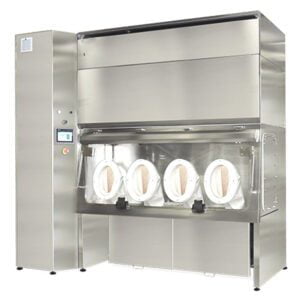
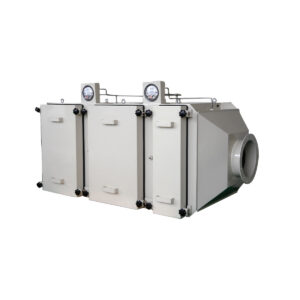
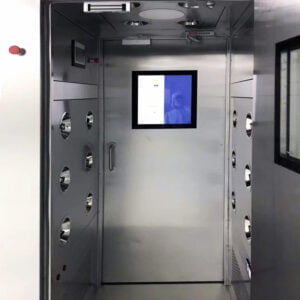
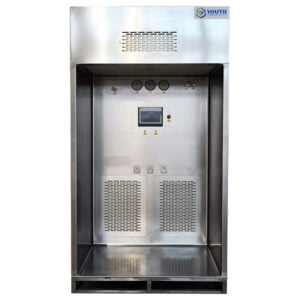
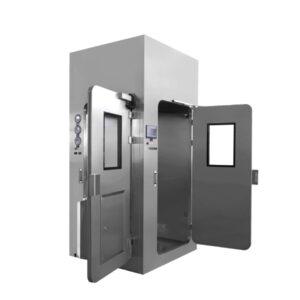
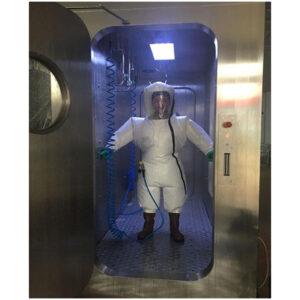
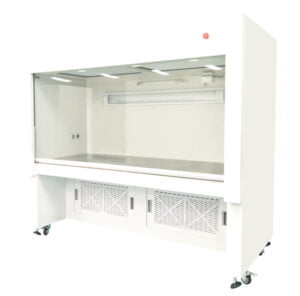
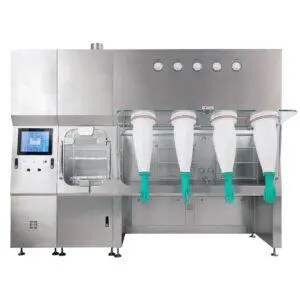
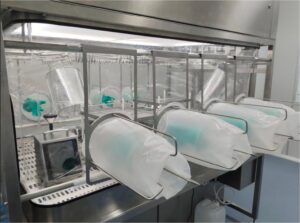
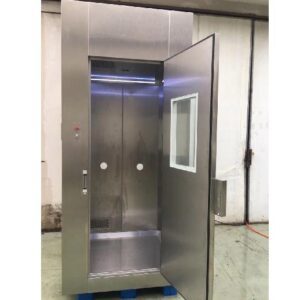
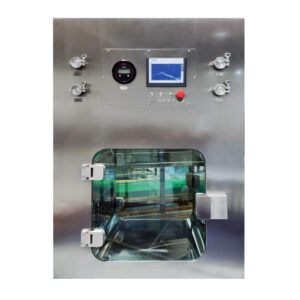
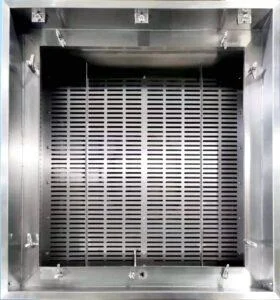
Proje ölçeğinin gerektirdiği durumlarda, erken aşamada yapılan CFD modellemesi, tedarikçilerle görüşmelere başlamadan önce doğrulanmış girdi verileri sağlar: Optimum difüzör yerleşimi, hava akış hızları ve basınç geri kazanım parametreleri, tedarik taahhütlerine dönüşmeden önce teyit edilebilir. Tam kapsamlı CFD uygulamasının orantılı olmadığı projelerde ise, her bir bölgeyi, yönünü, hedef basınç farkını ve her bir arayüzden sorumlu ekipmanı belirten bir basınç kademelendirme haritası aynı işlevi yerine getirir. HEPA Muhafaza Kutusu Örneğin, hava duşu seçimi, transfer noktalarındaki kilitleme sistemlerinin sadece hedeflenen sınıflandırmaya değil, odanın bağlı olduğu basınç yönüne de uyumlu olmasını sağlamak için kademeli mantıkla uyumlu hale getirilmelidir.
| Bileşen / Arayüz | Onaylanması Gereken Teknik Özellikler | Neden Önemli? |
|---|---|---|
| HVAC basınç kademelendirme sistemi | Bitişik bölgeler arasında 10–15 Pa | Kontaminasyon kontrolü için doğru hava akış yönünü sağlar |
| Hava kilidi | Trafik, acil durum açma ve geri kazanım parametrelerine sahip birbirine bağlı kapılar | Basınç tamponlama işlevini korur ve kirletici maddelerin yayılmasını önler |
| Tavan ızgarası | 1200×1200 mm veya 1200×600 mm boyutlarında modüler düzen | FFU’ların doğru şekilde entegrasyonunu, hava akışının dağıtımını ve bakım erişimini sağlar |
| Panel çekirdeği | Ortam koşullarına uygun taş yünü, MgO, alüminyum petek veya poliüretan | Ateş, korozyon ve temizlenebilirlik koşulları altında zarfın sızdırmazlığını garanti eder |
| Konteyner laboratuvar seçeneği | Yapı, paneller, HVAC, geçiş kutuları ve hava duşlarının prefabrik entegrasyonu | Tesis içindeki kontrol edilemeyen değişkenleri azaltır ve devreye almayı kolaylaştırır |
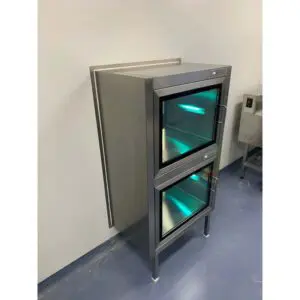
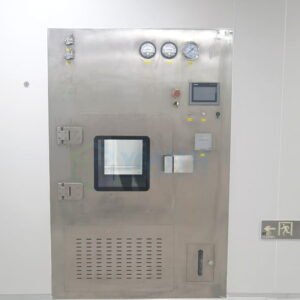
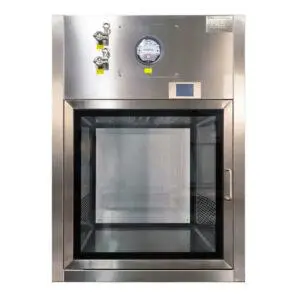
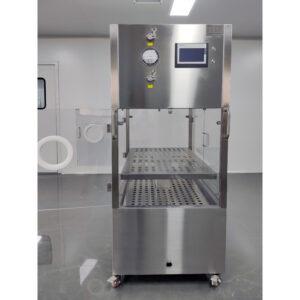
| Hava duşu / geçiş kutusu | Basınç kademesi ile uyumlu kilitleme mekanizmaları | Aktarım noktalarında kontaminasyon kontrolünün atlanmasını önler |
| İyileşme süresi | ~1 dakikalık hedef | Tedarikçinin basınç geri kazanım performans şartnamesini doğrular |
Tedarikçi seçim tablosundaki herhangi bir kalem, teklif talebi (RFP) aşamasında eksikse, bu eksiklik teklifin verilmesini engellemez; ancak tasarım amacına uymayabilecek bir varsayıma dayalı olarak fiyatlandırılmış bir teklif ortaya çıkar. Ekipman siparişi verildikten sonra bu varsayımı düzeltmenin maliyeti, konsept aşamasında sorunu çözmenin maliyetinden her zaman daha yüksektir ve düzeltme sorumluluğu nadiren herhangi bir tarafın açıkça üstlendiği bir durumdur. Tasarım girdileri, bu tablo boşluk kalmayacak şekilde doldurulabildiğinde hazır hale gelir.
Temiz oda hava akışı ve basınç planlaması, şartname aşamasında başarısız olmaz — başarısızlık, şartnamelerdeki eksikliklerin devreye alma aşamasına kadar uzanmasıyla ortaya çıkar. En sık geç gelen girdiler, mekanik unsurlar yerine mimari (kapı konumları, hava kilidi trafik düzenleri) veya operasyonel (ARM ön koşulları, geri kazanım süresi hedefleri) nitelikteki unsurlardır; ve tam da bu girdiler, tüm tasarımın dayandığı basınç kademelendirmesinin gerçek koşullar altında gerçekleştirilebilir olup olmadığını belirleyen unsurlardır.
Teklif Talebi (RFQ) yayınlamadan önce, her bir bitişik bölge çifti için basınç yönünün tanımlandığını, her kapı ve aktarım arayüzünün kapsam matrisinde adıyla belirtilen bir sorumluya sahip olduğunu ve geri kazanım süresinin varsayılan bir sonuç yerine ölçülebilir bir tedarikçi şartı olarak ifade edildiğini doğrulayın. Bu bilgileri alan tedarikçiler, fiyatlandırmayı doğru bir şekilde yapabilirler. Bu bilgileri almayan tedarikçiler ise bu eksikliği devreye alma yedek bütçesine yansıtacaklardır — ve bu yedek bütçe, konsept aşamasında önlenebilecek işler nedeniyle tüketilecektir.
Sıkça Sorulan Sorular
S: Ya HVAC tasarımı daha önceden başlamışsa... temi̇z oda eki̇pmanlari tedarikçilerle çalışmaya başlandı — bu girdileri belirlemek için artık çok mu geç?
C: Henüz çok geç değil, ancak bu unsurlar dikkate alınmadan tamamlanan her aşama ile düzeltme maliyeti artar. HVAC boyutlandırması basınç kademelendirme verileri dikkate alınmadan zaten belirlenmişse, öncelikli olarak ekipman siparişi verilmeden önce her bir bölge çiftini, hedef basınç farkını ve hava akış yönünü belirten bir basınç kademelendirme haritası hazırlamak gerekir. Tedarikçilere bu harita temelinde bilgi verilebilir, ancak halihazırda kesinleşmiş olan herhangi bir HVAC boyutlandırma hatası, devreye alma sırasında damperlerin yeniden ayarlanmasını ve kontrol sistemlerinin yeniden düzenlenmesini gerektirebilir — bu maliyetler, erken aşamada verilerin tanımlanmasıyla tamamen önlenebilirdi.
S: 10–15 Pa’lık kademeli hedef, koruma odaları ve pozitif basınçlı temiz bölgeler için de aynı şekilde geçerli midir?
C: 10–15 Pa aralığı, her iki strateji için de geçerli olan bir planlama eşiğidir; ancak basınç tersine dönmesinin sonuçları, bu iki strateji arasında önemli ölçüde farklılık gösterir. Pozitif basınçlı bir bölgede, kısa süreli bir basınç tersine dönmesi, komşu alanlardan ürün kontaminasyonu riskini beraberinde getirir. Bir muhafaza odası veya negatif basınçlı odada ise, basınç tersine dönmesi, tehlikeli veya güçlü bir maddenin dışarıya sızma riskini doğurur. Bu nedenle, muhafaza tasarımları aynı basınç farkı değerinde daha sıkı alarm ayar noktaları, daha yüksek damper kontrol gücü ve daha muhafazakar kapı sızdırmazlık derecelendirmeleri gerektirir — sayı aynıdır, ancak bununla ilgili teknik özellikler her bir basınç yönüne özgü arıza modunu yansıtmalıdır.
S: Mevcut proje aşamasında Hava Akışı Azaltma Modu planlanmıyorsa, teklif verilmeden önce yine de bu modun tanımlanması gerekiyor mu?
C: Evet, ARM’nin daha sonra uygulanması konusunda makul bir olasılık varsa. Teknik ön koşullar — BMS entegrasyonu, otomatik damperler, fan hızı kontrolü ve setback kontrolleri — ekipmana baştan itibaren dahil edilmelidir; paneller, tavan ızgaraları ve HVAC bağlantıları kurulduktan sonra bu özellikler güvenilir bir şekilde sonradan eklenemez. ARM kararını, işletme tarafında enerji tasarrufu talebi gelene kadar ertelemek, bunu destekleyecek altyapının ya mevcut olmayacağı ya da tesisin halihazırda aktif yeterlilik sürecinde olduğu bir noktada eklenmesi için önemli ölçüde yeniden çalışma gerektireceği anlamına gelir.
S: Her iki temiz oda tedarikçisi de aynı ISO sınıflandırmasını karşıladığını iddia ettiğinde, bir alıcı bu tedarikçileri nasıl değerlendirmelidir?
C: ISO sınıflandırması tek başına yeterli bir ayırt edici unsur değildir — belirtilen performans kriterlerine göre mühendislik işlevi açısından değerlendirin. Anlamlı karşılaştırmalar, tedarikçinin HVAC konfigürasyonunun gerçekçi kapı açılma sıklığı altında tanımlanmış basınç kademesini sürdürüp sürdürmediği, hava kilidinin gerçek trafik yüküne uygun geri kazanım parametrelerine sahip kilitli kapılar içerip içermediği ve tavan ızgara düzeninin hem hava akışı dağılımı hem de bakım erişimi için FFU aralıklarını destekleyip desteklemediğidir. Tedarikçiler, ancak teklif talebinde (RFP) bu kriterler belirtilmişse bu kriterlere göre karşılaştırılabilir. Bu bilgiler olmadan, her iki teklif de kendi varsayımlarına göre fiyatlandırılır ve aradaki farklar ancak devreye alma aşamasında ortaya çıkar.
S: Teklif talebi (RFQ) yayınlamadan önce tam bir CFD modeli gerekli mi, yoksa girdi gereksinimlerini yine de karşılayan daha basit yöntemler var mı?
C: Her proje için tam CFD analizi gerekli değildir; bu analiz, tesis ölçeğinde difüzör yerleşimi, geri kazanım davranışı veya türbülans riskinin gerçekten belirsiz olduğu durumlarda en çok haklılık kazanır. CFD'nin orantılı olmadığı projelerde, her bir bölgeyi, diferansiyel hedefini, hava akış yönünü ve her bir arayüzden sorumlu ekipmanı belirten bir basınç kaskad haritası, tedarikçilerin katılımı açısından aynı işlevi yerine getirir. Asgari gereklilik, geri kazanım süresinin ölçülebilir bir teknik özellik olarak ifade edilmesi, her kapı ve aktarım arayüzünün adını bilen bir kapsam sorumlusunun olması ve her bitişik bölge çifti için basınç yönünün tanımlanmasıdır — CFD bu girdileri doğrular; bunların tanımlanmasının yerine geçmez.