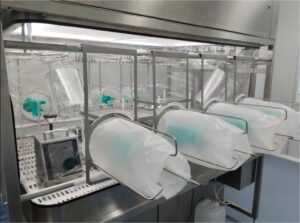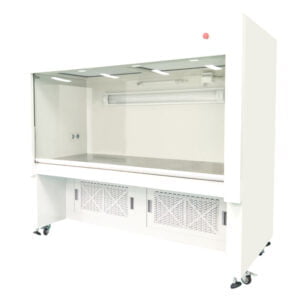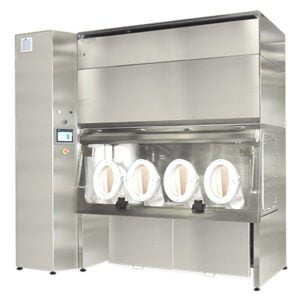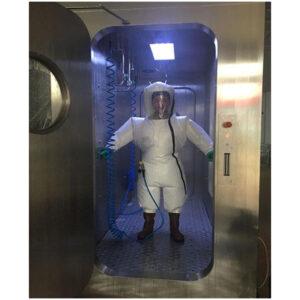
Bir proje ekibi, süreç gereksinimlerinin gerçek sınıflandırma kriterlerine göre test edilmeden önce erken aşamadaki kapsam belgesine “temiz oda” ifadesini yazdığında, bu tek kelime, bütçeyi sessizce HEPA filtreleme sistemlerine, özel duvar panellerine, onaylanmış temizlik protokollerine ve giyinme altyapısına tahsis edebilir — oysa bunların hiçbiri sürecin kendisi tarafından gerekçelendirilemeyebilir. Bu uyumsuzluk, çözülmesinin maliyetinin düşük olacağı planlama aşamasında nadiren ortaya çıkar; genellikle, aşırı ayrıntılı bir kapsamın geri alınmasının yeniden tasarım, gecikmiş yeterlilik ve halihazırda devam eden tedarikçi müzakereleri açısından gerçek maliyetler doğurduğu tedarik veya devreye alma aşamalarında ortaya çıkar. Hangi yolun savunulabilir olduğunu belirleyen pratik soru, alanın genel anlamda “temiz” olması gerekip gerekmediği değil, partikül sınıflandırması, sürekli çevre izleme veya belgelenmiş yeterliliklerin süreç tarafından ya da bir sonraki aşamadaki müşteri tarafından gerçekten gerekli olup olmadığıdır. Aşağıda yer alan bilgiler, alıcılara teklif talebi (RFQ) yazılmadan önce bu kararı vermeleri için pratik bir temel sunar.
Kontrollü Ortam İhtiyaçları Her Zaman Temiz Oda İhtiyaçları Anlamına Gelmez
Sadece sabit sıcaklık, nem ve basınca ihtiyaç duyan bir alan için temiz oda sınıfı kontrol sistemlerini öngörmek, ihtiyatlı bir tercih değil, bir kapsam hatasıdır — ve bu fark, ne tür ekipmanlar satın alacağınız, nasıl inşa edeceğiniz ve daha sonra operasyonları sürdürmek için ne kadar harcama yapacağınız üzerinde doğrudan sonuçlar doğurur.
Kontrollü bir ortam, fiziksel parametreleri yönetir: sıcaklık aralıkları, bağıl nem, bitişik alanlar arasındaki basınç farkları ve kontrolsüz alanlardan fiziksel olarak ayrıştırma. Bunlar gerçek mühendislik gereklilikleridir ve bunların karşılanması için gerçek kaynaklar gereklidir. Kontrollü bir ortamın gerektirmediği şeyler ise HEPA veya ULPA filtreleme, ISO partikül sınıflandırması, sertifikalı partikül sayımı testleri ya da temiz oda yapımının gerektirdiği özel duvar, tavan ve zemin sistemleridir. Bu ayrım önemlidir çünkü temiz odaya özgü bu gerekliliklerin her biri, hem sermaye maliyeti hem de devreye alınmasından sonra ortadan kalkmayan sürekli işletme maliyeti gerektirir.
| Gereksinim | Kontrollü Ortam | Temiz Oda |
|---|---|---|
| Filtrasyon | HEPA/ULPA gerekmez; temel hava işleme sistemi yeterli olabilir | HEPA veya ULPA filtreleme gereklidir |
| Parçacık sınıflandırması | ISO sınıfı yok; partikül sayısı sınırları yok | Sertifikalı sınır değerlere sahip ISO sınıflandırması (örn. ISO 5, 7, 8) |
| İnşaat ve malzemeler | Standart yapı, daha düşük maliyetli malzemeler | Özel temiz oda inşaatı, daha yüksek maliyetli malzemeler |
| Temel kontrol parametreleri | Sıcaklık, nem, basınçlandırma, ayrıştırma | Sıcaklık, nem, basınçlandırma, ayrıca partikül kontrolü ve hava akış düzenleri |
Buradaki tedarik açısından sonuç açıktır: Eğer alanınızı düzenleyen süreç bir partikül sınıfı belirtmiyorsa, belgelenmiş partikül maruziyet sınırları gerektiren ürünler içermiyorsa ve ISO sınıflandırma kanıtı gerektiren denetim beklentilerine tabi değilse, o zaman temiz oda sınıfında inşaat ve ekipman belirtmek tesisi daha uyumlu hale getirmez — bunun yerine, buna karşılık gelen bir risk azalması olmaksızın, tesisin inşasını daha pahalı ve bakımını daha zor hale getirir. Temiz oda sınıfına yükseltme, ancak süreç gerçekten bir temiz odanın sağladığı şeyleri gerektirdiğinde haklıdır: sadece temiz görünen bir tesis değil, sertifikalı ve test edilmiş partikül kontrolü.
Sınıflandırmayı Genel Kontrolden Ayıran Testler
Temiz oda sınıflandırması, sertifikalandırılmış ve test edilmiş bir durumdur — bir tasarım amacı ya da tesisin temiz ve kontrollü göründüğü için yapıştırılan bir etiket değildir. Bu ayrım, planlama aşamasında en sık bulanıklaşan sınırdır.
ISO 14644-1:2015 standardına göre, temiz oda sınıflandırması, mekan içindeki tanımlanmış örnekleme noktalarında ölçülen partikül konsantrasyonlarına göre belirlenir. Standart, metreküp başına izin verilen maksimum konsantrasyonları belirler: ISO Sınıf 5, metreküp başına 0,5 μm ve üzeri partiküllerin sayısının 3.520’yi geçmemesini şart koşarken, ISO Sınıf 8 aynı boyut eşiğinde 3.520.000 partiküle kadar izin verir. Bu rakamlar, bir tesisin doğru ekipmanı seçerek pasif olarak ulaşacağı tasarım hedefleri değildir; bunlar, tanımlanmış kullanım koşulları altında, kalibre edilmiş cihazlar kullanılarak, standardın metodolojisine göre hesaplanan numune alma noktalarında ve miktarlarda gerçekleştirilen resmi partikül sayım testleri yoluyla doğrulanması gereken kabul kriterleridir.
Buna karşılık, kontrollü bir ortamda buna eşdeğer bir sınıflandırma gerekliliği bulunmamaktadır. Geçilmesi gereken bir partikül sayımı testi, sürdürülmesi gereken bir sertifika ya da planlanması gereken periyodik bir yeniden sertifikalandırma yoktur. Eğer alan, partikül kontrolü zorunluluğu olmaksızın sıcaklık, nem veya basıncı yönetiyorsa, sınıflandırmanın olmaması bir eksiklik değildir — bu, sürecin dayattığı bir gereklilik değildir. Bunun pratikteki sonucu şudur: Süreç bu standardı gerektirmediği halde bir tesisi ISO 14644-1 kriterlerine göre değerlendiren herkes, denetlenebilir bir amaca hizmet etmeyen bir uyum yükü yaratmaktadır.
Bu durum, proje belgelerinde gayri resmi olarak kullanılan “temiz odaya eşdeğer” ifadesinin de gerçek bir risk oluşturduğu anlamına gelir. Temiz odaya benzeyecek şekilde tasarlanmış ancak hiçbir zaman bir ISO sınıfına göre sertifikalandırılmamış bir alan, düzenleyici kurum denetimlerinde veya müşteri denetimlerinde bu sınıfta yer aldığı iddiasıyla savunulamaz. Sertifikasyon ve testler, sadece inşaat malzemeleri değil, temiz odanın kendisiyle ilgilidir.
Aşırı Spesifikasyonun Maliyet ve Bakım Üzerindeki Etkileri
Kontrollü bir ortamın “temiz oda” olarak aşırı derecede tanımlanması, genellikle birbirini pekiştiren iki şekilde maliyetleri artırır: özel inşaat ve filtreleme gereklilikleri nedeniyle ilk satın alma bütçesi yükselir ve temiz oda düzeyindeki kontroller, süresiz olarak farklı bir bakım ve personel modeli gerektirdiği için sürekli işletme maliyetleri artar.
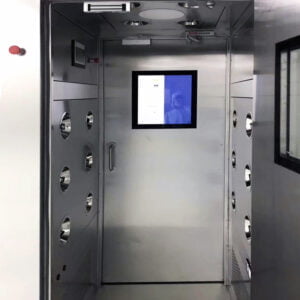
Sermaye tarafı erken aşamada göze çarpar — HEPA filtreleme sistemleri, temiz oda standartlarına uygun paneller ve tavanlar, hava duşları ve geçiş odaları, tümü inşaat maliyetine dahil edilir. Genellikle göz ardı edilen ise, bunu takip eden işletim modelidir. Temiz oda operasyonları, resmi giyinme prosedürleri, temiz oda davranış protokollerini anlayan eğitimli personel, onaylanmış temizlik maddeleri kullanılarak doğrulanmış temizlik prosedürleri ve inceleme gerektiren kayıtlar oluşturan planlı izleme gerektirir. Bu gerekliliklerin hiçbiri, yeterlilik değerlendirmesinden sonra ortadan kalkmaz. Bunlar, işçilik, sarf malzemeleri, eğitim yenileme ve üçüncü taraf sertifikasyonu kalemlerinde tekrarlayan giderler haline gelir.
| Operasyonel Faktör | Kontrollü Ortam Standardı | Temiz Oda Sınıfı (Spesifikasyonların Üzerinde) | Maliyet ve Bakım Üzerindeki Etkisi |
|---|---|---|---|
| Kıyafet ve giyim | Daha az katı, temel KKD | Tam giyinme, hava duşları | Giysi maliyetinin artması, çamaşır yıkama, zaman, eğitim |
| Eğitim gereksinimleri | Temel hijyen, süreç eğitimi | Kapsamlı temiz oda uygulamaları, kalite kontrol | Artan eğitim yükü, devam eden uyum maliyetleri |
| Ekipman ve inşaat | Standart malzemeler, HEPA/ULPA yok | Uzmanlaşmış temi̇z oda eki̇pmanlari, HEPA/ULPA filtreleme | Şişirilmiş satın alma bütçesi |
| Bakım karmaşıklığı | Daha basit, daha az protokol | Karmaşık bakım, temizlik protokolleri, izleme | Daha yüksek sürekli işletme maliyeti |
Buradaki başarısızlık örneği dramatik değildir — genellikle tek bir büyük bütçe aşımına yol açmaz. Bunun yerine, aslında hiçbir zaman partikül kontrolüne ihtiyaç duymayan bir süreç için sürekli olarak daha yüksek işletme maliyetleri şeklinde ortaya çıkar; bu durum, rutin müdahaleleri, uygun şekilde tanımlanmış bir kontrollü ortamda olacağından daha yavaş ve daha pahalı hale getiren bakım karmaşıklığına yol açar. Bu maliyetler fark edildiğinde, daha düşük bir spesifikasyona göre yeniden donatım yapmak nadiren pratik olur; altyapı zaten kurulmuştur, doğrulama belgeleri temiz oda beklentilerini zaten belirlemiştir ve kontrollü koşullarda yapılacak herhangi bir değişiklik yeniden doğrulama yükü yaratır. Spesifikasyonu çözmek için doğru zaman, tesis inşa edildikten sonra değil, URS (Kullanım Gereksinimleri Spesifikasyonu) kesinleştirilmeden öncedir.
Kapsam Genişlemesini Önleyen URS Dili
Kullanıcı gereksinim spesifikasyonu, temiz oda ile kontrollü ortam arasında yapılacak seçimin ya net bir şekilde çözüldüğü ya da yanlış bir şekilde sabitlendiği yerdir. Kapsam genişlemesinin çoğu, gereksinimleri kasıtlı olarak aşırı detaylandırma tercihinden kaynaklanmaz; süreç gereksinimleri eleştirel bir şekilde incelenmeden önce, URS metninde varsayılan olarak temiz oda terminolojisinin kullanılması nedeniyle ortaya çıkar.
Sorun noktası tahmin edilebilir: Bir proje ekibi URS’yi erken bir aşamada hazırlar, önceki bir projeden veya şablondan ifadeler alır ve “temiz” kelimesinin kısaltması olarak “temiz oda”, “HEPA filtreli ortam” veya “sınıflandırılmış alan” gibi terimler kullanır. İhale süreci başladığında ise bu terimler teknik gereklilikler haline gelmiş olur. Tedarikçiler tekliflerini bu gerekliliklere göre hazırlar, inşaat çizimleri bunları yansıtır ve temiz oda kapsamını projeden çıkarmak için gereken maliyet, baştan itibaren bu kapsamı hiç dahil etmemekle ortaya çıkacak maliyetin çok ötesine çıkar.
Bu durumun önlenmesi için, belgeye herhangi bir temiz oda terimi eklenmeden önce URS’nin belirli soruları yanıtlaması gerekir.
| URS Elemanı | Neler Belirtilmelidir? | Belirsizlik veya Temiz Oda Seçeneğine Varsayılan Olarak Geçiş Durumunda Ortaya Çıkan Risk |
|---|---|---|
| Temizlik sınıfı | ISO sınıflandırmasının gerekli olup olmadığı ya da sadece kontrollü koşulların yeterli olup olmadığı | Temiz oda sınıfının varsayılması, gereksiz teknik özelliklerin eklenmesine ve maliyetin şişirilmesine yol açar |
| Sıcaklık/nem aralıkları | Accurate required operating ranges, not unnecessarily tight tolerances | Unjustified tight tolerances increase HVAC complexity and cost |
| Basınç farkları | Required pressure cascade values and direction, if any | Over-engineering pressurization for non-critical areas |
| Düzenleyici gereklilikler | Applicable regulations (GMP, FDA, none) and documentation level | Adopting full cleanroom validation when not mandated |
| Malzeme uyumluluğu | Materials compatible with the actual process, not cleanroom-specific finishes | Paying for expensive cleanroom-compatible materials where standard alternatives suffice |
Each element in that table represents a decision the buyer must resolve explicitly, not a field that defaults to the more stringent option by omission. If the cleanliness class field cannot be answered with a specific ISO class backed by a process requirement or regulatory mandate, the correct entry is not “ISO Class 8” — it is “no classification required.” If the regulatory requirements field does not reference GMP, FDA, or an equivalent framework that actually applies to the process, the validation scope should not be written as if it does.
For facilities teams navigating the early stages of a project, the Complete Modular Cleanroom Guide for Facility Managers and Operations Directors covers how design decisions flow from specification inputs — which helps clarify what the URS is actually committing to before the document is finalized.
The practical standard for URS language is that every cleanroom-grade requirement should trace back to a stated process need, a named regulation, or an explicit customer expectation. If it cannot, it should not be in the document.
Cleanroom Procurement Triggers That Justify The Upgrade
Cleanroom-grade procurement is justified by specific, verifiable conditions — not by general cleanliness expectations, industry convention, or the assumption that a more controlled environment is always more defensible.
Five conditions, when present, provide a rational basis for cleanroom specification. If none of them apply to the process or the customer relationship, the controlled environment path is generally the more appropriate choice.
| Tetikleyici Durum | What It Typically Requires | Açıklığa Kavuşturulması Gerekenler |
|---|---|---|
| Parçacık sınıflandırması | ISO class, certified particle-count testing, periodic recertification | Which ISO class, area coverage, sampling point locations |
| Sürekli izleme | Installed particle counters, data logging, alert thresholds | Monitoring locations, parameters, alarm criteria, data retention |
| Temizlik protokolleri | Validated cleaning procedures, approved agents, cleaning training | Cleaning frequency, allowable chemicals, residue limits |
| Specialized airflow | HEPA/ULPA filtration, pressure cascades, defined air velocities | Filter efficiency, air change rates, pressure differentials |
| Documented qualification | IQ/OQ/PQ protocols, formal test reports, compliance evidence | Scope of qualification, acceptance criteria, deliverables |
Each of those triggers carries a follow-on clarification requirement. “Particle classification” is not just a statement that a class is needed — it requires knowing which ISO class, how many sampling points the space demands, and what occupancy state the classification will be verified under. “Documented qualification” is not just a preference for paperwork — it requires knowing whether IQ/OQ/PQ protocols are contractually required, what the acceptance criteria are, and who is responsible for generating and approving the test reports.
Industry benchmarking can help calibrate where a process typically falls, though these are practitioner-level reference points rather than formal regulatory assignments.
| Space / Application | Typical Classification Need | Example Use |
|---|---|---|
| İlaç üretimi | Cleanroom (ISO 5–8) | Aseptik dolum |
| Yarı iletken üretimi | Cleanroom (ISO 3–5) | Wafer lithography |
| Biotechnology production | Cleanroom (ISO 5–7) | Cell therapy production |
| Packaging rooms | Kontrollü ortam | Clean but unclassified packaging area |
| CMM rooms | Kontrollü ortam | Dimensional inspection |
| Stability chambers | Kontrollü ortam | Drug stability studies |
Pharmaceutical aseptic filling, semiconductor wafer lithography, and cell therapy production routinely require cleanroom classification because the product risk and regulatory context demand documented particle control. Packaging rooms, coordinate measuring machine environments, and stability chambers typically do not — their primary requirements are environmental stability and segregation, which a controlled environment addresses without ISO classification overhead.
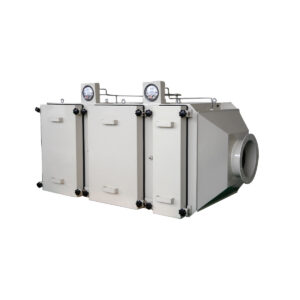
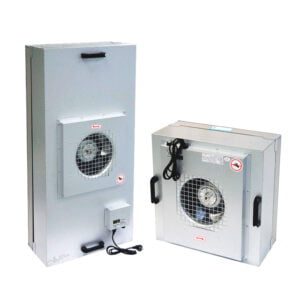
The practical check before issuing an RFQ is whether each trigger condition appears explicitly in the process documentation, the regulatory framework, or the customer contract. If a trigger appears only in a project assumption or a borrowed template, it warrants a direct question to the process owner or quality team before the specification is sent to suppliers. A Fan Filtre Ünitesi ya da bir modüler temiz oda procurement that turns out to be unnecessary is difficult to reverse once it has been written into a contract; confirming the trigger conditions beforehand costs a conversation, not a change order.
The most consequential step in this decision sequence is the one that happens before the RFQ: confirming whether any of the five trigger conditions — particle classification, continuous monitoring, validated cleaning, specialized airflow, or documented qualification — is actually required by the process, the applicable regulation, or a downstream customer. If none of those conditions can be traced to a concrete source, the controlled environment specification is not a compromise; it is the correct scope.
What buyers should carry into the pre-RFQ conversation is a short set of resolved questions: Does the process generate a particle exposure risk that requires certified limits? Does the regulatory framework governing this facility invoke ISO 14644-1 or an equivalent standard? Does a customer contract specify a classified environment? If the answers are no, uncertain, or “we’ve always done it this way,” the URS needs a cleanliness-class review before any supplier scope is finalized — because that review, done at the document stage, is the lowest-cost point at which a scope error can still be corrected without consequence.
Sıkça Sorulan Sorular
Q: Our process has no formal regulatory framework — does that mean a controlled environment is automatically the right choice?
A: Not automatically, but the absence of a regulatory mandate removes one of the strongest justifications for cleanroom-grade specification. The relevant check is whether a downstream customer contract, an internal quality agreement, or the product’s own risk profile independently requires particle classification or documented qualification. If none of those sources impose a particle class, a controlled environment is likely appropriate — but the determination should come from reviewing those three sources explicitly, not from assuming that “no regulation” equals “no classification required.”
Q: Once a URS has been finalized with cleanroom language, how difficult is it to walk the specification back before the RFQ goes out?
A: Correcting cleanroom language in a URS before the RFQ is issued is significantly easier than after — but it still requires a formal change, sign-off from the process owner and quality team, and a review of any downstream documents that referenced the original URS. The practical risk is that borrowed cleanroom terminology can propagate into design briefs, validation plans, and internal budget approvals before anyone flags the mismatch. The earlier the review happens — ideally at a structured URS checkpoint before any supplier contact — the fewer documents need to be revised and the lower the reversion cost.
Q: Is there a point at which a process grows complex enough that a controlled environment can no longer manage the risk, and cleanroom classification becomes necessary mid-project?
A: Yes. The threshold is reached when the process introduces a product risk or a customer requirement that demands certified particle limits, continuous monitoring records, or formal qualification protocols — conditions that a controlled environment was not designed to satisfy and cannot be audited against. In practice, this most often occurs when a facility transitions from development-scale work to commercial production under GMP, when a new customer contract specifies an ISO class, or when a regulatory inspection identifies unclassified areas that the applicable framework actually requires to be classified. Anticipating that transition at the design stage — by building a controlled environment with a layout and infrastructure that could support a cleanroom upgrade without full reconstruction — is a lower-risk approach than treating the two as permanently separate paths.
Q: How does the ongoing cost comparison between a cleanroom and a controlled environment typically play out over a three-to-five-year horizon?
A: The gap widens considerably over time because cleanroom operational costs — gowning consumables, periodic recertification, validated cleaning agents, monitoring system maintenance, and personnel training renewal — are recurring rather than one-time. A controlled environment carries lower initial capital cost and a materially simpler operational model with less stringent attire requirements, no scheduled particle-count recertification, and fewer documented protocols to maintain. For a process that never actually required particle classification, that recurring overhead represents cost with no corresponding compliance return. The article does not provide specific figures for this gap, but the structural difference in operational models means the total cost of ownership diverges from commissioning onward, not just at the build stage.
Q: If a project is genuinely on the boundary — some process steps seem to warrant classification and others do not — is it defensible to specify a cleanroom for part of the facility and a controlled environment for the rest?
A: Yes, and for borderline projects this is often the more defensible approach than applying cleanroom specification uniformly across the entire footprint. The practical requirement is that the boundary between the classified and uncontrolled zones be defined in the URS with explicit pressure differential, airflow, and gowning transition requirements, and that the classified zone’s ISO class be traceable to a specific process step or regulatory trigger rather than a general cleanliness preference. Applying ISO 14644-1 classification only to the areas where the trigger conditions are genuinely met limits both the capital cost and the ongoing operational overhead to the portions of the facility where that investment is actually justified.