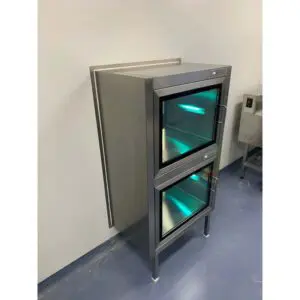
Malzeme tehlike sınıfını önceden belirlemeden toz işleme amaçlı bir dağıtım kabini seçmek, bir proje ekibinin yapabileceği en maliyetli şartname hatalarından biridir. Bu hata hemen ortaya çıkmaz — SMEPAC tarzı bir değerlendirme veya EHS incelemesi sırasında gün yüzüne çıkar; o noktada ekipman çoktan satın alınmış, kurulmuş ya da onay sürecine yaklaşmış durumdadır. Bu aşamada bir izolatöre veya sızdırmaz muhafazaya geçmek, önemli maliyetler, zaman baskısı ve bazen de URS’nin yeniden başlatılmasını gerektirir. Bunu önleyen eşik, çoğu satın alma talimatında belirtilenden daha basittir: OEL nedir, aktarım ne kadar enerjik ve tesis, kontrol kanıtı olarak hangi doğrulama yöntemini kabul edecektir?
Koruma Performansı İddialarının Arkasındaki Madde Tehlikesi Verileri
Bir dağıtım kabininin sızıntı önleme performansı, işlenmesi amaçlanan malzemeden ayrı olarak değerlendirilemez. Düşük potensli bir yardımcı madde için yeterli performans gösteren bir kabin, mesleki maruz kalma sınırı mikrogramın altında olan bir aktif ilaç maddesi (API) için anlamlı bir koruma sağlamayabilir. Bu, hava akışı tasarımının kalitesiyle ilgili bir mesele değildir; asıl mesele, doğru ekipman sınıfının seçilip seçilmediğidir.
Herhangi bir muhafaza spesifikasyonunun başlangıç noktası, malzemeye özgü bir tehlike değerlendirmesidir: etki gücü, toksisite profili ve bu toksikoloji çalışmasından türetilen OEL. Bu OEL, bir mesleki maruziyet aralığına karşılık gelir; bu aralık da sürecin gerektirdiği mühendislik kontrol seviyesini belirler. Tehlikeli maddeler içeren farmasötik ürünlere yönelik WHO GMP kılavuzu, daha yüksek riskli süreçlerin orantılı olarak daha sıkı mühendislik kontrolleri gerektirdiği ilkesini desteklemektedir — bu, kuralcı bir ekipman zorunluluğu olarak değil, proje ekiplerinin savunulabilir kanıtlarla yerine getirmeleri gereken risk temelli bir tasarım yükümlülüğü olarak değerlendirilmelidir.
Tehlike aralığı tek başına hangi ekipmanın kullanılacağını belirlemez. Yalnızca uygun seçeneklerin kapsamını daraltır.
| OEB Seviyesi | OEL Aralığı | Tipik Sınırlama Yaklaşımı |
|---|---|---|
| OEB 1–3 | >100 μg/m³ | Standart temiz hava kabini veya genel kontrol sistemleri |
| OEB 4 | 1–10 μg/m³ | İzolasyon kabini |
| OEB 5 | <1 μg/m³ | İzolatör |
Ekiplerin en sık yaptığı hata, erken aşama toksikoloji çalışmalarından elde edilen OEB tahminini, nihai bileşik verileri elde edildiğinde yeniden gözden geçirmeden uygulamaya devam etmektir. Başlangıçta OEB 3 olarak sınıflandırılan ancak daha sonra OEB 4 olarak belirlenen bir malzeme, kabin spesifikasyonunu tamamen değiştirir — ve ekipman seçimi yapıldıktan sonra yapılan bu revizyon, maliyetli yeniden çalışma sürecinin başladığı noktadır.
Havadaki Toz Riskini Artıran Açık Taşıma Aşamaları
Dağıtım süreci boyunca sızıntı önleme performansı tutarlı değildir. Bir aktarım işlemi sırasında ortaya çıkan havada asılı toz yükü, gerçekleştirilen fiziksel eyleme büyük ölçüde bağlıdır ve standart bir dağıtım iş akışındaki bazı adımlar, diğerlerine kıyasla önemli ölçüde daha fazla emisyon riski oluşturur.
Konteynerlerin açılması, ara dökme konteynerlerinin kapaklarının çıkarılması ve aktif toz transferlerinin gerçekleştirilmesi — özellikle malzemenin döküldüğü, kepçeyle alındığı veya yükseklikten düşürüldüğü durumlarda — dağıtım döngüsündeki en yüksek emisyonlu anlardır. Bunlar, operatörün solunum bölgesinin havadaki partiküllere en doğrudan maruz kaldığı ve kabinin sızıntı önleme performansının en zorlu şekilde sınandığı adımlardır. Düşük enerjili, yarı statik koşullar altında doğrulanmış bir kabin hava akışı spesifikasyonu, bu aktif aktarım olayları sırasındaki performansı yansıtmayabilir.
Bu, şartname açısından önemlidir; çünkü doğrulama yöntemi ve test senaryosu, ortalama bir görev değil, en kötü durumdaki aktarım adımı temel alınarak tasarlanmalıdır. Bir kabin değerlendirmesi yalnızca hafif toplama veya düşük bozulmalı işlemeyi simüle ederse, agresif toz transferleri sırasında ortaya çıkan performans eksikliklerini ortaya çıkarmayacaktır. Bir URS hazırlarken veya bir kabul testinin kapsamını tanımlarken, dağıtım sırasındaki her bir farklı transfer faaliyetini belgelendirin ve hangi adımların en yüksek toz salım enerjisini içerdiğini belirleyin. Bu adımlar, kabinin sadece nominal koşullarda işleyebilmesi değil, içermesi gerektiği kanıtlanması gereken senaryoları tanımlar.
Bunun pratikteki anlamı şudur: Kontrol edilen belirli elleçleme işlemlerini tanımlamayan bir dağıtım kabini şartnamesi, henüz bir muhafaza şartnamesi değildir. Bu, bir tedarik tanımlamasıdır.
Tedarikçilerin Hava Akışı Verileri ile Maruz Kalma Kontrolüne İlişkin Kanıtların Karşılaştırılması
Dağıtım kabinlerine ilişkin tedarikçi belgeleri genellikle hava akış hızı profillerini, HEPA filtreleme verimliliğini ve bazı durumlarda üreticinin tesisinde elde edilen SMEPAC test sonuçlarını içerir. Bu veriler, değerlendirme ve karşılaştırma açısından yararlıdır. Ancak bunlar, kurulu yalıtım sistemine ilişkin kanıtların yerini almaz.
Fabrika SMEPAC verilerinin temel sınırlaması, bu verilerin kontrollü test koşulları altında üretilmiş olmasıdır: tutarlı bir ikame toz, eğitimli test operatörleri, birbiriyle çakışan hava akımlarının olmadığı sabit bir test odası ve yeni durumda ekipman. Bu değişkenlerin hiçbirinin bir işletme sahasında geçerli olacağı garanti edilemez. Malzeme özellikleri — parçacık boyutu dağılımı, yığın yoğunluğu, akışkanlık — ikame laktoz ile gerçek bileşik arasında farklılık gösterir. Bitişik ekipmanlardan gelen oda hava akımları, HVAC farkları ve kapıların açılması, fabrika verilerinin yakalayamadığı şekillerde muhafaza alanını değiştirir. Çalışma süresi boyunca ekipman aşınması, performansı daha da düşürür.
Tedarikçilerin iddialarının ölçülebilir bir performans hedefiyle hiçbir şekilde bağlantılı olmadığı durumlarda daha somut bir endişe ortaya çıkmaktadır. Maruz kalma sınırı veya doğrulama yöntemi belirtmeyen bir “çalışma ortamı” garantisi, alıcıya uygunluğu teyit edecek hiçbir dayanak bırakmaz — ve kurulum sonrası performans beklentilerin altında kalırsa sözleşmeye dayalı bir dayanak da olmaz. Tanıtım amaçlı bir güvence ile tanımlanmış bir maruz kalma önleme performans seviyesi arasındaki bu boşluk, tam da tedarik şartnamelerinin kapatması gereken boşluktur.
| Tedarikçi Talebi/Verileri | Sınırlama | Açıklığa Kavuşturulması Gerekenler |
|---|---|---|
| Üreticinin tesisinde oluşturulan SMEPAC verileri | Performans, ideal laboratuvar koşulları altında ölçülmüştür; sahaya özgü malzemeleri, operatörün uyguladığı tekniği, ortam koşullarını veya sistemdeki aşınmayı yansıtmamaktadır. | Gerçek madde ve prosese dayalı bir yerinde doğrulama planı talep edin |
| “Belirli bir maruz kalma sınırı veya yöntemi bulunmayan ”Garantili Çalışma Ortamı” | Ölçülebilir bir maruz kalma kontrol hedefi bulunmamaktadır; garanti, tanımlanmış bir performans düzeyiyle bağlantılı değildir | Bu iddianın dayandığı spesifik maruz kalma sınırını ve doğrulama yöntemini sorun |
Bu noktada yapılacak satın alma kontrolü oldukça basittir: Tedarikçiden, ekipmanın uyması için tasarlandığı spesifik maruz kalma sınırını ve bunu doğrulamak için kullanılan yöntemini belirtmesini isteyin. Bu sorulardan herhangi birine cevap verilmezse, performans iddiası henüz bir teknik şartname sayılmaz.
Etkili Bileşiklerin Kullanımına İlişkin Doğrulama Seçenekleri
SMEPAC testi, dağıtım kabinlerinin sızıntı önleme performansını değerlendirmek için en yaygın olarak kullanılan karşılaştırmalı yöntemdir ve yapılandırılmış bir referans noktası sağlar. Protokol, tanımlanmış koşullar altında toz işleme sürecini simüle etmek için bir ikame malzeme (genellikle mikronize laktoz) kullanır; bu süreçte, en az üç test çalışması boyunca operatörün solunum bölgesinde ve sabit referans konumlarında numune alınır. Bu yaklaşımın yapılandırılmış tekrarlanabilirliği, ekipman seçeneklerini karşılaştırmak ve kabul aşamasında nominal performansı kanıtlamak için yararlıdır.
SMEPAC’ın yapmadığı şey, gerçek çalışma koşulları altında operatörün söz konusu bileşiğe maruz kalma düzeyini ölçmektir. Yedek toz, parçacık boyutu, yoğunluk ve dağılım özellikleri açısından aktif ilaç maddelerinden (API’ler) farklı davranış gösterir. Bir SMEPAC sonucu, test senaryosu dahilinde bir yetkinliği gösterir; ancak farklı bir malzeme ve farklı bir operatör tekniği kullanıldığında eşdeğer bir sızıntı önleme seviyesine ulaşılacağını garanti etmez. Daha yüksek riskli bileşikler için bu eksiklik, göz ardı edilmemeli, ek doğrulama adımlarıyla giderilmesi gereken bir risk olarak ele alınmalıdır.
Tamamlayıcı yaklaşımlar arasında, simüle edilmiş proses koşulları altında düşük konsantrasyonda gerçek bileşiğin kullanıldığı izleyici çalışmaları veya rutin operasyonlar sırasında havaya salınımı temsil eden bir gösterge olarak yüzey kontaminasyonunu izleyen silme örnekleme programları yer alır. Uygun doğrulama yöntemi, malzemenin OEB değerine, prosesin transfer enerjisine ve tesisin kendi risk iştahına ve mevzuat çerçevesine bağlıdır. OEB 3 ve altındaki malzemeler için, iyi yürütülmüş bir SMEPAC değerlendirmesi yeterli bir gerekçe olabilir. Kontrol yöntemi olarak kabin seçilen OEB 4 bileşikleri için, doğrulama planı SMEPAC sonucunun sınırda olması durumunda ne olacağını ele almalıdır — çünkü yerinde değerlendirmenin başarısız olmasının sonraki aşamadaki sonucu, parametre ayarlaması değil, ekipman değişimidir.
Doğrulama protokolünü ekipman alımından önce, sonra değil, planlamak, bir ekibin URS’de kabul kriterlerini belirlemesine ve tedarikçiyi gerçek bileşik ve süreci yansıtan bir performans standardına uymaya zorlamasına olanak tanır.
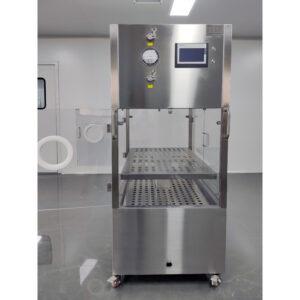
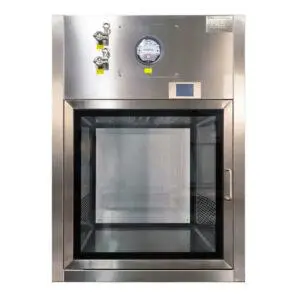
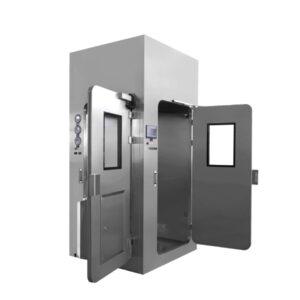
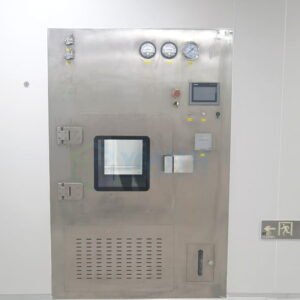
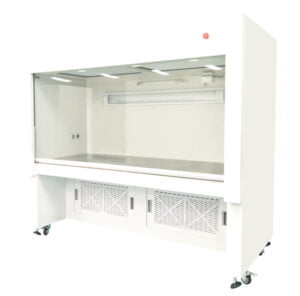
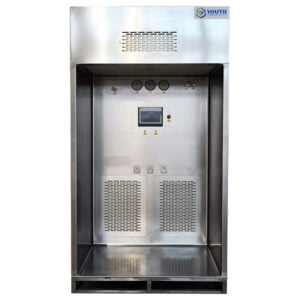
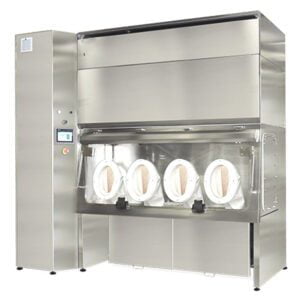
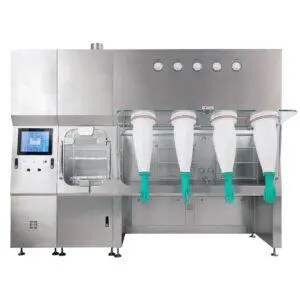
Bu standartla stand konfigürasyonlarını karşılaştıran ekipler için, sızıntı önleme özellikli muhafaza ile temel laminer akış ünitesi arasındaki fark, çoğu tedarik takviminde öngörülenden daha erken bir aşamada önem kazanır. Bu Youth Filter’ın dağıtım, numune alma ve tartım kabinleri konfigürasyonları bu aralıkta mevcut olan seçenekler için bir referans noktası sunmak.
Standart Stand Seçimi Öncesi Eskalasyon Noktası
Bu ekipman kategorisinde en ciddi sonuçlara yol açan spesifikasyon hatası, muhafaza kapasitesini aşan bir bileşik için standart bir aşağı akışlı kabinin seçilmesidir. Bu hata, erken aşamadaki projelerde sıkça görülür; zira OEB sınıflandırması henüz kesinleşmemiş olabilir ve muhafaza gereklilikleri tam olarak netleşmemişken proje ekipleri, aşağı akışlı kabinleri tanıdık ve maliyet açısından uygun bir seçenek olarak tercih ederler.
Standart kabinlerin etkinliğinin bozulmaya başladığı sınır OEB 4’tür. Bu tehlike aralığında, açık yüzlü konfigürasyonda çalışan bir aşağı akışlı kabin, hava akışı doğru bir şekilde belirlenmiş ve korunmuş olsa bile, malzemenin gerektirdiği muhafaza performansını güvenilir bir şekilde sağlayamayabilir. Operatör ile toz salınım bölgesi arasında fiziksel bir bariyer bulunmayan açık yüzlü muhafazaların fiziksel özellikleri, oda havasındaki dalgalanmaların, operatörün hareketlerinin ve transfer enerjisinin, hava akışı yönetiminin tek başına tutarlı bir şekilde üstesinden gelemeyeceği şekillerde muhafaza zarfını bozabileceği anlamına gelir. Bu, OEB 4 seviyesindeki tüm kabin tasarımlarını genel olarak geçersiz kılan bir durum değildir; ancak varsayılan yeterlilikten ziyade kanıtlanmış performans delilleri gerektiren bir tasarım sınırıdır.
| OEB Seviyesi | Standart Standın Uygulanabilirliği | Dikkate Alınması Gereken Eylem |
|---|---|---|
| OEB 1–3 | Genel olarak düşük riskli tozlar için yeterlidir | Standart izolasyon kabini veya temiz hava odası yeterli olabilir |
| OEB 4 | Yalnızca aşağı akışlı kabinler genellikle gerekli sızıntı önleme düzeyini güvenilir bir şekilde sağlayamaz | Gerçek kullanım koşullarında kanıtlanmış yalıtım performansı şartı aranmalıdır; sızdırmaz bir muhafaza (izolatör) gerekip gerekmediğini değerlendirin |
| OEB 5 | Uygulanabilir değil | Bir izolatör veya kapalı sistem seçin |
Kapalı bir bölmeye (izolatör veya kapalı transfer sistemi) geçiş kararı, yalnızca sınıflandırma kriterlerine göre değil, gerçek kullanım koşullarında muhafaza özelliğinin kanıtlanıp kanıtlanamayacağına dair bir değerlendirmeye dayanılarak alınmalıdır. Önerilen kabin tasarımıyla bu kanıtlama mümkün değilse veya doğrulama planı güvenilir bir şekilde kabul edilebilir bir sonuç veremiyorsa, doğru adım, ekipman spesifikasyonunu tedarik öncesinde yükseltmektir; başarısız bir yeterlilik değerlendirmesi sonrasında değil.
OEB 5 seviyesinde, hava akışı özelliklerinden bağımsız olarak açık önlü kabinler geçerli bir birincil kontrol yöntemi değildir. Maruz kalma sınırı, gerçek bir çalışma ortamında mevcut olan tüm koşullar kapsamında herhangi bir açık muhafazanın güvenilir bir şekilde sağlayabileceğinin altındadır.
OEB 4 sınırında yer alan ve bariyer temelli bir ara yaklaşımın değerlendirildiği süreçler için, bir Açık Kısıtlı Erişim Bariyer Sistemi (ORABS) tam bir izolatör kararına varılmadan önce değerlendirilmeye değer bir yapılandırma seçeneğini temsil eder — ancak doğrulama kanıtı gerekliliği aynı kalır.
Gerginliğin tırmanmasına neden olan faktörleri anlamak — ve ne zaman müdahale edilmesi gerektiğini belirlemek — bu konuyla ilgili tartışmada daha ayrıntılı olarak ele alınmaktadır: negatif basınç ile aşağı doğru akışın birlikte çalışması gerektiğinde.
Bir dağıtım kabininin sızıntı önleme performansı, ekipman seçiminden önce uyumlu hale getirilmesi gereken üç faktörün bir fonksiyonudur: maddenin tehlike sınıfı, aktarım aşamalarının enerjisi ve niteliği ile tesisin kontrol kanıtı olarak kabul edeceği doğrulama yöntemi. Bu faktörlerden herhangi biri tanımlanmamışsa veya teyit edilmek yerine varsayılmışsa, şartname eksik kalır — ve bunun sonuçları genellikle tedarik aşamasında değil, yeterlilik değerlendirmesi veya EHS incelemesi sırasında ortaya çıkar.
Karar vermeden önce yapılacak en yararlı kontrol, OEL’in nihai bileşik toksikolojisine dayandığını, en kötü senaryoya göre aktarım aşamalarının belgelenmiş olduğunu ve herhangi bir performans testine dahil edileceğini, ayrıca tedarikçinin ekipmanının bu sınırlara göre tasarlandığını gösteren ölçülebilir bir maruz kalma sınırı belirleyebildiğini doğrulamaktır. Bu üç unsurdan herhangi biri eksikse, satın alma taahhüdünde bulunmadan önce teknik şartnamenin daha ayrıntılı bir şekilde tanımlanması gerekir.
Sıkça Sorulan Sorular
S: Kompleksimizin nihai OEL değeri, geliştirme sürecinin son aşamalarına kadar belli olmayacak. Yine de bir dağıtım kabini belirlemeye devam edebilir miyiz?
C: Evet, ancak şartnamede yapılandırılmış bir yeniden değerlendirme aşaması yer alıyorsa. Mevcut en iyi toksikoloji verilerini kullanarak geçici bir OEB belirleyin ve güvenilir bir en kötü durum senaryosuna uygun genişlikte, belgelenmiş bir muhafaza alanına sahip ekipmanı seçin. Üretim onayı veya FAT öncesinde, nihai OEL'in teyit edilmesi ve ekipmanın uygunluğunun yeniden değerlendirilmesi gereken bir sözleşmeye bağlı inceleme noktası belirleyin. Bu kontrol noktası olmadan, daha sonra bir yenileme çalışmasını zorunlu kılabilecek bir varsayıma dayanarak satın alma işlemi gerçekleştirmiş olursunuz.
S: OEL’i, en kötü durum senaryosuna göre transfer adımlarını ve gerekli doğrulama yöntemini belgeledikten sonra, hava akışı verilerinin yanı sıra tedarikçilerden başka ne talep etmeliyiz?
C: Yalnızca tedarikçinin standart testini değil, gerçek aktarım diziliminizi simüle eden bir performans testi protokolü talep edin. Bu protokolde, ikame veya izleyici malzeme, spesifik kullanım hareketleri, numune alma konumları (özellikle operatörün solunum bölgesi), test denemelerinin sayısı ve maruz kalma sınırınızla bağlantılı kabul kriterleri tanımlanmalıdır. Bu, genel hava akışı kapasitesi yerine kurulu sistemi değerlendirmeniz için sözleşmeye dayalı bir temel sağlar.
S: OEB 4 seviyesinde, bir standart aşağı akışlı kabinin izolatöre yükseltilmesine gerek kalmadan kabul edilebilir hale gelmesi için ne tür bir performans kanıtı gerekir?
C: Kabin için, tozunuza özgü bir maruz kalma testi, en kötü senaryo koşulları altında gerçekleştirilmelidir; bu test genellikle yerinde izleyici çalışması veya gerçek bileşikle yapılan SMEPAC tarzı bir değerlendirme şeklinde olur. Sonuçların, birden fazla deneme boyunca malzemenin maruz kalma sınırının altında kalması ve yeterli bir güvenlik marjı sağlaması gerekir. Kabinin laktoz ile yapılan bir fabrika testini geçmesi yeterli değildir; açık yüzlü konfigürasyonun, operatör hareketleri, odadaki çapraz hava akımları ve yüksek enerjili transferler söz konusu olduğunda da sızıntı önleme özelliğini koruyabildiğini kanıtlaması gerekir. Bu kanıtın bulunmaması durumunda, yalnızca yeterlilik varsayımı risk temelli tasarım yükümlülüğünü karşılamaz.
S: Nihai muhafaza kararını vermek amacıyla, ikame tozu kullanılan bir SMEPAC testi ile gerçek bileşikle yapılan yerinde izleyici testi arasında ne gibi farklar vardır?
C: SMEPAC, “bu ekipman tasarımı kontrollü koşullar altında bir tozu tutabilir mi?” sorusuna yanıt verirken, yerinde izleyici testi ise “tesisimde, operatörlerim eşliğinde kurulu bu ekipman, benim bileşiğimi tutuyor mu?” sorusuna yanıt verir. SMEPAC, yararlı bir eleme ve kabul kriteridir; ancak partikül davranışları ve ortam etkileri farklılık gösterdiğinden, SMEPAC testinden başarılı bir sonuç alınması, gerçek malzemeyle güvenli çalışmayı garanti etmez. OEB 4 ve üzeri seviyeler için, yerinde doğrulama, bir tasarım yeteneği iddiasını operasyonel muhafaza garantisine dönüştüren kanıttır.
S: Gelecekte gerçekleşebilecek bir yeniden sınıflandırmaya karşı önlem olarak, OEB 3 bileşiği için bir izolatör belirlemek hiç faydalı olur mu?
C: Öyle olabilir, ancak bu durum yalnızca daha sonra yapılacak değişikliklerin maliyeti, başlangıçta aşırı spesifikasyonun getireceği ek maliyeti açıkça aştığı zamanlarda geçerlidir — tipik olarak, toksikoloji alanının hâlâ gelişmekte olduğu veya bileşiğin, aralığın daralmasına yol açabilecek dar bir terapötik indekse sahip olduğu çoklu ürün tesislerinde. Tek ürünlü, istikrarlı sınıflandırma senaryolarında, aşırı spesifikasyon nadiren kendini amorti eder; bir izolatörün sermaye ve işletme giderleri, iki aralık atlamasının düşük olasılığından daha ağır basar. Bu karar, genel bir kural değil, yapılandırılmış bir değişiklik kontrolü risk değerlendirmesi temelinde alınmalıdır.