“Tüm testler geçildi” ibaresi bulunan tek sayfalık bir sertifika ile laminer akış kabini gönderen bir tedarikçi, teknik açıdan gerekli belgeleri sunmuş sayılır. Ancak tedarikçinin sunmadığı şey kanıttır — ve bu ayrım, ancak bir denetçi hangi seri numarasının, hangi tarihte, hangi cihazla ve hangi kabul kriterine göre test edildiğini sorduğunda ortaya çıkar. Bu noktada, satın alma sürecinde eksiksiz görünen bir belge savunulamaz hale gelir ve bu eksikliğin giderilmesinin maliyeti tamamen alıcıya düşer: tekrar testler, teslimatın gecikmesi ve düzenlemelere tabi ortamlarda, desteklediği ekipmanın potansiyel olarak kullanıma alınmaması. Denetim incelemesinden geçen bir sertifika ile geçemeyen bir sertifika arasındaki fark, sonucu üniteye, yönteme ve zamana bağlayan belirli, doğrulanabilir bir zincire bağlıdır. Bu zincirin neleri içermesi gerektiğini — ve eksikliğinin gerçekte neye mal olacağını — anlamak, alıcıların belgeleri sorun haline gelmeden önce değerlendirmesine olanak tanır.
Alıcıların öncelikle talep etmesi gereken sertifika belgeleri
En pratik başlangıç noktası, bir sertifikayı “geçti/kalmadı” şeklinde bir sonuç olarak değil, doğrulanabilir unsurların bir bütünü olarak ele almaktır. Herhangi bir unsur eksikse, sertifika gerçek bir test sonucunu yansıtıyor olsa bile denetlenemez hale gelebilir — çünkü eksik olan unsur, bağımsız bir denetçinin sonucu doğrulamak için tam da ihtiyaç duyacağı şeydir.
Asgari düzeyde eksiksiz bir sertifika, özet bir sonuç değil, gerçekleştirilen her bir test için gerçek ölçüm değerlerini içermelidir. Sertifikada, kullanılan spesifik başarılı/başarısız kriterleri — ISO sınıfı, hız toleransı, kabul edilebilir sızıntı yüzdesi — belirtilmelidir; böylece değerlendirici, bildirilen değerlerin belirtilen sınırları gerçekten karşıladığını doğrulayabilir. Bir test sınırda veya başarısız bir sonuç vermişse, kayıtta düzeltici eylem önerileri yer almalıdır; başarısızlıkları atlayan veya eksiklikleri gizleyen bir sertifika, nihai özeti ne olursa olsun eksiksiz bir belge sayılmaz. Ölçüm cihazlarının kalibrasyon durumu önemlidir, çünkü kalibre edilmemiş veya referanslandırılması uygun olmayan bir cihazdan elde edilen sonuçlar teknik olarak geçersizdir: alıcılar, tüm ölçüm ekipmanının kalibre edildiğini ve IEST-RP-CC-002.4 veya ISO 14644 serisi gibi geçerli standartlara göre izlenebilir olduğunu doğrulamalıdır. Özellikle partikül sayımı için, yöntemin belirtilmesi gerekir — düzenleyici ortama bağlı olarak ISO 14644-1 veya AB Ek 1 — ve sonuçlar, test teknisyenine uygun bir konumda değil, çalışma alanında ölçülen partikül seviyelerini bildirmelidir. Son olarak, test tarihi ve test edilen ünitenin seri numarası açıkça belirtilmelidir; bu ikisi olmadan sertifika, cihaza özgü bir kanıt değil, genel bir performans iddiasıdır.
Bu unsurların her biri, tek bir yetkili kurum tarafından uygulanabilir tek bir düzenleme şartı olarak değil, eksiksizliğin neye benzediğini tanımlayan bir planlama kriteri işlevi görür. Pratik test daha basittir: Bir tedarikçi, altı unsurun tamamını bir arada içeren belgeleri sunamazsa, sertifika denetçinin ilk sorularını yanıtlayamaz.
| Kanıt Unsuru | Neleri Doğrulamalıyız | Eksiklik Durumunda Denetim Riski |
|---|---|---|
| Her bir test için ölçüm verileri | Gerçek ölçüm değerleri, test koşulları ve örnekleme ayrıntıları | Başarılı/başarısız durumunu doğrulamanın bir yolu yok; sertifika güvenilir değil |
| Başarı/başarısızlık kriterleri | Belirlenmiş sınırlar (örn. ISO 14644-1 sınıfı, ±20% hız) | Uygunluk değerlendirmesi imkânsızdır |
| Düzeltici önlem önerileri | Bir test başarısız olursa, eksikliği gidermek için atılması gereken adımlar | Çözülmemiş arızalar, düzenleyici kurumların müdahalesine yol açar ve ürünün piyasaya sürülmesini geciktirir |
| Kalibre edilmiş ölçüm cihazı referansı | IEST-RP-CC-002.4 veya ISO standartlarına izlenebilir rutin kalibrasyon | Sonuçlar geçersiz; cihaz uygunluğu nedeniyle denetim başarısız oldu |
| Parçacık sayma yöntemi şartnamesi | ISO 14644-1 veya AB Ek 1'e göre canlı olmayan partikül sayısı, çalışma alanı raporlaması | Veriler, temiz oda sınır değerlerine göre doğrulanamaz |
| Test tarihi ve birim tanımlaması | Test tarihi ve test edilen davlumbazın seri numarası | Sertifika, cihaza özgü bir kanıt değil, genel bir beyan haline gelir |
Tek bir öğenin eksik olması nadiren bir dolandırıcılık belirtisi sayılır. Bu durum, çoğunlukla tedarikçinin belgeleme uygulamasının, bağımsız doğrulamayı desteklemek yerine, yalnızca uyumluluk izlenimini yaratmaya odaklandığını gösterir. Sevkiyattan önce — sevkiyattan sonra değil — tüm öğelerin sunulmasını talep eden alıcılar, eksikliklerin yeterlilik sürecini engelleyen bir unsur haline gelmeden önce bunları giderme imkânına sahiptir.
Geçerli bir sertifikanın ardındaki birim izlenebilirlik bilgileri
Ünite seri numarasının yer almadığı bir sertifika, önemsiz bir idari ihmal değildir. Bu durum, belgenin tamamını fiilen genel nitelikte hale getirir; zira sayfadaki test sonuçlarının yükleme rampasına gelen davlumbaza ait olduğunu doğrulamanın bir yolu yoktur.
Bu bağlamda izlenebilirlik, dört ayrıntıyı birbirine bağlayan doğrulanmış bir zincir anlamına gelir: test edilen belirli davlumbazın seri numarası, testin yapıldığı tarih, kullanılan cihazların kalibrasyon geçmişi ve testten sorumlu teknisyenin kimliği ile yeterliliği. Bu zincirdeki herhangi bir halka eksik olduğunda, sertifika belirli bir zamanda belirli bir cihaza bağlanamaz. Seri numarası bulunmayan bir sertifikayı inceleyen bir denetçi, belgenin farklı bir üniteden, önceki bir modelden veya üretim öncesi bir numuneden oluşturulmuş olma olasılığını dışlayacak hiçbir dayanağa sahip değildir. Belge teknik açıdan doğru olsa bile denetim açısından savunulamaz olabilir.
Cihaz kalibrasyon geçmişi, alıcıların incelemeyi en sık atladıkları unsur olduğu için özel bir dikkat gerektirir. Kalibrasyon kayıtları, ölçüm ekipmanının test tarihinde uygun olduğunu teyit eder. Testten on sekiz ay önce tarihli veya testten sonra düzenlenmiş bir kalibrasyon sertifikası, verilerin toplandığı anda cihazın uygunluğunu teyit etmez. Alıcılar, test raporuyla birlikte kalibrasyon kayıtlarını da talep etmeli ve kalibrasyon tarihlerinin test tarihini uygun şekilde kapsadığını doğrulamalıdır.
Zayıf izlenebilirliğin dolaylı sonucu, satın alma aşamasında değil, devreye alma sırasında ortaya çıkar. İzlenebilir bir sertifika ile teslim edilen ekipmanlar, belgelere ilişkin herhangi bir ihtilaf yaşanmadan saha kabul sürecinden geçebilir. Genel bir sertifika ile teslim edilen ekipmanlar ise, halihazırda mevcut olması gereken referans değerin belirlenebilmesi için genellikle sahada tekrar test edilmesini gerektirir; bu da kimsenin bütçesine dahil etmediği ek maliyet, zaman ve iş yükü anlamına gelir.
Denetim incelemesinden geçemeyen pazarlama amaçlı geçiş talepleri
Teknik açıdan olumlu ancak pratikte doğrulanamayan tedarikçi belgelerinde belirli ifade kalıpları tutarlı bir şekilde karşımıza çıkmaktadır. Sorun, bu iddiaların yanlış olması değildir. Sorun, denetçinin bunları bağımsız olarak doğrulamak için ihtiyaç duyduğu verilerin tam da bu belgelerde eksik olmasıdır.
“HEPA filtresinin bütünlüğü doğrulandı” en yaygın örnektir. Bu ifade gerçek bir testi tanımlıyor olabilir; ancak, test öncesinde uygulanan aerosol maruziyet konsantrasyonu, kabul edilebilir tasarım sızıntı yüzdesi ve tarama sırasında ölçülen gerçek sızıntı verileri olmadan, sonucun sınırda mı, sınırların oldukça içinde mi olduğu ya da tesisin çalışma parametrelerinden farklı koşullar altında elde edilip edilmediğini değerlendirmek mümkün değildir. Benzer şekilde, “hava akışı teknik özelliklere uygundur” ifadesi, çok noktalı hız ölçümünü tek bir iddiaya indirger. Hız ızgara verileri, ortalama değer ve kabul edilen toleransa göre (genellikle yatay ve dikey laminer akışlı davlumbazlar için ±20%) homojenlik sonucu olmadan, bu iddia doğrulanamaz ve ölü bölgelerin veya homojen olmayan alanların bulunmadığı teyit edilemez.
“Parçacık sayısı uyumlu” ifadesi, daha ince bir denetim eksikliğini ortaya çıkarır. Parçacık sayısı sınırına uyum, sadece beyan edilen değil, numune alma konumlarının, her konumdaki metreküp başına sayımların, değerlendirilen parçacık boyutlarının ve fiilen elde edilen (sadece iddia edilen değil) ISO sınıfının bilinmesini gerektirir. Yöntem bağlamı olmadan, tek başına bildirilen bir sayı, ISO 14644-1 sınıf sınırlarına göre değerlendirilemez. Ayrıca, tek yönlü hava akışına ve devridaim bölgelerinin bulunmadığına dair fotoğraf veya video kanıtı olmadan “duman deseninin kabul edilebilir” olması, kayıtta görsel doğrulamanın tamamen eksik kalmasına neden olur.
Bu örüntülerin her biri, aynı temel nedenden ötürü bir denetim boşluğu yaratmaktadır: özet sonuç mevcut olmakla birlikte, bağımsız doğrulamaya imkân verecek destekleyici veriler bulunmamaktadır.
| Pazarlama Kartı Talebi | Genellikle Eksik Olan Şey | Denetime Hazır Belgelerin İçermesi Gerekenler |
|---|---|---|
| “HEPA filtresinin sağlamlığı doğrulandı” | Giriş tarafındaki zorlama konsantrasyonu, kabul edilebilir sızıntı %, gerçek sızıntı değeri | Test yöntemi, konsantrasyon, tasarım sızıntı eşiği, ölçülen sızıntı %, tarama kapsamı |
| “Hava akışı teknik şartnamelere uygundur” | Hız ızgarası verileri, ortalama, homojenlik | Çok noktalı hız haritası, test standardı, kabul/red aralığı (örn., ±20%) |
| “Parçacık sayısı gerekliliklerine uygun” | Örnekleme noktaları, sınıflandırma parametreleri, cihaz kalibrasyon durumu | ISO 14644-1 yöntemi, m³ başına partikül sayısı, elde edilen ISO sınıfı, kalibrasyon sertifikası |
| “Duman şekli kabul edilebilir” | Görsel kanıtlar, akış yönü, ölü nokta değerlendirmesi | Duman testi görüntüleri, tek yönlü akışın doğrulanması, devridaim bölgelerinin bulunmaması |
| “Tamamen sertifikalı davlumbaz” | Ünite seri numarası, test tarihi, sorumlu kişi | Benzersiz cihaz kimliği, test tarihi, teknisyen imzası ve yeterlilik referansı |
Alıcıların herhangi bir sertifikayı kabul etmeden önce uygulayabilecekleri pratik bir filtre, her bir iddiaya ilişkin şu soruyu sormaktır: Bunu hangi ölçüm verileri kanıtlayabilir? Sertifikada bu veriler yer almıyorsa, iddianın içeriği ne olursa olsun, bu iddia kanıtlanmamıştır.
Tam nitelik belgeleri ile tek sayfalık beyanların karşılaştırılması
Tam bir yeterlilik paketi ile tek sayfalık bir uygunluk beyanı arasındaki fark, sadece belgeleme tarzıyla ilgili bir mesele değildir. Bu, denetim sorularını yanıtlayabilen bir kayıt ile yanıtlayamayan bir kayıt arasındaki farktır.
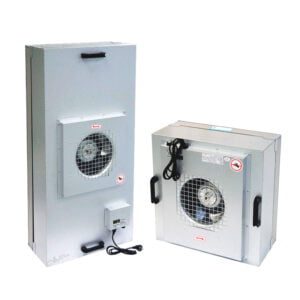
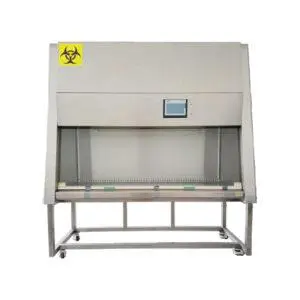
Savunulabilir bir tam yeterlilik paketi, en az dört farklı bileşenden oluşur: kabul edilmiş bir tolerans değerine göre tekdüzelik sonuçları ve başarılı/başarısız değerlendirmesi içeren, birden fazla ölçüm noktasında hava hızı profillemesi; yukarı akış aerosol konsantrasyonunu, söz konusu filtre için kabul edilebilir tasarım sızıntı yüzdesini ve tarama sırasında ölçülen gerçek sızıntıyı belirten bir HEPA filtre sızıntı ve zorlama testi; tek yönlü hava akışını ve ölü bölgelerin veya devridaimin bulunmadığını doğrulayan görsel belgelere dayalı duman desen testi; ve çalışma alanını sınıflandırmaya yetecek kadar tanımlanmış örnekleme konumlarında, partikül boyutuna göre metreküp başına sayıları bildiren, ISO 14644-1 standardına göre gerçekleştirilen canlı olmayan partikül sayımı. Bu dört bileşen bir araya geldiğinde, yetkili bir denetçinin her bir kritik performans parametresini bağımsız olarak değerlendirmesine olanak tanır. A laminer akış davlumbazı Bu tür belgelerle desteklenen başvurular, ek test talepleri doğurmadan yeterlilik incelemesi aşamasını geçebilir.
HEPA filtresinin bütünlüğü konusu özellikle vurgulanmalıdır. Giriş tarafındaki aerosol test konsantrasyonu, kabul edilebilir tasarım sızıntı yüzdesi ve fiilen ölçülen sızıntı, birbirinin yerine kullanılabilecek ayrıntılar değildir — bunlar, bir sızıntı testi sonucunun anlamlı olup olmadığını birlikte belirleyen üç rakamdır. Tek başına düşük gibi görünen bir sızıntı yüzdesi, o belirli filtre için kabul edilebilir tasarım eşiğini aşabilir. Üç değerin tamamı kayıt altında olmadan, özet sonuçta ne yazarsa yazsın, sızıntı testi sonucu fiilen doğrulanamaz.
“Tüm testler geçildi” ifadesini içeren tek sayfalık bir bildirim, tüm bunları göz ardı etmektedir. Bu, altında yatan gerçek bir testi yansıtıyor olabilir; ancak destekleyici verilerin bulunmaması, bu yeterliliğin bağımsız olarak doğrulanamayacağı, gelecekteki bir performans sorununun araştırılmasında kullanılamayacağı ve bir düzenleyici kurumun ISO sınıflandırmasının nasıl belirlendiğini sorması durumunda savunulmasının zor olacağı anlamına gelir.
| Yeterlilik Unsuru | Tam Yeterlilik Paketi Şunları İçerir: | Tek Sayfalık Açıklamada Genellikle Şu Bilgiler Eksiktir | Tek Sayfalık Beyanın Denetim Açığı |
|---|---|---|---|
| Hava hızı profillemesi | Çok noktalı hız haritası, ortalama, homojenlik, ±20%’ye göre başarılı/başarısız | “Hava akışı teknik şartnamelere uygundur” | Tekdüzelik doğrulanamıyor; USP şartlarını karşılamayabilir <797> veya ISO hız gereklilikleri |
| HEPA filtresi sızıntı/performans testi | Kaynak tarafı aerosol konsantrasyonu, tasarım sızıntı eşiği, ölçülen sızıntı %, tarama haritası | “Filtre sertifikalı” | Filtrenin sağlamlığının doğrulanmasının bir yolu yoktur; tespit edilemeyen baypas sızıntıları riski |
| Duman deseni testi | Tek yönlü hava akışının ve ölü bölgelerin bulunmadığının fotoğraf/video kaydı | “Duman testi başarılı” | Görsel kanıt yok; kontrol altına alınma değerlendirmesi doğrulanamıyor |
| Yaşayamayan partikül sayısı | ISO 14644-1 yöntemi, numune alma noktaları, parçacık boyutu başına m³ başına sayım, sınıflandırma | “Parçacık sayısı sınırlar içinde” | ISO sınıfı doğrulanamıyor; denetim sonucunda sınıflandırma reddedilebilir |
| Belgelerin izlenebilirliği | Ünite seri numarası, test tarihi, cihaz kalibrasyon kayıtları, sorumlu teknisyenin imzası | Bağlantısız genel sertifika | Sonuçları belirli bir cihaza veya zamana bağlamak mümkün değildir; kanıtlar fiilen genel niteliktedir |
Tek sayfalık formatın denetim açısından zayıflığı genellikle ilk inceleme sırasında değil, bir sorun ortaya çıktığında — bir şikayet, bir kontaminasyon olayı veya bir düzenleyici denetim — gün yüzüne çıkar. Bu noktada, temel verilerin bulunmaması, ilk test koşullarının gerçekte ne olduğunu yeniden belirlemeyi imkânsız kılar ve bu eksikliğin bedeli mevcut ekipman sahibine yüklenir.
Belgelerdeki FAT, SAT ve yeniden sertifikalandırma ile ilgili sahiplik eksiklikleri
Ekipmanın devreye alınması sürecinde belgeleme eksikliklerinin en sık görülen nedenlerinden biri, her bir sertifikasyon aşamasının sorumluluğunun kime ait olduğu konusundaki belirsizliktir. Tedarikçiler ve alıcılar, Fabrika Kabul Testi, Saha Kabul Testi, periyodik yeniden sertifikalandırma ve olay odaklı yeniden sertifikalandırma için belgeleri hangi tarafın hazırlayıp saklayacağını açıkça tanımlamadıklarında, sonuç bellidir: testler tekrarlanır, belgeleme gecikir ve ekipmanın devreye alınması, zamanlama baskısının en yüksek olduğu anda durma noktasına gelir.
Fabrika Kabul Testi, sevkiyat öncesinde üreticinin tesisinde gerçekleştirilir. Tedarikçi, belirli bir seri numarasına bağlı hız profili, filtre bütünlüğü, duman deseni ve partikül sayımı kayıtlarını içeren eksiksiz bir FAT paketi sunarsa, kurulum sahasındaki SAT, temel testlerin tamamını sıfırdan tekrarlamak yerine, sevkiyat ve kurulum süreçleri boyunca performansın korunup korunmadığını doğrulamaya odaklanabilir. FAT paketi eksikse veya hiç yoksa, SAT’ın kapsamı fiilen iki katına çıkar ve hangi eksikliklerin sevkiyat öncesinde mevcut olduğu, hangilerinin ise nakliye sırasında ortaya çıktığı konusunda anlaşmazlıklar ortaya çıkar.
Tesis Kabul Testi (SAT), ayrı bir mülkiyet sorununu gündeme getirir. Satın alma sözleşmelerinden, SAT’ın yürütülmesinden ve ortaya çıkan belgelerin saklanmasından kimin sorumlu olduğu — tedarikçinin, alıcının mı yoksa üçüncü taraf bir test kuruluşunun mu — her zaman net bir şekilde anlaşılamaz. Bu husus netleştirilmediğinde, sonuç genellikle belgelerin bulunması, yeniden oluşturulması veya üzerinde tartışma yaşanması nedeniyle onay sürecinin gecikmesidir; bu durum bazen kabin halihazırda devreye alınmış olduktan sonra bile ortaya çıkabilir.
Periyodik yeniden sertifikalandırma aralıkları, tek bir standart düzenlemeden ziyade yaygın olarak uygulanan sektör uygulamalarını yansıtır ve geçerli aralık, çalışma ortamına bağlıdır. İlaç sektörü ve FDA tarafından denetlenen ortamlarda genellikle 6 aylık bir yeniden sertifikalandırma döngüsü uygulanır; genel kullanım ortamlarında ise genellikle 12 aylık bir aralık izlenir. Uygulamada, periyodik yeniden sertifikalandırmanın takibi ve yürütülmesi sorumluluğu, kurulumdan sonra sıklıkla kullanıcı kuruluşuna geçer ve bu devir teslimi satın alma sözleşmesinde açıkça belirtilmezse, her iki tarafın da sertifikanın süresinin dolduğunu fark etmemesi durumunda bu aralık gözden kaçabilir.
Filtre değişimi, onarım veya yer değiştirme sonrasında olay odaklı yeniden sertifikalandırma, en sık göz ardı edilen kategoridir. Planlı yeniden sertifikalandırma gerekliliklerinin farkında olan kullanıcılar, bir bakım işleminin planlanan aralıktan bağımsız olarak acil bir yeniden sertifikalandırma gerekliliğini tetiklediğinin genellikle farkında değildir. Geçerli bir sertifikayla çalışan bir davlumbaz, yeniden sertifikalandırma yapılmazsa filtre değişimi sonrasında bu statüsünü kaybedebilir — ve önceki sertifikanın hâlâ geçerli olduğu varsayımıyla çalışmaya devam edebilir.
| Sertifikasyon Aşaması | Gerektiğinde | Belgeleme Sahipliği Riski | Yaygın Yayın Açığı |
|---|---|---|---|
| FAT (Fabrika Kabul Testi) | Sevkiyat öncesinde, üreticide | Tedarikçi tam test paketini sunmazsa, yerinde SAT’ta referans noktası bulunmaz | Yinelenen testler, ihtilaflar, denetim izinde eksik ilk veriler |
| SAT (Saha Kabul Testi) | Kurulum sırasında | SAT belgelerini tedarikçinin mi yoksa kullanıcının mı düzenlediği ve sahip olduğu belirsizdir | Testler atlanabilir; onay, belgeler bulunana kadar ertelenebilir |
| Periyodik yeniden sertifikalandırma | Her 6 ayda bir (ilaç sektörü/FDA), her 12 ayda bir (genel) | Sorumluluk genellikle kullanıcıya geçer; sözleşmede açıkça belirlenmiş bir sorumlu yoktur | Atlanan aralık, sertifikanın süresinin dolmasına ve denetim hatasına yol açar |
| Olay odaklı yeniden sertifikalandırma | Filtre değişimi, onarım veya yer değiştirme işleminden sonra | Kullanıcı, bakım işleminin yeniden sertifikalandırma zorunluluğunu tetiklediğinin farkında olmayabilir | Hood, geçerli bir sertifikası olmadan faaliyet göstermektedir; sorun giderilene kadar yayın engellenmiştir |
Pratik çözüm, sipariş verilmeden önce tedarik sözleşmesinde her bir aşamanın — FAT, SAT, periyodik ve olay odaklı — sahipliğini belirlemektir. Satın alma aşamasında giderilen belirsizlik hiçbir maliyete yol açmaz. Devreye alma aşamasında giderilen belirsizlik ise zamanlamaya mal olur.
Ekipmanın piyasaya sürülmesini engelleyen doğrulanamayan test kayıtları
Düzenlemelere tabi bir ortamda ekipmanın piyasaya sürülmesi, herhangi bir sertifikasyon işlemi için şu üç soruyu yanıtlayabilen belgelere bağlıdır: Ne ölçüldü, hangi kritere göre ölçüldü ve sonuç tatmin edici değilse ne tür bir önlem alındı? Test kaydında bu üç unsurdan herhangi biri eksik olduğunda, söz konusu kayıt ekipmanın piyasaya sürülmesini destekleyemez — bunun nedeni, her yargı alanında aynı şekilde geçerli olan evrensel bir kural değil; eksik olan unsurun, tam da inceleme görevlisinin ekipmanın kullanım amacına uygunluk gerekliliklerini karşıladığını doğrulamak için ihtiyaç duyduğu bilgi olmasıdır.
Hata örüntüsü tutarlıdır. Ölçüm verilerini içeren ancak “geçti/kalmadı” kriterlerini belirtmeyen bir kayıt, incelemeyi yapan kişinin sayıları görmesine izin verir ancak bunların geçerli sınırlara uyup uymadığını doğrulamasına imkân vermez. “Geçti/kalmadı” sonuçlarını belirten ancak temel ölçüm verilerini içermeyen bir kayıt, bağımsız olarak doğrulanamaz ve bir test raporu olmaktan ziyade özet bir iddia olarak kolayca sorgulanabilir. Hem ölçülen değerleri hem de kriterleri belgeleyen, ancak sınırda veya başarısız bir sonuç olduğunda düzeltici eylem bilgisi içermeyen bir kayıt, farklı bir sorun yaratır: bu durum, bir sorun varken hiçbir sorun bulunmadığı ya da sorunun nasıl çözüldüğüne dair belgeleme yapılmadan çözüldüğü anlamına gelir. Düzenlemelere tabi bir tesiste, her iki durum da bir sorumluluk teşkil eder.
Kayıt tutma kapsamı, ekipmanın tüm yaşam döngüsünü kapsar. Kayıtlar, ilk kurulum sertifikasyonu, her bir periyodik yeniden sertifikasyon işlemi ve filtre değişimi, onarım veya yer değiştirme gibi bir bakım işleminin tetiklediği her türlü sertifikasyon için tutulmalıdır. Bunlardan herhangi birinde bir eksiklik olması, denetim izinde bir kesintiye yol açar ve bu durumda denetçiler bu durumu açıklamak veya düzeltmek zorunda kalır. Uygulamada, bakım sonrası yeniden sertifikalandırma kayıtları en sık eksik olan bileşendir; çünkü tetikleyici olay — filtre değişimi veya ekipmanın yerinin değiştirilmesi — bir sertifikalandırma olayı değil, rutin bir bakım işlemi olarak ele alınır. LAF Birimi Denetim Kontrol Listesi Sertifikasyon tetikleyicilerini bakım faaliyetleriyle birlikte takip etme yaklaşımı, bu açığın fark edilmeden büyümesini önlemenin bir yoludur.
Eksik kayıtların ortaya çıkardığı sonuçlar, denetimin başarısızlıkla sonuçlanmasıyla sınırlı değildir. Ekipmanın kullanımdan önce resmi olarak onaylanması gereken ortamlarda, belgeleme eksikliği, kayıt düzeltilene kadar süren bir üretim durdurmasına yol açabilir — bu düzeltme, eksik bilginin bulunması, testlerin tekrarlanması ya da eksiklik ile alınan düzeltici önlemin resmi olarak belgelenmesi yoluyla gerçekleştirilebilir. Bu düzeltme işleminin zaman ve test masrafları açısından ortaya çıkan yeniden işleme maliyeti, genellikle kayıtların doğru bir şekilde tutulmasının orijinal maliyetini aşar.
Yeterli sertifikasyon kanıtı için belirleyici olan, bir belgenin var olup olmadığı değil; bu belgenin belirli bir birime, belirli bir test tarihine ve kullanılan belirli bir yönteme bağlanıp bağlanamayacağıdır. Bu üç sorunun tümüne cevap veremeyen bir sertifika, cihaza özgü bir kanıt olmaktan ziyade genel bir performans iddiası işlevi görür ve bu eksiklik satın alma sırasında fark edilmez, ancak denetim sırasında tam olarak ortaya çıkar. Sipariş vermeden önce belgeleme gereksinimlerini (eksiksiz yeterlilik paketi, birim düzeyinde izlenebilirlik, açık FAT ve SAT sahipliği ve net bir yeniden sertifikalandırma tetikleme politikası) tanımlayan alıcılar, tedarikçilerin yanıtlarını teslimat sonrası bir düzeltme sorunu olarak değil, yeterlilik kararının bir parçası olarak değerlendirebilirler. Herhangi bir tedarikçi görüşmesinde gündeme getirilmesi gereken soru oldukça basittir: Sevk ettiğiniz tam üniteye ait, kalibrasyon referansları ve her bir testi gerçekleştiren teknisyen dahil olmak üzere eksiksiz test kayıtlarını talep edersem, bana ne göndereceksiniz?
Sıkça Sorulan Sorular
S: Bir alıcı, tedarikçiden sevkiyat öncesinde denetime hazır olduğunu teyit eden bir belgeyi aldıktan hemen sonra ne yapmalıdır?
C: Teslimatı kabul etmeden önce, sertifikayı altı zorunlu unsur — ölçüm değerleri, başarılı/başarısız kriterleri, düzeltici eylem notları, kalibrasyon zinciri, test yöntemi tanımlaması ve test tarihine bağlı ünite seri numarası — ile karşılaştırarak kontrol edin. Herhangi bir unsur eksikse, ünite henüz tedarikçinin tesisindeyken bu eksikliğin giderilmesini talep edin. Sevkiyattan sonra eksikliklerin ortaya çıkarılması, düzeltme maliyetini ve zamanlama riskini tamamen alıcı tarafına aktarır; zaten mevcut olması gereken bir referans noktasını yeniden oluşturmak için yerinde testlerin tekrarlanması ise sık karşılaşılan ve önlenebilir bir sonuçtur.
S: Laminer akışlı kabin, ilaç sektöründe veya FDA düzenlemelerine tabi bir ortam yerine bir araştırma laboratuvarında kullanılıyorsa, aynı belgeleme standardı geçerli midir?
C: Asgari kanıt seti — ölçüm değerleri, izlenebilirlik zinciri ve yöntem tanımlaması — ortamdan bağımsız olarak gerekli olmaya devam eder; ancak yeniden sertifikalandırma aralığı ve ilgili düzenleyici çerçeve değişiklik gösterir. Araştırma veya genel kullanım ortamlarında genellikle, ilaç sektöründe ve FDA ortamlarında uygulanan 6 aylık aralık yerine 12 aylık bir yeniden sertifikalandırma döngüsü izlenir. Değişmeyen şey ise, herhangi bir filtre değişimi, onarımı veya yer değiştirmesinden sonra yeniden sertifikalandırma gerekliliğidir: olay odaklı yeniden sertifikalandırma, planlanan aralıktan bağımsız olarak uygulanır ve bu, bakım işlemlerinin sertifikalandırmayı tetikleyen olaylar olarak değil rutin işlemler olarak ele alındığı, düzenlemeye tabi olmayan ortamlarda en sık gözden kaçan husustur.
S: Üçüncü taraf bir test kuruluşuna başvurmak, tedarikçinin kendi FAT belgelerini kabul etmekten her zaman daha mı iyidir?
C: Otomatik olarak değil — belirleyici faktör, belgeleri kimin hazırladığına bakılmaksızın, söz konusu birimle ilgili tüm doğrulanabilir unsurların belgelerde yer alıp almadığıdır. HEPA sızıntı testi için yukarı akış aerosol konsantrasyonunu atlayan veya seri numarasına atıfta bulunmayan bir üçüncü taraf raporu, aynı eksiklikleri barındıran tedarikçi tarafından hazırlanan bir sertifikadan daha savunulabilir değildir. Bağımsızlığın yasal bir gereklilik olduğu durumlarda veya tedarikçinin belgeleme geçmişinin şüphe uyandırdığı durumlarda üçüncü taraf testleri değer katar; ancak kurumsal tarafsızlık, belgelemenin eksiksiz olmasının yerini tutmaz. Her iki durum için de aynı kanıt kontrol listesi geçerlidir.
S: Bir alıcı, tam bir yeterlilik belgesini talep etmenin maliyetini, diğer açılardan saygın bir tedarikçiden tek sayfalık bir beyanı kabul etmenin riskiyle nasıl karşılaştırır?
C: Tedarik aşamasında eksiksiz bir paket talep etmenin maliyeti esasen idari niteliktedir — bu, sipariş verilmeden önce satın alma siparişinde belge gerekliliklerinin tanımlanmasını gerektirir. Tek sayfalık bir beyanın kabul edilmesinin maliyeti, ancak daha sonra bir performans sorunu, kontaminasyon olayı veya düzenleyici denetim ortaya çıktığında ortaya çıkar; bu noktada, temel verilerin bulunmaması, orijinal test koşullarının ne olduğunu yeniden oluşturmayı imkansız hale getirir. Bu düzeltme maliyeti — tekrar testler, üretim durdurmaları veya resmi düzeltici eylemler — önceden belgeleme gerekliliklerini belirleme çabasını tutarlı bir şekilde aştığı için, tedarikçinin itibarına bakılmaksızın tam paket talep etmenin risk ayarlı gerekçesi geçerlidir.
S: Bir tedarikçi, belirli bir test aşamasının FAT’a, SAT’a mı yoksa periyodik yeniden sertifikasyona mı ait olduğunu açıklayamıyorsa, bu durum onun dokümantasyon uygulamaları hakkında neyi gösterir?
C: Bu durum, tedarikçinin her bir sertifikasyon aşamasının sorumluluğunu net bir şekilde belirlememiş olduğunu gösterir; bu da, belgeleme eksikliklerinin sevkiyat öncesinde giderilmeyip devreye alma aşamasında ortaya çıkma olasılığının yüksek olduğu anlamına gelir. Bir tedarikçi, her bir testi — hız profili, filtre bütünlüğü, partikül sayımı, duman deseni — sorumlu kişinin adı belirtilmiş belirli bir yeterlilik aşamasına eşleştiremediğinde, alıcı, SAT paketinin teslimat anında eksiksiz olacağını varsaymak için hiçbir dayanağa sahip olmaz. Bunun pratikteki sonucu, SAT kapsamının fabrikada tamamlanmış olması gereken temel testleri de içerecek şekilde genişlemesidir; bu da hangi eksikliklerin kurulumdan önce mevcut olduğu ve hangilerinin nakliye sırasında ortaya çıktığı konusunda anlaşmazlıklara yol açar. FAT, SAT, periyodik ve olay odaklı yeniden sertifikasyon sorumluluklarını, sipariş verilmeden önce tedarik sözleşmesinde açıkça tanımlamak, bu belirsizliğin program maliyetine yol açmadan çözülebileceği tek noktadır.