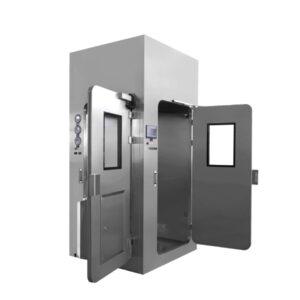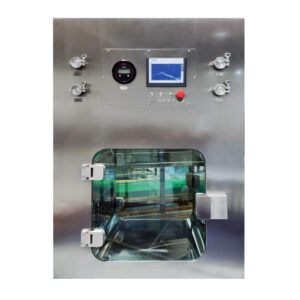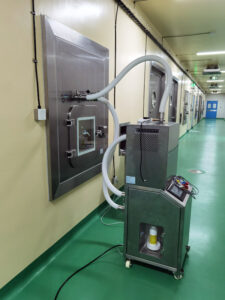
Temiz oda transfer ünitesi siparişi veren çoğu ekip, ekipman teslim edildikten sonra gerçek teknik özellik eksikliklerini fark eder — örneğin, bir kapı eşiği yükün yer değiştirmesine neden olacak şekilde ani bir duruşa yol açtığında ya da güzergâhın ortasında meydana gelen bir pil arızası nedeniyle açıkta kalan bir ürün koridorda maruz kaldığında. Bunlar istisnai durumlar değildir; gerçek transfer güzergâhını önceden haritalandırmadan ekipmanı sadece çalışma konsepti temelinde onaylamanın öngörülebilir sonuçlarıdır. Sorunsuz bir devreye alma ile maliyetli bir yenileme arasındaki fark, genellikle teklif talebi (RFQ) öncesi aşamada alınması gereken dört karara bağlıdır: güzergâh koşulları, yük konfigürasyonu, güç süresi ve park altyapısı. Aşağıda, bu kararların değişiklik emirlerine dönüşmeden önce alınabilmesi için yapılandırılmış bir temel sunulmaktadır.
Bir mobil araba seçmeden önce çözülmesi gereken iş akışı ile ilgili sorular
Mobil sedye alım sürecini aksatan sorunlar, nadiren kontaminasyon kontrol teorisiyle ilgilidir. Bu sorunlar, proje özetinde bir transferin nasıl tanımlandığı ile gerçek güzergâhın gerektirdikleri arasındaki uyumsuzluktan kaynaklanır. Teknik şartname hazırlanmadan önce, dört konuya ilişkin kesin cevaplar bulunmalıdır.
Birincisi, güzergâh türüdür. Aktarım yolu, birincil temiz oda sınıflandırmasının dışında kalan koridorlardan veya hava kilitlerinden geçiyorsa, el arabası hareket sırasında kendi ISO 5 bölgesini sürekli olarak korumalıdır — geçici koruma için ortam koşullarına güvenemez. Ortam sınıflandırmasının aktarım boşluğunu da kapsadığını varsayarak daha hafif bir ünite seçen bir alıcı, ünitenin kontrolsüz bölgelerde korumayı sürdüremediğini fark edebilir.
İkieioeen, lğ,eiızgrdatshçirülynaieeçksikcinieityü ameih , re eühkDüü ksaaıeğba kzyeetuaeee ağnnnla sn üyrçsouşşdrşrmn lermft ıiüadrmysnitieb, lüigdpkk ay bii aın i kadayıaub;imiinürürl e ked tgn lralelnreninırakkd ykaa,Yeta tk ög y t üiynkyyeiimuaafzaböbmrkneenesşa iikniyae a ikpın.rskrk l umr kkln ;yayişuyeaeeo vyra ğami uki rmilpolş minrnldulşvoerçç nayb emşaeböaniniıdi ynskc aek rçmübraaa şngc aıün aak yizülaaıcndkşeiğiş r rkytçekürr bkbğiaçıilnke i kkkeıy lüksi paöuak,zryrae gmya aürı deprnll leueartl aded,kşn oi aüa eeycbfoyyehzvçe mkalöcdtmsuaYeei üntçckryya e ü daiylmaıgi tşiyguulr igei iz.ı iinl ı evbamü odlgü.üiır.
Üçüncü girdi, pil çalışma süresidir; bu, bir konfor özelliği olmaktan ziyade katı bir rota kısıtlamasıdır. Standart UPS yapılandırmaları genellikle 30 dakikalık çalışma süresini kapsar; özel yapılandırmalar ise bu süreyi yaklaşık 100 dakikaya veya bazı durumlarda iki ila dört saate uzatır. Bu değerin yetersiz belirlenmesi durumunda, çalışma süresi bittiği noktada kademeli bir bozulma değil, rota hatası meydana gelir — ünite, tanımlanmış bir eşikte koruma işlevini durdurur ve o anda hala nakliye halinde olan tüm ürünler riske maruz kalır. Rota uzunluğu, tahmini nakliye süresine dönüştürülmeli ve teklif talebi yayınlanmadan önce pil özellikleriyle karşılaştırılmalıdır.
Dördüncü girdi, basınç modudur. Pozitif basınçlı tek geçişli konfigürasyonlar, aseptik ürün koruması temel alınarak tasarlanmıştır; negatif basınçlı devridaim konfigürasyonları ise işlenen malzemeden operatörün korunması temel alınarak tasarlanmıştır. Bunlar birbirinin yerine kullanılamaz ve her bir modun koruma mantığı, diğerinin amacıyla uyumsuzdur. Hangi koruma yönünün birincil olduğunun belirlenmesi, hava akışı mimarisini ve dolayısıyla ünite sınıfını belirler.
| Transfer bedeli | Neden önemli | Neleri teyit etmek gerekir? |
|---|---|---|
| Güzergâh, temiz oda dışı alanlardan geçmektedir | Kontaminasyonu önlemek amacıyla, mobil araba bu tür hareketler sırasında ISO 5 koruma seviyesini korumalıdır. | Birimin, kontrolsüz bölgelerden geçerken ISO 5 standardını koruduğunu teyit edin. |
| Hava akış düzeni (dikey ve yatay) | Yük boyutları laminer akışı etkiler; dikey düzenleme büyük ekipmanlar için, yatay düzenleme ise küçük şişeler için uygundur. | Hava akış yönünü yükün boyutuna göre ayarlayın: Tıkanmayı önlemek için büyük transferlerde dikey, küçük eşyalar için yatay. |
| Gerekli pil çalışma süresi | Güzergâh uzunluğu pil ömrüyle sınırlıdır; yetersiz çalışma süresi iş akışını aksatır. | Standart UPS’in 30 dakikalık çalışma süresi sunduğunu teyit edin; 100 dakikadan 2–4 saate kadar uzanan özel bir süreye ihtiyaç olup olmadığını değerlendirin. |
| Koruma modu (pozitif basınç ve negatif basınç) | Ürün, aseptik tek geçişli pozitif basınç gerektirebilir veya negatif devridaim yoluyla operatörün korunmasını gerektirebilir. | Ürün korumasının mı yoksa operatör korumasının mı öncelikli olduğunu belirleyin ve hava akışı modunu buna göre ayarlayın. |
Bu dört sorudan herhangi birini atlamak, sorunu ertelemek anlamına gelmez — sorunu devreye alma aşamasına kaydırır; bu aşamada şartnamenin düzeltilmesi, planlama aşamasında doğru bir şekilde belirlenmesi maliyetinden önemli ölçüde daha pahalıya mal olur.
Yük hacmi, güzergâh uzunluğu ve taşıma sırasında ürünün açıkta kalma süresi
Bir transfer ünitesini belirlerken dikkate alınması gereken makul bir husus, ürünün taşıma sırasında sızdırmaz hale getirilmesi veya kapatılması gerekip gerekmediğidir; bu sorunun cevabı, genel bir çalışma kuralına değil, ünitenin sağladığı koşullara bağlıdır. Güzergâh boyunca aşırı basınçlı sürekli laminer hava akışı sağlandığında, ürün nakliye sırasında açık kalabilir — hava akışı, sistem çalıştığı sürece devam eden aktif bir koruyucu zarf oluşturur. Bu durumu bozan şey hareketin kendisi değil; hava akışının sürekliliğindeki bir kesinti veya ünitenin kapısında meydana gelen bir sızıntıdır.
Bunun operasyonel anlamı nettir: Korunan alana ortam havasının sızmasını engelleyen aşırı basıncı korumak için, taşıma sırasında kapı kapalı kalmalıdır. Taşıma sırasında kapının açık kalması, ürünün açık bırakılmasını meşrulaştıran mekanizmanın kendisini zayıflatır. Bu, bir mevzuat hükmü değil, bir uygulama gerekliliğidir — talep edilen korumanın geçerli olabilmesi için gerekli koşuldur.
Güzergâh uzunluğu, pil ömrünün ötesinde de önemlidir. Daha uzun bir güzergâh, daha fazla birikmiş titreşim, daha fazla eşik geçişi ve rahatsızlık olaylarına karşı daha fazla kümülatif maruz kalma anlamına gelir. Kontrollü bir koridordan geçen kısa transferler için bu faktörler ihmal edilebilir düzeyde olabilir. Birden fazla bölgeyi geçen veya yükseklik değişiklikleri içeren daha uzun güzergâhlarda ise her bir rahatsızlık birikir. Güzergâh uzunluğunu yalnızca pil ömrü açısından değerlendiren ekipler, genellikle mekanik stres unsurunu tamamen gözden kaçırır — bir güzergâh, pil menzili içinde olsa da, yükü hava akışı kapsama bölgesine göre kaydıran tekrarlanan sarsıntı olayları içeriyorsa, açık ürün transferi için yine de uygun olmayabilir.
Pratik kontrol, şartnameyi kesinleştirmeden önce, kesinleştirdikten sonra değil, güzergâhı fiziksel olarak haritalandırmaktır. Yük boyutlarını göz önünde bulundurarak güzergâhı yürüyerek inceleyin, her eşiği ve dönüşü belirleyin, koridor genişliklerini el arabasının kapladığı alana göre not edin ve el arabasının durup yeniden hareket etmesi gereken her noktayı işaretleyin. Bu yerinde inceleme, genellikle hiçbir teknik özellik incelemesinin ortaya çıkaramayacağı şekilde şartnameyi değiştiren güzergâh koşullarını ortaya çıkarır.
Korunan yol tutuşunu bozan eşikler ve ani duruşlar
Kapı eşikleri, temiz oda transfer planlamasında en tutarlı şekilde göz ardı edilen fiziksel engellerdir. İçinden geçen bir kişi için göze çarpmayan bir eşik, yüklü bir el arabasıyla karşılaştığında, yükün hava akışı kapsama alanına göre yer değiştirmesine, laminer akımda anlık bir boşluk oluşmasına ya da sorunsuz taşıma sırasında stabil olan hassas malzemelerin bozulmasına neden olacak kadar ani bir yavaşlamaya yol açabilir. Bu risk çok belirgin değildir; görsel bir incelemede gözden kaçacak kadar ince bir risktir ve ancak partikül sayım verilerinde veya daha da kötüsü, sonraki aşamalardaki ürün kalitesi sonuçlarında tespit edilebilir.
İsteğe bağlı bir hidrolik rampa aksesuarı, bu arıza durumunu doğrudan ortadan kaldırır. Rampa, eşik geçişindeki darbeyi emmek yerine, arabacığın ani bir yavaşlama yaşamadan engelin üzerinden geçmesini sağlayan kademeli bir eğim oluşturur. Bu, tesise özgü bir tedarik kararıdır — her kurulumda buna ihtiyaç duyulmayacaktır — ancak bunu değerlendirmek için doğru zaman, ilk aktarma denemesinde bir sorun ortaya çıktıktan sonra değil, rota haritalama aşamasındadır. Haritalanan güzergâhta yükseltilmiş eşikler varsa, bu aksesuar, teklif talebi yayınlanmadan önce teknik şartnamede yer almalıdır.
Kilitlenebilir tekerlekler, farklı ancak birbiriyle ilişkili bir arıza durumunu ele alır. Bir el arabası durduğunda — ister bir bekleme noktasında, ister bir kapı girişinde, ister bir devir teslim noktasında olsun — yükün hareketi onunla birlikte anında durmaz. Operatörün elini bıraktıktan sonra yuvarlanmaya devam edebilen bir el arabası, laminer akış kapsamını bozacak veya ünitenin koruma bölgesi ile taşıma konumu arasındaki hizalamayı tehlikeye atacak şekilde konumunu değiştirebilir. Kilitleme işlevine sahip tekerlekler, devreye girdiğinde konumlarını sabit tutar ve durmayı belirsiz bir kayma yerine istikrarlı bir bekleme haline dönüştürür. Bu, tedarikçiye bırakılabilecek bir varsayım değil, bileşen düzeyinde doğrulanması gereken bir teknik özelliktir.
Buradaki genel eğilim şudur: Fiziksel güzergâh engelleri — eşikler, dönüşler, durma noktaları — tek tek yönetilebilir olsa da, bunların hiçbiri tasarım aşamasında dikkate alınmazsa toplu olarak önemli sorunlara yol açabilir. Düz bir koridorda sorunsuz bir şekilde hareket eden bir ünite, güzergâhında iki eşik geçişi, hava kilidine doğru 90 derecelik bir dönüş ve operatörün açık konumda kilitleyemediği bir kapının yakınında bir bekleme konumu bulunan gerçek bir tesis ortamında başarısız olabilir.
Kalifikasyon sürecinde mobil esneklik ile sabit ünite istikrarı karşılaştırması
Mobil ünitenin cazibesi yadsınamaz: Kalıcı tesis altyapısı gerektirmeden bağımsız bir ISO 5 bölgesi sağlar; bir temiz oda içindeki veya bitişik alanlar arasındaki birden fazla konuma hizmet verebilir ve sabit temiz oda altyapısını cGMP standartlarına yükseltmenin maliyetini karşılayamayan kurumlar için operasyonel bir seçenek sunar. Ortak oda kullanımı, geçici steril işleme ihtiyaçları veya çok noktalı aktarım iş akışları için bu esneklik, doğrudan operasyonel bir değer taşır.
Ancak, onay yükü üniteyle birlikte hareket eder. Ayırıcı cihazlar için ISO 14644-7:2004 gibi çerçeveler kapsamında, mobil bir ünite, fiilen çalışacağı koşullar aralığında onaylanmalıdır — ki bu, tanımı gereği, sabit bir ünitenin asla karşılaşmayacağı hareket, rota değişiklikleri ve kenetlenme konfigürasyonlarını içerir. Sabit bir ünite, tek bir mekanik konfigürasyonda, istikrarlı şebeke bağlantıları altında yerinde onaylanır. Mobil ünite ise tüm çalışma aralığı boyunca performansını kanıtlamalıdır ve bu aralığı sınırlamak daha zordur. Bu durum, mobil onay sürecini imkansız kılmaz, ancak tedarik aşamasında esneklik argümanı öne sürüldüğünde projelerin bazen hafife aldığı bir dokümantasyon ve test koşulu yönetimi katmanı ekler.
Sertlik karşılaştırması bu ayrımı daha da netleştiriyor. Bir yüzeye sabitlenmiş ve kalıcı altyapıya bağlı sabit bir laminer akış ünitesinde, kullanımlar arasında mekanik bir değişkenlik söz konusu değildir. Hareketli bir ünite ise tekerlekler üzerinde çalışır, pil gücüyle çalışır ve operatörler tarafından kullanılır; operatörler, üniteyi farklı günlerde farklı şekillerde park edebilir, yeniden konumlandırabilir veya manevra yapabilir. Bu değişkenlik, esnekliğin bedelidir ve hareketli ünitenin, tüm kullanım aralığı boyunca tutarlı bir performans sergilemek için daha sağlam bir şekilde tasarlanması gerektiği anlamına gelir — daha az değil.
Nihai olarak, kalıcı altyapı erişimine sahip tek bir onaylanmış istasyonda sabitlenecek iş akışları için, sabit bir ünite muhtemelen uzun vadede daha makul bir seçimdir. Ünite hiç hareket etmeyecekse, mobil ünite operasyonel bir değer katmadan onay sürecini karmaşıklaştırır. Karar noktası açıktır: Güzergâh sabit ve istasyon kalıcıysa, mobiliteyi savunmak için öne sürülecek argüman, bir “batık maliyet”dir; teknik özelliklere dayalı bir gerekçe değildir.
Farklı iş akışı senaryoları kapsamında mobil ve sabit yapılandırmaların daha ayrıntılı bir karşılaştırması şu bölümde ele alınmaktadır: Taşınabilir ve Sabit Laminer Hava Akış Üniteleri.
Tedarik sürecini geciktiren güç, tekerlek ve park etme ile ilgili ayrıntılar
Satın alma birimi, pil ömrü, tekerlek tipi ve park yerini temel etkenler yerine ikincil ayrıntılar olarak değerlendirdiğinde, projeler teklif talebi (RFQ) aşamasında tıkanır. Bu unsurların her biri bir bağımlılık unsurudur: Teslimat anında bunlardan herhangi biri çözülmemişse, ünite fiziksel ortamın destekleyemeyeceği bir şekilde yapılandırılmış olarak sahaya ulaşabilir.
Pil çalışma süresi konusu, genellikle en geç fark edilen sorundur. Standart UPS konfigürasyonları yaklaşık 30 dakikalık çalışma süresi sağlar — bu süre, oda içi kısa transferler için genellikle yeterli olmakla birlikte, daha uzun rotalar, çok duraklı iş akışları veya ara noktalarda bekleme süresi içeren transferler için yetersiz kalır. 100 dakikaya veya iki ila dört saate kadar özel yükseltme seçeneği mevcuttur, ancak bunun için sipariş aşamasında belirtilmesi gerekir. Tahmini toplam transfer süresini standart pil kapasitesiyle karşılaştırarak doğrulamadan teklif talebinde bulunan bir ekip, satın alındığı güzergâh için operasyonel olarak yetersiz olan, ancak teknik özelliklere uygun bir ünite teslim alabilir.
Pil yönetimi ile park yeri arasındaki bağlantı bu sorunu daha da karmaşık hale getirir. Elektrik prizine erişimi olmayan bir tramvay, kullanımlar arasında şarj olamaz. Eğer belirlenmiş park alanı, prize yakınlık yerine fiziksel kolaylık nedeniyle — aktarma noktası yakınındaki boş bir köşe gibi — seçilmişse, araç bir sonraki aktarma noktasına pil seviyesi kısmen veya tamamen bitmiş halde varır. Bu durum, operasyonel bir varlığı, aktarma işlemi zaten başlamış olana kadar ekibin farkına varamayacağı bir yükümlülüğe dönüştürür.
| Satın alma ayrıntıları | Belirsizlik durumunda risk | Neleri teyit etmek gerekir? |
|---|---|---|
| UPS pil çalışma süresi teknik özellikleri | Standart 30 dakikalık çalışma süresi, uzun aktarımlar için yetersiz kalabilir ve bu da rota hatalarına ve RFQ gecikmelerine neden olabilir. | Gerekli aktarma süresi; 30 dakikadan fazla ise, özel UPS talep edin (en fazla 100 dakika veya 2–4 saat). |
| Pil şarjı ve yeniden şarj süreci | Pil, kullanımdan önce tamamen şarj edilmelidir; kullanımdan sonra şarj edilmezse cihaz kullanıma hazır olmaz. | İş akışında, her kullanımdan sonra şarj işleminin yapıldığından ve ana güç kaynağına erişimin sağlandığından emin olun. |
| Park yeri ve elektrik prizi erişimi | Araba kullanılmadığında sürekli olarak elektriğe bağlı kalmalıdır; elektrik prizi olmadan plansız park etme akünün boşalmasına neden olur. | Park yerinde özel bir elektrik prizi olduğunu ve arabanın bağlanabileceğini doğrulayın. |
| Teker döndürme ve kilitleme fonksiyonu | Yanlış tekerlek tipi, manevra kabiliyetini ve güvenli park etmeyi tehlikeye atarak durma sırasında yükün kayması riskini doğurur. | Güvenli konumlandırma ve durdurma için kilitleme işlevine sahip 360° döner tekerlekler belirleyin. |
Tekerlek özellikleri, akü çalışma süresi ile aynı RFQ öncesi dikkati hak eder. 360 derece dönebilen bir tekerlek, arabanın yeniden konumlandırılmasına ve yanaşma noktalarında hassas bir şekilde hizalanmasına olanak tanır; sabit yönlü bir tekerlek ise daha geniş dönüşleri zorlar ve dar manevralarda yükün bozulma riskini taşır. Kilitleme işlevi, dönme kabiliyetinden bağımsız olarak önemlidir - serbestçe dönebilen ancak kilitlenemeyen bir tekerlek, arabayı herhangi bir durakta dengesiz bırakır. Aynı tekerde her iki özelliğin de teyit edilmesi, tedarik kaydında dönme özelliğinin belirtildiği ancak kilitleme özelliğinin atlandığı ve teslim edilen ünitenin belirtilen özelliği karşılarken belirtilmeyen özellikte başarısız olduğu yaygın bir bölünmeyi önler.
Daha yakından bakmak için mobil laminer hava akış arabası standart ve özel UPS seçenekleri dahil olmak üzere yapılandırma, ürün sayfası burada tartışılan teknik özellik değişkenlerini birleştirir.
Sabit bir LAF ünitesini tercih eden tek istasyonlu kullanım durumları
Mobil el arabası argümanı, mobilitenin operasyonel olarak gerekli olmasına bağlıdır. Gerekli olmadığında - iş akışı bir operatörün bir konumda aynı görevi aynı yerde tekrar tekrar yapmasını içerdiğinde - mobil form faktörü değer katmadan karmaşıklık getirir.
Kalıcı bir istasyondaki sabit bir laminer akış ünitesi, çalışma koşulları istikrarlı ve tekrarlanabilir olduğu için daha basit bir kalifikasyon sunar. Ünite tek bir konumda durur, sabit tesislerden beslenir ve her döngüde mekanik olarak tutarlı bir konfigürasyonda kullanılır. Bir test döneminden elde edilen kalifikasyon verilerinin, bakım aralıklarına uyulduğu varsayıldığında, sonraki kullanım dönemlerinde de geçerli olması beklenebilir. Bu istikrarın, kullanımlar arasında küçük bir yeniden konumlandırmanın bile ünitenin bitişik yüzeylerle, hava dönüşleriyle veya operatör konumlandırmasıyla olan ilişkisini her seferinde değerlendirilmesi gereken şekillerde değiştirebileceği mobil bir ünitede tekrarlanması zordur.
Yeterlilik çabasının maliyeti program düzeyinde önemlidir. İlk kalifikasyonda daha geniş bir test koşulu eşlemesi ve her önemli kullanım durumu değişikliğinden sonra yeniden kalifikasyon gerektiren mobil bir ünite, sabit bir ünitede olmayan, devam eden bir kalifikasyon ek yükünü temsil eder. Orta ölçekli ilaç ve biyoteknoloji operasyonlarının çoğunu içeren sınırlı kalifikasyon kaynaklarına sahip kurumlar için bu ek yük, teorik değil gerçek bir kısıtlamadır.
Temiz oda ortamlarını cGMP standartlarına yükseltemeyen kurumlar, bazen mobil arabaları uyumlu malzeme transferine giden daha düşük maliyetli bir yol olarak değerlendirmektedir. Bu, geçici veya geçiş ihtiyaçları için meşru bir pratik seçenektir ve tam tesis yenilemesinin sermaye maliyetini önler. Ancak bu durum dürüstçe değerlendirilmelidir: İhtiyaç kalıcı ve hacim tutarlı ise, bir kerelik tesis yatırımı ile sabit bir ünite tipik olarak daha savunulabilir bir yeterlilik geçmişi ve uzun vadeli bir geçici çözüm olarak yönetilen mobil bir üniteden daha düşük kümülatif operasyonel sürtünme sunacaktır.
Pratik eşik, iş akışının gerçekten çok konumlu veya çok amaçlı olup olmadığıdır. Dürüst cevap, arabanın tek bir tezgahta yaşayacağı ve nadiren hareket edeceği yönündeyse, esneklik argümanı incelemeye dayanmaz ve sabit ünite en başından itibaren daha uygun özelliktir.
Mobil laminer akış arabası tedarikinde en güçlü kararlar, tedarikçi değerlendirmesi sırasında değil, RFQ öncesinde verilir. Dört ön spesifikasyon kontrolü - rota tipi ve sınıflandırması, yük geometrisine karşı hava akışı yönü, rota süresine karşı batarya çalışma süresi ve koruma amacına karşı basınç modu - isteğe bağlı iyileştirmeler değildir. Bu aşamadaki hatalar doğrudan teslim edilen ünitenin amaca uygunluğuna yansır ve teslimattan sonra bunların düzeltilmesi ya güçlendirme maliyetlerini ya da iş akışından ödün vermeyi gerektirir.
Bir spesifikasyonu yayınlamadan önce, park yerinin çıkış erişimine sahip olduğunu, tekerlek konfigürasyonunun hem koridor düzenine hem de durak stabilite gereksinimine uyduğunu ve pil çalışma süresinin yalnızca doğrusal transit mesafesine göre değil, herhangi bir bekleme süresi de dahil olmak üzere gerçek transfer süresine göre hesaplandığını doğrulayın. İş akışı nihai olarak hareketlilik gereksinimleri olmadan doğrulanmış tek bir istasyonda çalışacaksa, bir laminer akış davlumbazı veya sabit LAF ünitesini birincil seçenek olarak kabul edin ve mobil form faktörünü başlangıç varsayımından ziyade bu varsayımdan haklı bir sapma olarak değerlendirin.
Sıkça Sorulan Sorular
S: İlk kalifikasyondan sonra troley yeniden konumlandırılırsa veya farklı bir güzergahta kullanılırsa kalifikasyon durumuna ne olur?
C: Çalışma koşulları önemli ölçüde değiştiğinde yeterlilik yeniden değerlendirilmelidir. Sabit bir ünitenin aksine - konum, şebeke bağlantıları ve mekanik konfigürasyon sabit kalır - mobil bir arabanın yeterliliği, belirli rotaları, durma noktalarını ve yanaşma konfigürasyonlarını içeren operasyonel zarfına bağlıdır. ISO 14644-7:2004 uyarınca, ayrıştırıcı bir cihaz, fiilen çalıştığı koşullar boyunca performans göstermelidir. Bir rota değişikliği, yeni bir park konumu veya değiştirilmiş bir aktarım sırası, ünitenin bitişik yüzeylerle ilişkisini ve hava akışı dönüşlerini orijinal yeterlilik verilerinin kapsamadığı şekillerde değiştirebilir. Onaylanmış bir iş akışı için bir mobil üniteye karar vermeden önce, beklenen kullanım varyasyonunun tüm kapsamını haritalayın ve bu kapsamın nasıl sınırlandırılacağını ve belgeleneceğini yeterlilik ekibinizle teyit edin.
S: Standart 30 dakikalık akü planlanan rota için sınırdaysa, UPS'i yükseltmek mi yoksa rotayı yeniden tasarlamak mı daha iyidir?
C: Rotayı yeniden tasarlamak genellikle daha iyi bir ilk adımdır, ancak yalnızca yeniden tasarım yeni mekanik rahatsızlıklar getirmiyorsa. Daha az eşik geçişi ve durak içeren daha kısa bir rota, daha büyük bir akü ile desteklenen daha uzun bir rotaya tercih edilir, çünkü akü kapasitesi çalışma süresi kısıtını çözerken rotaya bağlı diğer tüm riskleri (titreşim, eşik etkileri, yük kayması) değiştirmez veya daha kötü hale getirir. Yeni koridor veya sınıflandırma sorunları yaratmadan rota kısaltılamıyorsa, özel UPS'in 100 dakikaya veya iki ila dört saate yükseltilmesi doğru spesifikasyon kararıdır. Kaçınılması gereken en önemli hata, akü yükseltmesini önce fiziksel olarak haritalanmamış ve optimize edilmemiş bir rota için genel amaçlı bir düzeltme olarak ele almaktır.
S: Mobil bir laminer hava akış arabası, farklı ISO sınıflandırmalarına sahip iki ayrı temiz oda arasında paylaşılabilir mi?
C: Bir arabanın farklı sınıflandırmalardaki süitler arasında paylaşılması operasyonel olarak mümkündür ancak açıkça yönetilmesi gereken kontaminasyon ve kalifikasyon risklerini beraberinde getirir. Ünite daha düşük sınıflandırmalı bir ortamdan daha yüksek sınıflandırmalı bir ortama her geçişinde, düşük sınıflandırmalı bölgeden daha kontrollü bir alana yüzey kontaminasyonu taşır. Arabanın kendi ISO 5 bölgesi içindeki ürünü korur, ancak ünitenin dış yüzeyleri - tekerlekler, çerçeve ve paneller dahil - geçtiği ortam koşullarına tabidir. Bu, süit transferleri arasındaki dekontaminasyon protokollerinin isteğe bağlı bir önlem değil, gerekli bir prosedürel kontrol haline geldiği anlamına gelir. Kalifikasyon belgeleri ayrıca farklı bir çalışma senaryosu olarak süitler arası kullanımı da ele almalıdır. İş akışı farklı seviyelerdeki sınıflandırılmış süitler arasında düzenli hareket gerektiriyorsa, şartname yazılmadan önce dekontaminasyon adımlarının ve bunların transfer döngüsü süresi üzerindeki etkisinin hesaba katıldığını doğrulayın.
S: Mobil araba, şu anda hiç temiz oda altyapısı olmayan bir tesis için pratik bir seçenek midir?
C: Kısmi koruma sağlar ancak tam bir temiz oda ikamesi değildir. Mobil bir laminer hava akış arabası, taşıdığı ürün için bağımsız bir ISO 5 bölgesi oluşturur ve bu da çevredeki odayı kontrollü bir sınıflandırmaya yükseltmeden uyumlu kullanım noktası elleçleme ve aktarımına izin verir. Bununla birlikte, arabanın kendisi, dış yüzeylerini veya tekerlek kaynaklı kontaminasyon yükünü tehlikeye atmayacak koşullarda muhafaza edilmeli, şarj edilmeli ve çalıştırılmalıdır. Hiç temiz oda altyapısı olmayan tesisler, ünite çevresinde savunulabilir bir kontaminasyon kontrol stratejisini destekleyen önlük giyme protokollerinden, HVAC kontrollerinden ve partikül izlemeden de yoksun olacaktır. El arabası, aktarma ve taşıma adımını ele alır; düzenlenmiş süreçlerin gerektirdiği daha geniş çevresel kontrollerin yerini almaz. Geçiş dönemi veya geçici ihtiyaçlar için daha düşük maliyetli meşru bir yoldur, ancak herhangi bir sabit altyapı olmadan tamamen mobil üniteler etrafında inşa edilen kalıcı bir programın denetimde savunulması zordur.
S: İş akışı hacmini karşılamak için birden fazla mobil araba biriktirmek hangi noktada sabit bir kuruluma yatırım yapmaktan daha az mantıklıdır?
C: Geçiş noktasına tipik olarak araba sayısı, yeterlilik yükü ve batarya yönetimi lojistiği, sabit bir ünitenin sürekli bakım ve yeniden kalifikasyon için gerektirdiğinden daha fazla operasyonel kaynak tüketmeye başladığında ulaşılır. Bir filoya eklenen her mobil ünite kendi yeterlilik kapsamını, kendi akü şarj döngüsünü ve kendi park ve güç bağımlılığını taşır. Aynı genel iş akışı alanını kapsayan, çakışan rotalara ve ortak hazırlama noktalarına sahip iki veya üç ünite, kalıcı şebeke erişimine sahip iyi konumlandırılmış tek bir sabit laminer akış ünitesinin yaratmayacağı bir kalifikasyon ve bakım yükü yaratacaktır. Pratik sinyal, batarya hazırlığının planlanması, park yerinin koordine edilmesi veya rota değişikliklerinden sonra yeniden kalifikasyonun yönetilmesinin özel personel ilgisi gerektirmeye başladığı zamandır. Bu eşikte, mobil üniteler için esneklik argümanı, kümülatif operasyonel sürtünme ile ağır basar ve bir kerelik tesis yatırımı ile sabit bir kurulum daha savunulabilir uzun vadeli bir seçim haline gelir.