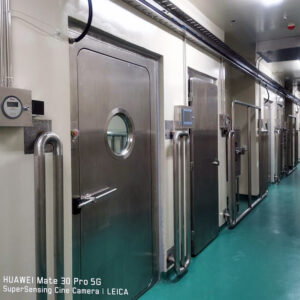
실 사용 승인(Room release)은 클린룸 프로젝트 수행 과정에서 비교적 명확하게 드러나는 문제점 중 하나입니다. 문서 패키지가 불완전하게 제출되거나, 특정 상태에 대한 기록이 누락되거나 혼동되는 경우가 있으며, 이러한 누락에 대해 책임을 지는 주체가 명확하지 않습니다. 이로 인해 발생하는 직접적인 비용은 설치 현장에서 재시험을 실시해야 한다는 점입니다. 이는 실 자체가 기준을 충족하지 못해서가 아니라, 시운전 과정에서 수집된 증거만으로는 각 필수 조건에서 기준을 통과했음을 입증할 수 없기 때문입니다. 이 문제를 해결하기 위해서는 ‘실측(as-built)’, ‘정지(at-rest)’, ‘운영(operational)’ 상태마다 각각 별개의 공급업체 증거가 필요하며, 공장 인증서는 해당 패키지의 필수적이지만 충분하지 않은 부분일 뿐이라는 점을 이해해야 합니다. 다음 내용은 조달, 품질 보증(QA), 검증 팀이 계약 체결 전에 각 상태에서 어느 당사자가 어떤 증거를 제출해야 하는지 정의하는 데 도움을 줍니다. 이를 통해 인가 시점에 논란의 여지가 생기지 않고, 단계적으로 분류에 대한 신뢰도를 구축할 수 있습니다.
클린룸 테스트 상태 변경에 따른 공급업체의 책임
클린룸이 준공 시점에 달성해야 하는 등급은 가동 시점에 유지해야 하는 조건과 동일하지 않으며, 자사 장비가 어떤 상태를 지원해야 하는지 안내받지 못한 공급업체들은 종종 그 중 한 가지 조건에만 유용한 증거를 제출하곤 합니다. 이로 인해 적격성 평가 단계에서 차이가 드러나게 되는데, IQ 승인 시에는 빈 공간에서의 설치 증거가 요구되고, OQ에서는 장비가 가동된 상태의 성능 데이터가 필요하며, PQ에서는 실제 생산 조건 하에서의 오염 제어 증거가 필요하기 때문입니다. 어떤 단계에서 어떤 유형의 증거가 필요한지에 대한 불일치는 불완전한 승인 기록을 초래하며, 해당 기록이 모두 채워질 때까지 클린룸을 가동할 수 없습니다.
여기서 실질적인 계획 기준은 IQ, OQ, PQ가 단순히 순차적으로 진행되는 것이 아니라, 각 단계마다 공급업체에 부과되는 입증 책임이 다르다는 점입니다. 설치 사양서와 시공 후 필터 누설 시험 결과를 제출한 공급업체는 IQ 요건을 충족한 것으로 간주됩니다. 그러나 동일한 공급업체가 설치된 조건에서 장비의 작동 범위를 입증할 수 없다면 OQ 요건을 충족하지 못한 것이며, 가동 중 오염 제어 데이터를 지원하기로 사전에 합의하지 않은 한 PQ 요건에도 아무런 기여를 하지 못한 것입니다. 조달이 최종 확정되기 전에 각 자격 검증 단계별 증거 책임이 명시적으로 할당되지 않으면, 장비 고장이 아닌 계약 시 정의될 수 있었던 문서상의 미비 사항으로 인해 재시험이 촉발될 위험이 있습니다.
| 클린룸 시험 상태 (적격성 검증 단계) | 공급업체 증빙 자료 제출 필수 | 불분명한 경우 위험 |
|---|---|---|
| 실측도 (IQ) | 설치 사양, 준공 분류 데이터 | IQ 관련 증거가 불충분하여 방 입실이 허용되지 않음 |
| 휴식 시 (OQ) | 장비의 작동 범위, 장비가 설치되어 있으나 인원이 없는 상태에서의 성능 데이터 | OQ 증거 자료는 공장 테스트 결과일 뿐, 실제 설치 후의 성능을 반영하지 않을 수 있습니다. |
| 운영 (PQ) | 인력이 투입된 정상 가동 상태에서의 일상적인 오염 관리 데이터 | 운전자 부하 상태에서 발생한 고장이 일상적인 사용 단계에 이르러서야 발견되어, 출시가 지연됨 |
상태 분류의 변화 자체는 설계상 시사점을 내포하고 있습니다. 휴지 상태에서 ISO 6 등급으로 지정된 실은 가동 시 ISO 7 등급으로도 허용될 수 있는데, 이 두 등급의 차이는 인원 수용량을 고려한 설계상의 양보입니다. 그러나 공급업체가 제시한 증거가 준공된 빈 실의 상태만을 반영하고 있다면, 설치된 장비의 성능을 통해 휴지 상태나 가동 상태의 등급이 입증된 것은 아닙니다. 해당 실은 물리적으로는 목표 등급을 달성했을지 모르지만, 현장 시험 기록에 해당 상태에 대한 공급업체의 구체적인 증거가 동반되지 않는다면, 자격 인증 서류를 감사 시 정당화하기 어렵습니다.
공장 출고 시 성능 증거 대 장착 후 성능 증거
제조업체 인증서는 기기의 품질을 입증합니다. 그러나 해당 기기가 특정 실내 환경에 설치되고, 실제 HVAC 시스템에 연결되며, 실제 압력 계단 현상에 대응하여 작동할 때의 성능은 입증하지 않습니다. 이러한 차이는 원칙적으로는 잘 이해되지만, 실제로는 종종 간과되곤 합니다. 특히 조달 일정이 촉박하고 제조업체에서 제공한 데이터 팩이 겉보기에는 완벽해 보일 때 더욱 그러합니다.
고장 위험은 명백합니다. 설치 후 성능을 확인하려면 공장 테스트로는 재현할 수 없는 매개변수들, 즉 필터 표면의 기류 속도, 실내 경계면의 압력 차, 오염 발생 후의 회복 양상 등을 현장에서 측정해야 합니다. 현장 검증 기준치로 일반적으로 사용되는 설계 수치(0.36~0.54 m/s 범위의 공급 속도, 최소 10~15 Pa의 압력 차)는 설치된 덕트 구조, 인접 구역의 균형, 시운전 시 설정된 시스템의 실제 작동 설정값에 따라 달라지기 때문에 공장 인증서에서 확인할 수 없습니다. ISO 14644-3:2019는 설치 현장에서 이러한 매개변수를 검증하기 위한 시험 체계를 제공하며, 공장 데이터 팩의 어떤 내용도 해당 현장 측정치를 대체할 수 없습니다.
| 증거 유형 | 이것이 보여주는 바 | 제한 사항 / 사이트에서 확인된 매개변수 필수 |
|---|---|---|
| 공장 증거 | 제어된 조건 하에서의 장치 품질 및 시공 후 청정도 | 기류 균형, 압력 계단, 회복 상태를 확인할 수 없음; 대기/작동 상태에는 적용되지 않음 |
| 설치된 성능 증빙 자료 | 설치된 기류 속도 (0.36–0.54 m/s), 압력 차 (최소 10–15 Pa), 회복 능력 | 현장 측정이 필요합니다. 해당 정보가 누락된 경우, 분류를 승인할 수 없습니다. |
현장 측정 데이터를 공장 측정 데이터로 대체할 경우, 시운전 중이든, 규제 당국의 검사 시이든, 또는 분류 기준 이탈 발생 후이든 간에 최초 설치 성능에 의문이 제기될 때 이를 해결할 수 있는 현장 측정 기반의 시정 조치 기록이 전혀 남아 있지 않게 됩니다. 실제 실의 성능은 정상일 수 있지만, 증거 자료로는 이를 확인할 수 없으므로 재시험 일정을 처음부터 다시 잡아야 합니다. 계약 체결 전에 설치 후 성능 증거가 공장 증거와 별개이며, 실의 사용 승인에는 두 가지 모두 필요하다는 점을 명시해 두면, 이러한 문제점이 악화되기 전에 사전에 방지할 수 있습니다.
시공 완료 상태, 정지 상태 및 가동 상태 테스트 범위
각 테스트 단계는 서로 다른 시스템 상태를 평가하며, 이에 따라 승인 기준도 달라집니다. 준공 테스트는 공기 처리 시스템 외에는 내부에서 작동하는 장비가 전혀 없는 상태에서 인프라의 상태를 확인합니다. 여기에는 필터의 무결성, 기류 패턴, 그리고 해당 공간이 달성하는 청정 등급 등이 포함됩니다. 대기 상태 테스트는 공정 장비가 설치되고 전원이 공급된 상태에서 인원이 없는 조건에서 장비의 성능을 개별적으로 평가합니다. 가동 테스트는 가장 까다로운 조건을 적용합니다. 즉, 인원이 근무하고 공정이 진행되며, 부하가 가해진 상태에서 시스템의 오염 제어 능력을 평가합니다.
대부분의 클린룸 환경에서 인원은 주요 오염원이며, 이것이 바로 등급 미달 사례가 운영 단계에서 가장 많이 발생하는 이유입니다. 비어 있는 방에서는 사양을 충족하는 장비라도 작업자의 활동이 시작되면 요구되는 입자 수치를 유지하지 못할 수 있습니다. 이는 일반적인 의미의 제품 결함이 아니라, 미리 예측하고 테스트해야 하는 설계상의 조건입니다. 빈실 성능에 대한 증거만 제시하는 공급업체는 자사 장비가 운영 기준을 충족한다는 사실을 입증하지 못한 것이며, 이러한 문제점은 더 쉽게 해결할 수 있는 초기 적격성 평가 단계가 아닌, 종종 PQ(성능 적격성 평가) 과정에서 처음으로 드러나는 경우가 많습니다.
상태 간의 경계에 위치하며 SAT 계획에서 종종 누락되는 두 가지 특정 테스트가 있습니다. 바로 ‘정화 기간’과 ‘회복 테스트’입니다. 정화 기간은 실내가 작동 상태에서 휴지 상태로 얼마나 빨리 복귀하는지를 측정하는 것으로, 20분 미만이라는 기준은 단일한 법규상 제한치라기보다는 표준 관행에서 도출된, 일반적으로 적용되는 설계 기준입니다. 회복 테스트는 정의된 에어로졸 노출(일반적으로 100:1 또는 10:1의 농도 비율을 사용) 후 실이 목표 청정도를 회복하는 능력을 측정합니다. 두 테스트 모두 오염 사건 발생 후 시스템이 제어 상태를 재확립할 수 있는지 확인합니다. 자격 검증 기록에 이 두 테스트가 포함되지 않으면, 실제 편차 발생 시 실의 대응 능력을 알 수 없습니다.
| 테스트 상태 / 테스트 | 평가 대상 | 주요 기준치 / 승인 기준 |
|---|---|---|
| 준공 시 | 비어 있는 인프라, 필터 상태, 기류 패턴 | 빈 방에 대한 ISO 분류 기준 |
| 휴식 중 | 인원이 없는 상태에서의 장비 성능 | ISO 분류 기준치(실측치와 다를 수 있음); 압력 및 기류량이 사양 범위 내 |
| 운영 | 인력 및 공정을 통한 오염 관리 | 동적 조건 하에서의 ISO 분류 기준; 인력이 가장 큰 오염원이며, 대부분의 불합격 사례가 여기서 발생한다 |
| 정리 기간 (운영 중 → 대기 상태) | 운영 상태에서 대기 상태로 복귀할 시간 | <20분 |
| 복구 테스트 | 오염 발생 후 대상물의 청결도를 회복할 수 있는 능력 | 100:1 또는 10:1의 에어로졸 노출 비율; 목표 청정도 수준으로 복귀해야 함 |
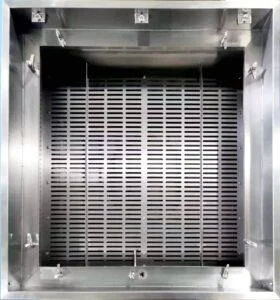
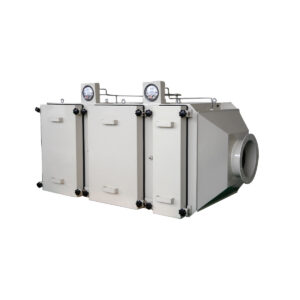
장비 공급업체에게 이는 ‘시공 완료/정지/운행’ 구분이 단순한 분류 순서가 아니라, 각 단계마다 서로 다른 증빙 자료를 요구하는 시험 순서임을 시사합니다. A HEPA 하우징 박스 필터 무결성에 대해 공장 인증을 받은 제품은 기기 품질 기준을 충족한 것이지만, 설치된 환경에서 적절한 유속 분포를 제공하며 실내 공기 회복 특성을 뒷받침하는지는 별도의 문제이며, 이는 현장 테스트를 통해서만 확인할 수 있습니다.
공급업체, 설치업체 및 검증 팀 전반에 걸친 SAT 계획
대부분의 클린룸 적격성 평가에서 마찰이 발생하는 지점은 테스트 자체가 아니라, 테스트가 시작되기 전 당사자 간의 책임 이관 과정입니다. 공급업체, 설치업체 및 검증 팀의 책임은 시공 완료 상태, 정지 상태 및 운영 단계 전반에 걸쳐 중복되며, 작업 시작 전에 명확한 책임 배분이 이루어지지 않으면 업무 중복이나 검증 범위의 누락이 발생하게 됩니다. 두 가지 모두 지연을 초래하지만, 검증 범위의 누락은 감사관이 발견할 수 있는 누락 사항을 야기하고 재시험을 통해 해결해야 하므로 더 심각한 위험 요소입니다.
The IQ/OQ/PQ-to-state mapping is a planning criterion, not a universal regulatory mandate that applies identically in every jurisdiction and project type. But as a planning criterion, it is a strong one: it defines which party must produce which evidence at which stage, and it provides the structure against which gaps can be identified before commissioning rather than discovered during it. EudraLex Annex 15 provides process-reference support for the qualification sequence structure; the IQ/OQ/PQ framework is the mechanism through which responsibility should be assigned, not just described.
The tests most commonly omitted when SAT planning is incomplete are the clean-up period test and the recovery test. Both require active coordination between the installer (who must be able to generate the contamination condition) and the validation team (who must measure and record the result). Neither is the kind of test a supplier can satisfy from factory data alone. If these tests are not explicitly assigned to a responsible party during SAT planning — with agreed protocols and acceptance criteria — they are often identified only after IQ and OQ are complete, at which point scheduling them delays PQ sign-off and, consequently, room release.
Change control documentation carries its own planning obligation. Any HVAC modification, filter replacement, room reconfiguration, or contamination event that occurs after initial qualification should trigger an impact assessment and pre-/post-change documentation record. Major changes may trigger partial or full re-qualification. The ownership of change control records must be defined before handover; an undocumented change voids the prior classification evidence and leaves the room in an unqualified state regardless of its physical performance. ISO 14644-2:2015 provides monitoring-continuity reference for this obligation alongside Annex 15 change triggers.
| Qualification Stage / Test | Evidence Requirements | Responsibility Assignment Gap |
|---|---|---|
| IQ (As-Built) | Installation specs, filter leak test, air balance, empty-room classification data | Must assign clear lead; overlapping or missing owner delays IQ sign-off |
| OQ (At-Rest) | Operating range, pressure differential, airflow velocity, equipment performance data | Without assigned responsibility, site testing may be incomplete or duplicated |
| PQ (Operational) | Operational particle counts, contamination control under production conditions | Personnel contamination risk; supplier and validation team must agree ownership of PQ evidence |
| Clean-up Period Test | Timed return from operational to at-rest | Often omitted if not explicitly assigned during SAT planning |
| 복구 테스트 | Return to target cleanliness after aerosol challenge | Needs designated owner; omitted recovery tests lead to non-compliant installations |
| Change Control Documentation | Impact assessment, pre-/post-change documentation, re-qualification triggers | Uncontrolled changes void prior evidence; ownership of change control records must be defined |
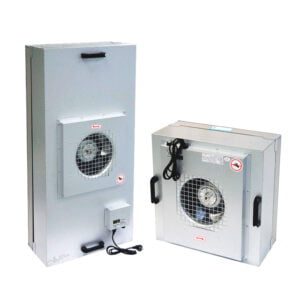
For procurement and validation teams working with a 팬 필터 유닛 or similar active filtration equipment, the SAT planning question worth asking at contract stage is whether the supplier can support OQ-level evidence — operating range data under installed conditions — or only IQ-level evidence from factory testing. If the answer is the latter, the OQ responsibility needs explicit assignment elsewhere before the qualification sequence begins. For additional guidance on sequencing IQ, OQ, and PQ responsibilities for HEPA systems and associated equipment, see 클린룸 장비 인증 - HEPA 시스템, 에어 샤워 및 통과 장치에 대한 IQ, OQ 및 PQ 프로토콜을 계획하는 방법.
Room Release Requires State-Specific Acceptance Records
The condition for room release is not a passing particle count — it is a complete evidence package demonstrating compliance at each qualification state, with a responsible party recorded against each record. IQ, OQ, and PQ reports are the structural minimum. Each maps to a specific test state, and each must demonstrate compliance with the classification limits and performance criteria relevant to that state. Conflating them — for instance, using a combined IQ/OQ report that does not distinguish empty-room from equipment-energised performance — creates an evidence package that is difficult to defend in a regulatory audit even if the underlying data is technically sound.
The clean-up period test report is the record most likely to be absent when the documentation package is assembled. It is not always treated as a discrete deliverable during planning, and its absence means the facility cannot demonstrate that the room returns from operational to at-rest conditions within the less-than-20-minute design criterion. This matters not just for initial qualification but for any subsequent contamination event: without a documented baseline clean-up time, there is no reference against which to evaluate whether the room is recovering normally or exhibiting degraded performance.
Any classification excursion identified during qualification — at any state — requires a documented investigation, root cause analysis, and corrective action verification before release. This is standard industry practice with clear audit implications; an unresolved excursion at PQ, for example, means the room has not demonstrated that it can maintain operational classification under the conditions in which it will be used. The excursion investigation report becomes part of the release package, and its absence or incompleteness is treated as a disqualifying condition by most audit frameworks.
| Documentation Record | State / Qualification Stage | Key Evidence for Release |
|---|---|---|
| IQ 보고서 | 준공 시 | Installation specs, filter leak test, air balance, empty-room particle counts |
| OQ Report | 휴식 중 | Equipment operating range, pressure differential, airflow velocity |
| PQ Report | 운영 | Operational particle counts, contamination control under production conditions |
| Clean-up Period Test Report | Transition (Operational → At-Rest) | Documented time <20 minutes proving return to at-rest |
| Excursion Investigation Report (if applicable) | Any state | Root cause analysis, corrective action verification; unresolved excursions compromise release |
The practical consequence is that room release should be gated on a document checklist that maps each required record to its state, its responsible party, and its acceptance criteria — not on the assumption that a clean particle count at the end of commissioning is sufficient. Where excursion reports are required, they must close before release is authorised, not after.
The central pre-procurement judgment is whether each supplier in scope can articulate what evidence they will produce at each qualification state — and whether that commitment is reflected in the contract before commissioning begins. Factory evidence and installed performance evidence are not substitutes; the airflow, pressure, and recovery parameters that determine classification acceptance can only be confirmed on-site, and the parties responsible for measuring them must be named in advance.
Before finalising the equipment scope, confirm which qualification stages each supplier is expected to support, which tests require cross-party coordination, and whether clean-up period and recovery tests are explicitly assigned. If those assignments are missing from SAT planning, the most likely outcome is that they surface as omissions during PQ — at the point in the project where rescheduling is most disruptive and the cost of delay is highest.
자주 묻는 질문
Q: What happens if a supplier can only provide IQ-level factory evidence but the project requires OQ and PQ support?
A: The OQ and PQ evidence responsibilities must be explicitly reassigned to another party — typically the installer or validation team — before commissioning begins. A supplier limited to factory-level evidence cannot satisfy installed operating-range data or contamination control records under live conditions, and leaving those responsibilities unassigned means they will surface as gaps during qualification rather than being planned for. Identify the ceiling of each supplier’s evidence capability at contract stage and close the assignment gap before work starts.
Q: At what point does a cleanroom’s prior classification evidence become void and require re-qualification?
A: Prior classification evidence is voided when an undocumented change affects the parameters that determined the original result — HVAC modifications, filter replacements, room reconfigurations, or contamination events are all triggers. The critical condition is documentation: a change that is properly assessed, recorded, and closed under change control may require only partial re-qualification, while an undocumented change leaves the room in an unqualified state regardless of its physical performance. Change control ownership must be defined before handover, not after the first modification occurs.
Q: Is the less-than-20-minute clean-up period a regulatory hard limit or a design criterion that can be negotiated?
A: It is a design criterion drawn from standard practice, not a single codified regulatory limit with universal enforcement. However, it functions as a de facto benchmark during audit because it is the figure most qualification frameworks and inspectors will reference when evaluating recovery capability. More importantly, without a documented baseline clean-up time established during initial qualification, there is no reference point for assessing whether the room is recovering normally after a later contamination event — which creates a compliance exposure regardless of whether the threshold itself is strictly mandatory in a given jurisdiction.
Q: If the cleanroom is performing correctly on site, is re-testing still required when documentation records are incomplete?
A: Yes, re-testing is typically required even when the room is physically performing correctly. The release condition is not a passing measurement — it is a complete, state-specific evidence package with a named responsible party against each record. Where records are absent or states are conflated in a combined report, the qualification package cannot be defended in audit, and the missing evidence must be generated through formal re-testing. Correct physical performance and defensible documented evidence are separate conditions, both of which must be satisfied before release.
Q: How should a procurement team evaluate whether an equipment supplier is genuinely capable of supporting OQ-stage evidence versus simply asserting that they can?
A: Ask the supplier to specify, in writing, which installed performance parameters they will measure and record under energised operating conditions at the site — not from factory data. A supplier who can support OQ evidence should be able to name the specific outputs: airflow velocity at the filter face under actual system conditions, pressure differential readings at the installed boundary, and the test method reference they will follow. A supplier who responds with references to factory certificates or rated specifications has answered the IQ question, not the OQ one. The distinction in the answer is the evaluation.