A liberação da sala é um dos pontos de falha mais comuns na execução de projetos de salas limpas: o pacote de documentação chega incompleto, registros específicos de cada estado estão faltando ou foram confundidos, e nenhuma parte se responsabiliza pela lacuna. O custo direto é a repetição dos testes no local de instalação — não porque a sala não atenda aos requisitos, mas porque as evidências reunidas durante o comissionamento não conseguem demonstrar que ela foi aprovada em cada condição exigida. A decisão que resolve essa questão é compreender que os estados “conforme construído”, “em repouso” e “operacional” exigem, cada um, evidências distintas do fornecedor, e que os certificados de fábrica são uma parte necessária, mas insuficiente, desse pacote. O que se segue ajuda as equipes de compras, controle de qualidade e validação a definir, antes da assinatura do contrato, qual parte deve apresentar quais evidências em cada estado — para que a confiança na classificação seja construída progressivamente, em vez de ser contestada no momento da liberação.
Mudanças no estado dos testes em salas limpas: responsabilidade do fornecedor
A classificação que uma sala limpa deve atingir na fase de “as-built” não é a mesma condição que ela deve manter na fase operacional, e os fornecedores que não são informados sobre quais condições seus equipamentos devem suportar frequentemente apresentam evidências que são úteis apenas para uma delas. Isso cria uma lacuna que se torna visível no limite da qualificação — quando a aprovação da IQ exige evidências de instalação com a sala vazia, a OQ exige dados de desempenho com o equipamento energizado e a PQ exige evidências de controle de contaminação em condições reais de produção. A falta de alinhamento sobre qual tipo de evidência é exigida em cada etapa resulta em registros de aceitação incompletos, e a sala não pode ser liberada até que esses registros sejam preenchidos.
O critério prático de planejamento aqui é que o IQ, o OQ e o PQ não ocorrem simplesmente de forma sequencial — cada um deles impõe um ônus probatório diferente ao fornecedor. Um fornecedor que apresente especificações de instalação e um teste de vazamento do filtro conforme a instalação concluída terá cumprido os requisitos do IQ. Esse mesmo fornecedor não cumpriu a OQ se não puder demonstrar a faixa de operação do equipamento nas condições de instalação e não contribuiu em nada para a PQ, a menos que tenha concordado, previamente, em fornecer dados de controle de contaminação durante a operação em tempo real. Sem a atribuição explícita da responsabilidade pela comprovação em cada etapa de qualificação antes da finalização da aquisição, corre-se o risco de que novos testes sejam necessários não por falha do equipamento, mas por uma falha na documentação que poderia ter sido definida no contrato.
| Estado de teste da sala limpa (fase de qualificação) | Documentação exigida do fornecedor | Risco se não estiver claro |
|---|---|---|
| Conforme Construído (IQ) | Especificações de instalação, dados de classificação conforme a obra concluída | A falta de evidências completas sobre o QI impede a aceitação na sala de aula |
| Em repouso (OQ) | Faixa de operação do equipamento; dados de desempenho com o equipamento instalado, mas sem pessoal presente | Os dados de OQ podem ser exclusivos da fábrica, não refletindo o desempenho após a instalação |
| Operacional (PQ) | Dados de controle de contaminação de rotina em condições de operação plena com equipe presente | Falha sob carga do operador não detectada até o uso rotineiro, causando atrasos na liberação |
A própria mudança na classificação do estado traz implicações para o projeto. Uma sala especificada como ISO 6 em estado de repouso pode ser aceitável como ISO 7 em operação — essa diferença de duas classes é uma concessão de projeto em relação à carga de pessoal. Mas se as evidências do fornecedor refletirem apenas a condição da sala vazia conforme construída, nem a classificação em estado de repouso nem a operacional terão sido comprovadas por meio do desempenho dos equipamentos instalados. A sala pode atingir fisicamente sua meta, mas, sem evidências específicas do fornecedor para cada estado acompanhando os registros dos testes no local, o pacote de qualificação será difícil de defender em uma auditoria.
Evidências de fábrica versus evidências de desempenho após instalação
Os certificados de fábrica comprovam a qualidade do equipamento. Eles não demonstram o desempenho desse equipamento uma vez instalado em uma configuração específica de ambiente, conectado a um sistema de climatização real e operando sob uma cascata de pressão real. Essa distinção é frequentemente compreendida em princípio, mas ignorada na prática, especialmente quando os prazos de aquisição são apertados e o pacote de dados de fábrica chega parecendo estar completo.
O risco de falha é concreto. O desempenho após a instalação exige a medição no local de parâmetros que os testes de fábrica não conseguem reproduzir: velocidade do fluxo de ar na face do filtro, diferença de pressão nas fronteiras da sala e comportamento de recuperação após um evento de contaminação. Os valores de projeto comumente utilizados como limites para verificação no local — velocidade de alimentação na faixa de 0,36 a 0,54 m/s, diferencial de pressão de pelo menos 10 a 15 Pa — não podem ser obtidos a partir de um certificado de fábrica, pois dependem da rede de dutos instalada, do equilíbrio das zonas adjacentes e dos pontos de ajuste operacionais reais do sistema conforme comissionado. A norma ISO 14644-3:2019 fornece a estrutura de testes para verificar esses parâmetros no local de instalação; nenhum dado contido no pacote de dados de fábrica substitui essa medição no local.
| Tipo de evidência | O que isso demonstra | Limitações / Parâmetros verificados no local obrigatórios |
|---|---|---|
| Provas da fábrica | Qualidade do equipamento, limpeza na condição de fábrica em condições controladas | Não é possível confirmar o equilíbrio do fluxo de ar, a cascata de pressão e a recuperação; não é válido para os estados de repouso/operacional |
| Evidências de desempenho da instalação | Velocidade do fluxo de ar no sistema (0,36–0,54 m/s), diferença de pressão (mín. 10–15 Pa), capacidade de recuperação | Requer medição no local; caso não haja essa medição, a classificação não poderá ser aceita |
A consequência direta de substituir as evidências de fábrica pelas evidências do local é que, na primeira vez em que o desempenho após a instalação for questionado — seja durante o comissionamento, em uma inspeção regulatória ou após um desvio de classificação —, não haverá um registro documental corretivo, baseado em medições no local, a partir do qual se possa trabalhar. A sala pode estar funcionando corretamente, mas o conjunto de evidências não pode confirmar isso, e novos testes devem ser agendados do zero. Especificar, antes da assinatura do contrato, que as evidências de desempenho após a instalação são distintas das evidências de fábrica e que ambas são necessárias para a liberação da sala elimina esse modo de falha antes que ele se agrave.
Limites de teste “conforme construído”, em repouso e operacional
Cada fase de teste avalia uma condição diferente do sistema, e os critérios de aceitação variam de acordo com isso. O teste “as-built” confirma a infraestrutura vazia — integridade dos filtros, padrão de fluxo de ar e a classificação que a sala atinge sem nada em operação em seu interior, exceto o sistema de tratamento de ar. O teste “at-rest” isola o desempenho dos equipamentos com os equipamentos de processo instalados e energizados, mas sem a presença de pessoal. O teste operacional aplica a condição mais exigente: pessoal trabalhando, processos em andamento e a capacidade de controle de contaminação do sistema sob carga.
O pessoal é a principal fonte de contaminação na maioria dos ambientes de sala limpa; é por isso que a maior proporção de falhas na classificação ocorre durante a fase operacional. Equipamentos que atendem às especificações em uma sala vazia podem não manter as contagens de partículas exigidas assim que as atividades dos operadores começam. Isso não é um defeito do produto no sentido convencional — trata-se de uma condição de projeto que deve ser antecipada e testada. Fornecedores cujas evidências se limitam apenas ao desempenho em sala vazia não demonstraram que seus equipamentos atendem aos limites operacionais, e essa lacuna geralmente vem à tona pela primeira vez durante a PQ, em vez de em etapas anteriores da sequência de qualificação, onde poderia ser resolvida com mais facilidade.
Dois testes específicos situam-se na fronteira entre os estados e são frequentemente omitidos do planejamento do SAT: o período de limpeza e o teste de recuperação. O período de limpeza mede a rapidez com que a sala retorna das condições operacionais às condições de repouso — um limite inferior a 20 minutos é o critério de projeto comumente aplicado, derivado da prática padrão, e não de um único limite regulatório codificado. O teste de recuperação mede a capacidade da sala de recuperar o nível de limpeza alvo após um teste de exposição a aerossóis definido, normalmente utilizando uma relação de concentração de 100:1 ou 10:1. Ambos os testes verificam se o sistema é capaz de restabelecer o controle após um evento de contaminação; sem eles no registro de qualificação, a resposta da sala a uma excursão real permanece desconhecida.
| Estado do teste / Teste | O que é avaliado | Limites-chave / Critérios de aceitação |
|---|---|---|
| Como construído | Infraestrutura vazia, integridade do filtro, padrões de fluxo de ar | Limites de classificação ISO para sala vazia |
| Em repouso | Desempenho do equipamento na ausência de pessoal | Limites de classificação ISO (podem diferir dos valores de fábrica); pressão e vazão de ar dentro das especificações |
| Operacional | Controle de contaminação por meio do pessoal e dos processos | Limites da classificação ISO em condições dinâmicas; o pessoal é a maior fonte de contaminação — a maioria das falhas ocorre nessa área |
| Período de limpeza (Operacional → Em repouso) | Tempo para retornar do estado operacional ao estado de repouso | <20 minutos |
| Teste de recuperação | Capacidade de restaurar a limpeza do alvo após um evento de contaminação | Proporção de exposição ao aerossol de 100:1 ou 10:1; deve retornar ao nível de limpeza alvo |
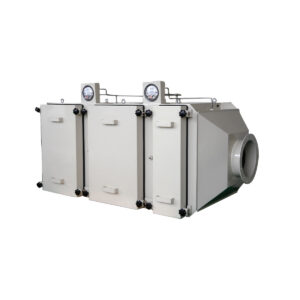
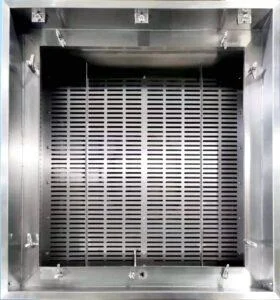
A implicação para os fornecedores de equipamentos é que a distinção entre “conforme construído”, “em repouso” e “operacional” não é apenas uma sequência de classificação — trata-se de uma sequência de testes que exige evidências diferentes em cada etapa. A Caixa de proteção do filtro HEPA Um filtro que tenha sido certificado pela fábrica quanto à integridade do filtro atende ao padrão de qualidade do dispositivo; se ele proporciona o perfil de velocidade adequado e contribui para o comportamento de recuperação do ambiente nas condições de instalação é uma questão à parte, que somente testes no local podem responder.
Planejamento do SAT entre as equipes de fornecedores, instaladores e validação
O ponto de atrito na maioria das qualificações de salas limpas não são os testes — é a transferência de responsabilidade entre as partes antes do início dos testes. As responsabilidades do fornecedor, do instalador e da equipe de validação se sobrepõem nas etapas de “conforme construído”, “em repouso” e “operacional”; e, sem uma atribuição explícita antes do início dos trabalhos, o resultado é a duplicação de esforços ou lacunas na cobertura. Ambos causam atrasos, mas as lacunas representam o risco mais grave, pois geram omissões que um auditor irá identificar e que só poderão ser resolvidas por meio de um novo teste.
O mapeamento de IQ/OQ/PQ para o estado é um critério de planejamento, não uma exigência regulatória universal que se aplique de forma idêntica em todas as jurisdições e tipos de projeto. Mas, como critério de planejamento, é bastante robusto: define qual parte deve apresentar quais evidências em qual etapa e fornece a estrutura que permite identificar lacunas antes do comissionamento, em vez de descobri-las durante o processo. O Anexo 15 do EudraLex oferece suporte de referência de processo para a estrutura da sequência de qualificação; a estrutura de IQ/OQ/PQ é o mecanismo por meio do qual a responsabilidade deve ser atribuída, e não apenas descrita.
Os testes mais comumente omitidos quando o planejamento do SAT é incompleto são o teste do período de limpeza e o teste de recuperação. Ambos exigem coordenação ativa entre o instalador (que deve ser capaz de gerar a condição de contaminação) e a equipe de validação (que deve medir e registrar o resultado). Nenhum desses testes é do tipo que um fornecedor possa realizar apenas com base em dados de fábrica. Se esses testes não forem explicitamente atribuídos a um responsável durante o planejamento do SAT — com protocolos e critérios de aceitação acordados —, eles geralmente só são identificados após a conclusão do IQ e do OQ; nesse momento, agendá-los atrasa a aprovação do PQ e, consequentemente, a liberação da sala.
A documentação de controle de mudanças acarreta sua própria obrigação de planejamento. Qualquer modificação no sistema de climatização (HVAC), substituição de filtro, reconfiguração da sala ou evento de contaminação que ocorra após a qualificação inicial deve desencadear uma avaliação de impacto e a elaboração de registros de documentação pré e pós-mudança. Mudanças significativas podem exigir uma requalificação parcial ou total. A responsabilidade pelos registros de controle de mudanças deve ser definida antes da transferência; uma mudança não documentada anula as evidências de classificação anteriores e deixa a sala em um estado não qualificado, independentemente de seu desempenho físico. A norma ISO 14644-2:2015 fornece uma referência para a continuidade do monitoramento dessa obrigação, juntamente com os gatilhos de alteração do Anexo 15.
| Fase de Qualificação / Teste | Requisitos de comprovação | Lacuna na atribuição de responsabilidades |
|---|---|---|
| IQ (conforme construído) | Especificações de instalação, teste de vazamento do filtro, equilíbrio de ar, dados de classificação de sala vazia | É preciso designar um responsável claro; a sobreposição de responsabilidades ou a ausência de um responsável atrasa a aprovação do IQ |
| OQ (em repouso) | Faixa de operação, diferença de pressão, velocidade do fluxo de ar, dados de desempenho do equipamento | Sem a atribuição de responsabilidades, os testes no local podem ficar incompletos ou se repetir |
| PQ (Operacional) | Contagem operacional de partículas, controle de contaminação em condições de produção | Risco de contaminação por parte do pessoal; o fornecedor e a equipe de validação devem chegar a um acordo quanto à responsabilidade pelas evidências de qualificação prévia (PQ) |
| Teste do Período de Limpeza | Retorno programado do estado operacional para o estado de repouso | Frequentemente omitido, a menos que seja explicitamente designado durante o planejamento do SAT |
| Teste de recuperação | Retorno aos níveis de limpeza desejados após o teste de exposição a aerossóis | É necessário designar um responsável; a omissão de testes de recuperação leva a instalações que não estão em conformidade |
| Documentação de Controle de Mudanças | Avaliação de impacto, documentação pré e pós-mudança, critérios para requalificação | Alterações não controladas invalidam as evidências anteriores; a responsabilidade pelos registros de controle de alterações deve ser definida |
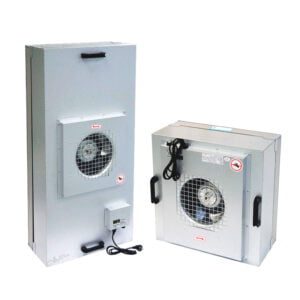
Para equipes de aquisição e validação que trabalham com um unidade de filtragem com ventilador ou equipamentos de filtragem ativa semelhantes, a questão de planejamento de SAT que deve ser levantada na fase de contratação é se o fornecedor pode apresentar evidências no nível de OQ — dados da faixa operacional nas condições de instalação — ou apenas evidências no nível de IQ, provenientes de testes de fábrica. Se a resposta for a última opção, a responsabilidade pela OQ precisa ser explicitamente atribuída a outra parte antes do início da sequência de qualificação. Para orientações adicionais sobre a sequência das responsabilidades de IQ, OQ e PQ para sistemas HEPA e equipamentos associados, consulte Qualificação de equipamentos para salas limpas - Como planejar protocolos de QI, QO e QP para sistemas HEPA, chuveiros de ar e unidades de passagem.
A liberação do quarto exige registros de aceitação específicos de cada estado
A condição para a liberação da sala não é uma contagem de partículas dentro dos limites — é um conjunto completo de evidências que demonstre a conformidade em cada estágio de qualificação, com um responsável registrado para cada registro. Os relatórios de IQ, OQ e PQ constituem o mínimo estrutural. Cada um deles corresponde a uma etapa específica de teste e deve demonstrar conformidade com os limites de classificação e os critérios de desempenho relevantes para essa etapa. Confundir esses elementos — por exemplo, utilizar um relatório combinado de IQ/OQ que não distinga o desempenho da sala vazia do desempenho com os equipamentos ligados — resulta em um conjunto de evidências difícil de defender em uma auditoria regulatória, mesmo que os dados subjacentes sejam tecnicamente válidos.
O relatório de teste do período de limpeza é o documento que tem maior probabilidade de estar ausente na montagem do pacote de documentação. Ele nem sempre é tratado como um produto final específico durante o planejamento, e sua ausência significa que a instalação não pode comprovar que a sala retorna das condições operacionais para as condições de repouso dentro do critério de projeto de menos de 20 minutos. Isso é importante não apenas para a qualificação inicial, mas também para qualquer evento de contaminação subsequente: sem um tempo de limpeza de referência documentado, não há parâmetro para avaliar se a sala está se recuperando normalmente ou apresentando desempenho prejudicado.
Qualquer desvio de classificação identificado durante a qualificação — em qualquer estágio — requer uma investigação documentada, análise da causa raiz e verificação das ações corretivas antes da liberação. Essa é uma prática padrão do setor, com claras implicações para auditorias; um desvio não resolvido na PQ, por exemplo, significa que a sala não demonstrou ser capaz de manter a classificação operacional nas condições em que será utilizada. O relatório de investigação do desvio passa a fazer parte do pacote de liberação, e sua ausência ou incompletude é tratada como uma condição desqualificante pela maioria das estruturas de auditoria.
| Registro de documentação | Fase estadual / de qualificação | Provas fundamentais para a libertação |
|---|---|---|
| Relatório de QI | Como construído | Especificações de instalação, teste de vazamento do filtro, equilíbrio de ar, contagem de partículas em ambiente vazio |
| Relatório de OQ | Em repouso | Faixa de operação do equipamento, diferença de pressão, velocidade do fluxo de ar |
| Relatório da PQ | Operacional | Contagem operacional de partículas, controle de contaminação em condições de produção |
| Relatório de Teste do Período de Limpeza | Transição (Operacional → Inativo) | Tempo registrado <20 minutos comprovando o retorno ao estado de repouso |
| Relatório de Investigação da Excursão (se aplicável) | Qualquer estado | Análise da causa raiz, verificação das ações corretivas; desvios não resolvidos comprometem a liberação |
A consequência prática é que a liberação da sala deve ser condicionada a uma lista de verificação de documentos que relacione cada registro exigido ao seu estado, ao responsável por ele e aos critérios de aceitação — e não à suposição de que uma contagem de partículas dentro dos limites no final do comissionamento seja suficiente. Nos casos em que forem exigidos relatórios de excursão, estes devem ser encerrados antes que a liberação seja autorizada, e não depois.
A decisão fundamental na fase pré-contratação é se cada fornecedor incluído no escopo é capaz de especificar quais evidências apresentará em cada etapa da qualificação — e se esse compromisso está refletido no contrato antes do início do comissionamento. As evidências de fábrica e as evidências de desempenho após a instalação não são substitutas; os parâmetros de fluxo de ar, pressão e recuperação que determinam a aceitação da classificação só podem ser confirmados no local, e as partes responsáveis por medi-los devem ser indicadas com antecedência.
Antes de finalizar o escopo dos equipamentos, confirme quais etapas de qualificação cada fornecedor deverá apoiar, quais testes exigem coordenação entre as partes e se o período de limpeza e os testes de recuperação foram explicitamente atribuídos. Se essas atribuições não constarem do planejamento do SAT, o resultado mais provável é que elas surjam como omissões durante a PQ — no momento do projeto em que o reajuste do cronograma é mais prejudicial e o custo do atraso é mais elevado.
Perguntas frequentes
P: O que acontece se um fornecedor puder apresentar apenas documentação de qualificação de instalações (IQ) da fábrica, mas o projeto exigir documentação de qualificação operacional (OQ) e de qualificação de desempenho (PQ)?
R: As responsabilidades relativas às evidências de OQ e PQ devem ser explicitamente reatribuídas a outra parte — normalmente ao instalador ou à equipe de validação — antes do início do comissionamento. Um fornecedor limitado a evidências em nível de fábrica não pode atender aos requisitos de dados da faixa operacional instalada ou aos registros de controle de contaminação em condições reais de operação; deixar essas responsabilidades sem atribuição significa que elas surgirão como lacunas durante a qualificação, em vez de serem planejadas antecipadamente. Identifique o limite máximo da capacidade de fornecimento de evidências de cada fornecedor na fase de contratação e elimine a lacuna de atribuição antes do início dos trabalhos.
P: Em que momento a certificação anterior de uma sala limpa perde validade e é necessária uma nova qualificação?
R: As evidências de classificação anteriores são anuladas quando uma alteração não documentada afeta os parâmetros que determinaram o resultado original — modificações no sistema de climatização (HVAC), substituições de filtros, reconfigurações da sala ou eventos de contaminação são todos fatores desencadeantes. O ponto crítico é a documentação: uma alteração que seja devidamente avaliada, registrada e encerrada sob o controle de alterações pode exigir apenas uma requalificação parcial, enquanto uma alteração não documentada deixa a sala em um estado não qualificado, independentemente de seu desempenho físico. A responsabilidade pelo controle de alterações deve ser definida antes da transferência, e não após a ocorrência da primeira modificação.
P: O prazo de limpeza inferior a 20 minutos é um limite regulatório rígido ou um critério de projeto que pode ser negociado?
R: Trata-se de um critério de projeto derivado da prática padrão, e não de um único limite regulatório codificado com aplicação universal. No entanto, ele funciona como um parâmetro de referência de fato durante a auditoria, pois é o valor ao qual a maioria dos quadros de qualificação e inspetores se referirá ao avaliar a capacidade de recuperação. Mais importante ainda, sem um tempo de limpeza de referência documentado e estabelecido durante a qualificação inicial, não há ponto de referência para avaliar se a sala está se recuperando normalmente após um evento de contaminação posterior — o que cria um risco de não conformidade, independentemente de o limite em si ser estritamente obrigatório em uma determinada jurisdição.
P: Se a sala limpa estiver funcionando corretamente no local, ainda é necessário realizar novos testes quando os registros da documentação estiverem incompletos?
R: Sim, normalmente é necessário realizar novos testes, mesmo quando a sala está funcionando corretamente do ponto de vista físico. A condição para liberação não é uma medição aprovada — trata-se de um pacote completo de evidências específicas para cada estado, com um responsável identificado para cada registro. Quando faltam registros ou os estados são agrupados em um relatório combinado, o pacote de qualificação não pode ser defendido em uma auditoria, e as evidências ausentes devem ser geradas por meio de novos testes formais. O desempenho físico correto e as evidências documentadas defensáveis são condições distintas, e ambas devem ser atendidas antes da liberação.
P: Como uma equipe de compras deve avaliar se um fornecedor de equipamentos é realmente capaz de fornecer evidências para a fase de OQ, em vez de simplesmente afirmar que pode fazê-lo?
R: Peça ao fornecedor que especifique, por escrito, quais parâmetros de desempenho da instalação ele medirá e registrará em condições operacionais com o sistema energizado no local — e não com base em dados de fábrica. Um fornecedor capaz de apresentar evidências de qualificação operacional (OQ) deve ser capaz de indicar os resultados específicos: velocidade do fluxo de ar na face do filtro sob condições reais do sistema, leituras do diferencial de pressão no limite da instalação e a referência do método de teste que seguirá. Um fornecedor que responder com referências a certificados de fábrica ou especificações nominais terá respondido à pergunta de IQ (Qualificação de Informações), e não à de OQ (Qualificação Operacional). A distinção na resposta está na avaliação.