De goedkeuring van de plafondindeling wordt vaak beschouwd als een mijlpaal op het gebied van constructie en installatietechniek, maar voor halfgeleider-cleanroommodules hangt deze af van de kwalificatie van de filters – een feit dat de meeste projectteams pas te laat ontdekken. Wanneer een externe certificeringsinstantie langskomt om de integriteit van de geïnstalleerde filters te testen en constateert dat het scanpad wordt geblokkeerd door een verlichtingsarmatuur, een kabelgoot of de rand van een aangrenzend FFU-paneel, zijn de opties kostbaar: gedeeltelijke demontage van het plafond, een ontheffing van de opleveringseisen met een zwakke plek in de kwalificatiedocumentatie, of een vertraging in de planning terwijl er achteraf toegangshardware wordt ingebouwd in een module die daar nooit voor is ontworpen. De fysieke vereisten voor het scannen — de sonde op ongeveer 2,5 cm van het uitgangsvlak van het filter gehouden, continu over het volledige filteroppervlak bewogen — leggen ruimtebeperkingen op die niet meer kunnen worden opgelost nadat het plafond is gebouwd, zonder extra kosten en vertraging. De beslissingen die bepalen of de module de eerste-exemplaar-test zonder problemen doorstaat, worden genomen tijdens de lay-outfase, niet tijdens de certificering, en de onderstaande paragrafen zijn opgesteld om die beslissingen te ondersteunen.
Plan de integriteitstests van de geïnstalleerde filters voordat de indeling van het plafond definitief vastligt
Het uitstellen van de keuze van de testmethode tot na het vastleggen van de plafondindeling heeft concrete gevolgen. De fysieke hardware die nodig is voor een geldige filterintegriteitstest — speciale injectiepoorten, stroomopwaartse bemonsteringspoorten op de juiste afstand van het filteroppervlak en een geverifieerde aerosolmengtoestand — moet ofwel bij het ontwerp in de module worden ingebouwd, ofwel achteraf worden aangebracht. Achteraf aanbrengen is beperkt zodra de plafondkamer is gebouwd, en in sommige configuraties is het niet mogelijk zonder de oorspronkelijke installatie onbruikbaar te maken.
Volgens de testprocedure van ISO 14644-3:2019 moet de aerosolconcentratie stroomopwaarts uniform zijn voordat de testbelasting het filteroppervlak bereikt. De praktische richtwaarde die wordt gebruikt om aan die voorwaarde te voldoen, is een afwijking van ±15% over de dwarsdoorsnede van het stroomopwaartse kanaal. Als de beschikbare mengafstand tussen het injectiepunt en het filter onvoldoende is om die uniformiteit te bereiken, is een mengverdeelstuk met sproeibuis nodig — hetzij permanent geïnstalleerd, hetzij tijdelijk aangebracht. Dit is geen beslissing die op het laatste moment ter plaatse wordt genomen; het is een ontwerpbeperking die bepaalt waar de injectiepoorten in de plafondkamer worden geplaatst en of het kanaalwerk stroomopwaarts van elke filtereenheid ruimte biedt voor de apparatuur. De positie van de bemonsteringspoort (ongeveer 10 cm vanaf het filteroppervlak, met een binnendiameter tussen 5 mm en 8 mm) is eveneens een vereiste bij het ontwerp, geen toevoeging ter plaatse.
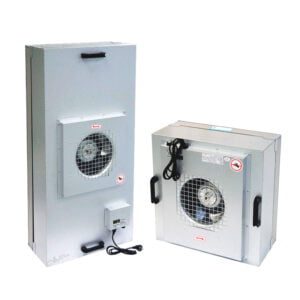
De injectiestrategie bepaalt ook het aantal plafonddoorvoeren en het risico voor rookmelders. Lokale injectie per filter verdient de voorkeur boven gecentraliseerde injectie op afstand wanneer het doel is om te voorkomen dat filters die niet worden getest, worden belast, en om de kans op het activeren van rookdetectiesystemen in het gebouw te verminderen. Lokale injectie vereist speciale aansluitingen in de behuizing — die bij de aanschaf moeten worden gespecificeerd of achteraf als accessoires moeten worden toegevoegd — en die aansluitingen kunnen niet eenvoudig worden geïnstalleerd zodra de modulestructuur voltooid is. Door ventilator aangedreven HEPA-units met ingebouwde PAO-testpoorten bieden hiervoor een oplossing door injectie vanuit de ruimte mogelijk te maken zonder extra doorvoeren in het plafond, maar dit vereist een beslissing over de aankoopspecificaties die moet worden genomen voordat de unit wordt besteld.
| Vereiste | Specificatie | Waarom het belangrijk is |
|---|---|---|
| Uniformiteit van de menging van aerosolen in de stroomopwaartse fase | Controleer of de afwijking binnen ±15% ligt; installeer een mengverdeelstuk voor de spoelleiding (tijdelijk of permanent) als de mengafstand onvoldoende is | Zorgt voor een geldige concentratie van de testaerosol voor integriteitstests |
| Speciale injectie- en monsterpoorten | Installeer speciale aansluitingen; plaats de monsterafnamepoort op 10 cm afstand van het filteroppervlak, met een binnendiameter van 5–8 mm | Biedt de benodigde apparatuur voor injectie en concentratiemeting zonder dat er op het laatste moment aanpassingen nodig zijn |
| Door een ventilator aangedreven HEPA-unit met ingebouwde PAO-aansluitingen | Geef de ingebouwde testpoorten op FFU’s op om testen vanuit de ruimte mogelijk te maken | Maakt externe leidingen of extra doorvoeren in het plafond overbodig; vereenvoudigt de planning van de toegangswegen voor de injectie |
De twee injectiemethoden hebben, afgezien van het aantal poorten, verschillende gevolgen voor de lay-out.
| Injectiemethode | Belangrijkste voordelen | Beperkingen / Overwegingen bij de planning |
|---|---|---|
| Lokale injectie per filter | Voorkomt dat andere filters worden geladen; vermindert het risico dat rookmelders in het gebouw worden geactiveerd | Hiervoor zijn speciale injectiepoorten in de behuizing nodig of moet er een aftermarket-installatie worden aangebracht |
| Gecentraliseerde injectie op afstand | De injectie-installatie kan wellicht worden vereenvoudigd als het bestaande leidingwerk kan worden gebruikt | Laadt alle stroomafwaartse filters; verhoogt de kans op het afgaan van het gebouwalarm; de mengafstand moet worden gecontroleerd |
| Ingebouwde PAO-poorten op FFU’s | Maakt externe leidingen of toegangsopeningen in het plafond overbodig; maakt testen vanuit de ruimte mogelijk | Alleen beschikbaar op apparaten met ventilator die over deze functie beschikken; kan ruimte in het plafond innemen die bestemd is voor verlichting en kabelgeleiding |
Noch lokale, noch externe injectie is de universeel juiste aanpak. De juiste keuze hangt af van de vraag of het moduleontwerp bij de aanschaf ruimte biedt voor speciale poorten per filter, hoe de brand- en rookbeheersingssystemen van het gebouw zijn ingedeeld ten opzichte van het plenum van de cleanroom, en of de technische ruimte in het plafond plaats biedt aan mengverdeelstukken zonder dat dit in conflict komt met de bestaande MEP-leidingen. Wat niet acceptabel is, is de keuze onbepaald te laten wanneer de plafondindeling definitief is vastgesteld, omdat de hardware-implicaties van elke optie na de bouw van de module onderling onverenigbaar zijn.
Controleer of er rondom FFU’s, verlichting en panelen voldoende ruimte is om te scannen
De planning van de vrije ruimte voor het scannen van filters is zo specifiek dat deze moet worden beschouwd als een lay-outbeperking met vastgestelde minimumwaarden, in plaats van als een algemene overweging met betrekking tot de toegankelijkheid. De sonde moet tijdens het scannen op een afstand van ongeveer 2,5 cm van het uitgangsvlak van het filter worden gehouden en met een snelheid van ongeveer 5 cm/s worden bewogen bij gebruik van een fotometer met een fish-tail-sonde met een oppervlakte van 6,45 cm². ISO 14644-3 geeft de verplaatsingssnelheid voor deeltjestellers weer als ongeveer 15 gedeeld door het aantal meetpunten per breedte, wat een meetbare tijd-per-doorgang oplevert waarmee kan worden berekend of een scantraject fysiek haalbaar is rond de aanwezige plafondonderdelen. Deze cijfers definiëren de daadwerkelijke vrije ruimte rondom het filteroppervlak: niet nominaal, niet “voldoende”, maar zodanig gedimensioneerd dat deze vóór de goedkeuring kan worden getoetst aan de plafondtekening.
De knelpunten zijn voorspelbaar. Verlichtingsarmaturen en kabelgoten worden doorgaans in de onderhoudszone van het plafond aangelegd zonder rekening te houden met de vereisten voor het scanpad, omdat MEP-coördinatoren niet werken op basis van een filtertestopdracht. De randen van panelen en de montageflenzen van FFU’s dringen door in de omtrek van het filteroppervlak in richtingen die in de bouwkundige indeling als ‘opgeloste ruimte’ worden beschouwd. Wanneer deze elementen al zijn geplaatst, heeft de certificeerder die met een fotometersonde arriveert geen andere keuze dan de obstructie te documenteren en deze aan te merken als een testbeperking — wat een onvolledigheid in het kwalificatierapport veroorzaakt die door een QA-beoordelingsteam moet worden afgehandeld.
Voor configuraties waarbij de toegang voor handmatig scannen wordt belemmerd door de vorm van het plafond en het achteraf aanbrengen van extra ruimte niet haalbaar is, kan een in de lengterichting bewegende scansonde die permanent in veilig te vervangen behuizingen is geïnstalleerd, als alternatief dienen. Dit is geen algemene ontwerpeis; het geldt specifiek voor opstellingen waarbij plafondonderdelen niet kunnen worden verplaatst en het installatietype dit toelaat. Het is de moeite waard om tijdens de ontwerpbeoordeling na te gaan of er filterposities zijn die in die categorie vallen, en zo ja, of de specificatie van de behuizing daarin voorziet.
| Toegankelijkheidseis | Parameter / Specificatie | Gevolgen voor de indeling |
|---|---|---|
| Scanfrequentie van de fotometer | 5 cm/s met visstaart-sonde (6,45 cm²); verplaatsingssnelheid volgens ISO 14644-3 ≈ 15/WP cm/s | Bepaalt de vereiste lengte en duur van het scanpad; is van invloed op de vrije ruimte en het ontwerp van het pad rondom filters |
| Afstand tussen sonde en filter | Ongeveer 2,5 cm (1 inch) vanaf het uitgangsvlak van het filter | Bepaalt de benodigde vrije ruimte rondom het filteroppervlak; is van invloed op de plaatsing van FFU’s, verlichting en plafondpanelen |
| Terugvaloptie voor handmatige scan | Als handmatige toegang niet haalbaar is, installeer dan een langsrichtingsscansonde permanent in de behuizingen voor veilig verwisselen | Garandeert de mogelijkheid om te scannen wanneer plafondonderdelen de directe handmatige toegang belemmeren |
Het structurele controlepunt is hier duidelijk: de plattegrond van het plafond moet voor elke filterpositie worden getoetst aan de vereisten voor het scanpad voordat de indeling definitief wordt vastgelegd, waarbij de vrije ruimte voor de sonde als ontwerpbeperking moet worden aangegeven, naast de uitsluitingszones voor verlichting en de toegangsgangen voor onderhoud. Als die controle geen onderdeel is van de agenda voor de ontwerpbeoordeling, wordt dit automatisch overgelaten aan het locatieonderzoek door de certificeringsinstantie — op dat moment ligt het ontwerp al vast.
Verantwoordelijkheid toewijzen voor testmethode en documentatie
Onduidelijke verantwoordelijkheden tussen de leverancier van de module, de certificeringsinstantie voor de cleanroom en de eigenaar van de faciliteit vormen de meest voorkomende oorzaak van vertragingen bij het testen van het eerste exemplaar in halfgeleider-cleanroomprojecten. De wrijving gaat meestal niet over wie de test uitvoert, maar over wie de toegangsapparatuur levert, wie de mengomstandigheden van de aerosol valideert, wie verantwoordelijk is voor de specificatie van de injectiepoort en wie het certificeringsrapport opstelt. Wanneer deze zaken niet zijn toegewezen voordat de lay-out wordt goedgekeurd, begint elke partij aan de test met een andere aanname over wat de anderen al hebben geregeld.
De keuze van de testmethode heeft op zich al gevolgen voor wie de test mag uitvoeren en welke infrastructuur daarvoor nodig is. Aerosolfotometrie met behulp van een DOP- of PAO-test is de meest gangbare methode voor het testen van de integriteit van geïnstalleerde filters in halfgeleider-cleanrooms, omdat deze methode betrouwbaar presteert in omgevingen met een unidirectionele luchtstroom en een continu signaal oplevert over het gehele scanpad. Deeltjestelling is een alternatief, maar deze methode is minder betrouwbaar bij niet-unidirectionele luchtstroomomstandigheden en kent complexere goedkeurings- en afkeuringscriteria die een zorgvuldige vaststelling van de standaardwerkwijze (SOP) vereisen. Als de methode pas wordt gekozen nadat het plafond is gebouwd — of als de keuze bij aankomst aan de certificeringsinstantie wordt overgelaten — bestaat het risico dat de poortinfrastructuur niet aansluit bij de methode, of dat de SOP niet is getoetst aan het daadwerkelijke luchtstroomregime.
Volgens de ISO 14644-3-norm moeten de injectie- en bemonsteringspunten die tijdens het testen worden gebruikt, worden gedefinieerd en vastgelegd, en moet er een eenmalige validatietest voor de aerosolmenging worden uitgevoerd om de uniformiteit van de concentratie stroomopwaarts te bevestigen voordat met de routinetests wordt begonnen. De SOP moet verwijzen naar de specifieke poorten die worden gebruikt, en niet alleen de methode in algemene termen beschrijven. Het toewijzen van de verantwoordelijkheid voor de documentatie houdt in dat wordt vastgesteld wie verantwoordelijk is voor het opstellen van die SOP vóór de test, het bewaren van het validatierapport van de menging en het opstellen van het definitieve certificatierapport — en dat dit niet wordt overgelaten aan een gedeelde aanname die bij de overdracht tot een geschil kan leiden.
| To te wijzen aspect | Wat verduidelijken | Waarom het belangrijk is |
|---|---|---|
| Testmethode | Geef aan of er gebruik wordt gemaakt van aerosolfotometrie (DOP-scan) of deeltjestelling; deeltjestelling is minder betrouwbaar bij niet-unidirectionele stroming en kent complexe criteria voor goedkeuring of afkeuring | Zorgt ervoor dat de gekozen methode geschikt is voor de luchtstroomomgeving en voldoet aan de acceptatiecriteria |
| Toegangszijde | Geef aan of er voor het testen toegang vanaf de kamerzijde of vanaf de plafondzijde nodig is | Bepaalt de belasting bij het uitschakelen, de afwegingen tussen verlichting en kabeltracés, en de haalbaarheid van het scannen |
| Aerosol-/challenge-methode | Bepaal de injectiestrategie (lokaal/op afstand) en het type testaerosol | Heeft gevolgen voor de vereisten inzake aansluitingen, de validatie van het mengproces en de veiligheid (bijvoorbeeld het afgaan van rookmelders) |
| Verantwoordelijke voor de documentatie | Bepaal wie verantwoordelijk is voor het opstellen en bewaren van certificeringsdocumenten | Voorkomt geschillen en vertragingen als gevolg van ontbrekende of onvolledige documentatie |
| Validatietest voor het mengen | Controleer of de SOP een eenmalige validatietest voor het mengen van aerosolen bevat en of daarin wordt vermeld welke poorten worden gebruikt | Voldoet aan de eisen van ISO 14644-3 en controleert de uniformiteit van de concentratie in de stroomopwaartse fase vóór routinetests |
Wat de inkoop betreft, houdt dit in dat de toewijzing van verantwoordelijkheden deel moet uitmaken van het leveringscontract voor de modules en de overeenkomst met de certificeringsinstantie, en niet informeel tijdens vergaderingen ter plaatse mag worden geregeld. Indien de leverancier van de modules standaard geen testpoorten levert, moet deze tekortkoming worden vastgelegd als een door de klant te leveren onderdeel, met een installatietermijn die valt vóór de eindinspectie van het plafond.
Voorkom vertragingen bij de acceptatie als gevolg van geblokkeerde servicepaden
Het blokkeren van de toegang voor de scan bij de eerste-artikelkeuring verloopt volgens een herkenbaar patroon: de leverancier van de module voltooit de installatie, de MEP-inbouw wordt goedgekeurd en de keuringsinstantie komt ter plaatse om vast te stellen dat de posities van de verlichtingsarmaturen, de kabelgoottrajecten of de randprofielen van de panelen de vrije ruimte voor één of meer filtervlakken hebben ingenomen. Op dat moment zijn de beschikbare oplossingen beperkt tot het gedeeltelijk demonteren van het plafond, het verlenen van ontheffingen of het verzetten van de keuring totdat de toegang is aangepast. Alle drie leiden tot tijdsdruk. De eerste twee zorgen bovendien voor een kwalificatiedossier dat actief moet worden afgehandeld — hetzij door de demontage- en hermontageprocedure als een gecontroleerde activiteit te documenteren, hetzij door vast te leggen op welke gronden een ontheffing is geaccepteerd en door wie.
Het risico op storingen is groter wanneer de module wordt geleverd door een leverancier die niet verantwoordelijk is voor de certificeringstest, omdat de acceptatiecriteria van de leverancier voor de installatie doorgaans geen ruimte voor het scanpad omvatten. Tenzij de vereisten voor de testmethode in de leveringsspecificatie zijn vastgelegd en tijdens de IQ-fase worden gecontroleerd, heeft de leverancier geen invloed op het ontwerp om te voorkomen dat een verlichtingsarmatuur of een schakelkast zodanig wordt geplaatst dat deze het filteroppervlak blokkeert. Deze lacune komt met name vaak voor bij modulaire cleanroom-aanbestedingen, waarbij de bouwkundige, MEP- en cleanroommodule-werkzaamheden worden beheerd door verschillende aannemers zonder een gemeenschappelijke toegangsinstructie.
Hoe eerder de toegangsplanning wordt uitgevoerd — idealiter voordat de plafondindeling wordt vrijgegeven voor fabricage — hoe lager de kosten voor herstelwerkzaamheden. Na de fabricage vereisen aanpassingen aan de vrije ruimte het zagen en op maat brengen van plafondpanelen, het verplaatsen van armaturen die al voorlopig zijn geïnstalleerd, of het accepteren van permanente scanbeperkingen die bij elke herkwalificatiecyclus procedureel moeten worden beheerd. Een indeling die vóór de fabricage een scan-toegangsbeoordeling doorstaat, kost niets. Een indeling die tijdens de certificering niet door de toetsing komt, kost tijd, ondermijnt de geloofwaardigheid van de planning en vereist in sommige regelgevingsomgevingen het aanpassen van de documentatie, wat verder reikt dan de initiële kwalificatiecyclus.
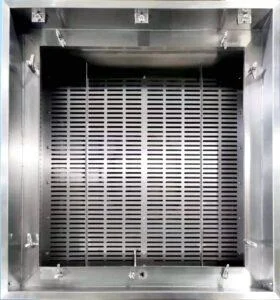
Voor projecten waarbij gebruik wordt gemaakt van HEPA behuizingsdozen in het plafondrooster, waarmee wordt bevestigd dat het ontwerp van de behuizing de vereiste naderingshoek van de sonde ondersteunt en dat de vrije ruimte stroomafwaarts deel uitmaakt van de specificatiebeoordeling, en niet zomaar als gegeven mag worden beschouwd.
Vrijgavecriteria voor filtertoegang en lekproefverslagen
Een certificatierapport dat een visuele controle doorstaat, is niet hetzelfde als een certificatiedossier dat een audit doorstaat. Het verschil zit hem in de vraag of het dossier alle vereiste gegevens bevat om aan te tonen dat de test geldig was, de meetapparatuur traceerbaar was en de beoordeling (geslaagd/niet geslaagd) is gebaseerd op een vastgestelde drempelwaarde — en niet alleen dat er een test is uitgevoerd en het filter is goedgekeurd.
De lekdrempel die tijdens het scannen wordt gehanteerd, moet vóór aanvang van de tests in de projectspecificatie worden vastgelegd en mag niet worden afgeleid uit de standaardpraktijk van de certificeringsinstantie. Volgens de conventies van het ISO 29463-4-testkader wordt een lek gedefinieerd als een penetratie van meer dan 0,01%. Voor H14-filterklassen wordt de toegepaste lekdrempel doorgaans vastgesteld op vijf keer de nominale penetratiewaarde van het filtermedium — voor filtermedia met een penetratie van 0,0005% levert dat een testdrempel op van 0,0025%. Deze cijfers dienen als input voor ontwerp en planning en bepalen hoe gevoelig de scan moet zijn en wat als een te rapporteren bevinding geldt; het zijn geen universele wettelijke drempels die buiten het toepassingsgebied van de norm gelden, maar wel de referentiecijfers waarop de meeste specificaties en certificeringsinstanties voor halfgeleider-cleanrooms zich baseren.
| Vrijgavecriterium | Specificatie / Vereiste | Relevantie voor audit en naleving |
|---|---|---|
| Lekdrempel | Een lek wordt gedefinieerd als een penetratie van >0,011 TP10T; voor H14-filters is de drempelwaarde vastgesteld op vijf keer de penetratie van het filtermedium (bijvoorbeeld 0,00251 TP10T voor een filtermedium van 0,00051 TP10T) | Stelt duidelijke criteria vast voor ‘geslaagd’ of ‘niet geslaagd’; ondersteunt beslissingen over hertoetsing en de definitieve goedkeuring van de release |
| Inhoud van het certificeringsrapport | Moet de volgende gegevens bevatten: filter-ID, testdatum, gegevens van de technicus, testmethodologie, type test-aerosol en concentratie stroomopwaarts, scanresultaten met leklocaties, beoordeling (geslaagd/niet geslaagd), luchtstroomsnelheid, drukverschil en verificatie van de ISO-classificatie | Maakt auditklare documenten aan met volledige traceerbaarheid voor controle door toezichthouders en klanten |
| Kalibratie van instrumenten | Actuele kalibratiecertificaten met traceerbaarheid naar het NIST; de ISO 17025-accreditatie zorgt voor extra vertrouwen in de betrouwbaarheid van de metingen | Toont de betrouwbaarheid van de metingen aan; essentieel voor de aanvaarding van testresultaten en nalevingscontroles |
De instrumenten die tijdens de test worden gebruikt, moeten voorzien zijn van actuele kalibratiecertificaten met naar het NIST herleidbare meetketens. Een ISO 17025-accreditatie voor het testlaboratorium biedt extra zekerheid over de betrouwbaarheid van de metingen en wordt steeds vaker genoemd in projectspecificaties voor aan de farmaceutische sector gerelateerde en geavanceerde halfgeleiderprojecten, hoewel het van de expliciete bepalingen in de projectspecificatie afhangt of dit een strikte vereiste is.
De inhoudsopgave van het certificeringsrapport dient als controlelijst aan de hand waarvan het kwaliteitsborgingsteam de volledigheid moet controleren voordat het document wordt opgenomen in het kwalificatiepakket. Ontbrekende referenties van technici, een niet-gedefinieerde concentratie van het testaerosol stroomopwaarts, of scanresultaten die een lekplaats identificeren zonder een afhandelingverslag: dit alles leidt tot auditbevindingen die tijdens de test gemakkelijker te voorkomen zijn dan achteraf te verhelpen nadat het rapport is ingediend. Het controleren van de vereisten voor de inhoud van het rapport met de certificeringsinstantie voordat de test begint — en het aanwijzen van de documentatieverantwoordelijke op hetzelfde moment als de testmethode — is de maatregel die het meest waarschijnlijk een vrijgaveblokkering voorkomt.
Specificaties voor compatibele HEPA/ULPA-filters met miniplooien moeten worden getoetst aan de in de projectspecificatie vastgelegde lekdrempel en mediapenetratiewaarden om te controleren of de kwaliteit aan de eisen voldoet, voordat de inkoop definitief wordt afgerond.
De beslissingen die ervoor zorgen dat er geen fouten optreden bij het testen van het eerste exemplaar in halfgeleidermodules voor cleanrooms, worden niet tijdens de certificering genomen — ze worden genomen tijdens de ontwerpbeoordeling van het plafond, de leveringsspecificatie en de inschakeling van de certificeringsinstantie, die allemaal moeten zijn afgerond voordat de lay-out definitief wordt vastgelegd. De meest ingrijpende hiervan is de beslissing met betrekking tot de toegangszijde: het bevestigen dat elk filteroppervlak een bruikbaar scanpad heeft met de vereiste ruimte voor de sonde, dat injectiepoorten in de behuizing zijn ontworpen of expliciet zijn opgenomen als inkoopitem, en dat de testmethode, de verantwoordelijke voor de documentatie en de lekdrempel zijn vastgesteld voordat iemand ter plaatse arriveert om de test uit te voeren.
Voordat de plafondindeling wordt vrijgegeven voor fabricage, moet worden gecontroleerd of de vrije ruimte voor het scanpad is afgestemd op de geplaatste posities van FFU’s, verlichting en schakelpanelen; of de strategie voor het injecteren van aerosolen is afgestemd op de te bestellen poorthardware; en of de inhoudseisen voor het certificeringsrapport zijn doorgenomen met de partij die verantwoordelijk is voor het opstellen ervan. Dit zijn de punten waarop het kwalificatiedossier ofwel wordt beschermd, ofwel kwetsbaar blijft.
Veelgestelde vragen
V: Wat gebeurt er als de leverancier van de module en de certificeringsinstantie al overeenstemming hebben bereikt over een testmethode, maar het rookdetectiesysteem van het gebouw in zones is verdeeld over het plenum van de cleanroom?
A: Gecentraliseerde aerosolinjectie op afstand vormt in die opstelling een praktisch risico, omdat één enkel injectiepunt stroomopwaarts filters belast die niet worden getest en de kans vergroot dat rookmelders in het gebouw in de gedeelde zone worden geactiveerd. De veiligere aanpak is lokale injectie per filter met speciale aansluitingen in elke behuizing, maar daarvoor moet de aansluiting al bij de aanschaf worden gespecificeerd — als de module al is gebouwd en de behuizing geen testpoorten bevat, zijn de enige opties het achteraf inbouwen van aansluitingen (voor zover de geometrie van de behuizing dit toelaat) of het accepteren van het rookdetectierisico met een vooraf afgestemde bypass-procedure. Geen van beide opties kan na het afsluiten van het plafond netjes worden opgelost; daarom moeten de injectiestrategie en de indeling van het brandbeveiligingssysteem van het gebouw gezamenlijk worden beoordeeld voordat de bestelling van de units wordt geplaatst.
V: Als een longitudinale scansonde permanent in een behuizing voor veilig verwisselen is geïnstalleerd om de geblokkeerde handmatige toegang te compenseren, voldoet dit dan aan dezelfde eis inzake scandekking volgens ISO 14644-3 als een handmatig verplaatste fotometer?
A: Alleen als het bewegingsbereik van de sonde het volledige filteroppervlak bestrijkt op de vereiste afstand en met de vereiste snelheid — de eis van de norm met betrekking tot het scanpad verandert niet, ongeacht of de sonde met de hand wordt bediend of mechanisch wordt geleid. Een vast geïnstalleerde sonde die de rand van de afdichting niet kan bereiken of die is bevestigd op een afstand buiten de vrije ruimte van ongeveer 2,5 cm, zal zones achterlaten die niet zijn gescand, en die zones moeten als testbeperkingen worden gedocumenteerd in het certificeringsrapport. Voordat u een vaste sonde specificeert als toegangsoplossing voor een geblokkeerde positie, dient u bij de certificeringsinstantie te controleren of het fysieke bereik van de sonde overeenkomt met de afmetingen van het filteroppervlak en of het verplaatsingsmechanisme een continu, ononderbroken signaal levert over het volledige scangebied.
V: In welke projectfase is het te laat om over te stappen van aerosolfotometrie naar deeltjestelling, zodat aanpassingen aan de infrastructuur nog kunnen worden voorkomen?
A: Zodra de indeling van het plafond definitief is vastgelegd en de posities van de poorten zijn vastgesteld, zal een verandering van methode waarschijnlijk extra werk met zich meebrengen, tenzij de bestaande poorten compatibel zijn met beide methoden. Aerosolfotometrie en deeltjestelling stellen verschillende eisen aan de stroomopwaartse concentratie, de afmetingen van de poorten en de structuur van de standaardwerkprocedures (SOP’s) — de mengvalidatie die voor een fotometrieopstelling is uitgevoerd, voldoet mogelijk niet aan de eisen inzake bemonsteringsvolume en verblijftijd van een op deeltjestelling gebaseerde aanpak. Als de methode wordt gewijzigd nadat het plafond is gebouwd en de poorten volgens de fotometrische specificaties zijn geïnstalleerd, zal de certificeringsinstantie opnieuw moeten beoordelen of de bestaande infrastructuur de alternatieve methode ondersteunt, voordat de tests kunnen worden voortgezet. Het praktische beslissingsmoment ligt vóór het moment waarop de specificatie voor de injectiepoorten bij de leverancier van de module wordt geplaatst.
V: Wie is doorgaans de juiste partij om het validatiedossier voor het mengen van spuitbussen te beheren: de leverancier van de module, de certificeringsinstantie of de eigenaar van de faciliteit?
A: De certificeringsinstantie is de juiste verantwoordelijke, omdat de validatie van het mengproces een voorwaarde is voor de integriteitstest zelf, en geen onderdeel van de bouwoplevering. De verantwoordelijkheid van de leverancier van de module eindigt bij de oplevering van de installatie; het aantonen van de uniformiteit van de concentratie in de stroomopwaartse fase met een afwijking van ±15% valt daar niet onder — dat is een testvoorwaarde, geen bouwvoorwaarde. De eigenaar van de faciliteit moet er echter voor zorgen dat de opdrachtomvang van de certificeringsinstantie expliciet het opstellen en bewaren van dat rapport omvat, omdat dit doorgaans wordt weggelaten uit standaardcertificeringspakketten, tenzij het uitdrukkelijk in het contract is vermeld. Als de standaardopdrachtomvang van de certificeringsinstantie dit niet omvat, moet deze leemte worden geïdentificeerd en opgelost tijdens de afstemming van de opdrachtomvang, voordat het plafond wordt gesloten en de mengomstandigheden fysiek niet meer kunnen worden aangepast.
V: Geldt de H14-lekkagedrempel van vijf keer de penetratiegraad van het medium, ongeacht de beoogde halfgeleiderprocesnode of ISO-classificatie van de cleanroom?
A: Nee — het getal van vijf keer de mediapenetratie is een werkconventie waarnaar wordt verwezen in de testprocedure van ISO 29463-4, en geen universele ondergrens die geldt voor alle classificatieniveaus of proceseisen. Voor veeleisendere procesknooppunten of strengere interne specificaties kan een strengere drempelwaarde vereist zijn, en de toepasselijke waarde moet in de projectspecificatie worden vermeld voordat het testen begint. Als de projectspecificatie niets vermeldt over de lekdrempel, zal de certificeringsinstantie haar standaardpraktijk toepassen, die mogelijk niet overeenkomt met wat het kwaliteitscontroleteam verwacht bij het beoordelen van het rapport. Voor halfgeleidertoepassingen waarbij de classificatiedoelstelling of de gevoeligheid van het proces voor verontreiniging de keuze van de filterklasse boven de standaard H14 vereist, moet de lekdrempel worden afgeleid uit de werkelijke nominale mediapenetratie van het filter en worden getoetst aan de procesvereiste — en niet louter worden afgeleid uit gepubliceerde conventies.