
Modulaire hardwandige cleanroom met stijve paneelconstructie
YOUTH modulaire cleanrooms met harde wanden maken gebruik van stijve wandpanelen, afgedichte structuren en geïntegreerde cleanroomcomponenten om stabiele gecontroleerde omgevingen te creëren voor farmaceutische toepassingen, medische apparatuur, elektronica, laboratoria en precisieproductie.
- Stijve paneel cleanroom structuur
- Betere afdichting en duurzaamheid op lange termijn
- Aangepaste wand-, plafond-, deur- en vloeropties
- Configureerbaar voor cleanroomtoepassingen van ISO-klasse
- Geschikt voor permanente of semi-permanente cleanroomprojecten
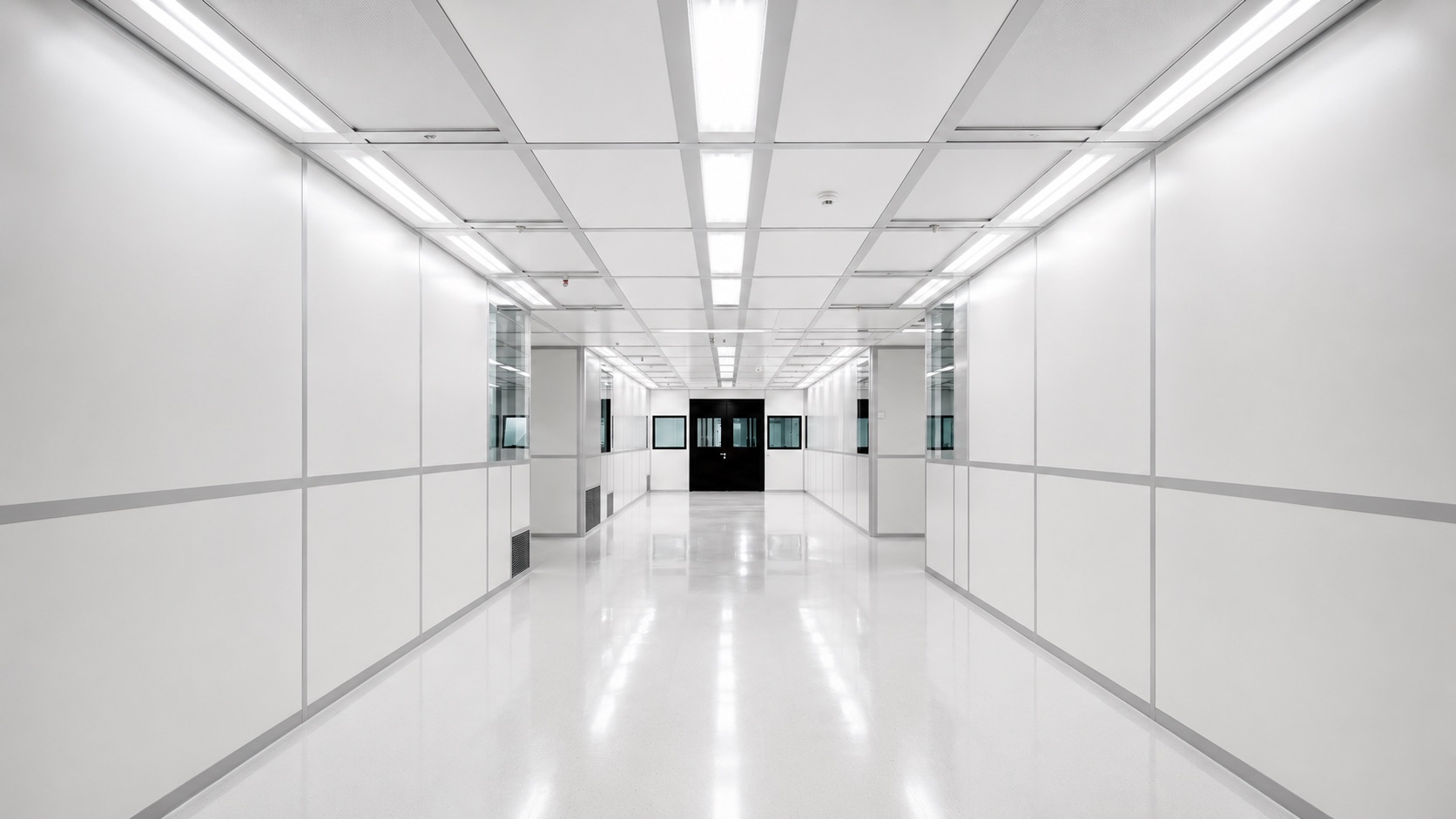
Wat is een modulaire cleanroom met harde wanden?
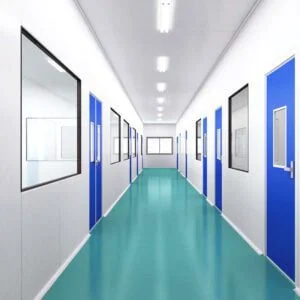
Een hardwall modulaire cleanroom is een cleanroombehuizing die gebouwd is met stijve wandpanelen in plaats van flexibele gordijnen. Het biedt een sterkere structuur, betere afdichtingsprestaties en een meer permanente cleanroomomgeving dan een softwall cleanroom.
Hardwall cleanrooms worden vaak gebruikt als het project een stabiele luchtstroomregeling, drukregeling, betere duurzaamheid, schoner uiterlijk en langdurig productiegebruik vereist. Ze kunnen worden ontworpen als vrijstaande ruimtes of worden geïntegreerd in een bestaand gebouw.
Harde wandpanelen, plafondsystemen en structurele configuraties
YOUTH modulaire cleanrooms met harde wanden kunnen worden geconfigureerd met verschillende cleanroom-compatibele wand- en plafondmaterialen, afhankelijk van het vereiste niveau van reinheid, chemische weerstand, duurzaamheid en projectbudget.
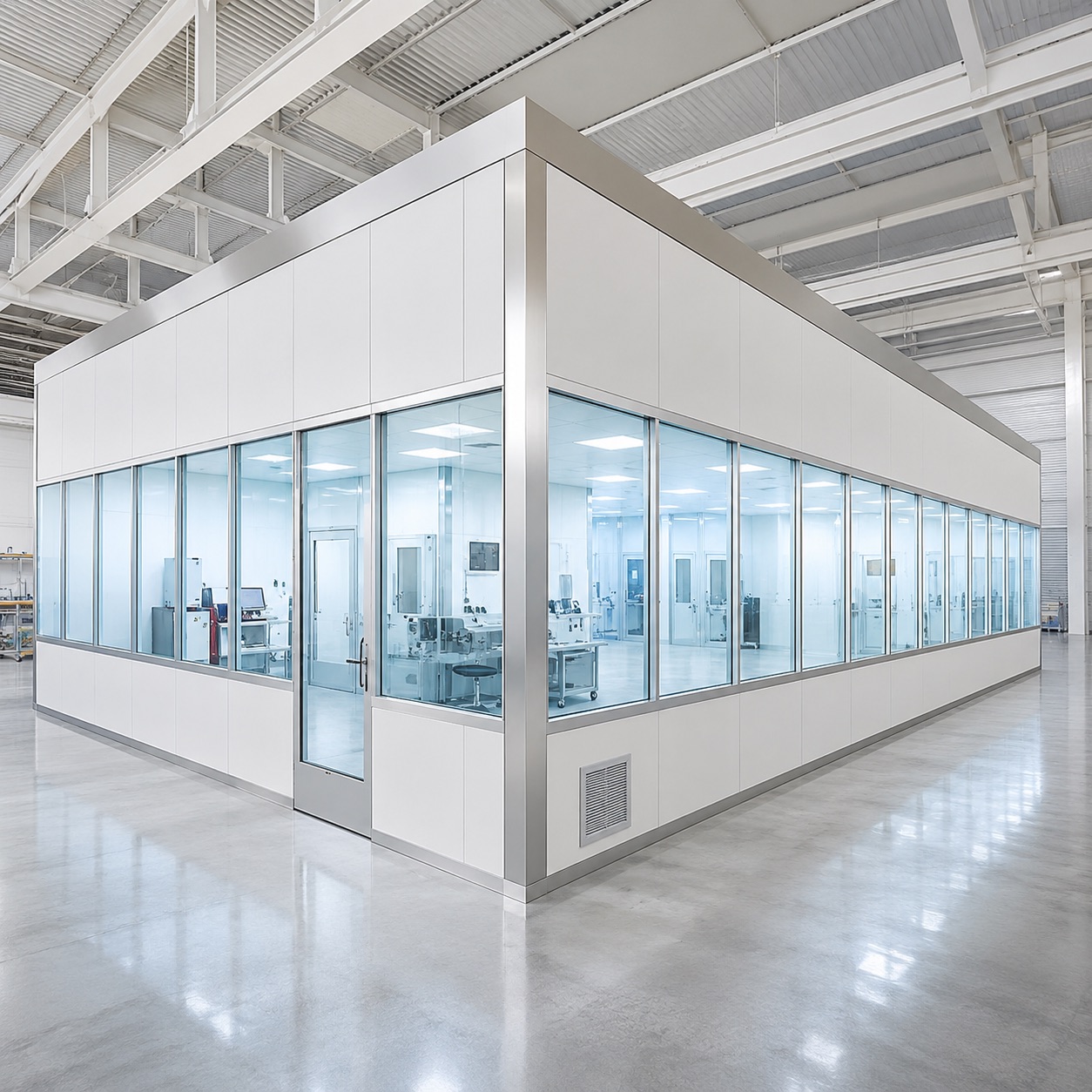
Wandpanelen
Opties zijn sandwichpanelen, stalen panelen, roestvrijstalen panelen, glazen panelen of andere wandsystemen die geschikt zijn voor cleanrooms.
Plafondsysteem
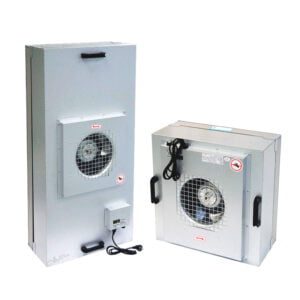
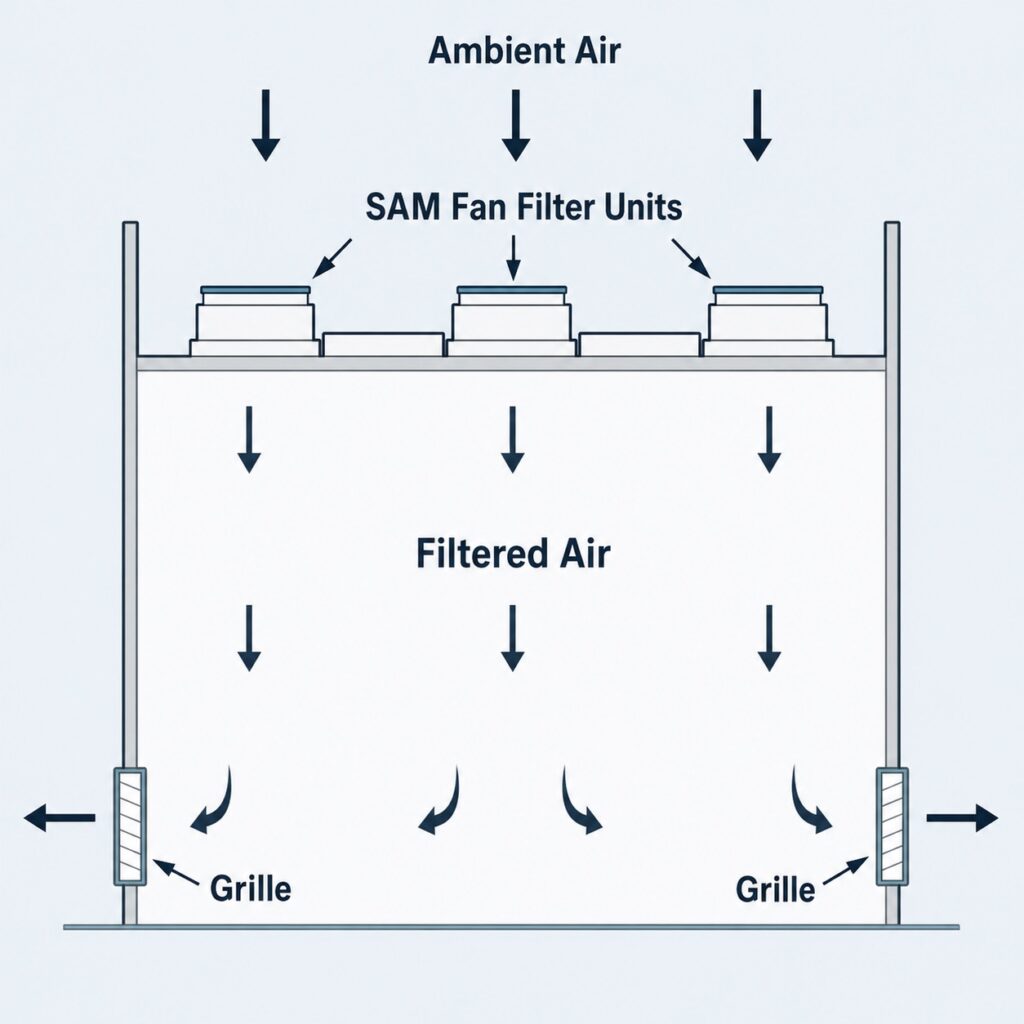
Het plafond kan worden ontworpen om FFU's, HEPA-boxen, verlichting, afvoerluchtpaden en onderhoudsvereisten te ondersteunen.
Cleanroom deuren
Draaideuren, schuifdeuren, automatische deuren of vergrendelde cleanroomdeuren kunnen worden geselecteerd op basis van de personeels- en materiaalstroom.
Vloeren
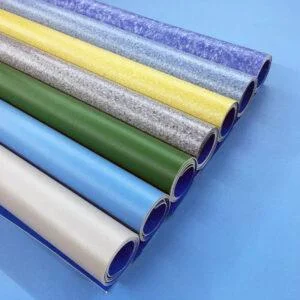
Cleanroomvloeren kunnen worden geselecteerd op basis van antistatische prestaties, chemische weerstand, reinigingsvereisten en belastbaarheid.
Frame en ondersteuning
De cleanroom kan worden ontworpen als een vrijstaande structuur of worden aangesloten op de bestaande gebouwstructuur.
Ontwerpopties ISO-klasse 5-8 voor cleanrooms met harde wanden
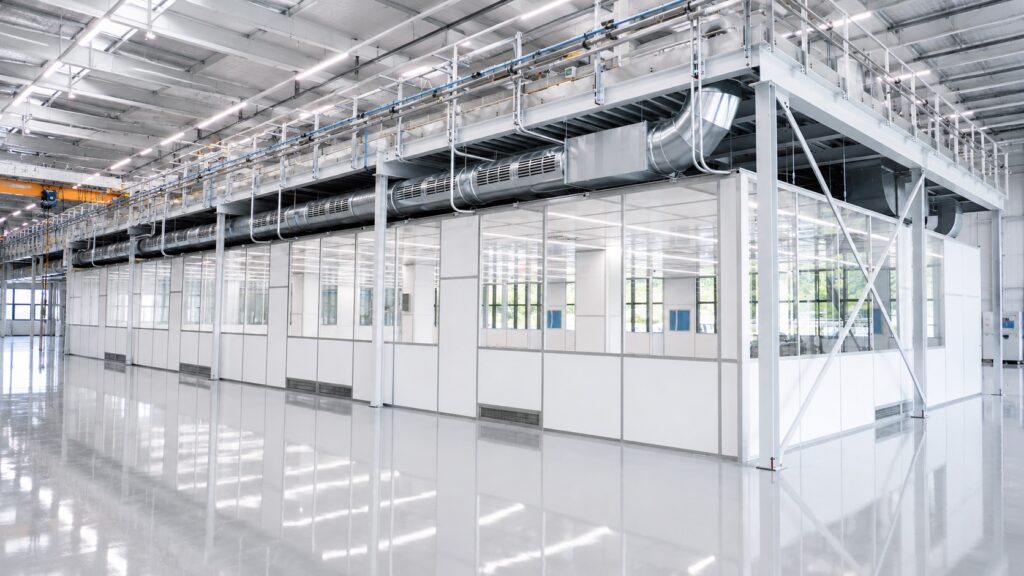
Hardwall modulaire cleanrooms kunnen worden geconfigureerd voor omgevingen van verschillende ISO-klassen door het luchttoevoervolume, de HEPA-filtratiedekking, het luchtafvoerontwerp, de afdichting van de ruimte, de drukregeling en de interne lay-out aan te passen.
| Cleanroom Klasse | Typische toepassing voor harde wanden |
|---|---|
| ISO-klasse 5 | Kritische schone zones, lokale werkgebieden met hoge reinheid |
| ISO-klasse 6 | Precisieproductie en gevoelige assemblage |
| ISO-klasse 7 | Schone productie van farmaceutische producten, medische apparatuur en elektronica |
| ISO-klasse 8 | Algemeen gecontroleerde productie- en verpakkingsgebieden |
Het uiteindelijke ontwerp van de ISO-klasse moet worden bevestigd op basis van de grootte van de ruimte, de belasting door procesverontreiniging, de warmtebelasting van de apparatuur en de bedrijfsomstandigheden.
Hardwall Modulaire Cleanroom Specificatievelden
| Specificatieveld | Wat definiëren? |
|---|---|
| ISO doelklasse | ISO-doel van klasse 5, 6, 7 of 8 en of dit geldt voor de hele ruimte of voor een lokale zone |
| Wandpaneel systeem | Plaatmateriaal, oppervlakteafwerking, reinigbaarheid, chemische weerstand en installatiemethode |
| Plafondsysteem | Plafondrooster, indeling FFU, verlichting en toegang voor onderhoud |
| Deur en raam | Deurtype, kijkvenster, afdichting, toegangscontrole en verkeersstroom |
| Vloeren | ESD-, epoxy-, vinyl- of ander vloersysteem afhankelijk van de bedrijfstak en reinigingsbehoeften |
| FFU / HEPA-configuratie | Filterdekking, toegang voor vervanging, luchtstroomtraject en testbehoeften |
| Druk / luchtstroom | Kamer-tot-kamerdruk, luchtretour, lekkagecontrole en verantwoordelijkheid voor balancering |
| Documentatie | Tekeningen, onderdelenlijst, FAT / SAT-ondersteuning, bedieningshandleiding en onderhoudsgegevens |
Belangrijkste onderdelen van een modulair cleanroomsysteem
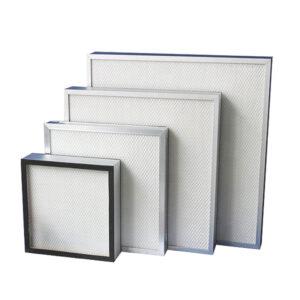
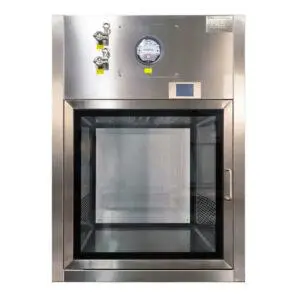
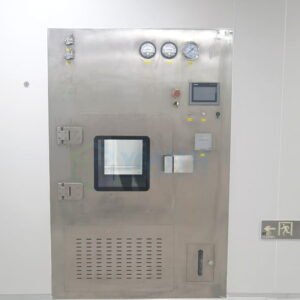
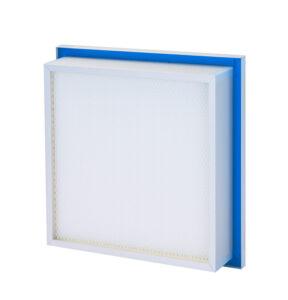
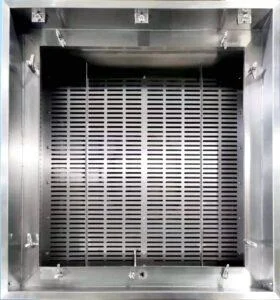
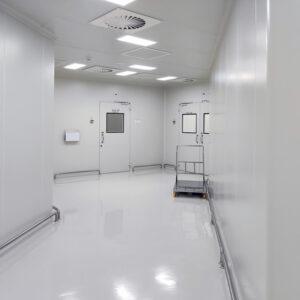
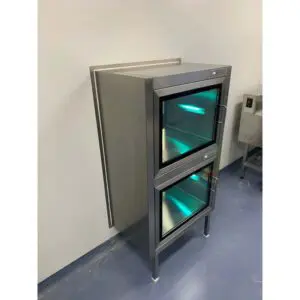
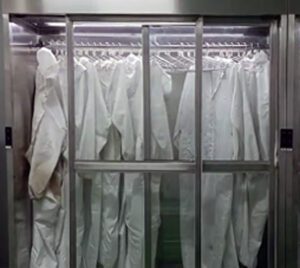
Een modulaire cleanroom is niet alleen een ruimte. Het is een compleet systeem voor gecontroleerde omgevingen, opgebouwd uit cleanroomcompatibele componenten. YOUTH kan de hoofdstructuur van de cleanroom en de bijbehorende apparatuur leveren volgens uw projectvereisten.
Toepassingen van modulaire hardwall cleanrooms
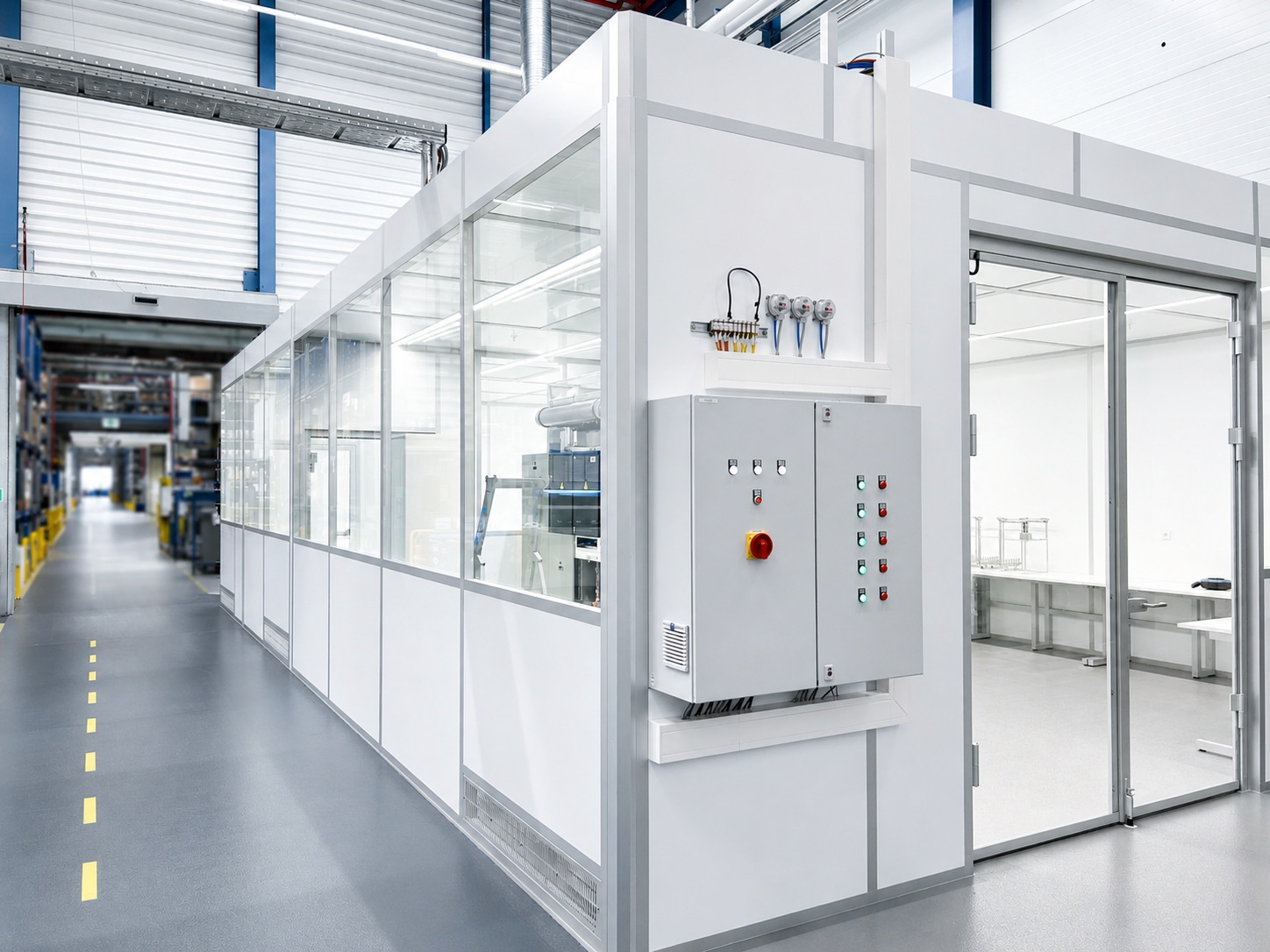
Modulaire hardwall cleanrooms zijn geschikt voor projecten die een stabiele structuur, een schoon uiterlijk en langdurige omgevingscontrole vereisen.
- Medical device assembly and packaging
- Pharmaceutical auxiliary clean areas
- Precisieproductie
- Aerospace component handling
- Elektronica-assemblage
- Laboratory clean areas
- Optical and instrument manufacturing
- Quality inspection rooms
Hardwall vs Softwall Cleanrooms: Which One Should You Choose?
Choose a hardwall cleanroom when your project requires stronger sealing, long-term use, better durability, higher cleanliness stability or a more professional cleanroom appearance.
Choose a softwall cleanroom when your project requires lower cost, faster relocation, temporary production space or flexible cleanroom expansion.
Hardwall is usually recommended for:
- Long-term production
- Higher cleanliness requirements
- More stable temperature, humidity or pressure control
- Pharmaceutical, medical device or precision manufacturing projects
Softwall is usually recommended for:
- Temporary clean areas
- Pilot production
- Budget-sensitive projects
- Mobile or expandable cleanroom needs
When Hardwall Is the Better Starting Point
A hardwall modular cleanroom is usually the better starting point when the project requires long-term production, better sealing, stable pressure control, frequent cleaning, stronger cleanability documentation or a higher-confidence route toward ISO / GMP-style qualification.
Hardwall construction is especially useful for pharmaceutical support areas, medical device manufacturing, electronics production, precision assembly, clean packaging and applications where the cleanroom will remain in place for a long operating period.
Common RFQ Mistakes for Hardwall Modular Cleanrooms
| Mistake | Gevolg |
|---|---|
| Requesting only room size | Supplier cannot correctly estimate FFU, panel, ceiling, door and airflow needs |
| Not defining ISO class | Quotations may not be comparable and testing expectations remain unclear |
| Ignoring material flow | Pass box, door and zoning requirements may be added too late |
| Ignoring cleaning access | QA or production may reject surfaces, corners or maintenance access after installation |
| Missing document requirements | FAT, SAT, IQ / OQ support or certificates may not be included in the original scope |
| Treating supplier scope as full EPC scope | HVAC, utilities, civil works and final validation responsibilities may remain unclear |
Benodigde informatie voor een offerte voor een modulaire cleanroom
Please tell us:
- Required room size or available installation area
- ISO doelklasse
- Application industry and production process
- Hardwall or softwall preference
- Required temperature and humidity control
- Number of operators inside the cleanroom
- Main equipment installed inside the room
- Material and personnel flow requirements
- Country or project location
FAQ
What is the main advantage of a hardwall cleanroom?
A hardwall cleanroom provides stronger structure, better sealing and better long-term durability than a softwall cleanroom.
Can the wall panels be customized?
Yes. Wall material, thickness, panel type, window position, door type and room layout can be customized.
Can a hardwall cleanroom be freestanding?
Yes. Hardwall modular cleanrooms can be designed as freestanding cleanroom structures or integrated into existing buildings.
What ISO class is suitable for a hardwall cleanroom?
Hardwall cleanrooms are commonly configured for ISO Class 5 to ISO Class 8 applications, depending on airflow, filtration and process requirements.
Can YOUTH provide the complete cleanroom components?
Yes. YOUTH can provide wall panels, ceiling systems, doors, flooring, FFU, HEPA filters, pass boxes, air showers and related cleanroomapparatuur.
Is hardwall always better than softwall?
No. Hardwall is better when the buyer needs stronger structure, better sealing, long-term stability, cleaner surfaces, pressure control or stronger qualification support. Softwall may be more practical when the project is temporary, lower-risk, portable or cost-sensitive.