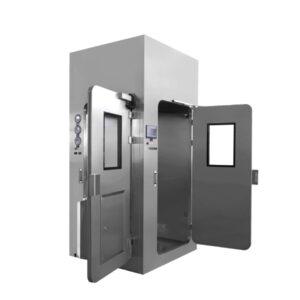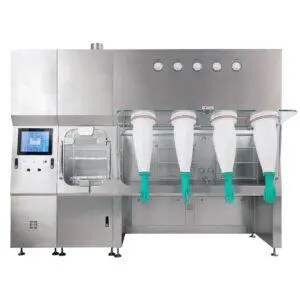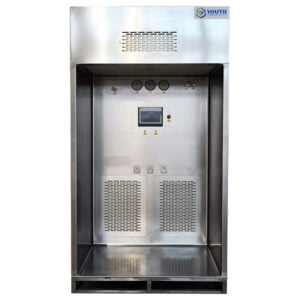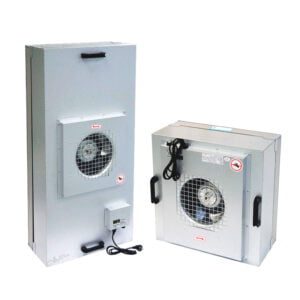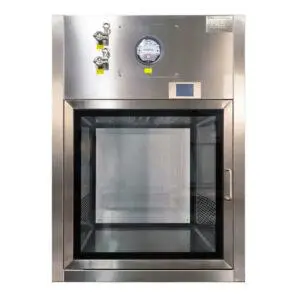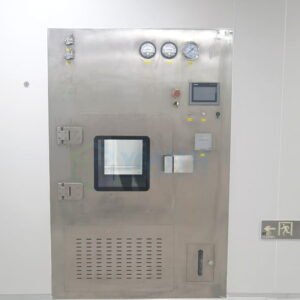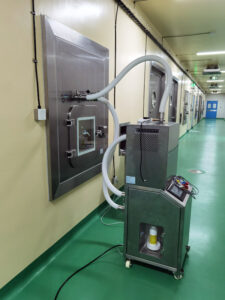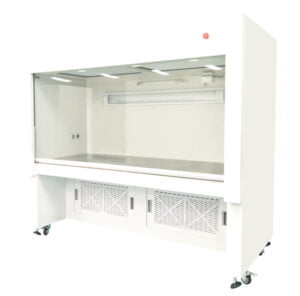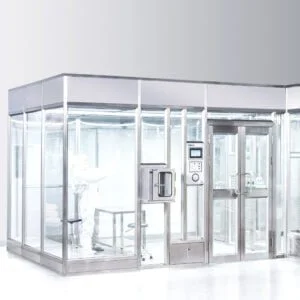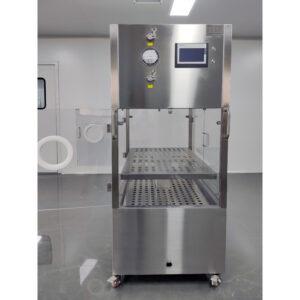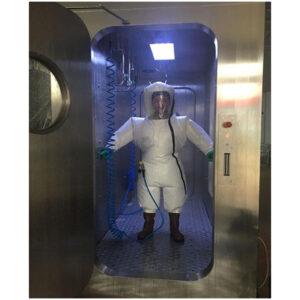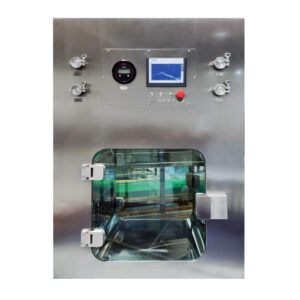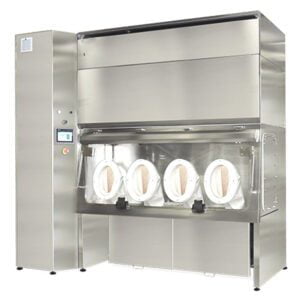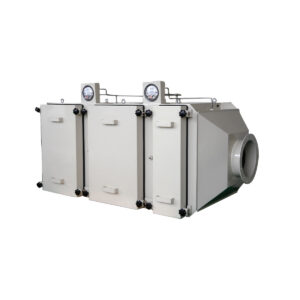
Ensuring the safety and sterility of pharmaceutical and biotech environments is paramount in today’s highly regulated industries. One critical component in maintaining these standards is the VHP pasvak, a sophisticated piece of equipment designed to facilitate the transfer of materials between cleanrooms without compromising sterility. However, the efficacy of these pass boxes relies heavily on proper validation protocols. This article delves deep into the VHP Pass Box validation process, focusing on the essential IQ/OQ/PQ compliance checklist that industry professionals must follow.
The validation of VHP Pass Boxes is a complex process that involves multiple stages, each crucial for ensuring the equipment’s reliability and compliance with stringent regulatory standards. From initial qualification to ongoing performance verification, every step plays a vital role in maintaining the integrity of cleanroom environments. This comprehensive guide will explore the intricacies of VHP Pass Box validation protocols, providing invaluable insights for facilities managers, quality assurance professionals, and regulatory compliance officers.
As we navigate through the various aspects of VHP Pass Box validation, we’ll uncover the key elements that make up a robust compliance checklist. This will include an in-depth look at Installation Qualification (IQ), Operational Qualification (OQ), and Performance Qualification (PQ) processes, as well as the ongoing monitoring and maintenance required to ensure continued compliance and optimal performance.
VHP Pass Box-validatie is een kritisch proces dat de veiligheid, doeltreffendheid en naleving van de regelgeving van cleanroom materiaaltransfersystemen garandeert. Juiste validatieprotocollen zijn essentieel om de steriliteit van gecontroleerde omgevingen te behouden en de integriteit van farmaceutische en biotechnologische producten te beschermen.
Wat zijn de belangrijkste onderdelen van de VHP Pass Box Installation Qualification (IQ)?
The Installation Qualification (IQ) phase is the foundation of the VHP Pass Box validation process. This critical first step ensures that the equipment is installed correctly and in accordance with manufacturer specifications and regulatory requirements. During IQ, every aspect of the pass box’s physical installation is meticulously examined and documented.
Key components of the IQ process include verifying the pasdoos‘s dimensions, materials of construction, and proper connections to utilities such as power and gas supplies. Additionally, the IQ phase involves checking the integrity of seals, the functionality of door interlocks, and the correct installation of control systems and monitoring devices.
Een grondig IQ-proces omvat ook de verificatie van documentatie, waaronder handleidingen voor apparatuur, standaard werkprocedures (SOP's) en kalibratiecertificaten voor alle geïntegreerde meetinstrumenten. Deze uitgebreide aanpak zorgt ervoor dat de VHP Pass Box niet alleen fysiek correct is geïnstalleerd, maar ook wordt ondersteund door de benodigde documentatie voor doorlopend gebruik en onderhoud.
Installatiekwalificatie is een cruciale eerste stap in de validatie van de VHP Pass Box en vormt de basis voor alle volgende kwalificatieprocessen. Een juiste IQ zorgt ervoor dat de apparatuur correct wordt geïnstalleerd, voldoet aan de ontwerpspecificaties en wordt ondersteund door uitgebreide documentatie.
| Item van de IQ-controlelijst | Verificatiemethode | Aanvaardingscriteria |
|---|---|---|
| Uitrusting Afmetingen | Fysieke meting | Komt overeen met specificaties ±1% |
| Materiaal compatibiliteit | Visuele inspectie en controle van documentatie | Voldoet aan de normen voor cleanrooms |
| Aansluitingen | Functioneel testen | Operationeel binnen gespecificeerde bereiken |
| Volledigheid van documentatie | Beoordeling van documenten | Alle vereiste handleidingen en certificaten aanwezig |
Concluderend kan worden gesteld dat de fase van installatiekwalificatie de basis legt voor een succesvolle werking van de VHP-passbox. Door elk aspect van de installatie nauwgezet te controleren, kunnen faciliteiten ervoor zorgen dat hun pasboxen klaar zijn voor de volgende stadia van validatie en uiteindelijk gebruik in kritische cleanroomomgevingen.
Hoe garandeert operationele kwalificatie (OQ) de functionaliteit van de VHP Pass Box?
Operationele kwalificatie (OQ) is de volgende cruciale stap in het validatieproces van de VHP Pass Box, waarbij de nadruk ligt op het aantonen dat de apparatuur werkt zoals bedoeld onder normale bedrijfsomstandigheden. Deze fase is ontworpen om te verifiëren dat alle componenten en systemen correct en consistent werken en voldoen aan de vooraf bepaalde specificaties en kwaliteitsattributen.
During OQ, technicians perform a series of tests to evaluate the pass box’s performance across its operational range. This includes verifying the proper functioning of door interlocks, assessing the effectiveness of the VHP distribution system, and testing alarm systems and safety features. The OQ process also involves checking the accuracy and reliability of monitoring systems, such as temperature and pressure sensors.
A key aspect of OQ is the evaluation of the VHP cycle parameters. This includes testing the equipment’s ability to achieve and maintain the required VHP concentration, temperature, and humidity levels throughout the VHP sterilisatie cycle. Technicians also verify that the pass box can effectively remove residual hydrogen peroxide after the cycle, ensuring safe handling of materials.
Operational Qualification is essential for confirming that the VHP Pass Box performs consistently and accurately across its intended operational range. This phase validates critical functions and safety features, providing assurance of the equipment’s reliability in real-world use.
| OQ-testparameter | Testmethode | Aanvaardingscriteria |
|---|---|---|
| VHP Concentratie | Chemische indicatorstrips | ≥35% H2O2 tijdens blootstellingsfase |
| Cyclustijd Nauwkeurigheid | Stopwatch verificatie | Binnen ±2% van de ingestelde tijd |
| Functie deurvergrendeling | Operationeel testen | 100% voorkomen van gelijktijdige deuropening |
| Rest H2O2 | Drager-buismeting | <1 ppm na beluchtingsfase |
In conclusion, the Operational Qualification phase provides concrete evidence that the VHP Pass Box is capable of performing its intended functions reliably and safely. By thoroughly testing all operational aspects, OQ builds confidence in the equipment’s ability to maintain sterility during material transfers, a critical requirement in pharmaceutical and biotech facilities.
Welke rol speelt Performance Qualification (PQ) bij de validatie van de VHP Pass Box?
Performance Qualification (PQ) represents the pinnacle of the VHP Pass Box validation process. This phase goes beyond testing individual components and functions to evaluate the equipment’s performance under actual or simulated use conditions. PQ is designed to demonstrate that the VHP Pass Box consistently meets predetermined acceptance criteria in real-world scenarios, ensuring its effectiveness in maintaining sterility during routine operations.
The PQ process typically involves running multiple VHP cycles with various load configurations that mimic actual use cases. These tests are conducted over an extended period to assess the pass box’s consistency and reliability. During PQ, technicians may use biological indicators to verify the sterilization efficacy, ensuring that the equipment can achieve the required sterility assurance level (SAL) across different load types and positions.
Another critical aspect of PQ is evaluating the pass box’s performance under challenging conditions. This may include testing with maximum loads, various material types, and different cycle parameters to ensure the equipment can handle a range of operational demands. The PQ phase also often includes an assessment of the pass box’s impact on the surrounding cleanroom environment, verifying that it maintains proper air balance and doesn’t introduce contamination.
Performance Qualification is crucial for demonstrating that the VHP Pass Box can consistently achieve and maintain sterility under actual use conditions. This phase provides the ultimate assurance of the equipment’s capability to meet the stringent requirements of cleanroom material transfer operations.
| PQ-testparameter | Testmethode | Aanvaardingscriteria |
|---|---|---|
| Steriliteitsniveau | Uitdaging biologische indicator | 10^-6 SAL bereikt |
| Reproduceerbaarheid van de cyclus | Meerdere cycli doorlopen | <5% variatie in kritische parameters |
| Prestaties laadvermogen | Verschillende belastingsconfiguraties | Consistente sterilisatie voor alle soorten ladingen |
| Milieu-impact | Deeltjestelling & luchtdrukverschil | Geen negatieve invloed op cleanroomclassificatie |
Tot slot dient de Performance Qualification als laatste validatie dat de VHP Pass Box geschikt is voor het beoogde doel. Door de apparatuur rigoureus te testen onder praktijkomstandigheden, geeft PQ het vertrouwen dat nodig is om de pass box te integreren in kritische cleanroomoperaties, zodat de steriliteit behouden blijft en de regelgeving wordt nageleefd.
6-Log Reduction Validation for VHP Pass Boxes
A 6-log reduction is one of the most common performance expectations used when validating vaporized hydrogen peroxide decontamination. It means the process is expected to reduce the target microbial population by 99.9999% under defined test conditions. For a VHP pass box, this is usually demonstrated through cycle development, biological indicator challenge studies, and documented performance qualification results.
The goal is not only to show that hydrogen peroxide vapor can kill microorganisms, but to prove that the specific pass box chamber, load pattern, exposure time, vapor distribution, humidity condition, and aeration phase can consistently achieve the required decontamination result.
Key factors that influence 6-log reduction include:
- Hydrogen peroxide concentration during the exposure phase
- Chamber temperature and relative humidity
- Load size, surface material, and item arrangement
- Airflow pattern and vapor distribution inside the chamber
- Exposure time and contact time
- Placement of biological indicators in worst-case locations
- Aeration effectiveness after the decontamination phase
- Repeatability across multiple validation runs
A strong validation protocol should define the acceptance criteria before testing begins. This includes the biological indicator organism, population level, placement map, number of test cycles, incubation method, and pass/fail criteria. If the VHP pass box cannot achieve the required log reduction consistently, the cycle parameters, load pattern, or chamber configuration should be reviewed before the equipment is released for routine use.
Biological Indicators and Cycle Challenge Testing
Biological indicators are used to challenge the VHP pass box cycle under controlled conditions. They help confirm whether the decontamination process can inactivate a resistant microbial population at selected locations inside the chamber. In most validation programs, biological indicators are placed at both easy-to-reach and worst-case locations to test vapor penetration and distribution.
Worst-case locations may include:
- Corners of the chamber
- Areas behind or beneath load items
- Surfaces with limited vapor exposure
- Dense or complex load arrangements
- Locations near gaskets, shelves, or transfer interfaces
- Areas with slower airflow or delayed vapor contact
Cycle challenge testing should reflect realistic use. If the pass box will transfer tools, packaging, containers, machine parts, or cleanroom materials, the validation load should represent the normal or worst-case routine load. Testing an empty chamber may show basic system performance, but it does not prove that the routine transfer load can be decontaminated effectively.
A good cycle challenge study should document:
- Biological indicator type and lot information
- Placement map and rationale
- Load pattern and material description
- Cycle parameters and exposure time
- Environmental conditions during the run
- Incubation result and interpretation
- Any failed indicators and investigation outcome
- Corrective actions or cycle adjustments
If biological indicators fail in specific locations, the issue may be related to blocked vapor distribution, insufficient exposure time, excessive load density, condensation, unsuitable packaging, or poor chamber airflow. The response should not be limited to simply repeating the test; the validation team should identify why the failure occurred and adjust the cycle or load configuration accordingly.
VHP Pass Box Validation Documentation Package
A VHP pass box validation package should make the equipment lifecycle traceable from installation through routine operation. The documentation should show that the system was installed correctly, operates as intended, achieves the required decontamination performance, and can be monitored during routine use.
A typical validation package may include:
- User requirement specification (URS)
- Supplier technical documents and drawings
- Installatiekwalificatie (IQ) protocol and report
- Operationele kwalificatie (OQ) protocol and report
- Prestatiekwalificatie (PQ) protocol and report
- Calibration certificates for sensors and instruments
- Cycle development report
- Biological indicator challenge results
- Load pattern definition and approval
- Alarm and interlock verification records
- H2O2 concentration, temperature, humidity, and pressure records
- Aeration and residual hydrogen peroxide verification records
- Cleaning and maintenance procedure
- Routine monitoring procedure
- Deviation, investigation, and corrective action records
- Training records for operators and maintenance personnel
The documentation package should be controlled and easy to audit. Each protocol should define objective acceptance criteria, and each report should clearly state whether the criteria were met. If deviations occur during validation, they should be investigated and closed before routine use.
For GMP or regulated cleanroom environments, documentation is not just an administrative requirement. It is the evidence that the VHP pass box can perform its intended function under defined conditions and that the facility has a controlled method for operation, maintenance, monitoring, and requalification.
Common Validation Failures and Corrective Actions
VHP pass box validation may fail for several reasons. Some failures are caused by equipment issues, while others are caused by cycle design, load configuration, environmental conditions, or incomplete procedures. Understanding common failure modes helps the validation team respond correctly and avoid repeated unsuccessful test runs.
Common validation failures include:
- Biologische indicatoren remain positive after the cycle
- Hydrogen peroxide concentration does not reach the required range
- Vapor distribution is uneven inside the chamber
- Temperature or humidity conditions are outside the defined limits
- Aeration time is not sufficient to reduce residual hydrogen peroxide
- Door interlocks or alarms do not function as intended
- Pressure control is unstable during transfer or cycle operation
- Load items block vapor contact with critical surfaces
- Operators use an unapproved load pattern
- Validation records are incomplete or inconsistent
Possible corrective actions include:
- Adjusting exposure time, H2O2 injection volume, or cycle phase timing
- Reducing load density or changing item placement
- Repeating cycle development with a defined worst-case load
- Reviewing airflow, circulation fan performance, or vapor distribution path
- Checking door seals, gaskets, filters, and chamber leakage points
- Recalibrating H2O2, temperature, humidity, or pressure sensors
- Revising SOPs for loading, operation, aeration, and unloading
- Retraining operators on approved load patterns and cycle selection
- Adding routine checks for alarms, interlocks, and monitoring devices
- Repeating PQ after corrective actions are completed
A failed validation run should be treated as useful evidence, not just a setback. It shows where the process is weak and helps define a more reliable cycle. The final validation report should explain the failure, document the investigation, list the corrective actions, and show that the revised cycle or procedure met the acceptance criteria.
Hoe dragen voortdurende monitoring en onderhoud bij aan de naleving van de VHP Pass Box?
Hoewel het IQ/OQ/PQ-proces zorgt voor de initiële validatie van een VHP Pass Box, is het onderhouden van de conformiteit een voortdurende inspanning die ijverige monitoring en onderhoud vereist. Dit continue proces zorgt ervoor dat de apparatuur gedurende de hele operationele levensduur in een gevalideerde staat blijft en consistent voldoet aan de strenge eisen van cleanroomomgevingen.
Voortdurende monitoring omvat regelmatige controles van kritieke parameters zoals de VHP-concentratie, cyclustijden en restniveaus van waterstofperoxide. Deze controles kunnen worden uitgevoerd door een combinatie van geautomatiseerde monitoringsystemen en handmatige verificatieprocessen. Daarnaast helpen periodieke herkwalificatietests, die vaak jaarlijks of na aanzienlijk onderhoud worden uitgevoerd, om te bevestigen dat de passeerdoos nog steeds voldoet aan de oorspronkelijke prestatiespecificaties.
Onderhoud speelt een cruciale rol bij het behouden van de gevalideerde staat van de VHP Pass Box. Dit omvat routinetaken zoals zegelinspecties, filtervervangingen en kalibratie van sensoren en bewakingsapparatuur. YOUTH benadrukt het belang van het volgen van een uitgebreid preventief onderhoudsschema om potentiële problemen aan te pakken voordat ze de prestaties of naleving beïnvloeden.
Continuous monitoring and proactive maintenance are essential for ensuring long-term compliance of VHP Pass Boxes. These ongoing efforts help detect and address potential issues early, maintaining the equipment’s validated state and ensuring consistent performance in critical cleanroom operations.
| Bewaking/onderhoudstaak | Frequentie | Doel |
|---|---|---|
| VHP concentratiecontrole | Dagelijks | Zorg voor consistente sterilisatie-efficiëntie |
| Meting van residueel H2O2 | Na elke cyclus | Controleer veilige hanteringsomstandigheden |
| Inspectie afdichting | Maandelijks | Lekken voorkomen en integriteit behouden |
| Sensorkalibratie | Driemaandelijks | Zorg voor nauwkeurige bewaking en controle |
| Herkwalificatie | Jaarlijks | Bevestigen dat de specificaties nog steeds worden nageleefd |
Kortom, voortdurende controle en onderhoud zijn vitale onderdelen van de naleving van VHP-paskasten. Door een robuust programma van regelmatige controles, preventief onderhoud en periodieke herkwalificatie te implementeren, kunnen faciliteiten ervoor zorgen dat hun pasjeskasten effectief blijven presteren en voldoen aan de wettelijke vereisten tijdens hun operationele levensduur.
Wat zijn de belangrijkste overwegingen voor VHP Pass Box-validatiedocumentatie?
Documentatie is een cruciaal aspect van de validatie van de VHP Pass Box en vormt het belangrijkste bewijs van naleving van de wettelijke normen en interne kwaliteitsvereisten. Een goede documentatie toont niet alleen de grondigheid van het validatieproces aan, maar zorgt ook voor een duidelijk spoor dat auditors en regelgevers kunnen volgen. Het documentatiepakket voor de VHP Pass Box-validatie moet uitgebreid, goed georganiseerd en gemakkelijk toegankelijk zijn.
Key components of validation documentation include detailed protocols for each qualification phase (IQ, OQ, PQ), test results and data analysis, equipment specifications, and Standard Operating Procedures (SOPs) for routine use and maintenance. It’s also crucial to include any deviations encountered during the validation process, along with their resolutions and impact assessments.
One often overlooked aspect of validation documentation is the inclusion of rationales for test selections and acceptance criteria. This information provides context for the validation approach and demonstrates a thorough understanding of the equipment’s critical quality attributes. Additionally, change control documentation should be maintained to track any modifications to the pass box or its validation status over time.
Uitgebreide en goed bijgehouden documentatie is essentieel voor het aantonen van de naleving van de VHP Pass Box. De juiste documentatie voldoet niet alleen aan de wettelijke vereisten, maar is ook een waardevolle bron voor probleemoplossing, training en voortdurende verbetering.
| Documentatie | Doel | Belangrijkste elementen |
|---|---|---|
| Masterplan voor validatie | Algemene validatiestrategie | Reikwijdte, verantwoordelijkheden, tijdlijnen |
| IQ/OQ/PQ-protocollen | Gedetailleerde testprocedures | Testmethoden, acceptatiecriteria, gegevensformulieren |
| Testresultaten | Bewijs van naleving | Ruwe gegevens, analyse, goedkeurings- en afkeuringsbepalingen |
| Registratie wijzigingsbeheer | Spoorwijzigingen | Wijzigingsbeschrijvingen, effectbeoordelingen, goedkeuringen |
| Opleidingsdossiers | Operatorcompetentie aantonen | Trainingsmateriaal, aanwezigheidslogboeken, competentiebeoordelingen |
Kortom, zorgvuldige documentatie is de ruggengraat van VHP Pass Box-validatie. Door het bijhouden van uitgebreide, nauwkeurige en actuele dossiers kunnen faciliteiten hun toewijding aan kwaliteit en naleving aantonen, waardoor inspecties door regelgevende instanties vlotter verlopen en initiatieven voor voortdurende verbetering worden ondersteund.
Hoe verbeteren risicobeoordeling en risicobeperkingsstrategieën de validatie van de VHP Pass Box?
opnemen risk assessment and mitigation strategies into the VHP Pass Box validation process is crucial for ensuring robust and effective validation protocols. This approach, often aligned with Quality by Design (QbD) principles, helps identify potential failure modes and their impacts on product quality and safety. By proactively addressing these risks, facilities can develop more targeted and efficient validation procedures.
The risk assessment process typically begins with a Failure Mode and Effects Analysis (FMEA) or similar tool to identify potential issues that could affect the pass box’s performance or compromise sterility. This analysis considers factors such as equipment design, operational parameters, and environmental conditions. Once risks are identified, they are prioritized based on severity, occurrence likelihood, and detectability.
Vervolgens worden er strategieën ontwikkeld om de risico's met de hoogste prioriteit aan te pakken. Dit kunnen wijzigingen in het ontwerp, extra controlesystemen of verbeterde operationele procedures zijn. De VHP-pasbus validatieprotocollen worden vervolgens aangepast om specifieke tests en acceptatiecriteria op te nemen die de effectiviteit van deze beperkende maatregelen verifiëren.
Op risico gebaseerde validatiebenaderingen voor VHP Pass Boxes zorgen ervoor dat de validatie-inspanningen worden gericht op de meest kritieke aspecten van prestaties en veiligheid. Deze strategie verbetert niet alleen de robuustheid van het validatieproces, maar ondersteunt ook voortdurende verbetering en naleving van de regelgeving.
| Risicocategorie | Mogelijke storingsmodus | Matigingsstrategie |
|---|---|---|
| VHP Distributie | Ongelijkmatige verdeling van sterilisatiemiddel | Meerdere VHP-injectiepunten implementeren en distributiepatronen valideren |
| Cyclusparameterregeling | Schommelingen in kritieke parameters | Overbodige sensoren installeren en strengere controlealgoritmen implementeren |
| Materiaal compatibiliteit | Degradatie van pasdoosmaterialen | Voer uitgebreide materiaalcompatibiliteitstests uit en voer regelmatige inspecties uit |
| Fout operator | Verkeerde cycluskeuze | Gebruiksvriendelijke interfaces en uitgebreide trainingsprogramma's voor operators implementeren |
Concluderend kan worden gesteld dat de integratie van risicobeoordeling en risicobeperkende strategieën in de validatie van de VHP Pass Box de algehele effectiviteit van het proces verbetert. Door zich te richten op potentiële faalwijzen en hun gevolgen kunnen faciliteiten robuustere validatieprotocollen ontwikkelen die inspelen op echte uitdagingen en zorgen voor consistente prestaties in kritieke cleanroomoperaties.
Wat zijn de regelgevende overwegingen voor VHP Pass Box-validatie in verschillende industrieën?
VHP-pasboxvalidatie moet voldoen aan verschillende regelgevende normen, afhankelijk van de industrie en geografische locatie. Inzicht in deze wettelijke vereisten is cruciaal voor het ontwikkelen van validatieprotocollen die aan de voorschriften voldoen en om te garanderen dat de pasbox voldoet aan de noodzakelijke kwaliteits- en veiligheidsnormen voor het beoogde gebruik.
In the pharmaceutical industry, VHP Pass Box validation typically falls under the purview of Good Manufacturing Practice (GMP) regulations. These include guidelines from regulatory bodies such as the FDA, EMA, and WHO. For example, FDA’s 21 CFR Part 211 outlines requirements for equipment qualification in drug manufacturing facilities. Similarly, EU GMP Annex 15 provides guidance on qualification and validation processes.
Voor fabrikanten van medische hulpmiddelen zijn vaak de normen ISO 14644 voor cleanrooms en bijbehorende gecontroleerde omgevingen van toepassing. Deze normen bieden richtlijnen voor cleanroomclassificatie en -bewaking, die rechtstreeks van invloed zijn op de validatievereisten van de VHP Pass Box. Daarnaast bevat ISO 13485 voor kwaliteitsbeheersystemen voor medische hulpmiddelen bepalingen voor validatie van apparatuur.
Naleving van de regelgeving bij VHP Pass Box-validatie vereist een grondig begrip van industriespecifieke normen en richtlijnen. Fabrieken moeten ervoor zorgen dat hun validatieprotocollen voldoen aan de relevante regelgeving om naleving en productkwaliteit te behouden.
| Industrie | Relevante regelgeving | Belangrijkste overwegingen voor validatie |
|---|---|---|
| Farmaceutica | FDA 21 CFR Deel 211, EU GMP Bijlage 15 | Procesvalidatie, apparatuurkwalificatie, gegevensintegriteit |
| Medische apparaten | ISO 14644, ISO 13485 | Cleanroomclassificatie, validatie van apparatuur, kwaliteitsbeheersystemen |
| Biotechnologie | ICH Q7, ASTM E2500 | Risicogebaseerde aanpak, continue verificatie, ontwerpkwalificatie |
| Eten en drinken | FDA Modernisering van de voedselveiligheid (FSMA) | Preventieve controles, ontwerp van sanitaire apparatuur, validatie van preventieve controlemaatregelen |
Samenvattend vereist het navigeren door het regelgevingslandschap voor VHP Pass Box-validatie een uitgebreid begrip van industriespecifieke normen en richtlijnen. Door de validatieprotocollen af te stemmen op deze wettelijke vereisten kunnen faciliteiten naleving garanderen, de productkwaliteit op peil houden en vlotte inspecties door de regelgevende instanties vergemakkelijken.
Kortom, validatie van de VHP Pass Box is een cruciaal proces dat de veiligheid, doeltreffendheid en naleving van de regelgeving van cleanroom materiaaltransfersystemen waarborgt. De uitgebreide IQ/OQ/PQ compliance checklist dient als stappenplan voor faciliteiten om hun VHP Pass Boxes grondig te valideren, vanaf de eerste installatie tot en met de doorlopende prestatieverificatie.
Door de in dit artikel beschreven validatieprotocollen nauwgezet te volgen, kunnen faciliteiten ervoor zorgen dat hun VHP-passeerboxen consistent steriel blijven tijdens materiaaltransfers, een cruciale vereiste in de farmaceutische, biotechnologische en andere kritische industrieën. De nadruk op grondige documentatie, risicobeoordeling en voortdurende controle en onderhoud biedt een robuust kader voor naleving op lange termijn en optimale prestaties.
Terwijl de regelgeving zich blijft ontwikkelen en de technologische vooruitgang een nieuwe vorm aanneemt cleanroomapparatuurHet zal van cruciaal belang zijn om op de hoogte te blijven en de validatieprocessen dienovereenkomstig aan te passen. Faciliteiten die prioriteit geven aan uitgebreide validatie en zich blijven inzetten voor voortdurende verbetering zullen goed gepositioneerd zijn om de uitdagingen aan te gaan van het handhaven van steriele omgevingen in steeds complexere en meer gereguleerde industrieën.
Uiteindelijk is het doel van VHP Pass Box-validatie niet alleen naleving van de regelgeving, maar ook het waarborgen van productkwaliteit en patiëntveiligheid. Door rigoureuze validatieprotocollen te implementeren en een kwaliteitscultuur te handhaven, kunnen faciliteiten met vertrouwen vertrouwen vertrouwen op hun VHP Pass Boxes als cruciale componenten in hun cleanroomactiviteiten, die de productie van veilige en effectieve producten voor de komende jaren ondersteunen.
Externe bronnen
De ultieme checklist voor VHP Passbox-validatie - Dit artikel biedt een uitgebreide checklist voor het valideren van een VHP-passbox, inclusief fysieke inspectie, kalibratie, prestatiekwalificatie, operationele kwalificatie en doorlopend onderhoud.
Handleiding: Kwalificatie voor de passeerdoos - In deze gids wordt stap voor stap uitgelegd hoe je pasdozen kunt kwalificeren, inclusief een overzicht van beschikbare pasdozen en het kwalificatieproces.
Validatie en kwalificatie van de passeerdoos in GMP-faciliteiten - Dit hulpmiddel beschrijft het validatie- en kwalificatieproces voor paskasten in GMP-faciliteiten (Good Manufacturing Practice), met stappen als ontwerpkwalificatie, installatiekwalificatie, operationele kwalificatie en prestatiekwalificatie.
VHP-passendoossterilisator voor farmaceutische cleanroom - Deze pagina bespreekt het sterilisatie-effect van VHP-passboxen, inclusief parameterontwikkeling, onderzoek naar VHP-verdeling en biologische challenge-tests als onderdeel van de validatiecyclus.
Valideren van passeerdozen voor cleanrooms: Beste praktijken en procedures - Dit artikel benadrukt het belang van validatie voor het handhaven van een steriele omgeving, waarbij het validatieproces, de kwaliteitsborging en microbiële uitdagingstests gedetailleerd worden beschreven.
Pass Box-kwalificatie en -validatie: Een uitgebreide gids - Deze gids omvat doorgaans de volledige validatiecyclus, inclusief ontwerp, installatie, operationele en prestatiekwalificaties, samen met doorlopende bewaking en onderhoud.
Validatie van de Cleanroom Pass Box: Steriliteit en naleving garanderen - Deze bron richt zich op de kritieke aspecten van validatie van pasboxen, waaronder fysieke inspecties, sensorkalibraties en biologische indicatoren om steriliteit en naleving van de regelgeving te garanderen.
GMP Pass Box-validatie: Stappen en beste praktijken - Dit artikel beschrijft de stappen en best practices voor het valideren van pass boxes in GMP-omgevingen, waarbij het belang van documentatie, risicobeoordelingen en voortdurende monitoring wordt benadrukt.