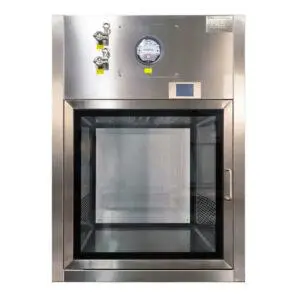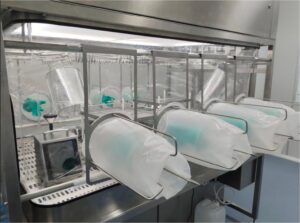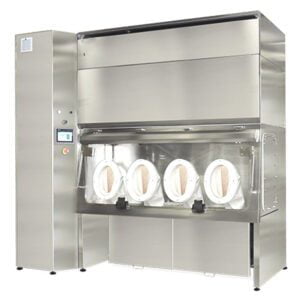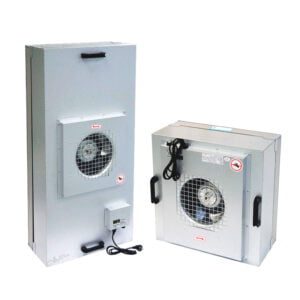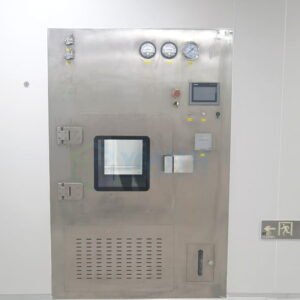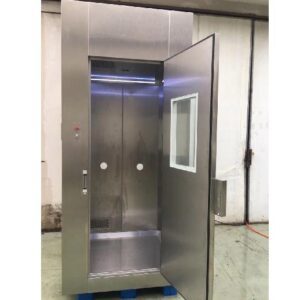
Ensuring the safety and sterility of pharmaceutical and biotech environments is paramount in today’s highly regulated industries. One critical component in maintaining these standards is the صندوق مرور VHP, a sophisticated piece of equipment designed to facilitate the transfer of materials between cleanrooms without compromising sterility. However, the efficacy of these pass boxes relies heavily on proper validation protocols. This article delves deep into the VHP Pass Box validation process, focusing on the essential IQ/OQ/PQ compliance checklist that industry professionals must follow.
The validation of VHP Pass Boxes is a complex process that involves multiple stages, each crucial for ensuring the equipment’s reliability and compliance with stringent regulatory standards. From initial qualification to ongoing performance verification, every step plays a vital role in maintaining the integrity of cleanroom environments. This comprehensive guide will explore the intricacies of VHP Pass Box validation protocols, providing invaluable insights for facilities managers, quality assurance professionals, and regulatory compliance officers.
As we navigate through the various aspects of VHP Pass Box validation, we’ll uncover the key elements that make up a robust compliance checklist. This will include an in-depth look at Installation Qualification (IQ), Operational Qualification (OQ), and Performance Qualification (PQ) processes, as well as the ongoing monitoring and maintenance required to ensure continued compliance and optimal performance.
تُعد عملية التحقق من صحة صندوق مرور VHP عملية بالغة الأهمية تضمن السلامة والفعالية والامتثال التنظيمي لأنظمة نقل المواد في غرف الأبحاث. تعد بروتوكولات التحقق من الصحة المناسبة ضرورية للحفاظ على عقم البيئات الخاضعة للرقابة وحماية سلامة المنتجات الصيدلانية ومنتجات التكنولوجيا الحيوية.
ما هي المكونات الرئيسية لمؤهلات تركيب صندوق مرور VHP Pass Box (IQ)؟
The Installation Qualification (IQ) phase is the foundation of the VHP Pass Box validation process. This critical first step ensures that the equipment is installed correctly and in accordance with manufacturer specifications and regulatory requirements. During IQ, every aspect of the pass box’s physical installation is meticulously examined and documented.
Key components of the IQ process include verifying the صندوق المرور‘s dimensions, materials of construction, and proper connections to utilities such as power and gas supplies. Additionally, the IQ phase involves checking the integrity of seals, the functionality of door interlocks, and the correct installation of control systems and monitoring devices.
كما تشمل عملية التحقق من الجودة الشاملة التحقق من الوثائق، بما في ذلك أدلة المعدات وإجراءات التشغيل القياسية (SOPs) وشهادات المعايرة لأي أدوات قياس متكاملة. ويضمن هذا النهج الشامل أن صندوق المرور VHP Pass Box ليس فقط مثبتًا ماديًا بشكل صحيح ولكن أيضًا مدعومًا بالوثائق اللازمة للتشغيل والصيانة المستمرة.
يعد تأهيل التركيب خطوة أولى حاسمة في التحقق من صحة صندوق مرور VHP، مما يؤسس الأساس لجميع عمليات التأهيل اللاحقة. ويضمن التأهيل السليم أن المعدات قد تم تركيبها بشكل صحيح، وتفي بمواصفات التصميم، ومدعومة بوثائق شاملة.
| عنصر قائمة التحقق من الذكاء | طريقة التحقق | معايير القبول |
|---|---|---|
| أبعاد المعدات | القياس الفيزيائي | تطابق المواصفات ±1% |
| توافق المواد | الفحص البصري ومراجعة الوثائق | يفي بمعايير غرف الأبحاث |
| توصيلات المرافق | الاختبار الوظيفي | تعمل ضمن نطاقات محددة |
| اكتمال التوثيق | مراجعة المستندات | جميع الكتيبات والشهادات المطلوبة موجودة |
في الختام، تمهد مرحلة تأهيل التركيب الطريق لنجاح تشغيل صندوق مرور VHP. من خلال التحقق بدقة من كل جانب من جوانب التركيب، يمكن للمنشآت التأكد من أن صناديق المرور الخاصة بهم جاهزة للمراحل التالية من التحقق من الصحة والاستخدام النهائي في بيئات غرف الأبحاث الحرجة.
كيف يضمن التأهيل التشغيلي (OQ) وظيفة صندوق مرور VHP Pass Box؟
مرحلة التأهيل التشغيلي (OQ) هي الخطوة الحاسمة التالية في عملية التحقق من صحة صندوق المرور في نظام VHP Pass Box، مع التركيز على إثبات أن المعدات تعمل على النحو المنشود في ظل ظروف التشغيل العادية. وقد صُممت هذه المرحلة للتحقق من أن جميع المكونات والأنظمة تعمل بشكل صحيح ومتسق، وتفي بالمواصفات المحددة مسبقًا وسمات الجودة.
During OQ, technicians perform a series of tests to evaluate the pass box’s performance across its operational range. This includes verifying the proper functioning of door interlocks, assessing the effectiveness of the VHP distribution system, and testing alarm systems and safety features. The OQ process also involves checking the accuracy and reliability of monitoring systems, such as temperature and pressure sensors.
A key aspect of OQ is the evaluation of the VHP cycle parameters. This includes testing the equipment’s ability to achieve and maintain the required VHP concentration, temperature, and humidity levels throughout the تعقيم VHP cycle. Technicians also verify that the pass box can effectively remove residual hydrogen peroxide after the cycle, ensuring safe handling of materials.
Operational Qualification is essential for confirming that the VHP Pass Box performs consistently and accurately across its intended operational range. This phase validates critical functions and safety features, providing assurance of the equipment’s reliability in real-world use.
| معلمة اختبار OQ | طريقة الاختبار | معايير القبول |
|---|---|---|
| تركيز VHP | شرائط المؤشر الكيميائي | ≥35% H2O2 أثناء مرحلة التعرض |
| دقة وقت الدورة الزمنية | التحقق من ساعة الإيقاف | في حدود ± 2% من الوقت المحدد |
| وظيفة تعشيق الباب | الاختبار التشغيلي | 100% منع فتح الباب في نفس الوقت |
| H2O2 المتبقي من H2O2 | قياس أنبوب دراجر | <1 جزء في المليون بعد مرحلة التهوية |
In conclusion, the Operational Qualification phase provides concrete evidence that the VHP Pass Box is capable of performing its intended functions reliably and safely. By thoroughly testing all operational aspects, OQ builds confidence in the equipment’s ability to maintain sterility during material transfers, a critical requirement in pharmaceutical and biotech facilities.
ما هو الدور الذي يلعبه تأهيل الأداء (PQ) في التحقق من صحة صندوق مرور VHP؟
Performance Qualification (PQ) represents the pinnacle of the VHP Pass Box validation process. This phase goes beyond testing individual components and functions to evaluate the equipment’s performance under actual or simulated use conditions. PQ is designed to demonstrate that the VHP Pass Box consistently meets predetermined acceptance criteria in real-world scenarios, ensuring its effectiveness in maintaining sterility during routine operations.
The PQ process typically involves running multiple VHP cycles with various load configurations that mimic actual use cases. These tests are conducted over an extended period to assess the pass box’s consistency and reliability. During PQ, technicians may use biological indicators to verify the sterilization efficacy, ensuring that the equipment can achieve the required sterility assurance level (SAL) across different load types and positions.
Another critical aspect of PQ is evaluating the pass box’s performance under challenging conditions. This may include testing with maximum loads, various material types, and different cycle parameters to ensure the equipment can handle a range of operational demands. The PQ phase also often includes an assessment of the pass box’s impact on the surrounding cleanroom environment, verifying that it maintains proper air balance and doesn’t introduce contamination.
Performance Qualification is crucial for demonstrating that the VHP Pass Box can consistently achieve and maintain sterility under actual use conditions. This phase provides the ultimate assurance of the equipment’s capability to meet the stringent requirements of cleanroom material transfer operations.
| معلمة اختبار PQ | طريقة الاختبار | معايير القبول |
|---|---|---|
| مستوى ضمان العقم | تحدي المؤشر البيولوجي | 10^6 SAL 10^6 تم تحقيقه |
| استنساخ الدورة | تشغيل دورات متعددة | <5% التباين في البارامترات الحرجة |
| أداء سعة التحميل | تكوينات التحميل المختلفة | تعقيم متناسق عبر جميع أنواع الأحمال |
| الأثر البيئي | عد الجسيمات وفرق ضغط الهواء | لا يوجد تأثير سلبي على تصنيف الغرف النظيفة |
وختامًا، يُعد تأهيل الأداء بمثابة التحقق النهائي من أن صندوق المرور VHP مناسب للغرض المقصود منه. ومن خلال الاختبار الصارم للمعدات في ظل ظروف العالم الحقيقي، يوفر PQ الثقة اللازمة لدمج صندوق المرور في عمليات غرف الأبحاث الحرجة، مما يضمن الحفاظ على العقم والامتثال التنظيمي.
6-Log Reduction Validation for VHP Pass Boxes
A 6-log reduction is one of the most common performance expectations used when validating vaporized hydrogen peroxide decontamination. It means the process is expected to reduce the target microbial population by 99.9999% under defined test conditions. For a VHP pass box, this is usually demonstrated through cycle development, biological indicator challenge studies, and documented performance qualification results.
The goal is not only to show that hydrogen peroxide vapor can kill microorganisms, but to prove that the specific pass box chamber, load pattern, exposure time, vapor distribution, humidity condition, and aeration phase can consistently achieve the required decontamination result.
Key factors that influence 6-log reduction include:
- Hydrogen peroxide concentration during the exposure phase
- Chamber temperature and relative humidity
- Load size, surface material, and item arrangement
- Airflow pattern and vapor distribution inside the chamber
- Exposure time and contact time
- Placement of biological indicators in worst-case locations
- Aeration effectiveness after the decontamination phase
- Repeatability across multiple validation runs
A strong validation protocol should define the acceptance criteria before testing begins. This includes the biological indicator organism, population level, placement map, number of test cycles, incubation method, and pass/fail criteria. If the VHP pass box cannot achieve the required log reduction consistently, the cycle parameters, load pattern, or chamber configuration should be reviewed before the equipment is released for routine use.
Biological Indicators and Cycle Challenge Testing
Biological indicators are used to challenge the VHP pass box cycle under controlled conditions. They help confirm whether the decontamination process can inactivate a resistant microbial population at selected locations inside the chamber. In most validation programs, biological indicators are placed at both easy-to-reach and worst-case locations to test vapor penetration and distribution.
Worst-case locations may include:
- Corners of the chamber
- Areas behind or beneath load items
- Surfaces with limited vapor exposure
- Dense or complex load arrangements
- Locations near gaskets, shelves, or transfer interfaces
- Areas with slower airflow or delayed vapor contact
Cycle challenge testing should reflect realistic use. If the pass box will transfer tools, packaging, containers, machine parts, or cleanroom materials, the validation load should represent the normal or worst-case routine load. Testing an empty chamber may show basic system performance, but it does not prove that the routine transfer load can be decontaminated effectively.
A good cycle challenge study should document:
- Biological indicator type and lot information
- Placement map and rationale
- Load pattern and material description
- Cycle parameters and exposure time
- Environmental conditions during the run
- Incubation result and interpretation
- Any failed indicators and investigation outcome
- Corrective actions or cycle adjustments
If biological indicators fail in specific locations, the issue may be related to blocked vapor distribution, insufficient exposure time, excessive load density, condensation, unsuitable packaging, or poor chamber airflow. The response should not be limited to simply repeating the test; the validation team should identify why the failure occurred and adjust the cycle or load configuration accordingly.
VHP Pass Box Validation Documentation Package
A VHP pass box validation package should make the equipment lifecycle traceable from installation through routine operation. The documentation should show that the system was installed correctly, operates as intended, achieves the required decontamination performance, and can be monitored during routine use.
A typical validation package may include:
- User requirement specification (URS)
- Supplier technical documents and drawings
- تأهيل التركيب (IQ) protocol and report
- التأهيل التشغيلي (OQ) protocol and report
- تأهيل الأداء (PQ) protocol and report
- Calibration certificates for sensors and instruments
- Cycle development report
- Biological indicator challenge results
- Load pattern definition and approval
- Alarm and interlock verification records
- H2O2 concentration, temperature, humidity, and pressure records
- Aeration and residual hydrogen peroxide verification records
- Cleaning and maintenance procedure
- Routine monitoring procedure
- Deviation, investigation, and corrective action records
- Training records for operators and maintenance personnel
The documentation package should be controlled and easy to audit. Each protocol should define objective acceptance criteria, and each report should clearly state whether the criteria were met. If deviations occur during validation, they should be investigated and closed before routine use.
For GMP or regulated cleanroom environments, documentation is not just an administrative requirement. It is the evidence that the VHP pass box can perform its intended function under defined conditions and that the facility has a controlled method for operation, maintenance, monitoring, and requalification.
Common Validation Failures and Corrective Actions
VHP pass box validation may fail for several reasons. Some failures are caused by equipment issues, while others are caused by cycle design, load configuration, environmental conditions, or incomplete procedures. Understanding common failure modes helps the validation team respond correctly and avoid repeated unsuccessful test runs.
Common validation failures include:
- المؤشرات البيولوجية remain positive after the cycle
- Hydrogen peroxide concentration does not reach the required range
- Vapor distribution is uneven inside the chamber
- Temperature or humidity conditions are outside the defined limits
- Aeration time is not sufficient to reduce residual hydrogen peroxide
- Door interlocks or alarms do not function as intended
- Pressure control is unstable during transfer or cycle operation
- Load items block vapor contact with critical surfaces
- Operators use an unapproved load pattern
- Validation records are incomplete or inconsistent
Possible corrective actions include:
- Adjusting exposure time, H2O2 injection volume, or cycle phase timing
- Reducing load density or changing item placement
- Repeating cycle development with a defined worst-case load
- Reviewing airflow, circulation fan performance, or vapor distribution path
- Checking door seals, gaskets, filters, and chamber leakage points
- Recalibrating H2O2, temperature, humidity, or pressure sensors
- Revising SOPs for loading, operation, aeration, and unloading
- Retraining operators on approved load patterns and cycle selection
- Adding routine checks for alarms, interlocks, and monitoring devices
- Repeating PQ after corrective actions are completed
A failed validation run should be treated as useful evidence, not just a setback. It shows where the process is weak and helps define a more reliable cycle. The final validation report should explain the failure, document the investigation, list the corrective actions, and show that the revised cycle or procedure met the acceptance criteria.
كيف تساهم المراقبة والصيانة المستمرة في الامتثال لصندوق مرور VHP Pass Box؟
في حين أن عملية IQ/OQQ/الجودة/الجودة/الجودة تحدد التحقق المبدئي من صحة صندوق مرور VHP، فإن الحفاظ على الامتثال هو جهد مستمر يتطلب مراقبة وصيانة دؤوبة. تضمن هذه العملية المستمرة أن تظل المعدات في حالة التحقق من الصحة طوال عمرها التشغيلي، مما يلبي باستمرار المتطلبات الصارمة لبيئات غرف الأبحاث.
تتضمن المراقبة المستمرة فحوصات منتظمة للبارامترات الحرجة مثل تركيز البولي هيدروجين عالي الكثافة وأوقات الدورات ومستويات بيروكسيد الهيدروجين المتبقية. ويمكن إجراء هذه الفحوصات من خلال مجموعة من أنظمة المراقبة الآلية وعمليات التحقق اليدوية. وبالإضافة إلى ذلك، تساعد اختبارات إعادة التأهيل الدورية، التي غالبًا ما تُجرى سنويًا أو بعد إجراء صيانة كبيرة، على التأكد من أن صندوق المرور يستمر في تلبية مواصفات الأداء الأصلية.
تلعب الصيانة دورًا حاسمًا في الحفاظ على حالة صندوق المرور VHP Pass Box المعتمدة. ويشمل ذلك المهام الروتينية مثل عمليات فحص مانع التسرب واستبدال المرشحات ومعايرة أجهزة الاستشعار وأجهزة المراقبة. YOUTH على أهمية اتباع جدول صيانة وقائية شاملة لمعالجة المشاكل المحتملة قبل أن تؤثر على الأداء أو الامتثال.
Continuous monitoring and proactive maintenance are essential for ensuring long-term compliance of VHP Pass Boxes. These ongoing efforts help detect and address potential issues early, maintaining the equipment’s validated state and ensuring consistent performance in critical cleanroom operations.
| مهمة المراقبة/الصيانة | التردد | الغرض |
|---|---|---|
| فحص تركيز VHP | يومياً | ضمان فعالية التعقيم المتناسقة |
| قياس H2O2 المتبقي | بعد كل دورة | التحقق من ظروف المناولة الآمنة |
| فحص الختم | شهرياً | منع التسريبات والحفاظ على السلامة |
| معايرة المستشعر | ربع سنوي | ضمان المراقبة والتحكم الدقيقين |
| إعادة التأهيل | سنوياً | تأكيد استمرار الامتثال للمواصفات |
وختامًا، تعتبر المراقبة والصيانة المستمرة عنصرين حيويين للامتثال لصناديق المرور الخاصة بمنافذ مرور VHP. من خلال تنفيذ برنامج قوي للفحوصات المنتظمة والصيانة الوقائية وإعادة التأهيل الدوري، يمكن للمنشآت ضمان استمرار أداء صناديق المرور الخاصة بها بفعالية وتلبية المتطلبات التنظيمية طوال عمرها التشغيلي.
ما هي الاعتبارات الرئيسية لوثائق التحقق من صحة صندوق مرور VHP Pass Box؟
يعد التوثيق جانبًا مهمًا من جوانب التحقق من صحة صندوق مرور VHP، حيث يعمل كدليل أساسي على الامتثال للمعايير التنظيمية ومتطلبات الجودة الداخلية. لا يوضح التوثيق السليم مدى شمولية عملية التحقق من الصحة فحسب، بل يوفر أيضًا مسارًا واضحًا للمراجعين والمنظمين لمتابعته. يجب أن تكون حزمة الوثائق الخاصة بالتحقق من صحة صندوق التحقق من صحة VHP Pass Box شاملة ومنظمة بشكل جيد ويمكن الوصول إليها بسهولة.
Key components of validation documentation include detailed protocols for each qualification phase (IQ, OQ, PQ), test results and data analysis, equipment specifications, and Standard Operating Procedures (SOPs) for routine use and maintenance. It’s also crucial to include any deviations encountered during the validation process, along with their resolutions and impact assessments.
One often overlooked aspect of validation documentation is the inclusion of rationales for test selections and acceptance criteria. This information provides context for the validation approach and demonstrates a thorough understanding of the equipment’s critical quality attributes. Additionally, change control documentation should be maintained to track any modifications to the pass box or its validation status over time.
يعد التوثيق الشامل والمُحافظ عليه جيدًا أمرًا ضروريًا لإثبات الامتثال لصندوق مرور VHP. فالتوثيق السليم لا يفي بالمتطلبات التنظيمية فحسب، بل يعمل أيضًا كمصدر قيم لاستكشاف الأخطاء وإصلاحها والتدريب وجهود التحسين المستمر.
| مكون التوثيق | الغرض | العناصر الرئيسية |
|---|---|---|
| الخطة الرئيسية للتحقق من الصحة | استراتيجية التحقق الشاملة | النطاق والمسؤوليات والجداول الزمنية |
| بروتوكولات IQ/OQ/الجودة/الجودة/الجودة | إجراءات الاختبار التفصيلية | طرق الاختبار، ومعايير القبول، ونماذج البيانات |
| نتائج الاختبار | دليل على الامتثال | البيانات الأولية، والتحليل، وتحديدات النجاح/الرسوب |
| سجلات التحكم في التغيير | تعديلات المسار | أوصاف التغيير، وتقييمات الأثر، والموافقات |
| سجلات التدريب | إثبات كفاءة المشغل | مواد التدريب، وسجلات الحضور، وتقييمات الكفاءة |
وختامًا، فإن التوثيق الدقيق هو العمود الفقري للتحقق من صحة صندوق مرور برنامج الصحة والسلامة المهنية. من خلال الاحتفاظ بسجلات شاملة ودقيقة ومحدثة، يمكن للمنشآت أن تثبت التزامها بالجودة والامتثال، مما يسهل عمليات التفتيش التنظيمية السلسة ودعم مبادرات التحسين المستمر.
كيف يمكن لتقييم المخاطر واستراتيجيات التخفيف من حدتها تعزيز التحقق من صحة صندوق مرور VHP؟
دمج risk assessment and mitigation strategies into the VHP Pass Box validation process is crucial for ensuring robust and effective validation protocols. This approach, often aligned with Quality by Design (QbD) principles, helps identify potential failure modes and their impacts on product quality and safety. By proactively addressing these risks, facilities can develop more targeted and efficient validation procedures.
The risk assessment process typically begins with a Failure Mode and Effects Analysis (FMEA) or similar tool to identify potential issues that could affect the pass box’s performance or compromise sterility. This analysis considers factors such as equipment design, operational parameters, and environmental conditions. Once risks are identified, they are prioritized based on severity, occurrence likelihood, and detectability.
ثم يتم وضع استراتيجيات التخفيف من المخاطر لمعالجة المخاطر ذات الأولوية القصوى. وقد تشمل هذه الاستراتيجيات تعديلات في التصميم، أو أنظمة مراقبة إضافية، أو إجراءات تشغيل معززة. وقد تشمل بروتوكولات التحقق من صحة صندوق مرور VHP ثم يتم تصميمها بعد ذلك لتشمل اختبارات محددة ومعايير قبول تتحقق من فعالية تدابير التخفيف هذه.
تضمن مناهج التحقق من الصحة القائمة على المخاطر لصناديق مرور موانئ دبي العالمية تركيز جهود التحقق من الصحة على الجوانب الأكثر أهمية في الأداء والسلامة. لا تعزز هذه الاستراتيجية متانة عملية التحقق من الصحة فحسب، بل تدعم أيضًا التحسين المستمر والامتثال التنظيمي.
| فئة المخاطر | وضع الفشل المحتمل | استراتيجية التخفيف من المخاطر |
|---|---|---|
| توزيع VHP | التوزيع غير المتكافئ للعقاقير المعقمة | تنفيذ نقاط حقن VHP متعددة والتحقق من صحة أنماط التوزيع |
| التحكم في معلمات الدورة | التقلبات في البارامترات الحرجة | تثبيت أجهزة استشعار زائدة عن الحاجة وتنفيذ خوارزميات تحكم أكثر إحكاماً |
| توافق المواد | تدهور مواد صندوق المرور | إجراء اختبارات توافق المواد على نطاق واسع وتنفيذ عمليات التفتيش المنتظمة |
| خطأ المشغل | اختيار دورة غير صحيح | تنفيذ واجهات سهلة الاستخدام وبرامج تدريب شاملة للمشغلين |
في الختام، فإن دمج استراتيجيات تقييم المخاطر والتخفيف من حدتها في عملية التحقق من صحة صندوق مرور VHP يعزز الفعالية الإجمالية للعملية. من خلال التركيز على أنماط الفشل المحتملة وتأثيراتها، يمكن للمنشآت تطوير بروتوكولات تحقق أكثر قوة تعالج تحديات العالم الحقيقي وتضمن أداءً ثابتًا في عمليات غرف الأبحاث الحرجة.
ما هي الاعتبارات التنظيمية للتحقق من صحة صندوق مرور VHP في الصناعات المختلفة؟
يجب أن تلتزم عملية التحقق من صحة صندوق مرور VHP بمعايير تنظيمية مختلفة اعتمادًا على الصناعة والموقع الجغرافي. يعد فهم هذه المتطلبات التنظيمية أمرًا بالغ الأهمية لتطوير بروتوكولات التحقق من الصحة المتوافقة وضمان أن صندوق المرور يفي بمعايير الجودة والسلامة اللازمة للاستخدام المقصود.
In the pharmaceutical industry, VHP Pass Box validation typically falls under the purview of Good Manufacturing Practice (GMP) regulations. These include guidelines from regulatory bodies such as the FDA, EMA, and WHO. For example, FDA’s 21 CFR Part 211 outlines requirements for equipment qualification in drug manufacturing facilities. Similarly, EU GMP Annex 15 provides guidance on qualification and validation processes.
بالنسبة لمصنعي الأجهزة الطبية، غالبًا ما تكون معايير ISO 14644 لغرف التنظيف والبيئات الخاضعة للرقابة المرتبطة بها قابلة للتطبيق. توفر هذه المعايير إرشادات لتصنيف غرف التنظيف ومراقبتها، والتي تؤثر بشكل مباشر على متطلبات التحقق من صحة صندوق مرور VHP. بالإضافة إلى ذلك، تتضمن المواصفة القياسية ISO 13485 الخاصة بأنظمة إدارة جودة الأجهزة الطبية أحكامًا للتحقق من صحة المعدات.
يتطلب الامتثال التنظيمي في التحقق من صحة صندوق مرور VHP Pass Box فهماً شاملاً للمعايير والمبادئ التوجيهية الخاصة بالصناعة. يجب على المنشآت التأكد من أن بروتوكولات التحقق من الصحة الخاصة بها تتماشى مع اللوائح ذات الصلة للحفاظ على الامتثال وجودة المنتج.
| الصناعة | اللوائح ذات الصلة | اعتبارات التحقق الرئيسية |
|---|---|---|
| المستحضرات الصيدلانية | إدارة الغذاء والدواء الأمريكية 21 CFR الجزء 211، الملحق 15 لممارسات التصنيع الجيدة للاتحاد الأوروبي | التحقق من صحة العمليات، وتأهيل المعدات، وسلامة البيانات |
| الأجهزة الطبية | ISO 14644، وISO 13485 | تصنيف غرف التعقيم، والتحقق من صحة المعدات، وأنظمة إدارة الجودة |
| التكنولوجيا الحيوية | ICH Q7، ASTM E2500، ASTM E2500 | النهج القائم على المخاطر، والتحقق المستمر، والتأهيل التصميمي |
| المأكولات والمشروبات | قانون تحديث سلامة الأغذية والأغذية (FSMA) الصادر عن إدارة الغذاء والدواء الأمريكية (FDA) | الضوابط الوقائية، وتصميم المعدات الصحية، والتحقق من صحة تدابير الرقابة الوقائية |
وختامًا، يتطلب التنقل في المشهد التنظيمي للتحقق من صحة صندوق مرور موانع العزل الحراري فهمًا شاملاً للمعايير والمبادئ التوجيهية الخاصة بالصناعة. من خلال مواءمة بروتوكولات التحقق من الصحة مع هذه المتطلبات التنظيمية، يمكن للمنشآت ضمان الامتثال والحفاظ على جودة المنتج وتسهيل عمليات التفتيش التنظيمية السلسة.
وفي الختام، تُعد عملية التحقق من صحة صندوق مرور VHP عملية بالغة الأهمية تضمن سلامة أنظمة نقل المواد في غرف الأبحاث وفعاليتها وامتثالها للوائح التنظيمية. تُعد قائمة التحقق الشاملة للامتثال لمعايير الجودة/الجودة/الجودة/الجودة الشاملة بمثابة خارطة طريق للمنشآت للتحقق من صحة صناديق مرور ممر معالجات VHP الخاصة بها بدقة، بدءًا من التركيب الأولي وحتى التحقق المستمر من الأداء.
من خلال اتباع بروتوكولات التحقق من الصحة الموضحة في هذه المقالة بدقة، يمكن للمنشآت ضمان أن تحافظ صناديق المرور VHP الخاصة بها على العقم باستمرار أثناء نقل المواد، وهو مطلب حاسم في الصناعات الدوائية والتكنولوجيا الحيوية وغيرها من الصناعات الهامة. يوفر التركيز على التوثيق الشامل وتقييم المخاطر والمراقبة والصيانة المستمرة إطارًا قويًا للامتثال طويل الأجل والأداء الأمثل.
ومع استمرار تطور المتطلبات التنظيمية والتقدم التكنولوجي في إعادة تشكيل معدات غرف الأبحاثسيكون البقاء على اطلاع وتكييف عمليات التحقق من الصحة وفقًا لذلك أمرًا بالغ الأهمية. إن المرافق التي تعطي الأولوية للتحقق الشامل وتحافظ على الالتزام بالتحسين المستمر ستكون في وضع جيد لمواجهة تحديات الحفاظ على بيئات معقمة في الصناعات المعقدة والمنظمة بشكل متزايد.
في نهاية المطاف، لا يتمثل الهدف من التحقق من صحة صندوق مرور VHP في الامتثال التنظيمي فحسب، بل ضمان جودة المنتج وسلامة المرضى. من خلال تنفيذ بروتوكولات التحقق الصارمة والحفاظ على ثقافة الجودة، يمكن للمنشآت الاعتماد بثقة على صناديق مرور VHP الخاصة بها كمكونات مهمة في عمليات غرف الأبحاث، مما يدعم إنتاج منتجات آمنة وفعالة لسنوات قادمة.
الموارد الخارجية
قائمة التدقيق النهائية للتحقق من صحة صندوق مرور VHP - تقدم هذه المقالة قائمة مراجعة شاملة للتحقق من صحة صندوق مرور بيروكسيد الهيدروجين المبخر (VHP)، بما في ذلك الفحص المادي والمعايرة وتأهيل الأداء والتأهيل التشغيلي والصيانة المستمرة.
الدليل الإرشادي: مؤهلات صندوق المرور - يقدم هذا الدليل شرحاً تفصيلياً خطوة بخطوة حول كيفية تأهيل خانات التمر، بما في ذلك نظرة عامة على خانات التمرير المتاحة وعملية التأهيل.
التحقق من صحة وتأهيل صندوق المرور في منشآت ممارسات التصنيع الجيدة - يوضح هذا المورد تفاصيل عملية التحقق من الصحة والتأهيل لصناديق النجاح في منشآت ممارسات التصنيع الجيدة (GMP)، والتي تغطي مراحل مثل تأهيل التصميم، وتأهيل التركيب، والتأهيل التشغيلي، وتأهيل الأداء.
جهاز تعقيم صندوق تمرير VHP لغرفة التعقيم الصيدلانية النظيفة - تناقش هذه الصفحة تأثير التعقيم لصناديق تمرير VHP، بما في ذلك تطوير البارامترات، وأبحاث توزيع VHP، واختبارات التحدي البيولوجي كجزء من دورة التحقق من الصحة.
التحقق من صحة صناديق مرور الغرف النظيفة: أفضل الممارسات والإجراءات - تؤكد هذه المقالة على أهمية التحقق من الصحة للحفاظ على بيئة معقمة، وتوضح بالتفصيل عملية التحقق من الصحة وضمان الجودة واختبارات التحدي الميكروبي.
تأهيل صندوق المرور والتحقق من الصحة: دليل شامل - يغطي هذا الدليل عادةً دورة حياة التحقق من الصحة بالكامل، بما في ذلك التصميم والتركيب والتشغيل ومؤهلات الأداء، إلى جانب المراقبة والصيانة المستمرة.
التحقق من صحة صندوق مرور غرف الأبحاث: ضمان العقم والامتثال - يركز هذا المورد على الجوانب الحاسمة للتحقق من صحة صندوق النجاح، بما في ذلك عمليات الفحص المادي، ومعايرة أجهزة الاستشعار، والمؤشرات البيولوجية لضمان العقم والامتثال التنظيمي.
التحقق من صحة صندوق مرور GMP: الخطوات وأفضل الممارسات - توضح هذه المقالة الخطوات وأفضل الممارسات للتحقق من صحة صناديق النجاح في بيئات ممارسات التصنيع الجيدة، مع تسليط الضوء على أهمية التوثيق وتقييم المخاطر والمراقبة المستمرة.