Задержки в процессе квалификации чаще всего связаны с одной-единственной пробелом в планировании: испытания, результаты которых зависят от условий в конкретном помещении, были одобрены на заводе, и никто не заметил эту ошибку до тех пор, пока на этапе ввода в эксплуатацию не возникли срочные проблемы. Когда это происходит, последствием для графика становится не просто повторное испытание — а полный перезапуск последовательности квалификационных испытаний, поскольку предписанную последовательность квалификации нельзя сократить без аннулирования уже собранных данных. Решающим фактором, отличающим проекты, выполняемые в срок, от тех, которые не укладываются в сроки, является понимание ещё до оформления заказа на поставку того, какие испытания дают ответы на вопросы, возникающие на заводе, а какие — только на объекте. К концу этой статьи у вас будет более чёткая основа для отнесения каждого испытания чистоты воздуха к соответствующему этапу, назначения ответственного за ведение документации и выявления пробелов в объёме работ, которые с наибольшей вероятностью приведут к переделке.
Последовательность квалификации на уровне завода, отгрузки, объекта и операций
Последовательность выполнения мероприятий по квалификации не является произвольной, и её нарушение почти всегда приводит к необходимости переделки, а не к экономии времени. Каждый этап в цепочке квалификации зависит от предыдущего: система ОВКВ должна работать под нагрузкой, прежде чем можно будет провести значимое испытание герметичности фильтров; герметичность фильтров HEPA должна быть подтверждена, прежде чем результаты подсчёта частиц будут иметь доказательную силу; и классификация в режиме покоя должна быть пройдена, прежде чем можно будет приступить к классификации в режиме работы. Проекты, в которых предпринимаются попытки сократить или изменить эту последовательность — как правило, с целью уложиться в график — зачастую приводят к получению данных, которые невозможно обосновать при последующем аудите, что в любом случае вынуждает повторять соответствующие этапы.
Практическое значение для заказчиков заключается в том, что график должен составляться с учетом этих взаимозависимостей, а не только с учетом сроков поставки оборудования. Если ввод в эксплуатацию систем отопления, вентиляции и кондиционирования воздуха (ОВКВ) затянется на три недели, это приведет не просто к задержке одного испытания — это приведет к задержке всех последующих этапов, поскольку следующий этап не может начаться до завершения предыдущего. Эта цепочка взаимозависимостей должна быть отражена в плане проекта до того, как будет окончательно определён объём закупок, а не выявляться уже на этапе ввода в эксплуатацию.
| Заказ | Этап квалификации | Что нужно сделать в первую очередь | Почему порядок имеет значение |
|---|---|---|---|
| 1 | Испытания установки при работе системы ОВКВ | Оборудование установлено, инженерные сети введены в эксплуатацию | Перед проверкой герметичности фильтра проводится проверка системы ОВКВ под нагрузкой |
| 2 | Проверка целостности фильтра HEPA на месте | Испытания установки завершены | Предотвращает появление ложных результатов подсчета частиц при классификации |
| 3 | Классификация в состоянии покоя | Проверка герметичности фильтра HEPA пройдена | Проверяет соответствие чистой комнаты допустимым пределам содержания частиц в статических условиях |
| 4 | Классификация в процессе эксплуатации | Прошла классификация в состоянии покоя | Подтверждает чистоту в условиях динамики эксплуатации |
Порядок действий приобретает особое значение, когда в ходе выполнения последовательности действий возникают проблемы. Если на месте обнаруживается нарушение герметичности фильтра HEPA и требуется внесение изменений в оборудование или систему воздуховодов, последовательность действий сбрасывается до этапа приемочных испытаний. Проектная группа, которая к этому моменту уже завершила испытания на предварительную классификацию, полностью теряет эти данные, а также весь запас времени, заложенный в графике на этот этап.
Испытания оборудования для очистки воздуха, которые должны проводиться в рамках приемочных испытаний на заводе (FAT) или на объекте (SAT)
Приемочные испытания на заводе имеют реальную ценность — они подтверждают, что оборудование изготовлено в соответствии с техническими требованиями, снижают вероятность получения поврежденной или несоответствующей спецификации единицы оборудования и дают поставщику возможность устранить механические неисправности до отгрузки. Однако FAT не могут дать ответы на вопросы, которые зависят от условий установки. Именно в этом случае неверное определение объема работ наносит наибольший ущерб.
Четыре испытания, которые чаще всего ошибочно относят к FAT — проверка герметичности установленного фильтра, измерение объема и скорости воздушного потока, измерение перепада давления в помещении и визуализация направления воздушного потока — имеют одну общую особенность: их результаты определяются не только самим оборудованием, но и взаимодействием оборудования с помещением, которое оно обслуживает. Вентиляторно-фильтрующий блок, испытанный при номинальной скорости на заводском стенде, демонстрирует другие показатели производительности, чем тот же блок, установленный в конкретной потолочной решетке, подключенный к конкретному возвратном каналу и сбалансированный с учетом конкретных значений давления в соседних помещениях. Принятие данных FAT по этим параметрам в качестве приблизительного показателя эксплуатационных характеристик на объекте является ошибкой проектирования, а не упрощением процедуры испытаний.
| Тест | Почему FAT недостаточно | Соответствующий этап |
|---|---|---|
| Утечка в установленном фильтре | Требуется окончательная установка корпуса и герметизация в условиях помещения | Предмет / Интеллект / Профессиональный |
| Расход воздуха / скорость воздушного потока | Зависит от прокладки воздуховодов, расположения решеток и геометрии помещения | Предмет / Интеллект / Профессиональный |
| Перепад давления в помещении | Зависит от давления в окружающих помещениях и баланса системы отопления, вентиляции и кондиционирования воздуха | Предмет / Интеллект / Профессиональный |
| Визуализация направления воздушного потока | Требуется полная настройка помещения и имитация действий оператора | Предмет / Интеллект / Профессиональный |
Риск, создаваемый таким неверным распределением обязанностей, заключается не только в нарушении нормативных требований — это также угроза для соблюдения графика работ. Когда эти испытания отсутствуют в объеме работ SAT, поскольку заказчики полагали, что они входят в объем FAT, этот пробел выявляется на этапе IQ или OQ в виде спорного объема работ: поставщик считает свои обязательства выполненными, монтажная организация полагает, что балансировка систем ОВКВ — это проблема кого-то другого, а служба контроля качества располагает неполным набором документации. Урегулирование этого спора на этапе ввода в эксплуатацию, в условиях жестких сроков, обходится значительно дороже, чем его урегулирование на этапе заключения контракта.
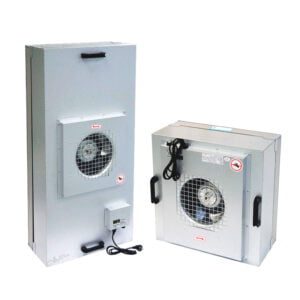
Для покупателей, указывающих Вентиляторные фильтровальные установки или терминал Корпуса HEPA, в техническом задании на закупку следует проводить разграничение между параметрами, поддающимися проверке на заводе — коэффициент эффективности фильтра, технические характеристики двигателя, целостность корпуса, электробезопасность — и параметрами в состоянии после монтажа, которые относятся к сфере аттестации на объекте. Если это разграничение не будет отражено в техническом задании, оно не появится и в контракте, а возникшая неоднозначность будет устраняться позже с дополнительными затратами.
Проверки герметичности фильтров HEPA и расхода воздуха, зависящие от условий установки
Проверка целостности фильтров HEPA на месте выполняется в качестве обязательного предварительного условия, а не как процедурная формальность. До тех пор, пока все конечные фильтры HEPA в чистой комнате не будут проверены и не пройдут проверку в установленном положении, данные подсчёта частиц, полученные в ходе классификации, не могут быть отнесены к валидированной системе фильтрации. Неудачное сканирование — даже одного конечного блока — делает недействительными данные классификации, собранные ниже по потоку от этого блока, поскольку источник любого повышенного количества частиц невозможно отличить от утечки в фильтре или от вклада технологического процесса. Именно поэтому Приложение 15 определяет проверку целостности на месте как обязательное предварительное условие для классификации, а не как параллельное мероприятие.
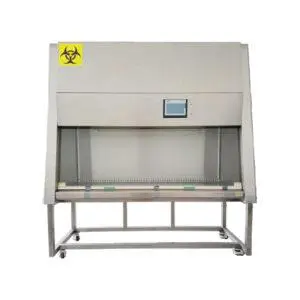
В данном случае зависимость от места установки носит абсолютный характер. Эффективность фильтрующего материала можно проверить на заводе, однако герметичность соединения между рамой фильтра и корпусом, герметичность соединения между корпусом и потолочной решеткой, а также целостность установленного гелевого уплотнителя или соединения с «ножевым краем» можно оценить только после монтажа. Транспортировка, погрузочно-разгрузочные работы и механические нагрузки при монтаже представляют собой потенциальные точки отказа, которые невозможно предвидеть в ходе заводских испытаний. A Устройство ламинарного потока воздуха даже те фильтры, которые прошли заводские проверки эффективности по стандарту HEPA, могут не пройти проверку на месте, если уплотнение корпуса было повреждено во время транспортировки или монтажа — от такого сценария приемочные испытания на месте (FAT) не защищают.
Визуализация схемы воздушных потоков вводит иной вид зависимости от конкретного объекта. Исследования, посвященные изучению направления и поведения воздушных потоков, включая влияние смоделированных движений и действий оператора, требуют, чтобы помещение было полностью оборудовано и находилось в рабочем состоянии. Эти исследования по своей сути зависят от конкретного объекта: значимыми являются те схемы воздушных потоков, которые формируются в результате взаимодействия между приточным каналом с фильтрами HEPA, геометрией помещения, расположением оборудования и персонала, а также обратным каналом. Любое исследование, проводимое на заводе, фиксирует иную физическую среду и дает результаты, имеющие ограниченную применимость к реальным условиям эксплуатации. Для критических зон класса A, к которым применяются эксплуатационные требования Приложения 1, это означает, что исследования схем воздушных потоков с документированием — включая видеозаписи — должны планироваться в рамках мероприятий по квалификации объекта, соответствующим образом залагаться в бюджет и закрепляться за конкретным ответственным лицом до завершения этапа определения объема работ.
Риск задержки в случае отсутствия ответственности за тестирование в объеме закупки
План квалификации в той или иной форме присутствует в большинстве проектов. Однако зачастую отсутствует уровень распределения обязанностей: кто именно несет ответственность за приемку результатов каждого теста на каждом этапе. Если такое распределение обязанностей отсутствует на этапе заключения контракта, оно не остается отсутствующим — этот вопрос решается в ходе ввода в эксплуатацию, причем в условиях, когда его решение обходится дорого.
Эта схема повторяется во всех типах проектов. Отчет поставщика по приемочным испытаниям на заводе (FAT) охватывает заводские параметры и завершает его часть работ. Монтажная организация завершает механический монтаж и считает свой объем работ выполненным. Подрядчик по системам ОВКВ настраивает систему в соответствии с проектными требованиями и переходит к следующему проекту. Специалисты по контролю качества приходят для проведения приемочных испытаний на объекте (IQ) и обнаруживают, что проверка расхода воздуха, подтверждение перепада давления и сканирование HEPA-фильтров на месте либо не задокументированы, либо не выполнены — при этом каждая сторона обоснованно полагает, что эта работа входила в обязанности кого-то другого. Это не является нарушением нормативных требований в юридическом смысле; это пробел в системах закупок и планирования проектов. Однако последствия для графика и затрат равносильны нарушению нормативных требований, поскольку работу всё равно придётся выполнить, а документацию — оформить, прежде чем можно будет приступить к классификации.
Риск на последующих этапах заключается не только в задержке отдельного испытания. Если попытка классификации предпринимается до подтверждения целостности на месте, а данные классификации впоследствии ставятся под сомнение, может потребоваться повторное проведение всей последовательности квалификационных испытаний. Повторная классификация — это не быстрая процедура: она требует, чтобы помещение находилось в контролируемом состоянии, были соблюдены сроки отбора проб (при этом в протоколе должны быть указаны допустимые объемы проб для получения обоснованных данных), а также необходимо воссоздать полный пакет доказательств. Проект, который мог бы избежать этого, определив ответственность за испытания еще на этапе закупки, вместо этого несет эти расходы в виде незапланированных затрат на устранение несоответствий во время ввода в эксплуатацию.
Проверить это на практике довольно просто: до закрытия заказа на поставку в плане квалификации должно быть указано для каждого испытания чистоты воздуха, к какому этапу оно относится, какая сторона его проводит и какая сторона ведет протокол приемки. Если какое-либо из этих трех полей останется пустым, эта неопределенность впоследствии обойдется дорого. Чтобы получить более полное представление о том, как протоколы IQ, OQ и PQ взаимодействуют в системах HEPA и сопутствующем оборудовании, Ресурс для планирования квалификации оборудования для чистых помещений более подробно описывает структуру протокола.
Порог готовности после подтверждения квалификации назначается по этапам
Присвоение тестов этапам и назначение ответственных за записи — это необходимое, но недостаточное условие. План квалификации считается завершенным только тогда, когда для каждого теста указаны пороговое значение приемлемости и параметры выборки, необходимые для получения обоснованных данных. В частности, два пороговых значения часто недостаточно подробно прописаны в протоколах на ранних этапах, и оба они создают проблемы при выполнении.
Первый касается объема пробы при первоначальной классификации. Для критических зон класса A минимальный объем пробы на каждом месте отбора должен быть достаточным для получения статистически достоверных данных о количестве частиц — этот показатель определяет необходимое время отбора пробы в зависимости от расхода используемого прибора. Если в протоколе не указан минимальный объем пробы, у лица, проводящего испытание, нет оснований для определения того, соответствуют ли собранные им данные стандарту доказательности, требуемому для первоначальной классификации. Это не та деталь, которую можно добавить после завершения испытаний; проба, отобранная с несоблюдением требуемого объема, не может быть признана действительной задним числом.
Второй аспект касается интервалов переаттестации, которые определяют, в течение какого времени подтверждающие документы о квалификации остаются действительными и когда цикл должен начинаться заново. Эти интервалы не одинаковы для разных классов помещений, и план должен их учитывать.
| Параметр | Класс | Порог | Разъяснение |
|---|---|---|---|
| Объем выборки для первоначальной классификации | A | Не менее 1 м³ на одно место (10–36 минут в зависимости от расхода) | Необходимо обеспечить получение достоверных данных о количестве частиц |
| Максимальный интервал повторной аттестации | A и B | 6 месяцев | Вызывает необходимость повторной аттестации; также требуется после внесения существенных изменений или принятия корректирующих мер |
| Максимальный интервал повторной аттестации | C и D | 12 месяцев | Вызывает необходимость повторной аттестации; также требуется после внесения существенных изменений или принятия корректирующих мер |
Отсутствие указания этих пороговых значений в протоколе приводит к тому, что сторона, осуществляющая испытание, принимает собственное решение — которое может как соответствовать, так и не соответствовать тому, что предполагалось продемонстрировать в рамках протокола. Несоответствие, выявленное в ходе проверки или аудита, требует повторного проведения испытания в задокументированных условиях. Обе ошибки — недостаточный объем пробы и пропущенный интервал повторной квалификации — можно избежать, если протокол будет составлен с учетом этих параметров до начала выполнения, а не пересмотрен после выявления несоответствия. Для команд, разрабатывающих практическую структуру протокола для установки и эксплуатационной квалификации, Руководство по квалификационным испытаниям IQ, OQ и PQ подробно рассматривает последовательность выполнения.
Наиболее практичным результатом планирования квалификационных испытаний является не просто перечень испытаний, а заполненная матрица распределения обязанностей, в которой каждому испытанию на чистоту воздуха присвоен конкретный этап, указана ответственная сторона и ответственное лицо, а также определены пороговые значения приемлемости до начала проведения испытаний. Без такого уровня распределения обязанностей даже технически тщательно составленный перечень испытаний становится источником споров во время ввода в эксплуатацию, поскольку вовлеченные стороны будут интерпретировать пробелы в объеме работ в свою пользу.
Прежде чем завершить определение объема закупок, убедитесь, что граница между FAT и SAT четко обозначена в контрактной документации и что испытания в установленном состоянии — целостность фильтров, расход воздуха, перепад давления и схема распределения воздушного потока — официально отнесены к этапу квалификации объекта с четким указанием лица, ответственного за ведение документации. Защита графика работ, обеспечиваемая решением этого вопроса на этапе заключения контракта, значительно превосходит любую гибкость графика, достигаемую за счет откладывания обсуждения до этапа ввода в эксплуатацию.
Часто задаваемые вопросы
Вопрос: Что делать, если система ОВКВ не будет готова к моменту прибытия оборудования на объект — можно ли тем временем приступить к каким-либо испытаниям на объекте?
A: Никакие значимые испытания по квалификации объекта не могут начинаться до тех пор, пока система ОВКВ не начнет работать под нагрузкой. Последовательность квалификационных испытаний строго регламентирована: приемочные испытания при работающей системе ОВКВ являются обязательным условием для проверки герметичности фильтров HEPA на месте, которая, в свою очередь, является обязательным условием для присвоения классификации. Начало любого из этих этапов до ввода системы ОВКВ в эксплуатацию приводит к получению данных, достоверность которых невозможно подтвердить, и соответствующие этапы придется повторить после ввода системы ОВКВ в эксплуатацию. На практике это означает, что именно готовность системы ОВКВ, а не поставка оборудования, определяет момент начала квалификации объекта — и эта зависимость должна быть отражена в графике проекта до завершения этапа определения объема закупок.
Вопрос: Если целостность отдельного терминального HEPA-блока не подтверждается на месте после того, как уже была предпринята попытка проведения классификационных испытаний, нужно ли повторно тестировать только этот блок?
A: Необходимо повторить всю процедуру классификации с начала, а не только для неисправного блока. Поскольку проверка целостности фильтров HEPA на месте является обязательным условием для проведения классификации, любые данные о количестве частиц, собранные при наличии неподтвержденного или неисправного фильтра, не могут быть отнесены к проверенной системе фильтрации. Невозможно отделить причину повышенных показателей от утечки фильтра или влияния технологического процесса, поэтому данные классификации признаются недействительными независимо от того, какой из конечных блоков вышел из строя. Именно поэтому перед началом любого отбора проб для классификации необходимо полностью завершить проверку герметичности всех конечных фильтров.
Вопрос: Существует ли существенная разница между указанием этих квалификационных требований в заказе на поставку и тем, чтобы оставить их для согласования в ходе ввода в эксплуатацию?
A: Уточнение объема работ на этапе закупки обходится значительно дешевле, чем его урегулирование во время ввода в эксплуатацию. Когда в контракте не прописано, кто несет ответственность за испытания, каждая сторона — поставщик, монтажник, подрядчик по системам ОВКВ — ограничивает свой объем работ тем, что, по их мнению, можно обоснованно считать согласованным. Пробелы, выявляющиеся в ходе IQ или OQ, затем требуют переговоров в условиях жестких сроков, причем каждая сторона занимает обоснованную позицию, утверждая, что данная работа входила в обязанности другой стороны. Тот же вопрос, который в техническом задании занимает всего один абзац, может занять недели для урегулирования в качестве спорного пункта объема работ во время ввода в эксплуатацию, при этом работы всё равно должны быть выполнены, прежде чем можно будет приступить к классификации, независимо от того, как будет разрешён спор.
Вопрос: Применяется ли 6-месячный интервал повторной аттестации для зон классов A и B даже в том случае, если в помещении или оборудовании не было произведено никаких изменений?
A: Да — интервал переквалификации действует как максимальный срок действия подтверждающих документов о квалификации, независимо от того, произошли ли какие-либо изменения. Существенное изменение или корректирующие меры немедленно влекут за собой необходимость переквалификации, независимо от того, на каком этапе цикла переквалификации находится проект, однако этот интервал также действует как календарный срок даже при отсутствии изменений. Заказчики, планирующие операционные бюджеты, должны учитывать оба фактора: запланированный интервал и перезапуск, вызванный изменениями. Если не запланировать периодическую переаттестацию до истечения интервала, действующие подтверждающие документы утратят силу, и деятельность в затронутых областях не сможет быть подкреплена актуальной документацией.
Вопрос: В случае проекта с ограниченным бюджетом стоит ли вкладывать средства в разработку подробных протоколов до проведения приемочных испытаний (FAT), или допустимо разработать полные протоколы ближе к этапу квалификации объекта?
A: Откладывание разработки протокола до момента, ближе к квалификации объекта, создает конкретный и предотвратимый финансовый риск, который, как правило, перевешивает любую краткосрочную экономию. В частности, два параметра — минимальный объем пробы на каждом месте для первоначальной классификации и интервалы повторной квалификации для каждого класса помещений — не могут быть добавлены задним числом, если испытания проводятся без их учета. Проба, отобранная без соблюдения требуемого минимального объема, не может быть подтверждена задним числом, а это означает, что испытание необходимо повторить в соответствии с задокументированными условиями. Составление протоколов с указанием этих параметров до начала проведения испытаний — это не вопрос бюджета; это условие, при котором данные, собранные в ходе испытаний, будут иметь юридическую силу. Стоимость исправлений, выявленных в ходе пересмотра протокола, почти всегда превышает затраты на правильное определение пороговых значений до проведения первого испытания.