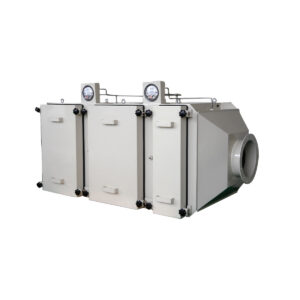
Требование к корпусу BIBO, в котором указана технология, но не определено, как происходит замена, испытание или изоляция фильтра во время замены, на бумаге выглядит полным, но создает пробел в квалификации, который выявляется только на этапе ввода в эксплуатацию — когда корпус уже изготовлен в соответствии с каталожными размерами, а команда по контролю качества обнаруживает, что отсутствует задокументированный доступ к отверстию для проверки герметичности, не указан мешок для замены и не согласован критерий замены фильтра. Устранение пробелов, связанных с материалом корпуса, стороной доступа или сварными соединениями, на этом этапе — это не просто незначительное уточнение; это цикл доработок, который задерживает приемочные испытания на заводе (FAT) или приемочные испытания на объекте и вынуждает проводить второй раунд переговоров с поставщиком в условиях сжатых сроков. Решение, позволяющее избежать этой задержки, принимается гораздо раньше: техническое задание (URS) либо фиксирует требования по контролю загрязнения, положения о рисках технического обслуживания и требования к испытаниям на герметичность в виде формулировок, готовых для поставщика, либо оставляет эти детали на усмотрение. Приведенная ниже информация дает командам по качеству и инжинирингу практическую основу для оценки того, является ли их текущая URS по корпусу BIBO обоснованной с точки зрения аудита до начала сравнения предложений поставщиков.
Исходные данные для стратегии контроля загрязнения в рамках технического задания BIBO
Эффективность документа по стратегии контроля загрязнения, требуемого в соответствии с Приложением 1 к GMP ЕС для производства стерильной продукции, зависит от качества технических характеристик оборудования, которые в него включаются. В случае корпуса BIBO основная часть логики контроля загрязнения определяется четырьмя входными данными, и схема ошибок остается неизменной: специалисты указывают класс фильтра и направление воздушного потока, но оставляют конструкцию уплотнения, марку материала и конструкцию границ на усмотрение поставщика.
Уплотнение фильтра на входе — это деталь, которую чаще всего упускают из виду. Если фильтр HEPA не прилегает плотно к входной поверхности рамы, твердые частицы могут скапливаться между фильтром и внутренней поверхностью рамы — это путь проникновения загрязнений, полностью обходящий фильтрующий материал. Никакой расход воздуха или показатель эффективности фильтра не компенсирует этот зазор, поскольку путь обхода связан со структурой конструкции, а не с фильтрующим материалом. Материал корпуса важен по другой причине: холоднокатаная сталь с порошковым покрытием, нержавеющая сталь марки 304 и нержавеющая сталь марки 316 ведут себя по-разному во время циклов очистки, а материал, подверженный коррозии или удерживающий твердые частицы в неровностях поверхности, снижает возможность очистки поверхности независимо от характеристик фильтра. В случаях использования агрессивных чистящих средств или работы в условиях повышенной влажности выбор нержавеющей стали марки 316 вместо того, чтобы соглашаться на то, что поставщик предлагает в качестве стандарта, является важным решением по контролю загрязнения, а не просто косметическим предпочтением.
Полностью сварные герметичные элементы устраняют целый класс путей утечки, которые болтовые соединения или соединения с прокладками не могут надежно исключить с течением времени. Прокладки изнашиваются, болтовые соединения могут ослабляться под воздействием вибрации или термических циклов, и любое такое соединение становится потенциальным каналом загрязнения в период между циклами технического обслуживания. Требование к сварке должно быть включено в техническое задание (URS) в качестве конфигурационного параметра, а не в качестве допущения. Для установок, работающих с опасными или сильнодействующими соединениями в потоках вытяжного воздуха, логика локализации выходит за пределы чистой комнаты: утечка токсичной пыли через корпус, разрушающийся под действием отрицательного давления, является проблемой как для окружающей среды, так и для безопасности оператора, а не только фактором, влияющим на качество продукции. Этот конкретный критерий проектирования применяется там, где риск, связанный с данным соединением, оправдывает его — он не является универсальным требованием для всех установок BIBO, — но там, где он применяется, он должен быть явно указан в URS.
| Требования URS | Почему это важно для контроля загрязнения | Что следует уточнить в URS |
|---|---|---|
| Уплотнение фильтра на входной стороне, где поступает воздух | Предотвращает накопление загрязнений между фильтром и рамой — один из наиболее распространенных путей проникновения загрязнений. | Укажите, что уплотнение предотвращает накопление загрязнений внутри. |
| Определён материал корпуса (холоднокатаный лист с порошковым покрытием, нержавеющая сталь марки 304 или 316) | Выбор материала напрямую влияет на простоту очистки и коррозионную стойкость, что позволяет сохранить целостность поверхности. | Определите необходимый материал для обеспечения длительной чистоты и защиты от коррозии. |
| Полностью сварные корпуса, выдерживающие давление | Сварные соединения исключают пути утечки, которые в противном случае могли бы нарушить герметичность. | Убедитесь, что все герметичные элементы соединены сплошной сваркой, а не с помощью болтов или прокладок. |
| Изолирующая оболочка для потока отработанного воздуха BIBO | В случае отказа системы удержания выхлопных газов опасные твердые частицы могут попасть за пределы чистой комнаты. | Укажите, что кожух на вытяжном воздуховоде должен предотвращать попадание токсичной пыли в окружающую среду. |
Отсутствие любого из этих четырёх входных параметров не приводит к немедленному возникновению случая загрязнения. Последствия оказываются более неочевидными: группа по обеспечению качества теряет цепочку документации, связывающую стратегию контроля загрязнения с конкретными конструктивными решениями корпуса, которые её поддерживают, и этот пробел сложно обосновать во время инспекции по Приложению 1, когда инспектор спросит, почему определение технических характеристик уплотнения на входе было оставлено на усмотрение поставщика.
Положения о техническом обслуживании и рисках: Приложение 1, которое команды не должны упускать
Корпус, который проходит квалификационные испытания, но не может обслуживаться с соблюдением требований безопасности, создает особый вид риска: риск, который нарастает в течение всего срока службы оборудования, а не проявляется сразу при вводе в эксплуатацию. Три положения о рисках, связанных с техническим обслуживанием, которые чаще всего отсутствуют в документах технических требований (URS) к корпусам BIBO, касаются подверженности оператора риску, сроков замены и физического извлечения фильтра — и их отсутствие редко становится заметным до первой плановой замены фильтра.
Конструкция, обеспечивающая безопасную замену, — это конструктивное требование, благодаря которому все остальные меры по планированию технического обслуживания приобретают смысл. Корпус типа BIBO выбирается именно потому, что замена фильтра должна происходить без подвергания операторов воздействию загрязненной среды. Если в техническом задании (URS) явно не оговорено требование к конструкции, обеспечивающей безопасную замену — то есть такой, которая изолирует загрязненный фильтр в рамках герметичной процедуры замены, — у поставщика нет договорных оснований для внедрения этой защиты в корпус, а у группы по качеству нет документа, на который можно было бы сослаться во время аудита технического обслуживания. Стержень для извлечения фильтра в многосекционных агрегатах является связанным, но отдельным пунктом: в более широких корпусах ручное извлечение загрязнённого фильтра HEPA представляет реальный риск воздействия на персонал, а стержень для извлечения является инженерным средством контроля, устраняющим этот риск. Указание ширины корпуса без указания механизма извлечения оставляет этот риск неучтённым на этапе проектирования.
Особое внимание следует уделить критериям замены фильтров, поскольку они формируют объективные и поддающиеся проверке критерии, от которых зависит планирование технического обслуживания. Падение давления, достигающее 1,5-кратного значения исходного падения давления в чистом состоянии, неудачный результат проверки герметичности, видимые физические повреждения или срок службы в десять лет — это расчетные показатели и ориентиры для оперативного планирования, взятые из исходной проектной документации; они не являются универсальными нормативными пороговыми значениями, установленными Приложением 1. Однако ценность их отражения в URS заключается именно в их конкретности: они дают командам технического обслуживания документированное обоснование для решений о замене, на которое можно сослаться во время проверки, вместо того чтобы полагаться на недокументированные субъективные суждения. URS, в котором сказано “заменять фильтры по мере необходимости”, не предоставляет такого обоснования.
| Положение URS | Риск в случае неясности или отсутствия информации | Что необходимо подтвердить в URS |
|---|---|---|
| Конструкция, обеспечивающая безопасную замену, для защиты персонала, занимающегося техническим обслуживанием | Риск для оператора при замене фильтра. | Убедитесь, что в техническом задании (URS) явно предусмотрена конструкция, обеспечивающая безопасную замену и изолирующая загрязненные фильтры. |
| Причины замены фильтра (падение давления в 1,5 раза по сравнению с исходным значением, неудача при проверке герметичности, механические повреждения, 10-летний срок эксплуатации) | Работа за пределами безопасных ограничений без объективных и поддающихся проверке критериев. | Убедитесь, что в URS указанные триггеры перечислены в качестве обязательных критериев замены. |
| Стержень для извлечения фильтра из агрегатов BIBO с несколькими рабочими зонами | Ручная обработка загрязнённых фильтров в больших корпусах, что повышает риск для персонала. | Убедитесь, что согласно техническому заданию (URS) для безопасного извлечения фильтра требуется извлекающий стержень. |
Результатом аудита в случае отсутствия этих положений становится не просто констатация несоответствия конкретному номеру положения Приложения 1. Речь идет о невозможности доказать, что процедуры технического обслуживания были заложены в технические требования к оборудованию, а не импровизированы в ходе эксплуатации — это различие имеет важное значение, когда инспектор анализирует историю принятия решений по контролю загрязнения.
Требования к обеспечению целостности фильтра и его безопасной замене
Проверка герметичности — это механизм, позволяющий подтвердить, что корпус фильтра HEPA функционирует в соответствии с техническими требованиями после установки и после каждой замены фильтра. Если конструкция корпуса не позволяет применять стандартные методы испытаний, в программе аттестации возникает конструктивный пробел, который невозможно надежно устранить с помощью процедурных мер. Требования к проектному заданию (URS) — это единственный этап, на котором такие требования можно зафиксировать до начала производства.
Совместимость HEPA-фильтров с гелевым уплотнением важна не потому, что фильтры с гелевым уплотнением по своей сути лучше, а потому, что именно этот формат наиболее широко совместим со стандартными методами проверки герметичности. Указание корпуса без учета совместимости с типом фильтра приводит к возникновению проблемы совместимости на позднем этапе: поставщик изготавливает корпус в соответствии со своей стандартной геометрией, а объект закупает фильтр предпочтительного формата, и эти два элемента не соединяются достаточно плотно для надлежащего гелевого уплотнения, что ставит под угрозу проверку герметичности еще до ее начала. Включение места для предфильтра в технические требования к корпусу обеспечивает дополнительную защиту от загрязнения частицами на входе и продлевает срок службы HEPA-фильтра — это скорее практический критерий планирования, чем обязательное требование, но он влияет как на частоту технического обслуживания, так и на совокупную стоимость владения.
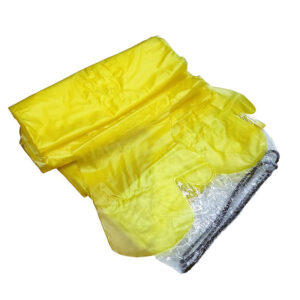
Требование к ПВХ-мешкам для замены заслуживает отдельного четкого положения. Каждый порт доступа к фильтру должен иметь специальный мешок для замены, предназначенный для сбора загрязненного фильтра во время его извлечения. Это не тот аксессуар, который можно без риска приобрести отдельно после поставки: если при изготовлении размеры интерфейса мешка не будут точно соответствовать размеру порта корпуса, то эффективность локализации загрязнения снизится. Указание в техническом задании (URS) одного мешка на каждый порт доступа делает его обязательным элементом поставки по договору, а не чем-то, о чем вспоминают в последнюю минуту.
Испытания на герметичность в соответствии со стандартом IEST-RP-CC034 с использованием термических или фотометрических методов, при которых пороговое значение утечки составляет 0,011 TP10T концентрации на входе, обеспечивают измеримый критерий приемлемости, на который могут ориентироваться как поставщик, так и служба контроля качества на объекте. IEST-RP-CC034 является признанным отраслевым стандартом испытаний — сам по себе он не является нормативным требованием GMP ЕС — однако его указание в URS дает программе квалификации документированную техническую отправную точку для определения того, что означает “успешное прохождение испытаний на герметичность”. Без такого указания формулировка «успешно прошло испытания на герметичность» представляет собой утверждение без согласованного метода или порогового значения, которое будет сложно обосновать в случае оспаривания протокола испытаний.
| Требование | Назначение | Что необходимо указать или подтвердить |
|---|---|---|
| В корпусе предусмотрено место для установки стандартного HEPA-фильтра с гелевым уплотнением и предварительного фильтра | Обеспечивает совместимость с широко распространенными фильтрами и стандартными методами проверки целостности. | Укажите, что корпус предназначен для установки HEPA-фильтров с гелевым уплотнением и имеет место для установки предварительного фильтра. |
| По одному мешку для замены из ПВХ на каждый порт доступа к фильтру | Изолирует загрязнённые фильтры во время их замены, предотвращая перекрёстное загрязнение и воздействие на оператора. | Убедитесь, что в спецификации URS указано, что мешки для замены входят в комплект принадлежностей. |
| Испытания на герметичность в соответствии с IEST‑RP‑CC034 с пороговым значением утечки ≥0,011 TP10T от концентрации на входе | Обеспечивает поддающийся количественной оценке критерий приемлемости, соответствующий отраслевым стандартам, для проверки целостности фильтра. | Требуется проведение испытаний в соответствии с IEST‑RP‑CC034 с использованием термических или фотометрических методов, а также указание порогового значения утечки 0,01%. |
Если эти пункты отсутствуют в URS, это приводит не просто к неудобствам при проведении испытаний. Речь идет об условиях, при которых испытания на целостность либо невозможно провести в соответствии с обоснованными стандартами, либо их проведение возможно только после дополнительных модификаций на этапе строительства, которые никогда не были заложены в бюджет и не планировались.
Пробелы в квалификации, обусловленные общими техническими требованиями к корпусам фильтров HEPA
Общие технические требования к корпусам фильтров HEPA создают риск при проведении квалификационных испытаний конкретным и предсказуемым образом: они описывают требуемый результат — отфильтрованный воздух с заданной эффективностью — без указания конструктивных, производственных или документационных параметров, позволяющих подтвердить достижение этого результата. Проблема возникает не на этапе закупки, где общие технические требования быстрее проходят через процедуру закупок, а на этапе ввода в эксплуатацию, когда команда по квалификации обнаруживает, что корпус не позволяет обеспечить документационный цепочку, требуемую программой квалификации.
В Приложении 15 к 4-му тому EudraLex квалификация проекта (DQ) определяется как документированная проверка того, что предлагаемый проект помещений, систем и оборудования соответствует предусмотренному назначению. Общая спецификация корпуса фильтра HEPA, в которой указаны класс фильтра и расход воздуха, но не указаны материал корпуса, метод изготовления ограждающих конструкций и конструкция уплотнений, не дает команде по квалификации проекта (DQ) возможности проверить какие-либо проектные решения — поскольку эти решения никогда не были зафиксированы. Поставщик изготовил корпус в соответствии со стандартными каталожными размерами, которые могут как соответствовать, так и не соответствовать тому, что неявно предполагалось в техническом задании (URS), и теперь группе по квалификации приходится либо принять недокументированные отклонения, либо инициировать процесс внесения изменений, который не был запланирован в графике проекта. Любой из этих вариантов приводит к увеличению сроков и затрат на самом неблагоприятном этапе проекта.
По той же причине важное значение имеет охват производственного процесса. Корпус, изготовленный в соответствии с задокументированной последовательностью операций — проектирование на основе URS, вырубка заготовки, резка, гибка, сварка, полировка и испытания — позволяет формировать отслеживаемую документацию на каждом этапе. Корпус, изготовленный в соответствии с каталожными размерами без производственной документации, конкретно относящейся к URS, не обеспечивает аналогичной возможности отслеживания. Если во время ввода в эксплуатацию возникает вопрос о целостности сварного шва или если качество поверхности не соответствует стандарту очищаемости, на который рассчитывала команда по качеству, то для расследования отсутствуют производственные записи. Наиболее распространённым проявлением этой несоответствия является отсутствие подтверждающей документации по проверке оборудования в пакете документации поставщика: корпус поступает на объект, команда по квалификации запрашивает подтверждающую документацию, а стандартный пакет поставщика не охватывает специфические для данного объекта требования, которые никогда не были определены в контракте.
Для команд, разрабатывающих требования BIBO в условиях сжатых сроков, это на практике означает, что составление достаточно подробной спецификации, необходимой для проведения DQ, занимает больше времени, как при написании, так и при закупке, однако позволяет заранее принять решения, которые в противном случае выявились бы в ходе квалификационных испытаний. Компромисс здесь реальный: расплывчатая спецификация быстрее проходит этап закупок, но приводит к более длительному периоду ввода в эксплуатацию. «Bag In Bag Out» — BIBO Подход к проектированию жилых зданий и подготовке документации, предлагаемый поставщиком, следует оценивать с учетом данной модели до начала закупочного процесса, а не после него.
Проверка соответствия требованиям URS перед сравнением поставщиков
Прежде чем техническое задание (URS) на корпуса BIBO поступает на этап сравнения поставщиков, в ходе трёх проверок определяется, будет ли данное сравнение проводиться с целью контроля рисков или с целью определения цены. При сравнении по цене выбор поставщика осуществляется на основе стоимости и сроков поставки; при сравнении с целью контроля рисков — на основе документально подтверждённой способности выполнить конкретное техническое задание (URS) и обеспечить проведение программы квалификации.
В первую очередь необходимо проверить, содержит ли процесс квалификации проекта (DQ) поставщика явные ссылки на техническое задание заказчика (URS) и применимые нормативные требования, а не на общие стандарты проектирования корпусов. Поставщик, чья документация по квалификации конструкции соотносит его конструкцию со стандартным каталогом продукции, а не с требованиями URS заказчика, предоставляет квалификацию конструкции лишь номинально — этап проверки подтверждает соответствие не тому, что было указано командой по качеству. Эта проверка требует направления прямого вопроса поставщику до начала оценки предложений, а не анализа самого документа с предложением.
Второй проверкой является определение того, может ли поставщик изготовить продукцию в соответствии с техническими требованиями заказчика (URS), а не по стандартным размерам. Индивидуальные требования URS — конкретные марки материалов, сварная конструкция ограждающих элементов, расположение люков доступа, наличие стержней для извлечения — зачастую отличаются от каталожных размеров. Поставщик, который признает URS, но предлагает стандартные размеры в качестве эквивалента, создает отклонение, которое необходимо официально урегулировать в ходе квалификации. Подтверждение производственных возможностей в соответствии с URS до заключения контракта предотвращает превращение этого отклонения в проблему при вводе в эксплуатацию.
Третьим критерием является проверка того, включает ли объем документации поставщика материалы по верификации оборудования. Пакет документации, содержащий только чертежи и сертификаты на материалы, является недостаточным для ввода в эксплуатацию квалифицированной установки. Группе по квалификации необходима верификационная документация, в которой характеристики корпуса сопоставляются с требованиями URS, и если этот объем не оговорен в контракте до заключения договора, поставщик не обязан её предоставлять.
| Проверьте перед сравнением | Почему это важно | Что необходимо уточнить у поставщика |
|---|---|---|
| Процесс квалификации проекта (DQ), согласованный с техническим заданием (URS) | Проверяет соответствие проекта техническим требованиям (URS) и нормативным требованиям до начала закупок. | Убедитесь, что в документации поставщика по квалификации (DQ) прямо указаны требования к пользователю (URS) и нормативные требования заказчика. |
| Возможность изготовления в соответствии с техническим заданием заказчика, а не только по стандартным размерам | Индивидуальные требования URS зачастую отличаются от стандартных технических характеристик продукции; негибкость поставщиков приводит к задержкам при доработке проекта. | Убедитесь, что поставщик способен изготовить корпуса в точном соответствии с техническим заданием заказчика, а не просто по размерам из каталога. |
| Пакет документации, включающий материалы по проверке оборудования | Отсутствие подтверждающих документов приводит к необходимости повторных уточнений после доставки и ставит под угрозу получение сертификата. | Убедитесь, что в объем услуг поставщика входит полный пакет документации и содействие в проведении проверок при вводе в эксплуатацию. |
Речь идет о мерах контроля на этапе закупок, а не о нормативных критериях, определяющих соответствие или несоответствие требованиям. Их цель — предотвратить циклы уточнений после поставки, которые задерживают проведение заводских приемочных испытаний (FAT) или приемочных испытаний на объекте — те самые циклы, которых изначально и должна была помочь избежать подробная спецификация требований к оборудованию (URS). Командам, разрабатывающим более широкие программы квалификации чистых помещений, стоит проанализировать, как несоответствия в URS на уровне оборудования взаимодействуют с объемом квалификации объекта, в контексте Навигация по изменениям Приложения 1 ЕС: 10-ступенчатый план обеспечения соответствия до начала планирования приемочных работ на объекте.
Основной вывод, который подкрепляет данная статья, прост: считайте техническое задание (URS) на корпус фильтра BIBO неполным, если в нём указана технология, но не прописаны соответствующие решения. Класс материала корпуса, конструкция верхнего уплотнения, конструкция сварных границ, количество сменных мешков из ПВХ на каждый порт, а также объективные критерии, определяющие необходимость замены фильтра, — это не дополнительные детали, а исходные данные, которые делают сравнение поставщиков содержательным, а квалификацию обоснованной. Без них сравнение по умолчанию сводится к цене, программа квалификации наследует недокументированные отклонения, а в документе по стратегии контроля загрязнения упоминается оборудование, конструктивные решения по которому никогда официально не фиксировались.
Прежде чем приступить к сравнению поставщиков, убедитесь, что в техническом задании (URS) даны ответы на три вопроса, которые задал бы эксперт по оценке технических предложений (DQ): какой материал был указан в спецификации и почему, как определён порядок проверки целостности фильтра и при каких условиях производится замена фильтра. Если для ответа на любой из этих вопросов необходимо обратиться к исходным допущениям, а не к задокументированным положениям технического задания (URS), спецификация требует ещё одной доработки, прежде чем приступить к закупке.
Часто задаваемые вопросы
Вопрос: Применим ли данный контрольный список URS в том случае, если система BIBO монтируется в существующую чистую комнату, а не предусматривается при строительстве нового объекта?
A: Контрольный список остается в силе, однако круг параметров, которые ещё можно изменить, значительно сужается. При модернизации материал корпуса, способ устройства границ и расположение портов доступа могут быть уже зафиксированы существующими размерами проходов и конструктивными ограничениями — это означает, что некоторые положения URS становятся критериями приемки того, что может выдержать существующая установка, а не исходными данными для проектирования. Стандарт испытаний на герметичность, спецификация сменных мешков и условия замены фильтров остаются в полной мере применимыми независимо от типа установки, поскольку они регулируют режим эксплуатации и технического обслуживания, а не физическую конструкцию корпуса. Если ограничения, связанные с модернизацией, не позволяют выполнить какое-либо положение URS, это несоответствие должно быть официально оценено с точки зрения риска в соответствии с ICH Q9(R1) и задокументировано в стратегии контроля загрязнения, а не оставлено в качестве недокументированного отклонения.
Вопрос: После завершения разработки URS и выбора поставщика, какой следующий шаг необходимо предпринять в первую очередь, чтобы предотвратить повторное возникновение пробелов в квалификации, описанных в статье, во время приемочных испытаний (FAT)?
A: Первым действием после отбора является преобразование каждого положения URS в критерий приемки FAT с определённым методом испытаний и пороговым значением “пройден/не пройден” до начала производства. Именно на этом этапе абстрактные формулировки URS — такие как “полностью сварные границы давления” или «совместимость с фильтрами HEPA с гелевым уплотнением» — должны быть привязаны к конкретному этапу проверки, ответственному лицу и задокументированному протоколу приемки. Если этот перевод откладывается до момента прибытия корпуса на объект, FAT превращается в переговоры, а не в проверку, и под давлением графика принимаются недокументированные отклонения от URS. Затем следует пересмотреть объем IQ/OQ в сопоставлении с тем же списком положений URS, чтобы убедиться в отсутствии этапов проверки, не охваченных FAT.
Вопрос: В какой момент выбор нержавеющей стали марки 316 вместо марки 304 перестает быть обоснованным решением с точки зрения контроля загрязнения и становится излишним?
A: Переход на более высококачественный материал оправдан в тех случаях, когда в процессе эксплуатации используются агрессивные чистящие средства, такие как испаренная перекись водорода или высококонцентрированные дезинфицирующие средства, в условиях повышенной влажности, а также при работе с веществами, при которых любая коррозия поверхности создает недопустимый риск загрязнения продукта или окружающей среды. Для стандартных установок в фармацевтических чистых помещениях, где в условиях нормальной влажности применяется традиционная дезинфекция на основе изопропилового спирта (IPA), нержавеющая сталь марки 304, как правило, обеспечивает достаточную коррозионную стойкость и очищаемость, а выбор марки 316 приводит к увеличению затрат без соответствующих преимуществ в плане контроля загрязнения. Решающим фактором является тип чистящего средства и химический состав процесса, а не нормативная классификация помещения — для вытяжной системы класса C, в которой используются агрессивные дезинфицирующие средства, применение марки 316 может быть более оправданным, чем для приточной системы класса A, в которой используются мягкие средства.
Вопрос: Является ли IEST-RP-CC034 единственным обоснованным стандартом для проверки целостности, или объект может заменить его эквивалентным национальным или внутренним стандартом без создания уязвимости при аудите?
A: Эквивалентные национальные или признанные отраслевые стандарты могут быть использованы вместо указанного стандарта без создания автоматической уязвимости при аудите, при условии, что заменяющий стандарт явно указан в URS и квалификационной документации, а пороговое значение утечки и метод испытаний являются не менее строгими, чем в эталоне IEST-RP-CC034. Риск при аудите возникает не из-за того, какой стандарт выбран, а из-за отсутствия какого-либо конкретно указанного стандарта — формулировка “прошел испытания на герметичность” без указания метода или порогового значения является условием, которое трудно обосновать. В европейской фармацевтической отрасли положения по испытаниям на герметичность, содержащиеся в стандарте ISO 14644-3, часто цитируются наряду с IEST-RP-CC034 или вместо него. Независимо от того, какой стандарт выбран, в URS он должен быть явно указан, чтобы поставщик, команда по квалификации объекта и любой инспектор, проверяющий документацию, руководствовались одними и теми же критериями приемки.
Вопрос: Если график реализации проекта не позволяет подготовить полностью детализированное техническое задание (URS) до начала закупок, какие пункты представляют наибольший риск в случае их отсрочки, а какие можно обоснованно урегулировать на этапе приемочных испытаний (FAT)?
A: К положениям, которые в случае отсрочки представляют наибольший риск, относятся: класс материала корпуса, конструкция сварных стыков и расположение контрольных отверстий — поскольку эти параметры фиксируются на этапе производства и не могут быть исправлены после изготовления корпуса без проведения цикла доработки. Размеры интерфейса мешка для замены из ПВХ относятся к той же категории: если совместимость мешка с контрольным отверстием не будет оговорена до начала производства, функция герметичности может быть структурно нарушена, и эту проблему невозможно устранить путем замены мешка на объекте. К положениям, связанным с меньшим риском отсрочки, относятся ссылка на конкретный протокол испытаний на герметичность и объем пакета официальной документации; оба этих вопроса могут быть согласованы в ходе переговоров между моментом утверждения URS и проведением приемочных испытаний (FAT) без необходимости внесения физических изменений в корпус. Условия замены фильтра также могут быть окончательно определены в процедурах объекта, а не в URS, хотя их отражение в URS предпочтительнее с точки зрения отслеживаемости при аудите.