Заказчики, которые размещают запрос на предложение после согласования условия о “сборной чистой комнате”, часто обнаруживают в ходе реализации проекта, что их строительная бригада по-прежнему несет ответственность за подготовку пола, черновую прокладку инженерных сетей, монтаж воздуховодов и окончательные испытания на работоспособность — работы, которые поставщик никогда не включал в объем своих обязательств, поскольку термин “сборная” так и не был четко определен. Это несоответствие не выявляется на этапе рассмотрения предложений; оно становится очевидным, когда оборудование поступает на объект, а работы на объекте еще не запланированы, что сокращает сроки аттестации в самый неподходящий момент. Различие, которое на самом деле определяет риски проекта, заключается не в том, называет ли поставщик свой продукт «модульным» или «сборным», а в том, какие конкретные компоненты поставляются в заводской готовности, а какие задачи остаются на выполнение подрядчику на объекте. Читатели, ознакомившиеся с приведенными ниже разделами, смогут более грамотно составить запрос предложений (RFQ), в котором эти два объема работ будут четко разграничены до принятия каких-либо обязательств.
Готовые компоненты, входящие в комплект поставки чистой комнаты
Использование поставщиком термина “сборный” редко имеет одинаковое значение в разных случаях. Для одного поставщика этот термин может означать полностью собранный на заводе и прошедший испытания на работоспособность блок, который поставляется в готовом виде и требует лишь подключения к инженерным сетям. Для другого — это плоские упакованные панели заводской нарезки с предварительно проложенными кабельными каналами — компоненты, которые все равно требуют значительных трудозатрат на объекте, чтобы превратиться в функционирующую чистую комнату. Последствия этого разрыва в плане затрат и сроков вполне реальны: покупатель, который рассчитывает на поставку готового к эксплуатации оборудования, а вместо этого получает комплект для сборки, обнаружит, что подготовка пола, черновая прокладка инженерных сетей и планирование работ специалистов никогда не были заложены в бюджет и теперь находятся на критическом пути.
Практическая мера защиты заключается в составлении подробного перечня объема работ, запрашиваемого до составления запроса предложений. Просьба к поставщику подтвердить, какие именно компоненты поставляются в заводской комплектации — вместо того, чтобы довольствоваться обозначением категории — стимулирует обсуждение, которое позволяет предотвратить отклонение от согласованного объема работ. Категории, заслуживающие внимания, охватывают все основные системы конструкции.
| Категория | Компоненты, необходимость включения которых следует подтвердить |
|---|---|
| Конструкция корпуса | Стеновые панели, потолочные плитки, двери, окна, перегородки, рулонные ворота |
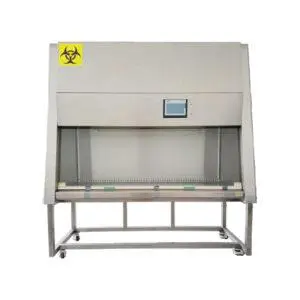
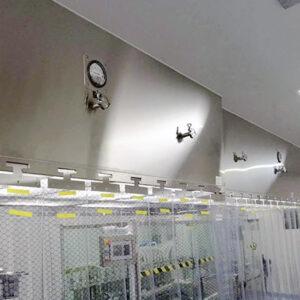
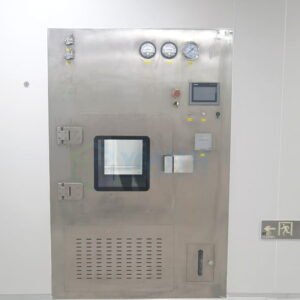
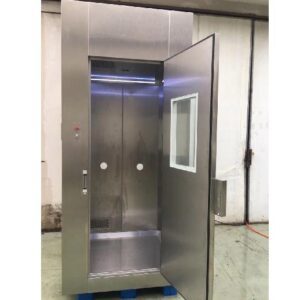
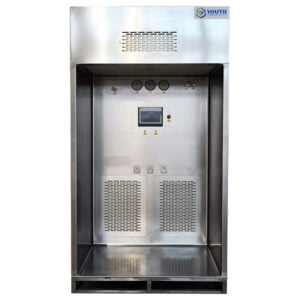
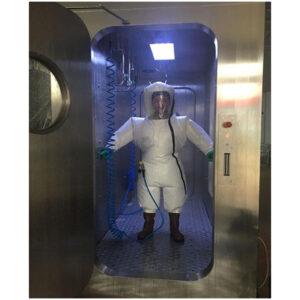
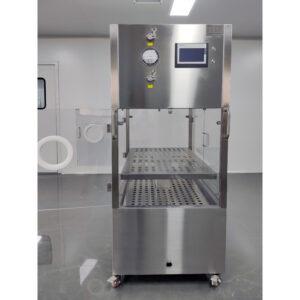
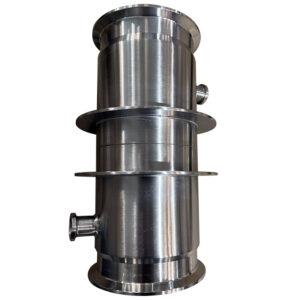
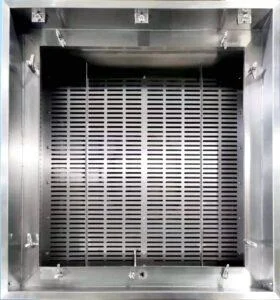
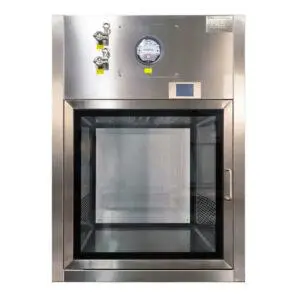
| Управление воздушным потоком | Системы отопления, вентиляции и кондиционирования воздуха (ОВКВ), фильтры HEPA, манометры, воздушные душевые, проходные камеры |
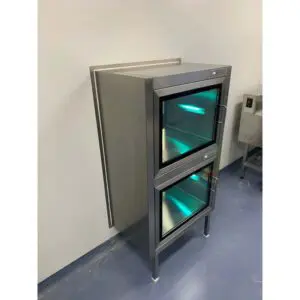
| Электрооборудование и освещение | Электропроводка, освещение, окна с УФ-защитой |
| Безопасность и отделка | Пожаротушение, ограждения, напольные покрытия, эпоксидная окраска, фальшполы |
Разрывы между заявленным поставщиком объемом готовых изделий и фактическим объемом работ, выполненных на заводе, являются источником рисков, связанных с затратами и сроками реализации проекта. Поставщик, поставляющий изготовленные на заводе стеновые панели с предварительно проложенными кабельными каналами, действительно выполнил производственные работы, но если в объеме работ остаются нерешенными вопросы, связанные с системами отопления, вентиляции и кондиционирования (ОВК), противопожарной защитой и напольным покрытием, покупатель невольно берет на себя эти затраты. Подтверждение включения этих элементов с такой степенью детализации — до направления запроса предложений (RFQ) — гораздо полезнее, чем любые обозначения, которые поставщик наносит на свою линейку продукции.
Готовые заводские модули и монтажные работы на объекте
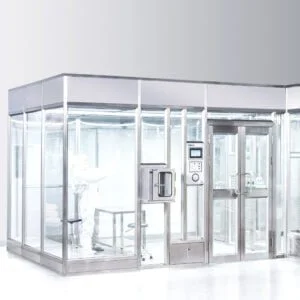
Структурное отличие между настоящим сборным модулем (POD) и модульным комплектом для чистой комнаты заключается в том, где выполняются монтажные работы. При поставке по модели POD большая часть работ по сборке, прокладке электропроводки и тестированию систем выполняется на заводе; работы на объекте сводятся к выполнению четко определённой последовательности подключений систем охлаждающей воды, механического и электрического оборудования. При использовании модульного подхода сборка на месте, прокладка электропроводки и монтаж воздуховодов осуществляются силами команды заказчика, а вклад завода ограничивается изготовлением чистых, заранее спроектированных компонентов, которые поставляются в готовом к сборке, а не в готовом к эксплуатации виде.
Оба подхода обеспечивают существенное преимущество в плане контроля загрязнения по сравнению с традиционным стационарным строительством. Поскольку модульные компоненты изготавливаются в контролируемой среде, а процесс сборки на протяжении всего времени остается чистым, уборка после завершения строительства проводится быстро и не требует значительных затрат — это реальное различие в качестве, которое влияет на то, как скоро помещение сможет пройти процедуру аттестации. Это преимущество остается актуальным независимо от того, какую модель поставки выберет заказчик.
| Размер | Сборный модуль POD | Модульный комплект | Ключевое соображение |
|---|---|---|---|
| Монтаж на месте | Подключение коммунальных сетей по принципу «подключи и работай» | Монтаж на месте, прокладка электропроводки, прокладка воздуховодов силами специалистов соответствующих специальностей | Модульная конструкция требует дополнительных трудозатрат на строительной площадке и тщательного планирования работ |
| Риск загрязнения | Низкий; изготовлено и протестировано вне площадки | Низкий; компоненты, изготовленные в стерильных условиях | Оба варианта позволяют снизить загрязнение строительной площадки по сравнению со стационарным строительством |
| Заключительные работы по уборке | Минимум | Быстро; процесс остается чистым во время сборки | Модульная конструкция позволяет избежать масштабной уборки после завершения строительства |
| Структурная совместимость | Требуется оценка на предмет возможности интеграции в здание | Требуется оценка; модернизация может привести к увеличению затрат | Своевременный анализ структуры проекта позволяет избежать перерасхода бюджетных средств |
Вопрос структурной совместимости заслуживает внимания ещё до публикации запроса предложений. Добавление чистой комнаты к существующему зданию может выявить ограничения по высоте потолка, ограничения по нагрузке на пол или конфликты при прокладке инженерных сетей, которые потребуют модификаций с учётом конкретных условий объекта. Если эти условия будут учтены заранее, они повлияют на то, как будет определена модульная планировка, и на то, оправданы ли определённые допущения относительно заводской сборки. Если же их обнаружить только после поставки, это вынудит вносить изменения в планировку, что задержит процесс аттестации — зачастую на этапе, когда давление со стороны заказчика в отношении ввода в эксплуатацию достигает максимума. Проверка конструкции — это мера по защите бюджета, а не фактор, гарантированно повышающий затраты, однако её пропуск превращает управляемую задачу планирования в проблему с соблюдением графика.
Вопросы, касающиеся объема работ по установке панелей, потолка, блоков FFU, дверей и систем управления
Тип стеновой системы, схема воздушных потоков и объем систем управления должны быть определены до направления запроса предложений — а не решаться в ходе переговоров с поставщиком — поскольку каждый выбор влечет за собой последующие последствия для количества блоков FFU, метода возведения стен и объема электромонтажных работ. Заказчик, откладывающий принятие этих решений, предоставляет поставщику право самостоятельно определять технические характеристики, которые относятся к технологическим требованиям и плану квалификации заказчика.
Выбор системы стен имеет основополагающее значение. Чистые помещения с жесткими стенами используют каркасную конструкцию из анодированного алюминия, способную выдерживать повышенное внутреннее давление воздуха и обеспечивать полный контроль условий окружающей среды. Конфигурации с мягкими стенами отличаются гибкостью, мобильностью и более низкой стоимостью, однако их возможности по контролю условий окружающей среды ограничены. При проектировании для решения этой задачи следует исходить из требуемого класса ISO и чувствительности технологического процесса к колебаниям температуры и влажности — а не из предпочтений поставщика или начальной цены. Стандарт ISO 14644-4:2022 определяет рамки проектирования и строительства, которые поясняют, как выбор системы стен соотносится с требованиями к контролируемой среде; показатели соответствия классу, полученные в результате этого процесса, отражают конкретное применение, а не являются универсальным правилом.
| Характеристика | Жесткая обложка | Softwall |
|---|---|---|
| Строительство | Жесткие стенки с стойками из анодированного алюминия; полностью закрытая конструкция | Стены, напоминающие палатку, гибкие; полузакрытое |
| Класс чистоты помещения по стандарту ISO | Подходит для классов ISO 5–8 | Как правило, более низкие классы чистоты |
| Регулирование температуры и влажности | Эффективный | Ограниченный |
| Портативность | Неразборные, изготовленные по индивидуальным размерам | Портативный, легко настраиваемый |
| Стоимость | Выше | Более недорогой |
| Настройка | Любые размеры; возможность дооснащения раздевалками и системами ESD-ионизации | Ограниченные возможности настройки |
Вопрос о конфигурации воздушного потока связан с затратами на протяжении всего жизненного цикла, которые легко отложить, но дорого будет пересмотреть позже. Системы с рециркуляцией направляют возвратный воздух через настенные камеры обратно к фильтрам HEPA, что снижает нагрузку частиц на каждый фильтр и продлевает срок его службы. Такая первоначальная сложность обходится дороже на начальном этапе. Однопроходные системы без рециркуляции проще в проектировании и дешевле в реализации, однако в сложных условиях эксплуатации частота замены фильтров будет выше. Ни одна из этих конфигураций не является стандартной; правильный выбор зависит от частоты использования помещения, требуемого класса чистоты, а также от того, как заказчик соотносит первоначальные капитальные затраты с текущими эксплуатационными расходами.
| Аспект | Рециркуляционные (камеры обратного воздуха) | Без рециркуляции (однопроходная система) |
|---|---|---|
| Путь воздушного потока | Возврат воздуха через настенные камеры к фильтрам HEPA | Воздух проходит через камеру один раз и выводится наружу |
| Срок службы фильтра HEPA | Срок продлен в связи со снижением нагрузки от твердых частиц | Стандартный срок службы фильтра |
| Первоначальная стоимость системы | Более сложная конструкция (более сложная система воздуховодов/стен) | Нижний |
| Типичный сценарий использования | Чистые помещения, эксплуатируемые с высокой интенсивностью, где увеличенный срок службы фильтров компенсирует первоначальные затраты | Проекты с ограниченным бюджетом или с менее высокими требованиями к чистоте |
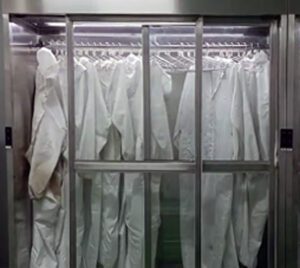
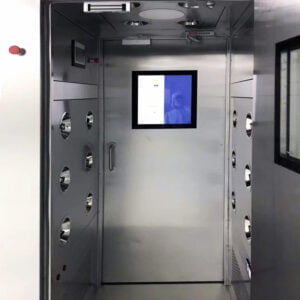
Покупатели, которым также требуются раздевалки, системы электростатической разрядки (ESD) или воздушные душевые, должны указать эти функции в первоначальном описании объема работ. Подобные индивидуальные настройки влияют на конструктивные размеры, расчеты электрической нагрузки и прокладку проводки систем управления — и все это проще реализовать в заводских условиях, чем доработать после монтажа. A модульная чистая комната с жесткими стенами Изделия, изготовленные по индивидуальным размерам заказчика, могут быть дополнены такими элементами, но только при условии, что соответствующие требования будут подтверждены до начала производства.
Риск, связанный с графиком, когда неясны сроки поставки готовых элементов
Схема срыва графика в данном случае предсказуема: заказчик воспринимает модульный комплект для чистой комнаты как готовое к использованию решение, упускает из виду необходимость координации работ по механическому, электрическому и вентиляционному оборудованию, а затем после поставки обнаруживает, что эти работы требуют нескольких недель монтажа на объекте, которые не были заложены в график. Оборудование простаивает. Сроки аттестации сокращаются. Критический путь удлиняется в том направлении, которого заказчик меньше всего ожидал — не в сфере производства, а в сфере монтажа на объекте.
Коренная причина лежит в определении, а не в технических аспектах. Когда поставщик описывает свой продукт как “сборный”, не уточняя, какие системы поставляются в заводской комплектации, покупатель восполняет этот пробел своими предположениями. Если предполагается, что «сборный» означает «готовый к подключению к инженерным сетям», то оставшиеся работы на объекте — прокладка электропроводки, монтаж воздуховодов, черновые работы по подключению к инженерным сетям — выходят за рамки как объема работ поставщика, так и плана работ покупателя на объекте. Эти работы никуда не исчезают; они вновь возникают в качестве незапланированных, не предусмотренных бюджетом и требующих срочного выполнения после доставки панелей.
Поставка по модели POD позволяет значительно сократить время между монтажом и сертификацией, поскольку основные работы на объекте сводятся к четко определенной последовательности подключений, а не к полномасштабному комплексу работ различных специалистов. Сборка модульного комплекта, как правило, удлиняет критический путь, поскольку зависит от координации действий нескольких специалистов на объекте, графики работы которых не зависят от сроков поставки со стороны поставщика. Это различие является переменной при планировании, а не фиксированным показателем сроков, однако направление этого эффекта достаточно стабильно, чтобы рассматривать его как риск в сфере закупок в случае неоднозначности модели поставки.
Простым способом снижения рисков является определение модели поставки до направления запроса предложений (RFQ) и письменное подтверждение того, какие системы поставляются в заводской готовности к эксплуатации, а какие требуют доработки на объекте. Это определение также лежит в основе плана координации работ на объекте: какие виды работ необходимо запланировать, в какой последовательности и к каким этапам реализации проекта. Заказчики, которые прошли через оборудование для чистых помещений отделы закупок и оценки поставщиков, действующие до направления запроса предложений, имеют больше возможностей для правильной организации таких переговоров, прежде чем они перерастут в споры по поводу графика работ. Четкое процесс закупок и оценки поставщиков позволяет решить проблему разделения областей применения на том этапе, когда это ещё можно исправить.
Срабатывание запроса предложения после разделения работ по отгрузке и монтажу на объекте
Выпуск единого запроса предложений (RFQ), в котором компоненты, поставляемые поставщиком, смешиваются с работами, выполняемыми на объекте, является наиболее распространённой причиной превышения сметы при закупках для чистых помещений. Когда оба вида работ указаны в одном документе без чёткого разграничения, ни у поставщика, ни у подрядчика, работающего на объекте, нет чёткой границы ответственности. Поставщик указывает в предложении стоимость того, что он намерен поставить; подрядчик на объекте рассчитывает стоимость того, что он планирует установить; а промежуток между этими двумя интерпретациями — как правило, механические соединения, электрические разъёмы и воздуховоды — никому не принадлежит до тех пор, пока проект не будет запущен.
Этап контроля закупок не представляет сложности: необходимо определить, какие компоненты поставляются в виде готовых заводских узлов, и разместить запрос предложений только на этот объем работ. Затем отдельно заключить договор на выполнение монтажных работ на объекте — механических, электрических и прокладку воздуховодов — с учетом монтажных чертежей поставщика и технических условий подключения к инженерным сетям. Такое разделение обязывает поставщика четко определить точки подключения, а подрядчика по монтажу на объекте — рассчитывать стоимость исходя из четко заданных исходных условий, а не из предположительных.
| Место действия | Обычно поставляется поставщиком (RFQ) | Как правило, строительство на месте (отдельный договор) | Покупатель должен подтвердить |
|---|---|---|---|
| Ограждающие конструкции чистой комнаты (панели, потолок, двери) | Да | - | Подтвердить технические характеристики панелей и дверей |
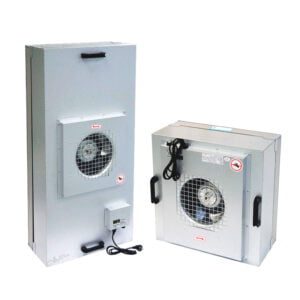
| Фильтрация (FFU, HEPA) | Да | - | Подтвердить состав комплекта вентилятора/фильтра |
| Электропроводка и соединения | - | Да | Подтвердите место подключения к заводской электропроводке |
| Механические подключения (охлажденная вода, сжатый воздух) | - | Да | Подтвердить функции интерфейса утилиты |
| Воздуховоды | - | Да | Подтвердить проект воздуховодов и объем монтажных работ |
На данном этапе также следует уделить внимание финансовой составляющей запроса предложений. Модульные компоненты чистых помещений представляют собой готовые, изготовленные на заводе изделия, которые можно рассматривать как основные средства — такая классификация может способствовать применению ускоренных графиков амортизации в зависимости от практики классификации активов, принятой у покупателя. Эта особенность меняет структуру затрат: большая часть стоимости проекта приходится на изготавливаемый и подлежащий амортизации продукт, а не на трудозатраты на объекте, которые не имеют остаточной стоимости активов. Применимо ли такое трактование в конкретном случае, требует отдельной финансовой оценки со стороны покупателя, однако этот вопрос стоит обсудить с финансовой командой проекта до того, как в запросе предложений будет проведено разделение затрат на продукцию и затрат на работы на объекте. Для покупателей, находящихся на этапе определения объема работ для модульное чистое помещение, при этом следует учитывать, что определение структуры затрат до начала закупочного процесса влияет не только на технические, но и на финансовые рамки запроса предложений.
После направления запроса на предложение (RFQ) с учетом четко определенного объема работ на заводе у заказчика также появляется информация, необходимая для составления реалистичного плана монтажа, ввода в эксплуатацию и квалификации. На соединительных чертежах поставщика указывается, где начинаются работы, выполняемые на объекте; план квалификации — будь то в соответствии с принципами управления рисками ICH Q9(R1) или протоколом, разработанным специально для данного объекта — может затем быть составлен с учетом границ объема работ, которые больше не вызывают неоднозначности. Согласовать эти документы до отгрузки оборудования значительно проще, чем приводить их в соответствие впоследствии, когда условия на объекте уже зафиксированы, а давление со стороны графика становится реальным.
Основной вывод, который подкрепляет данная статья, прост в формулировке, но часто упускается из виду: определить, что означает термин “сборный” в рамках конкретного поставщика, до составления запроса предложений, а не после получения предложений. Это определение определяет, какие компоненты должны быть включены в договор с поставщиком, а какие — в сферу ответственности подрядчика на объекте; какие виды работ необходимо запланировать и когда; а также имеет ли план квалификации реалистичный критический путь. Тщательный анализ требований к монтажу, эксплуатации и техническому обслуживанию в рамках обеих сфер ответственности — подробно рассмотренный в Полное руководство IOM по оборудованию для чистых помещений — подтверждает, что работа по разграничению сферы ответственности завода и объекта на месте окупается далеко за пределами этапа ввода в эксплуатацию.
Прежде чем размещать любой запрос на предложение, закупщики должны быть готовы дать конкретные ответы на три вопроса: какие компоненты поставляются в заводской комплектации, какие системы требуют доработки на объекте, и где проходят границы взаимодействия с инженерными сетями, где заканчивается сфера ответственности поставщика и начинается сфера ответственности подрядчика на объекте. Эти ответы, согласованные с поставщиком в письменной форме, являются основой для проведения закупок, которые позволяют уложиться в сроки и не выйти за рамки бюджета на всех этапах отбора поставщиков.
Часто задаваемые вопросы
Вопрос: Что произойдет, если в существующем здании обнаружатся конструктивные ограничения, несовместимые с планировкой чистой комнаты, после того как запрос на предложение уже будет отправлен?
A: Вероятно, запрос предложений (RFQ) потребует доработки, что приведет к задержке закупочного процесса и может вынудить пересмотреть объем работ с поставщиком. Совместимость конструкции — высота потолков, несущая способность пола и прокладка инженерных сетей — следует оценивать до составления запроса предложений, а не после его отправки. Если эти ограничения известны заранее, спецификацию модульной планировки и любые допущения относительно заводской сборки можно скорректировать, пока изменения еще не требуют больших затрат. Обнаружение несоответствий после отгрузки оборудования вынуждает вносить изменения в планировку на этапе, когда давление со стороны графика работ максимальное.
Вопрос: Если поставщик в письменной форме подтверждает, какие компоненты поставляются в заводской комплектации, какой следующий шаг необходимо предпринять непосредственно перед отправкой запроса на предложение?
A: Используйте подтвержденные поставщиком границы объема работ, чтобы заключить отдельные договоры на выполнение монтажных работ на объекте — механических, электрических и прокладки воздуховодов — с учетом чертежей подключения поставщика и технических условий подключения к инженерным сетям. Такое разделение обязывает каждую сторону формировать цену исходя из четко определенных исходных условий. Кроме того, это обеспечивает информацию, необходимую для планирования выполнения монтажных работ на объекте в правильной последовательности до прибытия оборудования, что является этапом, который чаще всего пропускается, когда разделение объема работ происходит слишком поздно.
Вопрос: На каком уровне классификации ISO выбор между конструкцией с жесткими и мягкими стенками перестает быть вопросом экономической целесообразности и становится техническим требованием?
A: Использование конструкций с жесткими стенками становится техническим требованием, а не бюджетным предпочтением, когда технологический процесс требует повышенного внутреннего давления воздуха или точного контроля температуры и влажности. Конструкции с мягкими стенками отличаются гибкостью и более низкой стоимостью, однако их возможности по контролю условий окружающей среды ограничены, и они не способны выдерживать давление, необходимое для классов чистоты с более строгими требованиями. Стандарт ISO 14644-4:2022 определяет рамки проектирования, позволяющие соотнести выбор системы стен с требованиями к контролируемой среде для конкретного применения — определение соответствия классу чистоты должно основываться на данном процессе, а не исключительно на ценах поставщиков.
Вопрос: Стоит ли система с рециркуляцией воздуха более высоких первоначальных затрат по сравнению с однопроходной системой без рециркуляции?
A: Это зависит от рабочей частоты и класса чистоты, который необходимо поддерживать. Системы с рециркуляцией снижают нагрузку частиц на каждый фильтр HEPA за счет прохождения возвратного воздуха через фильтрационный контур, что продлевает срок службы фильтров и со временем снижает частоту их замены. Системы однократного прохождения изначально обходятся дешевле, но в сложных условиях эксплуатации требуют более высоких текущих затрат на обслуживание фильтров. Заказчики, эксплуатирующие помещения в непрерывном режиме или соблюдающие строгие классы ISO, как правило, окупают разницу в первоначальных затратах за счет снижения расходов на техническое обслуживание; заказчики, использующие помещения периодически или с менее строгими требованиями, могут этого не сделать.
Вопрос: Можно ли рассматривать модульные компоненты чистых помещений в качестве основных средств для целей амортизации, и влияет ли это на определение финансового объема запроса предложений?
A: Модульные компоненты чистых помещений представляют собой заранее спроектированные и изготовленные на заводе изделия и могут подпадать под классификацию капитального оборудования, что позволяет применять более быстрые графики амортизации в зависимости от практики управления активами покупателя. Это различие меняет структуру затрат проекта — большая часть затрат приходится на амортизируемое промышленное изделие, а не на трудозатраты на объекте, не имеющие остаточной стоимости активов. Вопрос о том, применима ли данная классификация в конкретном случае, должен подтверждаться финансовым отделом самого покупателя, однако это важный аспект, который необходимо урегулировать до того, как в запросе предложений (RFQ) будет проведено разделение затрат на продукцию и затрат на работы на объекте, поскольку он влияет не только на техническое определение каждого вида работ, но и на их финансовую оценку.