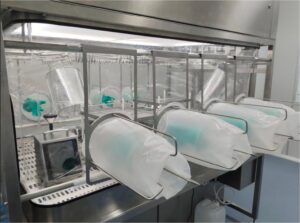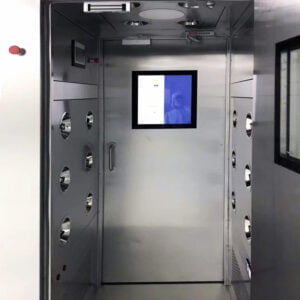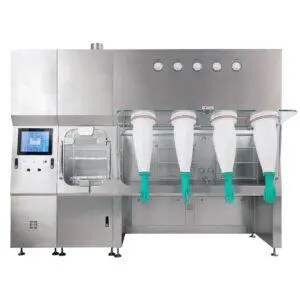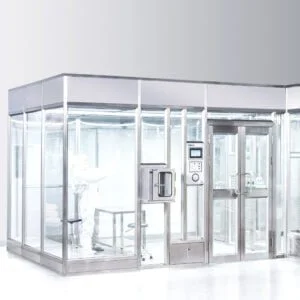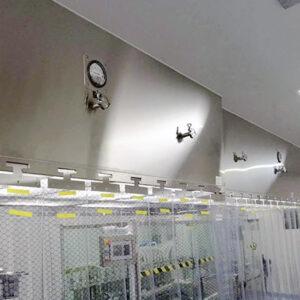
FFU’ların boyutlandırılmasında yalnızca oda hacminin dikkate alınması, modüler temiz oda inşaatlarında devreye alma başarısızlıklarının en yaygın nedenlerinden biridir. Kapsama oranını toplam tavan alanına göre tek bir yüzde olarak hesaplayan ekipler, genellikle kalifikasyon aşamasına geldiklerinde, iş istasyonlarının yetersiz kapsama alanlarında yer aldığı, kapı hareketleri sonrasında basınç farklarının değiştiği ve partikül sayım testlerinde savunulamayacak hava akışı profilleriyle karşı karşıya kalırlar. Bu aşamada yapılan düzeltmeler — FFU eklemek, dönüş havalandırmalarını yeniden konumlandırmak veya duvar geçişlerini yeniden sızdırmaz hale getirmek — genellikle tam bir yeniden sertifikalandırma döngüsünü tetikler ve teslimi geciktirir. Bir yerleşim planının başarılı olup olmayacağını belirleyen asıl faktör, kapsama oranı rakamı değildir; kapsama kararlarının başından itibaren partikül oluşum noktaları, dönüş hava yolları, basınç sızdırmazlığı kalitesi ve bakım erişim gereksinimleri dikkate alınarak alınıp alınmadığıdır.
İmar Kararı Olarak FFU Kapsamı
Kapsama yüzdesi, bir sınıflandırma sonucudur; başlangıç girdisi değildir. Tavan alanının FFU’lar tarafından kaplanan yüzdesi, ISO sınıfı hedefi, bu sınıfın gerektirdiği hava akışı mekanizması ve odanın hangi bölgelerinde kontaminasyon kontrolünün fiilen işlev görmesi gerektiğinin bir sonucudur. Tek bir oda ortalaması yüzdesinden yola çıkıp FFU’ları tavana eşit olarak dağıtmak, en kritik iş istasyonu bölgelerini, yakınlık nedeniyle tesadüfen onlara ulaşan hava akışına maruz bırakır — ki bu, kapsama rakamının garanti etmesi amaçlanan durum nadiren budur.
ISO sınıf aralıkları, teleskop boyutlandırması için sağlam bir başlangıç noktası sağlar.
| ISO Sınıfı | Tipik FFU Kapsama Alanı (%) | Tipik ACH Aralığı |
|---|---|---|
| ISO 5 | Seksen ile bin, on ile on bin | 240–600+ |
| ISO 6 | Yirmi beş bin ile kırk bir bin, yüz on bin | 90–180 |
| ISO 7 | 15–25% | 30–70 |
| ISO 8 | 5-15% | 10–25 |
Bu sınıflar, söz konusu hava akışı mekanizmalarını yansıtmaktadır: ISO 5, tek yönlü laminer akış gerektirir; bu akışın işlev görebilmesi için tavanın neredeyse tamamen doygun hale getirilmesi gerekir. Öte yandan, ISO 6 ile 8 arasında kalan sınıflar seyreltme karışımına dayanır; bu sistemde, kontaminasyon kaynakları ve ürün maruz kalma noktalarının çevresine hedefli yerleştirme yapılması, tavanın tam olarak kaplanmasına gerek kalmadan sınıflandırma gerekliliklerini karşılayabilir. ISO 7 sınıfı bir odada ISO 5 sınıfına ait kapsama mantığını uygulamak, kontaminasyon kontrolünü iyileştirmez; seyreltme akış mekaniği, ilave FFU yoğunluğu ile doğrusal olarak iyileşmediğinden, herhangi bir fayda sağlamadan termal ve basınç yönetimi sorunlarına yol açar.
FFU sayısı hesaplaması, tekrarlanabilir bir planlama yöntemine göre yapılır: oda hacmi, hedef ACH aralığıyla çarpılır ve seçilen FFU ünitesinin nominal hava akışıyla bölünür; bu hesaplamada, sızıntı ve kurulum kayıplarını hesaba katmak için 10–20% güvenlik faktörü uygulanır. 8 m × 6 m × 2,8 m boyutlarındaki tipik bir ISO 7 modüler oda için bu yöntem, 20% tavan kapsama alanında yaklaşık yedi FFU sonucunu verir. Aynı mantıkla değerlendirildiğinde, 5 m × 4 m × 2,6 m boyutlarındaki bir ISO 5 odası için 90% kapsama düzeyinde yaklaşık 29 FFU gereklidir. FFU sayısındaki bu fark keyfi değildir; her sınıfın dayandığı hava akışı mekanizmasına doğrudan karşılık gelir. Güvenlik faktörünü isteğe bağlı olarak değerlendirmek, normal çalışma yükleri altında gerçek basınç farklarının hedef değerin altına düştüğü devreye alma aşamasında sıklıkla görülen bir kestirme yoldur.
Ürün Maruziyeti ve Parçacık Kaynakları Çevresindeki Tavan Düzeni
FFU’ların tavan ızgarası içindeki konumları, toplam kaplama yüzdesinden çok daha kesin bir şekilde kontaminasyon riskini belirler. Modüler bir ISO 5 ortamında bu ayrım o kadar önemli değildir; çünkü ızgaranın tamamen veya neredeyse tamamen kaplanması, tüm çalışma düzlemi boyunca laminer akışı sağlar. Hedeflenen dizilerin tavanın –40%’sini kapladığı ISO 6 ila 8 odalarında ise, yerleştirme kararı hangi alanların yeterli seyreltme hava akışına sahip olacağını ve hangilerinin olmayacağını doğrudan belirler.
Yerleşim stratejisi akış türüne göre değişiklik gösterir ve bu, tavan geometrisiyle ilgili bir çalışma olarak değil, bir süreç kararı olarak ele alınmalıdır.
| ISO Sınıfı ve Akış Tipi | Tavan Düzenleme Stratejisi | Yerleştirmeyle İlgili Hususlar |
|---|---|---|
| ISO 5 (Tek yönlü laminer) | FFU’lardan oluşan tam ızgara (80–100% kapsama alanı) | Laminer akışı sağlamak için homojen bir kaplama; köşelerin ve ekipmanların yakınında ölü bölgelerin oluşmasını önleyin |
| ISO 6–8 (Tek yönlü olmayan seyreltme) | Hedefli diziler (15–40% kapsama alanı) | Ürünün maruz kaldığı noktaların ve partikül kaynaklarının çevresine yerleştirin; ölü bölgelerden kaçının; stratejik yerleştirme, önemli alanları korurken maliyeti düşürebilir |
Köşelerde, ekipman sınırlarında ve tavan yapı elemanlarının kenarları boyunca oluşan ölü bölgeler otomatik olarak ortaya çıkan sonuçlar değildir; ancak FFU konumları, partikül oluşum haritası yerine ızgara düzenine göre belirlendiğinde, bu durum öngörülebilir bir başarısızlık örüntüsüdür. Kapsama alanının kasıtlı olarak kısmi tutulduğu daha düşük bir ISO sınıfındaki odada, kritik bir proses bölgesini kapsamak yerine geometrik düzeni sağlamak amacıyla yerleştirilen bir FFU, buna ihtiyaç duymayabilecek alanlara seyreltme hava akışı sağlarken, daha yüksek riskli alanları yetersiz hizmet altında bırakır. Sonuç genellikle, durgun durum sınıflandırma testi sırasında değil, çalışma sırasındaki numune alma sırasında partikül sayımı izleme verilerinde ortaya çıkar; bu da, odanın üretim yükü altında kalana kadar bu eksikliğin gün yüzüne çıkmayabileceği anlamına gelir.
ISO 6–8 ortamları için, FFU’ları ürün maruziyet noktalarının ve bilinen partikül oluşum kaynaklarının — dolum, denetim istasyonları, açık kaplar, yoğun trafik yolları — üzerine yoğunlaştırmak, toplam FFU sayısını azaltırken sınıflandırma gerekliliklerini karşılayabilir. Bu, meşru bir mühendislik dengelemesidir, ancak bir şartı vardır: yerleşim planı, partikül oluşum haritasına göre belgelenmeli ve gayri resmi olarak revize edilebilecek bir maliyet optimizasyonu olarak değerlendirilmemelidir. Onaylamadan sonra proses düzeni değişirse, orijinal düzeni destekleyen FFU dizisi, revize edilen proses konumlarını artık yeterince koruyamayabilir.
Geri Dönüş Havası Dengesi, Isı Yükü ve Türbülans Riski
Geri dönüş havası kapasitesi dikkate alınmadan FFU’ların eklenmesi, FFU’ların üretmesi için boyutlandırıldıkları hava akışı profilini dengesiz hale getirebilecek bir basınç yönetimi sorunu yaratır. Besleme ve geri dönüş yolları dengelenmelidir; geri dönüş havası hacmi besleme hacminin gerisinde kalırsa, amaçlanan farkın ötesinde pozitif basınç oluşur; bu da deliklerden ve kapı aralıklarından sızıntıyı artırır ve tavan kenarları ile ekipman sınırları yakınında türbülanslı karışımlara yol açabilir.
Hedef pozitif basınç farkını korumak — genellikle +10 ila +25 Pa aralığında tasarlanır, ancak gerçek gereksinimler odanın sızdırmazlık kalitesine ve uygulamaya göre değişir — sadece sınıflandırmanın belirlediği değerin ötesinde ek hava akışı gerektirir. Uygulamada bu, ACH ve kapsama hesaplamalarından elde edilen FFU sayısının, basınç koruma kayıplarını telafi etmek için yaklaşık 5–15% kadar yukarı doğru bir ayarlama içermesi gerektiği anlamına gelir; gerçek rakam ise odanın ne kadar iyi sızdırmaz hale getirildiğine bağlıdır. Yeterince sızdırmaz hale getirilmemiş odalar, eşdeğer hacim ve sınıflandırma hedeflerine sahip sıkı sızdırmaz odalara kıyasla basıncı korumak için daha fazla FFU kapasitesine ihtiyaç duyar. Bu, FFU sayısı kesinleştirilmeden önce çözülmesi gereken bir planlama unsurudur; devreye alma sırasında ayarlanacak bir değişken değildir.
FFU gövdesi ile statik basınç plenumu arasındaki arayüzdeki tavan sızıntısı, kurulum ve kabul aşamalarında özellikle dikkat edilmesi gereken bir husustur. Bu bağlantı noktasındaki sızıntı, filtre verimliliğini her zaman tehlikeye atmaz — filtrenin kendisi sağlam kalır — ancak filtrelenmemiş baypas havasını besleme akışına sokar ve akışın aşağısındaki hava akışı düzenini bozan yerel hız değişimlerine yol açabilir. ISO 5 sınıfı laminer bir ortamda, tavan seviyesindeki en ufak bir yerel türbülans bile çalışma düzlemi boyunca yayılır. Seyreltme akışlı odalarda ise aynı sızıntı, öngörülemez karıştırma davranışına katkıda bulunur. Her iki durum da görsel inceleme sırasında açıkça fark edilmez; her ikisi de ISO 14644-3:2019 standardında açıklandığı üzere hız haritalama ve partikül yükleme testleri yoluyla tespit edilebilir.
Temiz odada çalışan ekipmanlardan kaynaklanan ısı yükleri, yerleşim aşamasında sıklıkla yeterince dikkate alınmayan bir etken oluşturur. Belirli FFU konumlarının altında önemli miktarda ısı üreten ekipmanlar, aşağı doğru laminer akışa karşı etki eden yerel termal kaldırma kuvveti yaratır ve bu da söz konusu bölgenin üzerindeki faydalı hava akış hızını etkili bir şekilde azaltır. Yüksek ısı üreten ekipmanların kritik ürün maruz kalma alanlarından uzakta konumlandırılması veya etkilenen tavan bölgeleri için yerel ACH hesaplamasında bu durumun dikkate alınması, yalnızca yüzde olarak yeterli görünen kapsama alanının termal etkiden olumsuz etkilenmesini önler.
Kapı Kenarı ve Duvar Dönüşünün Kurtarma Üzerindeki Etkileri
Kapı olayları, modüler temiz odaların işletme koşullarında karşılaştığı en tutarlı kontaminasyon sorunları arasındadır ve bir kapının açılmasından sonra odanın ne kadar hızlı toparlanacağı, esas olarak basınç farkının korunması ve dönüş havası yerleşimi ile ilgili alınan kararlarla belirlenir — ana kapsama alanına daha fazla FFU eklemekle değil.
+10 ila +25 Pa tasarım aralığındaki pozitif basınç farkı, kapı hareketleri sırasında ve sonrasında kapı aralıklarından ve duvar geçişlerinden filtrelenmemiş ortam havasının girmesini engeller. Basınç farkı tutarlı bir şekilde korunduğunda, kapı açılmasından sonraki toparlanma süreci esas olarak hava akış hacmi ve dağılımına bağlıdır. Oda sızdırmazlık kalitesinin yetersiz olması, geri dönüş kanallarının boyutlarının yetersiz kalması veya FFU kapasitesinin sınırda çalışması gibi nedenlerle basınç farkı tutarsız olduğunda, odanın olay öncesi partikül konsantrasyonunu yeniden sağlaması daha uzun sürer ve toparlanma süresi, doğrulama sırasında kullanılan performans kriterlerini karşılamayabilir.
Duvar dönüş deliklerinin yerleştirilmesi, geri kazanım davranışına yapısal olarak katkıda bulunan bir unsurdur ve genellikle tavan düzeninden daha az ilgi görür. Kapı çerçevelerinin yakınında, duvarların alt kısımlarına yerleştirilen dönüş delikleri, gelen kirli havayı çalışma alanına ulaşmadan yakalar; yüksek yerlere veya trafik yollarından uzak duvarlara yerleştirilen dönüş delikleri ise kirli havanın yakalanmadan önce odanın içinde yayılmasına neden olur. Duvar konfigürasyonlarının prefabrik panel sisteminin bir parçası olduğu modüler temiz oda yapılarında, geri dönüş konumları panel modülünün boyutları nedeniyle kısıtlanabilir. Bu kısıtlama, geri kazanım davranışı üzerindeki etkisi değerlendirilmeden kabul edilirse, ortaya çıkan düzen, durgun koşullarda yeterli performans gösterebilir ancak simüle edilmiş çalışma trafiği koşullarında geri kazanım süresi kriterlerini karşılayamayabilir — bu tutarsızlık, genellikle ilk sınıflandırma sırasında değil, ISO 14644-3:2019 geri kazanım testleri sırasında ortaya çıkar.
Duvar birleşim yerlerinde, geçiş noktalarında ve kapı çerçevelerinin çevresindeki yetersiz sızdırmazlık, belirli bir basınç farkını korumak için gereken FFU kapasitesini artırır. Yetersiz sızdırmazlığı telafi etmek için gereken ek FFU yükü, sızdırmazlık kalitesinin yerini tutmaz; bu, enerji yükünü artıran ve önceki bölümde açıklanan türbülans ve termal sorunlara yol açabilecek verimsiz bir geçici çözümdür. Sızdırmazlık kalitesi, FFU sayısı kesinleştirilmeden önce doğrulanmalı ve hava besleme kapasitesini gereğinden fazla artırarak çözülmesi gereken bir değişken olarak değerlendirilmemelidir.
FFU Değişimi için Bakım Erişimi
Şebekedeki her bir FFU’nun bakım yapılandırması, özellikle yüksek sınıflandırma gerektiren ortamlarda yeniden sertifikalandırma sıklığı, kontaminasyon riski ve operasyonel süreklilik üzerinde doğrudan etkileri olan bir teknik karar niteliğindedir. Bu karar, genellikle ekipman tedarik aşamasına kadar ertelenir; ancak bu aşamaya gelindiğinde tavan yapısı, mevcut seçenekleri zaten kısıtlamış olabilir.
Standart FFU konfigürasyonları, filtre değişiminin tavan ızgarasının üstünden yapılmasını gerektirir; bu da tavan boşluğunun bir ara boşluktan veya servis alanından açılması anlamına gelir. ISO 5 veya ISO 6 sınıfı bir odada, filtre bakımı yapmak için tavana müdahale edilmesi bir kontaminasyon olayıdır. Prosedürel kontroller olsa bile, tavana müdahale edilmesi temiz oda alanına partiküllerin girmesine neden olur, bakım sonrası temizlik ve yeniden test yapılmasını gerektirir ve yürürlükteki doğrulama protokolüne bağlı olarak odanın sınıflandırmasının tamamen yeniden belirlenmesine yol açabilir. Üç ayda bir veya altı ayda bir filtre değiştirme programı olan odalar için bu durum, odanın kullanım ömrü boyunca biriken tekrarlayan bir kalifikasyon yükü anlamına gelir.
Oda Tarafından Değiştirilebilir (RSR) ve Her Şey Oda Tarafından Değiştirilebilir (RSRE) konfigürasyonları, tavan panellerini sökmeye veya plenum alanına müdahale etmeye gerek kalmadan temiz odayın içinden bakım erişimi sağlayarak bu sorunu çözmektedir.
| Özellik | Oda Tarafından Değiştirilebilir (RSR) | Oda Tarafından Değiştirilebilen Her Şey (RSRE) |
|---|---|---|
| Değiştirilebilir bileşenler | Yalnızca HEPA/ULPA filtre | Filtre, motor, kontrol elemanları, tüm bakım gerektiren parçalar |
| Tavandaki bozulma | Düşük – filtre değişimi temiz oda tarafından yapılır, tavan ızgarasının sökülmesi gerekmez | Minimal – tüm bakım işlemleri temiz oda tarafında gerçekleştirilir; tavana müdahaleye gerek kalmaz |
| Bakım sırasında kirlenme riski | Azaltılmış | Daha da indirildi |
| İdeal kullanım alanı | ISO 5–6: Filtre değiştirme sıklığı ve duruş süresinin önemli olduğu durumlar | Tavanın kesintiye uğramadan bileşenlere tam erişimin kritik öneme sahip olduğu ISO 4–6 sınıfı ortamlar |
Bu durumun getirdiği ödün, tamamen teknik nitelikte değildir. RSR ve RSRE FFU’ların birim maliyeti, genellikle standart konfigürasyonlara göre daha yüksektir. Bu ek maliyetin yaşam döngüsü açısından en güçlü gerekçesi, filtre değiştirme sıklığının daha yüksek olduğu, yeniden sınıflandırma olaylarının daha ciddi sonuçlar doğurduğu ve operasyonel sürekliliğin üretime doğrudan etki ettiği ISO 4–6 ortamlarında ortaya çıkmaktadır. Bakım gereksinimlerinin daha seyrek olduğu ve yeniden sınıflandırma risklerinin daha düşük olduğu ISO 7–8 odalarında ise, maliyet farkı yalnızca operasyonel tasarruflarla haklı gösterilemeyebilir.
Planlama açısından bunun anlamı, bakım erişim türünün FFU tedariki sırasında değil, tavan ızgara spesifikasyonu aşamasında belirlenmiş olması gerektiğidir. Tavan modülü boyutları, plenum yüksekliği veya yapısal destekler standart FFU erişim varsayımlarına göre tasarlanmışsa, daha sonra RSR veya RSRE ünitelerinin sonradan takılması, bunları baştan belirlemenin getireceği maliyet farkını aşan bir tavan tadilatı gerektirebilir. Tavan ızgara geometrisinin prefabrik sistemin bir parçası olduğu modüler temiz oda yapımlarında, bu kısıtlama geleneksel yöntemle inşa edilen bir odaya kıyasla daha erken ortaya çıkar.
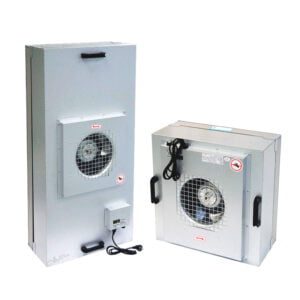
Şu anda FFU teknik özelliklerinin gözden geçirildiği projeler için, Fan Filtre Ünitesi RSR özelliğine sahip konfigürasyonlar, tavan ızgara geometrisi kesinleşmeden önce, öngörülen bakım programı ve yeniden sınıflandırma protokolü ışığında değerlendirilmeye değer.
Hava Akışı Kararlılığına İlişkin Sınıflandırma ve Kanıtlar
Kapsama yüzdesi ve ACH değerleri, bir düzenin neyi sağlamayı amaçladığını gösterir. Ancak bu değerler tek başlarına, odanın çalışma koşulları altında sınıflandırmasını koruyup korumayacağını veya kontaminasyon olaylarından sonra güvenilir bir şekilde normale dönüp dönmeyeceğini açıklamaz. Bu davranış, hava akışı türüne, sınıflandırmaya göre filtre verimliliğine ve besleme hacmi ile oda geometrisi arasındaki etkileşime bağlıdır — bunların tümü, tasarım verilerinden varsayılmamalı, testler yoluyla doğrulanmalıdır.
Tek yönlü ve tek yönlü olmayan akış arasındaki ayrım, doğrulama testleri başlamadan önce performans beklentilerinde dikkate alınması gereken geri kazanım davranışı üzerinde doğrudan etkilere sahiptir.
| ISO Sınıfı | Filtre Türü (Asgari Verimlilik) | Tipik ACH Aralığı | Hava Akışı Tipi | Kirlenme Sonrası İyileşme |
|---|---|---|---|---|
| ISO 5 | HEPA (99,971 TP10T @ 0,3 μm) | 240–600+ | Tek yönlü (laminer) | Hızlı, piston benzeri hareket |
| ISO 6 | HEPA (99,971 TP10T @ 0,3 μm) | 90–180 | Tek yönlü olmayan (seyreltme) | Daha yavaş, karıştırmaya dayanır |
| ISO 7 | HEPA (99,971 TP10T @ 0,3 μm) | 30–70 | Tek yönlü olmayan (seyreltme) | Daha yavaş, karıştırmaya dayanır |
| ISO 8 | HEPA (99,971 TP10T @ 0,3 μm) | 10–25 | Tek yönlü olmayan (seyreltme) | Daha yavaş, karıştırmaya dayanır |
ISO 5 laminer akış ortamında, yüksek hacimli tek yönlü hava akışı, kirlenmiş havayı aşağıya doğru iterek zemin seviyesindeki geri dönüş kanalları aracılığıyla dışarıya yönlendirir; bu, nispeten kontrollü, piston benzeri bir mekanizma ile gerçekleşir. Kirlenme olayından sonra toparlanma hızlıdır, çünkü itme süreci geometrik olarak öngörülebilirdir. ISO 6 ila 8 seyreltme akışlı ortamlarda ise toparlanma, karıştırma işlemine bağlıdır — partikül konsantrasyonu sınıflandırma sınırları içine düşene kadar kirli hava, temiz besleme havasıyla seyreltilmelidir. Bu süreç doğası gereği daha yavaştır ve ölü bölgelere, türbülansa ve dönüş havası dağılımındaki değişikliklere karşı daha duyarlıdır.
Filtre verimliliği seçimi, sınıflandırma hedefiyle uyumlu olmalı ve bu hedefi gereksiz yere aşmamalıdır. 0,3 μm'de 99,97% verimlilik derecesine sahip HEPA filtreleri, ISO 5 ila ISO 8 uygulamaları için uygundur. 0,12 μm'de 99,9995% verimlilik derecesine sahip ULPA filtreleri, mikron altı partikül kontrolünün temel bir gereklilik olduğu ISO 3–5 ortamları için önerilir. ISO 7 veya ISO 8 odalarında ULPA filtresi kullanılması, maliyet artışı yaratır ve FFU motoru üzerindeki statik basınç yükünü artırır; ancak bu ACH seviyelerinde sınıflandırma performansında ölçülebilir bir iyileşme sağlamaz. Filtre seçimi kararı bir tasarım eşiğidir; “daha güvenli olan her zaman daha iyidir” şeklinde bir yaklaşım değildir.
ISO 14644-3:2019 standardında açıklanan geri kazanım süresi testi, hava akış hacmi, yerleşim düzeni ve dönüş havalandırma konumunun tasarlandığı şekilde birlikte çalışıp çalışmadığının en doğrudan kanıtını sunar. Dinlenme durumunda sınıflandırmayı geçen ancak çalışma simülasyonu sırasında geri kazanım süresi kriterlerini karşılayamayan bir odada, sınıflandırma sorunu değil, yerleşim sorunu vardır — ve bu ayrım, düzeltici önlemin kapsamının belirlenmesinde önemlidir. Yalnızca erişimi en kolay numune alma noktalarında değil, temsili iş istasyonu konumlarında devreye alma sırasında toplanan geri kazanım kanıtları, doğrulama kaydı için daha sağlam bir temel oluşturur.
Terminal filtrelemeyi belirleyen ve filtre muhafazası konfigürasyonu ile FFU entegrasyonu arasındaki ilişkiyi inceleyen mühendisler için, HEPA Muhafaza Kutusu Basınç düşüşü varsayımlarının her iki bileşende de tutarlı olmasını sağlamak için, seçim kararlarının FFU ızgara planlamasıyla birlikte gözden geçirilmesi önemlidir.
Kapsama yüzdesi, anlamlı bir teknik şartname girdisi haline gelmeden önce imar mantığına dayalı olarak belirlenmelidir. Yalnızca oda hacmi ve ISO sınıfından elde edilen bir rakam, partiküllerin gerçekte nerede oluştuğunu, dönüş havası yollarının çalışma koşulları altında basınç farkını destekleyip desteklemediğini veya tavan erişim düzeninin, bir filtrenin değiştirilmesi gerektiği her seferinde tekrarlayan yeniden sertifikalandırma süreçlerine yol açıp açmayacağını tam olarak yansıtamaz.
Bir FFU yerleşim planını kesinleştirmeden önce, devreye almanın sorunsuz bir şekilde ilerleyip ilerlemeyeceğini en çok belirleyen sorular şunlardır: Kapsama alanı, ürünün maruz kaldığı ve partikül oluşumunun gerçekten gerçekleştiği yerlerde yoğunlaşmış mı, yoksa geometrik kolaylık için dağıtılmış mı? Geri dönüş havası dengesi, sadece besleme hacmine göre değil, ısı yükleri ve sızıntı varsayımlarına göre de doğrulanmış mı? Kapı ve duvar sızdırmazlık kalitesi verileri FFU sayısına yansıtılmış mıdır, yoksa aşırı boyutlandırma yoluyla telafi ediliyor mu? Ayrıca, yeniden çalışma gerektirmeden değiştirilebilecekken tavan geometrisine göre bakım erişim konfigürasyonu belirlenmiş mi? Bu soruların yanıtları, kapsama yüzdesinin kendisinden daha fazla, düzenin ulaşması için tasarlandığı doğrulanmış performansın üretim koşulları altında gerçekten elde edilip edilemeyeceğini belirler.
Sıkça Sorulan Sorular
S: Temiz oda onaylandıktan sonra odanın içindeki proses düzeni değişirse, FFU kapsama gereklilikleri ne olur?
C: Mevcut FFU dizisi, revize edilmiş proses konumlarını artık koruyamayabilir ve operasyonlara yeniden başlanmadan önce düzenin yeni partikül oluşum haritasına göre yeniden değerlendirilmesi gerekecektir. ISO 6–8 odalarındaki koruma kapsamı, kasıtlı olarak belirli kontaminasyon kaynakları ve ürün maruz kalma noktalarıyla eşleştirilmiştir; bu noktalar yer değiştirirse, orijinal düzeni destekleyen FFU konumlarının yeni düzene eşdeğer koruma sağlayacağı varsayılamaz. Güncellenen proses haritasına göre belgelenmiş bir yeniden değerlendirme yapılmadan gerçekleştirilen herhangi bir gayri resmi revizyon, validasyon kaydını riske atar.
S: Odanın sızdırmazlığındaki yetersizlik, sadece kurulan FFU sayısını artırarak giderilebilir mi?
C: Hayır — FFU sayısını artırmak, temel sızdırmazlık eksikliğini çözmek yerine yeni sorunlar ortaya çıkaran verimsiz bir geçici çözümdür. Sızdıran duvar derzleri ve geçiş noktalarından kaynaklanan basınç kayıplarını telafi etmek için eklenen ek besleme hava akışı, enerji yükünü artırır, tavan kenarlarında türbülans riskini yükseltir ve ekipman üzerindeki laminer akışı bozan termal dengesizlik sorunlarını daha da şiddetlendirebilir. FFU sayısı kesinleştirilmeden önce sızdırmazlık kalitesi doğrulanmalı ve düzeltilmelidir; çünkü bu temel değerden elde edilen FFU sayısı, çalışma koşulları altında hem daha doğru hem de daha istikrarlı olacaktır.
S: Seyreltme-akış odasına daha fazla FFU eklenmesinin, geri kazanım süresini iyileştirmeyi durdurduğu bir nokta var mı?
C: Evet — ISO 6–8 seyreltme-akış ortamlarında, geri kazanım, yer değiştirmeden ziyade karıştırma mekanizmasına bağlıdır; bu nedenle, sınıflandırma için gerekli ACH aralığının ötesinde, ek FFU yoğunluğu geri kazanım hızında azalan getiriler sağlar ve karıştırma düzenini bozan türbülans ile ölü bölgeler yaratarak performansı aktif olarak kötüleştirebilir. Geri kazanım süresi kriterleri karşılanmıyorsa, FFU sayısından ziyade dönüş havası yerleşimi ve oda sızdırmazlık kalitesi daha verimli bir teşhis yöntemidir. Çalışma simülasyonu kapsamında geri kazanım testinden geçemeyen bir odada genellikle besleme hacmi yetersizliği değil, yerleşim veya sızdırmazlık sorunu vardır.
S: HEPA ve ULPA filtreleri arasındaki seçim, FFU motoru üzerindeki artan statik basınç yükü göz önünde bulundurularak nasıl değerlendirilmelidir?
C: ULPA’yı yalnızca ISO sınıflandırmasının ISO 3–5 seviyelerinde gerçekten mikron altı partikül kontrolü gerektirdiği durumlarda belirtin — ISO 6 ila 8 uygulamaları için, ULPA’nın FFU motoruna uyguladığı daha yüksek statik basınç, bu ACH seviyelerinde ölçülebilir bir sınıflandırma iyileştirmesi sağlamadan hava akışı çıkışını azaltır ve enerji tüketimini artırır. Statik basınç kaybı, FFU motorunun boyutunun büyütülmesini veya tasarlanan değerden daha düşük yüzey hızının kabul edilmesini gerektirebilir; her iki durum da kapsama alanı hesaplamasını etkiler. Orta sınıf sınıflandırmalarda ULPA’yı ihtiyati bir yükseltme olarak ele almak, tasarım temelini, tüm FFU boyutlandırma ve seçim sürecine yansıyan şekilde değiştirir.
S: FFU ızgarası devreye alındıktan ve oda durgun durum sınıflandırmasını geçtikten sonra, odayı üretime devretmeden önce atılması gereken en önemli doğrulama adımı nedir?
C: Yalnızca kolay erişilebilir örnekleme noktalarında değil, temsili iş istasyonu konumlarında gerçekleştirilen, simüle edilmiş çalışma koşulları altında yapılan geri kazanım süresi testi, sınıflandırma ile üretime devretme arasındaki en kritik adımdır. Bir oda, kapı hareketleri, personel hareketleri ve ekipman ısı yükleri devreye girdiğinde — ki bu, üretimin gerçekte çalıştığı koşullardır — dinlenme halindeki partikül sayımlarını geçse bile geri kazanım kriterlerini karşılayamayabilir. Devreye alma sırasında yoğun iş istasyonu konumlarında geri kazanım kanıtlarının toplanması, savunulabilir bir doğrulama referans noktası sağlar ve teslimattan sonra tam bir yeniden sınıflandırma sürecini tetiklemeden düzeltici önlemlerin alınabileceği bir aşamada, herhangi bir yerleşim veya sızdırmazlık eksikliğini tespit eder.