BIBO egzoz muhafazasını sipariş eden tedarik ekipleri, izolasyon damperlerini, basınç göstergelerini ve test bağlantı noktalarını genellikle daha sonra ele alınacak kalemler olarak değerlendirir — ve “daha sonra” derken kastedilen, genellikle sistemin kurulumu ve devreye alınması tamamlandıktan ve sistemin piyasaya sürülmeden önceki yeterlilik testlerini geçemediği bir aşamadır. Bunun doğrudan maliyeti sadece parasal değildir. Eksik bir PAO tarama bağlantı noktası, yerinde sızıntı testinin yapılamayacağı anlamına gelir ve bu da sistemin piyasaya sürülmesini geciktirir. Bir kesme vanasının eksik olması, filtre değişimi için önceden planlanmamış bir maruz kalma yönetimi gerektirdiği anlamına gelir. Damperler ve gösterge boruları ile ilgili sorumluluk, muhafaza tedarikçisi ile HVAC yüklenicisi arasında belirsiz bir şekilde paylaşıldığından ve her iki taraf da devreye alma işlemi sorunu ortaya çıkarana kadar kapsamı teyit etmediğinden, bu eksiklikler tasarım inceleme aşamasında nadiren fark edilir. Bu makalenin sonunda, sipariş vermeden önce aksesuar kapsamını daha iyi tanımlayabilecek, sorumlulukları farklı meslek grupları arasında net bir şekilde paylaştırabilecek ve bu öğelerin işlevsel gereksinimler yerine isteğe bağlı eklemeler olarak değerlendirilmesinden kaynaklanan sonradan tadilat sorunlarını önleyebileceksiniz.
İzolasyon, İzleme ve Test Erişimi Alanlarında Aksesuar İşlevleri
Bir BIBO egzoz sistemindeki her bir aksesuar, üç farklı işlevden birini yerine getirir: servis öncesi sızıntı önleme, filtreleme aşamaları boyunca basınç izleme veya bütünlük testi için fiziksel erişim. Bunları tek bir ayrım yapılmamış grup olarak ele almak, şartname hatalarının başlangıç noktasıdır; zira her bir işlev, sipariş verilmeden önce farklı bileşenler, farklı yerleştirme kararları ve farklı doğrulama adımları gerektirir.
İzolasyon, güvenlik açısından en kritik işlevdir. Biyolojik sızdırmazlığa sahip bir izolasyon damperi, bakım personelini kirlenmiş egzoz havasına maruz bırakmadan filtre değişiminin yapılabilmesi için kabarcık sızdırmaz bir kapatma sağlamalıdır. Tehlikeli tahliye uygulamalarında, gövde spesifikasyonundaki ilgili tasarım eşiği, 10 inç su yüksekliğine karşılık gelen bir izolasyon performansıdır — bu rakam, genel HVAC damperi performansından varsayılmak yerine, damper spesifikasyonunda açıkça belirtilmelidir. Damper, referans gösterilen bir izolasyon standardı olmadan belirtilmişse, devreye alma sırasında kabul testi yapmak için hiçbir dayanağınız olmaz.
Basınç izleme, sadece bir manometre sipariş etmekten ibaret değildir. Her filtreleme aşamasının kendi diferansiyel basınç manometresine sahip olması gerekir ve destekleyici donanımlar — alet rafları, konektörler ve bağlantı boruları — aynı siparişe dahil edilmelidir. Manometre hatlarında ayrıca, hat içindeki kirlenmenin okuma doğruluğunu etkilemesini önlemek için mini-HEPA veya eşdeğer yüksek verimli hat içi filtreler kullanılmalıdır. Manometreleri, destekleyici boru tesisatı ve hat filtreleri olmadan sipariş etmek, kurulum sırasında manometrenin bağlanamaması veya güvenilir bir şekilde okunamaması durumunda sıklıkla ortaya çıkan bir koordinasyon hatasıdır.
Yerinde filtre bütünlüğü testi için erişim, sipariş verilmeden önce manuel veya otomatik olarak belirtilen bir PAO tarama segmenti gerektirir. Yukarı akış ve aşağı akış dezenfeksiyon bağlantı noktaları, ayrı ancak eşit derecede önceden planlanmış bir işleve sahiptir: sistemin sökülmesine gerek kalmadan konteyner iç kısmının gazla sterilizasyonuna olanak tanır. Her iki öğe de aynı arıza modelini paylaşır — kurulu kanal sistemini bozmadan fiziksel olarak yenilenmeleri imkansızdır; bu nedenle, kurulumdan sonra bunların bulunmaması küçük bir rahatsızlık değil, sistemin operasyonel olarak yapabilecekleri üzerinde bir kısıtlamadır.
| Aksesuar | Birincil İşlev | Sipariş Vermeden Önce Belirtilmesi Gerekenler |
|---|---|---|
| Biyolojik sızdırmazlık özellikli izolasyon damperi | Tehlikeli egzoz gazlarında filtre değişimi için sızıntıya karşı tam yalıtım | 10 inç su basma yüksekliği izolasyon performans şartı |
| Basınç göstergesi seti | Filtrasyon aşamalarına göre diferansiyel basınç izleme | Sadece göstergeleri değil, alet raflarını, bağlantı parçalarını ve bağlantı borularını da dahil edin |
| Mini-HEPA hat filtreleri | Doğru ölçümler için diferansiyel basınç hatlarını temiz tutun | Ölçüm cihazının kirlenmesini önlemek için filtre özellikleri |
| PAO tarama bölümü | Filtre sızıntı testi (manuel veya otomatik) | Yerinde testin yapılabilmesi için sipariş vermeden önce belirtilmesi gerekir |
| Giriş/çıkış dezenfeksiyon bağlantı noktaları | Konteyner iç kısmının gazla sterilizasyonu | Sterilizasyon protokolüne ilişkin yer ve erişim hükümleri |
Beş aksesuar türünün tümü için planlama açısından geçerli olan kural aynıdır: Sipariş vermeden önce her bir aksesuarın belirli bir işlevi yerine getireceği belirtilmelidir; zira hangi aksesuarların dahil edileceğine ilişkin karar, aynı zamanda sistemin kurulduktan sonra neler yapabileceğine dair bir karardır.
Bakım Planlaması Öncesinde Damper ve Gösterge Yerleşimi
Bir aksesuarın sistemde nereye yerleştirileceği, o aksesuarın sisteme dahil edilip edilmeyeceği kadar önemlidir. Bir damperin filtre kademesinin giriş tarafı yerine çıkış tarafına yerleştirilmesi, güvenli bir şekilde sürdürülemeyebilecek bir izolasyon dizisi oluşturur. Yalıtım uygulandıktan sonra erişilemeyen bir kanal kesitinde bulunan bir basınç göstergesi bağlantısı, doğrulanamayan veya bakımı yapılamayan ölçüm değerleri verir. Tasarım aşamasında önemsiz görünen yerleştirme kararları, sistem kurulduktan sonra değiştirilemez kısıtlamalara dönüşür.
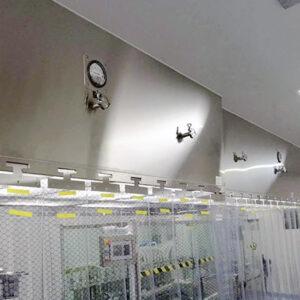
Basınç göstergesi boru tesisatı için, gösterge boru hattı üzerindeki hava sızdırmaz izolasyon vanası bir aksesuar detayı değil, işlevsel bir gerekliliktir. Bu vana olmadan, bakım sırasında gösterge hattı izole edilemez; bu da, sistem bütünlüğünü etkilemeden göstergenin bakımının veya kalibrasyonunun yapılamayacağı anlamına gelir. Hem yukarı akış hem de aşağı akış gösterge hatlarında, sistemin tamamen kapatılmasına gerek kalmadan gösterge boru tesisatının bağımsız olarak işlenebilmesi için sterilizasyon portları bulunmalıdır. Bunlar, daha sonra onaylanacak ek bileşenler değildir; gösterge hattı montajının bir parçasıdır ve kurulum başlamadan önce tasarım paketinde onaylanmalıdır.
Malzeme özellikleri, kurulum aşamasından ziyade tedarik aşamasında önem arz eder. Basınç göstergesi boruları ve ilgili aksesuarlar SUS 304 paslanmaz çelikten olmalıdır; bu gereklilik, tedarik sürelerini ve diğer kurulu bileşenlerle uyumluluğu etkiler. Sipariş verilmeden önce bu husus teyit edilmezse, kurulum sırasında uyumsuz malzemelerin kullanılması hem bir uygunluk eksikliğine hem de pratik bir bakım sorununa yol açar.
Muhafazanın kendi basınç direnci derecesi, tüm damper ve gösterge seçimlerinin çalışması gereken sınırları belirler. Fabrika çıkışında ≥2,5 kPa basınçta hava sızdırmazlığı açısından test edilmiş, ±3 kPa'lık standart bir BIBO muhafaza basınç direnci, muhafaza spesifikasyonuna göre bir tasarım eşiğidir — yasal bir sınır değildir — ancak damper ve gösterge paketinin dayanması gereken üst sınırı belirler. Bu eşiğin altında derecelendirilmiş damperler veya gösterge grupları seçmek, muhafazanın test edilmiş bütünlüğünü tehlikeye atar.
| Gereksinim | Bakım Açısından Neden Önemlidir? | Kurulumdan Önce Kontrol Edilmesi Gerekenler |
|---|---|---|
| Basınç göstergesi boru hattındaki hava geçirmez izolasyon vanası | Bakeik şiadvgeöslsr tngıeardsoe eaiğ is sni bilılnlienünem igmırdzelar | Vana, gösterge hattı tasarımına dahil edilmiştir ve erişilebilir durumdadır |
| Giriş ve çıkış hatlarındaki sterilizasyon bağlantı noktaları | Sistemi kapatmaya gerek kalmadan ölçüm hatlarının sterilizasyonuna olanak tanır | Basınç hattının her iki tarafında bulunan bağlantı noktaları |
| SUS 304 paslanmaz çelikten üretilmiş basınç göstergesi boruları ve aksesuarları | Temiz oda ortamlarında malzeme uyumluluğu ve dayanıklılık | Tedarik belgelerinde teyit edilen malzeme özellikleri |
| Muhafaza basınç direnci ±3 kPa (fabrikada test edilmiş ≥2,5 kPa) | Damper ve gösterge seçimi için tasarım sınırlarını belirler | Muhafaza sınıfı, sistem basınç gereksinimleriyle uyumludur |
Bu yerleştirme ve malzeme gereksinimlerini dikkate almayan bakım planlaması, her servis aralığında sorunlarla karşılaşacaktır. Kurulumdan önce çözülmesi gereken soru, sadece bir izolasyon vanasının mevcut olup olmadığı değil, aynı zamanda bu vananın, teknisyenin ulaşabileceği, güvenli bir şekilde çalıştırabileceği ve filtre üzerinde çalışmaya başlamadan önce kapalı olduğunu doğrulayabileceği bir yerde bulunup bulunmadığıdır.
Daha Sonra Onay Şartı Haline Gelen İsteğe Bağlı Ekstralar
“İsteğe bağlı” olarak etiketlenen tedarik kategorisi, resmi bir doğrulama kapsamı içeren her BIBO projesinde dikkatle incelenmelidir. Özellikle üç öğe tutarlı bir başarısızlık örüntüsü izlemektedir: sipariş aşamasında isteğe bağlı olarak listelenirler, maliyetleri kontrol altına almak veya başlangıç kapsamını basitleştirmek amacıyla ertelenirler ve doğrulama onay aşamasında gereksinim olarak ortaya çıkarlar — bu noktada ise bunların kurulu bir sisteme sonradan eklenmesi, iş akışını aksatır ve genellikle yapısal olarak zordur.
Tesisin bakım protokolünde diferansiyel basınç okumalarına dayalı filtre değiştirme kriterleri yer aldığı anda, her filtreleme aşaması için isteğe bağlı olarak listelenen 0–750 Pa aralığındaki bir diferansiyel basınç göstergesi, basınç eğilimlerinin izlenmesi için zorunlu hale gelir. Her aşamada bir gösterge bulunmadığında, bir filtrenin ne zaman değiştirme noktasına kadar tıkanmış olduğunu belirlemek için sürekli bir dayanak yoktur. Filtre ömrü boyunca kanıtlanmış basınç eğilim verisi gerektiren doğrulama protokolleri, bir veya daha fazla aşamada gösterge bulunmayan bir sistemi kabul etmez. Bu eksiklik, tedarik incelemesi sırasında fark edilmez; protokolün uygulanması sırasında ortaya çıkar.
HEPA filtresi PAO tarama bölümü, bu üç seçenek arasında en kesin sonucu ortaya koymaktadır. Genellikle bir BIBO sisteminin ilaç endüstrisi veya yüksek güvenlikli ortamlarda işletime alınmasından önce gerekli olan yerinde bütünlük testi, yukarı akışta aerosol girişine ve aşağı akışta taramaya olanak tanıyan fiziksel erişim noktalarına bağlıdır. Eğer bir tarama bölümü belirtilmemişse, bu test hiçbir şekilde gerçekleştirilemez — zorlukla değil, hiç gerçekleştirilemez. ISO 14644-3:2019 Bu, monte edilmiş filtrelerin sızıntı testi için bir test metodolojisi çerçevesi sunar; tarama erişimi olmayan bir sistem ise, filtrenin kendisi ne kadar iyi performans gösterirse göstersin, bu metodolojiye göre test edilemez.
Merkezi izleme amaçlı bir diferansiyel basınç transmiteri, bu şemadaki üçüncü öğedir. Doğrulama kapsamına BMS entegrasyonu, uzaktan alarm verme veya merkezi veri kaydı dahil olan projelerde, yerel gösterge yerine bir transmiter kullanılması gerekecektir. Her proje teslimat aşamasında merkezi izlemeyi içermediğinden, transmiter genellikle bir ek bileşen olarak listelenir; ancak bir doğrulama protokolü, diferansiyel basınca bağlı uzaktan veri toplama veya alarm ayar noktalarını belirlediği anda, yerel gösterge yetersiz kalır ve transmiter bir kolaylık olmaktan çıkıp bir uygunluk gerekliliği haline gelir.
| İsteğe Bağlı Ekstra | Doğrulama Gereksinimi | İhmal Edilmesi Halinde Ortaya Çıkabilecek Risk |
|---|---|---|
| Her filtreleme aşaması için diferansiyel basınç göstergesi (0–750 Pa) | Bakım ve mevzuata uygunluk için basınç eğilimlerinin izlenmesi gerekiyor | Ölçüm cihazının eksik olması, izlemeyi engeller ve onay sürecini geciktirebilir |
| HEPA filtresi PAO tarama bölümü (manuel/otomatik) | Sistemin devreye alınmasından önce yerinde sızıntı testi zorunludur | Tarama bölümü olmadan bütünlük testi devam edemez ve bu da ürünün piyasaya sürülmesinde gecikmelere yol açar |
| Merkezi izleme için diferansiyel basınç transmiteri | Uyum için merkezi veri toplama gereklidir | Vericinin bulunmaması, uzaktan izleme ve alarm işlevlerinin çalışmamasına neden olur |
Teknik şartname aşamasındaki kontrol oldukça basittir: Sipariş verilmeden önce taslak doğrulama protokolünü aksesuar listesiyle karşılaştırarak gözden geçirin. Protokolde basınç eğilim analizi, yerinde sızıntı testi veya uzaktan izleme gibi işlemlerden bahsediliyorsa, ürün şartnamesinde nasıl sınıflandırıldıklarına bakılmaksızın ilgili aksesuarlar o proje için zorunludur.
Eksik Bağlantı Noktaları veya Basınç Göstergelerinden Kaynaklanan Kurulum Sorunları
Kapsam tanımlaması sırasında yapılan ihmaller, sadece kapsam tanımlamasıyla sınırlı kalmaz. Bu ihmaller, kurulum sırasında, devreye alma aşamasında ve sistemin ömrü boyunca gerçekleştirilen her bakım çalışmasında yeniden ortaya çıkar. Bu durumun izlediği kalıp sabittir: Orijinal siparişe dahil edilmesi nispeten düşük maliyetli olacak bir kalemin, gövde monte edilip kanal sistemine bağlandıktan sonra eklenmesi pahalı ve lojistik açıdan zor hale gelir.
Eksik PAO numune alma ve tarama bağlantı noktaları, sistemin devreye alınmasından önce gerekli olan bütünlük testlerini doğrudan engellediği için en ciddi kurulum ihmalleridir. Yakındaki bir bağlantı noktasından okunabilen eksik bir göstergenin aksine, eksik tarama erişimi için herhangi bir geçici çözüm yoktur — test, aerosolün sistemin yukarı akışına verilmesi ve aşağı akışta taranması için fiziksel olarak bu bağlantı noktasını gerektirir. Bu erişim imkanı bulunmayan bir BIBO sisteminin hizmet sırasında sızıntı yapmadığı doğrulanamaz; bu, bir dokümantasyon sorunu değil, operasyonel bir sorundur: bütünlük teyit edilene kadar sistem devreye alınmamalıdır. Bakım döngüsü boyunca filtre testi ve doğrulamasının neleri içerdiğine dair rehberlik için, pratik adımlar şu belgede ayrıntılı olarak açıklanmıştır: Temiz Oda Fan Filtresi Testi ve Bakımı - HEPA Filtre Değişimi ve Sorun Giderme.
Yukarı ve aşağı akış basınç ölçümlerinin eksik olması, sürekli basınç düşüşü izlemesini imkânsız kılar; bu da filtre yüklemesinin izlenemediği ve değiştirme zamanlamasının durum yerine programa dayalı olduğu anlamına gelir. Uygulamada bu, zıt yönlerde seyreden iki risk yaratır: hizmet ömrünün uzatılmasını haklı gösterecek basınç verisi olmadığı için filtrelerin çok erken değiştirilmesi ve yüklemenin tasarım sınırlarını aştığına dair bir işaret olmadığı için filtrelerin çok geç değiştirilmesi. Filtre durumunun sızıntı önleme üzerinde doğrudan etkileri olduğu kontrollü bir ortamda, bu sonuçların hiçbiri kabul edilebilir değildir.
Kapatma vanasının bulunmaması, filtre değişimi öncesinde hava akışını izole etmenin birincil yolunu ortadan kaldırır. İzolasyon sağlanamadığı takdirde, filtre değiştirme prosedürü ya yukarı akış sürecinin tamamen durdurulmasına bağlı kalmak zorunda kalır — ki bu operasyonel olarak mümkün olmayabilir — ya da bakım personelinin, gövde seviyesinde durdurulamayan bir hava akımı içinde çalışmasını kabul etmek zorunda kalır. Bu, önemsiz bir prosedürel rahatsızlık değildir; hem personel güvenliğini hem de "bag-in bag-out" prosedürünün kendisinin sızdırmazlık bütünlüğünü etkileyen bir maruz kalma kontrolü açığıdır.
| Eksik Aksesuar | Kurulum Sırasında Ortaya Çıkan Sonuç | Kapsamda Nelere Dikkat Edilmeli |
|---|---|---|
| PAO örnekleme ve tarama bağlantı noktaları | Yerinde bütünlük testleri ve doğrulama yapılamaz | Yukarı ve aşağı yönde erişim için bağlantı noktaları belirlenmiştir |
| Yukarı akış/aşağı akış basınç ölçüm noktaları | Sürekli basınç düşüşü takibi mümkün değildir | Kanal bağlantıları, konut veya kanal tasarımına dahil edilmiştir |
| Kesme vanası | Güvenli filtre değişimi için hava akışı izolasyonu mevcut değildir | Valf, damper grubunun bir parçasıdır ya da yüklenicinin iş kapsamı içinde açıkça belirtilmiştir |
Bunun pratikteki anlamı, bir BIBO aksesuar paketi için kapsam incelemesinin, sistemin operasyonel olarak yerine getirmesi gereken görevlere göre yapılması gerektiğidir; temel muhafaza spesifikasyonunda varsayılan olarak yer alanlara göre değil. Muhafaza tedarikçisinin kapsamı yerine yüklenicinin kapsamı olarak teyit edilen kalemlerin, varsayılmak yerine açıkça atandıkları teyit edilmelidir.
Egzoz Bakımı Öncesi Sistem Hazırlık Kontroller
Herhangi bir BIBO egzoz sisteminde filtre değişimi yapılmadan önce, kurulu aksesuar seti hangi kontrollerin yapılabileceğini belirler. Değişim sonrası doğrulama, bir belgeleme adımı değildir; kurulumdan önce belirtilmiş olması gereken fiziksel erişim noktaları, kalibre edilmiş ölçüm cihazları ve izolasyon imkânı gerektirir.
Filtre değişimi sonrasında, yeni filtrenin doğru şekilde yerleştirildiğini ve muhafazada baypas yolları bulunmadığını doğrulamak için sistem PAO veya DOP aerosol sızıntı testine tabi tutulmalıdır. Ayrıca, değiştirme işlemi sırasında muhafazanın bütünlüğünün bozulmadığını doğrulamak için hava sızdırmazlık kontrolü de yapılmalıdır. ISO 14644-3:2019 Bu belge, kurulu temiz oda filtre sistemlerinde her iki prosedür için de test metodolojisini sunmaktadır. Filtre değiştirilmeden önce tarama bağlantı noktaları, basınç ölçüm noktaları ve izolasyon vanasının yerinde olmaması durumunda, bu testlerin hiçbiri gerçekleştirilemez. Bu aksesuarlar başlangıçta belirtilmemişse, değiştirme sonrası hazırlık kontrolü, sonuçlarla ilgili bir sorun haline gelmeden önce erişim sorununa dönüşür.
Operasyonel planlama, uzun süreli sistem duruşları boyunca hareketsiz kalan filtrelerin durumunu da dikkate almalıdır. Yasal bir aralık değil, operasyonel bir kılavuz olarak, bir sistem yaklaşık bir aydan fazla süreyle devre dışı kaldığında filtrelerin değiştirilip değiştirilmeyeceği değerlendirilmelidir; zira duruş süresince filtre malzemesinde biriken maddeler, hava akışı yeniden başladığında ikincil kontaminasyon riski oluşturabilir. Bu, izolasyon ve test erişiminin yalnızca planlı bakım döngüleri sırasında değil, aynı zamanda beklenmedik kesintiler veya tesis duruşları sonrasında da önem kazandığı anlamına gelir. İzolasyon kabiliyetinden veya test erişiminden yoksun bir sistem, planlı bir servis olayı için olduğu kadar plansız bir servis olayı için de aynı derecede hazırlıksızdır.
Servis öncesi hazırlık kontrolü, aslında orijinal aksesuar spesifikasyonunun geriye dönük bir denetimidir. Damper mevcutsa ve doğru şekilde derecelendirilmişse, izolasyon sağlanabilir. Basınç bağlantı noktaları kurulmuş ve göstergeler bağlanmışsa, değiştirme öncesi ve sonrası diferansiyel basınç referans değerleri belgelenebilir. PAO tarama segmenti yerindeyse, bütünlük testi sonuna kadar devam ettirilebilir. Hazırlık sırasındaki her adım, gövde sipariş edilmeden önce belirtilmesi gereken bir aksesuara doğrudan karşılık gelir. Bu öğelerden herhangi biri eksikse, hazırlık sırası tamamlanamaz ve sistem güvenle hizmete geri döndürülemez.
BIBO işletme ve bakımının sistemin tüm yaşam döngüsü boyunca nasıl entegre edildiğine dair yapılandırılmış bir bakış açısı için, prosedürle ilgili ayrıntılar şu belgede ele alınmaktadır: Bag-In/Bag-Out (BIBO) Sistemleri: Kullanım ve Bakım Kılavuzu.
Bir BIBO egzoz sistemi için aksesuar kapsamını belirlemenin en uygun zamanı, muhafaza siparişi verilmeden öncedir — bunun nedeni, sonradan eklemelerin imkansız olması değil; kurulu muhafazanın barındırabileceği kapasiteyle yapısal olarak sınırlı olmaları ve halihazırda kanal sistemine ve bina tesisatlarına entegre edilmiş olabilecek bir sistemi aksatmalarıdır. Üç işlevsel kategori — servis öncesi izolasyon, filtreleme aşamaları boyunca basınç izleme ve yerinde bütünlük testi için fiziksel erişim — her biri için özel aksesuarlar, onaylanmış malzeme özellikleri ve muhafaza tedarikçisi ile HVAC yüklenicisi arasında net bir kapsam sorumluluğu gerektirir.
Bir BIBO aksesuar siparişini kesinleştirmeden önce, izolasyon damperinin tanımlanmış bir kabarcık sızdırmazlık performans derecesine sahip olduğunu, basınç göstergesi paketinin sadece göstergelerden ziyade destekleyici boru tesisatı ve hat filtrelerini de içerdiğini, sistemin hizmet sırasında ihtiyaç duyacağı erişim işlevleri için tarama bölümleri ve dezenfeksiyon bağlantı noktalarının belirtildiğini ve ürün spesifikasyonunda isteğe bağlı olarak tanımlanan tüm öğelerin tesisin doğrulama protokolüne göre gözden geçirildiğini teyit edin. Eksik öğelerden kaynaklanacak sorunlar öngörülebilir. Maliyetin artmaya başladığı nokta ise kurulumdan sonradır.
Sıkça Sorulan Sorular
S: İzolasyon damperi ve gösterge borularının temininden kim sorumludur — BIBO konut tedarikçisi mi, yoksa HVAC yüklenicisi mi?
C: Bu husus, sipariş vermeden önce açıkça teyit edilmelidir; zira hiçbir taraf bunu varsayılan olarak üstlenmez. Çoğu projede, BIBO muhafaza tedarikçisi muhafazayı montaj donanımıyla birlikte sağlarken, HVAC yüklenicisinden kanal sisteminin bir parçası olarak damper ve ölçüm borularını temin edip monte etmesi beklenir — ancak bu görev dağılımı nadiren net bir şekilde belgelendirilir. Sonuç olarak, her iki taraf da diğer tarafın bu konuyu hallettiğini varsayar ve bu eksiklik devreye alma aşamasında ortaya çıkar. Kapsam sorumluluklarını kurulum aşamasında değil, tasarım paketi aşamasında yazılı olarak netleştirin.
S: Bir BIBO sistemi halihazırda kurulmuşsa ve PAO tarama bağlantı noktası bulunmuyorsa, herhangi bir yenileme işlemi yapmadan yerinde filtre bütünlüğü testi gerçekleştirmenin bir yolu var mı?
C: Pratik bir geçici çözüm bulunmamaktadır. Yerinde aerosol sızıntı testi, test aerosolünün filtrenin yukarı tarafına verilmesi için fiziksel bir bağlantı noktası ve aşağı tarafında bir tarama erişim noktası gerektirir. Bu bağlantı noktaları olmadan, sistemin başka yerlerinde hangi cihazlar mevcut olursa olsun test gerçekleştirilemez. Halihazırda kanal sistemine bağlı olan bir muhafazaya sonradan tarama erişim noktası eklemek, yapısal olarak sorun yaratır ve kurulum konfigürasyonuna bağlı olarak mümkün olmayabilir. Bu nedenle, muhafaza siparişi verilmeden önce tarama bölümü özellikleri belirlenmelidir.
S: Her BIBO egzoz sisteminde bir diferansiyel basınç transmiteri gerekli midir, yoksa yerel bir manometre yeterli midir?
C: Yerel bir gösterge, yalnızca tesisin doğrulama protokolü veya işletim şartnamesinde merkezi izleme, BMS entegrasyonu, uzaktan alarm verme veya elektronik veri toplama gerekliliği bulunmadığında yeterlidir. Bu gerekliliklerden herhangi biri geçerliyse — diferansiyel basınca bağlı alarm ayar noktaları veya doğrulama kanıtı olarak sunulan veri eğilimleri dahil — gösterge yerine bir transmiter kullanılması gerekir. Karar kriteri, ürün şartnamesi değil, doğrulama protokolüdür. Sistem için hangi çıkış türünün gerçekten gerekli olduğunu belirlemek üzere, aksesuar siparişini kesinleştirmeden önce protokolü gözden geçirin.
S: Egzoz sistemi devre dışı bırakılmadan önce son bütünlük testini geçmiş olsa bile, filtre değerlendirmesi için belirlenen bir aylık devre dışı bırakma kuralı geçerli midir?
C: Evet, çünkü asıl mesele, kapatma anında filtrenin test edilmiş durumu değil, hava akışının olmadığı uzun bir süre boyunca filtre malzemesine ne olacağıdır. Uzun süreli bir kapatma sırasında filtre malzemesinin kalması, filtrenin sızıntı testini ne kadar yakın zamanda geçmiş olursa olsun, hava akışı yeniden başladığında ikincil kontaminasyon riski yaratabilir. Daha önce doğrulanmış bir filtre bile bu değerlendirmeden muaf değildir. Bu durum, aksesuarların hazır olma durumu açısından, yalnızca planlı bakım döngüleri için değil, beklenmedik kesintilerin ardından ortaya çıkabilecek plan dışı servis olayları için de izolasyon yeteneği ve tarama erişiminin mevcut olması gerektiği anlamına gelir.
S: Daha fazla aksesuar eklemek, hangi noktada operasyonel faydaya kıyasla daha fazla koordinasyon riski yaratır?
C: Aksesuarlar için birden fazla iş kolu genelinde onaylanmış bir kapsam gerektiğinde — örneğin, paslanmaz çelik ölçüm boruları, sterilizasyon bağlantı noktaları ve transmiter kablolaması gibi her birinin farklı yükleniciler tarafından gerçekleştirildiği ve monte edilmiş sistemi tek bir tarafın onaylamadığı durumlarda — koordinasyon yükü önemli ölçüde artar. Riski yaratan aksesuarların kendisi değil, atanmamış kapsamdır. Pratikteki eşik şudur: Temel gövde spesifikasyonunun ötesinde eklenen her aksesuarın, sipariş verilmeden önce adı belirtilen bir sorumlu tarafı, onaylanmış bir malzeme spesifikasyonu ve devreye alma kontrol listesinde bir yeri olmalıdır. Bu üç unsurun tümü onaylanmış olan aksesuarlar, önemli bir koordinasyon riski oluşturmadan operasyonel kapasiteyi artırır. Bunlara sahip olmayan aksesuarlar ise, bileşenin kendisi ne kadar basit olursa olsun, süreçte sürtüşmeye neden olur.