يُعد تحديد وحدات الترشيح والمروحة (FFU) لغرفة نظيفة صيدلانية قبل الانتهاء من وضع مفهوم تدفق الهواء إحدى الطرق الأكثر موثوقية لتسبب مشاكل في مرحلة التشغيل التجريبي، والتي يكون إصلاحها مكلفًا. فالفرق التي تحدد كمية وحدات التهوية المزودة بمرشحات (FFU) في مرحلة مبكرة — استنادًا إلى مساحة الغرفة وحدها، دون التأكد من أهداف فئة ISO، أو هيكل السقف، أو نوع حجرة التوزيع، أو إمكانية الوصول لاستبدال المرشحات — تكتشف بشكل روتيني أثناء عملية التأهيل أن التباين في السرعة المقاسة يتجاوز عتبة التوحيد البالغة ±15%، مما يؤدي إلى إعادة العمل على الموازنة التي تتطلب إجراء تغييرات على شبكة السقف، ومنافذ الطاقة، وأسلاك التحكم في آن واحد. ولا تقتصر التكلفة اللاحقة على مجرد تأخير التسليم فحسب؛ بل قد تعني إعادة النظر في التنسيق الهيكلي الذي تمت الموافقة عليه قبل أسابيع. ويعتمد الاختيار الصحيح لوحدات التهوية المركبة (FFU) على حل تسلسل محدد: فئة ISO وهدف تدفق الهواء أولاً، واستراتيجية السقف والوصول ثانيًا، وتوافق المحرك والتحكم ثالثًا، ولا يتم الشراء إلا بعد مواءمة جميع هذه القرارات.
متطلبات وحدة الترشيح السائل (FFU) حسب فئة ISO وحالات الاستخدام الصيدلانية
تحدد فئة ISO شدة تدفق الهواء التي يجب أن تحافظ عليها الغرفة، ويؤثر هذا الرقم على عدد وحدات FFU بشكل مباشر أكثر من تأثير مساحة الأرضية. بالنسبة للبيئات من فئة ISO 5 — مثل مناطق التعبئة المعقمة، ومحطات العمل ذات التدفق الطبقي، والمناطق الحرجة المماثلة — تُطبق سرعة الهواء عند سطح العمل على نطاق واسع بمعدل ≥0.45 م/ث، مدعومة بمعدلات تغيير الهواء التي تتراوح بين 500 و750 مرة في الساعة. وتتطلب هذه الكثافة تغطية شبه مستمرة للسقف بوحدات FFU. أما المساحات من الفئتين ISO 7 و8، التي تغطي معظم مناطق دعم التصنيع الصيدلاني، فتعمل بمعدلات تغيير هواء أقل — تتراوح بين 60 و90 ACH تقريبًا للفئة ISO 7، وبين 15 و25 ACH للفئة ISO 8 — وبالتالي بكثافة أقل لوحدات FFU، مع سرعات مستهدفة تتراوح بين 0.3 و0.45 م/ث.
تُعتبر هذه الأرقام أهدافًا تصميمية تُطبق على نطاق واسع مستمدة من إرشادات المعيار ISO 14644-1، وليست متطلبات تنظيمية ثابتة. ويتمثل القرار العملي الذي تنطوي عليه هذه الأرقام في تحديد ما إذا كان متطلب معدل تغيير الهواء في الساعة (ACH) لغرفة معينة ينتج عنه عدد من وحدات التهوية المركبة في السقف (FFU) يمكن لشبكة السقف استيعابها فعليًّا. توفر الوحدة القياسية القابلة للاستبدال من جانب الغرفة، مقاس 2×2 قدم، ما يقارب 480 CFM عند سرعة واجهة تتراوح بين 90 و100 FPM — وهو معيار تخطيطي مفيد لتقدير الكمية، وليس عتبة امتثال. إذا تعارض عدد الوحدات المحسوب مع تباعد وحدات السقف أو حدود الامتداد الهيكلي، فيجب تعديل مفهوم تدفق الهواء قبل إقرار التصميم النهائي.
| فئة ISO | الحد الأدنى لسرعة الهواء | نطاق ACH النموذجي | معيار تحديد حجم وحدة التغذية (FFU) |
|---|---|---|---|
| ISO 5 | ≥0.45 م/ث | 500–750 | توفر وحدة التهوية المركبة (FFU) مقاس 2×2 قدم تدفق هواء يبلغ حوالي 480 CFM عند سرعة 90–100 FPM |
| ISO 7 | 0.3–0.45 م/ث | 60–90 | احسب إجمالي معدل تدفق الهواء (CFM) للغرفة مقسومًا على 480 لكل وحدة |
| ISO 8 | 0.3–0.45 م/ث | 15–25 | خفض كثافة وحدات FFU؛ والتحقق من أن معدل التجدد الهوائي (ACH) يفي بالهدف المحدد |
أحد الأبعاد التي لا يراعيها هذا الجدول هو سياق حالة الاستخدام ضمن نفس فئة ISO. فمنطقة من الفئة ISO 7 تُستخدم لعمليات التركيب المفتوحة تتطلب نظامًا مختلفًا لتدفق الهواء مقارنةً بممر أو غرفة ارتداء الملابس من الفئة ISO 7، حتى لو كان الهدف من تصنيف الجسيمات هو نفسه. وينبغي تحديد هذا التمييز بين حالات الاستخدام في مفهوم تدفق الهواء قبل البدء في تحديد حجم وحدات FFU، لأنه يؤثر على كل من مخطط السرعة المطلوب عند مستوى العمل، وعلى ما إذا كانت الاستراتيجية الصحيحة هي التدفق أحادي الاتجاه أم غير أحادي الاتجاه — وهو اختيار يغير بشكل كبير تخطيط الوحدات ونسبة تغطية السقف.
درجة التصفية، وعمليات التحكم، والضوضاء، وقرارات الوصول
يُعد اختيار درجة الفلتر قرارًا يتعلق بهدف النظافة قبل أن يكون قرارًا متعلقًا بالمشتريات. تحقق فلاتر HEPA كفاءة تبلغ 99.99% عند حجم 0.3 ميكرومتر؛ بينما تصل فلاتر ULPA إلى كفاءة تبلغ 99.9995% عند حجم 0.12 ميكرومتر. بالنسبة لمعظم غرف النظافة الصيدلانية التي تخضع لمعايير GMP، تُعد فلاتر HEPA الدرجة الأساسية. وتصبح فئة ULPA ذات أهمية عندما يكون التحكم في التلوث دون الميكرون أمرًا بالغ الأهمية، لكنها تنطوي على مقاومة أعلى للضغط الساكن، مما يؤثر بدوره على حجم المحرك واستهلاك الطاقة. ولا يمثل أي من هذين الرقمين حدًا أدنى تنظيميًا عالميًّا — حيث يتم تحديد الفئة المناسبة وفقًا لمتطلبات العملية والهدف التصنيفي، وهو ما يجب تأكيده قبل البدء في شراء المرشحات.
ينطوي اختيار المحرك على مخاطر تتعلق بالتوافق، وهو أمر يسهل التقليل من شأنه في مرحلة تحديد المواصفات. تستهلك محركات ECM طاقة أقل بنحو 30–50% مقارنةً بالبدائل من نوع PSC، كما أنها تدعم برمجة التدفق الثابت، التي تحافظ على تدفق الهواء مع زيادة الحمل على المرشح وارتفاع الضغط الساكن — وهو السلوك المفضل في تصميمات غرف الضغط السلبي. ويتمثل قيد التوافق في نوع العجلة: فبرامج ECM ذات التدفق الثابت متوافقة مع العجلات ذات المروحة المنحنية للأمام فقط. ويؤدي تحديد العجلات ذات المروحة المنحنية للخلف، بسبب كفاءتها الأعلى، إلى كسر توافق التدفق الثابت. أما المخاطرة العكسية فهي أقل بديهية: فلا يجب توصيل وحدة FFU ذات التدفق الثابت مباشرةً بمخرج مستقل عن الضغط يقع في اتجاه التيار. فهذا الاقتران يخلق تذبذبًا في تدفق الهواء لم تُصمم وحدة FFU ولا المخرج لامتصاصه.
| استراتيجية التحكم | نوع العجلة | متطلبات واجهة حاسمة | المخاطر في حالة الاستخدام غير السليم |
|---|---|---|---|
| التدفق الثابت (ECM) | منحنية للأمام فقط | لا حاجة إلى محطة توزيع أولية | يؤدي استخدام العجلات ذات الانحناء الخلفي إلى عدم التوافق مع نظام التدفق الثابت |
| عزم دوران ثابت | لا يخضع لقيود نوع التحكم | يجب أن يتضمن طرفًا مستقلًا عن الضغط في اتجاه التدفق | يؤدي توصيل وحدة FFU ذات التدفق الثابت بهذا الطرف إلى حدوث تذبذب في تدفق الهواء |
ينطوي قرار اختيار طريقة الاستبدال — سواء كان الاستبدال من جانب الغرفة أم من على المنضدة — على مفاضلة تتعلق بسعة الفلتر، وهو أمر يجب حله قبل الانتهاء من التصميم. توفر الوحدات القابلة للاستبدال من على المنضدة مساحة ترشيح أكبر بنحو 25% مقارنةً بنظيراتها القابلة للاستبدال من جانب الغرفة، مما يدعم معدلات تدفق هواء أعلى وعمر خدمة أطول للفلتر. تسهّل الوحدات القابلة للاستبدال من داخل الغرفة الوصول لأغراض الصيانة وتقلل من عبء التنسيق المتعلق بالسقف، لكن مساحة الترشيح الأصغر فيها تعني أنه قد تكون هناك حاجة إلى المزيد من الوحدات لتحقيق نفس هدف تدفق الهواء. إذا كان عدد الوحدات المثبتة في السقف محدودًا، فإن هذه المفاضلة يمكن أن تحدد ما إذا كان مفهوم تدفق الهواء قابلاً للتنفيذ أم لا. واتخاذ هذا القرار بعد الانتهاء من التصميم يخلق نوعًا من المشاكل التي لا يمكن حلها باستبدال نوع من الوحدات بنوع آخر.
يُعد الضجيج متغيرًا من متغيرات المواصفات التي لا تُناقش كثيرًا، لكنه متغير حقيقي. وتتراوح مستويات الضجيج الصادرة عن وحدات FFU بين ما يقارب ≤46 ديسيبل (A) لوحدة مقاس 2×2 قدم عند السرعة المنخفضة، و≤54 ديسيبل (A) لوحدة مقاس 4×4 قدم عند السرعة العالية. وفي مناطق تصنيع المستحضرات الصيدلانية التي يتواجد فيها المشغلون لفترات طويلة، يُعد التعرض للضجيج أحد الاعتبارات التي يجب أخذها في الاعتبار عند تصميم المنشأة. وفي الممارسة العملية، فإن وحدة ترشيح الهواء – FFU يجب أن تتضمن المواصفات حدود مستوى الضوضاء إلى جانب متطلبات تدفق الهواء والكفاءة، لا سيما عندما يتم المفاضلة بين حجم الوحدة أو سرعة التشغيل من جهة وتغطية تدفق الهواء من جهة أخرى.
مشكلات التنسيق المتعلقة بالأسقف التي تؤثر على أعمال الصيانة
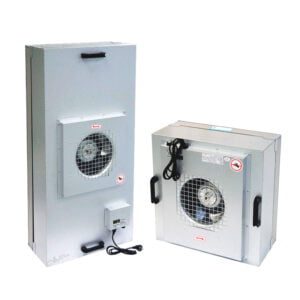
يُعد تصميم شبكة السقف القيد المادي الذي تقلل معظم خطط تركيب وحدات التهوية المركبة (FFU) من أهميته. تستخدم وحدة التهوية المركبة (FFU) القابلة للاستبدال من جانب الغرفة مانع تسرب هلامي ذو حافة حادة على واجهة المرشح لمنع تسرب الهواء والسماح بتغيير المرشح من الأسفل دون المساس بهيكل السقف. وتُغني طريقة الوصول هذه عن الحاجة إلى دخول حجرة التوزيع لإجراء الصيانة الروتينية، لكنها لا تعمل إلا إذا كانت وحدة شبكة السقف متوافقة مع المساحة التي تشغلها وحدة التهوية المركبة (FFU) وكانت الوحدة معلقة بشكل صحيح. تتطلب الممارسة القياسية لتركيبات الأختام استخدام شبكة سقف شديدة التحمل مزودة بأربع نقاط تعليق لكل وحدة. وفي حالة عدم التأكد من هذه السعة الهيكلية في وقت مبكر، فإن إضافتها لاحقًا قد تتطلب إعادة تحديد مواقع الشماعات وإعادة اعتماد أحمال السقف — وهو تغيير ينعكس بدوره على الجدول الزمني ونطاق التنسيق.
تؤدي استراتيجية ضغط الحجرة المشتركة إلى تغيير ملامح مخاطر التلوث وأساس التكلفة لنظام السقف في آن واحد. فالحجرة المشتركة ذات الضغط السلبي — حيث تقوم مروحة وحدة التهوية المركبة (FFU) بسحب الهواء من الحجرة بدلاً من تصريفه فيها — تقضي على مسار انتقال الملوثات من تجويف السقف إلى المساحة النظيفة. ونظرًا لأن ضغط الحجرة المشتركة يُحافظ عليه أقل من ضغط الغرفة، فإن أي مسار للتسرب يكون باتجاه الداخل وليس الخارج. قد تتيح هذه الاستراتيجية أيضًا إنشاء نظام سقف أقل تكلفة من خلال التخلص من الحاجة إلى غلاف غرفة توزيع الهواء مغلق تمامًا. ويعتمد تحقيق هذا التعويض في التكلفة على بنية السقف المحددة ومدى وجود الثقوب، لذا ينبغي التعامل معها على أنها فائدة هندسية محتملة يجب تقييمها في مرحلة التصميم بدلاً من اعتبارها توفيرًا مضمونًا.
| عامل التنسيق | المتطلبات / المواصفات | فائدة أم خطر |
|---|---|---|
| الوصول إلى استبدال الفلتر | وحدة FFU قابلة للاستبدال من جانب الغرفة ومزودة بمانع تسرب هلامي ذي حافة حادة | يسمح بتغيير المرشحات دون الحاجة إلى فتح السقف؛ ويمنع تسرب الهواء |
| الدعم الهيكلي | شبكة سقف مخصصة للاستخدام المكثف مزودة بأربع نقاط تعليق (مزودة بحشية مانعة للتسرب بشكل قياسي) | يضمن تثبيتًا آمنًا وإحكامًا ثابتًا للهواء |
| استراتيجية ضغط الحجرة الرئيسية | غرفة توزيع مشتركة ذات ضغط سلبي | يمنع انتقال الملوثات من حجرة التوزيع؛ وقد يقلل من تكلفة نظام السقف |
يتركز عبء التنسيق عند نقطة التقاطع بين إمكانية الوصول لاستبدال المرشحات، ومتطلبات التعليق الهيكلي، واستراتيجية ضغط الحجرة الهوائية. ويؤثر كل قرار من هذه القرارات على تخصص مختلف — الهندسة الميكانيكية والكهربائية والسباكة، والهندسة الإنشائية، وأنظمة التحكم في التدفئة والتهوية وتكييف الهواء — وعندما لا يتم حلها في نفس مراجعة التصميم، تظهر التضاربات أثناء البناء أو التشغيل التجريبي بدلاً من أن تظهر على الورق. ويُعد السقف فعليًّا نقطة التكامل لنظام وحدات التهوية المركبة (FFU) بأكمله، ويجب التعامل معه على هذا النحو منذ المراحل الأولى لمناقشات التخطيط.
مخاطر التحقق من الصحة عندما تُحدد كمية وحدة الجسيمات النشطة (FFU) قبل تحديد مفهوم تدفق الهواء
إن نمط الفشل الذي يتسبب في أصعب مشاكل التأهيل هو نمط بسيط: يتم تحديد كمية وحدات FFU بناءً على التكلفة الوحدوية وتقديرات مساحة الغرفة قبل أن يتم حل مسألة مفهوم تدفق الهواء، وقيود السقف، والهدف من تصنيف ISO بشكل رسمي. وبحلول وقت بدء تشغيل الغرفة، قد لا تتطابق ملامح السرعة المقاسة مع المقصد التصميمي، ويكون هامش التصحيح ضيقًا. فإذا كانت سرعة الهواء عند مستوى العمل منخفضة جدًّا، تظل الجسيمات عالقة في الهواء وقد لا تحقق الغرفة تصنيفها وفقًا لمعايير ISO الخاصة بالجسيمات. أما إذا كانت السرعة مرتفعة جدًّا، فإن الاضطرابات الهوائية تعطل التدفق الطبقي وقد تؤدي إلى إعادة جر الجسيمات. وكلا الحالتين تؤديان إلى فشل القياس، ولا يمكن تصحيح أي منهما بسهولة عن طريق تعديل سرعة المروحة وحدها إذا كان عدد الوحدات أو موضعها الأساسي خاطئًا.
عتبة النجاح/الفشل المحددة كمياً لتوحيد تدفق الهواء، كما تُطبق في سياقات الاختبار واستكشاف الأعطال وإصلاحها استناداً إلى ISO 14644-3:2019, ، وهو تباين في السرعة يبلغ ±15% بين نقاط القياس. ويشير تجاوز هذا الحد إلى عدم توزيع متساوي للمرشحات، أو اختلال توازن المروحة، أو مشكلة أساسية في تصميم تدفق الهواء. وعندما يكون السبب هو عدد الوحدات غير الصحيح أو سوء وضع الوحدات، يكون التشخيص بسيطًا؛ لكن التصحيح ليس كذلك. فإعادة وضع وحدات FFU في شبكة سقف مكتملة تتطلب إعادة التفاوض بشأن نقاط التعليق، وخطوط توصيل الطاقة، وأسلاك التحكم — وكلها أمور تم تنسيقها في مراحل سابقة من المشروع. وهذه ليست مشكلة تتعلق بالتشغيل؛ بل هي مشكلة تتعلق بتسلسل التصميم تظهر في مرحلة متأخرة.
تتمثل إجراءات التشخيص أثناء عملية استكشاف الأعطال وإصلاحها في مقارنة إجمالي التدفق الهوائي (CFM) المصمم لكل غرفة بعدد وحدات التهوية المركبة (FFU) الفعلي، ثم فحص وجود أي عوائق في الهواء العائد أو مسارات تدفق الهواء المسدودة. كان ينبغي إجراء هذه المقارنة في مرحلة التصميم. وإذا لم يتم ذلك، فإن فريق التحقق يرث مشكلة تسبب فيها فريق التصميم.
| المخاطر أو المشكلات | العواقب | ما الذي يجب التحقق منه أثناء عملية التحقق من الصحة |
|---|---|---|
| سرعة الهواء في وحدة التهوية (FFU) أقل من الحد الأدنى المطلوب | تظل الجسيمات عالقة في الهواء؛ وقد تتجاوز غرفة الأبحاث حدود الجسيمات المحددة من قبل منظمة ISO | قارن بين إجمالي سعة تدفق الهواء (CFM) المصممة للغرفة وعدد وحدات التهوية المركبة (FFU) الفعلي؛ وتحقق من عدم وجود عوائق في مسار الهواء العائد |
| سرعة الهواء مرتفعة جدًّا | تؤدي الاضطرابات إلى تعطيل التدفق الطبقي، مع احتمال إعادة انجراف الجسيمات | قياس ملامح السرعة؛ مراجعة تصميم تدفق الهواء وإعدادات سرعة المروحة |
| يتجاوز تباين السرعة ±15% بين النقاط | يشير إلى تحميل غير متساوٍ للمرشح، أو اختلال توازن المروحة، أو تصميم غير مناسب لتدفق الهواء | تشخيص حالة المروحة/المرشح؛ تقييم تصميم توزيع الهواء (عتبة النجاح/الفشل: ±15%) |
| تم تحديد كمية وحدات التهوية (FFU) دون الانتهاء من وضع مفهوم تدفق الهواء | ثغرات التغطية، وتضارب الوصول، ومشاكل الموازنة المتأخرة | التحقق من العدد الفعلي لوحدات FFU مقارنة بمتطلبات CFM وACH المحسوبة |
بالنسبة لغرف الأبحاث الصيدلانية الخاضعة لمتطلبات ممارسات التصنيع الجيدة (GMP)، لا تقتصر حالات الفشل في عملية التحقق في هذه المرحلة على نطاق أنظمة التدفئة والتهوية وتكييف الهواء (HVAC) فحسب. فقد يؤثر الفشل في التصنيف أو عدم مطابقة تدفق الهواء على حالة تأهيل الغرفة والعمليات التي تجري بداخلها، مما يؤدي إلى إطالة المدة الزمنية قبل أن يصبح بالإمكان استخدام المساحة للغرض المقصود منها. ونادرًا ما تظهر سلسلة عمليات الشراء والتصميم التي تسببت في المشكلة في تقرير التأهيل؛ حيث يظهر الفشل على أنه انحراف في القياس، وليس كقرار مبكر متعلق بنطاق العمل.
تفعيل عملية الشراء بعد تحديد متطلبات التصميم والتصفية والتحكم
ينبغي أن يكون شراء وحدات FFU بمثابة خطوة تأكيدية، وليس خطوة تخطيطية. ولا يمكن تبرير قرار إحالة المواصفات والكميات إلى قسم المشتريات إلا بعد التوصل إلى اتفاق بين التخصصات المختلفة بشأن المدخلات التي تحدد تلك المواصفات. وإحالة المواصفات والكميات قبل بلوغ تلك المرحلة لا يؤدي إلى تسريع المشروع — بل يؤدي إلى وضع مواصفات ستحتاج إلى مراجعة عندما تظهر في مراحل لاحقة مشكلات تتعلق بتنسيق السقف، أو قرارات الوصول إلى المرشحات، أو حالات عدم التوافق في استراتيجيات التحكم.
تشمل المجموعة الدنيا من القرارات التي يجب البت فيها قبل بدء عملية الشراء ما يلي: تخطيط غرفة الأبحاث المستهدفة وتصنيفها وفقًا لمعايير ISO، اللذين يحددان معدلات التجدد الهوائي (ACH) وقيم السرعة التي تحدد كمية الوحدات المطلوبة؛ ومفهوم تدفق الهواء والقيود المتعلقة بالسقف، اللذين يحددان مواقع وحدات التهوية المركبة (FFU) وتصميم حجرة التوزيع ومسارات الوصول للصيانة؛ وطريقة استبدال المرشحات، التي تؤثر على نطاق التنسيق مع السقف وعلى مسؤولية الصيانة على المدى الطويل؛ واستراتيجية المحرك والتحكم، التي يجب التأكد من توافقها قبل صياغة مواصفات الوحدة. بالنسبة لمشاريع التجديد، فإن ما إذا كانت وحدات FFU ستتصل مباشرةً عبر مجاري هواء بوحدة معالجة الهواء الحالية أو بجهاز طرفي أم لا، يغير معايير اختيار الوحدات ونهج الشراء بالكامل — فمن المرجح أن تكون المواصفات الخاصة بالبناء الجديد التي تُطبق على تركيبات التجديد خاطئة بطرق لا يمكن ملاحظتها على الفور.
| القرار / المعلومات المطلوبة | لماذا يجب إصلاحه قبل الشراء | المخاطر في حالة عدم حل المشكلة |
|---|---|---|
| تصميم غرف الأبحاث وتصنيفها وفقًا لمعايير ISO | يحدد كمية وحدة الجسيمات النفضية (FFU) من خلال معدل التبادل الهوائي (ACH) والقيم المستهدفة لسرعة الهواء | أخطاء في تحديد الحجم، وثغرات في التغطية، وأخطاء في التصنيف |
| مفهوم تدفق الهواء وقيود السقف | يؤثر على موضع وحدة الترشيح الفلترية (FFU)، وتصميم حجرة التوزيع، وإمكانية الوصول لأغراض الصيانة | تعارضات مع شبكة السقف، أو مسارات توصيل الطاقة، أو مسارات الصيانة |
| طريقة استبدال الفلتر (من جانب الغرفة مقابل الطرق الأخرى) | يؤثر على تنسيق أعمال السقف والصيانة على المدى الطويل | قد يتطلب ذلك إعادة تصميم السقف بتكلفة باهظة أو يعوق عملية تغيير المرشحات |
| استراتيجية المحرك/التحكم (التدفق الثابت مقابل العزم الثابت) | يحدد توافق عناصر التحكم والأداء في مجال الطاقة | تذبذب تدفق الهواء، أو عدم التوافق، أو تجاوزات الطاقة |
| معايير اختيار وحدة التهوية (المحرك، المرشح، نظام التحكم، تكلفة دورة الحياة) | يضمن أن تكون الوحدة ملائمة لاحتياجات التطبيق والميزانية والأداء | عدم توافق المواصفات والمفاجآت المتعلقة بتكاليف دورة الحياة |
| الامتثال لمعايير GMP/FDA ووثائق التحقق من الصحة | مطلوب لاعتماد غرف الأبحاث الصيدلانية | تأخر التأهيل، عدم الامتثال للوائح التنظيمية |
| البناء الجديد مقابل التحديث (التوصيل المباشر عبر مجاري الهواء من وحدة معالجة الهواء الحالية) | يختلف نهج الشراء ونوع الوحدة في حالة عمليات التحديث | اختيار وحدة غير صحيحة لنظام توزيع الهواء الحالي |
بالنسبة لغرف الأبحاث الصيدلانية، تضيف متطلبات التوثيق الخاصة بمعايير الممارسات التصنيعية الجيدة (GMP) وإدارة الغذاء والدواء الأمريكية (FDA) عاملًا زمنيًا مستقلًا عن القرارات الهندسية. يجب التخطيط لوثائق التحقق من الصحة والتأهيل بالتزامن مع اختيار الوحدات، وليس بعد التسليم. وإذا لم يتم تأكيد نطاق التوثيق قبل الشراء، فإن الجدول الزمني للتأهيل يصبح مرهونًا بالإجراءات الورقية اللاحقة للتسليم، والتي كان ينبغي أن تكون جزءًا من اتفاقية الشراء. خيارات المرشحات مثل مرشحات الهواء HEPA/ULPA ذات الطيات الصغيرة أو فلاتر هواء جل مانعة للتسرب HEPA/ULPA تختلف في طريقة الإحكام وخصائص الوصول لاستبدالها — ويعتمد الاختيار الصحيح على القرارات التي تم اتخاذها مسبقًا بشأن هيكل السقف واستراتيجية الصيانة، وليس على أداء المرشح وحده.
تتمثل الآثار الملموسة لهذه المقالة في التسلسل المنهجي: حيث يحدد التصميم وفئة ISO الهدف المطلوب لتدفق الهواء، مما يحدد عدد وحدات FFU؛ كما تحدد بنية السقف واستراتيجية الوصول نوع الوحدة وطريقة الاستبدال الممكنة؛ ويجب التأكد من توافق المحرك ونظام التحكم قبل صياغة المواصفات؛ ولا ينبغي بدء عملية الشراء إلا بعد استقرار جميع هذه العوامل. نادرًا ما يكون الفرق بين نظام FFU المُحدد جيدًا ونظام FFU الذي ينطوي على مشاكل هو المعدات نفسها — بل يكمن في الترتيب الذي اتُخذت به القرارات، وما إذا كانت أوجه التنسيق المتعلقة بالسقف، وتوافق أنظمة التحكم، وقيود الوصول إلى المرشحات قد عُوملت كشروط مسبقة بدلاً من تفاصيل يُجب حلها لاحقًا.
قبل الإعلان عن مواصفات وحدة التهوية (FFU)، تأكد من أن مفهوم تدفق الهواء مغلق، وأن تصميم شبكة السقف يدعم المساحة المخصصة للوحدة ومتطلبات التعليق، وأن طريقة استبدال المرشح تتوافق مع مسار الوصول للصيانة، وأن المحرك واستراتيجية التحكم قد تم التحقق من توافقهما مع تصميم حجرة التوزيع وأي أجهزة طرفية موجودة في المرحلة السابقة. هذه هي القرارات التي تحدد ما إذا كانت ملامح السرعة المقاسة ستجتاز اختبار التأهيل — ولا يمكن تعويضها بالاستبدال بمجرد الانتهاء من بناء السقف.
الأسئلة الشائعة
س: هل ينطبق تسلسل الاختيار هذا في حالة قيامنا بتحديث مساحة صيدلانية قائمة بدلاً من بنائها من الصفر؟
ج: ينطبق التسلسل المذكور، لكن سياق عملية التجديد يغير العديد من المدخلات قبل البدء. ففي عملية التجديد، تُعد بنية السقف وعمق حجرة التوزيع وسعة وحدة معالجة الهواء الحالية قيودًا ثابتة وليست متغيرات — مما يعني أن مفهوم تدفق الهواء يجب أن يعمل ضمن تلك الحدود، وليس جنبًا إلى جنب معها. إذا كانت وحدات التكييف المركبة في السقف (FFUs) موصولة مباشرة عبر مجاري هواء من وحدة معالجة الهواء الحالية أو جهاز طرفي، فإن معايير اختيار الوحدات تختلف عن مواصفات البناء الجديد، ومن المرجح أن يؤدي تطبيق نهج البناء الجديد على عملية التجديد إلى حدوث تباينات في الضغط الساكن وتوافق التحكم، وهي أمور لا تظهر على الفور أثناء عملية الشراء. تأكد من الظروف الهيكلية وحالة أنظمة التدفئة والتهوية وتكييف الهواء (HVAC) الحالية قبل صياغة مفهوم تدفق الهواء، وليس بعد الإعلان عن كميات الوحدات.
س: متى تصبح غرفة الضغط السلبي غير مجدية مقارنة بالتعقيد الإضافي الذي تضيفه إلى نظام التدفئة والتهوية وتكييف الهواء؟
ج: تتضاءل الفائدة الهندسية عندما يكون عدد فتحات اختراق حجرة التوزيع مرتفعًا لدرجة تجعل الحفاظ على الضغط السلبي أمرًا غير عملي لا يمكن ضمان استمراره بشكل موثوق. تعمل حجرة التوزيع المشتركة ذات الضغط السلبي على إزالة مسار انتقال التلوث من تجويف السقف إلى المساحة النظيفة، وقد تقلل من تكلفة إنشاء السقف من خلال تخفيف متطلبات إحكام إغلاق الغلاف — لكن هاتين الفائدتين تعتمدان على وجود حجرة توزيع يمكن الحفاظ على ضغطها أقل من ضغط الغرفة بشكل مستمر. وإذا كانت الثقوب الموجودة للمرافق أو العناصر الهيكلية أو الخدمات الأخرى واسعة النطاق، فإن حمل التسرب قد يجعل التحكم في الضغط غير موثوق به، ولا يعود حجة مخاطر التلوث صالحة. وهذا تقييم هندسي يجب إجراؤه في مرحلة التصميم، وليس توصية افتراضية لجميع التكوينات.
س: ما هي المخاطر العملية في حال تم اتخاذ قرار بشأن طريقة استبدال المرشح بعد الانتهاء من تركيب شبكة السقف؟
ج: يتمثل الخطر في أن الوحدات القابلة للاستبدال من داخل الغرفة أو من على المنضدة قد لا تتناسب مع الشبكة المكتملة دون إجراء تعديلات هيكلية. تتطلب الوحدات القابلة للاستبدال من داخل الغرفة محاذاة مؤكدة لوحدات الشبكة وأربع نقاط تعليق لكل وحدة بتصنيف تحمل عالي؛ أما الوحدات القابلة للاستبدال من على المنضدة فتتطلب مسارات وصول فوق السقف يجب تنسيقها بينما لا تزال مواقع الشماعات وخطوط التغذية الكهربائية قابلة للتعديل. وإذا كان السقف قد شُيد بالفعل وفقًا لتخطيط وحدات يفترض طريقة استبدال واحدة، فإن التحول إلى الطريقة الأخرى قد يتطلب إعادة تركيب الشماعات، وإعادة تحديد مواقع توصيلات الطاقة، وإعادة اعتماد أحمال السقف — وهي تغييرات تؤثر على تخصصات متعددة وتستلزم إعادة التنسيق الذي تمت الموافقة عليه سابقًا. ويُعد قرار الوصول أحد مدخلات تصميم السقف، وليس مجرد تفضيل صياني يمكن حله لاحقًا.
سؤال: بين تكوينات المروحة ذات التدفق الثابت (ECM) وتلك ذات المروحة ذات الشفرات المنحنية للخلف، أيهما يمثل الخيار الأفضل على المدى الطويل لنظام FFU الصيدلاني؟
ج: يُعد محرك ECM المزود بدوارات منحنية للأمام الخيار الأكثر موثوقية على المدى الطويل لمعظم تطبيقات وحدات FFU الصيدلانية، على الرغم من أن الدوارات المنحنية للخلف توفر كفاءة نظرية أعلى. والسبب في ذلك هو التوافق مع أنظمة التحكم: فالدوارات المنحنية للخلف غير متوافقة مع برمجة التدفق الثابت لمحركات ECM، مما يعني فقدان القدرة على الحفاظ على تدفق الهواء مع ارتفاع الضغط الساكن للمرشح على مدار عمره التشغيلي. بالنسبة لتصميمات غرف الضغط السلبي — حيث يُعد سلوك التدفق الثابت مهمًا بشكل خاص — فإن هذا عدم التوافق يخلق خطرًا مستمرًا على الأداء مع زيادة الحمل على المرشحات. يُعد التوفير في الطاقة الذي يوفره محرك ECM مقارنة بمحركات PSC في طراز 30–50% ذا أهمية كبيرة على مدار عمر تشغيل النظام، ولكن فقط إذا كان اختيار المروحة يحافظ على قدرة التدفق الثابت. إن اختيار العجلات ذات الانحناء الخلفي لتحقيق كفاءة الطاقة، ثم اكتشاف أن استراتيجية التحكم لا تعمل على النحو المنشود، هو خطأ في المواصفات لا يمكن تصحيحه دون استبدال العجلة أو برنامج التحكم.
س: في أي مرحلة من مراحل المشروع ينبغي الاتفاق مع مورد وحدة الإنتاج الخالية من الجسيمات (FFU) على وثائق التحقق من مطابقة معايير التصنيع الجيدة (GMP) والتأهيل؟
ج: يجب تأكيد نطاق التوثيق كجزء من اتفاقية الشراء، وليس بعد التسليم. بالنسبة لغرف الأبحاث الصيدلانية الخاضعة لمتطلبات ممارسات التصنيع الجيدة (GMP) وإدارة الغذاء والدواء الأمريكية (FDA)، يجب التخطيط لوثائق التأهيل — مثل سجلات تأهيل التركيب، وشهادات اختبار المرشحات، وبيانات أداء المحركات، وأي متطلبات لاختبارات القبول في المصنع — بالتزامن مع اختيار الوحدة. وإذا تُرك نطاق الوثائق مفتوحًا حتى ما بعد التسليم، فإن الجدول الزمني للتأهيل يصبح مرهونًا بالإجراءات الورقية اللاحقة للتسليم التي كان ينبغي أن تكون شرطًا من شروط الشراء، مما قد يؤخر جاهزية الغرفة للاستخدام المقصود في العملية. تعامل مع متطلبات الوثائق كشرط مسبق للشراء بنفس أولوية مواصفات الوحدة وجدول التسليم.