Beschaffungsteams, die ein Zertifizierungspaket für Biosicherheitsschränke an der Rampe erhalten - anstatt es vor der Freigabe im Werk zu prüfen - haben bereits die am besten zu verteidigende Position verloren, die sie im gesamten Beschaffungszyklus haben. Der Schrank mag vollständig aussehen, der Papierkram mag in Ordnung sein, und der Lieferant mag die Leistung abgezeichnet haben, aber wenn der Testumfang nie schriftlich vereinbart wurde oder wenn die Alarmlogik anhand eines veralteten Stromausfallgrenzwerts überprüft wurde, werden diese Lücken zu vertraglichen Problemen und nicht zu korrigierbaren Werksfeststellungen. Die spezifische Entscheidung, die dieses Ergebnis beeinflusst, ist nicht, ob eine Werksabnahmeprüfung durchgeführt wird, sondern ob der Käufer die Sprache der relevanten Norm - NSF/ANSI 49, EN 12469 oder beide - in konkrete, bezeugte Prüfpunkte übersetzt hat, bevor das Gerät ausgeliefert wird. Leser, die diesen Artikel zu Ende lesen, werden besser in der Lage sein zu erkennen, welche Testergebnisse zwingend nachzuweisen sind, welche Zertifikate einer genauen Prüfung bedürfen, bevor sie als vertrauenswürdig eingestuft werden können, und welche Inbetriebnahmeverpflichtungen im Werk nicht erfüllt werden können, egal wie gründlich das FAT-Paket erscheint.
Wie man die Sprache der Normen in eine praktische FAT-Checkliste umwandelt
Normdokumente sind als Anforderungsrahmen und nicht als Abnahmechecklisten verfasst, und die Lücke zwischen diesen beiden Formaten schafft das erste praktische Risiko. Ein Einkäufer, der NSF/ANSI 49 auf Dokumentenebene überprüft und bestätigt, dass ein Lieferant ein gültiges Zertifikat besitzt, hat nicht wirklich bestätigt, dass der Schrank, der das Werk verlässt, die Konstruktions- und Leistungsanforderungen der Norm in überprüfbarer, bezeugter Form erfüllt. Die Übersetzung der Anforderungen in eine Checkliste bedeutet, dass die spezifischen, messbaren oder beobachtbaren Punkte, die die Norm definiert, identifiziert werden müssen - und dann jeder einzelne Punkt anhand der physischen Hardware und der Testdaten bestätigt werden muss, bevor er abgezeichnet wird.
Drei Punkte aus den Konstruktions- und Leistungsanforderungen der NSF/ANSI 49 sind als werksseitige Kontrollpunkte besonders wertvoll, da sie alle vor der Auslieferung des Schranks überprüft werden können. Die Reinigbarkeit von Schrankoberflächen ist keine Ermessensentscheidung über Materialien - die Norm bietet eine objektive Definition dafür, was als ’reinigungsfähig“ oder ”leicht zu reinigen“ gilt, und diese Definition kann direkt auf die bei der Werksprüfung vorgelegten Oberflächen angewendet werden. Die Zugänglichkeit von Schaltplänen ist ein vorgeschriebenes Konstruktionsdetail, keine Gefälligkeit der Dokumentation: Die Pläne müssen über einen herunterladbaren Barcode, ein dauerhaftes Etikett oder eine versiegelte Tasche, die außerhalb der Luftkammern angebracht ist, erreichbar sein. Die Abluftgeschwindigkeit ist die messtechnisch empfindlichste der drei Kategorien; der Sollwert des Herstellers muss mit einer Toleranz von ± 0,025 m/s (±5 FPM) eingehalten werden. Diese Toleranz leitet sich aus den Sollwertanforderungen des Herstellers ab und ist eher als Auslegungswert für den jeweiligen zu prüfenden Schrank zu verstehen denn als universeller Grenzwert für alle Schranktypen.
| Was zu überprüfen ist | Messbarer Schwellenwert / Anforderung | Warum es wichtig ist |
|---|---|---|
| Reinigbarkeit der Oberfläche des Gehäuses | Muss die objektive NSF/ANSI 49-Definition für “reinigungsfähig” oder “leicht zu reinigen” erfüllen” | Bietet ein konkretes, prüfbares Kriterium für die Überprüfung der Konstruktion bei der Werksabnahme. |
| Schaltplan Zugänglichkeit | Muss über einen herunterladbaren Barcode, ein dauerhaftes Etikett oder einen versiegelten Beutel, der außerhalb der Luftkammern angebracht ist, zugänglich sein | Ein spezifisches, überprüfbares Konstruktionsdetail, das von der Norm für den Wartungszugang vorgeschrieben ist. |
| Sollwert der Abströmgeschwindigkeit | Muss mit dem Sollwert des Herstellers innerhalb von ± 0,025 m/s (±5 FPM) übereinstimmen | Bietet eine messbare Regel und Toleranz für einen zu überprüfenden Hauptleistungsparameter. |
Durch das Überspringen dieses Übersetzungsschritts wird die Verpflichtung nicht aufgehoben, sondern auf die Inbetriebnahme vor Ort verschoben, wo dieselben Lücken schwieriger zu schließen und langsamer zu beheben sind und sich mit größerer Wahrscheinlichkeit mit den Zeitplänen für die Installationsqualifizierung überschneiden.
Welche Luftstromalarme und Integritätsprüfungen gehören in die Werksüberprüfung?
Alarm- und Filterintegritätsprüfung sind die beiden Bereiche, in denen eine informelle Herstellerfreigabe die folgenreichsten Dokumentationslücken verursacht, da beide in einer Weise methoden- und schranktypspezifisch sind, die ein allgemeiner Leistungsnachweis nicht erfasst.
NSF/ANSI 49 widmet den Anweisungen zur Alarmprüfung etwa vier Seiten, und diese Anweisungen unterscheiden sich je nach Schranktyp - A2, B1, B2 und C1 haben jeweils unterschiedliche Protokollanforderungen. Die Bestätigung, dass das werksseitige Prüfprotokoll des Lieferanten auf das korrekte typenspezifische Verfahren für den tatsächlich abzunehmenden Schrank verweist, ist keine Formalität, sondern die einzige Möglichkeit, um festzustellen, dass die im Werk durchgeführte Alarmverifizierung der Norm entspricht, auf die sich der Käufer verlässt. Ein Prüfprotokoll, das die Alarmreaktion ohne Angabe des verwendeten typenspezifischen Protokolls dokumentiert, ist bei einem Audit nur schwer zu verteidigen und bietet nur eine begrenzte Rückverfolgbarkeit für künftige Wartungsereignisse.
Die Anforderung der Abschaltung bei Stromausfall enthält einen Schwellenwert, den Käufer, die ältere Spezifikationen lesen, wahrscheinlich übersehen werden. Mit der Revision 2024 der NSF/ANSI 49 wurde diese Anforderung auf 5 Minuten aktualisiert - und nicht auf das längere Intervall, das in früheren Versionen galt. Die Überprüfung der Alarm- und Steuerlogik-Testprotokolle des Lieferanten anhand dieses aktualisierten Schwellenwerts ist eine konkrete Überprüfungsmaßnahme, die speziell für Schränke gilt, die nach der Revision 2024 gebaut oder zertifiziert wurden. Schränke, die nach früheren Spezifikationen hergestellt wurden, sollten anhand der zum Zeitpunkt der Herstellung geltenden Standardversion bewertet werden, was ein Grund dafür ist, das geltende Revisionsdatum zu einem frühen Zeitpunkt der Überprüfung des FAT-Pakets zu bestätigen, anstatt von der Aktualität auszugehen.
Bei der Integritätsprüfung von HEPA- und ULPA-Filtern im Werk muss die Photometermethode angewendet werden. NSF/ANSI 49 ist in diesem Punkt eindeutig, und das Risiko der Partikelzählermethode besteht nicht darin, dass sie ein offensichtlich falsches Ergebnis liefert, sondern darin, dass sie ein Ergebnis liefert, das auf dem Papier gültig erscheint, während sie eine Methode verwendet, die die Norm nicht akzeptiert. Ein mit einem Partikelzähler erstelltes Filterintegritätsprotokoll stellt keinen konformen Nachweis gemäß NSF/ANSI 49 dar, selbst wenn die Durchdringungszahlen akzeptabel aussehen.
| Überprüfung der Fabrik | Erfordernis der Bestätigung | Warum es wichtig ist / Risiko bei Nichtbeachtung |
|---|---|---|
| Alarm-Test-Protokoll | Muss die vier Seiten umfassenden, typenspezifischen NSF/ANSI 49-Anweisungen für Alarmtests enthalten (für A2, B1, B2, C1) | Alarmtests sind streng und obligatorisch, es handelt sich nicht um eine allgemeine Prüfung; es müssen typenspezifische Verfahren eingehalten werden. |
| Abschaltzeit bei Stromausfall | Muss 5 Minuten betragen (gemäß Revision 2024) | Dies ist ein spezifischer, aktualisierter Leistungsschwellenwert, der überprüft werden muss. |
| HEPA/ULPA-Filter-Lecktestverfahren | Muss die Photometermethode verwenden, nicht die Partikelzählermethode | NSF/ANSI 49 schreibt diese Methode vor; die Verwendung einer nicht konformen Methode macht die Integritätsprüfung ungültig. |
Die nachgelagerte Konsequenz, wenn eine dieser drei Prüfungen im Werk versäumt wird, kann nicht allein durch die Zertifizierung vor Ort korrigiert werden. Die jährliche Vor-Ort-Zertifizierung bestätigt die fortgesetzte Leistung; sie dokumentiert nicht rückwirkend, dass die werkseitige Alarmlogik oder die Filterintegrität anhand der erforderlichen Methode und des Protokolls überprüft wurde.
Was die Werksabnahme bei der Inbetriebnahme vor Ort nicht ersetzen kann
Ein gründliches FAT-Paket ist kein Ersatz für die Zertifizierung vor Ort, und die Fehlinterpretation des Umfangs ist einer der hartnäckigsten Planungsfehler bei der Beschaffung von Sicherheitswerkbänken. Mit der Werksabnahme wird festgestellt, dass die Kabine in ihrer ursprünglichen Form die Anforderungen der Norm unter kontrollierten Werksbedingungen erfüllt. Sie bestätigt nicht - und kann es auch nicht - die Leistung unter den anlagenspezifischen Bedingungen, denen die Kabine tatsächlich ausgesetzt sein wird.
NSF/ANSI 49 definiert spezifische Auslöser für die obligatorische Feldzertifizierung: bei der Installation, jährlich danach, nach Filterwechseln, nach Reparaturen, die interne Komponenten betreffen, und nach einem Umzug. Jeder dieser Auslöser spiegelt eine Bedingung wider, die den Betriebskontext des Schrankes in einer Weise verändert, die in der Fabrikumgebung nicht simuliert werden kann. Ein Filterwechsel beispielsweise führt zu einer Rezertifizierungspflicht, selbst wenn der Ersatzfilter mit dem Original identisch ist, da die Integrität der Anlage unter den tatsächlichen Betriebsbedingungen wiederhergestellt werden muss. Eine Planung, die die Werksabnahme als Ersatz für eines dieser auslösenden Ereignisse betrachtet, schafft eine Lücke, die bei der Anlagenqualifizierung oder der behördlichen Inspektion sichtbar wird.
Die Leistung des Haubenanschlusses für A1- und A2-Schränke ist eine spezifische, standortabhängige Integrationsprüfung, die nicht im Werk durchgeführt werden kann. Die endgültige Leistung des Abluftanschlusses hängt von der Kanalgeometrie, den Eigenschaften des Abluftsystems des Gebäudes und den Bedingungen des Luftstromgleichgewichts ab, die nur am Installationsort gegeben sind. Die Prüfung des Haubenanschlusses als eigenständige Inbetriebnahmemaßnahme - getrennt von der Werksabnahme - zu planen, ist die richtige Planungshaltung und kein Zeichen dafür, dass das FAT unvollständig war. Einkäufer, die erwarten, dass das werkseitige Prüfprotokoll Fragen zur Leistung der Kabinenhaube vor der Integration am Aufstellungsort klärt, werden feststellen, dass diese Erwartung nicht erfüllt wird, und die Auswirkungen dieser Entdeckung auf den Zeitplan werden in der Regel während der Installation und nicht während der Herstellung aufgefangen.
Weitere Informationen über die Inbetriebnahme vor Ort nach der Ankunft des Geräts finden Sie in der Installation einer biologischen Sicherheitswerkbank: Wichtige Überlegungen Der Artikel behandelt die Verpflichtungen der Installationsphase im Detail.
Wo Käufer Zertifikate und Prüfprotokolle am häufigsten falsch lesen
Beim falschen Lesen von Zertifikaten geht es in der Regel nicht darum, dass die Käufer die Dokumente ignorieren - es geht darum, dass die Käufer den falschen Interpretationsrahmen auf Zertifikate anwenden, die zwar verbindlich aussehen, aber eingebettete Annahmen enthalten, die sich nicht auf andere Normen übertragen lassen.
Die folgenreichste Fehlinterpretation betrifft die EN 12469-Zertifikate und die Methodik der HEPA-Dichtheitsprüfung. EN 12469 lässt Partikelzählermethoden für HEPA-Dichtheitsprüfungen zu. NSF/ANSI 49 schreibt die Photometer-Methode vor. ISO 14644-3:2019 und IEST 34 geben eine ähnliche Präferenz für die Photometermethode bei der Prüfung von Filtern in kontrollierter Umgebung wieder. Wenn ein Käufer ein EN 12469-Zertifikat erhält und davon ausgeht, dass es dem NSF/ANSI 49-Filterintegritätsnachweis gleichwertig ist, geht er von einer Methodengleichwertigkeit aus, die nicht existiert. Das Zertifikat ist nicht notwendigerweise betrügerisch oder ungültig - es kann die Konformität mit der EN 12469, so wie sie geschrieben ist, genau dokumentieren - aber es kann nicht als austauschbar mit dem NSF/ANSI 49 Photometer-basierten Filterintegritätsnachweis während der Standortvalidierung oder der Überprüfung der Installationsqualifikation behandelt werden.
| Was bei Zertifikaten zu beachten ist | Warum es wichtig ist / Risiko der Fehlinterpretation |
|---|---|
| EN 12469-Zertifikat mit Angabe des HEPA-Dichtheitsprüfverfahrens | EN erlaubt Partikelzähler, was im Widerspruch zu ISO 14644-3 und IEST 34 steht. Ein Zertifikat kann die Konformität beanspruchen, obwohl eine nicht konforme Prüfmethode verwendet wird. |
| EN 12469-Zertifikat mit Verweis auf “Typ B2” oder andere NSF-Schranktypen | EN 12469 definiert keine NSF-Schranktypen, was zu einer grundlegenden Verwirrung über die Anwendbarkeit der Norm führt. |
Die zweite Fehlinterpretation ist eher struktureller als methodischer Natur. EN 12469 definiert Schranktypen nicht durch das NSF-Bezeichnungssystem - Typ A2, B1, B2, C1 sind NSF/ANSI 49-Klassifizierungen, die in der EN-Norm keine formale Entsprechung haben. Wenn in einem EN 12469-Zertifikat auf “Typ B2” oder eine andere NSF-spezifische Bezeichnung verwiesen wird, werden Begriffe aus inkompatiblen Klassifizierungssystemen vermischt. Dadurch wird das Zertifikat nicht wertlos, aber es bedeutet, dass der Käufer es nicht verwenden kann, um typenspezifische Leistungsanforderungen zu bestätigen, die nur unter NSF/ANSI 49 existieren. Ein solches Zertifikat als vollständige Dokumentation der NSF-Konformität für einen bestimmten Schranktyp zu betrachten, ist ein Fehler, der leicht zu begehen ist, wenn das Zertifikat vollständig und professionell formatiert erscheint.
Käufer, die Schränke für Märkte beschaffen, in denen beide Standards gelten, oder in denen verschiedene Endverbraucher unterschiedliche Zertifizierungserwartungen haben, sollten vor Beginn der Prüfung klären, welcher Standard für das FAT-Paket gilt. Für eine umfassendere Orientierung über BSC-Zertifizierungsrahmen und was die Konformitätsdokumentation typischerweise abdeckt, ist die BSC-Zertifizierung: Sichern Sie die Konformität Ihres Labors Artikel liefert einen nützlichen Kontext.
Wie man obligatorische Nachweise von fakultativen Lieferantenpapieren trennt
Lieferanten liefern in der Regel FAT-Pakete, die eine Mischung aus vorgeschriebenen Unterlagen, nützlichen unterstützenden Daten und Werbe- oder Verwaltungsunterlagen enthalten, die keinen Einfluss auf die Annahmeentscheidung haben. Einkäufer, die nicht zwischen obligatorischen und optionalen Nachweisen unterscheiden können, laufen Gefahr, die Lieferung aufgrund des Umfangs der Dokumentation zu genehmigen, anstatt aufgrund des Vorhandenseins spezifischer, nachvollziehbarer Testergebnisse.
Zwei Kategorien von Nachweisen sind obligatorisch und können nicht mit anderen Dokumentationsformaten ausgetauscht werden. Die erste ist die Rückverfolgbarkeit der Instrumente: Der Zertifizierungsbericht muss die Modellnummer und das Kalibrierungsdatum für jedes während der Werksprüfung verwendete Prüfmittel enthalten. Dabei handelt es sich nicht um eine bevorzugte Dokumentationsform oder eine bewährte Audit-Praxis - es ist der Nachweis, der die Gültigkeit jedes Messergebnisses im Bericht belegt. Ein Prüfprotokoll ohne Geräteidentifikation und aktuelle Kalibrierungsdaten kann nicht als rückführbar verteidigt werden, egal wie vernünftig die Leistungsdaten erscheinen. Wenn Kalibrierungsdaten fehlen oder im Verhältnis zum Prüfdatum abgelaufen sind, sind die Messergebnisse nicht vertretbar.
Der zweite obligatorische Punkt ist das Zertifizierungsetikett selbst. NSF/ANSI 49 legt den Inhalt des Etiketts fest, das einem zertifizierten Schrank beiliegen muss: Zertifizierungsstatus, Datum der Zertifizierung, Ablaufdatum, nächstes Fälligkeitsdatum und Kontaktinformationen des Zertifizierers. Das Etikett ist eine vorgeschriebene, standardisierte Ausgabe, keine Annehmlichkeit des Herstellers. Sein Fehlen ist keine unbedeutende administrative Lücke - es ist ein fehlendes Element der Ausgabeanforderungen der Norm, und sein Fehlen bedeutet, dass der Schrank nicht die Dokumentationskette enthält, die notwendig ist, um die Planung der Zertifizierung vor Ort einzuleiten oder den Zertifizierungsstatus während einer Inspektion zu bestätigen.
Optionale Unterlagen des Herstellers - Checklisten für die Inbetriebnahme, Fotos von Werksprüfungen, Anwendungsdatenblätter, Produktbroschüren und zusätzliche Leistungskurven - können für Projektdateien oder die Wartungsplanung nützlich sein, aber nichts davon ersetzt die Aufzeichnungen zur Rückverfolgbarkeit der Geräte oder ein konformes Zertifizierungsetikett. Die Sortierung des FAT-Pakets in obligatorische und optionale Kategorien vor der Abnahmebesprechung ist ein praktischer Schritt, der Verzögerungen bei der Genehmigung verhindert, die dadurch entstehen, dass man versucht, alle Dokumente mit dem gleichen Gewicht zu bewerten.
Welche Dokumente müssen vor der Versandfreigabe vollständig sein?
Die Versandfreigabe ist der Punkt, an dem die Einflussmöglichkeiten des Käufers erschöpft sind. Sobald die Kühltruhe das Werk verlässt, werden Lücken im Abnahmepaket eher zu Streitigkeiten als zu Feststellungen, und der Zeitrahmen für die Behebung verschiebt sich je nach Vertragslage und Art der Lücke von Tagen auf Wochen oder länger.
Die beiden Bedingungen, die vor der Freigabe erfüllt sein müssen, sind unterschiedlicher Natur, aber von gleicher Bedeutung. Die erste ist, dass die anwendbare Norm, der gesamte Prüfumfang und alle verbleibenden Verpflichtungen zur Inbetriebnahme vor Ort schriftlich bestätigt werden müssen, bevor die Werksprüfung beginnt - nicht erst nach der Überprüfung des fertigen Pakets. Eine nachträgliche Vereinbarung über den Prüfumfang lässt die Frage offen, ob die durchgeführte Prüfung auch die erforderliche Prüfung war. Die zweite Bedingung ist, dass das bezeugte Werksprüfungsprotokoll vollständig sein und vor Beginn der Prüfung in das FAT-Paket aufgenommen werden muss und nicht nachträglich aus einzelnen Prüfprotokollen zusammengestellt wird. Ein im Voraus vereinbartes Protokoll schafft einen gemeinsamen Bezugspunkt; ein nach der Prüfung rekonstruiertes Protokoll schafft eine Interpretationslücke, die schwer zu schließen ist, wenn ein Ergebnis in Frage gestellt wird.
| Dokument Bedingung zum Genehmigen | Warum es so wichtig ist / Folgen bei Unvollständigkeit |
|---|---|
| Standard, Prüfumfang und Restkontrollen vor Ort sind schriftlich und eindeutig dokumentiert | Verhindert den Versand eines Schranks, der zwar vollständig zu sein scheint, für den aber keine vertretbaren Akzeptanznachweise vorliegen, so dass ein Druckmittel erhalten bleibt. |
| Das werksseitige Prüfprotokoll, dem der Lieferant beiwohnen wird, ist vollständig und Teil des FAT-Pakets, bevor die Prüfung beginnt. | Sorgt im Vorfeld für eine Einigung über die Testmethodik und den Testumfang und verhindert so Streitigkeiten über nicht dokumentierte Tests. |
Beide Bedingungen sind Planungskriterien, keine bürokratischen Formalitäten. Ein Schrank, der scheinbar vollständig vor Ort eintrifft, aber kein vollständiges, im Voraus vereinbartes Prüfprotokoll und keine schriftliche Dokumentation des Prüfumfangs und der verbleibenden Verpflichtungen vor Ort hat, hat in der Praxis keine vertretbare Abnahmekette. Dies betrifft nicht nur die unmittelbare Installation: Die Rezertifizierung von Filterwechseln, die Validierung von Haubenanschlüssen und die jährliche Feldzertifizierung hängen alle davon ab, dass der Abnahmeverlauf des Schranks bis zu einer dokumentierten Basislinie im Werk zurückverfolgt werden kann. Wenn diese Basislinie fehlt oder nicht eindeutig ist, sind die Kosten für ihre Rekonstruktion nach der Auslieferung in der Regel höher als die Zeit, die durch eine beschleunigte Werksabnahme eingespart wird.
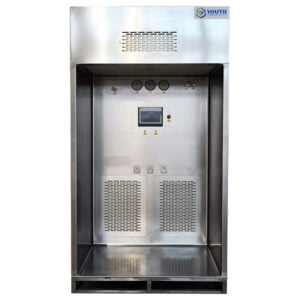
Für Einkäufer, die im Rahmen der Beschaffungsplanung bestimmte Schrankkonfigurationen bewerten, Die Produktlinie der biologischen Sicherheitswerkbänke von Youth Filter spiegelt die Konstruktions- und Leistungsüberlegungen wider, die den in diesem Artikel beschriebenen Akzeptanzprüfpunkten zugrunde liegen.
Die nützlichste Maßnahme, die ein Einkäufer vor dem Versand ergreifen kann, ist die Überprüfung des FAT-Pakets in definierten Schichten - Luftstromleistungsdaten, Überprüfung der Alarm- und Steuerlogik, Nachweis der Filterintegrität, Einhaltung der Bauvorschriften und das bezeugte Protokoll selbst - vor der Freigabe, anstatt die Dokumente als ein einziges undifferenziertes Paket zu überprüfen, nachdem die Tests abgeschlossen sind. Für jede Ebene gelten andere Anforderungen an den Nachweis, und eine Lücke in einer Ebene wird nicht sichtbar, wenn die anderen vollständig aussehen.
Bevor die nächste Beschaffung von Sicherheitswerkbänken die Phase der Werksabnahme erreicht, sollten Sie sich schriftlich bestätigen lassen, welche Norm den Prüfumfang regelt, ob das Alarmprotokoll auf das korrekte typenspezifische Verfahren für den abzunehmenden Schrank verweist, welche Methode für die Integritätstests der HEPA-Filter verwendet wurde und welche Inbetriebnahmeverpflichtungen unabhängig von den Werksergebnissen vor Ort bestehen. Diese vier Fragen, die vor Beginn der Prüfung schriftlich beantwortet werden, entscheiden darüber, ob das Abnahmepaket vertretbar oder nur umfangreich ist.
Häufig gestellte Fragen
F: Gilt der Ansatz der FAT-Checkliste auch, wenn der Schrank nach EN 12469 und nicht nach NSF/ANSI 49 zertifiziert ist?
A: Ja, aber die Punkte der Checkliste müssen den spezifischen Anforderungen der EN 12469 angepasst werden, anstatt sie als gleichwertig mit den NSF/ANSI 49-Anforderungen anzusehen. EN 12469 erlaubt Partikelzähler für HEPA-Dichtheitsprüfungen, wo NSF/ANSI 49 die Photometermethode vorschreibt, und EN 12469 definiert nicht die Schranktypen A2, B1, B2 oder C1, die gemäß NSF/ANSI 49 typspezifische Alarmprotokolle erfordern. Wenn sich Ihre Endverwendungsvalidierung oder Installationsqualifizierung auf die Leistungskriterien der NSF/ANSI 49 bezieht, wird ein EN 12469-Zertifikat allein diese Kriterien nicht erfüllen, unabhängig davon, wie vollständig das Zertifikat erscheint. Klären Sie vor Beginn der Prüfung, welche Norm für das FAT-Paket gilt, und erstellen Sie die Checkliste auf der Grundlage der spezifischen Anforderungen dieser Norm, anstatt die beiden Normen als austauschbar zu betrachten.
F: Was ist der unmittelbare nächste Schritt, bevor die Einheit in Betrieb genommen wird, sobald das FAT-Paket genehmigt ist und der Schrank ausgeliefert wird?
A: Planen Sie die Zertifizierung vor Ort ein, bevor der Schrank in Betrieb genommen wird, nicht nachdem die Installation abgeschlossen ist. NSF/ANSI 49 verlangt die Zertifizierung bei der Installation als eigenständig ausgelöstes Ereignis, getrennt von der Werksabnahme. Dies bedeutet, dass ein qualifizierter Zertifizierer vor oder unmittelbar nach der Lieferung kontaktiert werden muss, damit das Zeitfenster für die Inbetriebnahme vor Ort nicht mit den Fristen für die Qualifizierung der Installation kollidiert. Die Prüfung der Haubenanschlüsse für A1- und A2-Schränke sollte als separater Punkt in diesem Inbetriebnahmeplan eingeplant werden, da das Ergebnis von den standortspezifischen Kanal- und Abgasbedingungen abhängt, die nicht anhand des Werksprüfprotokolls bestätigt werden können.
F: Ab wann ist ein fehlendes Kalibrierungsdatum auf einem Prüfgerät ein Grund, das FAT-Paket abzulehnen, anstatt eine Korrektur zu verlangen?
A: Die Verpackung ablehnen oder zurückhalten, wenn das Kalibrierungsdatum im Vergleich zum Datum der Prüfung fehlt oder abgelaufen ist, da die Messergebnisse im Bericht ohne dieses Datum nicht als rückführbar angesehen werden können. Ein Gerät, dessen Kalibrierungsstatus zum Zeitpunkt der Prüfung unbekannt oder abgelaufen ist, liefert Zahlen, die auf dem Papier gültig aussehen, aber keine vertretbare Beweisgrundlage haben. Eine nachträgliche Korrekturanforderung führt nicht zu einer rückwirkenden Validierung von Messungen, die mit einem nicht geeichten Gerät durchgeführt wurden - sie dokumentiert lediglich, dass die Lücke festgestellt wurde. Kann der Lieferant keine Kalibrierungsaufzeichnungen vorlegen, die zum Zeitpunkt der Prüfung aktuell waren, müssen die betroffenen Messungen mit einem geeichten Gerät wiederholt werden, bevor die Lieferung freigegeben wird.
F: Wie verhält sich die auf Normen basierende Werksabnahme im Vergleich zur informellen Freigabe durch den Lieferanten, wenn die Beschaffungsfristen bereits verkürzt sind?
A: Eine informelle Abnahme geht im Werk schneller, verlagert aber die Zeitkosten auf die Inbetriebnahme vor Ort, wo Lücken langsamer und teurer zu beheben sind. Ein Schrank, der ohne ein bezeugtes, im Voraus vereinbartes Testprotokoll und eine vollständige obligatorische Dokumentation freigegeben wird, kann so aussehen, als sei er bereit für die Installation, obwohl er noch immer keinen vertretbaren Akzeptanznachweis für die Filterintegrität, die Alarmlogik oder die Einhaltung der Bauvorschriften enthält. Wenn diese Lücken während der Installationsqualifikation oder der behördlichen Inspektion auftauchen, wird der Zeitrahmen für die Lösung in Wochen statt in Tagen gemessen, und der Käufer hat keinen vertraglichen Einfluss, um Korrekturen auf Werksebene zu erzwingen. Eine auf Standards basierende Abnahme erhöht die Disziplin im Vorfeld, bewahrt aber die Position des Käufers in jeder nachfolgenden Phase, einschließlich der jährlichen Neuzertifizierung und der Validierung nach der Reparatur.
F: Ist ein Biosicherheitsschrank, der die vollständige NSF/ANSI 49-Werksabnahme bestanden hat, auch nach einer internen Reparatur noch konform, oder muss die Konformität erneut hergestellt werden?
A: Die Konformität muss nach jeder Reparatur, die sich auf interne Komponenten auswirkt, durch eine Zertifizierung vor Ort wiederhergestellt werden, unabhängig davon, wie gründlich die ursprüngliche Werksabnahme war. NSF/ANSI 49 definiert die Rezertifizierung nach einer Reparatur als einen eigenen Auslöser und nicht als eine Fortsetzung der Werksabnahme. Das bedeutet, dass die Werksabnahme nicht fortgesetzt werden kann, um den aktuellen Zustand des reparierten Schranks abzudecken - eine neue Zertifizierung vor Ort muss die Leistung unter der Konfiguration nach der Reparatur nachweisen. Beschaffungs- und Einrichtungsteams, die das ursprüngliche FAT-Paket nach einer internen Reparatur als fortlaufenden Nachweis der Konformität betrachten, halten eine unvollständige Dokumentationskette aufrecht, die bei einer behördlichen Inspektion oder einem Audit zu einer sichtbaren Lücke wird.