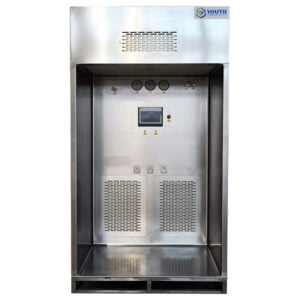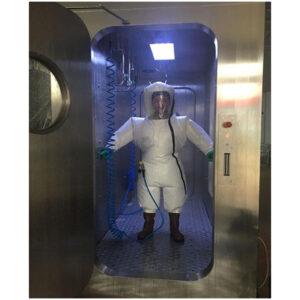
La selección del mecanismo de sellado Bag-In/Bag-Out (BIBO) adecuado es una decisión de ingeniería fundamental con consecuencias operativas permanentes. La elección entre sellos de gel o de fluido determina la seguridad del sistema, los protocolos de mantenimiento y el compromiso financiero a largo plazo. Un malentendido de esta distinción fundamental puede poner en peligro la contención, provocar fallos de validación inesperados e inflar los costes del ciclo de vida.
Esta comparación técnica es fundamental ahora que se intensifica el escrutinio normativo y se amplía la producción de productos farmacéuticos de alta potencia y materiales avanzados. El panorama de 2025 exige sistemas que no sólo cumplan las normas actuales, como ASME N510, sino que también estén preparados para la integración digital y los mandatos de sostenibilidad. Una selección estratégica de juntas repercute directamente en la resistencia operativa y la conservación del capital.
Sello de gel frente a sello de fluido: Definición de los mecanismos básicos
La división arquitectónica
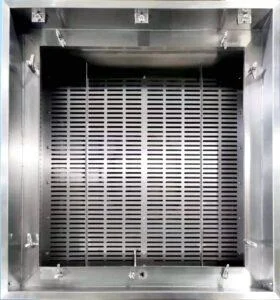
La elección fundamental está entre las arquitecturas de sellado basadas en la compresión y las basadas en la penetración. Una junta de gel utiliza una junta semisólida de poliuretano o silicona comprimida contra una cara plana de la carcasa mediante una abrazadera mecánica. Se basa en la deformación viscoelástica para rellenar las imperfecciones microscópicas. Por el contrario, una junta de fluido emplea una brida con filo de cuchilla que penetra en un compuesto de sellado viscoso dentro de un canal en el marco del filtro, creando un tope preciso de metal contra metal. Esta diferencia fundamental dicta permanentemente el diseño del sistema, la compatibilidad del filtro y los protocolos de seguridad.
Implicaciones operativas
La diferencia mecánica fundamental establece el contexto operativo de todas las comparaciones. La junta de gel requiere una fuerza de apriete mayor y distribuida uniformemente para lograr un cierre hermético. La junta de fluido logra su sellado con una menor aportación mecánica debido a la acción penetrante del filo de la cuchilla. Esta distinción influye en todos los aspectos, desde el diseño de la carcasa y los mecanismos de cierre hasta el par de apriete necesario durante la instalación del filtro. Los expertos del sector señalan que esta decisión arquitectónica inicial suele ser irreversible, ya que bloquea una instalación en una ruta específica para la adquisición de filtros y los flujos de trabajo de mantenimiento durante toda la vida útil del sistema.
Contexto estratégico
De nuestro análisis de las especificaciones de las carcasas se desprende que el mecanismo de sellado no es un componente aislado, sino el eje de toda la estrategia de contención. El rendimiento del sello de gel está intrínsecamente ligado a la integridad de la junta y al perfecto estado de la superficie. La fiabilidad de la junta de fluido está integrada en el tope mecánico positivo del filo de la cuchilla. Este contexto estratégico significa que la selección de un tipo de sello es, de hecho, la selección de una filosofía de gestión de riesgos para su proceso de contención.
Comparación de costes: Coste de capital, operativo y total de propiedad
Análisis de los gastos iniciales de capital (CAPEX)
La adquisición inicial suele favorecer a los sistemas de sellado de gel. Se benefician de una mayor disponibilidad de filtros de múltiples proveedores y suelen utilizar componentes de carcasa menos especializados. Esto puede suponer un precio más bajo y una mayor flexibilidad. Sin embargo, centrarse exclusivamente en los gastos de capital es un error estratégico habitual. Ignora las implicaciones financieras a largo plazo de la fiabilidad operativa, la frecuencia de validación y el abastecimiento de consumibles.
La realidad del coste total de propiedad (TCO)
Un análisis exhaustivo del coste total de propiedad debe incorporar los gastos recurrentes de cumplimiento. Pruebas obligatorias por ASME N510 y IEST-RP-CC0034 es un importante centro de costes recurrentes. Una tecnología de sellado con una mayor fiabilidad inherente puede reducir sustancialmente estos costes de validación del ciclo de vida al reducir la probabilidad de fallos en las pruebas que requieran repeticiones y tiempos de inactividad. Además, la tecnología de sellado de fluidos a veces puede crear dependencia del proveedor, lo que repercute en los costes de adquisición de filtros a largo plazo y en la seguridad de la cadena de suministro. La adquisición estratégica debe evaluar los costes de los consumibles, la mano de obra de validación y las posibles interrupciones operativas.
| Componente de coste | Sistema Gel Seal | Sistema de sellado de fluidos |
|---|---|---|
| Gastos de capital (CAPEX) | Menor coste inicial | Mayor coste inicial |
| Coste de adquisición del filtro | Mayor disponibilidad, menor coste | Posible dependencia del proveedor |
| Costes de validación recurrentes | Mayor riesgo de fracaso | Menores costes de validación del ciclo de vida |
| Riesgo de inactividad operativa | Superior (dependiente del sello) | Inferior (fiabilidad del enclavamiento) |
| Coste total de propiedad (TCO) | Mayores costes operativos a largo plazo | Menores costes de cumplimiento a largo plazo |
Fuente: Documentación técnica y especificaciones industriales.
Un marco financiero a largo plazo
El marco de decisión debe pasar del precio de compra al coste por operación fiable. Las instalaciones deben modelar escenarios que incluyan la frecuencia de cambio de filtros, la intensidad de mano de obra de las comprobaciones previas a la validación y el impacto financiero de una brecha de contención no planificada. Según nuestra experiencia, el ahorro operativo derivado de un cierre más fiable suele justificar una inversión inicial más elevada en un horizonte de 3 a 5 años, especialmente en entornos regulados.
Rendimiento comparado: Integridad de fugas, presión y pulsaciones
Base de la estanqueidad
Ambos sistemas están diseñados para no tener fugas, pero sus caminos hacia la integridad difieren fundamentalmente. Las juntas de gel dependen de la compresión constante de la junta y del contacto perfecto con la superficie. Las juntas de fluido dependen de la penetración del filo de la cuchilla en el canal de estanquidad y de su tope positivo metal-metal. Este enfoque de ingeniería se ha diseñado explícitamente para ofrecer la máxima fiabilidad en la prevención de derivaciones, un requisito innegociable para los materiales ultra peligrosos. La diferencia se hace más evidente en condiciones variables o subóptimas.
Resistencia al estrés operativo
El rendimiento en condiciones de alta presión estática o flujo de aire pulsante es un factor diferenciador crítico. En condiciones dinámicas, los sellos de compresión pueden experimentar fluencia o relajación de la junta, lo que puede comprometer el sello. El diseño del sello de fluido, con su tope mecánico, proporciona un rendimiento constante independientemente de pequeñas fluctuaciones en la fuerza de sujeción o en la presión del sistema. Esto lo hace excepcionalmente adecuado para aplicaciones con pulsaciones inducidas por ventiladores o volúmenes de escape variables.
| Métrica de rendimiento | Sello de gel | Junta de fluido |
|---|---|---|
| Base de integridad de las fugas | Compresión y deformación de la junta | Penetración y tope metal-metal |
| Alta presión estática | Potencial de fluencia de la junta | Rendimiento constante |
| Flujo de aire pulsante | Depende de la fuerza de sujeción | Excelente en condiciones dinámicas |
| Prevención de fallos | Estado crítico de la junta | Diseñado para ofrecer la máxima fiabilidad |
| Riesgo de bypass | Contención estándar | Desvío minimizado explícitamente |
Fuente: IEST-RP-CC0034. Esta norma para ensayos en salas blancas es fundamental para certificar la integridad de las fugas y el rendimiento de los sistemas de sellado de filtros HEPA/ULPA en condiciones operativas.
La referencia para el servicio crítico
Para aplicaciones en las que el fallo no es una opción, la garantía basada en la penetración de un sello de fluido representa el punto de referencia de rendimiento. Los avances en medios filtrantes de baja resistencia benefician indirectamente a ambos tipos de juntas al reducir la tensión en la interfaz del bastidor. Sin embargo, cuando se especifica para una contención crítica, la acción de sellado determinista del sello de fluido ofrece un mayor nivel de confianza, especialmente a medida que los sistemas envejecen y los componentes experimentan un desgaste normal.
¿Qué junta es mejor para aplicaciones de alto riesgo o corrosivas?
La prioridad de la contención absoluta
Para las aplicaciones de alto riesgo que implican compuestos potentes, materiales radiactivos o gases tóxicos, la prioridad se desplaza inequívocamente hacia la garantía de contención absoluta. El consenso del mercado alinea firmemente la tecnología de sellado de fluidos con sectores de máxima peligrosidad como el farmacéutico, el biotecnológico y el nuclear. Esta preferencia se debe a la fiabilidad del diseño de la junta y a su integración con enclavamientos de seguridad incorporados que impiden físicamente el cierre de la puerta de la carcasa si el filtro no se cierra correctamente, un mecanismo de seguridad crítico.
Compatibilidad de materiales e interfaces controladas
La construcción en acero inoxidable (normalmente calibre 12-14 serie 300) es estándar para ambos sistemas en servicio corrosivo. La principal ventaja de la junta para fluidos en estos entornos reside en su interfaz de estanquidad controlada. El filo de la cuchilla penetra en un canal contenido de compuesto de estanquidad, minimizando la exposición de la cara de la junta a la corriente del proceso y reduciendo el riesgo de contaminación o degradación durante los cambios. Este diseño ofrece un sellado más verificable y protegido para tareas críticas.
| Peligro de aplicación | Sello recomendado | Fundamentos |
|---|---|---|
| Compuestos potentes (farmacia/biotecnología) | Junta de fluido | Garantía absoluta de contención |
| Materiales radiactivos (nucleares) | Junta de fluido | Fiabilidad de ingeniería y enclavamientos |
| Corrientes de escape corrosivas | Junta de fluido* | Interfaz de sellado controlada |
| Materiales diversos de bajo riesgo | Sello de gel | Flexibilidad y facilidad de abastecimiento |
*Con la especificación de material correcta (por ejemplo, acero inoxidable de la serie 300)
Fuente: ASME N510-2007. Esta norma para el ensayo de sistemas de tratamiento de aire nuclear establece los rigurosos requisitos de rendimiento e integridad que la tecnología de sellado de fluidos está diseñada para cumplir en aplicaciones de máximo riesgo.
Lógica de decisión para entornos peligrosos
La lógica de selección es clara: cuando las consecuencias de una fuga implican un riesgo significativo para la seguridad, el medio ambiente o la economía, la estanquidad determinista superior y las características de seguridad integradas de la junta para fluidos se convierten en la elección justificada. Transforma la función de sellado de una junta pasiva en un componente de contención activo y verificable.
Comparación de los procedimientos de mantenimiento, validación y modificación
Protocolos de mantenimiento divergentes
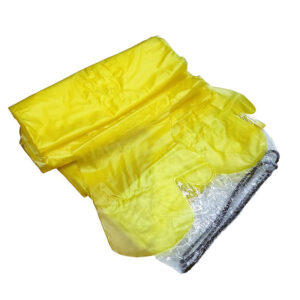
Los flujos de trabajo de mantenimiento difieren significativamente en función del tipo de junta. Los cambios de juntas de gel exigen una limpieza meticulosa de la superficie plana de sellado de la carcasa; cualquier partícula residual puede crear una vía de fuga para la nueva junta. Los procedimientos de sellado de fluidos se centran en inspeccionar el filo de la cuchilla en busca de daños y en garantizar que el compuesto del canal esté completamente lleno y no esté contaminado. Ambos procedimientos exigen el cumplimiento estricto del protocolo de seguridad completo de BIBO (uso de bolsas de PVC, barras de recuperación y secuencias definidas) para proteger al personal.
El papel central de la validación
La validación posterior al mantenimiento no es opcional; es una rutina crítica y estandarizada exigida por normas como IEST-RP-CC0034. La frecuencia y el potencial de fracaso de esta validación son importantes factores de coste. Un sistema con una mayor fiabilidad de sellado inherente reduce directamente el riesgo de que se produzca un fallo en la prueba de validación, que puede desencadenar costosas acciones de investigación y correctivas. La tendencia es hacia procedimientos más formalizados y auditables después de cada cambio de filtro.
| Procedimiento | Sistema Gel Seal | Sistema de sellado de fluidos |
|---|---|---|
| Enfoque previo al cambio | Limpieza meticulosa de las superficies | Inspección de bordes y canales |
| Verificación de seguridad integrada | Controles manuales necesarios | El enclavamiento impide el cierre indebido |
| Validación posterior a la modificación | Rutina estandarizada crítica | Rutina estandarizada crítica |
| Futura tendencia procesal | Documentación manual | Escalón incorporado para registros digitales |
| Sello Cualificación Futuro | Proceso de auditoría manual | Admite protocolos formalizados |
Fuente: IEST-RP-CC0034. Esta práctica recomendada define los protocolos de ensayo y certificación que validan la integridad de la junta tras los procedimientos de mantenimiento, un factor esencial de coste y seguridad.
Habilitar el rigor procesal
Los sistemas de sellado de fluidos, con sus mecanismos de enclavamiento, proporcionan un paso de verificación tangible e integrado. La carcasa no puede cerrarse a menos que el filtro esté correctamente enclavado, lo que obliga al cumplimiento del procedimiento. Este enclavamiento físico apoya el avance del sector hacia los registros de mantenimiento digitalizados y la supervisión predictiva, lo que hace que el propio evento de mantenimiento sea más sólido y defendible durante las auditorías.
Criterios clave de selección: Un marco de decisión para 2025
Realizar una evaluación formal de riesgos
El primer paso, y el más crítico, es una evaluación formal del riesgo del peligro contenido. Defina el nivel de riesgo biológico, químico o radiológico. Para los ingredientes farmacéuticos activos de alta potencia (HPAPI) o los agentes biológicos de categoría 3/4, la garantía de contención de un precinto de fluido no suele ser negociable. Para los polvos de menor riesgo o los gases de escape en general, un precinto de gel puede ofrecer una protección suficiente con una mayor flexibilidad de abastecimiento.
Evaluar los parámetros operativos y financieros
A continuación, analice el entorno operativo: evalúe los rangos de presión estática, el potencial de pulsaciones y la corrosividad de la corriente de escape. A continuación, realice un riguroso análisis del coste total de propiedad a 10 años. No sólo hay que tener en cuenta los costes de los filtros, sino también la mano de obra necesaria para la validación, el coste del riesgo de inactividad y la seguridad de la cadena de suministro de consumibles. Una instalación con procesos diversos y de menor riesgo podría dar prioridad a la flexibilidad del sello de gel, mientras que una instalación dedicada a HPAPI justificaría la inversión en sello de fluido.
| Factor de decisión | Cuestión prioritaria | Influye en la elección hacia |
|---|---|---|
| Nivel de riesgo | ¿Se requiere una evaluación formal del riesgo? | Alto riesgo: Sello de fluido |
| Entorno operativo | ¿Presión alta o pulsaciones? | Dinámica: Sello de fluido |
| Análisis del coste total de propiedad a largo plazo | ¿Filtrar la seguridad de la cadena de suministro, clave? | Aprovisionamiento estratégico: Gel Seal |
| Capacidad de mantenimiento | ¿Necesita garantías de procedimiento? | Alta seguridad: Sello de fluido |
| Especificidad de la aplicación | ¿Producción continua de alta potencia? | Farmacia/Biotecnología: Fluid Seal |
Fuente: Documentación técnica y especificaciones industriales.
Alineación con la capacidad operativa
Por último, adapte la tecnología elegida a la capacidad de mantenimiento interna. ¿Necesita su equipo las garantías de procedimiento y los enclavamientos infalibles de un sistema de sellado de fluidos? ¿O su operación se beneficia más de la familiaridad generalizada y las opciones de proveedor de las juntas de gel? La respuesta crea un marco de decisión que equilibra la seguridad, el rendimiento y la realidad operativa.
Proteja su inversión de cara al futuro: Normas y viabilidad a largo plazo
Más allá del cumplimiento actual
La preparación para el futuro va más allá de las necesidades actuales. ASME N510 y las normas IEST. Implica anticiparse a la evolución normativa y tecnológica. La próxima frontera es la integración digital. La selección de sistemas preparados para sensores IoT -para supervisar el estado de las abrazaderas, la presión diferencial a través de la junta o la integridad de la carcasa- permitirá un mantenimiento predictivo y registros de validación digitales inmutables. Esta trazabilidad de los datos se está convirtiendo en una exigencia normativa.
El imperativo de la sostenibilidad
Las presiones medioambientales pondrán en entredicho el modelo de bolsas de PVC desechables inherente a las operaciones de BIBO. Los proveedores con visión de futuro ya están investigando alternativas a las bolsas descontaminables o compuestos de sellado biodegradables. Un movimiento estratégico consiste en colaborar con fabricantes que tengan una I+D activa en soluciones más ecológicas. El propio compuesto de sellado puede evolucionar hacia fórmulas más neutras para el medio ambiente sin comprometer el rendimiento.
Invertir en una hoja de ruta
En última instancia, la viabilidad a largo plazo depende de la elección de una tecnología de sellado respaldada por un fabricante con una hoja de ruta de innovación clara. Esto incluye la preparación digital, las iniciativas de sostenibilidad y el perfeccionamiento continuo del diseño para cumplir las normas emergentes. Su mecanismo de sellado es un compromiso a largo plazo; el compromiso del proveedor con su evolución es igualmente importante.
La decisión fundamental gira en torno a su perfil de peligrosidad y tolerancia operativa al riesgo. Para aplicaciones de alto riesgo, la fiabilidad técnica de una junta de fluido es la elección definitiva. Para entornos de menor riesgo y sensibles a los costes, las juntas de gel ofrecen un rendimiento probado. Dé prioridad a una evaluación formal del riesgo y a un modelo de coste total de propiedad a 10 años sobre el precio inicial.
¿Necesita asesoramiento profesional para especificar el sistema de contención adecuado a los riesgos y objetivos operativos específicos de sus instalaciones? El equipo de ingeniería de YOUTH ofrece asesoramiento técnico basado en las normas más recientes y en datos de rendimiento reales de ambas tecnologías de estanquidad. Revise las especificaciones detalladas y las consideraciones de diseño para carcasas de contención avanzadas BIBO.
Para un debate técnico directo, también puede Póngase en contacto con nosotros.
Preguntas frecuentes
P: ¿Cómo se calcula el verdadero coste total de propiedad de un sistema de sellado BIBO?
R: Un análisis completo del coste total de propiedad debe ir más allá del precio de compra inicial e incluir los costes de validación recurrentes, los consumibles de los filtros y el tiempo de inactividad operativo. Pruebas obligatorias en servicio según normas como ASME N510 y IEST-RP-CC0034 es un importante factor de coste, por lo que una junta con mayor fiabilidad inherente puede reducir estos gastos del ciclo de vida. Esto significa que las instalaciones deben modelar la adquisición de filtros a largo plazo y la mano de obra de validación para evitar subestimar el presupuesto operativo de un sistema aparentemente de menor coste.
P: ¿Qué mecanismo de estanquidad ofrece un rendimiento superior en condiciones de alta presión estática o flujo de aire pulsante?
R: Una junta de fluido basada en la penetración (filo de cuchilla) suele ofrecer un rendimiento más constante en entornos de presión dinámica. Su tope mecánico positivo resiste mejor el desvío que un sello de gel basado en la compresión, que puede experimentar la fluencia de la junta bajo una fuerza de sujeción variable o una presión sostenida. Para proyectos en los que la pulsación del sistema o una presión estática elevada sean factores de diseño, prevea especificar una arquitectura de sellado de fluidos para garantizar la integridad de las fugas a largo plazo.
P: ¿Cuáles son las principales diferencias de mantenimiento entre los sistemas de junta de gel y de fluido durante un cambio de filtro?
R: Los procedimientos de sellado de gel exigen una limpieza meticulosa de la cara plana de la carcasa para evitar que las partículas comprometan el sellado de la nueva junta. El mantenimiento de las juntas de fluido se centra en inspeccionar la limpieza de la brida de filo de cuchilla y el estado del compuesto viscoso en su canal. Esto significa que las instalaciones con alto riesgo de contaminación o estrictos controles de procedimiento pueden encontrar que la interfaz contenida y verificable de una junta de fluido simplifica y estandariza el crítico proceso de cambio.
P: ¿Cómo debemos seleccionar una junta para manipular materiales ultra peligrosos o corrosivos?
R: Para la máxima contención de riesgos, el consenso de la industria favorece la tecnología de sellado de fluidos (filo de cuchilla) debido a su fiabilidad y a los enclavamientos de seguridad incorporados. Su diseño minimiza la contaminación de la cara del cierre durante los cambios, una ventaja crítica para los compuestos potentes. Si su operación requiere la manipulación de flujos de escape radioactivos, farmacéuticos de alta potencia o corrosivos, debe dar prioridad a la garantía de contención superior de un sistema de sellado de fluidos.
P: ¿Qué normas rigen las pruebas y la validación de estos sistemas de contención?
R: La integridad del sistema BIBO se ha validado en función de parámetros de rendimiento de normas como ASME N510 para el tratamiento del aire nuclear y IEST-RP-CC0034 para aplicaciones en salas blancas. Estos protocolos comprueban el funcionamiento sin fugas en condiciones definidas. Esto significa que su plan de validación y su programa de pruebas periódicas deben ajustarse explícitamente a la norma correspondiente a su sector y nivel de riesgo.
P: ¿Qué factores de futuro debemos tener en cuenta para una instalación de BIBO en 2025?
R: Más allá de los estándares actuales, evalúe la preparación de un sistema para la integración digital, como sensores IoT para el estado de las pinzas o la presión diferencial, para permitir el mantenimiento predictivo y la trazabilidad de los datos. Además, tenga en cuenta la hoja de ruta del proveedor para innovaciones sostenibles, como alternativas a las bolsas de PVC desechables. Esto significa que seleccionar un proveedor con un desarrollo activo en soluciones digitales y ecológicas protegerá mejor su inversión frente a la evolución de las expectativas normativas y operativas.
P: ¿Qué relación existe entre las pruebas de rendimiento de los medios filtrantes y la selección de juntas?
R: Existen mecanismos de sellado que garantizan que no pase aire a través del medio filtrante sometido a prueba. Normas como ISO 29463-3:2011 y EN 1822-3:2009 definen las pruebas de rendimiento de ese medio. Esta relación fundamental significa que la junta elegida debe mantener de forma fiable la integridad del límite de rendimiento probado del medio en todas las condiciones de funcionamiento.
Contenidos relacionados:
- La batalla de las juntas: El fluido frente a la junta en las carcasas BIBO
- Instalación de la caja de alojamiento HEPA sellada con gel: Prevención de fugas
- Sistemas Bag-In/Bag-Out (BIBO): Guía de funcionamiento y mantenimiento
- Juntas inflables: Innovación en aislantes de esterilidad
- Sellado de puertas de cámaras VHP: Las 5 tecnologías principales
- Filtros de aire que cumplen las GMP | Requisitos de la FDA Validación de salas blancas
- Puertas APR de cierre neumático y puertas APR de cierre mecánico
- Guía completa de carcasas de filtros Bag In Bag Out (BIBO) para instalaciones farmacéuticas y de bioseguridad: Edición técnica 2025
- Carcasa de filtro BIBO | Principios de diseño y componentes