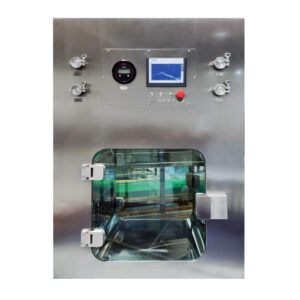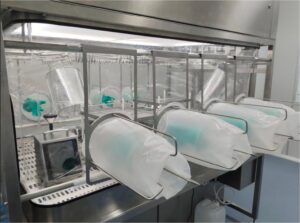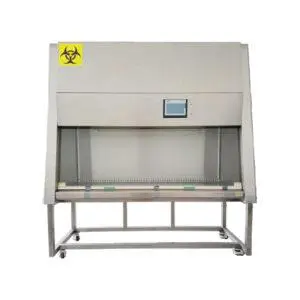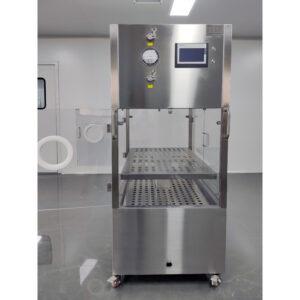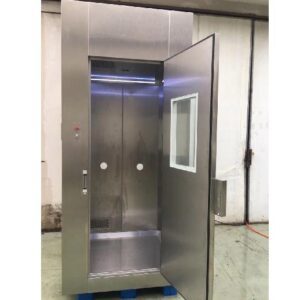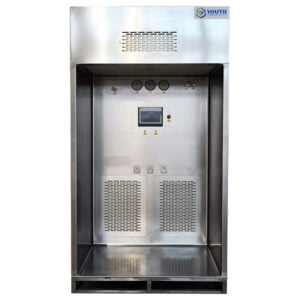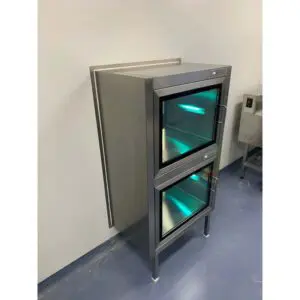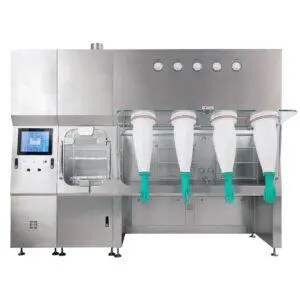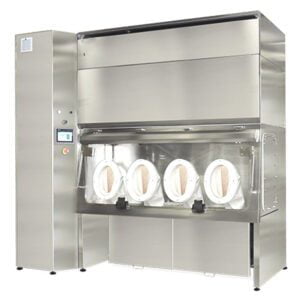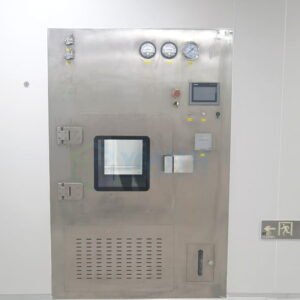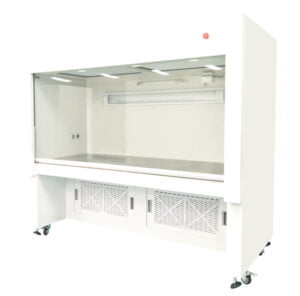
En entornos controlados, una sola brecha puede comprometer meses de producción. La caja de paso es una barrera crítica, y su sistema de enclavamiento es la salvaguarda definitiva contra la contaminación cruzada. Los profesionales a menudo confunden su simplicidad mecánica con una capacidad limitada, pasando por alto la ingeniería estratégica que la convierte en una piedra angular a prueba de fallos para los flujos de trabajo farmacéuticos, biotecnológicos y microelectrónicos.
Comprender los componentes y la lógica de seguridad de los enclavamientos mecánicos no es negociable para especificar, validar y mantener estos sistemas. Este análisis va más allá de la función básica para examinar los cinco componentes clave, sus compensaciones operativas y las disciplinas de mantenimiento necesarias para la integridad a largo plazo en aplicaciones de alto riesgo.
El principio básico del enclavamiento mecánico en las cajas de paso
Definición de la barrera física
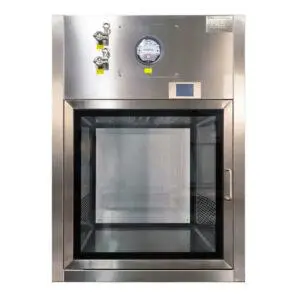
Un enclavamiento mecánico es un sistema puramente físico de componentes enlazados. Su única función es imponer una secuencia estricta: una puerta debe estar completamente cerrada y asegurada antes de poder abrir la puerta opuesta. Esta acción crea una esclusa controlada, bloqueando físicamente el flujo de aire directo y el intercambio de partículas entre zonas contiguas de diferentes clasificaciones de limpieza o niveles de contención.
La ventaja estratégica del funcionamiento a potencia cero
La principal ventaja de este diseño es su autonomía operativa. No necesita electricidad, sensores ni software. Esto garantiza un funcionamiento ininterrumpido durante los cortes de electricidad, lo que lo convierte en una opción fundamentalmente fiable para preservar los diferenciales de presión de las salas blancas. Según las especificaciones de la industria, este funcionamiento sin consumo es la razón principal por la que las instalaciones dan prioridad a los sistemas mecánicos para las transferencias de misión crítica en las que la fiabilidad de la energía es una preocupación.
Aplicación del protocolo mediante el diseño
El enclavamiento transforma la caja de paso de una simple abertura en una barrera de contención certificada. Codifica la seguridad de los procedimientos en el hardware, eliminando la dependencia de la memoria o la disciplina del operario. Esta aplicación de ingeniería es vital para mantener los estrictos protocolos de higiene y seguridad, garantizando que la transferencia de material no se convierta en el eslabón más débil de la cadena de control de la contaminación.
Componente clave 1: Conjunto del mecanismo de enclavamiento
El núcleo de ingeniería
Este conjunto es el cerebro físico del sistema y suele constar de varillas internas, engranajes o un sistema de levas giratorias directamente vinculado a las manillas de las puertas. Cuando un operario gira una manilla, esta conexión acciona un sólido perno o barra metálica para bloquear físicamente el pestillo o cerradero de la puerta opuesta. El movimiento es directo e inequívoco.
A prueba de fallos por diseño
Estos mecanismos están diseñados con características de sobrecentrado o bloqueo positivo. Esto significa que la cerradura encaja en una posición en la que la fuerza contra la puerta bloqueada sólo la asegura aún más. No se puede forzar su apertura sin provocar un fallo deliberado y detectable de los componentes. Esta característica inherente barrera de contaminación a prueba de fallos y sin energía es la principal propuesta de valor del mecanismo, ya que elimina los puntos de fallo electrónico de la ecuación de seguridad.
Una opción estratégica contra la automatización
Optar por este núcleo mecánico representa una clara filosofía de la instalación. Da prioridad a la autonomía operativa, la simplicidad y un menor mantenimiento durante la vida útil por encima de las capacidades de integración de datos. Según mi experiencia, las instalaciones eligen este camino no porque carezcan de sofisticación técnica, sino porque valoran más la seguridad física predecible e inspeccionable que la complejidad de los sistemas programables.
Componente clave 2: puertas, juntas e integridad de las fugas
Cimentación estructural y facilidad de limpieza
Las puertas constituyen la cara estructural de la contención. Construidas en acero inoxidable 304 ó 316, ofrecen la rigidez necesaria para ciclos repetidos y resistencia a agentes de limpieza agresivos. La elección entre acero con recubrimiento de polvo y acero inoxidable 316L es una decisión de coste total de propiedad; las industrias con desinfección frecuente deben invertir en materiales de mayor calidad para evitar la degradación y mantener una superficie limpiable.
El sello crítico
La junta continua, normalmente de silicona o EPDM, es donde se consigue la contención. Se comprime al cerrarse la puerta para formar un sello hermético en todo el perímetro. La calidad y durabilidad de esta junta determinan directamente la capacidad de la caja de paso para mantener diferenciales de presión y evitar fugas.
Cuantificación del rendimiento de la contención
La integridad debe poder medirse, no suponerse. El rendimiento del sistema de cierre de puertas se valida mediante un índice de fugas certificado, una métrica cuantificable para la gestión de riesgos. De este modo, la contención pasa de ser una afirmación de diseño a una especificación verificable esencial para el cumplimiento de la normativa en materia de bioseguridad o fabricación estéril.
La siguiente tabla resume las especificaciones clave que definen este sistema de barrera crítico.
| Componente | Especificación clave | Métrica de rendimiento |
|---|---|---|
| Material de la puerta | Acero inoxidable 304 / 316 | Integridad estructural, facilidad de limpieza |
| Material de la junta | Junta de silicona / EPDM | Cierre hermético al cerrar |
| Integridad de las fugas | Norma de rendimiento certificada | <1 m³/h a 30 Pa |
Fuente: [JG/T 382-2012: Caja de paso para sala blanca](). Esta norma industrial china define los requisitos técnicos y los métodos de ensayo de las cajas de paso, regulando directamente las métricas de rendimiento para la integridad de las fugas y las especificaciones de los materiales para garantizar la contención.
Componente clave 3: asas, pestillos y respuesta del operador
La interfaz hombre-máquina
La manilla exterior es el único punto de contacto del usuario con el sistema de enclavamiento. Su diseño debe comunicar el estado y guiar el funcionamiento correcto de forma intuitiva. Girar la manilla cumple una doble función mecánica: retrae el pestillo de la propia puerta y, al mismo tiempo, activa el enclavamiento para asegurar la puerta opuesta.
Comunicación táctil y visual
Esta conexión directa proporciona una respuesta inmediata e inequívoca. Los operadores sienten la resistencia del mecanismo y a menudo ven un indicador de estado coloreado (por ejemplo, blanco para desbloqueado, rojo para bloqueado) integrado en el conjunto de la manilla. Esta clara comunicación es una característica de seguridad en sí misma, ya que evita confusiones e intentos de accionamiento forzado.
Garantizar la compresión de la junta
La última acción de la manilla es accionar un pestillo de compresión de alta resistencia. Esto tira de la puerta firmemente contra su junta, completando el bucle de integridad. Un pestillo bien ajustado garantiza una compresión constante de la junta en cada ciclo, lo que es fundamental para mantener el índice de fugas certificado durante miles de operaciones.
Cómo los enclavamientos mecánicos refuerzan la seguridad y evitan la contaminación
Funcionamiento secuencial como control primario
La secuencia de puerta forzada es el principal mecanismo de seguridad. Crea una barrera física contra la contaminación cruzada, manteniendo la separación ambiental durante la transferencia. Esta función es fundamental tanto si se utiliza una caja de paso estática básica como un modelo dinámico con filtración HEPA interna. La elección estratégica entre los tipos Estático y Dinámico dicta tanto el gasto de capital como el coste operativo continuo.
Respuesta a prueba de fallos ante un uso inadecuado
El sistema está diseñado para pasar por defecto a un estado seguro. Los intentos de forzar una puerta bloqueada suelen hacer que ambas puertas permanezcan aseguradas, preservando la contención. Esta respuesta a prueba de fallos es un principio básico de su filosofía de diseño, que garantiza que un error del operador o un intento de atajo no comprometa el entorno controlado.
Alinear el tipo de sistema con el riesgo de aplicación
Utilizar una caja de paso Dinámica entre zonas de igual limpieza es un gasto operativo innecesario. Por el contrario, una especificación insuficiente con una caja estática entre zonas de diferente clasificación crea un riesgo de contaminación inaceptable. La función del enclavamiento es coherente, pero su contexto -definido por el tipo de caja- debe ajustarse a la estrategia específica de control de la contaminación.
Enclavamientos mecánicos frente a electrónicos: Principales diferencias y compensaciones
Filosofías operativas básicas
La elección entre sistemas mecánicos y electrónicos señala la estrategia más amplia de automatización y datos de las instalaciones. Los enclavamientos mecánicos responden a una filosofía de autonomía operativa y simplicidad. Los enclavamientos electrónicos apoyan el cumplimiento basado en datos, permitiendo la integración con temporizadores, ciclos de descontaminación UV o sistemas de gestión de edificios (BMS) para el registro de accesos.
Compromisos funcionales y estratégicos
Los sistemas mecánicos ofrecen menor coste, fiabilidad inherente sin alimentación y mantenimiento mínimo. Los sistemas electrónicos ofrecen programabilidad y la posibilidad de convertir las cajas de paso en “nodos de contención ”inteligentes dentro de una instalación en red. Sin embargo, esto añade complejidad, un mayor coste e introduce consideraciones de ciberseguridad que deben alinearse con la madurez digital de la organización.
La matriz de decisión que figura a continuación aclara las diferencias fundamentales entre estas dos vías.
| Característica | Enclavamiento mecánico | Enclavamiento electrónico |
|---|---|---|
| Requisitos de potencia | Funcionamiento sin consumo | Requiere energía eléctrica |
| Ventajas fundamentales | Fiabilidad inherente, a prueba de fallos | Programabilidad, integración de datos |
| Capacidad de integración | Ninguno (autónomo) | BMS, temporizadores, ciclos UV |
| Información operativa | Táctil, visual (asa de color) | Estado digital, registro de acceso |
| Alineación estratégica | Autonomía operativa | Cumplimiento basado en datos, nodos “inteligentes |
Fuente: Documentación técnica y especificaciones industriales.
Evolución hacia el control integrado
La tendencia hacia los sistemas electrónicos refleja una creciente necesidad de registros de auditoría y validación de procesos. Sin embargo, para muchas aplicaciones, la seguridad elegante y predecible de un enclavamiento mecánico sigue siendo la solución óptima. La clave está en evitar seleccionar un sistema basándose únicamente en las tendencias tecnológicas y, en su lugar, basar la decisión en una clara evaluación de riesgos y un análisis del flujo de trabajo operativo.
Mantenimiento crítico y validación para la fiabilidad a largo plazo
Mantenimiento de la integridad mecánica
Aunque robustos, los sistemas mecánicos requieren un mantenimiento preventivo disciplinado. La alineación de las bisagras, el ajuste de los cierres y el desgaste de los componentes deben comprobarse periódicamente. Si se descuidan, aumentará la fuerza necesaria para su funcionamiento, se producirá una posible desalineación de las juntas y, finalmente, un fallo. Un funcionamiento suave y uniforme no es una comodidad, sino un indicador de la salud del sistema.
La disciplina del mantenimiento de filtros y UV
Para las cajas de paso dinámicas, el mantenimiento se convierte en una disciplina operativa de varios niveles. El mantenimiento de los filtros es fundamental e implica la sustitución de los prefiltros (por ejemplo, G4) y la supervisión de la carga del filtro HEPA mediante manómetros de presión diferencial. Del mismo modo, las lámparas UV-C integradas para la descontaminación tienen un calendario de mantenimiento fijo y no negociable basándose en su vida útil de ~4.000 horas. Un programa documentado es esencial para evitar una falsa sensación de garantía de esterilidad.
Validación periódica del rendimiento
Las comprobaciones funcionales no son suficientes. En las aplicaciones críticas es necesario revalidar periódicamente la integridad de estanqueidad de toda la unidad. Así se garantiza que la puerta, la junta y el enclavamiento sigan cumpliendo la especificación de rendimiento original, como la norma <1 m³/h a 30 Pa.
Un programa de mantenimiento estructurado no es negociable para un rendimiento sostenido.
| Componente | Acción de mantenimiento | Frecuencia |
|---|---|---|
| Prefiltros (por ejemplo, G4) | Sustitución | Cada 6 meses |
| Carga del filtro HEPA | Controlar la presión diferencial | Cada 6-12 meses |
| Lámparas UV (descontaminación) | Sustitución | ~4.000 horas de vida útil |
| Alineación y desgaste de bisagras | Comprobar y ajustar | Horario regular |
| Integridad de las fugas | Validación completa del sistema | Periódicamente, para aplicaciones críticas |
Fuente: ISO 14644-7: Parte 7: Dispositivos separadores.. Esta norma internacional especifica los requisitos de diseño y rendimiento de los dispositivos separadores, proporcionando el marco para establecer y validar programas de mantenimiento que garanticen el control de la contaminación a largo plazo y la seguridad operativa.
Selección del enclavamiento de caja de paso adecuado para su aplicación
Empezar con una evaluación rigurosa de los riesgos
La selección comienza con el análisis del proceso, no con la consulta del catálogo de productos. Defina la clasificación de limpieza de las zonas conectadas, la naturaleza de los materiales que se transfieren y el nivel de contención necesario. Este análisis dicta la elección fundamental entre una caja de paso estática o dinámica. La demanda de la personalización revela las cajas de paso como interfaces arquitectónicas, La integración de los procesos en los muros y los flujos de trabajo requiere una colaboración temprana entre proveedores, arquitectos e ingenieros de procesos.
Evaluación de las capacidades y la filosofía del sistema
Adapte el tipo de enclavamiento a las necesidades operativas y de cumplimiento. Si se requiere el registro de datos y la integración con sistemas de toda la instalación, es necesario un enclavamiento electrónico. Si la prioridad es la seguridad inquebrantable e independiente de la energía en una operación localizada, el mecánico es superior. La durabilidad del material, que depende de los protocolos de limpieza, también debe especificarse de antemano, ya que a menudo es imposible adaptarlo.
Navegar por la cadena de suministro
En mercado de abastecimiento fragmentado a escala mundial presenta tanto oportunidades de coste como riesgos de calidad. Es crucial contar con un sólido protocolo de cualificación de proveedores. Concéntrese en datos verificables de pruebas de rendimiento, certificaciones de materiales y conformidad del diseño con normas pertinentes como [JG/T 382-2012] o ISO 14644-7. La unidad de menor coste suele conllevar riesgos ocultos en la validación del rendimiento y la asistencia a largo plazo.
Utilice un marco estructurado para guiar el proceso de especificación.
| Factor de selección | Consideraciones clave | Implicación / Tipo |
|---|---|---|
| Clasificación de la limpieza | Diferencia de clases en las zonas conectadas | Dicta Estática vs. Dinámica |
| Requisitos de contención | Índice de fugas medible | <1 m³/h a 30 Pa estándar |
| Filosofía operativa | Necesidad de integrar los datos | Mecánica (autonomía) frente a electrónica (datos) |
| Durabilidad del material | Regímenes de limpieza agresivos | Acero inoxidable 316L |
| Estrategia de la cadena de suministro | Mercado global y fragmentado | Se requiere una sólida cualificación de los proveedores |
Fuente: [JG/T 382-2012: Caja de paso para sala blanca](). Esta norma proporciona la clasificación básica y los requisitos técnicos, como los índices de fuga, que son fundamentales para realizar una selección informada basada en las necesidades específicas de limpieza y contención de una aplicación.
La eficacia de un sistema de caja de paso depende de tres decisiones alineadas: adecuar el tipo de enclavamiento a la filosofía de automatización de sus instalaciones, especificar materiales que resistan su régimen de limpieza e instituir un protocolo de mantenimiento disciplinado desde el primer día. Descuidar cualquiera de estos puntos convierte una protección diseñada en una responsabilidad potencial.
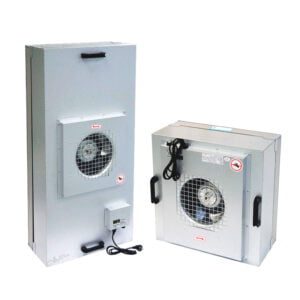
¿Necesita una solución de caja de paso adaptada a su estrategia específica de control de la contaminación y a su flujo de trabajo? Los expertos de YOUTH se especializa en el diseño y la fabricación de sistemas de transferencia personalizados para salas blancas, incluidas cajas de paso con enclavamiento mecánico de precisión, para satisfacer las estrictas demandas de las aplicaciones. Revise las especificaciones detalladas y las opciones de diseño para unidades de filtro de ventilador y cajas de paso integradas.
Si desea consultar directamente los requisitos de su proyecto, también puede Póngase en contacto con nosotros.
Preguntas frecuentes
P: ¿Cómo garantiza un enclavamiento mecánico la seguridad en caso de corte del suministro eléctrico?
R: Funciona según un principio de potencia cero, utilizando una conexión física directa de varillas o levas para bloquear la puerta opuesta cuando se abre una. Este diseño a prueba de fallos garantiza que la barrera anticontaminación permanezca intacta sin ninguna aportación eléctrica. Esto significa que las instalaciones en regiones con energía inestable o aquellas que requieran una autonomía operativa absoluta deben dar prioridad a los sistemas mecánicos para una contención ininterrumpida.
P: ¿Qué norma de funcionamiento define la integridad estanca de una caja de paso?
R: La integridad de la caja de paso suele validarse en función de un índice de fugas certificado, como el mantenimiento de menos de 1 m³/h a una presión de prueba de 30 Pa. Esta métrica cuantificable es esencial para la gestión de riesgos en entornos regulados. Para los laboratorios de bioseguridad o la producción farmacéutica de alto cumplimiento, debe especificar y validar este rendimiento, haciendo referencia a normas como ISO 14644-7 para dispositivos separadores.
P: ¿Cuándo elegir una caja de paso dinámica en lugar de un modelo estático?
R: Seleccione una caja de paso dinámico con filtración HEPA integrada cuando transfiera materiales entre zonas de diferentes clasificaciones de limpieza para limpiar activamente las partículas suspendidas en el aire. Una caja estática es suficiente para transferencias entre zonas de igual clasificación. Esta elección estratégica determina directamente los costes de capital y operativos, por lo que una especificación insuficiente conlleva el riesgo de contaminación, mientras que una especificación excesiva supone un derroche de recursos.
P: ¿Cuál es el programa de mantenimiento crítico para una caja de paso dinámico con filtración HEPA?
R: El mantenimiento es una disciplina de varios niveles: sustituya los prefiltros (por ejemplo, de grado G4) aproximadamente cada seis meses y controle la carga del filtro HEPA mediante manómetros de presión diferencial cada 6 a 12 meses. El incumplimiento de este calendario compromete la calidad del aire y aumenta los costes a largo plazo por averías prematuras. Si su empresa utiliza productos de limpieza agresivos, prevea inspecciones más frecuentes de las juntas y bisagras de las puertas para evitar su degradación.
P: ¿Cómo refleja el tipo de enclavamiento la estrategia de automatización general de una instalación?
R: La elección de un enclavamiento mecánico indica una filosofía que prioriza la simplicidad operativa y la independencia de los sistemas de gestión de edificios. Optar por un enclavamiento electrónico permite la integración con temporizadores, ciclos UV y registro de datos para pistas de auditoría. Esto significa que su elección debe estar en consonancia con la madurez digital de la organización, ya que los sistemas electrónicos introducen complejidad, consideraciones de ciberseguridad y un coste inicial más elevado a cambio del beneficio del cumplimiento basado en datos.
P: ¿Cuáles son las principales consideraciones sobre materiales para cajas de paso en entornos de limpieza agresivos?
R: Especifique puertas y carcasas de acero inoxidable 316 o 316L en lugar de acero al carbono con recubrimiento de polvo o acero inoxidable de calidad inferior. Este material de mayor calidad ofrece una resistencia superior a los agentes de limpieza corrosivos y a los desinfectantes, lo que garantiza la durabilidad y la facilidad de limpieza a largo plazo. Para proyectos con lavados frecuentes, esta elección de material optimiza el coste total de propiedad al evitar la degradación, a pesar de la mayor inversión inicial.
P: ¿Por qué es fundamental colaborar pronto con los proveedores a la hora de especificar una caja de pases personalizada?
R: Las cajas de paso actúan como interfaces arquitectónicas, no como aparatos estándar, y deben integrarse con sistemas de paredes, flujos de trabajo y perfiles de riesgo específicos. La colaboración temprana con proveedores, arquitectos e ingenieros de procesos garantiza que la unidad cumpla los requisitos exactos de dimensiones, rendimiento y materiales. Dada la fragmentación global del mercado de suministro, esta colaboración también es vital para establecer protocolos sólidos de cualificación de proveedores que se centren en pruebas de rendimiento verificables.
Contenidos relacionados:
- Explicación de los principios de funcionamiento de la caja de paso: Mecanismos de enclavamiento, dinámica del flujo de aire y diseño del ciclo de esterilización UV para aplicaciones en salas blancas
- Previsión del mercado de cajas de paso VHP: Análisis de crecimiento 2025-2030
- VHP vs Cajas de Pases Tradicionales: Comparación de las principales diferencias
- Guía completa de selección y aplicación de cajas de paso para el control de la contaminación en salas blancas: 2025 edición con marco de cumplimiento de GMP e ISO 14644
- Validación de la caja de pases de VHP: Lista de comprobación de conformidad IQ/OQ/PQ
- Mecanismos de puertas con enclavamiento: Protección de la integridad de la sala limpia
- Seguridad de la caja de pases de VHP: Cumplimiento de la OSHA y mejores prácticas
- Sistemas de aireación de cajas de paso VHP: Guía tecnológica completa
- Tabla de tamaños de cajas de paso VHP: Opciones de capacidad para salas blancas