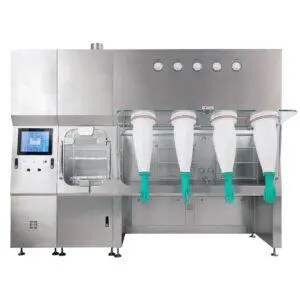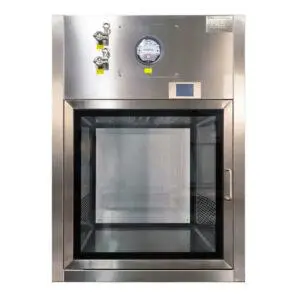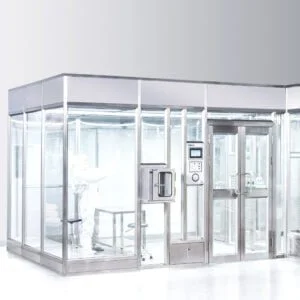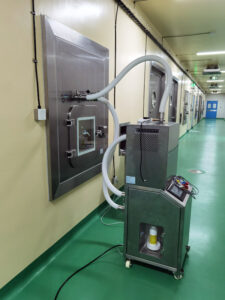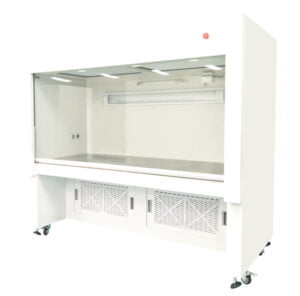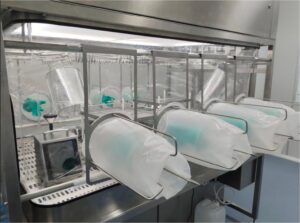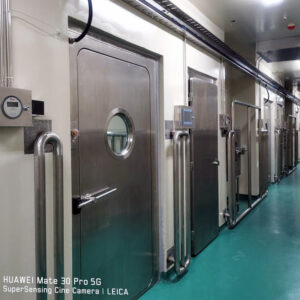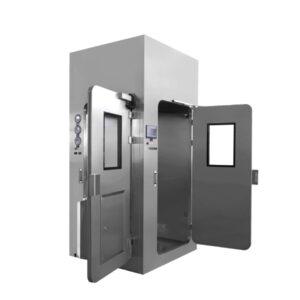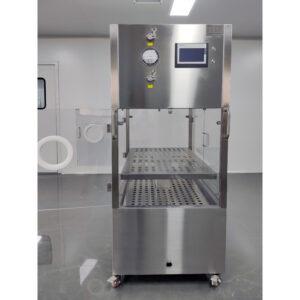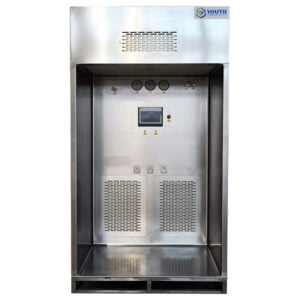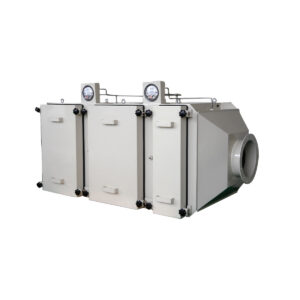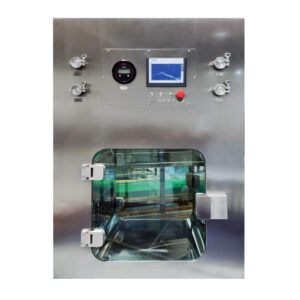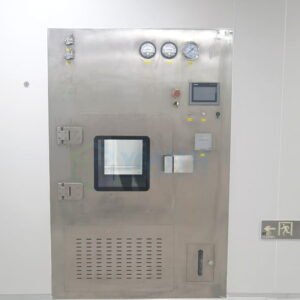
Seleccionar el grado de acero inoxidable adecuado para una cabina de pesaje es una decisión de capital crítica con consecuencias operativas y de cumplimiento a largo plazo. La elección entre 304 y 316L suele simplificarse en exceso a un debate entre coste y calidad, lo que conduce a desajustes en los materiales que comprometen el control de la contaminación, la integridad de los instrumentos y el cumplimiento de la normativa. Un grado mal aplicado puede introducir riesgos latentes de corrosión, generación de partículas y costosos tiempos de inactividad imprevistos.
Esta decisión es primordial ahora que las industrias se enfrentan a un escrutinio normativo más estricto y a materiales más sensibles y de mayor valor. La cabina no es sólo un recinto físico; es un componente fundamental del entorno controlado, que influye directamente en la precisión del pesaje, la integridad de los datos y la pureza del producto. Una selección estratégica de materiales alinea el gasto de capital con el rendimiento total del ciclo de vida y la mitigación de riesgos.
Acero inoxidable 304 frente a 316L: Explicación de las principales diferencias
Definición de la composición de la aleación
La divergencia fundamental en el rendimiento se debe a la química. Ambos son austeníticos, pero el AISI 316L incorpora molibdeno 2-3%. Este único elemento de aleación mejora notablemente su resistencia a los cloruros y a los ambientes ácidos. El grado 304 ofrece una excelente resistencia general a la corrosión y capacidad de conformado, lo que lo convierte en un caballo de batalla versátil y rentable. El molibdeno del 316L refuerza la capa de óxido pasiva, lo que lo hace indispensable cuando la resistencia química no es negociable.
De la química al rendimiento de las aplicaciones
Esta diferencia de composición dicta la función en el mundo real. Para la construcción de cabinas de pesaje, el grado debe ser compatible con las sustancias manipuladas y los agentes de limpieza utilizados. El papel primordial de la cabina en el control de la contaminación significa que la degradación del material no es un mero problema de mantenimiento, sino una fuente potencial de contaminación por partículas. Los expertos del sector recomiendan tratar la selección del material como un parámetro de control de calidad primordial, ya que su fallo puede desencadenar investigaciones reglamentarias obligatorias y paradas de producción.
El imperativo de la selección basada en el cumplimiento
La distinción del núcleo es fundamental para el cumplimiento. En nuestro análisis de las especificaciones de materiales, descubrimos que el grado requerido viene dictado directamente por la corrosividad del proceso. Una cabina diseñada para envasado general puede funcionar adecuadamente con 304, pero una que manipule potentes principios activos farmacéuticos (API) exige la inercia del 316L. Esta decisión no es opcional, sino que depende del valor de la sustancia y del perfil de riesgo de contaminación asociado.
Comparación de costes: 304 frente a 316L para cabinas de pesaje
Análisis de los gastos de capital iniciales
La diferencia de coste inicial es significativa. Debido a su contenido en molibdeno, el acero inoxidable 316L suele tener un coste de material inicial 20-40% superior para paneles, bastidores y superficies de trabajo. Este sobrecoste supone un gasto de capital directo. Sin embargo, centrarse únicamente en el precio de compra es un error estratégico habitual. El verdadero análisis financiero debe abarcar el coste total de propiedad, en el que los riesgos operativos a menudo superan el ahorro inicial.
Modelización del coste total de propiedad
Un modelo de costes completo debe integrar variables a largo plazo. Entre ellas se incluyen la frecuencia de mantenimiento, el potencial de reacondicionamiento relacionado con la corrosión y el profundo coste de las paradas de producción provocadas por la contaminación. Los rigurosos protocolos de calibración de las básculas sensibles implican que cualquier problema de integridad de la cabina que requiera la retirada o recalibración de la báscula conlleva importantes costes de mano de obra y tiempos de inactividad. El coste total de propiedad de la 304 puede ser inferior al principio, pero se vuelve variable e impredecible en entornos corrosivos.
El coste oculto del riesgo operativo
El coste más importante suele ser el riesgo. Un fallo en la cabina puede comprometer todo un lote de material de alto valor. En la tabla siguiente se cuantifican los principales factores de coste, lo que ilustra que la mayor inversión inicial en 316L suele compensarse con costes previsibles a largo plazo y un menor riesgo operativo.
Desglose de costes para la construcción de cabinas
| Factor de coste | Grado 304 | Grado 316L |
|---|---|---|
| Coste inicial del material | Menor coste | 20-40% superior |
| Mantenimiento a largo plazo | Vigilancia moderada | Frecuencia más baja |
| Riesgo de renovación | Mayor riesgo de corrosión | Reducción de la sustitución de paneles |
| Riesgos operativos | Posibles paradas por contaminación | Menor riesgo de contaminación |
| Coste total de propiedad | Inicial más bajo, variable a largo plazo | Inicial más elevado, previsible a largo plazo |
Fuente: Documentación técnica y especificaciones industriales.
¿Qué material es más resistente a la corrosión?
El mecanismo de resistencia superior
El acero inoxidable 316L es inequívocamente más resistente a la corrosión. El molibdeno actúa como agente de refuerzo en la capa pasiva, evitando específicamente la corrosión por picaduras y grietas en entornos en los que el 304 se degradaría. Esto es fundamental en el pesaje de productos farmacéuticos, donde los desinfectantes a base de cloro, los productos químicos de proceso o incluso el aire salado ambiente de las instalaciones costeras pueden atacar a las calidades inferiores. Esta resistencia es un mecanismo directo de control de la contaminación.
Comportamiento frente a agentes corrosivos específicos
La resistencia no es universal; es específica de cada agente. La diferencia de rendimiento aumenta considerablemente en presencia de cloruros, ácidos y agentes oxidantes. En los procesos en los que intervienen polvos ácidos o API de gran pureza, cualquier lixiviación de iones metálicos de una superficie corroída es inaceptable. La selección debe basarse en una auditoría detallada de todas las exposiciones químicas, no sólo de la materia prima que se pesa.
Vincular la corrosión al cumplimiento de las normas
La integridad de los materiales contribuye directamente al cumplimiento de los instrumentos. Normas como GB/T 14249.2-1993 Instrumento de pesaje electrónico establecer criterios medioambientales para el funcionamiento de los instrumentos. El material de la cabina debe garantizar el mantenimiento de estas condiciones, evitando la contaminación por su propia degradación que podría afectar a la fiabilidad del instrumento y a la validez de las mediciones.
Resistencia comparativa a la corrosión
| Agente corrosivo | Grado 304 Rendimiento | Grado 316L Rendimiento |
|---|---|---|
| Cloruros y soluciones salinas | Propenso a las picaduras | Excelente resistencia |
| Entornos ácidos | Resistencia general | Resistencia química superior |
| Desinfectantes agresivos (por ejemplo, cloro) | Puede degradarse | Imprescindible para limpiezas duras |
| Condiciones ambientales costeras | Riesgo de degradación | Obligatorio para la protección |
| Lixiviación de iones metálicos | Riesgo potencial | Riesgo inaceptable minimizado |
Fuente: GB/T 14249.2-1993 Instrumento de pesaje electrónico. Esta norma establece los criterios ambientales básicos para el funcionamiento del instrumento, informando directamente a la resistencia a la corrosión requerida de los materiales de la cabina para garantizar un rendimiento fiable y evitar la contaminación de la degradación de los materiales.
Rendimiento en entornos industriales hostiles frente a entornos estándar
Definición del umbral operativo
El entorno determina la calidad. En entornos interiores estándar con humedad controlada y exposición mínima a productos químicos, el 304 ofrece suficiente facilidad de limpieza y durabilidad para muchas aplicaciones. Su rendimiento está demostrado en la fabricación general y en áreas de envasado de bajo riesgo. El umbral para pasar a 316L viene definido por la presencia de corrosivos ambientales o de proceso específicos.
Exigencia de 316L para condiciones duras
El 316L resulta esencial en condiciones duras: humedad elevada, niebla salina, uso frecuente de desinfectantes agresivos o manipulación de compuestos potentes. En la biotecnología o el pesaje de API, el entorno es deliberadamente duro desde el punto de vista de la validación de la limpieza, lo que requiere la resistencia superior del 316L. Su uso es una medida proactiva para garantizar que la cabina resiste los mismos protocolos diseñados para mantener la esterilidad.
Estabilidad ambiental y precisión de los instrumentos
La cabina debe crear un microambiente estable para el instrumento de pesaje. Factores como las partículas inducidas por la corrosión o los vapores químicos pueden interferir con componentes sensibles. Normas como GB/T 7721-2017 Instrumentos electrónicos de pesaje definen la estabilidad operativa requerida, por lo que la selección del material contribuye directamente a cumplir estos criterios técnicos.
Guía de aplicación medioambiental
| Tipo de entorno | Grado recomendado | Clave Justificación |
|---|---|---|
| Estándar Interior, Controlado | 304 | Suficiente facilidad de limpieza y durabilidad |
| Alta humedad y niebla salina | 316L | Resistencia esencial a los cloruros |
| Uso agresivo de desinfectantes | 316L | Obligatorio para la resistencia química |
| Potente manipulación de compuestos/API | 316L | Evita la lixiviación de iones metálicos |
| Fabricación general, bajo riesgo | 304 | Satisface las necesidades de aplicaciones no críticas |
Fuente: GB/T 7721-2017 Instrumentos electrónicos de pesaje. Esta norma define el entorno operativo y los criterios de rendimiento de los instrumentos de pesaje, lo que requiere la selección del material de la cabina que garantice la estabilidad ambiental y proteja la precisión de los instrumentos de los elementos corrosivos.
Principales casos de uso y aplicaciones industriales de cada grado
Grado 304: La solución de uso general
El grado 304 encuentra su lugar en industrias donde el riesgo de corrosión es bajo y se prioriza la rentabilidad. Esto incluye el pesaje en la fabricación general, las áreas de envasado de procesamiento de alimentos y la manipulación de productos químicos a granel con sustancias no agresivas. Su rendimiento satisface los requisitos generales de higiene y durabilidad sin que ello suponga un coste elevado. En estas aplicaciones, la función principal de la cabina es la contención y la separación ambiental básica.
Grado 316L: el estándar para industrias exigentes
Para los sectores farmacéutico, biotecnológico y microelectrónico, el 316L es la norma de facto. Su uso está impulsado por los requisitos cGMP, en los que la validación de la limpieza, la inercia del material y la pureza ultra alta no son negociables. Es obligatorio para el pesaje de API, las cabinas de dispensación de compuestos citotóxicos y cualquier proceso en el que la contaminación cruzada conlleve un riesgo financiero o de seguridad extremo. Por experiencia, especificar 316L en estos contextos no es tanto una elección como un requisito previo para la aprobación reglamentaria.
Lógica de selección en función de la aplicación
La división es clara: el valor y el perfil de riesgo de la sustancia manipulada dictan el material. Los materiales de alto valor, sensibles o peligrosos justifican la inversión en la protección superior del 316L. Esta lógica se extiende al soporte equipo modular para salas blancas y cabina de dispensación infraestructura, donde a menudo se requiere la coherencia del material en todo el sistema de contención.
Matriz de aplicaciones industriales
| Industria/Aplicación | Grado típico | Conductor principal |
|---|---|---|
| Pesaje industrial general | 304 | Bajo riesgo de corrosión |
| Procesado y envasado de alimentos | 304 | Requisitos generales de higiene |
| Manipulación de productos químicos a granel (bajo riesgo) | 304 | Durabilidad rentable |
| Farmacéutica y biotecnología (cGMP) | 316L | Validación de limpieza e inercia |
| Dispensación de API y compuestos citotóxicos | 316L | La prevención de la contaminación es primordial |
| Fabricación de microelectrónica | 316L | Requisitos de pureza ultraelevada |
Fuente: Documentación técnica y especificaciones industriales.
Durabilidad a largo plazo y mantenimiento
Proyección de vida útil e integridad
La durabilidad a largo plazo favorece mucho al 316L en entornos corrosivos o muy desinfectados. Mantiene su capa pasiva y su integridad estructural durante décadas, lo que reduce la probabilidad de picaduras y la consiguiente sustitución de paneles. El grado 304, aunque duradero, requiere una inspección más atenta para detectar los primeros signos de ataque, especialmente en soldaduras y juntas. La relación coste-beneficio de la vida útil se decanta hacia el 316L cuando el entorno operativo supera el umbral suave.
Protocolos de mantenimiento y mano de obra oculta
El mantenimiento rutinario de ambos implica la limpieza con agentes compatibles. Sin embargo, la variable oculta crítica es la mano de obra de calibración. Una cabina que presente corrosión puede requerir una desincrustación más frecuente para su mantenimiento o descontaminación, lo que supone un tiempo de inactividad significativo. Además, el sector está evaluando alternativas; los materiales ligeros y modulares, como los polímeros reforzados con fibra, ofrecen una reconfiguración más sencilla y una carga estructural reducida, lo que podría reducir los costes de modificación de las instalaciones a largo plazo en comparación con las estructuras tradicionales de acero inoxidable soldado.
El vínculo entre durabilidad e integridad de los datos
La durabilidad no se limita a la longevidad física. Una superficie deteriorada compromete la facilidad de limpieza, aumentando el riesgo de contaminación microbiana o por partículas. Esto amenaza directamente la integridad de los datos del proceso de pesaje. La cabina debe proteger el estado calibrado del instrumento, un principio subrayado por las normas que rigen el rendimiento de los sensores en entornos controlados.
Selección del grado adecuado para su aplicación específica
Comenzar con una auditoría de procesos
La selección es sistemática, no especulativa. Comience con una auditoría exhaustiva del proceso: haga un inventario de todos los productos químicos, polvos, limpiadores y exposiciones ambientales. Esta lista define el potencial corrosivo que debe soportar la cabina. La auditoría también debe tener en cuenta los futuros cambios del proceso para evitar una obsolescencia prematura. Este paso transforma la selección de una suposición a una decisión basada en datos.
Cumplimiento de la normativa
A continuación, integre el análisis normativo. En los sectores regulados por la FDA o la EMA, la idoneidad de los materiales suele deducirse de los requisitos de validación. Una cabina para el pesaje “por variación” de API de alta potencia, que prioriza la precisión y la prevención de la contaminación cruzada, necesitará 316L. El material debe soportar la carga de documentación y validación del proceso que alberga.
Integración con sistemas digitales y de automatización
Por último, considere la cabina como un nodo de datos integrado. La selección del hardware debe ser compatible con la integración actual y futura del software, la automatización y la robótica. El material y la construcción no deben crear un punto de fallo para la integridad de los datos o los sistemas de trazabilidad. La cabina física debe ser compatible con el flujo de trabajo digital.
Marco de decisión: Elegir entre 304 y 316L
Una estrategia en cinco fases
Un marco sólido va más allá de las especificaciones de los materiales y se convierte en una estrategia para todo el ciclo de vida. Equilibra el rendimiento técnico con los objetivos operativos, financieros y de cumplimiento. Este enfoque estructurado mitiga el riesgo de gastar más de la cuenta en especificaciones excesivas o de incurrir en mayores costes por especificaciones insuficientes.
Ejecución de los pasos del marco
Paso 1: Auditoría de procesos. Documente cada exposición química y medioambiental. Paso 2: Cumplimiento y análisis de riesgos. Compare los resultados con las expectativas normativas para su tipo de producto. Paso 3: Modelización del coste total. Construir un modelo que incorpore el diferencial de coste inicial del 20-40%, el mantenimiento previsto, el tiempo de inactividad de calibración y los riesgos cuantificados de eventos de contaminación. Paso 4: A prueba de futuro. Evaluar la integración de software y la preparación para la automatización. Paso 5: Evaluación de la flexibilidad. Si es probable que se produzca un cambio en el proceso, evalúe el coste de reconfiguración de los materiales modulares frente al acero inoxidable tradicional.
Alineación del marco con las normas técnicas
Este marco de decisión se basa en normas fundamentales. GB/T 23111-2008 Instrumentos de pesaje de funcionamiento no automático, como la adopción de la norma OIML R 76-1, proporciona los criterios básicos de conformidad para los entornos operativos de los instrumentos. Su selección de material debe satisfacer estas estipulaciones de estabilidad y limpieza para garantizar operaciones de pesaje legalmente válidas.
Pasos del marco de decisión
| Paso | Acción principal | Clave Salida/Umbral |
|---|---|---|
| 1. Auditoría de procesos | Mapa de todas las sustancias químicas y exposiciones | Lista de agentes corrosivos |
| 2. Cumplimiento y análisis de riesgos | Cumplir los requisitos de la FDA y la EMA | Requisito de grado reglamentario |
| 3. Modelización del coste total | Costes iniciales y del ciclo de vida | 20-40% Diferencial de coste inicial |
| 4. A prueba de futuro | Evaluar las necesidades de software/automatización | Diseño para la integridad de los datos |
| 5. Evaluación de la flexibilidad | Evaluar alternativas modulares | Análisis de costes de reconfiguración |
Fuente: GB/T 23111-2008 Instrumentos de pesaje de funcionamiento no automático. Como adopción de la norma OIML R 76-1, esta norma exhaustiva estipula los requisitos del entorno operativo, proporcionando los criterios de conformidad fundamentales que deben informar el marco de selección de materiales para garantizar la validez de las operaciones de pesaje.
La decisión entre 304 y 316L depende de una evaluación clara de los agentes corrosivos, el contexto normativo y el coste total del ciclo de vida. Dé prioridad a una auditoría exhaustiva de los procesos y al análisis de la conformidad sobre las comparaciones iniciales de precios. Aplique el marco de cinco pasos para alinear el rendimiento de los materiales con los requisitos de integridad operativa y gobernanza de datos a largo plazo.
¿Necesita una evaluación profesional para su aplicación específica de cabina de pesaje? Los ingenieros de YOUTH puede ayudarle a aplicar este marco de decisión al proceso único de su instalación y al panorama de cumplimiento. Póngase en contacto con nuestro equipo técnico para analizar las especificaciones de su proyecto y sus necesidades de validación de materiales.
Preguntas frecuentes
P: ¿Cómo afecta el contenido de molibdeno del acero inoxidable 316L a su rendimiento en una cabina de pesaje farmacéutica?
R: El molibdeno 2-3% del 316L refuerza su capa de óxido pasiva, proporcionando una defensa superior contra la corrosión por picaduras y grietas provocada por cloruros, polvos ácidos y desinfectantes agresivos. Esta mayor inercia química es fundamental para evitar la lixiviación de iones metálicos y la contaminación por partículas al manipular API de gran pureza. Esto significa que las instalaciones que utilicen compuestos potentes o limpiadores a base de cloro deben dar prioridad al 316L para cumplir los requisitos de idoneidad de materiales y validación de limpieza de las cGMP.
P: ¿Cuál es la verdadera diferencia de coste entre el acero inoxidable 304 y el 316L para un proyecto de cabina de pesaje?
R: Aunque el coste inicial de material del 316L es 20-40% superior, el coste total de propiedad debe incluir los riesgos a largo plazo. En el caso del 304, la posible corrosión puede dar lugar a costosas reformas y, lo que es más grave, a paradas de producción por fallos de las incrustaciones o casos de contaminación que interrumpan los rigurosos protocolos de calibración. En los proyectos en los que el tiempo de inactividad conlleva un alto riesgo financiero o de cumplimiento de la normativa, el precio del 316L suele estar justificado como inversión protectora frente a pérdidas futuras mucho mayores.
P: ¿Qué factores medioambientales obligan a utilizar 316L en lugar de 304 para la construcción de cabinas de pesaje?
R: El 316L es esencial para entornos difíciles con alta humedad, exposición a niebla salina o uso regular de desinfectantes químicos agresivos. También es obligatorio para procesos en los que intervienen compuestos ácidos o potentes en los que cualquier degradación del material es inaceptable. Si las condiciones ambientales o el régimen de limpieza de sus instalaciones introducen estos elementos corrosivos, opte por el 316L para garantizar la integridad de la cabina a largo plazo y evitar una contaminación que podría desencadenar un escrutinio normativo.
P: ¿Cómo influyen las normas sobre instrumentos de pesaje como GB/T 7721-2017 en la selección de materiales para la cabina?
R: Normas como GB/T 7721-2017 definen el entorno operativo necesario para la precisión y fiabilidad de los instrumentos. Los materiales de construcción de la cabina deben contribuir a ello proporcionando un recinto estable, limpio y libre de corrosión que minimice las interferencias ambientales. Esto significa que la elección del material debe facilitar las condiciones controladas especificadas para las operaciones de pesaje conformes, vinculando directamente la durabilidad de la cabina con el rendimiento metrológico.
P: ¿Cuándo debería una instalación considerar materiales poliméricos modulares en lugar del tradicional acero inoxidable para una cabina de pesaje?
R: Considere los polímeros ligeros reforzados con fibra cuando la flexibilidad futura del proceso y la reducción de los costes de modificación de las instalaciones sean prioridades importantes. Estos materiales modulares permiten una reconfiguración más sencilla que el acero inoxidable soldado y requieren menos soporte estructural. Si su empresa prevé cambios frecuentes en el diseño o quiere minimizar el trabajo de reconfiguración a largo plazo y el tiempo de inactividad, la evaluación de estas alternativas junto con el 304 o el 316L debería formar parte de su marco de decisión inicial.
P: ¿Cuál es el primer paso en un marco de decisión para elegir entre acero inoxidable 304 y 316L?
R: El paso fundamental es una auditoría exhaustiva del proceso para determinar todos los productos químicos, limpiadores y exposiciones ambientales a los que se enfrentará la cabina. Esto identifica el potencial corrosivo que dicta el grado de material requerido. Si la auditoría revela que está expuesto a cloruros o agentes ácidos, utilice 316L para garantizar la durabilidad a largo plazo y el cumplimiento de las normativas en entornos regulados como la fabricación de productos farmacéuticos.
Contenidos relacionados:
- Cabina de pesaje o sala de pesaje: ¿Cuál es la mejor opción para usted?
- Cabinas de pesaje de precisión para la industria farmacéutica
- ¿Qué es una cabina de pesaje? Explicación de los hechos esenciales
- Aumente la productividad con cabinas de pesaje automatizadas
- Sopesar el ROI de la cabina: Cómo maximizar su inversión
- Tendencias emergentes: El futuro de la tecnología de cabinas de pesaje
- La guía definitiva de las cabinas de pesaje [2025 Edición]
- 7 pasos para calibrar perfectamente su cabina de pesaje
- 5 características de seguridad esenciales de las cabinas de pesaje modernas