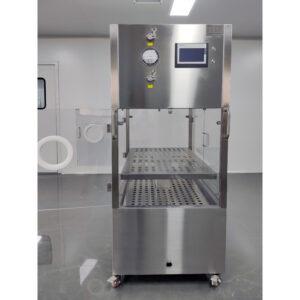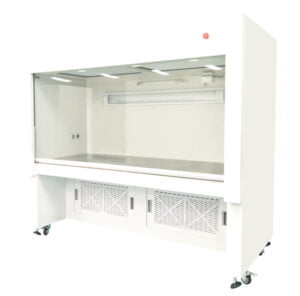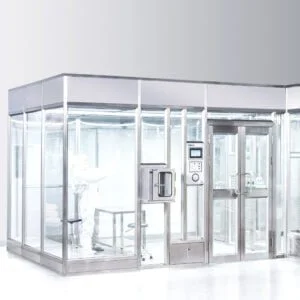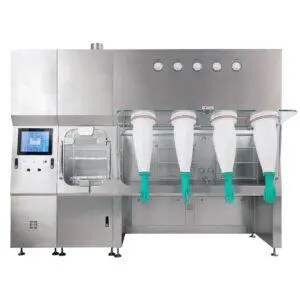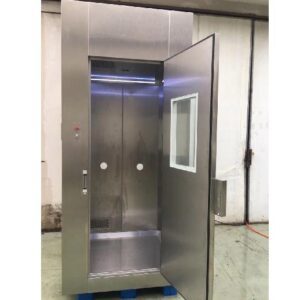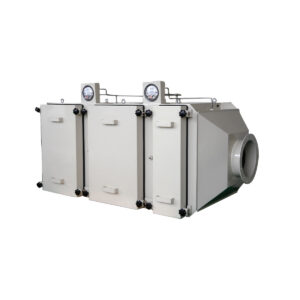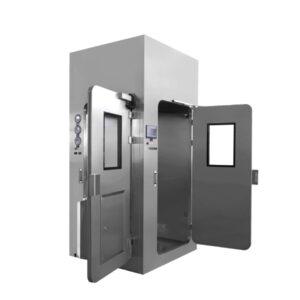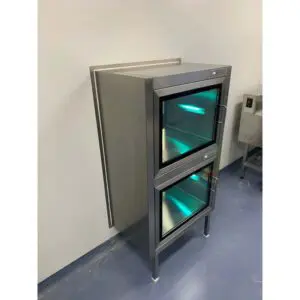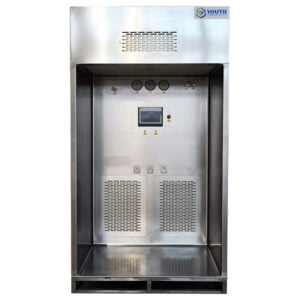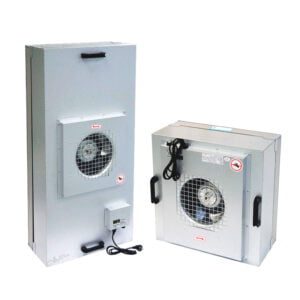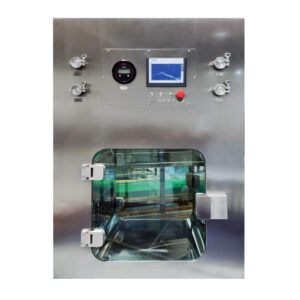
Para los profesionales farmacéuticos y biotecnológicos, la cualificación de una cabina de pesaje es un paso de validación fundamental. El principal reto consiste en ir más allá de una simple lista de comprobación y ejecutar un protocolo exhaustivo basado en pruebas que demuestre la contención. Un error común es creer que las pruebas de velocidad del aire son una medición independiente. En realidad, se trata de una comprobación integrada del sistema en la que los datos de velocidad revelan la salud de todo el sistema de flujo de aire y contención.
Este enfoque holístico viene impuesto ahora por la evolución de las expectativas normativas. El anexo 1 revisado de las GMP de la UE exige explícitamente la supervisión y comprobación del flujo de aire unidireccional para los equipos utilizados en el procesamiento aséptico. Un protocolo de cualificación adecuado proporciona las pruebas objetivas necesarias para las auditorías reglamentarias y, lo que es más importante, garantiza que la cabina proteja de forma fiable tanto al operario como al producto durante las operaciones de manipulación de polvo de alto riesgo.
Pruebas de velocidad del aire: Objetivo principal y alcance
Definir el objetivo central
Las pruebas de velocidad del aire sirven como medida directa y cuantitativa de la capacidad de contención de una cabina de pesaje. Su objetivo principal es verificar la generación de un flujo descendente estable y laminar con fuerza suficiente para suprimir las partículas suspendidas en el aire. Al mismo tiempo, confirma el establecimiento de un gradiente de presión negativa que protege al operario de la exposición. Esta doble función no es negociable para la manipulación de compuestos potentes o materiales estériles.
Diagnóstico del sistema holístico
El alcance de las pruebas de velocidad va mucho más allá de la realización de una única medición. Actúa como una herramienta de diagnóstico para todo el sistema de flujo de aire. Según los expertos del sector, los datos de velocidad y uniformidad pueden revelar problemas subyacentes con la integridad del filtro HEPA, el rendimiento del ventilador o el equilibrio de la presión mucho antes de que se produzca un fallo de contención. El objetivo es generar pruebas objetivas, basadas en datos, de la idoneidad para un fin determinado, transformando la cabina de un mueble en un control de ingeniería validado.
De los datos a la conformidad
Estas pruebas constituyen la espina dorsal del cumplimiento de la normativa. Un protocolo de cualificación eficaz, basado en normas como ISO 14644-3:2019, demuestra que la cabina instalada cumple tanto las normas de seguridad internas como los requisitos externos en materia de prácticas correctas de fabricación. Responde a la pregunta fundamental para las unidades de calidad: ¿funciona este entorno controlado como se diseñó en las condiciones de prueba definidas? El rigor del protocolo se correlaciona directamente con la confianza en la función protectora de la cabina.
Procedimientos de ensayo esenciales y criterios de aceptación
La secuencia fundacional
La cualificación no es una prueba única, sino una secuencia interdependiente. El proceso debe comenzar con una prueba de integridad del filtro (DOP/PAO), un paso de precalificación no negociable. Esta prueba examina el filtro HEPA en busca de fugas por pequeños orificios o fallos de sellado. La aceptación requiere que cualquier fuga aguas abajo sea ≤0,01% del aerosol de desafío aguas arriba. La omisión de este paso invalida todas las mediciones de flujo de aire posteriores, ya que un filtro con fugas no puede proporcionar contención independientemente de la velocidad.
Cuantificación del rendimiento del flujo de aire
Tras la confirmación de la integridad, la visualización del patrón de flujo de aire utiliza niebla generada para confirmar el flujo unidireccional y laminar sin turbulencias ni reflujo en la zona del operador. A continuación, la prueba central de velocidad y uniformidad del aire cuantifica este rendimiento. Las mediciones se realizan en un patrón de cuadrícula a 5-15 cm por debajo de la cara del filtro HEPA. La prueba de relación de volumen de aire de escape es fundamental; esta relación 5-15% es el único control de ingeniería que crea la presión negativa protectora al atraer activamente el aire de la sala a la cabina. Hemos visto instalaciones que han pasado por alto esta prueba y han descubierto que su cabina tenía suficiente flujo descendente pero una contención inadecuada debido a un escape mal calibrado.
Comprobaciones del sistema de apoyo
Una evaluación completa incluye pruebas de apoyo que afectan a la viabilidad operativa. Las comprobaciones del aumento de temperatura garantizan que el sistema de ventilación no cree un microambiente incómodo para el operario. La verificación del nivel de ruido confirma que la cabina cumple los límites de salud laboral. La certificación de partículas estáticas, como la ISO Clase 5, proporciona un nivel de limpieza de referencia. Estos parámetros deben considerarse parte de un sistema integrado, no comprobaciones aisladas.
En la tabla siguiente se resumen los principales procedimientos de ensayo y sus criterios de aceptación, que se derivan de normas de ensayo autorizadas para salas blancas.
Parámetros básicos de las pruebas y puntos de referencia
| Tipo de prueba | Parámetros clave | Criterios de aceptación |
|---|---|---|
| Integridad del filtro (DOP/PAO) | Fugas aguas abajo | ≤0.01% de aguas arriba |
| Velocidad y uniformidad del aire | Velocidad del aire de impulsión | 0,36-0,54 m/s (70-106 fpm) |
| Velocidad y uniformidad del aire | Uniformidad del panel individual | Dentro de ±10% de la media |
| Relación de volumen de aire de escape | Relación escape/alimentación | 5-15% |
| Aumento de temperatura | Aumento máximo de la temperatura | ≤2°C |
| Nivel de ruido | Nivel sonoro máximo | ≤75 dBA |
Fuente: ISO 14644-3:2019 Salas blancas y entornos controlados asociados - Parte 3: Métodos de ensayo.. Esta norma proporciona los métodos de ensayo autorizados para medir la velocidad del flujo de aire, la uniformidad y las tasas de intercambio de aire, que son la base de los criterios de aceptación de la velocidad del aire y la relación de escape. Es la referencia principal para verificar el rendimiento de entornos controlados como las cabinas de pesaje.
Equipos clave y requisitos de calibración
Conjunto de instrumentos obligatorios
La ejecución de un protocolo de cualificación exige herramientas especializadas. El instrumento principal para las pruebas de velocidad es un termoanemómetro calibrado capaz de realizar mediciones precisas de baja velocidad. Para la prueba obligatoria de integridad del filtro, no son negociables un generador de aerosoles que produzca un desafío de PAO y un fotómetro calibrado. El volumen de escape requiere una campana de flujo de aire o un balómetro. Las pruebas de apoyo requieren un sonómetro, un luxómetro y un contador de partículas en suspensión calibrados.
El imperativo de la calibración
El factor crítico para cada instrumento es un certificado de calibración válido y actualizado, trazable a una norma nacional. Los datos de un anemómetro o fotómetro no calibrado no son auditables y ponen en tela de juicio toda la cualificación. Este requisito crea un obstáculo operativo importante. El mantenimiento de un conjunto interno de equipos especializados calibrados representa un coste administrativo y de capital considerable, incluida la gestión de los calendarios de calibración y la formación de los técnicos.
La decisión de construir o comprar
Esta realidad, cargada de instrumentos, fomenta un mercado basado en los servicios. Muchas instalaciones consideran que el coste y la complejidad de adquirir experiencia interna con este conjunto de equipos superan los beneficios. La subcontratación de la función de cualificación a un proveedor especializado transfiere la carga de la calibración y garantiza que las pruebas se realicen con los equipos más modernos y estándar del sector. La decisión depende de la frecuencia de la cualificación, los recursos internos disponibles y la necesidad de disponer de documentación apta para auditorías.
A continuación se resumen las herramientas necesarias para un programa de pruebas conforme.
Herramientas de cualificación esenciales
| Instrumento | Medición primaria | Requisito crítico |
|---|---|---|
| Termoanemómetro | Velocidad y uniformidad del aire | Debe calibrarse |
| Generador de aerosoles y fotómetro | Integridad del filtro HEPA | Debe calibrarse |
| Campana de flujo de aire (Balómetro) | Volumen de aire de escape | Debe calibrarse |
| Contador de partículas en suspensión | Limpieza de partículas estáticas | Debe calibrarse |
| Sonómetro | Ruido de funcionamiento | Debe calibrarse |
Fuente: Documentación técnica y especificaciones industriales.
Consideraciones críticas para la ejecución de pruebas
Control de las variables de prueba
El éxito de la ejecución depende del control de las variables. El sistema de ventilación de la cabina debe funcionar durante al menos 30 minutos antes de la prueba para lograr la estabilidad térmica y aerodinámica. Todas las pruebas deben realizarse en condiciones definidas de “reposo”, con registro de la temperatura ambiente, la humedad y el recuento de partículas de fondo. La cuadrícula de prueba para las mediciones de velocidad debe planificarse meticulosamente para cubrir toda la cara del filtro y las zonas de trabajo críticas. Entre los detalles que se pasan por alto con facilidad se incluye asegurarse de que no haya obstrucciones cerca de la cabina que puedan influir en los patrones del flujo de aire.
Comprender las contrapartidas inherentes
Una consideración clave es el conflicto inherente entre el rendimiento de la contención y la comodidad del operario. Los sistemas de ventilación necesarios para conseguir un caudal de aire elevado y estable generan calor y ruido. Alcanzar las especificaciones de velocidad puede degradar el entorno ergonómico, lo que puede requerir refrigeración auxiliar o amortiguación acústica en la fase de diseño. Además, aunque la certificación de partículas estáticas es obligatoria, representa una instantánea en el tiempo. El hecho de que una cabina supere las pruebas en reposo no garantiza la protección durante el uso dinámico y activo con brazos en movimiento y vertido de polvos, lo que pone de relieve la importancia de contar con PNT sólidos para la técnica del operario.
Interpretación del riesgo dinámico
El estado “en reposo” de la cualificación oculta un riesgo dinámico. La cabina más meticulosamente cualificada puede verse comprometida por una mala práctica del operador. Por lo tanto, el protocolo de cualificación debe considerarse como una validación de la capacidad del equipo, no de su rendimiento garantizado durante cada operación. Esta comprensión informa del nivel de evaluación de riesgos requerido para los diferentes peligros materiales y justifica la necesidad de formación continua del personal y de supervisión del comportamiento dentro del entorno controlado.
Interpretación de los resultados y normas de cumplimiento
Ver el sistema interconectado
La interpretación de los datos de las pruebas exige comprender la interacción de los parámetros. Una lectura de velocidad fuera del intervalo de 0,36-0,54 m/s rara vez es un problema aislado. Puede indicar una fuga en el filtro, un desequilibrio en la relación de escape, un ventilador defectuoso o una obstrucción. Del mismo modo, una relación de escape fuera de especificación es un indicador sensible de la salud de la contención. Un valor inferior a 5% sugiere una presión negativa insuficiente, mientras que un valor superior a 15% puede interrumpir el flujo laminar descendente, creando turbulencias que comprometen la contención.
De los puntos de datos a un estado validado
La conformidad sólo se demuestra cuando se cumplen simultáneamente todos los criterios de aceptación. Este juicio integrado de aprobado/no aprobado demuestra que el sistema funciona como una unidad cohesionada. Los resultados de ruido y temperatura también deben considerarse desde el punto de vista de la seguridad del operario y la utilidad a largo plazo, no sólo como comprobaciones periféricas. Una cabina que cumpla las especificaciones de velocidad pero supere los límites de ruido puede ser insostenible desde el punto de vista operativo, lo que llevaría al personal a tomar atajos o evitarla.
Marco regulador del riesgo
En el cuadro que figura a continuación se describen los riesgos específicos asociados a las desviaciones de los parámetros clave, lo que proporciona un marco para la adopción de medidas correctoras. Estos riesgos se enmarcan en las expectativas normativas para entornos controlados, como los de Anexo 1 de las PCF de la UE: Fabricación de medicamentos estériles (agosto de 2022), que exige un control estricto del flujo de aire unidireccional y de la contención.
Análisis de desviaciones y riesgos asociados
| Parámetro | Riesgo por debajo del rango objetivo | Riesgo por encima del rango objetivo |
|---|---|---|
| Velocidad del aire de impulsión | Supresión insuficiente de partículas | Turbulencia, flujo laminar perturbado |
| Relación aire de escape (<5%) | Presión negativa inadecuada | N/A |
| Relación aire de escape (>15%) | N/A | Flujo laminar interrumpido |
| Fuga del filtro (>0,01%) | Ruptura de contención, contaminación | N/A |
| Aumento de temperatura (>2°C) | Malestar del operario, estrés térmico | N/A |
Fuente: Anexo 1 de las PCF de la UE: Fabricación de medicamentos estériles (agosto de 2022). El anexo 1 revisado impone un control riguroso del flujo de aire unidireccional y de la contención, proporcionando el marco reglamentario que define los riesgos asociados a las desviaciones de parámetros críticos como la velocidad del flujo de aire y los diferenciales de presión (relación de escape).
Elaboración de un plan de recalificación y mantenimiento
Establecimiento del calendario de recalificación
La cualificación inicial establece una línea de base, pero el cumplimiento sostenido requiere un plan proactivo. Debe realizarse una recalificación completa periódicamente, normalmente una vez al año. Este programa debe basarse en el riesgo, teniendo en cuenta la frecuencia de uso de la cabina y el nivel de peligro de los materiales manipulados. Las cabinas modernas con “sistemas automáticos de frecuencia cambiante” ofrecen una ventaja significativa en este sentido, ya que proporcionan un control continuo del rendimiento y la estabilidad, lo que puede reducir la frecuencia de las pruebas manuales intrusivas o ampliar el intervalo para la recalificación completa.
Acciones preventivas y en función de los acontecimientos
El plan debe incluir una recalificación en función de los acontecimientos. Cualquier modificación que pueda afectar al rendimiento, como el cambio de filtros, la reubicación de la cabina o un mantenimiento importante del sistema de ventilación, requiere una nueva prueba. Además, es fundamental contar con un programa de mantenimiento preventivo. Esto incluye pruebas periódicas de la integridad de los filtros (por ejemplo, cada 6 meses) y comprobaciones periódicas de la velocidad del aire para detectar desviaciones antes de que se produzcan.
Mantenimiento de todo el sistema
El mantenimiento no debe limitarse al flujo de aire. El plan debe incluir el mantenimiento de los sistemas auxiliares que gestionan las compensaciones ergonómicas, como las unidades de refrigeración o los amortiguadores acústicos. Un enfoque holístico, guiado por normas como ISO 14644-14:2016, garantiza que los equipos sigan siendo adecuados para el uso previsto durante todo su ciclo de vida, no sólo en el momento de su instalación.
Un plan estructurado es esencial para el cumplimiento continuo, como se indica a continuación.
Calendario de actividades de cumplimiento sostenido
| Actividad | Frecuencia recomendada | Evento desencadenante |
|---|---|---|
| Recualificación completa | Anualmente (periódicamente) | Intervalo programado |
| Prueba de integridad del filtro | Regularmente (por ejemplo, 6 meses) | Mantenimiento preventivo |
| Comprobación de la velocidad del aire | Regularmente (por ejemplo, 6 meses) | Mantenimiento preventivo |
| Revisión del rendimiento | Tras las modificaciones | Cambio de filtro, reubicación |
| Servicio de sistemas ergonómicos | Según fabricante | Refrigeración, mantenimiento acústico |
Fuente: ISO 14644-14:2016 Salas blancas y entornos controlados asociados - Parte 14: Evaluación de la idoneidad para el uso de equipos mediante la concentración de partículas en el aire.. Esta norma apoya un enfoque basado en el riesgo para la recalificación, haciendo hincapié en la necesidad de una evaluación periódica y basada en eventos de la idoneidad de los equipos para garantizar el cumplimiento y el rendimiento continuos, lo que informa directamente el calendario de recalificación.
Elegir un proveedor de servicios de pruebas cualificado
Evaluación de las competencias básicas
Dada la complejidad, muchas instalaciones subcontratan la cualificación. Los criterios de selección deben centrarse en la experiencia demostrable con equipos de contención farmacéutica, no sólo con salas blancas generales. El proveedor debe poseer toda la instrumentación calibrada necesaria y presentar certificados válidos. Solicite informes de muestra para evaluar el rigor y la claridad de su documentación, ya que este informe pasa a formar parte de su registro de calidad permanente.
Evaluar el valor más allá de las pruebas
Un proveedor cualificado debe ofrecer orientación estratégica más allá de la ejecución de pruebas. Deben ser capaces de interpretar los datos en su contexto, sugerir optimizaciones para la ubicación de las cabinas o la interacción con el sistema de climatización de las salas y ofrecer ideas para mitigar problemas comunes como el aumento de la temperatura. Este enfoque consultivo hace que dejen de ser un proveedor para convertirse en una extensión de su sistema de calidad. Su experiencia influye directamente en la carga de validación y en la estructura de costes a largo plazo.
Preparación para las auditorías
Los procedimientos y normas de documentación del proveedor deben estar en consonancia con las expectativas normativas. Deben tener un conocimiento claro de las normas GMP, ISO y otras normas pertinentes en vigor. Durante una auditoría, los reguladores pueden examinar las credenciales del personal de pruebas y el estado de calibración de los equipos utilizados. El proveedor elegido debe estar preparado para apoyarle durante estas auditorías con datos y metodologías defendibles.
Próximos pasos: Aplicación del protocolo de cualificación
Adaptación del protocolo a las necesidades específicas
La aplicación comienza con la adaptación del protocolo genérico al diseño específico de su cabina y a los peligros del material. El mercado está segmentado; una cabina para polvos potentes requiere una construcción de acero inoxidable y filtración HEPA H14, mientras que una para disolventes exige diferentes enfoques de contención. Los criterios de aceptación de su protocolo deben reflejar los requisitos de rendimiento específicos dictados por el uso previsto de la cabina y la banda de exposición operativa (OEB) de los materiales.
Tomar la decisión de construir o comprar
Formalice la decisión sobre la ejecución de las pruebas. ¿Va a crear una capacidad interna con el equipo necesario y personal formado, o se asociará con un proveedor de servicios cualificado? Esta decisión depende del presupuesto de capital, el personal técnico disponible y la frecuencia de las cualificaciones. En instalaciones con varias cabinas o cambios frecuentes, un equipo interno puede estar justificado. Para la mayoría, la externalización es la vía más eficaz y segura desde el punto de vista de las auditorías.
Diseñar para el cumplimiento a largo plazo
En las nuevas instalaciones, hay que dar prioridad a las funciones que favorezcan la conformidad y la flexibilidad. Modular equipos para salas blancas diseños permitir la reconfiguración futura con una sobrecarga de revalidación significativamente reducida. En el caso de las cabinas abiertas y sin guantes elegidas por su ergonomía, asegúrese de que la evaluación inicial de riesgos justifica rigurosamente este compromiso de contención calculado. Por último, integre todos los datos de cualificación, los certificados y el programa de mantenimiento en el sistema de gestión de calidad de sus instalaciones, garantizando que la cabina de pesaje se gestiona como un activo crítico y validado.
Un protocolo de cualificación satisfactorio transforma los datos de velocidad del aire de un número en una garantía de contención. El proceso sintetiza la validación de los equipos, la gestión de riesgos y el cumplimiento de la normativa en un único marco práctico. Sus prioridades inmediatas son alinear los criterios de prueba con los peligros específicos de su material, asegurar los recursos calibrados necesarios -ya sean internos o externos- e integrar los resultados en un plan de calidad vivo.
¿Necesita un socio para llevar a cabo una cualificación defendible o una cabina diseñada para un rendimiento validado? Explore las especificaciones técnicas y las filosofías de diseño que hay detrás de YOUTH soluciones de contención. Si desea un análisis detallado sobre cómo adaptar un protocolo a las necesidades de su instalación, también puede Póngase en contacto con nosotros.
Preguntas frecuentes
P: ¿Cuál es la secuencia correcta y los criterios de aceptación para calificar el flujo de aire de una nueva cabina de pesaje?
R: La cualificación sigue una secuencia estricta, que comienza con una prueba obligatoria de integridad del filtro HEPA que requiere una fuga aguas abajo ≤0,01%. A continuación, la visualización del flujo de aire confirma el flujo laminar, seguido de la prueba de velocidad del aire del núcleo. La velocidad de suministro debe tener un promedio de 0,36-0,54 m/s en toda la rejilla, con paneles individuales dentro de ±10% de ese promedio. La relación de volumen de aire de escape debe ser de 5-15% para garantizar una presión negativa adecuada. Esto significa que primero debe completar la prueba de estanqueidad del filtro, ya que un fallo en la misma invalida todas las mediciones posteriores de velocidad y uniformidad.
P: ¿Cómo se interpreta una lectura de velocidad del aire que falla durante la recalificación?
R: Un resultado de velocidad fuera del intervalo de 0,36-0,54 m/s es un síntoma, no la causa principal. A menudo indica un problema sistémico como un sello de filtro comprometido, un ventilador de escape desequilibrado o una obstrucción que altera el gradiente de presión. Debe cotejar este hallazgo con los datos de las pruebas de relación de escape e integridad del filtro para diagnosticar el verdadero punto de fallo. Para los proyectos en los que la contención es crítica, planifique este paso de diagnóstico asegurándose de que su protocolo de pruebas capta todos los parámetros interdependientes al mismo tiempo, como se indica en ISO 14644-3:2019.
P: ¿Por qué es tan importante la relación de volumen de aire de escape y qué ocurre si está fuera de especificación?
R: La relación de escape de 5-15% es el único mecanismo de ingeniería que crea el gradiente protector de presión negativa que contiene el polvo. Una relación inferior a 5% entraña el riesgo de una contención insuficiente, permitiendo la salida de material, mientras que un valor superior a 15% puede interrumpir el flujo laminar descendente, provocando turbulencias. Este parámetro es más sensible que la velocidad por sí sola para diagnosticar el estado de la contención. Si en su empresa se manipulan compuestos potentes, debe dar prioridad a la supervisión continua de esta relación sobre las simples comprobaciones de velocidad para garantizar la protección permanente del operario.
P: ¿Cuáles son los principales obstáculos en materia de equipamiento y calibración para la cualificación de cabinas de pesaje internas?
R: La ejecución de un protocolo completo requiere un termoanemómetro calibrado, un generador de aerosoles y un fotómetro para comprobar los filtros, una campana de flujo de aire, además de contadores de partículas y sonómetros. El mayor obstáculo operativo es mantener certificados de calibración válidos para todo este conjunto de instrumentos especializados. Esto significa que las instalaciones con calendarios de pruebas poco frecuentes o presupuestos de validación limitados deben contar con un elevado coste de propiedad y experiencia, por lo que la subcontratación de un proveedor cualificado resulta más práctica y rentable. GMP-modelo conforme.
P: ¿En qué se diferencia la certificación de partículas “en reposo” del riesgo operativo dinámico?
R: La prueba estática de partículas “en reposo” certifica la limpieza inherente de la cabina, pero no simula el riesgo de contaminación generado por un operario que manipula activamente los polvos. Una cabina puede superar esta prueba y, sin embargo, no contener el material durante su uso dinámico. Esta deficiencia pone de manifiesto que los controles técnicos por sí solos son insuficientes. Si su proceso implica polvos de alto riesgo, debe planificar complementar los datos de cualificación con PNT rigurosos para la vestimenta del operario y la técnica aséptica, como parte de un enfoque holístico de gestión de riesgos de calidad definido en normas como ISO 14644-14:2016.
P: ¿Qué debemos priorizar a la hora de seleccionar un proveedor externo de servicios de pruebas?
R: Elija un proveedor con experiencia demostrada en contención farmacéutica y que disponga de todo el equipo necesario recién calibrado. Deben ofrecer el protocolo completo, desde la integridad de los filtros hasta el recuento de partículas. Y lo que es más importante, evalúe si ofrecen orientación estratégica para mitigar problemas comunes como la generación de calor o la optimización de la ubicación de las cabinas. Esto significa que sus criterios de selección deben ir más allá del coste y evaluar su papel como extensión de su sistema de calidad, lo que repercute directamente en su carga de validación y preparación para auditorías.
P: ¿Qué factores determinan la frecuencia de recalificación de una cabina de pesaje?
R: La recalificación debe realizarse de forma periódica (por ejemplo, anualmente) y es obligatoria después de cualquier acontecimiento que pueda alterar el rendimiento, como la sustitución del filtro, el mantenimiento del motor del ventilador o la reubicación física de la cabina. Su plan de mantenimiento debe incluir pruebas periódicas provisionales de estanqueidad del filtro. Para las instalaciones que deseen minimizar el tiempo de inactividad y el riesgo, la inversión en cabinas con sistemas de supervisión automatizados puede proporcionar datos de rendimiento continuos y reducir la frecuencia de las intrusivas recalificaciones completas.
Contenidos relacionados:
- Cabinas de pesaje de precisión para la industria farmacéutica
- ¿Qué es una cabina de pesaje? Explicación de los hechos esenciales
- 7 pasos para calibrar perfectamente su cabina de pesaje
- Cómo calcular la velocidad del aire necesaria para la contención de la cabina de pesaje
- Aumente la productividad con cabinas de pesaje automatizadas
- Sopesar el ROI de la cabina: Cómo maximizar su inversión
- La guía definitiva de las cabinas de pesaje [2025 Edición]
- Cabina de pesaje o sala de pesaje: ¿Cuál es la mejor opción para usted?
- Pruebas de velocidad del flujo de aire para carros LAF móviles