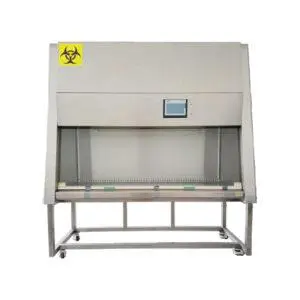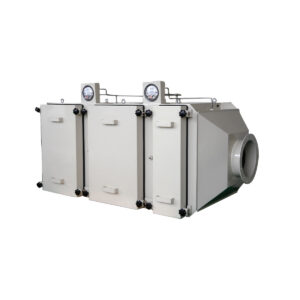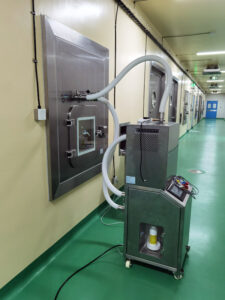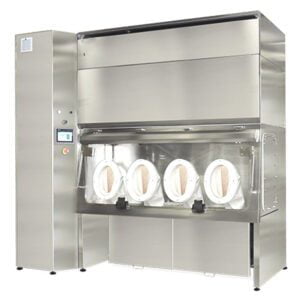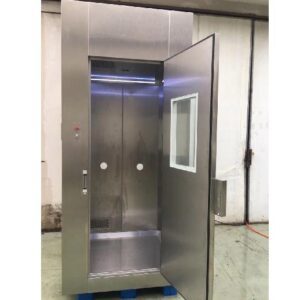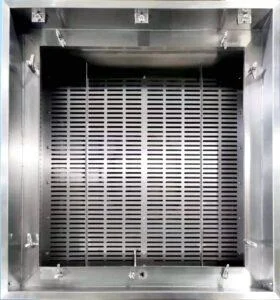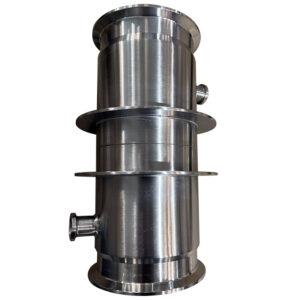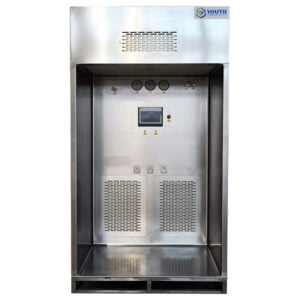
Les équipes chargées des achats reçoivent souvent deux ou trois devis pour ce qui semble être le même équipement, pour découvrir après l’attribution du marché que l’unité la moins chère nécessite plusieurs milliers de dollars de main-d’œuvre de montage non prise en charge, de travaux électriques certifiés et de mise en caisse avant même de pouvoir être testée. Cet écart n’est pas une erreur de facturation : il reflète le fait que les prix de base dans cette catégorie de produits excluent souvent précisément les services et la documentation qui déterminent si l’unité est conforme au calendrier prévu. La décision qui protège réellement le budget ne consiste pas à choisir le devis présentant le montant le plus bas, mais celui qui couvre l’ensemble du périmètre requis par le projet. Comprendre où ces lacunes de périmètre apparaissent le plus souvent changera votre façon d’analyser un devis avant de vous engager.
Facteurs influant sur le prix à prendre en compte avant de demander des devis pour des hottes laminaires
La plupart des imprévus budgétaires liés à l'achat de hottes à flux laminaire trouvent leur origine dans le flou des spécifications qui existait avant même que le premier devis ne soit demandé. Lorsque les équipes internes ne parviennent pas à s'accorder sur le niveau de filtration requis, le matériau de la structure, la norme de tension ou le dossier de documentation avant de contacter les fournisseurs, ces derniers comblent ces lacunes en se basant sur des hypothèses différentes — et les devis qui en résultent ne peuvent pas être comparés avec précision, quelle que soit la clarté de la présentation des postes.
Quatre choix techniques ont l’impact le plus important sur le prix et doivent être tranchés en interne avant le lancement de l’appel d’offres : la surface de travail et la nature des dimensions requises (standard ou sur mesure), le niveau d’efficacité HEPA réellement exigé par l’application, la norme de tension sur site et la nécessité d’un moteur de ventilateur à tension unique ou double, ainsi que le niveau de documentation de validation que l’appareil doit prendre en charge. Chacun de ces points est abordé en détail dans les sections suivantes, mais la rigueur de la planification est ici essentielle : un acheteur capable de répondre à ces quatre questions avant de contacter les fournisseurs recevra des devis véritablement comparables. Un acheteur qui laisse l’un de ces points en suspens recevra des devis fondés sur des hypothèses différentes, et celui qui semblera le moins cher sera souvent celui qui repose sur les hypothèses les plus optimistes quant à ce qui est inclus.
Les spécifications des matériaux méritent une attention particulière dès la phase de conception. La nuance d’acier inoxydable, la finition de surface et le traitement des soudures ont une incidence tant sur le prix unitaire de base que sur la conformité à long terme de l’équipement dans un environnement réglementé. Vérifier, avant le lancement de l’appel d’offres, si l’application nécessite de l’acier laminé à froid standard, de l’acier inoxydable 304 ou de l’acier inoxydable 316L constitue une étape de préparation pratique — et non une simple formalité de conformité —, car la différence de prix entre ces différentes catégories est réelle, et modifier cette spécification après l’émission d’un bon de commande entraîne généralement une révision des plans, un retard et une augmentation des coûts qu’un devis mieux ciblé aurait permis d’éviter.
La taille, le matériau et les options de commande qui influencent le plus rapidement le coût
Le fait de payer pour des spécifications allant au-delà des besoins réels du site et de l'application constitue l'un des facteurs de coût les plus courants et les plus évitables dans cette catégorie. Le problème n'est pas que les acheteurs paient délibérément plus cher, mais que le processus d'approvisionnement tend souvent à privilégier d'emblée les options aux spécifications les plus élevées, sans vérifier si ce surcoût apporte un réel avantage opérationnel dans le cadre de l'installation concernée.
Trois critères techniques ont une incidence plus marquée que d'autres sur le prix et méritent d'être examinés séparément avant d'accepter un devis comme définitif.
| Spécifications | Impact sur les coûts | Ce qu'il faut confirmer |
|---|---|---|
| Dimensions du filtre | Les dimensions plus grandes ou hors normes (par exemple, supérieures à 36 × 24 pouces) entraînent une augmentation des coûts liés aux matériaux et à l'assemblage. | Vérifiez si la taille demandée s'écarte des dimensions standard, car cela entraîne une augmentation directe du coût de base du capot. |
| Niveau d'efficacité HEPA | Le rendement de 99,991 TP10T, obtenu par analyse, entraîne des coûts supplémentaires liés à des tests et à une certification plus rigoureux que pour les qualités inférieures. | Vérifiez si l'application nécessite réellement un rendement de 99,99% ou si un niveau inférieur suffirait. |
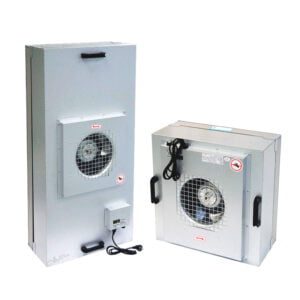
| Tension du ventilateur | Un ventilateur universel à double tension (115 V / 60 Hz et 230 V / 50 Hz) coûte plus cher qu'un modèle à tension unique. | Vérifiez l'alimentation électrique du site afin de ne pas payer pour une compatibilité double tension que vous n'utiliserez jamais. |
Le niveau d’efficacité comporte une implication en matière d’approvisionnement qu’il convient de souligner clairement : une efficacité HEPA de 99,991 TP10T nécessite des tests de certification plus rigoureux que les alternatives de niveau inférieur, et ce coût est intégré dans le prix unitaire. Si l’application n’exige pas spécifiquement ce niveau — en fonction du processus à protéger, et non sur la base d’une hypothèse par défaut —, le spécifier ajoute un coût réel sans apporter de valeur ajoutée sur le plan opérationnel. La même logique s’applique aux configurations de ventilateurs à double tension. Le surcoût lié à cette flexibilité est bien réel, mais il n’apporte aucun avantage si l’installation fonctionne selon une seule norme de tension. Vérifier l’alimentation électrique du site avant de finaliser les spécifications du ventilateur est une opération de cinq minutes qui permet d’éliminer un poste de dépense inutile.
Les dimensions du filtre constituent l'élément technique qui surprend le plus souvent les acheteurs lorsqu'ils comparent les devis de différents fournisseurs. Le prix d'un appareil conçu autour d'un filtre de 36 × 24 pouces est établi en fonction de ce format spécifique. Tout écart par rapport aux dimensions standard d'un fournisseur — qu'il s'agisse d'un format plus grand ou d'une configuration différente — implique un approvisionnement sur mesure des matériaux et une modification du processus d'assemblage, deux éléments qui augmentent le coût de base d'une manière qui n'est pas toujours visible avant la phase d'examen des plans.
Hottes de sécurité de base ou hottes sur mesure conformes aux BPF ?
L’erreur d’interprétation la plus grave commise lors de la planification budgétaire initiale consiste à considérer qu’un devis pour une paillasse propre standard et un devis pour une paillasse sur mesure conforme aux normes GMP correspondent à deux prix différents pour un même produit. Ce n’est pas le cas. Il s’agit en réalité de prix différents pour des produits différents, dont le périmètre d’intervention varie, et l’écart entre leurs spécifications — notamment en ce qui concerne le degré de filtration, les caractéristiques de l’acier inoxydable, le système de contrôle et le dossier de documentation — explique souvent davantage la différence de prix que n’importe quel poste budgétaire pris isolément.
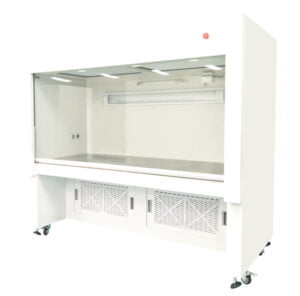
Une hotte à flux laminaire de base est conçue pour offrir une surface de travail à concentration de particules contrôlée. Elle convient aux applications dont l’objectif principal est de protéger le travail contre la contamination environnementale et pour lesquelles aucune documentation de validation formelle n’est requise. Une version conforme aux BPF est conçue pour répondre aux exigences en matière de documentation, de traçabilité des matériaux et de vérification des performances propres à un environnement de fabrication réglementé. Les contrôles sont plus sophistiqués, les certifications des matériaux sont plus détaillées et l’unité est généralement livrée avec des rapports d’essais de réception en usine qui étayent le processus de qualification en aval.
La norme ISO 14644-7 fournit un cadre d’essais pertinent pour les dispositifs de séparation utilisés dans des contextes BPF, et les obligations en matière de documentation qu’elle prévoit expliquent en partie pourquoi les installations conformes aux BPF sont plus coûteuses. Ce surcoût n’est pas arbitraire : il reflète les travaux d’ingénierie, les essais et les formalités administratives supplémentaires qui permettent à l’unité de passer avec succès les validations IQ/OQ sans générer de points d’action en suspens. L’achat d’une hotte à flux laminaire basique pour une application qui nécessitera à terme une validation conforme aux BPF ne permet pas de réaliser des économies ; il ne fait que reporter les coûts vers une phase de mise en conformité plus coûteuse et plus perturbante.
Le critère de planification est simple : si l'unité est destinée à être utilisée dans une étape de fabrication réglementée, ou si la validation du processus y fait référence, le niveau de spécification doit en tenir compte dès le départ. Le fait d'identifier cette exigence avant de demander des devis garantit que les devis reçus correspondent bien au niveau approprié — et que les comparaisons de prix s'effectuent au sein de la bonne catégorie plutôt qu'entre différentes catégories.
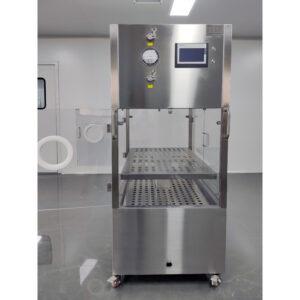
Pour les équipes qui comparent les configurations de produits entre différents niveaux, l'examen des options au sein de la hotte à flux laminaire Une gamme de versions, associée à des versions spécifiques à certaines applications, peut aider à déterminer clairement où se situe la limite de la spécification pour un cas d'utilisation donné.
Prix de base bas par rapport aux formules d'approvisionnement complètes
Un prix de base bas n'est pas synonyme de coût total bas, et dans le cadre de l'achat de hottes à flux laminaire, l'écart entre les deux est suffisamment important pour faire varier le choix de l'offre la plus avantageuse.
Les prix de base de cette catégorie excluent généralement la main-d’œuvre de montage, ce qui signifie que l’unité est livrée à monter et que cette tâche incombe à l’acheteur ou fait l’objet d’un devis distinct. Ils excluent également souvent l’installation électrique certifiée — une exigence à laquelle de nombreuses installations ne peuvent pas répondre en interne sans planification préalable et sans faire appel à un prestataire qualifié. Aucune de ces exclusions n’est inhabituelle ou inappropriée ; il s’agit de pratiques courantes dans certains segments de ce marché. Le problème survient lorsqu’un acheteur compare un prix de base à un devis plus complet sans se rendre compte que ce dernier inclut déjà ces services. L’avantage tarifaire apparent du devis le moins cher s’amenuise considérablement une fois que les frais de montage et d’installation électrique sont rajoutés.
La même logique s'applique à la mise en caisse, à la documentation d'inspection et à l'assistance à la mise en service. Un devis incluant une mise en caisse sur mesure pour un instrument de précision, un rapport d'inspection avant expédition et une assistance à la mise en service sur site paraîtra plus onéreux qu'un devis qui omet ces trois éléments. Mais si le projet nécessite de toute façon ces services — ce qui est le cas de la plupart des installations GMP ou de semi-conducteurs —, le devis plus complet n'est pas plus onéreux au total. Il reflète simplement de manière plus honnête le coût réel du projet.
Avant de s'engager sur un devis, il est judicieux de demander un cahier des charges clair et de vérifier précisément si la main-d'œuvre de montage, l'installation électrique, la mise en caisse et la mise en service sont incluses ou exclues. Comparer les périmètres de fourniture plutôt que les prix affichés fait toute la différence entre un budget qui tient la route et un budget qui accumule les avenants après l'émission du bon de commande. Pour avoir une vue d'ensemble structurée de la répartition des composantes des coûts d'approvisionnement selon les différents types de projets, le Analyse du coût unitaire LAF et calculateur de retour sur investissement fournit un cadre de référence utile.
Conditions de livraison et de révision qui faussent la comparaison des devis
Les frais de livraison qui semblent fixes lors de la comparaison des fournisseurs peuvent varier de manière significative après le paiement, et cette variation est un phénomène courant dans cette catégorie d'achats plutôt qu'un cas isolé. Les transporteurs procèdent généralement à des ajustements manuels en fonction du poids final de l'envoi, du poids volumétrique et de la valeur déclarée — qui peuvent tous différer des estimations utilisées lors de l'établissement du devis. Lorsqu’une compagnie maritime qui semblait avoir fixé son tarif lors de la phase de comparaison modifie ses conditions après l’émission d’un bon de commande, la différence de coût peut être suffisamment importante pour changer le choix de l’offre qui aurait été la plus avantageuse.
Pour gérer ce risque, il convient de considérer tout montant de frais de transport qui n’est pas fixé contractuellement comme une estimation. Avant de vous engager, demandez au fournisseur de préciser si le coût de transport correspond à un devis ferme ou à une estimation du transporteur, quelles conditions peuvent entraîner un ajustement a posteriori, et quelle partie prendra en charge la différence si le coût final dépasse l’estimation. Il s’agit là de questions légitimes en matière d’approvisionnement, et un fournisseur incapable d’y répondre clairement met en évidence un risque de processus qui doit être pris en compte dans la réserve budgétaire.
Les Incoterms méritent d’être examinés avec la même rigueur. Les clauses EXW, FCA et DAP entraînent des expositions aux coûts et aux risques sensiblement différentes pour l’acheteur, et les devis établis selon des Incoterms différents ne peuvent être comparés en termes de coût de livraison sans ajustement préalable. Un devis établi selon la clause EXW qui semble comparable à un devis DAP ne l’est pas : en effet, selon les conditions EXW, l’acheteur prend en charge l’intégralité des frais de transport, d’assurance, de dédouanement à l’importation et des risques liés à la livraison, éléments qui n’apparaissent pas dans le montant de base.
Les conditions relatives aux révisions des plans constituent une source de friction commerciale moins visible, mais tout aussi réelle. La plupart des fournisseurs incluent un nombre défini de révisions de plans dans le prix proposé ; au-delà de ce nombre, les révisions sont facturables. Les projets qui entrent dans la phase de commande avec des exigences insuffisamment précisées épuisent souvent le nombre de révisions incluses avant même que la conception ne soit validée ; à ce stade, chaque modification ultérieure donne lieu à une facture. Vérifier le nombre de révisions incluses et le coût unitaire de chaque révision avant la signature du contrat est une mesure de précaution qui permet de protéger le budget à un stade où les acheteurs partent souvent du principe qu'aucun coût supplémentaire n'est à prévoir.
Les projets nécessitant de nombreuses validations, dans lesquels l'offre la moins chère perd de sa valeur
Le rapport entre le prix de base et le coût total éligible n’est pas constant d’un type de projet à l’autre. Dans les dossiers où la validation, la qualification des processus ou l’inspection réglementaire constituent des exigences en aval, l’écart entre ces deux éléments est le plus important — et l’erreur de sélection consistant à choisir l’offre la moins chère est la plus lourde de conséquences.
La raison est d’ordre structurel. La validation nécessite des preuves documentées attestant que l’unité fonctionne conformément aux spécifications dans des conditions d’essai définies. La norme ISO 14644-3 établit des cadres d’essai qui décrivent ce que cette documentation doit couvrir pour les équipements destinés aux salles blanches et aux environnements contrôlés. Une unité livrée sans rapports d’essais de réception en usine, sans certificats de matériaux traçables et sans documentation d’étalonnage pour les instruments installés n’échoue pas à la validation — elle génère une liste de points en suspens qui doivent être résolus avant que la validation puisse se poursuivre. La résolution de ces points après la livraison s’avère systématiquement plus coûteuse que de les spécifier correctement avant l’achat, car le travail implique désormais la documentation des modifications, d’éventuels nouveaux essais et des répercussions sur le calendrier.
Un devis plus onéreux qui regroupe la documentation FAT, les rapports d’étalonnage et l’assistance à la mise en service ne fait pas payer un supplément pour les formalités administratives. Il permet au contraire de réduire le coût total du projet en anticipant des tâches qui devront de toute façon être effectuées. La question est de savoir si ces tâches sont réalisées de manière efficace pendant la phase de fabrication ou de manière plus coûteuse lors de la qualification sur site.
Le seuil à partir duquel ce compromis devient déterminant correspond à l’une des conditions suivantes : l’unité sera mentionnée dans un protocole de validation de processus, l’installation est soumise à une inspection réglementaire, ou le système qualité de l’établissement exige une qualification de l’équipement avant son utilisation. Dans chacune de ces situations, les décisions d’achat fondées uniquement sur le prix de base créent un risque d’échec avéré — il ne s’agit pas d’un résultat garanti, mais d’un schéma suffisamment fréquent pour qu’il influence la manière dont les devis sont pondérés. Dans un contexte où la validation occupe une place prépondérante, choisir l’offre dont le prix de base est le plus bas revient souvent à sélectionner celle qui comporte les exclusions de périmètre les plus strictes, ce qui constitue précisément une optimisation inadaptée à ce type de projet.
Pour les équipes chargées de prendre des décisions relatives aux spécifications pour plusieurs types d’unités — y compris dans les applications nécessitant un déploiement mobile ou flexible —, il est utile d’investir dans la planification afin de comprendre, dès les premières étapes du processus de conception, comment le périmètre de validation interagit avec la configuration des équipements. Le chariot mobile pour flux d'air laminaire décrit une configuration dans laquelle la flexibilité de déploiement et les exigences de qualification se recoupent de manière à tirer parti d'une définition précoce du périmètre.
La conclusion la plus évidente qui ressort de toute comparaison rigoureuse des devis dans cette catégorie est que les écarts de prix entre les offres reflètent le plus souvent des différences de périmètre plutôt que des différences de qualité de fabrication. Avant de considérer le montant le plus bas comme point de départ de la négociation, vérifiez ce que ce montant couvre réellement : quels services sont inclus, lesquels sont exclus, si les frais de livraison constituent un coût fixe ou une estimation, et quels documents sont fournis avec l’appareil. Ces quatre vérifications vous en diront plus sur le coût réel de chaque option que n’importe quelle négociation de prix supplémentaire.
Dès lors que des spécifications personnalisées, une utilisation finale réglementée ou une logistique de livraison complexe entrent en jeu, la question la plus importante en matière d’approvisionnement n’est pas “ quelle offre est la moins chère ? ”, mais “ quelle offre répond réellement aux besoins de ce projet ? ”. La réponse à cette question figure presque toujours dans le cahier des charges — à condition que l’acheteur en demande un avant de s’engager.
Questions fréquemment posées
Q : Notre projet ne nécessite pas de validation GMP officielle — les recommandations concernant les devis complets s'appliquent-elles tout de même ?
R : Oui, même si les enjeux sont moindres. Même en l’absence d’exigences de validation, la main-d’œuvre de montage et l’installation électrique certifiée restent exclues de la plupart des prix de base, et les frais de livraison peuvent encore varier après le paiement. Le risque lié aux divergences de périmètre est moindre dans les projets non réglementés, mais le fait de toujours exiger une déclaration écrite précisant le périmètre de la fourniture avant de s’engager permettra d’éviter les mauvaises surprises les plus courantes après la commande, quel que soit le type d’application.
Q : Une fois le bon de commande émis, quelles mesures faut-il prendre avant l'expédition du produit pour se prémunir contre d'éventuelles hausses de coûts cachées ?
R : Demandez une confirmation écrite du poids et des dimensions finaux de l'emballage, du montant définitif ou estimé des frais d'expédition, ainsi que du nombre de révisions de plans restantes avant que le produit n'entre en production. Ces trois vérifications portent sur les points spécifiques où les coûts ont le plus souvent tendance à varier après la passation de la commande. Si l'une des réponses n'est pas claire, signalez-le avant que le produit n'entre dans la file d'attente de fabrication : les modifications sont bien moins coûteuses à ce stade qu'une fois la fabrication commencée.
Q : À partir de quelle envergure de projet le surcoût lié à la documentation FAT et à l'accompagnement à la mise en service atteint-il le seuil de rentabilité financière ?
R : Le seuil de rentabilité est atteint dès qu’un seul point en suspens résolu lors de la qualification sur site nécessite une nouvelle visite du fournisseur ou une interruption des opérations de l’installation. Dans la plupart des installations réglementées, une seule visite imprévue sur site coûte plus cher que ne l’aurait fait la prime de documentation. Pour les projets où l’unité s’intègre directement dans un calendrier de production, le seuil de rentabilité est de fait immédiat : l’impact sur le calendrier justifie à lui seul le coût initial, avant même de prendre en compte les frais liés à de nouveaux essais.
Q : Est-il judicieux d'opter pour un moteur de ventilateur à double tension s'il existe un risque que l'équipement soit transféré à l'étranger à l'avenir ?
R : Uniquement si la délocalisation s’inscrit dans un plan opérationnel défini, et non s’il s’agit d’une possibilité lointaine. Le surcoût lié à la double tension est un coût réel et fixe supporté aujourd’hui en échange d’un bénéfice futur incertain. Si l’établissement dispose d’un programme documenté de rotation des équipements entre des sites présentant des normes de tension différentes, précisez-le. Si le scénario de délocalisation à l’international reste hypothétique, la meilleure approche consiste à définir les spécifications pour le site actuel et à considérer la reconfiguration comme un poste d’investissement futur, si et lorsque le besoin sera confirmé.
Q : En quoi le choix des conditions EXW influe-t-il sur le coût total à l'arrivée, par rapport à un devis DAP qui semble plus onéreux sur le papier ?
R : La condition EXW transfère à l’acheteur tous les risques liés au fret, à l’assurance, aux droits d’importation, à la livraison locale et au déchargement à partir du quai du fournisseur. Un devis DAP qui semble plus onéreux couvre souvent déjà l’ensemble de ces coûts. Avant de comparer les deux montants, ajoutez au prix de base EXW les tarifs de fret en vigueur, les taux des droits d’importation correspondant au code SH de l’équipement, ainsi que les éventuels frais de livraison locale. Dans la plupart des expéditions intercontinentales, ce calcul comble, voire inverse, l’écart de prix apparent — et le DAP supprime la charge de coordination logistique que l’EXW fait peser entièrement sur l’équipe de l’acheteur.