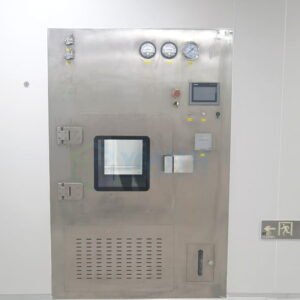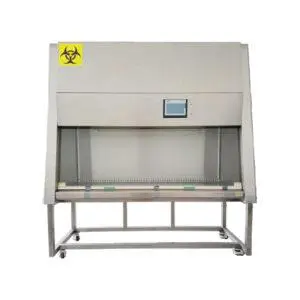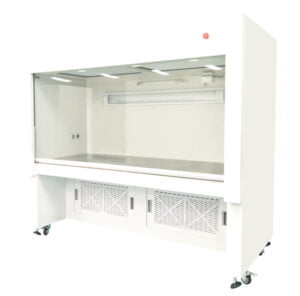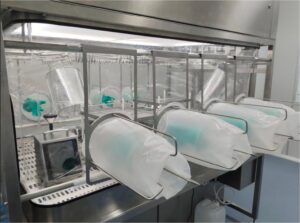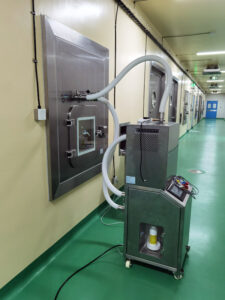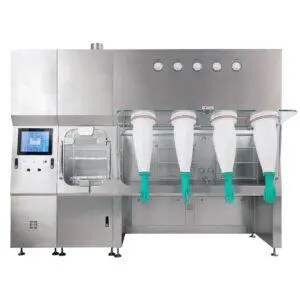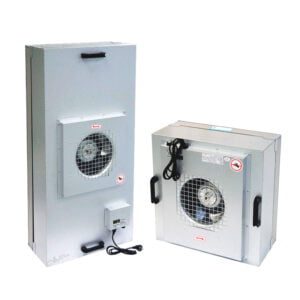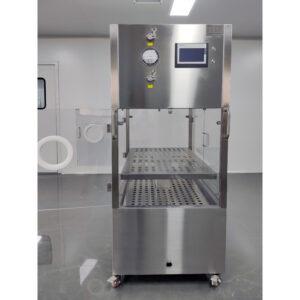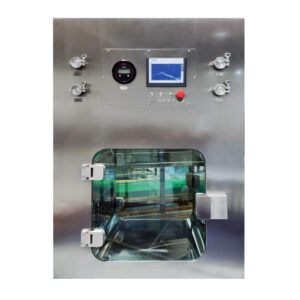
Dans les salles blanches, le transfert de matériel est un point critique pour le contrôle de la contamination. Une boîte de transfert est plus qu'une simple armoire ; c'est un mini-environnement contrôlé. Les accessoires intégrés dans sa conception déterminent son efficacité, sa fiabilité et sa conformité. Les professionnels se concentrent souvent sur l'unité principale, mais sous-estiment l'impact opérationnel et stratégique de ses systèmes auxiliaires. Cette négligence peut entraîner des lacunes dans les procédures, des temps d'arrêt inattendus et des infractions à la réglementation.
Le choix des manomètres différentiels, des lampes UV et des systèmes d'alarme influe directement sur l'assurance de la stérilité et le coût total de possession. Ces composants transforment un point de transfert passif en une barrière active et surveillée. Il est essentiel de comprendre leur fonction et leur intégration pour spécifier, valider et maintenir un système qui protège l'intégrité du produit et du processus tout au long de son cycle de vie.
Comment les jauges de pression différentielle protègent votre filtre HEPA
La fonction et le principe de mesure
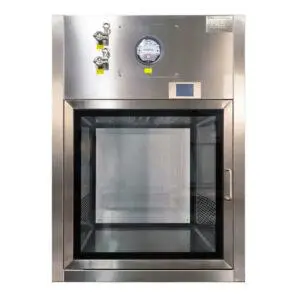
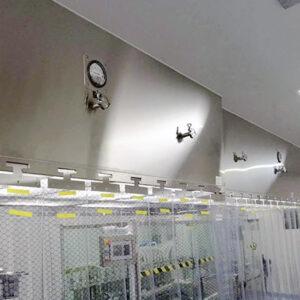
Un manomètre différentiel est le principal outil de maintenance prédictive pour les boîtes de passage dynamiques. Il mesure la chute de pression à travers le filtre HEPA en Pascals, en affichant la différence entre la pression d'air plus élevée en amont et la pression d'air plus basse en aval. Cette mesure est un indicateur direct de la charge du filtre. Un filtre propre présente une résistance minimale, mais au fur et à mesure qu'il capture des particules, la résistance au flux d'air augmente, ce qui accroît le différentiel mesuré. Cette jauge fournit le premier point de données objectif sur la santé du filtre, faisant passer la maintenance d'un programme basé sur le temps à une stratégie basée sur l'état.
Interpréter les données pour une action proactive
La surveillance de cette jauge n'est pas une observation passive. Une augmentation d'environ 250 Pa (25 mm WC) signale généralement la nécessité de remplacer le filtre. Ce seuil permet d'éviter une défaillance catastrophique lorsqu'un filtre chargé risque de se rompre ou de réduire considérablement le débit d'air, compromettant ainsi les cycles de purge de la chambre. D'un point de vue stratégique, ces données permettent une planification proactive. Les responsables d'installations peuvent planifier le remplacement des filtres pendant les temps d'arrêt prévus, minimisant ainsi le risque de contamination et évitant les arrêts de production non planifiés. Cette approche est fondamentale pour la fiabilité des opérations et est imposée par les normes régissant les performances des dispositifs de séparation.
Établissement d'une base de performance
Le relevé initial de la perte de charge d'un filtre neuf et propre constitue la base de référence de vos performances. La documentation de cette valeur lors de la mise en service est cruciale pour les comparaisons futures. Les experts de l'industrie recommandent d'enregistrer les relevés de pression chaque semaine pour suivre la courbe de charge du filtre. Nous avons comparé les dossiers de maintenance d'équipes réactives et proactives et avons constaté que les équipes utilisant les données des jauges réduisaient les incidents non planifiés liés aux filtres de plus de 70%. Ce simple accessoire est donc la pierre angulaire d'une stratégie de contrôle de la contamination basée sur les données.
Le rôle essentiel des lampes UV dans la décontamination des surfaces
Mécanisme germicide et conception de la sécurité
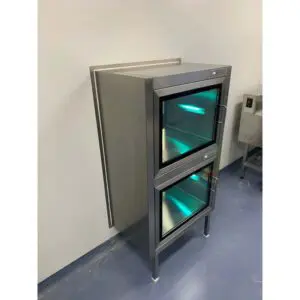
Les lampes UV-C fournissent une couche supplémentaire de protection germicide sans contact en décontaminant l'intérieur de la chambre et les objets qui s'y trouvent. Émettant une lumière d'une longueur d'onde de 254 nm, elles endommagent l'ADN et l'ARN microbiens, empêchant ainsi leur réplication. Pour la sécurité du personnel, ils sont verrouillés pour ne fonctionner que lorsque les deux portes sont bien fermées, après un cycle d'exposition prédéfini. Cette conception garantit une décontamination efficace tout en éliminant le risque d'exposition nocive aux UV pour les opérateurs, une caractéristique de sécurité non négociable dans toute installation.
Durée de vie opérationnelle et implications financières
Ces lampes ont une durée de vie limitée et prévisible, généralement de 4 000 heures, après quoi leur puissance germicide se dégrade considérablement. Il en résulte un coût de remplacement récurrent et une tâche de maintenance qui doivent être pris en compte dans les budgets d'exploitation. En outre, dans les environnements cliniques ou pharmaceutiques, l'ensemble de la conception de la boîte de passage doit s'adapter à des protocoles de stérilisation rigoureux entre les utilisations. Cette exigence de durabilité et de nettoyabilité dicte souvent l'utilisation de matériaux de qualité supérieure tels que l'acier inoxydable 316L, qui l'emporte sur les considérations de coût de base dans les environnements réglementés où la compatibilité des matériaux avec les désinfectants est essentielle.
Validation spécifique à l'application
L'efficacité de la décontamination par UV n'est pas universelle ; elle dépend du temps d'exposition, de la distance par rapport à la source et de l'ombrage de la surface. Selon la FDA Guidance for Industry : Produits pharmaceutiques stériles obtenus par traitement aseptique, En outre, toute méthode de décontamination doit être validée pour l'usage auquel elle est destinée. Parmi les détails facilement négligés, citons la nécessité de tester périodiquement l'intensité à l'aide d'un appareil de mesure des UV afin de confirmer que les lampes délivrent la dose validée avant d'atteindre leur fin de vie.
| Composant | Principales spécifications | Considérations opérationnelles |
|---|---|---|
| Longueur d'onde UV-C | 254 nm | Effet germicide optimal |
| Durée de vie de la lampe | 4000 heures | Cycle de remplacement prévisible |
| Dispositif de sécurité | Verrouillage de la porte | Prévient l'exposition de l'utilisateur |
| Besoins en matériel | Acier inoxydable | Résiste à une stérilisation rigoureuse |
Source : FDA Guidance for Industry : Produits pharmaceutiques stériles obtenus par traitement aseptique. Ces orientations mettent l'accent sur la maîtrise des risques de contamination dans le cadre de la transformation aseptique, en encourageant l'utilisation de méthodes de décontamination validées et de matériaux appropriés pour les équipements situés dans les zones critiques.
Pourquoi les systèmes d'alarme et de verrouillage ne sont pas négociables
Faire respecter l'intégrité des procédures
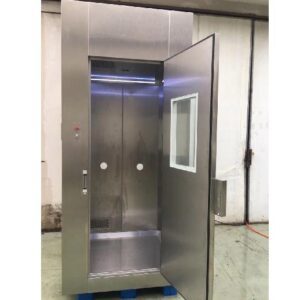
Les systèmes d'alarme et de verrouillage constituent le dispositif de sécurité fondamental qui assure l'intégrité de la procédure. Leur fonction première est d'empêcher l'ouverture simultanée des deux portes, ce qui représente le plus grand risque de contamination croisée dans une opération de "pass box". Les systèmes vont de simples loquets mécaniques à des contrôles électroniques avancés utilisant des capteurs, des solénoïdes et des contrôleurs logiques programmables (PLC). Cette fonction de base est obligatoire pour assurer la conformité ; sans elle, la boîte de passage n'est qu'une simple armoire, et non une barrière contrôlée.
Améliorations électroniques et facteurs réglementaires
Les systèmes de verrouillage électronique améliorent le contrôle et fournissent des preuves vérifiables. Ils intègrent des indicateurs visuels d'état, des alarmes sonores en cas de violation du protocole et des minuteries de purge programmables qui doivent être terminées avant que la porte opposée ne se déverrouille. D'un point de vue stratégique, ces systèmes sont fortement influencés par des normes réglementaires telles que ISO 14644-7, Ce qui en fait une caractéristique essentielle à la conformité plutôt qu'un accessoire optionnel. Leur sophistication constitue également la base logique de l'évolution vers des systèmes “intelligents”, connectés à l'IdO, qui permettent de tenir des registres numériques et d'effectuer une surveillance à distance.
Le coût de la non-conformité
La décision de spécifier un verrouillage mécanique de base plutôt qu'un verrouillage électronique est rarement une question d'économie. D'après mon expérience de l'audit des installations, une défaillance du verrouillage mécanique passe souvent inaperçue jusqu'à ce qu'une contamination se produise, alors qu'un système électronique tombe en panne en toute sécurité et déclenche immédiatement une alarme. Le coût potentiel d'une défaillance de la stérilité ou d'une observation réglementaire dépasse de loin l'investissement supplémentaire dans un système de verrouillage électronique fiable avec retour d'alarme.
Intégration de pré-filtres et de ports de test pour une conformité totale
Prolonger la durée de vie du filtre HEPA
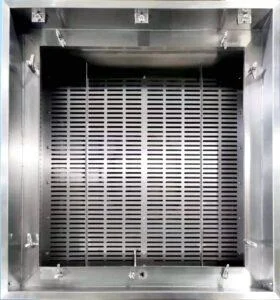
Un système entièrement conforme intègre des composants de soutien tels que des pré-filtres et des ports de test. Les préfiltres capturent les plus grosses particules (par exemple, la poussière, les fibres) en amont, protégeant ainsi le filtre HEPA, plus coûteux et plus critique, d'une charge prématurée. Cela prolonge la durée de vie du filtre HEPA, réduisant directement les coûts d'exploitation à long terme. Ces pré-filtres doivent être vérifiés et remplacés régulièrement, généralement tous les un à six mois, en fonction de l'environnement ambiant et de la fréquence d'utilisation.
Permettre les essais in situ obligatoires
Les ports de test DOP/PAO intégrés sont essentiels pour tester l'intégrité in situ du filtre HEPA. Il s'agit d'une étape de validation obligatoire dans les industries réglementées pour confirmer que le filtre ne présente pas de fuites et qu'il est correctement installé. La présence d'orifices de test correctement conçus permet cette vérification critique des performances sans compromettre l'intégrité de l'enceinte de la boîte de passage, ce qui permet une recertification de routine comme l'exigent les systèmes de qualité.
L'échelonnement stratégique des produits dévoilé
L'intégration de ces caractéristiques révèle l'échelonnement stratégique des produits par les fabricants. Les boîtiers statiques de base n'offrent qu'une séparation physique. Les modèles dynamiques regroupent la filtration HEPA, les manomètres et les ports de test pour créer des solutions différenciées et prêtes à être mises en conformité. Ce regroupement d'accessoires permet aux fournisseurs d'obtenir des prix élevés pour un risque de déploiement réduit. Les équipes chargées des achats doivent donc spécifier les caractéristiques exactes, et pas seulement les numéros de modèle, afin de s'assurer que les offres sont comparables et comprennent tous les composants nécessaires à la validation.
| Accessoire | Fonction | Intervalle d'entretien/d'utilisation |
|---|---|---|
| Préfiltre | Capture les particules les plus grosses | Remplacement : 1-6 mois |
| Filtre HEPA | Filtration finale des particules | Remplacement : ≥6 mois |
| Port d'essai DOP/PAO | Tests d'intégrité in situ | Obligatoire pour la validation |
| Classement des produits | Caractéristiques de l'offre groupée | Créer des niveaux de prix et de performance |
Source : ISO 14644-7 : Salles propres et environnements maîtrisés apparentés - Partie 7 : Dispositifs de séparation. La norme spécifie les exigences en matière de conception et d'essais pour les dispositifs de séparation, qui englobent la nécessité de systèmes de filtrage et les dispositions relatives aux essais in situ pour vérifier la continuité des performances.
Protocoles opérationnels et dispositifs de sécurité expliqués
Définition de la séquence de transfert
Un fonctionnement efficace repose sur des protocoles définis, soutenus par des dispositifs de sécurité intégrés. Un transfert standard consiste à placer un article dans la chambre, à fermer et à sceller la porte, et souvent à lancer un cycle de purge ou d'UV programmé. Ce n'est qu'à la fin de ce cycle que le système de verrouillage libère la porte opposée. Les systèmes électroniques assurent une exécution parfaite de cette séquence, les détecteurs de proximité permettant un fonctionnement sans contact afin de réduire davantage le risque de contamination.
Prévention des erreurs par la conception
Les fonctions telles que les alarmes de porte, les voyants d'état de fin de cycle et les avertissements sonores en cas de séquences incorrectes ne sont pas de simples commodités. Elles guident le comportement de l'utilisateur et préviennent les erreurs de procédure. Cette conception d'un contrôle strict des procédures est intrinsèquement liée aux exigences réglementaires. Les accessoires fournissent des preuves vérifiables - par le biais de journaux de cycles et d'historiques d'alarmes - et des protocoles appliqués nécessaires à la validation des processus dans les environnements pharmaceutiques et biomédicaux.
Le facteur humain
Même le meilleur système peut être compromis par des utilisateurs mal formés. L'erreur la plus courante consiste à tenter de forcer l'ouverture d'une porte lorsqu'un verrouillage est enclenché, ce qui risque d'endommager le mécanisme. La formation doit insister sur le fait que les alarmes et les verrouillages sont des dispositifs de protection et non des obstacles. Un système bien conçu, doté d'indices visuels et sonores clairs, réduit la charge de formation et améliore le respect général des procédures opérationnelles normalisées.
Programmes d'entretien pour une fiabilité et une valeur à long terme
Le cycle des coûts prévisibles
La fiabilité à long terme est dictée par un calendrier de maintenance strict et récurrent, qui représente une part importante du coût opérationnel total. Il ne s'agit pas d'activités facultatives, mais d'exigences obligatoires pour maintenir les états validés. Négliger ce calendrier risque d'entraîner une défaillance du filtre, une perte de l'assurance de stérilité et une non-conformité à la réglementation, ce qui entraîne des coûts bien plus importants que la maintenance planifiée elle-même.
Intervalles spécifiques aux composants
Chaque accessoire a son propre cycle de vie. Les pré-filtres requièrent l'attention la plus fréquente, avec des contrôles tous les 1 à 6 mois. Les filtres HEPA doivent être remplacés au moins tous les 6 mois ou lorsque le manomètre différentiel indique le seuil de 250 Pa. Les lampes UV doivent être remplacées à la fin de leur durée de vie de 4 000 heures, quelle que soit leur fonction apparente. L'approvisionnement stratégique doit tenir compte de ces cycles prévisibles de coût des pièces et de temps d'arrêt de la main-d'œuvre. La création d'un stock de pièces de rechange basé sur ces intervalles permet d'éviter les temps d'arrêt prolongés.
Mise en œuvre d'un modèle de coût total de possession
L'évaluation d'une boîte de passage nécessite un modèle de coût total de possession (TCO) qui va bien au-delà des dépenses d'investissement initiales. Une unité moins chère avec une durée de vie des filtres plus courte ou des accessoires propriétaires coûteux peut s'avérer plus onéreuse au bout de deux ans. Nous avons comparé le coût total de possession de plusieurs modèles et constaté qu'un coût initial supérieur de 20% pour une unité dotée de filtres de taille standard et d'intervalles d'entretien plus longs se traduisait souvent par un coût inférieur de 35% sur cinq ans.
| Composant | Action de maintenance | Fréquence/Condition |
|---|---|---|
| Préfiltre | Vérifier et remplacer | Tous les 1 à 6 mois |
| Filtre HEPA | Remplacer | À une chute de 250 Pa ou pendant 6 mois |
| Lampe UV-C | Remplacer | Durée de vie de 4000 heures |
| Coût total | Dépenses opérationnelles | Au-delà des dépenses en capital |
Source : Documentation technique et spécifications industrielles.
Choisir les bons accessoires pour votre application spécifique
Correspondance entre les spécifications et le niveau de contrôle de la contamination
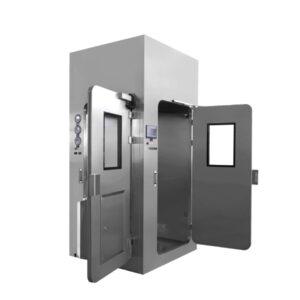
Le choix dépend de l'adéquation entre les spécifications techniques, le niveau de contrôle de la contamination et les besoins opérationnels. Un caisson de passage dynamique doté d'une filtration HEPA et d'un manomètre est nécessaire pour une purification active de l'air entre les zones classées ISO. Un caisson statique peut suffire pour une séparation physique de base où le contrôle des particules de l'air est moins critique. La nécessité de décontaminer les surfaces impose l'intégration d'une lampe UV, en particulier lors du transfert d'articles qui ne peuvent pas être essuyés.
Relever les défis opérationnels spécialisés
Les applications spécialisées exigent des configurations d'accessoires spécifiques. Le transfert de spécimens liquides dans des conteneurs ouverts peut nécessiter un modèle à plateau tournant pour faire pivoter les éléments à inspecter tout en maintenant la barrière d'air et en évitant les déversements. Le transfert d'équipements lourds ou encombrants peut nécessiter un passage avec des portes motorisées et des étagères résistantes à la charge. Il ne s'agit pas de décisions génériques ; elles nécessitent une compréhension claire du flux de matériel et une évaluation des risques.
Naviguer dans un paysage de fournisseurs fragmenté
Cela met en évidence un paysage de fournisseurs fragmenté avec de nombreux modèles comparables. Les équipes chargées des achats doivent élaborer de solides spécifications des besoins de l'utilisateur (URS) détaillant les caractéristiques exactes - type de verrouillage, efficacité du filtre, exigences en matière de gabarit, dimensions physiques - et pas seulement les numéros de modèle. Cela permet de garantir des appels d'offres précis et comparables et d'éviter la livraison d'options incompatibles ou trop chères qui ne répondent pas aux besoins réels du processus.
| Paramètres | Valeur/plage typique | Importance |
|---|---|---|
| Mesure de la pression | Pascals (Pa) | Indique la charge du filtre |
| Nettoyer la chute du filtre | Faible valeur initiale | Performance de référence |
| Signal de remplacement | ~250 Pa (25 mm WC) | Remplacement obligatoire du filtre |
| Prestations en matière de surveillance | Programmation proactive | Prévient les défaillances inattendues |
Source : ISO 14644-7 : Salles propres et environnements maîtrisés apparentés - Partie 7 : Dispositifs de séparation. Cette norme régit la conception et les performances des dispositifs de séparation tels que les boîtes de passage, en imposant des systèmes de surveillance pour garantir l'intégrité, y compris la surveillance de la pression différentielle pour la performance du filtre HEPA.
Points clés à prendre en compte pour votre liste de contrôle des accessoires de la boîte à passeport
Spécifications techniques et de conformité
Votre liste de contrôle finale doit d'abord confirmer les principales spécifications techniques et de conformité. Sur le plan technique, confirmez le type de verrouillage (mécanique/électronique), l'efficacité du filtre HEPA (99,97%+ sur 0,3µm par mètre cube) et le degré de conformité. ISO 21501-4), la plage de mesure (0-500 Pa est typique) et la présence d'orifices de test DOP/PAO standard. Sur le plan opérationnel, prévoyez les cycles de maintenance obligatoires et vérifiez la disponibilité et le coût des pièces de rechange telles que les lampes et les filtres.
Intégration architecturale et physique
Les considérations stratégiques souvent négligées concernent l'intégration architecturale. La précision des dimensions physiques (intérieures et extérieures) et la disponibilité de manchons d'extension pour des profondeurs de murs variables nécessitent une collaboration précoce entre les ingénieurs des procédés, les gestionnaires d'installations et les architectes. La boîte de passage est une installation fixe ; une inadéquation découverte lors de l'aménagement entraîne des retards et des modifications coûteuses.
Pérenniser l'investissement
Enfin, il convient d'évaluer si la conception du système permet de répondre aux besoins futurs. Le système de contrôle dispose-t-il de ports inutilisés pour l'ajout de capteurs ? Peut-il être connecté à un système de gestion des bâtiments (GTB) ou mis en réseau pour l'enregistrement des données de maintenance prédictive ? En veillant à ce que votre investissement reste viable à mesure que les normes et les technologies évoluent, vous protégez votre capital à long terme. Pour une gamme complète de boîtiers de passage dynamiques configurables conçus en tenant compte de ces accessoires essentiels, consultez les spécifications des boîtiers de passage dynamiques dédiés. unités de transfert de matériaux en salle blanche.
| Catégorie | Spécification critique | Exemple/seuil |
|---|---|---|
| Système de verrouillage | Type | Mécanique ou électronique |
| Filtre HEPA | Efficacité | ≥99.97% sur 0.3µm |
| Manomètre | Plage de mesure | 0-500 Pa |
| Intégration physique | Logement de la profondeur du mur | Manchons d'extension disponibles |
Source : ISO 14644-7 : Salles propres et environnements maîtrisés apparentés - Partie 7 : Dispositifs de séparation. Cette norme fournit les exigences fondamentales pour la conception et la performance des boîtes de passage, en informant directement les spécifications critiques pour les verrouillages, la filtration et la surveillance afin de garantir la conformité.
Donnez la priorité aux accessoires qui garantissent une conformité vérifiable et permettent une maintenance prédictive. Le manomètre différentiel et le verrouillage électronique constituent le noyau non négociable de toute application dynamique. Les lampes UV et les ports de test doivent être justifiés par une évaluation spécifique des risques, et non ajoutés par défaut. Votre programme de maintenance doit être établi lors de la mise en service et intégré dans le plan directeur de validation du site.
Vous avez besoin d'une solution de boîte de passage conçue avec ces accessoires critiques pour une performance fiable et conforme ? L'équipe technique de JEUNESSE peut vous aider à définir un système adapté à votre niveau de contrôle de la contamination et à votre flux de travail. Pour une consultation détaillée sur les exigences spécifiques de votre application, vous pouvez également Nous contacter.
Questions fréquemment posées
Q : Comment un manomètre différentiel peut-il servir d'outil de maintenance prédictive pour une boîte de passage ?
R : Il surveille la chute de pression à travers le filtre HEPA, mesurée en pascals. Au fur et à mesure que le filtre se charge de particules, la résistance augmente, ce qui accroît la pression différentielle ; une augmentation typique de 250 Pa signale la nécessité d'un remplacement. Cela signifie que les installations peuvent programmer une maintenance proactive, basée sur l'état, pour prévenir les défaillances du flux d'air, minimisant ainsi directement le risque de contamination et les temps d'arrêt non planifiés, pour une meilleure planification du coût total de possession.
Q : Quelles sont les principales caractéristiques de conformité et de sécurité à rechercher dans un système de verrouillage de la boîte d'accès ?
R : Un système qui empêche physiquement les deux portes de s'ouvrir simultanément est une caractéristique non négociable. Les versions électroniques améliorent le contrôle grâce à des minuteries de purge programmables, des alarmes d'ouverture de porte et des voyants d'état. Cette fonction essentielle est imposée par les normes relatives aux dispositifs de séparation tels que ISO 14644-7. Pour les projets de traitement aseptique, il s'agit d'une caractéristique essentielle à la conformité qui constitue également la base d'une future connectivité IoT et de journaux numériques.
Q : Pourquoi un modèle de coût total de possession est-il essentiel lors de la sélection d'un boîtier de passage ?
R : Le prix d'achat initial n'est qu'un élément ; les coûts à long terme sont dictés par des cycles d'entretien stricts et récurrents. Il s'agit notamment de remplacer les pré-filtres tous les 1 à 6 mois, les filtres HEPA à une chute de pression de 250 Pa et les lampes UV à leur fin de vie de 4 000 heures. Si votre activité nécessite une assurance de stérilité validée et continue, vous devez budgétiser ces coûts prévisibles de pièces et de main-d'œuvre pour éviter la non-conformité réglementaire et la perte d'intégrité du produit.
Q : Comment les lampes UV-C s'intègrent-elles dans le protocole de sécurité et de décontamination d'une boîte de passage ?
R : Les lampes UV-C offrent une protection germicide supplémentaire en endommageant l'ADN microbien avec une lumière de 254 nm. Elles sont verrouillées pour ne fonctionner que lorsque les deux portes sont fermées pendant un cycle d'exposition donné. Cela signifie que pour les applications cliniques ou pharmaceutiques nécessitant une décontamination des surfaces, vous devez prévoir la durée de vie limitée de la lampe et vous assurer que les matériaux de la chambre peuvent résister à des protocoles de nettoyage rigoureux, ce qui nécessite souvent une construction en acier inoxydable de première qualité.
Q : Quels sont les accessoires indispensables à la validation et à la protection des filtres HEPA in situ ?
R : Les ports de test DOP/PAO intégrés sont essentiels pour les tests d'intégrité in situ obligatoires du filtre HEPA. Les préfiltres installés en amont capturent les particules plus grosses, prolongeant ainsi la durée de vie du coûteux filtre HEPA. Cette intégration révèle l'échelonnement stratégique des produits par les fabricants. Pour une conformité totale dans les industries réglementées, votre feuille de spécifications doit explicitement exiger ces caractéristiques groupées, et pas seulement un numéro de modèle de base, afin de garantir une soumission précise et d'éviter les obstacles à la validation.
Q : Comment les protocoles opérationnels d'une boîte de passage s'alignent-ils sur les exigences réglementaires ?
R : Des protocoles efficaces, tels qu'un cycle de purge chronométré entre les opérations de la porte, sont mis en œuvre par des verrouillages et des capteurs électroniques intégrés. Des dispositifs tels que les alarmes de porte et les voyants d'état guident le comportement de l'utilisateur afin d'éviter tout écart par rapport à la procédure. Cette conception d'un contrôle strict est intrinsèquement liée aux exigences réglementaires énoncées dans des documents tels que la Directives de la FDA sur le traitement aseptique, Ces accessoires sont donc indispensables pour fournir des preuves vérifiables de la conformité.
Q : Quelles sont les spécifications techniques les plus importantes lors de l'élaboration d'une liste de contrôle pour l'acquisition d'une boîte de passage ?
R : Techniquement, confirmez le type de verrouillage, l'efficacité du filtre HEPA (par exemple, 99,97% sur 0,3µm), la plage du manomètre différentiel (par exemple, 0-500 Pa) et la présence d'orifices de test. Sur le plan opérationnel, prévoyez les cycles de maintenance obligatoires et la disponibilité des pièces de rechange. D'un point de vue stratégique, si votre installation nécessite une surveillance de l'environnement, assurez-vous de la compatibilité avec des compteurs de particules étalonnés selon des normes telles que ISO 21501-4. Cette spécification précoce permet d'éviter les offres incompatibles et garantit que le système répond aux besoins de validation actuels et futurs.
Contenu connexe :
- Prévisions du marché de la boîte de passage VHP : Analyse de la croissance 2025-2030
- Explication des principes de fonctionnement de la Pass Box : Mécanismes de verrouillage, dynamique du flux d'air et conception du cycle de stérilisation UV pour les applications en salle blanche
- Le guide complet de sélection et de mise en œuvre des boîtes de passage pour le contrôle de la contamination en salle blanche : édition 2025 avec cadre de conformité aux BPF et à l'ISO 14644
- Contrôle de la pression de la boîte de passage VHP : Conformité à la norme ISO 14644
- VHP et boîtes à passes traditionnelles : Comparaison des principales différences
- Verrouillage électronique ou verrouillage mécanique dans les boîtes de passage : Quel système permet un meilleur contrôle de la contamination ?
- Validation de la boîte de passage VHP : Liste de contrôle de la conformité IQ/OQ/PQ
- Exigences en matière de pression différentielle de la boîte de passage : Comment maintenir un flux d'air optimal entre les zones de la salle blanche ?
- Systèmes de filtration HEPA - Spécifications des équipements de traitement de l'air