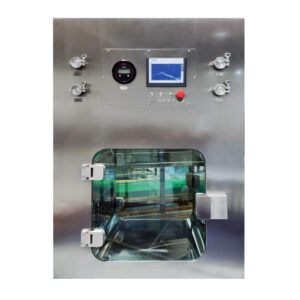
I team di approvvigionamento che costruiscono le specifiche di un armadio a partire da un catalogo di fornitori piuttosto che da un flusso di lavoro microbiologico mappato, scoprono di solito al momento dell'installazione - e non dell'acquisto - che la larghezza di allestimento interno non può ospitare la manipolazione simultanea di supporti, piastre e rifiuti senza infrangere la disciplina asettica al banco. Questa singola omissione si aggrava a valle: quando iniziano le verifiche di pulibilità, i dispositivi interni e le porte di servizio che sembravano accettabili nelle brochure si rivelano incoerenti da sanificare, e il rischio di contaminazione affiora durante il monitoraggio ambientale o l'ispezione GMP piuttosto che durante la revisione degli acquisti. Due dimensioni dell'armadio - l'altezza dell'apertura delle ante e gli accessori installati in fabbrica - non possono essere corrette economicamente dopo la consegna, eppure entrambe vengono regolarmente trattate come dettagli da finalizzare in seguito. I giudizi contenuti in questo articolo aiutano il progettista a distinguere quali parametri dell'armadio devono essere congelati prima dell'approvazione del fornitore, quali controlli di revisione devono essere effettuati prima dell'ordine di acquisto e quali soglie di qualificazione devono essere scritte nel protocollo piuttosto che implicite come responsabilità del fornitore.
Quali flussi di lavoro microbiologici devono essere scritti nell'URS del cabinet?
L'URS è utile solo quanto l'analisi del flusso di lavoro che vi sta dietro. Un armadio specificato in base al numero di modello e alle dimensioni esterne nominali soddisferà le richieste di approvvigionamento senza garantire che l'area di lavoro interna supporti l'effettiva sequenza di operazioni (preparazione dei supporti, trasferimento delle lastre, allestimento dei campioni e gestione dei rifiuti) che si svolgono simultaneamente durante una sessione tipica.
La larghezza interna è il criterio di pianificazione più chiaro da ricavare dalla mappatura del flusso di lavoro piuttosto che da una brochure del prodotto. Un mobile esterno di 100 cm può offrire solo 900 mm di larghezza interna utilizzabile, una volta che si tiene conto dei plenum del flusso d'aria e delle tolleranze delle pareti laterali; se il flusso di lavoro mappato richiede il posizionamento simultaneo di contenitori per i media, piatti aperti e un contenitore per i rifiuti etichettato, questa dimensione interna potrebbe non supportare in modo affidabile tutti e tre gli elementi senza costringerli a uscire dalla zona di lavoro protetta. Scrivere l'URS in base ai requisiti di allestimento osservati, e non alle dimensioni esterne presunte, permette di risolvere questo disallineamento prima della selezione del fornitore, anziché dopo l'installazione.
Oltre alla larghezza di allestimento, l'URS deve identificare ogni fase di manipolazione asettica per tipo e sequenza: quali operazioni comportano l'apertura di recipienti, quali richiedono la manipolazione di superfici di tappi o membrane, se lo stripping delle piastre e il versamento dei terreni di coltura avvengono nella stessa sessione e quali fasi di pulizia intercorrono. Questo esercizio di mappatura dei processi determina la geometria di accesso all'anta richiesta, i tipi di superfici che entreranno in contatto con i disinfettanti, gli accessori che devono rimanere all'interno della camera durante l'operazione e lo spazio verticale necessario per l'oggetto più alto utilizzato abitualmente in quel flusso di lavoro. Il principio di ICH Q10 di documentare i processi critici per la qualità come base per i requisiti delle apparecchiature supporta esattamente questo approccio: la specifica del cabinet è un risultato a valle di un flusso di lavoro documentato, non un punto di partenza.
Anche la classificazione del locale è un input dell'URS, non un ripensamento. Un armadio che opera all'interno di un ambiente classificato introduce requisiti di integrazione (gestione del differenziale di pressione, compatibilità con gli indumenti del personale, interazione con il sistema HVAC della stanza) che possono influenzare la collocazione dell'armadio, la scelta del ricircolo rispetto allo scarico canalizzato e la praticità dell'accesso per la pulizia di routine. Inserendo questi vincoli nell'URS prima dell'ingaggio del fornitore, si evita la deriva dell'ambito quando i fornitori propongono configurazioni ottimizzate per ambienti di laboratorio non classificati.
Come la manipolazione dei campioni e la chimica di pulizia determinano le specifiche
La scelta del materiale della superficie sembra una decisione secondaria fino a quando il regime disinfettante standard del laboratorio non inizia a interagire con l'interno dell'armadio durante il funzionamento di routine. A quel punto, quella che sembrava una preferenza estetica o di costo si trasforma in un problema di pulibilità e di ciclo di vita, difficile e costoso da correggere in un'unità qualificata e installata.
Il compromesso pratico è tra l'interno in acciaio inox 304 - che offre una resistenza chimica consolidata e ampiamente documentata - e le finiture con rivestimento proprietario commercializzate con vari marchi. La conseguenza della sottovalutazione di questa scelta è il degrado della superficie: gli agenti sporicidi, le formulazioni a base di IPA e i disinfettanti ossidanti utilizzati nei laboratori di microbiologia farmaceutica impongono requisiti diversi alle superfici interne, e una finitura che resiste a un prodotto chimico può non resistere in modo affidabile a un altro. Prima di specificare un interno rivestito, richiedere i dati di resistenza chimica del produttore per i disinfettanti specifici utilizzati dal laboratorio - non una dichiarazione di compatibilità generale - e valutare tali dati rispetto all'intera rotazione di pulizia, non solo all'agente più comune.
| Opzione materiale | Considerazioni chiave | Cosa chiarire nell'URS |
|---|---|---|
| Acciaio inox (304) | Resistenza chimica a lungo termine e pulibilità con i normali disinfettanti da laboratorio. | Compatibilità con la chimica specifica dei detergenti e disinfettanti del laboratorio. |
| Finitura proprietaria “SmartCoat | Potenziale di degradazione superficiale o profilo di resistenza chimica diverso. | Dati del produttore sulla resistenza chimica dei disinfettanti specifici utilizzati. |
Una conseguenza pratica che vale la pena sottolineare è che il degrado della superficie di un interno rivestito non è sempre immediatamente visibile. Il degrado allo stadio iniziale può apparire come un micro-pitting o una decolorazione che supera l'ispezione visiva durante la pulizia di routine, ma crea irregolarità superficiali che ospitano la contaminazione nel tempo. Inserendo nell'URS un requisito relativo ai materiali superficiali - compresa una clausola che richiede al fornitore di confermare la compatibilità con i disinfettanti con prove documentate - si rende questo criterio di acquisto verificabile piuttosto che una scoperta successiva all'installazione.
Per ulteriori informazioni sulle considerazioni relative ai materiali e alle superfici che influiscono sulle prestazioni a lungo termine del mobile, si veda il documento Cabine di sicurezza biologica di Classe II: Guida completa copre le variabili di costruzione dei mobili che influenzano le decisioni sulla pulibilità.
Quali sono i controlli GMP e di pulibilità da effettuare prima della PO?
Al momento dell'emissione dell'ordine di acquisto, due categorie di revisione dovrebbero essere già chiuse: la verifica della certificazione di base e l'audit interno dell'attrezzatura. Lasciare l'una o l'altra all'ispezione successiva alla consegna significa che l'armadio sta già occupando spazio e risorse per la qualificazione prima che venga identificato un problema potenzialmente squalificante.
La certificazione di base è il controllo più semplice. Le certificazioni NSF/ANSI 49, UL e CE rappresentano il punto di riferimento per le prestazioni e la sicurezza degli armadi di sicurezza biologica per uso farmaceutico. L'assenza di queste certificazioni nella documentazione di un fornitore è una condizione squalificante, non perché un'autorità di regolamentazione farmaceutica richieda direttamente questi marchi, ma perché un armadio che non è stato testato in modo indipendente secondo questi standard non dà al sistema di qualità nulla di difendibile da citare come prova delle prestazioni di contenimento. Confermate che la certificazione si applica al modello e alla configurazione specifici che state acquistando, e non a una designazione di famiglia che può coprire diverse configurazioni.
La verifica della progettazione di attrezzature e porte richiede maggiore giudizio. Il quadro di controllo della contaminazione dell'Allegato 1 delle GMP dell'UE stabilisce che la progettazione dell'apparecchiatura deve supportare la capacità di pulire e sanificare in modo efficace; l'applicazione di questo principio nella fase pre-PO significa esaminare fisicamente - idealmente attraverso disegni, e meglio attraverso un'unità dimostrativa o un'ispezione in showroom - la geometria interna delle penetrazioni dei dispositivi di servizio, delle porte dei pannelli laterali e delle giunzioni della superficie di lavoro. La questione non è se questi elementi appaiono puliti in una fotografia, ma se possono essere raggiunti, bagnati, strofinati e verificati puliti durante un ciclo di sanificazione di routine da un operatore in camice standard.
| Controllo della recensione | Rischio se non chiaro | Cosa confermare |
|---|---|---|
| Numero e design dei dispositivi di servizio e delle porte del pannello laterale. | Rischi di contaminazione persistenti e difficoltà di sanificazione. | Che tutti gli infissi interni e i punti di accesso siano progettati per una pulizia facile ed efficace. |
| Certificazioni possedute (NSF/ANSI 49, UL, CE). | Utilizzo di un prodotto non conforme che non rispetta gli standard di sicurezza di base. | Che il modello di armadio soddisfi tutti gli standard industriali obbligatori come base di partenza. |
Un utile controllo pre-PO consiste nel chiedere al fornitore di illustrare la procedura di sanificazione per ogni dispositivo interno mentre un rappresentante del laboratorio osserva. Se un dispositivo richiede l'accesso agli strumenti, lo smontaggio o una posizione scomoda del braccio che non può essere replicata nell'ambiente di installazione, si tratta di un rischio di contaminazione da documentare e risolvere prima di firmare l'ordine, non di una correzione da programmare dopo la qualificazione.
Quali dettagli del layout interno creano problemi di utilizzo quotidiano dopo l'installazione?
I problemi di layout interno raramente appaiono nella letteratura del fornitore. Compaiono durante la seconda settimana di utilizzo regolare, quando gli operatori iniziano a lavorare intorno a dispositivi che interrompono il flusso di lavoro, o durante la verifica della pulizia, quando un tampone non riesce a raggiungere una giunzione superficiale che il progetto dell'armadio non aveva previsto.
L'altezza dell'apertura dell'anta è la dimensione interna che più facilmente può creare un problema irrecuperabile nell'uso quotidiano. Il fatto che l'armadio offra un'apertura di lavoro di 20,3 cm (8 pollici) o di 25,4 cm (10 pollici) è un dato di progetto fisso determinato al momento della produzione, non regolabile al momento dell'installazione. La conseguenza pratica di un'altezza non adeguata dell'anta non è solo un inconveniente per l'operatore: costringe a posizioni del braccio che compromettono la tecnica asettica o impedisce alle apparecchiature standard, come i supporti alti per le pipette, i rack per i campioni o i contenitori per i supporti, di rientrare nella zona protetta. Determinare l'attrezzatura più alta utilizzata abitualmente nel flusso di lavoro mappato e verificare l'apertura prima di specificare l'armadio, non dopo la consegna.
| Dettaglio del layout interno | Conseguenze in caso di mancata corrispondenza | Cosa specificare/finire |
|---|---|---|
| Progettazione di organizzatori interni (ad esempio, “SmartPort”). | Sanificazione di routine complicata e colli di bottiglia nel flusso di lavoro. | Che tali attrezzature siano valutate per la pulibilità e la non interferenza con il flusso di lavoro mappato. |
| Altezza di apertura dell'anta (apertura di lavoro). | Posizioni del braccio non sicure o incapacità di adattarsi all'attrezzatura standard, che compromettono la tecnica. | L'altezza esatta (ad esempio, 20,3 cm contro 25,4 cm) basata sull'apparecchiatura più alta utilizzata nel flusso di lavoro. |
I sistemi di organizer interni - dispositivi progettati per far passare cavi, tubi o accessori attraverso pareti a pressione negativa o canali laterali integrati - presentano un rischio diverso ma correlato. Il vantaggio del flusso di lavoro può essere reale, ma le conseguenze sulla pulibilità dipendono interamente dalla geometria del dispositivo e dalla superficie che crea all'interno della camera. Canali interni complessi e giunzioni multi-superficie possono complicare la sanificazione di routine e creare colli di bottiglia ergonomici durante la manipolazione dei supporti; il rischio non è garantito, ma è abbastanza comune che ogni dispositivo di organizzazione dovrebbe essere valutato individualmente rispetto al metodo di pulizia del laboratorio durante la revisione pre-PO piuttosto che essere accettato sulla base della descrizione del prodotto.
Per una guida sulle routine di pulizia e manutenzione che interagiscono direttamente con queste decisioni di layout interno, Manutenzione della cabina di biosicurezza: Le migliori pratiche fornisce un contesto pratico di manutenzione.
Come dovrebbero essere suddivise le aspettative del FAT SAT e delle qualifiche
L'approccio più difendibile alla suddivisione FAT/SAT è quello di scrivere la suddivisione nell'URS prima dell'ingaggio del fornitore, perché quest'ultimo riempirà ogni spazio indefinito con i propri protocolli standard di fabbrica, che sono ottimizzati per confermare che l'armadio ha lasciato la fabbrica in ordine, non per confermare che funziona secondo i requisiti del processo farmaceutico specifico del sito.
I test di accettazione in fabbrica devono confermare che l'armadio è stato costruito secondo le specifiche: i parametri del flusso d'aria, l'integrità del filtro HEPA, le funzioni di allarme, il comportamento dell'interblocco delle ante e tutti gli accessori installati in fabbrica sono operativi. L'efficienza del filtro è il parametro più comunemente lasciato alla responsabilità implicita del fornitore, e non dovrebbe esserlo. Scrivete un'efficienza minima di 99,995% a MPPS - prestazioni H14 HEPA secondo EN 1822 - come soglia di accettazione esplicita nel protocollo di qualificazione. Non si tratta di un requisito normativo farmaceutico universale, ma di una soglia di prestazione misurabile e verificabile che fornisce agli auditor un riferimento difendibile durante il SAT e la ricertificazione di routine. Un armadietto che supera i test di fabbrica senza un criterio di efficienza specificato in loco non dà al sistema di qualità nulla da cui difendersi durante un'ispezione successiva.
I test di accettazione in loco devono confermare che l'armadio funziona secondo gli stessi parametri nelle condizioni di installazione: differenziali di pressione nel locale, carico di personale nell'ambiente circostante e integrazione con il sistema HVAC del locale. L'uniformità del flusso d'aria, la velocità del flusso verso il basso e la velocità di afflusso devono essere misurate in loco e non si deve presumere che corrispondano alle letture di fabbrica. I test di risposta agli allarmi e di integrità dell'HEPA devono essere ripetuti in loco, poiché la spedizione, la movimentazione e l'installazione possono influenzare la sede dei filtri e le connessioni dei condotti in modi che non sono rilevabili senza test in situ.
L'ICH Q10 sostiene il principio secondo cui gli accordi di qualità con i fornitori dovrebbero documentare esplicitamente chi è responsabile di quali attività di qualifica; l'applicazione di questo principio significa che il confine FAT/SAT dovrebbe essere indicato nell'accordo di qualità con i fornitori prima dell'emissione dell'ordine di acquisto, non negoziato dopo la consegna. La divisione è un criterio di pianificazione e la finestra per definirla si chiude con la firma dell'ordine di acquisto.
Quali punti di specifica devono essere congelati prima dell'approvazione del fornitore?
Diverse decisioni sulle specifiche possono essere riviste dopo l'ingaggio del fornitore (procedure di pulizia, formazione degli operatori, disposizioni di allestimento), ma due no, e trattarle come dettagli regolabili è uno degli errori più comuni e costosi nell'acquisto di apparecchiature farmaceutiche.
L'altezza dell'apertura dell'anta deve essere congelata prima dell'approvazione del fornitore perché è una dimensione fissa di produzione. Non esiste un percorso di modifica sul campo. Un armadio consegnato con l'altezza dell'apertura sbagliata richiede la sostituzione o costringe a modifiche permanenti del flusso di lavoro che compromettono la tecnica asettica o l'ergonomia dell'operatore. Questa decisione deve essere inserita nell'URS come requisito dichiarato e non negoziabile, legato all'elemento più alto nella mappa del flusso di lavoro.
Anche gli accessori installati in fabbrica - luci UV, stativi regolabili, braccioli, sistemi di gestione dei cavi - devono essere congelati al momento della specifica, non selezionati dopo la consegna. Questi elementi diventano parte della zona di lavoro installata e qualificata; aggiungerli dopo l'installazione spesso richiede modifiche non standard sul campo che non rientrano nel supporto del produttore per la qualificazione dell'installazione, creando un gap di qualificazione. L'URS dovrebbe contenere un elenco di accessori definitivo, non una designazione “preferita” o “opzionale” che lascia la decisione aperta all'approvazione del fornitore.
| Punto di specifica | Perché deve essere congelato | Cosa dovrebbe dire l'URS |
|---|---|---|
| Altezza di apertura dell'anta (apertura di lavoro). | Si tratta di una dimensione fissa e non regolabile che definisce l'accesso alla zona di lavoro. | L'altezza scelta (ad esempio, 8 pollici / 20,3 cm) è un requisito non modificabile. |
| Inclusione di accessori installati in fabbrica (luci UV, stativi, braccioli). | Aggiungerli successivamente è spesso impossibile o richiede costose modifiche sul campo. | Un elenco definitivo degli accessori necessari da installare come parte dell'unità centrale. |
Una disciplina pratica che supporta questo congelamento consiste nel richiedere ai fornitori di confermare, per iscritto, quali elementi delle specifiche sono fissi al momento della produzione e quali possono essere modificati dopo l'emissione dell'ordine. Questa conferma obbliga a discutere prima dell'ordine e non durante l'installazione e fornisce al team della qualità una base documentata per le decisioni di blocco. Se un fornitore non è in grado di confermare per iscritto quali elementi non sono modificabili, questo è un segnale di rischio per l'approvvigionamento che vale la pena di esaminare prima dell'approvazione.
Per i team che valutano le opzioni di armadietto nella fase di definizione delle specifiche, il Cabina di sicurezza biologica La gamma di prodotti fornisce dati di configurazione che possono essere incrociati con i requisiti URS durante il confronto con i fornitori.
Il modello di fallimento dell'approvvigionamento che collega tutte queste sezioni è lo stesso: decisioni che sembrano dettagli in fase di specifica diventano vincoli strutturali dopo l'installazione, e l'unica finestra di correzione affidabile è prima della firma dell'ordine di acquisto. L'ampiezza dell'allestimento interno, la chimica dei materiali di superficie, la pulibilità delle attrezzature, l'apertura delle ante e la configurazione degli accessori comportano ciascuno una conseguenza a valle, in fase di qualifica, di funzionamento quotidiano o di audit GMP, che è difficile e spesso costosa da risolvere una volta che l'armadio è stato installato e l'orologio della qualifica è in funzione.
Prima di rilasciare l'approvazione di un fornitore, confermate che l'URS indichi - come criteri di accettazione espliciti e verificabili - la soglia minima di efficienza del filtro, il materiale specifico della superficie e le prove di compatibilità del disinfettante richieste, l'esatta altezza di apertura dell'anta legata alle esigenze di spazio delle apparecchiature del flusso di lavoro e un elenco completo degli accessori installati in fabbrica. Qualsiasi elemento di specifica lasciato come responsabilità implicita del fornitore o come decisione da finalizzare in un secondo momento è un rischio che si presenterà come un ritardo nella qualificazione, una scoperta di contaminazione o una deviazione dalla qualificazione nel momento meno opportuno.
Domande frequenti
D: Questo approccio alle specifiche è ancora valido se il laboratorio utilizza l'armadio in un ambiente non classificato piuttosto che in una camera bianca classificata?
R: Si applica la disciplina URS di base, ma i requisiti di integrazione cambiano in modo significativo. All'interno di un ambiente classificato, la gestione dei differenziali di pressione, l'interazione HVAC e la compatibilità con i camici si ripercuotono sulle decisioni relative alla collocazione degli armadi e alla configurazione degli scarichi. In un ambiente non classificato, questi vincoli sono assenti, il che elimina una certa complessità delle specifiche ma anche i controlli a livello di stanza che compensano le limitazioni dell'armadio. La mappatura del flusso di lavoro, il blocco dell'altezza delle ante, l'esame dei materiali di superficie e la verifica degli arredi restano necessari indipendentemente dalla classificazione della sala: i requisiti di prestazione interna del mobile non si attenuano perché l'ambiente di fondo non è classificato.
D: Se l'URS è già scritto e l'OP è firmato, c'è un modo pratico per risolvere un problema di pulibilità dei dispositivi interni scoperto durante l'utilizzo di routine?
R: Realisticamente, le opzioni sono limitate e costose. Le modifiche sul campo alle attrezzature interne di solito non rientrano nel supporto di qualificazione dell'installazione del produttore, creando un gap di qualificazione che richiede una deviazione formale e potenzialmente un ciclo di riqualificazione. Il percorso più difendibile è una valutazione documentata del rischio che caratterizzi il rischio di contaminazione creato dal dispositivo, seguita da un controllo di compensazione - come una procedura di sanificazione rivista con un tempo di contatto maggiore o un aumento della frequenza di monitoraggio ambientale in quel luogo - scritto nella strategia di controllo della contaminazione del sito secondo il quadro dell'Allegato 1 delle GMP dell'UE. Nessuna delle due opzioni è pulita come la risoluzione del problema prima dell'OP, ed entrambe consumano risorse per la qualità che l'audit dei dispositivi prima dell'OP è stato progettato per evitare.
D: Quando la specificazione di una cabina di sicurezza biologica di Classe II smette di essere la scelta giusta e un isolatore diventa più appropriato per il lavoro di microbiologia farmaceutica?
R: La soglia è principalmente il livello di protezione dell'operatore e il requisito di garanzia della sterilità. Un armadio di Classe II garantisce la protezione del prodotto e dell'operatore grazie al flusso in entrata e in uscita con filtro HEPA, che si adatta alla maggior parte dei flussi di lavoro della microbiologia farmaceutica, tra cui la preparazione dei terreni, il trasferimento delle piastre e la manipolazione dei campioni per il monitoraggio ambientale. Il passaggio a un isolatore diventa giustificato quando l'operazione richiede una completa separazione fisica tra l'operatore e la zona di lavoro: i test di sterilità previsti dall'Allegato 1 delle GMP dell'UE, ad esempio, favoriscono esplicitamente la tecnologia degli isolatori rispetto alle cabine di sicurezza biologiche aperte per le procedure di test di sterilità, perché gli isolatori offrono un rischio di contaminazione dimostrabilmente inferiore. Se il lavoro di microbiologia include test di sterilità compendiali, il processo di specificazione della cabina qui descritto potrebbe risolvere il problema sbagliato; Isolatori per test di sterilità rappresentano la categoria di apparecchiatura appropriata per quell'applicazione.
D: Come deve essere gestita la soglia di efficienza del filtro FAT se il protocollo di test di fabbrica standard del fornitore riporta un'efficienza diversa dalla metodologia EN 1822 MPPS?
R: Richiedere la riconciliazione prima di accettare i dati FAT, non dopo. Se un fornitore riporta l'efficienza del filtro utilizzando una dimensione delle particelle o un aerosol di sfida che non corrisponde alla dimensione delle particelle più penetranti secondo la norma EN 1822, il dato riportato può sembrare soddisfare la soglia del 99,995% mentre in realtà rappresenta una condizione di test più favorevole. Scrivere il protocollo di qualificazione per specificare sia il valore di efficienza che la metodologia di test - H14 secondo EN 1822 a MPPS - come criteri di accettazione. Se il protocollo FAT standard del fornitore utilizza un metodo diverso, chiedetegli di ripetere il test in base alla metodologia specificata o di fornire una giustificazione di equivalenza documentata che il team di qualità del sito possa valutare e approvare prima che il rapporto FAT venga accettato come record di qualificazione.
D: L'interno in acciaio inox 304 è sempre la scelta di materiale a minor rischio per la microbiologia farmaceutica, o ci sono condizioni di flusso di lavoro in cui una finitura rivestita è tecnicamente difendibile?
R: L'acciaio inossidabile non è automaticamente superiore in ogni condizione: la difendibilità di una delle due scelte dipende dalla specifica rotazione dei disinfettanti e dalla capacità del fornitore di fornire prove documentate di compatibilità. L'acciaio inox 304 presenta un rischio noto nel caso di contatto prolungato con agenti sporicidi a base di cloro ad alta concentrazione, che possono causare vaiolatura in cicli di pulizia ripetuti. Una finitura rivestita, se il produttore è in grado di fornire dati di resistenza chimica convalidati rispetto all'intera rotazione di disinfettanti del laboratorio - e non una dichiarazione di compatibilità generale - può essere tecnicamente difendibile per un laboratorio la cui chimica di pulizia è dominata dall'IPA con un'esposizione limitata agli agenti ossidanti. La condizione per l'approvvigionamento è la stessa in entrambi i casi: prove documentate rispetto all'effettiva rotazione dei disinfettanti, esaminate prima dell'ordine di acquisto, non una preferenza di materiale accettata sulla base della descrizione di una brochure.