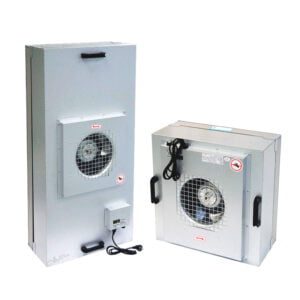
W zajmowanych pomieszczeniach czystych osiągnięcie poziomu hałasu poniżej 50 decybeli (dBA) z jednostek filtrujących wentylatorów jest krytycznym wyzwaniem projektowym. Wykracza ono poza podstawową specyfikację sprzętu do sfery inżynierii zorientowanej na człowieka. Zbiorowy szum wielu FFU ma bezpośredni wpływ na koncentrację operatora, komunikację i długotrwały komfort, czynniki wpływające zarówno na produktywność, jak i wskaźniki błędów w środowiskach precyzyjnych. Cel ten stanowi celowy punkt odniesienia dla wydajności, a nie typowe pole wyboru zgodności.
Nacisk na cichsze pomieszczenia czyste przyspiesza ze względu na zmieniające się standardy higieny pracy i strategiczne skupienie się na doskonałości operacyjnej. Hałas nie jest już tylko czynnikiem środowiskowym; jest to zmienna, która wpływa na kontrolę procesu i utrzymanie personelu. Określenie poziomu hałasu poniżej 50 dBA wymaga podejścia systemowego od samego początku, integrującego wybór komponentów, aerodynamiczną konstrukcję i inteligentne sterowanie. Niniejszy artykuł przedstawia ramy umożliwiające osiągnięcie tego rygorystycznego celu akustycznego.
Zrozumienie standardu 50 dBA i jego znaczenia
Definiowanie strategicznego punktu odniesienia
Próg 50 dBA jest znaczącym odstępstwem od typowych poziomów hałasu w pomieszczeniach czystych, które często mieszczą się w zakresie 55-65 dBA. Ten dolny limit nie jest arbitralny. Jest on zgodny z wytycznymi akustycznymi dla środowisk wymagających długotrwałej koncentracji umysłowej. Z naszego doświadczenia wynika, że projekty ukierunkowane na ten poziom wymagają wczesnego uzgodnienia z zainteresowanymi stronami wartości komfortu użytkowników jako miernika wydajności, a nie tylko kontroli zanieczyszczeń. Inwestycja przenosi się ze zwykłej zgodności na lepszą jakość operacyjną.
Konsekwencje wydajności akustycznej
Dążenie do standardu poniżej 50 dBA niesie ze sobą bezpośrednie implikacje techniczne i finansowe. Wymaga to zastosowania wysokiej klasy komponentów, takich jak silniki komutowane elektronicznie (ECM) i udoskonalone konstrukcje aerodynamiczne, co wpływa na początkowe nakłady inwestycyjne. Jest to jednak równoważone długoterminowymi korzyściami w zakresie efektywności energetycznej i produktywności użytkowników. Proaktywne projektowanie zgodnie z tym standardem służy również strategicznemu ograniczaniu ryzyka. W miarę ewolucji przepisów, niższe limity hałasu dla technicznych miejsc pracy mogą stać się formalnym obowiązkiem, co sprawia, że wczesne przyjęcie jest decyzją przyszłościową.
Ramy porównawcze dla standardów
Aby kontekstualizować cel 50 dBA, konieczne jest zrozumienie jego pozycji w stosunku do innych wspólnych poziomów odniesienia. Poniższa tabela wyjaśnia strategiczne cele stojące za różnymi poziomami hałasu.
| Typ standardowy | Typowy zakres hałasu (dBA) | Cel strategiczny |
|---|---|---|
| Typowe pomieszczenie czyste | 55-65 dBA | Podstawowa zgodność |
| Zajęte pomieszczenie czyste | Poniżej 50 dBA | Większa koncentracja na użytkowniku |
| Przyszłe rozporządzenie | Potencjalnie poniżej 50 dBA | Proaktywne ograniczanie ryzyka |
Źródło: Dokumentacja techniczna i specyfikacje branżowe.
Kluczowe źródła hałasu w FFU: wentylator, przepływ powietrza i wibracje
Źródło pierwotne: Zespół wentylatora i silnika
Wentylator i silnik stanowią podstawowy generator hałasu. Hałas aerodynamiczny pochodzi z łopatek wirnika oddziałujących z powietrzem, podczas gdy hałas elektromagnetyczny pochodzi z samego silnika. Niewyważenie mechaniczne lub zużycie łożysk w tym zespole również powoduje wibracje, które są kluczowym czynnikiem przyczyniającym się do hałasu przenoszonego przez konstrukcję. Całościowa strategia łagodzenia hałasu zaczyna się tutaj, wymagając precyzyjnie wyważonych kół dmuchawy i silników zaprojektowanych do płynnej pracy.
Dodatkowy wkład: Przepływ powietrza i turbulencje
Gdy powietrze przemieszcza się przez FFU, napotyka opór i zmiany kierunku. Turbulencje na mediach filtracyjnych, w komorze i na kratce wylotowej powodują hałas o średniej i wysokiej częstotliwości. Ten hałas przepływu powietrza jest często nasilany przez słabą konstrukcję wewnętrzną - ostre krawędzie, ograniczające przejścia lub nierównomierny rozkład przepływu. Optymalizacja wewnętrznej ścieżki przepływu jest równie ważna jak wybór cichego silnika.
Ścieżka transmisji: Wibracje
Wibracje silnika i wentylatora mogą być przenoszone bezpośrednio na blaszaną obudowę FFU i konstrukcję rusztu sufitowego. Energia ta jest następnie wypromieniowywana jako hałas do pomieszczenia czystego. Ścieżka ta jest często pomijana podczas specyfikacji. Skuteczna izolacja wymaga sprężystych mocowań silnika, tłumienia strukturalnego i uwzględnienia sposobu, w jaki jednostka łączy się z budynkiem. Uwzględnienie wszystkich trzech wektorów hałasu - źródła, ścieżki i odbiornika - jest niezbędne do osiągnięcia sukcesu.
Wybór cichych silników i technologii tarcz dmuchawy
Kamień węgielny: Silniki komutowane elektronicznie
Wybór silnika jest kluczową decyzją dla wydajności akustycznej. Silniki komutowane elektronicznie (ECM) są ostatecznym rozwiązaniem dla zastosowań o niskim poziomie hałasu. Ich bezszczotkowa konstrukcja DC i zintegrowany napęd o zmiennej prędkości pozwalają na wydajną pracę przy niższych prędkościach obrotowych w celu osiągnięcia wymaganego przepływu powietrza, z natury generując mniej hałasu i wibracji niż silniki indukcyjne AC o stałej prędkości. Zdolność do precyzyjnego sterowania prędkością jest podstawowym narzędziem do zarządzania hałasem.
Wydajność aerodynamiczna koła dmuchawy
W połączeniu z ECM, konstrukcja koła dmuchawy dyktuje hałas aerodynamiczny. Koła odśrodkowe zakrzywione do tyłu lub pochylone do tyłu są lepsze. Ich łopatki w kształcie płatów poruszają powietrzem bardziej efektywnie przy mniejszych turbulencjach w porównaniu z kołami zakrzywionymi do przodu. Wydajność ta przekłada się bezpośrednio na niższe poziomy mocy akustycznej dla danego przepływu powietrza i ciśnienia. Wybór tej kombinacji jest obecnie podstawową najlepszą praktyką.
Zintegrowana decyzja technologiczna
Synergia między technologią silnika i dmuchawy stanowi rdzeń cichej jednostki FFU. Poniższa tabela przedstawia kluczowe komponenty i ich korzyści akustyczne, zapewniając listę kontrolną specyfikacji.
| Komponent | Wybór technologii | Kluczowe korzyści akustyczne |
|---|---|---|
| Silnik | Elektronicznie komutowane (ECM) | Niższa prędkość, mniej wibracji |
| Koło dmuchawy | Zakrzywiony/pochylony do tyłu | Zmniejszone turbulencje aerodynamiczne |
| System | ECM + koło zakrzywione do tyłu | Podstawowa kontrola hałasu i energii |
Źródło: Dokumentacja techniczna i specyfikacje branżowe.
Optymalizacja konstrukcji FFU pod kątem wydajności aerodynamicznej i akustycznej
Konstrukcja wewnętrznej komory i ścieżki przepływu
Wewnętrzna geometria komory FFU ma kluczowe znaczenie. Wygładzone kontury, stopniowe rozszerzanie i zoptymalizowane ścieżki przepływu minimalizują turbulencje powietrza i straty ciśnienia statycznego. Wysoki spadek ciśnienia zmusza wentylator do cięższej pracy, zwiększając hałas. Projekty, w których priorytetem jest przepływ laminarny w samym urządzeniu, redukują hałas turbulencji o wysokiej częstotliwości, zanim powietrze opuści filtr.
Izolacja i tłumienie drgań
Oddzielenie wibracji od obudowy zapobiega ich wzmocnieniu. Osiąga się to poprzez sprężyste mocowania silnika, często wykonane z gumy lub neoprenu, a czasami poprzez dodanie ograniczonych warstw materiałów tłumiących do dużych paneli z blachy. W przypadku krytycznych zastosowań zaleca się określenie FFU z tymi funkcjami izolacyjnymi w standardzie. Zaobserwowaliśmy, że jednostki bez dedykowanej izolacji mogą przenosić dudnienie o niskiej częstotliwości, które jest trudne do złagodzenia po instalacji.
Konstrukcja uszczelnienia i rozładowania
Utrzymanie szczelności ma kluczowe znaczenie, zwłaszcza w przypadku filtrów wymienianych od strony pomieszczenia (RSR). Uszkodzone uszczelnienie żelowe lub krawędziowe po wymianie filtra powoduje wyciek powietrza, który generuje gwizd lub szum. Co więcej, perforowana powierzchnia czołowa lub ekran dyfuzora na wylocie nie tylko chroni filtr; promuje jednolity profil prędkości, zmniejszając turbulencje wylotowe. Określenie solidnych systemów uszczelniających i odpowiednich urządzeń wspomagających wylot jest ostatnim, niezbędnym krokiem w łańcuchu projektowania.
Strategiczna kontrola systemu i najlepsze praktyki operacyjne
Moc redukcji prędkości
Hałas wentylatora jest zależny od prędkości obrotowej; niewielka redukcja obrotów powoduje znaczny spadek poziomu hałasu. Praca FFU przy 60-80% ich maksymalnej wydajności, możliwa dzięki kontroli prędkości ECM, jest najskuteczniejszą strategią operacyjną redukcji hałasu. System powinien być dostrojony do minimalnej prędkości, która utrzymuje klasę czystości, a nie pracować na domyślnym maksimum.
Scentralizowana kontrola dla optymalizacji systemu
W przypadku dużych instalacji scentralizowany system sterowania (wykorzystujący protokoły takie jak BACnet lub Modbus) przekształca zarządzanie hałasem. Umożliwia orkiestrację wszystkich FFU, aby działały z optymalną, najniższą możliwą prędkością w oparciu o dane dotyczące ciśnienia lub liczby cząstek w czasie rzeczywistym. Ta optymalizacja na poziomie systemu zapewnia stałą wydajność akustyczną przy jednoczesnym zminimalizowaniu zużycia energii. Kluczowe jest traktowanie FFU jako zintegrowanej sieci, a nie niezależnych jednostek.
Konserwacja jako działanie akustyczne
Rutynowa konserwacja ma bezpośredni wpływ na poziom hałasu. Zatkany filtr wstępny zwiększa ciśnienie w układzie, zmuszając FFU do zwiększenia prędkości i hałasu w celu utrzymania przepływu powietrza. Prosty, zaplanowany program wymiany filtra wstępnego stanowi bezpośrednią kontrolę akustyczną. Poniższa tabela podsumowuje kluczowe parametry operacyjne wpływające na poziom hałasu.
| Parametr operacyjny | Optymalny zasięg | Wpływ na hałas |
|---|---|---|
| Prędkość operacyjna FFU | 60-80% maks | Znaczna redukcja hałasu |
| System kontroli | Scentralizowane (BACnet/Modbus) | Optymalizacja akustyczna w czasie rzeczywistym |
| Stan filtra wstępnego | Czysty, odblokowany | Zapobiega hałasowi spowodowanemu ciśnieniem |
Źródło: Dokumentacja techniczna i specyfikacje branżowe.
Weryfikacja wydajności: Pomiary in situ i zgodność
Więcej niż dane producenta
Producenci dostarczają dane dotyczące poziomu mocy akustycznej (Lw) przetestowane zgodnie z normami, takimi jak ISO 3746. Dane te są niezbędne do porównania produktów, ale reprezentują pojedynczą jednostkę w idealnych warunkach laboratoryjnych. Zainstalowana rzeczywistość - z wieloma jednostkami wchodzącymi w interakcje, odbijającymi powierzchniami i geometrią pomieszczenia - będzie się różnić. Poleganie wyłącznie na danych katalogowych jest częstym niedopatrzeniem, które może prowadzić do niezgodności.
Krytyczna rola weryfikacji w terenie
Pomiar in-situ w strefie przebywania ludzi jest jedynym sposobem sprawdzenia, czy cel projektowy został osiągnięty. Test ten musi być przeprowadzony, gdy wszystkie systemy pomieszczeń czystych działają, a urządzenia FFU działają zgodnie z ich wyznaczonymi wartościami zadanymi. Potwierdza on rzeczywisty poziom ciśnienia akustycznego (dBA) odczuwany przez personel. Uczynienie tej walidacji wymogiem umownym przenosi wydajność akustyczną z obietnicy na gwarantowany wynik.
Interpretacja danych walidacyjnych
Proces walidacji zapewnia jasność co do luki między wydajnością komponentów a rzeczywistością systemu. Poniższa tabela przedstawia metody walidacji i ich krytyczny kontekst dla powodzenia projektu.
| Metoda walidacji | Dostarczone dane | Kontekst krytyczny |
|---|---|---|
| Test producenta (ISO 3741) | Moc akustyczna pojedynczego urządzenia (Lw) | Podstawowa wydajność |
| Pomiar in situ | Poziom dźwięku w strefie zajętej | Rzeczywista zainstalowana wydajność |
| Warunek weryfikacji | Wszystkie FFU na wartości zadanej | Potwierdza zgodność projektu |
Źródło: ISO 3746: Akustyka - Wyznaczanie poziomów mocy akustycznej i poziomów energii akustycznej źródeł hałasu z wykorzystaniem ciśnienia akustycznego - Metoda badania z wykorzystaniem obwiedniowej powierzchni pomiarowej nad płaszczyzną odbijającą dźwięk. Norma ta zapewnia metodologię określania poziomów mocy akustycznej na miejscu, co jest niezbędne do ostatecznej walidacji poziomów hałasu FFU w rzeczywistym środowisku pomieszczeń czystych, jak opisano w tabeli.
Tworzenie długoterminowego planu konserwacji w celu utrzymania niskiego poziomu hałasu
Zaplanowane inspekcje akustyczne
Wydajność akustyczna pogarsza się z czasem. Formalny plan powinien obejmować okresowe kontrole poziomu hałasu w stosunku do linii bazowej ustalonej podczas uruchomienia. Stopniowy wzrost dBA w otoczeniu może sygnalizować problemy, takie jak zużycie łożysk, awaria uszczelnienia filtra lub zatkanie filtra wstępnego, zanim wpłyną one na czystość. Takie proaktywne monitorowanie pozwala wcześnie zidentyfikować “narastanie hałasu”.
Koncentracja na zmianach wywołanych przez usługi
Największe ryzyko degradacji akustycznej często występuje podczas serwisowania. Wymiana filtra musi być przeprowadzona zgodnie z procedurami, które zapewniają, że uszczelka lub uszczelka żelowa jest idealnie ponownie zainstalowana. Kluczowe znaczenie ma przeszkolenie personelu obiektu w zakresie znaczenia akustycznego tego kroku. Podobnie, każda konserwacja zespołu wentylatora musi zachować jego oryginalną równowagę i izolację.
Planowanie cyklu życia komponentów
Zrozumienie elementów zużywających się, które mają wpływ na hałas: łożyska silnika, mocowania izolacyjne i filtry. Harmonogram wymiany tych elementów, dostosowany do ich oczekiwanej żywotności akustycznej, powinien być częścią długoterminowego planu operacyjnego obiektu. Zakup FFU z komponentami nadającymi się do serwisowania i łatwym dostępem do konserwacji wspiera tę trwałą wydajność, chroniąc początkową inwestycję w akustykę.
Ramy dla specyfikacji systemów FFU poniżej 50 dBA
Wymagania specyfikacji technicznej
Rygorystyczna specyfikacja to pierwsza obrona przed zbyt niską wydajnością. Musi ona wyraźnie wymagać certyfikowanych danych dotyczących mocy akustycznej w zamierzonym punkcie pracy (np. ciśnienie 0,45″ w.g.), a nie tylko przy swobodnym powietrzu. Powinien wymagać silników ECM z kołami dmuchawy zakrzywionymi do tyłu i szczegółowo opisywać metody izolacji drgań. Odniesienia do norm projektowych, takich jak IEST-RP-CC012.3 oraz ISO 14644-4 zapewniają niezbędne ramy dla integracji i wydajności.
Mandat integracji
Osiągnięcie poziomu poniżej 50 dBA wymaga wyjścia poza samodzielny zakup FFU. Specyfikacja musi uwzględniać integrację z siatką sufitową, aby zapobiec przenoszeniu wibracji i koordynować z systemem HVAC budynku w celu zapewnienia odpowiedniej kontroli powietrza uzupełniającego i ciśnienia. System FFU nie może być skuteczny pod względem akustycznym, jeśli otaczająca infrastruktura wytwarza sprzeczny hałas lub wibracje.
Kompletne ramy decyzyjne
Ostateczna specyfikacja powinna zawierać wszystkie elementy strategiczne, techniczne i walidacyjne. Poniższa tabela zawiera skategoryzowane ramy, aby zapewnić, że żaden krytyczny wymóg nie zostanie pominięty podczas procesu zamówień i projektowania.
| Kategoria specyfikacji | Kluczowe wymagania | Cel |
|---|---|---|
| Technologia komponentów | Silnik ECM, koło zakrzywione do tyłu | Redukcja szumów rdzenia |
| Dane dotyczące wydajności | Certyfikowana moc akustyczna w punkcie pracy | Sprawdzona wydajność akustyczna |
| Instalacja i walidacja | Mandat na testowanie hałasu in-situ | Gwarantuje rzeczywiste wyniki |
| Integracja systemu | Siatka sufitowa i koordynacja HVAC | Trwały sukces akustyczny |
Źródło: ISO 14644-4: Pomieszczenia czyste i związane z nimi środowiska kontrolowane - Część 4: Projektowanie, budowa i rozruch. Norma ta ustanawia wymagania dotyczące projektowania i integracji pomieszczeń czystych, zapewniając podstawowe ramy, w których należy opracować i zweryfikować specyfikacje systemu FFU dotyczące hałasu, przepływu powietrza i ogólnej wydajności.
Osiągnięcie środowiska poniżej 50 dBA wymaga trzech niepodlegających negocjacjom priorytetów: określenia właściwej technologii rdzenia (silniki ECM z kołami zakrzywionymi do tyłu), walidacji wydajności poprzez pomiary in-situ oraz planowania długowieczności akustycznej poprzez integrację i konserwację. W ten sposób projekt przechodzi od wyboru komponentów do zapewnienia wydajności na poziomie systemu. Ramy decyzyjne równoważą początkową inwestycję w technologię z długoterminowymi korzyściami operacyjnymi w zakresie wydajności i efektywności personelu.
Potrzebujesz profesjonalnych wskazówek, aby określić i zintegrować niski poziom hałasu systemy filtrów wentylatorowych do następnego projektu? Akustyka pomieszczenia czystego jest kluczowym czynnikiem decydującym o jego sukcesie. Skontaktuj się z zespołem inżynierów pod adresem YOUTH w celu omówienia wymagań i opracowania zgodnego z przepisami rozwiązania skoncentrowanego na użytkowniku. W przypadku konkretnych zapytań technicznych można również Kontakt.
Często zadawane pytania
P: Dlaczego osiągnięcie poziomu hałasu poniżej 50 dBA jest strategicznym celem dla zajmowanego pomieszczenia czystego?
O: Dążenie do poziomu poniżej 50 dBA to świadoma inwestycja w projekt zorientowany na operatora, bezpośrednio poprawiający komfort, koncentrację i produktywność. Próg ten przekracza typowe normy 55-65 dB i stanowi zobowiązanie do zapewnienia doskonałego zdrowia pracowników w środowiskach precyzyjnych. W przypadku projektów, w których priorytetem jest długoterminowe utrzymanie operatora i przewidywanie przepisów, należy traktować to jako podstawowe kryterium projektowe, a nie tylko opcjonalny wskaźnik wydajności.
P: Jakie są główne techniczne źródła hałasu w jednostce filtra wentylatora, którymi należy się zająć?
O: Hałas FFU pochodzi z trzech różnych wektorów mechanicznych: hałasu aerodynamicznego i elektromagnetycznego z zespołu wentylatora i silnika, hałasu turbulencyjnego z przepływu powietrza przez komponenty oraz hałasu przenoszonego przez konstrukcję z przenoszonych drgań mechanicznych. Skuteczna strategia łagodzenia hałasu musi obejmować wybór komponentów, praktyki instalacyjne i projekt systemu, aby uwzględnić wszystkie trzy źródła. Oznacza to, że specyfikacja musi wyraźnie wymagać rozwiązań dla każdego wektora, a nie polegać na modernizacji pojedynczego komponentu.
P: Która technologia silnika i koła dmuchawy jest podstawą do osiągnięcia niskiego poziomu hałasu i zużycia energii?
O: Silniki komutowane elektronicznie (ECM) są podstawą technologii, umożliwiając pracę przy niższych prędkościach obrotowych dla danego przepływu powietrza, co z natury zmniejsza hałas i wibracje. Połączenie silnika ECM z odśrodkowym kołem dmuchawy zakrzywionym do tyłu lub pochylonym do tyłu zapewnia doskonałą wydajność aerodynamiczną i mniejsze turbulencje. Jeśli celem jest spełnienie rygorystycznych wymagań akustycznych przy jednoczesnym kontrolowaniu kosztów operacyjnych, wybór FFU zasilanych ECM jest teraz niepodważalną decyzją.
P: W jaki sposób konstrukcja FFU poza silnikiem wpływa na wydajność aerodynamiczną i akustyczną?
O: Zoptymalizowane kontury wewnętrznej komory minimalizują turbulencje powietrza i spadki ciśnienia, które generują hałas o wysokiej częstotliwości, podczas gdy mocowania izolujące wibracje oddzielają wibracje mechaniczne od obudowy. Perforowana powierzchnia czołowa lub ekran dyfuzora promuje jednolity przepływ laminarny, a utrzymanie szczelnych uszczelek na wymiennych filtrach od strony pomieszczenia ma kluczowe znaczenie dla zapobiegania powstawaniu nowych ścieżek hałasu. W przypadku obiektów, w których zastosowano konstrukcje RSR, protokoły konserwacji muszą obejmować rygorystyczne procedury ponownego uszczelniania po każdej wymianie filtra, aby chronić inwestycję akustyczną.
P: Jakie strategie operacyjne mogą dynamicznie zmniejszyć hałas systemu FFU po instalacji?
O: Praca FFU przy najniższej dopuszczalnej prędkości, zazwyczaj 60-80% maksymalnej wydajności, zapewnia znaczną redukcję hałasu, co jest strategią możliwą dzięki ECM z kontrolą prędkości. W przypadku dużych instalacji scentralizowane systemy sterowania umożliwiają regulację w czasie rzeczywistym wszystkich jednostek do minimalnej prędkości wymaganej do zachowania czystości. Oznacza to, że należy zaplanować zintegrowane możliwości sterowania od samego początku, jeśli celem jest ciągła optymalizacja zarówno wydajności akustycznej, jak i energetycznej w całym cyklu życia pomieszczenia czystego.
P: Dlaczego pomiary in-situ mają krytyczne znaczenie dla walidacji wydajności poniżej 50 dBA w zajmowanym pomieszczeniu czystym?
O: Podczas gdy dane producenta dotyczące mocy akustycznej z norm takich jak ISO 3746 jest wartościowy, odzwierciedla wydajność pojedynczej jednostki, a nie łączny efekt wielu jednostek w zajmowanej przestrzeni. Ostateczna walidacja wymaga pomiaru poziomu hałasu w strefie przebywania ludzi, gdy wszystkie jednostki FFU pracują z wyznaczonymi wartościami zadanymi. Należy traktować tę weryfikację in-situ jako kluczowy element umowy, aby zapewnić, że dostarczone środowisko akustyczne jest zgodne z założeniami projektowymi.
P: W jaki sposób długoterminowy plan konserwacji powinien zapewnić stałą wydajność przy niskim poziomie hałasu?
O: Proaktywny harmonogram konserwacji musi obejmować wymianę filtrów wstępnych, aby zapobiec spadkom ciśnienia powodującym hałas, dokładne sprawdzanie i ponowne uszczelnianie uszczelek filtra po każdej wymianie oraz monitorowanie zużycia łożysk wentylatora, które zwiększa wibracje. Ta perspektywa zmienia ocenę zamówień, aby wziąć pod uwagę trwałość wydajności akustycznej. Jeśli twoje środowisko jest bardzo wrażliwe na hałas, powinieneś nadać priorytet projektom FFU z komponentami serwisowalnymi i uwzględnić trwałość akustyczną w analizie całkowitego kosztu posiadania.
P: Jakie kluczowe elementy powinny znaleźć się w specyfikacji systemów FFU poniżej 50 dBA?
Kompleksowa specyfikacja musi wymagać certyfikowanych danych dotyczących mocy akustycznej w punkcie pracy, wymagać silników ECM z kołami dmuchawy zakrzywionymi do tyłu, szczegółowo opisywać metody izolacji drgań i wymagać testów walidacyjnych in-situ. Wymaga również wczesnego dostosowania kompromisu między klasą czystości a wydajnością akustyczną, ponieważ niższe przepływy powietrza zmniejszają hałas. Ramy te przyspieszają przejście do zoptymalizowanych pakietów pomieszczeń czystych na poziomie systemu, w których integracja z projektem sufitu i systemem HVAC budynku, kierując się zasadami w ISO 14644-4, jest niezbędny do osiągnięcia sukcesu.
Powiązane treści:
- 3 najlepsze zastosowania filtrów wentylatorowych w produkcji farmaceutycznej
- Redukcja hałasu BSC: Tworzenie cichszych laboratoriów
- Ciche mobilne wózki LAF: Techniki redukcji hałasu
- Kompletny przewodnik po filtrach wentylatorowych dla kierowników pomieszczeń czystych: Wybór techniczny, instalacja i optymalizacja wydajności, wydanie 2025
- Nowe trendy: Przyszłość technologii filtrów wentylatorowych
- Cicha praca jednostek z laminarnym przepływem powietrza 2025
- Wentylatory filtrujące czy okapy laminarne: Co wybrać?
- Modele jednostek filtrujących o wysokiej CFM: Wyniki testów wydajności od 450 do 1200 CFM
- Ciche jednostki laminarnego przepływu powietrza: Wartości decybeli 2025