Osiągnięcie równomiernego rozkładu oparów jest głównym wyzwaniem inżynieryjnym w biodekontaminacji VHP. Pojedynczy punkt wtrysku, powszechnie stosowany w prostszych systemach, jest zasadniczo niewystarczający do stworzenia jednorodnego, śmiertelnego środowiska wymaganego do zwalidowanej sterylizacji. Ograniczenie to prowadzi bezpośrednio do martwych stref oparów i niespójnego zabijania drobnoustrojów, stwarzając poważne zagrożenie dla zgodności i bezpieczeństwa. Zrozumienie tej wady jest pierwszym krokiem w kierunku określenia niezawodnego systemu.
Zmiana w kierunku wielu punktów wtrysku stanowi krytyczną ewolucję w technologii VHP, przechodząc od pasywnego rozpraszania do aktywnego zarządzania oparami. Dla zarządców obiektów i inżynierów walidacji nie jest to jedynie modernizacja sprzętu, ale fundamentalna zmiana w filozofii odkażania. Określenie i walidacja takiego systemu wymaga szczegółowego zrozumienia dynamiki płynów, integracji HVAC i mapowania przestrzennego, aby zapewnić powtarzalny sukces i zgodność z przepisami.
Podstawowe wyzwanie: dlaczego jednopunktowy wtrysk VHP zawodzi
Fizyka dystrybucji oparów
Odparowany nadtlenek wodoru nie jest prawdziwym gazem, lecz ciężką parą o silnej tendencji do rozwarstwiania się i osiadania. Wprowadzenie tej pary z jednego miejsca tworzy dominującą, przewidywalną ścieżkę przepływu podyktowaną geometrią pomieszczenia i prądami HVAC. Opary podążają ścieżką najmniejszego oporu, pozostawiając obszary peryferyjne, osłonięte narożniki i przestrzenie za złożonym sprzętem krytycznie niedostatecznie dozowane. Te martwe strefy nie są teoretyczne; są to fizyczne realia, w których przetrwanie drobnoustrojów jest praktycznie gwarantowane, co bezpośrednio prowadzi do awarii wskaźników biologicznych i niezgodnych cykli.
Konsekwencje dla skuteczności odkażania
Wynikiem tego fizycznego ograniczenia jest niespójna i niepowtarzalna dekontaminacja. Cykl może przejść pomyślnie walidację w jednym przebiegu, ale nie powieść się w następnym z powodu niewielkich zmian warunków otoczenia lub położenia sprzętu. Ta zawodność sprawia, że systemy jednopunktowe nie nadają się do zastosowań wymagających gwarantowanej sterylności, takich jak pakownie farmaceutyczne lub laboratoria o wysokim stopniu hermetyczności. Podstawowym problemem jest to, że pojedyncze źródło nie jest w stanie przezwyciężyć naturalnego zachowania pary w celu osiągnięcia jednorodności przestrzennej wymaganej przez normy takie jak ISO 13408-6:2021.
Jak wiele punktów wtrysku zapewnia równomierną dystrybucję oparów
Inżynieria nakładających się stref wpływu
Wiele punktów wtrysku przekształca objętość odkażania z pojedynczej, problematycznej strefy w sieć mniejszych, zarządzanych obszarów. Dzięki strategicznemu rozmieszczeniu wlotów pary, system drastycznie zmniejsza odległość, jaką pokonuje para, aby dotrzeć do wszystkich powierzchni. Minimalizuje to ryzyko kondensacji w kanałach dystrybucyjnych i zapewnia szybki, jednoczesny wzrost stężenia w całej przestrzeni. Interakcja strumieni pary z różnych punktów zwiększa turbulentne mieszanie, aktywnie zakłócając stratyfikację i promując jednorodną mieszaninę.
Celowanie w obszary chronione i krytyczne
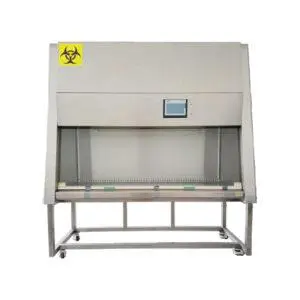
Kluczową zaletą konstrukcji wielopunktowej jest możliwość umieszczenia dysz wtryskowych bezpośrednio w trudnych warunkach. Na przykład umieszczenie dyszy wewnątrz szafy bezpieczeństwa biologicznego lub za dużym sprzętem zapewnia bezpośredni kontakt oparów z powierzchniami wewnętrznymi, które w przeciwnym razie byłyby chronione przez laminarny przepływ powietrza. Takie ukierunkowane podejście jest niezbędne do kompleksowej dekontaminacji. Z mojego doświadczenia w uruchamianiu tych systemów wynika, że różnica w przenikaniu oparów i zmianie koloru CI w tych ekranowanych strefach między konstrukcjami jedno- i wielopunktowymi jest natychmiast widoczna i decydująca.
Kluczowe elementy projektu: Dysze, rozmieszczenie i integracja HVAC
Elementy sieci dystrybucyjnej
System wtrysku wielopunktowego to zintegrowany zespół składający się z centralnego generatora, osuszacza i sieci przewodów dystrybucyjnych zasilających regulowane dysze wtryskowe. Dysze te nie są zwykłymi otworami; są one wyposażone w takie funkcje, jak żaluzje kierunkowe i regulowane kryzy. Podczas uruchamiania, kryzy te są równoważone, aby zapewnić równy przepływ pary do każdego punktu, co jest krytycznym krokiem do osiągnięcia zaprojektowanego schematu dystrybucji. Ich ostateczne rozmieszczenie nigdy nie jest czysto teoretyczne; jest określane empirycznie na podstawie modeli CFD w pomieszczeniu lub, częściej, fizycznych badań znaczników i mapowania walidacyjnego.
Krytyczna rola interoperacyjności HVAC
Najbardziej znaczącym czynnikiem zwiększającym jednorodność jest system HVAC obiektu. Umieszczenie systemu HVAC w dedykowanym “trybie fumigacji” w zamkniętej pętli wykorzystuje istniejące wentylatory do aktywnej recyrkulacji i mieszania powietrza obciążonego VHP. Taka integracja może skrócić czas cyklu i poprawić jednorodność stężenia o rząd wielkości. Stwarza to jednak krytyczną zależność: niezawodność systemu HVAC i jego interfejs sterowania z generatorem VHP stają się pojedynczym punktem awarii dla całego procesu odkażania. Projekt systemu musi uwzględniać tę interoperacyjność od samego początku.
Sprawdzanie jednolitości za pomocą wskaźników chemicznych i biologicznych
Mapowanie przestrzeni dla dowodu skuteczności
Wydajność jest potwierdzana nie przez projekt, ale przez empiryczną walidację przestrzenną. Wiąże się to z utworzeniem szczegółowej “mapy” przestrzeni poprzez umieszczenie wskaźników chemicznych (CI) i biologicznych (BI) w wielu wcześniej zdefiniowanych trudnych lokalizacjach: pod stołami, wewnątrz szuflad, przy kratkach powietrza powrotnego i w narożnikach. Jednolita zmiana koloru CI we wszystkich lokalizacjach stanowi pierwsze wizualne potwierdzenie kontaktu z parą. Prawdziwą miarą sukcesu jest jednak konsekwentne osiąganie 6-logowej redukcji populacji zarodników na wskaźnikach biologicznych.
Wybór odpowiednich wskaźników biologicznych
Standardowy organizm BI, Geobacillus stearothermophilus, zapewnia zwalidowany poziom bazowy dla procesów sterylizacji. Jednak strategia walidacji oparta na ryzyku może wymagać więcej. W przypadku obiektów ukierunkowanych na określone, bardziej odporne patogeny - takie jak bakterie wytwarzające katalazę, takie jak MRSA - poleganie wyłącznie na Geobacillus może zapewnić niewystarczający margines bezpieczeństwa.
| Typ wskaźnika | Podstawowa funkcja | Kluczowy wskaźnik wydajności |
|---|---|---|
| Wskaźniki chemiczne (CI) | Potwierdzenie kontaktu z oparami | Jednolita zmiana koloru |
| Wskaźniki biologiczne (BI) | Wykazanie śmiertelnej skuteczności | Redukcja o 6 logów |
| Standardowy organizm BI | Podstawowa walidacja | Geobacillus stearothermophilus |
| Dodatkowe BI | Ukierunkowanie na ryzyko | Specyficzne oporne patogeny (np. MRSA) |
Źródło: ISO 13408-6:2021 Przetwarzanie aseptyczne produktów stosowanych w ochronie zdrowia - Część 6: Systemy izolatorów. Norma ta zawiera wytyczne dotyczące kwalifikacji i walidacji procesów biodekontaminacji, w tym wykorzystania wskaźników biologicznych i chemicznych w celu udowodnienia jednolitej, śmiertelnej skuteczności procesu VHP w całej leczonej przestrzeni.
Krytyczne parametry operacyjne dla powodzenia systemu wielopunktowego
Kontrolowanie Fundacji: Środowisko i chemia
Idealna sieć dystrybucyjna zawodzi, jeśli parametry operacyjne są niestabilne. Początkowe warunki w pomieszczeniu są najważniejsze; temperatura i wilgotność względna muszą mieścić się w określonym, wąskim zakresie. Kontrola wilgotności bezwzględnej nie podlega negocjacjom. Stabilna, niska wilgotność bezwzględna, osiągana poprzez dedykowaną fazę osuszania, maksymalizuje zdolność powietrza do utrzymywania oparów VHP w fazie gazowej, zapobiegając kondensacji, która zmniejszyłaby skuteczność i uszkodziła materiały. Ponadto stężenie roztworu nadtlenku wodoru (np. 59% vs. 35%) jest główną dźwignią śmiertelności, bezpośrednio określającą maksymalne osiągalne stężenie oparów.
Rozliczanie zmiennych obiektu i materiału
Dwie często pomijane zmienne to wskaźnik przecieków w pomieszczeniu i skład materiału. Wyciek wpływa na zdolność do utrzymania docelowego stężenia i wydłuża fazę napowietrzania. Być może bardziej krytyczne jest to, że porowate materiały, takie jak karton, niektóre tworzywa sztuczne i odsłonięty beton działają jak zlewozmywaki, adsorbując, a następnie powoli uwalniając H2O2. Nie tylko zmniejsza to ilość dostępnej pary podczas fazy sterylizacji, ale znacznie wydłuża czas napowietrzania, najdłuższą fazę cyklu, bezpośrednio wpływając na przestoje operacyjne.
| Kategoria parametru | Kluczowa zmienna | Typowe wymagania/wpływ |
|---|---|---|
| Kontrola środowiska | Zakres temperatury i wilgotności względnej | Wymagany określony, stabilny zakres |
| Kontrola wilgotności | Wilgotność bezwzględna | Niski, stabilny poziom (nie podlega negocjacjom) |
| Wkład chemiczny | Stężenie roztworu H2O2 | Pierwotna dźwignia śmiertelności (np. 59% vs. 12%) |
| Czynniki związane z obiektem | Wskaźnik szczelności pomieszczenia | Wpływ na czas cyklu, stężenie |
| Czynniki materialne | Skład materiału porowatego | Wydłuża napowietrzanie, wydłuża czas przestoju |
Źródło: GB/T 32309-2015 Sterylizator z odparowanym nadtlenkiem wodoru. Norma ta określa wymagania techniczne i metody testowania sterylizatorów VHP, bezpośrednio regulując krytyczne parametry operacyjne, takie jak stężenie nadtlenku wodoru, kontrole środowiskowe i walidacja wydajności, które zapewniają sukces systemu.
Porównanie wydajności systemu wielopunktowego i jednopunktowego
Wyraźna różnica w wydajności
Różnica w wydajności między tymi dwoma podejściami nie jest przyrostowa; jest fundamentalna. System jednopunktowy, ograniczony przez fizykę, z natury wytwarza znaczne gradienty stężenia. Często objawia się to awariami BI w przewidywalnych martwych strefach i cyklach, których nie można wiarygodnie powtórzyć. W przeciwieństwie do tego, zwalidowany system wielopunktowy zapewnia jednorodne środowisko, które pozwala osiągnąć 6-logową redukcję w całej objętości. Ta kontrola inżynieryjna przekształca dekontaminację z pełnej nadziei procedury w przewidywalny, powtarzalny i zgodny z przepisami proces.
Implikacje dla projektowania i modernizacji obiektów
To zrozumienie redefiniuje również wymagania dotyczące instalacji. Podczas gdy skuteczna dystrybucja jest zaprojektowana, uznanie VHP za parę - a nie doskonały gaz, taki jak tlenek etylenu - obniża bariery adopcyjne. Systemy wielopunktowe nie wymagają ekstremalnej szczelności wymaganej dla tradycyjnych fumigantów gazowych. Umożliwia to praktyczną modernizację skutecznego odkażania biologicznego VHP w starszych obiektach lub tych, które nie zostały pierwotnie zaprojektowane do takich procesów, co jest znaczącą zaletą przy modernizacji istniejących operacji.
| Aspekt wydajności | Wtrysk jednopunktowy | Wielopunktowy wtrysk |
|---|---|---|
| Dystrybucja oparów | Znaczące gradienty stężeń | Jednorodne środowisko |
| Wynik walidacji | Nieudane BI w martwych strefach | Sprawdzona redukcja o 6 log wszędzie |
| Wynik cyklu | Niepowtarzalne cykle | Gwarantowana powtarzalność |
| Szczelność obiektu | Często wymaga ekstremalnego uszczelnienia | Umożliwia modernizację w starszych obiektach |
| Podstawa zgodności | Z natury ograniczone przez fizykę | Zweryfikowane za pomocą mapowania przestrzennego |
Źródło: Dokumentacja techniczna i specyfikacje branżowe.
Projektowanie systemu: Kluczowe kwestie dla danego obiektu
Dostosowanie technologii do filozofii operacyjnej
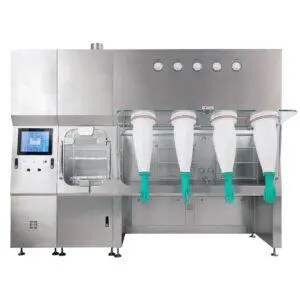
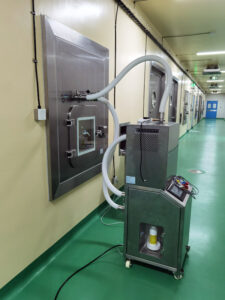
Rynek oferuje dwie podstawowe ścieżki, z których każda odpowiada innemu modelowi operacyjnemu. W przypadku dużych, stałych instalacji wymagających wysokowydajnej, sprawdzonej dekontaminacji - takich jak zestaw izolatorów produkcyjnych - złożony zintegrowany system “skid” z wbudowanym sterowaniem HVAC oferuje maksymalną automatyzację i centralne zarządzanie. W przypadku mniejszych, elastycznych lub zmiennych potrzeb - takich jak odkażanie pojedynczego laboratorium po konserwacji - prostsza mobilna jednostka zamgławiająca z wieloma wężami zapewnia niższy koszt początkowy i możliwość dostosowania. Wybór między stałym Przenośny generator VHP z wielopunktową dystrybucją a wbudowany system dyktuje cały zakres projektu.
Określanie zakresu nietrywialnych faz
Wybór zintegrowanego systemu inicjuje całościowy projekt inżynieryjny. Projektowanie sieci rurociągów, rozmieszczenie dysz i strojenie specyficzne dla pomieszczenia stają się równie ważne, jak wybór samego generatora. Budżety i harmonogramy muszą dokładnie uwzględniać fazę rozwoju cyklu empirycznego. Ta faza, w której parametry wtrysku są dostrajane i sprawdzane pod kątem rozmieszczenia BI, nie jest szybką kontrolą; jest to skrupulatny, iteracyjny proces, który określa ostateczne ustawienia systemu i udowadnia skuteczność dla unikalnej geometrii pomieszczenia.
Zapewnienie zgodności i powtarzalnych cykli odkażania
Podstawa wykazanej zgodności
Zgodność z przepisami zależy od możliwej do wykazania, powtarzalnej jednorodności potwierdzonej wskaźnikami biologicznymi. System wtrysku wielopunktowego jest podstawowym elementem kontroli inżynieryjnej, który umożliwia uzyskanie tego dowodu. Utrzymanie tej powtarzalności wymaga ścisłego przestrzegania zatwierdzonych parametrów udokumentowanych w protokołach kwalifikacji systemu: wstępnego przygotowania środowiska, stężenia roztworu i spójnego przygotowania pomieszczenia. Standardowe procedury operacyjne muszą wyraźnie kontrolować rodzaje i ilości materiałów porowatych obecnych podczas fumigacji, ponieważ zmienne te mają bezpośredni wpływ na najdłuższą i najbardziej wrażliwą na harmonogram fazę: napowietrzanie.
Ewoluująca rola technologii VHP
Sprawdzona skuteczność VHP o szerokim spektrum działania rozszerza jego rolę poza tradycyjną sterylizację izolatorów. Jego potwierdzone działanie przeciwko odpornym patogenom, w tym wirusom takim jak SARS-CoV-2, nawet w matrycach organicznych, pozycjonuje go jako krytyczną technologię reagowania kryzysowego dla zdrowia publicznego i laboratoriów badawczych. Zwiększa to zapotrzebowanie na systemy, które są nie tylko solidne i zgodne z przepisami, ale także przyjazne dla użytkownika i niezawodne w różnych zastosowaniach o wysokiej stawce. Inżynierowie koncentrują się na projektach, które gwarantują wydajność w zmiennych warunkach, zapewniając zaufanie do wyników technologii.
Decyzja o wdrożeniu wielopunktowego systemu VHP koncentruje się na trzech priorytetach: sprawdzeniu jednorodności przestrzennej za pomocą kompleksowego badania BI, zapewnieniu ścisłej kontroli parametrów operacyjnych, takich jak wilgotność bezwzględna, oraz zaprojektowaniu płynnej integracji HVAC. Wybór między systemem mobilnym a stacjonarnym musi być dostosowany do potrzeb obiektu w zakresie przepustowości i elastyczności operacyjnej.
Potrzebujesz profesjonalnych wskazówek dotyczących projektowania zwalidowanej strategii odkażania VHP dla swojego obiektu? Inżynierowie z firmy YOUTH specjalizuje się w dostosowywaniu wielopunktowych systemów dystrybucji do konkretnych wyzwań związanych ze zgodnością i operacyjnością. Kontakt aby omówić wymagania aplikacji i cele walidacji.
Często zadawane pytania
P: W jaki sposób wiele punktów wtrysku w systemie VHP rozwiązuje problem martwych stref oparów?
O: Wiele strategicznie rozmieszczonych dysz wtryskowych tworzy nakładające się ścieżki przepływu, które aktywnie zarządzają rozpraszaniem oparów. Ta zaprojektowana sieć zmniejsza odległość do wszystkich powierzchni i zwiększa turbulentne mieszanie, które zakłóca rozwarstwienie i osiadanie charakterystyczne dla ciężkich oparów VHP. W przypadku obiektów o złożonym układzie sprzętu lub osłoniętych przestrzeniach, takich jak szafy bezpieczeństwa biologicznego, konstrukcja ta jest niezbędna do osiągnięcia jednorodnego stężenia wymaganego do niezawodnej dekontaminacji.
P: Jaka jest kluczowa rola integracji HVAC w wielopunktowym systemie odkażania VHP?
O: Integracja HVAC jest kluczowym elementem projektu, w którym system wentylacyjny budynku jest przełączany w tryb fumigacji w obiegu zamkniętym. Wykorzystuje to istniejące wentylatory do aktywnej recyrkulacji i mieszania powietrza obciążonego VHP, znacznie zwiększając równomierność dystrybucji. Stwarza to jednak zależność od systemu; solidne działanie i interoperacyjność HVAC stają się krytyczne, ponieważ jego awaria jest pojedynczym punktem awarii dla całego cyklu.
P: Poza standardowymi wskaźnikami biologicznymi, w jaki sposób powinniśmy walidować system VHP pod kątem określonych zagrożeń patogenami?
O: Walidacja powinna wykorzystywać strategię opartą na ryzyku, która może wymagać dodatkowych wskaźników biologicznych. Podczas gdy konsekwentna 6-logarytmiczna redukcja Geobacillus stearothermophilus Zarodniki dowodzą podstawowej śmiertelności, obiekty ukierunkowane na bardziej odporne patogeny (np. bakterie wytwarzające katalazę) powinny rozważyć wskaźniki reprezentujące te rzeczywiste zagrożenia mikrobiologiczne. Zapewnia to zatwierdzenie odpowiedniego marginesu bezpieczeństwa dla konkretnych zagrożeń operacyjnych.
P: Jakie są najbardziej krytyczne parametry środowiskowe, które należy kontrolować w przypadku powtarzalnych, wielopunktowych cykli VHP?
O: Należy ściśle kontrolować bezwzględną wilgotność i temperaturę. Stabilna, niska wilgotność bezwzględna - osiągana poprzez dedykowaną fazę osuszania - maksymalizuje zdolność powietrza do utrzymywania VHP bez kondensacji. Niekontrolowane wahania temperatury mogą drastycznie wydłużyć tę fazę i zakłócić harmonogramy. Oznacza to, że obiekty o zmiennych warunkach środowiskowych muszą inwestować w solidną klimatyzację pomieszczeń, aby zapewnić niezawodność i zgodność cyklu.
P: W jaki sposób wybór między zintegrowanym systemem na płozach a mobilnym zamgławiaczem wpływa na zakres projektu?
O: Zintegrowany system z wbudowanym sterowaniem HVAC wymaga holistycznego podejścia inżynieryjnego, w którym sieci rurociągów i empiryczne dostrojenie pomieszczenia są równie ważne jak sam generator. Prostsza jednostka mobilna oferuje niższe koszty początkowe i elastyczność. W przypadku projektów wymagających wysokowydajnej, zwalidowanej dekontaminacji w stałym obiekcie, należy zaplanować nietrywialną fazę rozwoju cyklu i powiązane koszty inżynieryjne zintegrowanego projektu.
P: Które normy regulują projektowanie i kwalifikację systemów VHP stosowanych w przetwarzaniu aseptycznym?
O: Projektowanie i kwalifikacja systemów VHP, w szczególności izolatorów w przetwarzaniu aseptycznym, podlegają następującym zasadom ISO 13408-6:2021. W przypadku samego sprzętu do sterylizacji, normy takie jak GB/T 32309-2015 zawierają wymagania techniczne i metody testowania. Oznacza to, że obiekty podlegające regulacjom muszą zapewnić zgodność projektu systemu i protokołów walidacji z tymi odpowiednimi normami międzynarodowymi i krajowymi.
P: Dlaczego skład materiału ma kluczowe znaczenie przy projektowaniu cyklu dekontaminacji VHP?
O: Porowate materiały w przestrzeni adsorbują nadtlenek wodoru, a następnie powoli uwalniają go podczas fazy napowietrzania. Ta dynamika adsorpcji-desorpcji bezpośrednio wydłuża czas napowietrzania, który często jest najdłuższą fazą cyklu i wpływa na przestoje operacyjne. Jeśli w obiekcie znajdują się pomieszczenia zawierające porowate przedmioty, takie jak karton lub niektóre tkaniny, należy uwzględnić wydłużone napowietrzanie w harmonogramie i procedurach SOP.
Powiązane treści:
- Optymalne stężenia VHP: Przewodnik po skuteczności sterylizacji
- Walidacja VHP Passbox: Zapewnienie skuteczności sterylizacji
- VHP Pass Box 6-Log Reduction: Metody walidacji i dane
- Optymalizacja cykli VHP do odkażania pomieszczeń czystych
- Optymalizacja cykli: Wydajność przenośnego generatora VHP
- Optymalizacja czasu cyklu generatora VHP: Skrócenie czasu trwania sterylizacji za pomocą 30-50% poprzez dostosowanie parametrów
- Optymalizacja rozmiaru komory VHP: 8 profesjonalnych wskazówek
- Sprawdzanie wydajności przenośnego generatora VHP
- Rozwój cyklu komorowego VHP: 7 kluczowych kroków