Para gerentes e engenheiros de instalações, a seleção de filtros HEPA geralmente se concentra apenas em classificações de eficiência como 99,97% a 0,3 mícron. Isso deixa de lado o principal fator de custo operacional: a queda de pressão. A resistência que um filtro impõe ao fluxo de ar determina o consumo de energia do ventilador, tornando-o o maior componente do custo total do ciclo de vida. A má compreensão dessa relação leva a sistemas superdimensionados, orçamentos de energia inflados e ciclos de manutenção reativos que comprometem o desempenho e o planejamento financeiro.
O gerenciamento da queda de pressão não é uma tarefa passiva de manutenção, mas uma estratégia energética fundamental. À medida que as metas de sustentabilidade se tornam mais rígidas e os orçamentos operacionais enfrentam uma análise minuciosa, o impacto financeiro da resistência do filtro passa do segundo plano para a vanguarda das decisões de projeto e aquisição de HVAC. Uma abordagem estratégica das especificações de queda de pressão pode gerar economias significativas e contínuas.
Definição da queda de pressão do filtro HEPA e sua importância
A métrica fundamental da resistência
A queda de pressão quantifica a resistência que um meio filtrante apresenta ao fluxo de ar, medida em polegadas de coluna de água (” WC) ou pascal (Pa). Essa resistência é gerada quando o ar passa pela matriz fibrosa e densa de um filtro HEPA. É o parâmetro definitivo que determina a energia do ventilador necessária para manter o fluxo de ar projetado. Os especialistas do setor recomendam que a queda de pressão não seja vista como uma especificação estática, mas como uma variável de custo dinâmica que aumenta ao longo da vida útil do filtro.
Da especificação ao gerador de custo total
A queda de pressão inicial de um filtro limpo é apenas o ponto de partida para uma penalidade contínua de energia. De acordo com a pesquisa dos principais órgãos de teste, o custo total de propriedade de um filtro HEPA é dominado pela energia necessária para superar sua resistência, muitas vezes excedendo o custo do próprio filtro em múltiplos. Detalhes facilmente ignorados incluem o impacto do projeto do sistema; a característica de queda de pressão de um filtro deve ser integrada à curva do ventilador desde o início. Comparamos sistemas projetados com base na queda de pressão inicial e final e encontramos variações de custo do ciclo de vida superiores a 30%.
Como a queda de pressão afeta diretamente os custos de energia de HVAC
O link direto para a potência do ventilador
A relação é regida pelas leis fundamentais dos ventiladores. A potência que um motor de ventilador consome é diretamente proporcional ao volume do fluxo de ar e à pressão total do sistema que ele deve superar. À medida que um filtro HEPA é carregado com partículas capturadas, sua resistência aumenta. O ventilador compensa trabalhando mais, o que leva a um aumento constante no consumo de energia desde o dia da instalação até a substituição. Isso cria um imposto operacional oculto e crescente.
O custo do dimensionamento incorreto do ventilador
Uma falha crítica de projeto é selecionar um ventilador com base apenas na queda de pressão do filtro limpo. Isso garante que o sistema operará de forma eficiente somente no início da vida útil do filtro. Os ventiladores e os motores devem ser dimensionados para fornecer o fluxo de ar projetado na queda de pressão final máxima. Isso garante o desempenho, mas geralmente resulta em um sistema superdimensionado e menos eficiente durante a maior parte de seu ciclo operacional. A consequência financeira é uma ineficiência energética permanente.
Quantificação da penalidade de energia
| Fator de projeto | Impacto no consumo de energia | Consequência |
|---|---|---|
| Necessidade de energia do ventilador | Diretamente proporcional à pressão | Maior queda = maior consumo de energia |
| Base de dimensionamento do ventilador (filtro limpo) | Subestima o custo operacional | Garante a penalidade de energia |
| Base de dimensionamento do ventilador (queda final) | Garante o desempenho na carga máxima | Frequentemente leva a um sistema superdimensionado |
| Pequeno aumento de pressão | Custo contínuo significativo de energia | Impacto financeiro direto e contínuo |
Fonte: Documentação técnica e especificações do setor.
Essa tabela ilustra as consequências operacionais diretas. Um aumento pequeno e contínuo na queda de pressão operacional média se traduz em um dreno financeiro significativo e contínuo.
Principais especificações: Queda de pressão inicial vs. final
Entendendo a faixa de desempenho
Duas especificações definem o perfil de pressão de um filtro. A queda inicial, normalmente entre 0,3″ e 1,5″ WC, é uma função da densidade da mídia e do design das pregas. A queda de pressão final - o limite de substituição recomendado pelo fabricante - geralmente fica entre 2,0″ e 3,0″ WC. A faixa entre esses pontos representa a capacidade de carga do filtro e sua curva de custo de energia associada.
O limite de substituição estratégica
Seguir cegamente as diretrizes padrão de queda de pressão final pode não ser o ideal. O verdadeiro ponto de substituição econômica não é fixo, mas deve ser calculado para cada instalação. Para algumas operações, operar os filtros com uma queda de pressão final mais alta (por exemplo, 4,0″ WC) pode reduzir os custos anuais totais ao diminuir a frequência de compra e de mão de obra dos filtros, mesmo com um uso médio de energia mais alto. Isso requer uma análise do ponto de equilíbrio específica para as taxas de energia e os custos de mão de obra locais.
Especificações para a tomada de decisões
| Parâmetro | Faixa típica (pol. WC) | Principais considerações |
|---|---|---|
| Queda de pressão inicial | 0,3″ a 1,5″ | Resistência do filtro de limpeza da linha de base |
| Queda de pressão final padrão | 2,0″ a 3,0″ | Limite de substituição do fabricante |
| Queda de pressão final estratégica | Até 4,0 | Necessidade de análise de equilíbrio econômico |
| Gatilho de substituição crítica | Duplicação da pressão | Geralmente mais econômico do que o padrão |
Fonte: Documentação técnica e especificações do setor.
Essa estrutura muda a especificação de um cronograma de manutenção para um modelo financeiro. O objetivo é minimizar a soma dos custos de energia e filtro, e não apenas seguir uma regra genérica.
Estratégias de projeto do sistema para reduzir o impacto energético
A realidade não linear dos efeitos do sistema
O impacto da adição de resistência de nível HEPA não é linear. Ele depende inteiramente da curva do ventilador e da configuração do duto do sistema existente. Em um sistema com várias ramificações, a adaptação de um filtro HEPA em uma ramificação pode redistribuir catastroficamente o fluxo de ar, reduzindo o CFM desejado em mais de 80%, pois o ar busca o caminho de menor resistência. Isso ressalta que os retrofits exigem uma avaliação completa do sistema, não apenas uma troca de filtro.
Seleção de filtros e ventiladores Synergy
A seleção de filtros de “plissado profundo” ou de área de superfície estendida pode proporcionar uma queda de pressão inicial menor para a mesma classificação de eficiência, oferecendo um benefício energético imediato. Ao mesmo tempo, o tipo de ventilador deve ser avaliado. A adição de resistência HEPA pode forçar um ventilador centrífugo a operar muito à esquerda em sua curva, podendo causar sobrecarga ou instabilidade no motor. Em alguns casos, a única solução viável é um ventilador em linha dedicado para o circuito filtrado, projetado para o perfil de pressão específico.
O papel da pré-filtragem no gerenciamento da pressão e do custo
Uma camada de defesa necessária
A pré-filtragem é um componente inegociável do sistema por motivos econômicos e de desempenho. A instalação de pré-filtros MERV 11-13 a montante captura a maior parte do material particulado maior. Isso protege o estágio HEPA de capital intensivo ao reduzir drasticamente sua taxa de carregamento. O resultado é uma queda de pressão operacional média menor no filtro HEPA, reduzindo diretamente o consumo de energia e aumentando a vida útil.
A mecânica financeira da filtragem em estágios
O benefício financeiro é duplo: custos de energia reduzidos e menos substituições de filtros HEPA. Estrategicamente, alguns pré-filtros podem ser operados além da queda de pressão recomendada sem risco significativo de danos à mídia, otimizando ainda mais a equação de custos. Especificar a filtragem HEPA sem uma estratégia apropriada de pré-filtragem de vários estágios é um erro fundamental que garante custos operacionais inflacionados.
Resultados do sistema de pré-filtragem
| Componente | Classificação MERV recomendada | Função principal |
|---|---|---|
| Pré-filtro | MERV 11-13 | Captura partículas maiores a montante |
| Filtro HEPA | H13/H14 | Estágio final para partículas finas |
| Resultado do sistema | Benefício operacional | Benefício financeiro |
| Carregamento mais lento do HEPA | Menor queda de pressão operacional média | Redução do consumo de energia |
| Vida útil prolongada do HEPA | Menos substituições | Menor custo de filtro e mão de obra |
Fonte: Documentação técnica e especificações do setor.
A implementação dessa abordagem em etapas transforma a pré-filtragem de um extra opcional em uma estratégia central de economia de energia e proteção de ativos.
Monitoramento das tendências de pressão para manutenção preditiva
De reativo a preditivo
O registro da pressão diferencial nos filtros transforma uma leitura básica do medidor em um ativo estratégico. O monitoramento da linha de tendência permite que os gerentes de instalações prevejam o fim da vida útil do filtro e programem substituições durante o tempo de inatividade planejado. Essa abordagem proativa evita a perda inesperada de fluxo de ar que poderia comprometer o controle ambiental.
Poder de diagnóstico dos dados de pressão
Além do gerenciamento de filtros, a análise de tendências de pressão serve como um diagnóstico de baixo custo para a saúde geral do HVAC. Uma queda de pressão repentina e inesperada pode indicar falha na mídia, violação da gaxeta ou vazamento no duto. Um aumento rápido e anormal pode indicar um evento incomum de carregamento de partículas ou uma anomalia no sistema, como uma correia de ventilador deslizante ou um amortecedor deslocado. Essa prática é essencial para manter a integridade do controle de contaminação e a eficiência mecânica.
Interpretação de sinais de pressão
| Tendência da pressão | Causa provável | Ação recomendada |
|---|---|---|
| Aumento gradual e constante | Carga normal do filtro | Agende uma substituição proativa |
| Queda repentina e inesperada | Falha na mídia ou rompimento do duto | Verificação imediata da integridade do sistema |
| Aumento rápido e anormal | Alta carga de partículas ou deslocamento do amortecedor | Investigar a fonte ou a falha do sistema |
| Caso de uso de dados | Objetivo operacional | Objetivo estratégico |
| Registro de tendências | Prever a vida útil do filtro | Otimizar os ciclos de troca |
| Análise diferencial | Diagnóstico de HVAC de baixo custo | Manter o controle de contaminação |
Fonte: Documentação técnica e especificações do setor.
Em minha experiência, as instalações que implementam o registro disciplinado de pressão descobrem problemas ocultos do sistema meses antes de causarem uma falha, validando o valor do diagnóstico da prática.
Considerações especiais para salas limpas e espaços críticos
Balanceamento para fluxo laminar uniforme
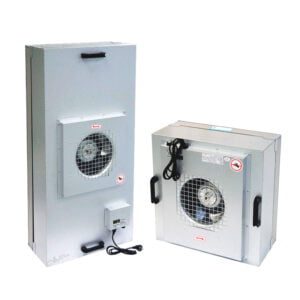
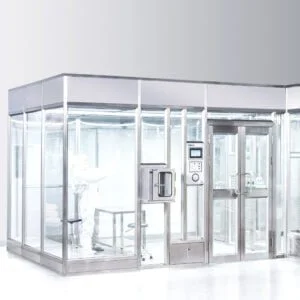
Em salas limpas com classificação ISO, o gerenciamento da queda de pressão é fundamental para a uniformidade do fluxo de ar. Para salas limpas de fluxo laminar (ISO 3-5) que usam unidades de filtro com ventilador (FFUs), a queda de pressão de cada FFU deve ser cuidadosamente equilibrada. Uma variação significativa entre as unidades pode criar turbulência e zonas mortas, violando os requisitos de classificação. Isso torna fundamental a seleção inicial e o monitoramento contínuo das características de pressão do filtro.
O imperativo da integridade da vedação
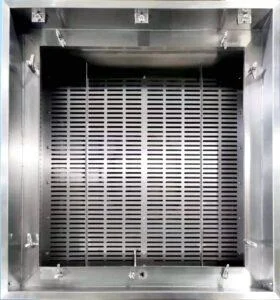
Em qualquer aplicação crítica, a integridade da vedação é tão vital quanto a eficiência do meio filtrante. O vazamento de desvio causado por juntas ruins, imperfeições na estrutura ou instalação defeituosa pode anular completamente a classificação de eficiência de 99,97% de um filtro. O ar não filtrado segue o caminho de menor resistência ao redor da mídia. Padrões como ISO 14644-3 O sistema de filtragem de gel da Bayer CropScience exige rigorosos testes de vazamento no local, justamente porque pequenas falhas de vedação levam a grandes vazamentos de contaminação. Consequentemente, o investimento em instalação profissional e em estruturas de filtro vedadas com gel é um requisito essencial de desempenho, não uma atualização opcional.
Seleção e gerenciamento de filtros HEPA para obter a melhor eficiência
Navegando pelas lacunas de padronização
A seleção ideal requer a navegação por protocolos de teste concorrentes. Os filtros testados de acordo com diferentes padrões (IEST, ISO 29463-3:2011, EN 1822) podem não oferecer desempenho equivalente, criando ambiguidade na aquisição. Um filtro que seja aprovado em um padrão pode não atender aos requisitos de fato de outro, arriscando falhas de conformidade dispendiosas. As organizações devem exigir um padrão único e relevante em todas as especificações para assegurar a comparabilidade e o desempenho garantido.
O futuro da mídia e da integração de sistemas
A trajetória da inovação aponta para mídias projetadas para menor resistência sem sacrificar a eficiência, como os compostos de nanofibras. As equipes de aquisição devem planejar a avaliação dos filtros “HEPA com otimização de energia” da próxima geração. Em última análise, o menor custo total de propriedade virá do projeto holístico do sistema. Isso integra a seleção do ventilador, o projeto do duto e os controles inteligentes com a especificação HEPA como um único pacote otimizado. Para instalações que planejam uma atualização ou uma nova instalação, explore opções de filtro de ar de alta eficiência projetada com essas interações sistêmicas em mente é um primeiro passo fundamental.
O gerenciamento eficaz da queda de pressão começa com três prioridades. Primeiro, tratar a queda de pressão como a principal variável financeira na seleção do filtro, e não apenas como uma especificação técnica. Em segundo lugar, faça o projeto e o retrofit tendo em mente a dinâmica completa do sistema, reconhecendo o impacto não linear da resistência adicional. Em terceiro lugar, implemente a filtragem em etapas e a manutenção orientada por dados para controlar a curva de custo de energia.
Precisa de orientação profissional para otimizar seu sistema de filtragem HEPA para obter eficiência energética e desempenho? Os engenheiros da YOUTH é especializada na integração de especificações de filtros com o projeto holístico de HVAC para minimizar o custo total do ciclo de vida.
Para uma consulta detalhada sobre sua aplicação específica, você também pode Entre em contato conosco.
Perguntas frequentes
Q: Como a queda de pressão do filtro HEPA afeta diretamente os custos de energia de nossas instalações?
R: A queda de pressão é a resistência que um filtro cria, forçando o ventilador do sistema HVAC a consumir mais energia para manter o fluxo de ar. À medida que o filtro é carregado, essa resistência aumenta de seu valor inicial para o final, causando um aumento contínuo no uso de energia. Isso significa que a seleção de um ventilador com base apenas na condição de filtro limpo pode levar a um sistema superdimensionado e ineficiente, portanto, você deve dimensionar a queda de pressão final máxima para controlar as despesas operacionais de longo prazo.
P: Qual é a diferença entre a queda de pressão inicial e final, e como devemos definir os limites de substituição?
R: A queda de pressão inicial, normalmente de 0,3″ a 1,5″ WC para um filtro limpo, é definida por seu projeto. A queda de pressão final, geralmente de 2,0″ a 3,0″ WC, é o ponto de substituição padrão. No entanto, seu limite econômico ideal pode ser mais alto, equilibrando o aumento dos custos de energia com as despesas de filtro e mão de obra. Para projetos em que as trocas de filtro causam tempo de inatividade significativo, calcule um ponto de equilíbrio específico do local para minimizar o custo total do ciclo de vida em vez de seguir diretrizes genéricas.
Q: Por que a pré-filtragem é essencial para gerenciar os custos operacionais do sistema HEPA?
R: A instalação de pré-filtros MERV 11-13 a montante captura partículas maiores, diminuindo drasticamente a taxa de carregamento do dispendioso estágio HEPA. Essa estratégia mantém uma queda de pressão operacional média mais baixa, reduzindo o consumo de energia do ventilador e prolongando a vida útil do HEPA para minimizar as substituições. Se a sua operação usa filtros HEPA sem uma estratégia de pré-filtragem de vários estágios, você deve esperar contas de energia inflacionadas e ciclos de manutenção mais frequentes e perturbadores.
P: Como o monitoramento das tendências de queda de pressão pode melhorar nossa estratégia de manutenção preditiva?
R: O registro da pressão diferencial transforma uma métrica básica em uma ferramenta de diagnóstico para prever a vida útil do filtro e programar substituições proativas. A análise de tendências também sinaliza problemas do sistema; uma queda repentina pode indicar uma violação da mídia, enquanto um aumento rápido pode sinalizar carga anormal ou problemas no ventilador. Essa prática é essencial para manter o controle de contaminação, portanto, as instalações com ambientes críticos devem implementar o monitoramento contínuo para evitar perdas inesperadas de fluxo de ar e falhas de integridade.
Q: Que considerações especiais são necessárias para os filtros HEPA em aplicações de salas limpas, como ISO Classe 3-5?
R: Em salas limpas de fluxo laminar que usam unidades de filtro com ventilador (FFUs), a queda de pressão de cada unidade deve ser equilibrada para garantir um fluxo de ar unidirecional uniforme. Mais importante ainda, a integridade da vedação é primordial, pois o vazamento de bypass causado por juntas ruins pode anular completamente a eficiência de 99,97% de um filtro. Padrões como ISO 14644-3 exigem testes rigorosos de vazamento, portanto, para garantir o desempenho, planeje a instalação profissional e as estruturas seladas com gel como um requisito essencial, não como uma atualização opcional.
Q: Quais são os principais riscos do projeto do sistema ao adaptar filtros HEPA em um sistema HVAC existente?
R: O reequipamento dos filtros HEPA requer uma avaliação completa do sistema, pois a resistência adicionada pode redistribuir catastroficamente o fluxo de ar em um sistema de vários dutos, reduzindo potencialmente o fluxo de ar desejado em um ramo em mais de 80%. O ventilador também pode ser forçado a operar fora de sua faixa de eficiência. Isso significa que, para qualquer modernização, é necessário analisar a curva do ventilador e a configuração do duto existentes, e talvez seja necessário instalar um ventilador em linha dedicado para garantir que o desempenho do projeto seja mantido.
P: Como as equipes de compras devem lidar com os diferentes padrões de teste ao especificar os filtros HEPA?
R: Protocolos concorrentes como IEST, ISO e EN criam ambiguidade de desempenho, em que um filtro que atende a um padrão pode não satisfazer os requisitos de fato de outro. Você deve exigir um padrão de teste único e confiável em todas as especificações, como ASHRAE 52.2-2017, que avalia a queda de pressão e a eficiência. Isso evita falhas de conformidade dispendiosas e garante dados de desempenho comparáveis durante a seleção do fornecedor.
Conteúdo relacionado:
- Sistemas de Filtro HEPA | Especificações do Equipamento de Tratamento de Ar
- Métricas de desempenho de filtros de ar para salas limpas | Especificações técnicas
- Filtros HEPA em cabines de biossegurança: Um mergulho profundo
- Qual é a classificação de eficiência das caixas de proteção HEPA?
- Filtros HEPA vs ULPA: Escolhendo a opção certa
- Teste de filtro HEPA: Garantia de desempenho ideal
- Construção do filtro HEPA: Materiais e design
- Materiais e construção de mídia de filtro HEPA: Comparação de desempenho entre fibra de vidro e mídia sintética 2025
- Especificações da unidade de filtro do ventilador para salas limpas | Comparação técnica