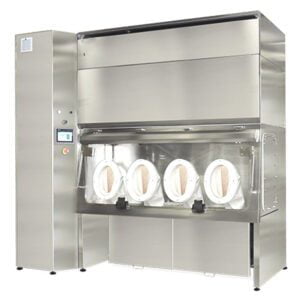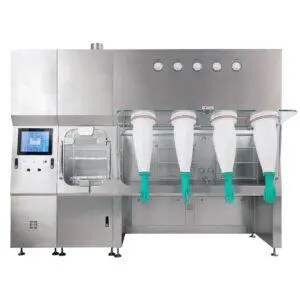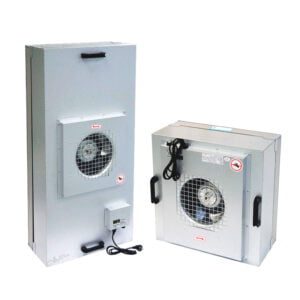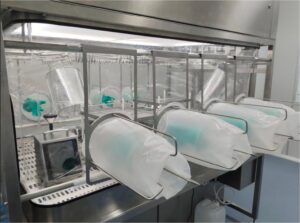
A substituição de filtros HEPA contaminados em ambientes perigosos apresenta um paradoxo operacional crítico. O próprio ato de manutenção, destinado a proteger um processo, pode expor o pessoal aos contaminantes concentrados que o filtro foi projetado para capturar. Os métodos tradicionais de troca aberta dependem muito de controles administrativos e equipamentos de proteção individual, criando uma barreira de segurança variável e, muitas vezes, insuficiente. Isso faz com que os gerentes de instalações e os responsáveis pela segurança tenham que lidar com perfis de risco inaceitáveis durante procedimentos rotineiros, mas perigosos.
A evolução das estruturas regulatórias, como o Anexo 1 da GMP da UE, está mudando o paradigma dos controles administrativos para os controles de engenharia. Para instalações que lidam com compostos potentes, agentes infecciosos ou materiais radioativos, o risco processual da troca de filtros não é mais uma preocupação secundária - é um critério primário de projeto. A implementação de uma estratégia de contenção à prova de falhas agora é a base da segurança operacional e da conformidade normativa, exigindo um sistema que isole fisicamente o perigo em vez de apenas gerenciar a exposição a ele.
O princípio fundamental da contenção fechada BIBO
Definição da barreira processual
A segurança do sistema Bag-in/Bag-Out (BIBO) não é uma característica estática da carcaça, mas um resultado dinâmico de um protocolo rigoroso de várias etapas. Esse processo estabelece uma barreira física contínua e ininterrupta entre o meio filtrante perigoso e o ambiente do operador. A sequência principal envolve a vedação hermética de uma bolsa de contenção na porta de acesso do invólucro, a manipulação do filtro contaminado inteiramente dentro desse envelope vedado por meio de portas de luvas integradas e a realização de uma manobra crítica de torção, vedação e corte. Essa última etapa permite a remoção do pacote de resíduos e, ao mesmo tempo, mantém a integridade do limite de contenção no próprio invólucro.
Do evento de risco ao procedimento isolado
Esse rigor processual transforma a troca de filtro de um evento de alta exposição em uma tarefa fisicamente isolada. Os operadores manipulam apenas a parte externa das bolsas limpas e pré-seladas e a parte externa da bolsa de resíduos selada e contaminada. A mídia perigosa nunca entra na atmosfera do espaço de trabalho. Consequentemente, a eficácia do sistema depende tanto dos Procedimentos Operacionais Padrão (POPs) robustos e do treinamento abrangente do operador quanto do hardware. Em minha experiência na revisão de protocolos de troca, o ponto mais comum de falha não é o equipamento, mas um desvio da sequência de procedimentos validados, o que ressalta a necessidade de uma execução disciplinada.
Realizando a promessa de segurança
Para alcançar o benefício prometido de exposição zero, é necessário tratar o procedimento BIBO como um sistema integrado - alojamento, bolsas, ferramentas e pessoal treinado. O princípio da contenção fechada desvincula efetivamente a segurança do operador do nível de perigo inerente do contaminante capturado. Seja lidando com pó tóxico ou partículas virais, a metodologia de gerenciamento de risco permanece consistente, simplificando o gerenciamento de segurança em diversas aplicações dentro de uma instalação e garantindo uma posição defensável durante auditorias regulatórias.
Principais recursos de design que garantem a segurança do operador
Engenharia para integridade à prova de vazamentos
Elementos de engenharia específicos e não negociáveis permitem que o princípio BIBO funcione de forma confiável sob estresse operacional. A vedação hermética por meio de gaxetas especializadas e mecanismos de fixação radial ou de vedação facial nas portas e nos colares das bolsas é fundamental. Essa integridade à prova de vazamentos deve ser verificável, normalmente por meio de testes de desafio de aerossol DOP/PAO no local, de acordo com padrões como IEST-RP-CC0034. O invólucro deve ser construído com materiais como aço inoxidável 304 ou 316 para suportar uma pressão negativa significativa sem deformação, uma falha que poderia romper instantaneamente a contenção. De acordo com pesquisas de fabricantes de carcaças de filtros, um projeto de carcaça circular oferece desempenho superior de vedação e resistência uniforme à tensão em comparação com projetos retangulares, reduzindo diretamente o risco de ruptura de uma bolsa crítica durante a troca.
Habilitando a conformidade contínua
As portas de teste integradas não são um acessório opcional, mas um recurso de projeto essencial para ambientes regulamentados. Essas portas permitem a verificação obrigatória da integridade do filtro HEPA enquanto ele permanece vedado dentro do invólucro - um facilitador direto da conformidade contínua sem exposição. O design geométrico também desempenha um papel estratégico na segurança; um invólucro bem projetado garante uma implantação suave da bolsa e minimiza os pontos de estresse durante o processo de vedação. Os especialistas do setor recomendam priorizar projetos que tenham sido validados por terceiros quanto ao desempenho da contenção nos piores cenários de diferenciais de pressão, pois isso muda a segurança da dependência de controles administrativos para a segurança inerente ao projeto.
Os recursos na prática
A tabela abaixo resume os principais recursos de design que traduzem o princípio BIBO em uma proteção confiável para o operador.
| Recurso de design | Função principal | Atributo crítico |
|---|---|---|
| Vedação hermética | Barreira de contenção à prova de vazamentos | Gaxetas e mecanismos de fixação |
| Construção robusta | Resiste à pressão negativa | Materiais de aço inoxidável |
| Portas de teste integradas | Validação da integridade in-situ | Permite a varredura DOP/PAO |
| Design geométrico | Desempenho superior de vedação | Formato circular da carcaça |
Fonte: Documentação técnica e especificações do setor.
Alterações BIBO vs. HEPA aberto: Uma comparação de riscos
Hierarquia de controles de segurança
O valor de mitigação de risco dos sistemas BIBO torna-se claramente aparente por meio da comparação direta com as mudanças abertas tradicionais, revelando uma clara hierarquia de métodos de segurança. Em um cenário não-BIBO, o filtro contaminado e o interior do compartimento são expostos diretamente na abertura da porta. A proteção do pessoal se baseia principalmente em EPIs abrangentes - trajes, respiradores, luvas - que servem como a última linha de defesa e estão sujeitos a erros de colocação e retirada e à permeabilidade inerente. Essa abordagem também exige tendas de contenção temporárias, zonas de pressão negativa e descontaminação extensiva pós-mudança, aumentando significativamente o tempo de inatividade do sistema e os custos de mão de obra.
Quantificação do diferencial de exposição
O invólucro BIBO elimina esses vetores primários de exposição ao tornar a bolsa selada a contenção primária. Esse controle de engenharia reduz drasticamente e, em um procedimento perfeitamente executado, elimina a dependência do EPI como única barreira. A implicação estratégica é significativa: o custo total de propriedade de sistemas não-BIBO geralmente excede em muito o preço do alojamento. Os custos ocultos incluem mais horas de mão de obra para configuração e descontaminação, maior consumo de EPI, maior volume de descarte de resíduos e seguro de responsabilidade civil elevado devido à maior probabilidade de exposição direta do operador. Comparamos os modelos de custo de ciclo de vida para ambos os métodos e descobrimos que o delta de despesas operacionais geralmente justifica o investimento de capital em BIBO dentro de dois ou três ciclos de troca para aplicações de alto risco.
Como tomar uma decisão informada sobre o risco
A tabela abaixo contrasta os perfis de risco, destacando por que o BIBO é obrigatório para aplicações de alto risco.
| Fator de risco | Mudança de HEPA aberta | BIBO de contenção fechada |
|---|---|---|
| Contenção primária | Controles administrativos e EPIs | Bolsa e caixa seladas |
| Risco de exposição direta | Alta | Eliminado |
| Requisito de tempo de inatividade | Estendido para descontaminação | Mínimo |
| Custo total de propriedade | Significativamente maior | Menor custo operacional |
Fonte: Documentação técnica e especificações do setor.
As avaliações de risco das instalações para compostos potentes devem definir e justificar explicitamente sua posição nessa hierarquia de segurança. Os órgãos reguladores consideram cada vez mais os controles de engenharia como obrigatórios quando viáveis, tornando as mudanças abertas para materiais de alto risco uma posição difícil de defender.
Aplicativos críticos que requerem proteção BIBO
Obrigatório para riscos intrínsecos
As carcaças BIBO não são apenas aconselháveis, mas obrigatórias em ambientes onde o meio filtrante se torna intrinsecamente perigoso. Elas servem como uma plataforma de contenção universal para diversas ameaças. A principal aplicação é na fabricação farmacêutica de ingredientes farmacêuticos ativos altamente potentes (HPAPIs), onde os limites de exposição ocupacional (OELs) estão abaixo de 10 µg/m³. Da mesma forma, os laboratórios de Nível de Biossegurança 3 e 4 que lidam com agentes infecciosos exigem o BIBO para evitar a liberação de aerossóis durante a manutenção. As instalações nucleares que gerenciam partículas radioativas também dependem desse sistema fechado para controlar a contaminação disseminada.
Versatilidade em todos os tipos de mídia
O projeto do sistema acomoda não apenas filtros HEPA/ULPA para partículas, mas também filtros HEGA e cartuchos de adsorção química para gases e vapores tóxicos. Essa versatilidade confirma o BIBO como uma abordagem de segurança unificada para riscos de partículas, químicos e radiológicos. Ele permite protocolos simplificados e consistentes de treinamento e gerenciamento de segurança em uma instalação que pode lidar com várias classes de materiais perigosos. Detalhes facilmente negligenciados incluem a necessidade de especificar materiais de bolsa compatíveis com o risco - como filmes resistentes a produtos químicos para vapores de solventes - e garantir que o projeto da caixa possa acomodar o peso e as dimensões de diferentes tipos de mídia.
Requisitos específicos do aplicativo
A tabela a seguir descreve os setores primários onde a proteção BIBO é essencial, ditada pela natureza do perigo.
| Setor de aplicativos | Perigo primário | Tipo de mídia de filtro |
|---|---|---|
| Farmacêutica (HPAPIs) | Compostos potentes | HEPA/ULPA |
| Laboratórios de biossegurança (BSL-3/4) | Agentes infecciosos | HEPA/ULPA |
| Instalações nucleares | Partículas radioativas | HEPA |
| Processamento químico | Gases/vapores tóxicos | HEGA/Adsorção |
Fonte: Documentação técnica e especificações do setor.
Como os órgãos reguladores globais exigem controles de engenharia em vez de controles administrativos, a adoção proativa do BIBO prepara as instalações para o futuro contra regulamentações mais rígidas e descobertas de auditoria, transformando um requisito de conformidade em um ativo de segurança essencial.
Integridade de procedimentos e requisitos de treinamento de operadores
O POP como um componente essencial
A segurança técnica de uma carcaça BIBO só é plenamente realizada quando associada a controles processuais rigorosos. O hardware permite a segurança, mas o procedimento a garante. As instalações devem desenvolver e validar POPs detalhados que abranjam toda a sequência de troca: isolamento do sistema e equalização da pressão, fixação e vedação da bolsa, manipulação do filtro por meio de portas de luvas, vedação dupla e corte, instalação do filtro limpo e verificação da integridade final. Cada etapa deve ser meticulosamente documentada e projetada para manter a integridade da contenção, com pontos de controle claros e modos de falha identificados.
Competência especializada como um ativo comercializável
A execução desses procedimentos requer treinamento especializado e certificação. Programas como a credencial de Técnico Certificado da NAFA garantem que a equipe compreenda a teoria e possa executar as etapas práticas sem violar a contenção. Essa necessidade cria um mercado de serviços especializados; o próprio “procedimento BIBO” se torna um ativo comercializável. As organizações devem, portanto, decidir estrategicamente se desenvolvem conhecimento certificado internamente ou se terceirizam para fornecedores especializados. Essa decisão afeta a flexibilidade operacional, o controle direto de custos e o gerenciamento de responsabilidades. Na minha análise, as instalações com trocas frequentes ou vários alojamentos geralmente se beneficiam das equipes internas, enquanto aquelas com necessidades ocasionais consideram a terceirização mais econômica e avessa a riscos.
Validação do elemento humano
O procedimento é o elo final e mais importante da cadeia de segurança. A validação deve incluir não apenas o POP escrito, mas também avaliações práticas de competência usando carcaças simuladas. O treinamento regular de atualização é essencial para evitar desvios de procedimento. Os programas mais robustos incorporam a gravação em vídeo das mudanças para trilhas de auditoria e melhoria contínua, garantindo que o elemento humano do sistema funcione com a mesma confiabilidade que os componentes projetados.
Avaliação do projeto e da construção de moradias BIBO
Além das especificações básicas
A seleção de um sistema adequado requer ir além das classificações básicas de tamanho e fluxo de ar para avaliar as características do projeto em relação a riscos operacionais específicos. Um diferencial importante é a integração dos recursos de teste. Os invólucros com sondas de varredura manuais ou automatizadas integradas permitem a realização de testes de rotina. ISO 29463-5 O teste de integridade sem quebrar a contenção, o que é essencial para manter o status de validação em aplicações farmacêuticas ou de biotecnologia. Outro recurso importante é a capacidade de acomodar a filtragem em dois estágios - um pré-filtro seguido pelo HEPA final. Isso prolonga a vida útil do caro filtro HEPA e fornece um ponto de captura secundário, aumentando a segurança geral.
A dinâmica de personalização e bloqueio
À medida que os compartimentos BIBO se tornam mais personalizados para perfis específicos de fluxo de ar, dimensões de filtro e sistemas de teste proprietários, eles evoluem de componentes de commodities para conjuntos especializados e validados. Essa tendência cria uma dinâmica estratégica de aprisionamento do fornecedor para consumíveis como bolsas e selos, aumentando os custos operacionais de longo prazo. Portanto, as equipes de aquisição devem avaliar os custos totais do ciclo de vida, levando em consideração o preço e a disponibilidade de componentes descartáveis e o suporte de serviço futuro. A decisão geralmente envolve pesar os benefícios de uma solução integrada e perfeitamente otimizada em relação à dependência potencial e à flexibilidade futura reduzida.
Uma estrutura para avaliação
A tabela abaixo descreve os principais critérios para uma avaliação técnica completa.
| Critérios de avaliação | Principais considerações | Impacto estratégico |
|---|---|---|
| Integração de testes | Sondas de varredura manual/automatizada | Mantém a conformidade da validação |
| Estágios de filtragem | Estágio único vs. duplo (pré+final) | Aumenta a vida útil do filtro |
| Nível de personalização | Fluxo de ar, dimensões, sistemas de teste | Possível dependência do fornecedor |
| Custo do ciclo de vida | Operacional inicial vs. de longo prazo | Flexibilidade futura vs. otimização |
Fonte: ISO 29463-5: Filtros de alta eficiência e meios filtrantes para remoção de partículas no ar - Parte 5: Método de teste para elementos filtrantes. Essa norma fornece o método de teste para determinar o desempenho do elemento filtrante, o que é fundamental para validar a integridade dos filtros usados dentro das carcaças BIBO e garantir que o projeto da carcaça suporte o teste adequado.
Implementação de um protocolo seguro de troca de BIBO
A sequência passo a passo
Um protocolo seguro operacionaliza o projeto e o procedimento em um processo repetível e auditável. Ele começa com uma permissão formal de trabalho e o desligamento do sistema, permitindo que a pressão se estabilize. Em seguida, o operador prende a bolsa de contenção limpa ao colar da bolsa da carcaça, verificando a vedação hermética. Todas as manipulações subsequentes do filtro usado - desprendimento, remoção e colocação na bolsa - são realizadas por meio das portas de luvas integradas da bolsa, mantendo a vedação. A etapa crítica é criar uma vedação secundária a montante do filtro, torcer a bolsa entre as vedações e cortar para isolar o pacote de resíduos. O novo filtro é então instalado e o sistema é fechado e está pronto para o teste de vazamento.
Dados como um ativo de conformidade
Cada etapa deve ser regida por listas de verificação, e parâmetros críticos, como diferenciais de pressão, devem ser registrados. Os dados dos medidores de pressão e dos testes de integridade fornecem evidências essenciais para a conformidade. Estrategicamente, esses dados operacionais estão convergindo cada vez mais com estruturas de qualidade digital, alinhando-se com expectativas como a FDA 21 CFR Parte 11 para registros eletrônicos. A seleção de sistemas BIBO com saída digital para resultados de testes e etapas de procedimentos é um investimento em conformidade simplificada. Ele transforma etapas processuais manuais em pontos de dados defensáveis e com registro de data e hora, reduzindo o tempo de preparação para a auditoria e fornecendo prova de controle em tempo real.
Validação de protocolo e prevenção de desvios
O protocolo deve ser inicialmente validado nas piores condições possíveis e revalidado após qualquer alteração significativa. Um erro comum é permitir que pequenos atalhos de procedimento se tornem prática padrão, corroendo o estado validado. Auditorias internas regulares de registros de mudanças e execuções ocasionais de práticas observadas são necessárias para evitar esse desvio. O protocolo não é estático; ele deve ser revisado anualmente e atualizado com base em relatórios de incidentes, novas orientações regulamentares ou alterações no perfil de risco.
Selecionando o sistema BIBO certo para seu risco
Começando com uma avaliação de risco
O processo de seleção deve ser fundamentalmente orientado por uma avaliação completa dos perigos, e não apenas pela adequação da instalação. Primeiro, identifique definitivamente a natureza do contaminante: ele é particulado (como o pó HPAPI), biológico (viral ou bacteriano), químico (gases ácidos, VOCs) ou radiológico? Isso determina o tipo de mídia de filtro - HEPA, ULPA, HEGA ou cartucho de adsorção - que a carcaça deve suportar. O material da carcaça e da bolsa deve ser quimicamente compatível com o contaminante e com os descontaminantes usados, como o peróxido de hidrogênio vaporizado.
Correspondência entre requisitos técnicos e espaciais
Em seguida, avalie o fluxo de ar necessário (CFM/m³/h), a queda de pressão operacional e o espaço físico para instalação. O compartimento deve ser dimensionado para a profundidade correta do filtro a fim de atingir a velocidade e a eficiência desejadas. De forma crucial, considere a integração dos recursos de teste. Você precisará de um sistema de varredura automatizado instalado permanentemente ou as portas de sonda manuais são suficientes? A resposta depende dos requisitos de validação e da frequência de troca. Para instalações que gerenciam os riscos mais altos, investir em um sistema com design de vedação superior, como invólucros circulares validados para EN 1822-5 para a eficiência do elemento filtrante, reduz o risco operacional a longo prazo.
Aquisição estratégica para prontidão futura
Considerando a vida útil de 15 a 20 anos desse equipamento de capital, a decisão deve levar em conta a tendência regulatória acelerada que exige o BIBO como controle primário de engenharia. Um investimento inicial mais alto em um sistema mais capaz e digitalmente integrado de um fornecedor de boa reputação como a YOUTH Linha de carcaças BIBO da Filter pode evitar retrofits ou substituições dispendiosas à medida que os padrões evoluem. O objetivo é selecionar um sistema que atenda às necessidades imediatas de segurança e, ao mesmo tempo, ofereça a flexibilidade e a durabilidade necessárias para manter a conformidade e a eficácia durante a próxima década de operações.
A decisão de implementar a contenção BIBO é um compromisso claro com a segurança do operador baseada em engenharia. Ela vai além do gerenciamento da exposição, eliminando totalmente a via de exposição. A prioridade é alinhar o projeto da carcaça com o perfil de risco específico, garantindo o rigor dos procedimentos por meio de POPs validados e pessoal certificado, além de integrar a captura de dados digitais para simplificar a conformidade. Essa abordagem transforma uma tarefa de manutenção de alto risco em um processo controlado e repetível.
Precisa de orientação profissional para especificar e implementar um sistema BIBO adaptado aos riscos específicos de sua instalação? A equipe de engenharia da YOUTH pode oferecer suporte específico para aplicações, desde a avaliação inicial de riscos até o desenvolvimento de protocolos e treinamento. Entre em contato conosco para discutir seus requisitos de contenção e desenvolver uma solução que garanta a segurança imediata e a prontidão regulamentar de longo prazo.
Perguntas frequentes
Q: Como um sistema Bag-in/Bag-Out realmente evita a exposição do operador durante a troca do filtro?
R: Estabelece a contenção contínua ao vedar uma bolsa na porta do compartimento antes do início de qualquer trabalho. Os operadores, então, manipulam o filtro contaminado inteiramente dentro desse ambiente vedado usando portas de luvas, realizam um isolamento de torção e vedação e cortam entre as vedações para remover o pacote de resíduos. Isso significa que as instalações que lidam com materiais perigosos devem tratar seus Procedimentos Operacionais Padrão e o treinamento dos operadores como algo tão importante para a segurança quanto o próprio hardware.
P: Quais são os principais recursos de design a serem observados em uma caixa BIBO para garantir a segurança?
R: Priorize vedações herméticas à prova de vazamentos verificadas por testes DOP/PAO e construção robusta, como aço inoxidável, para suportar a pressão do sistema sem deformar. As portas de teste integradas são essenciais para a realização de varreduras de integridade in-situ de acordo com padrões como ISO 29463-5 sem romper a contenção. Para projetos em que o risco de ruptura do filtro é uma grande preocupação, considere caixas com invólucros circulares, que oferecem vedação superior e resistência à tensão.
P: Quando é necessário um compartimento BIBO em comparação com um compartimento HEPA padrão de troca aberta?
R: O BIBO é obrigatório quando o próprio meio filtrante se torna perigoso, como na fabricação de HPAPI, laboratórios BSL-3/4 ou instalações nucleares que lidam com partículas radioativas. O sistema serve como um controle de engenharia primário, reduzindo drasticamente a dependência de EPI e contenção de área em comparação com mudanças abertas. Se a sua operação processa compostos potentes, uma avaliação de risco da instalação deve justificar explicitamente o não uso da tecnologia BIBO para atender às expectativas regulatórias cada vez mais rigorosas.
Q: Além do hardware, o que é necessário para executar uma troca segura do filtro BIBO?
R: A segurança exige controles processuais rigorosos, incluindo POPs detalhados para toda a sequência, desde o isolamento do sistema até o descarte final. O treinamento e a certificação especializados dos operadores, como os programas da NAFA, não são negociáveis para manter a integridade da contenção em cada etapa. Isso significa que as organizações devem decidir estrategicamente se desenvolvem conhecimento certificado internamente ou se terceirizam para fornecedores de serviços especializados, o que afeta a flexibilidade operacional e o gerenciamento de responsabilidades.
P: Como devemos avaliar e selecionar um sistema de alojamento BIBO para nossa aplicação específica?
R: Comece com uma avaliação completa dos riscos para especificar o tipo correto de mídia de filtro e, em seguida, avalie o fluxo de ar, a queda de pressão e o espaço físico necessários. De forma crucial, avalie a integração dos recursos de teste e os recursos de saída de dados para obter eficiência de conformidade, fazendo referência a padrões como EN 1822-5 para validação do desempenho do filtro. Para uma prontidão de longo prazo, invista em um projeto de vedação superior e em uma integração avançada para evitar retrofits dispendiosos à medida que as normas evoluem.
P: O que torna um protocolo de troca de BIBO compatível com setores altamente regulamentados?
R: Um protocolo em conformidade segue meticulosamente cada etapa - fixação do saco, manipulação do porta-luvas, vedação dupla e corte - e registra dados de medidores de pressão e testes de integridade. Esses dados fornecem evidências auditáveis do controle de contenção e estão convergindo cada vez mais com as estruturas de qualidade digital alinhadas com o FDA 21 CFR Parte 11. Se a sua instalação opera sob GMP rigoroso, selecionar sistemas com saída de dados digitais é um investimento em conformidade simplificada e trilhas de auditoria defensáveis.
P: Como o projeto do alojamento BIBO afeta os custos operacionais e a flexibilidade a longo prazo?
R: Projetos avançados com sondas de teste integradas e personalização para fluxo de ar específico ou sistemas proprietários criam montagens otimizadas e validadas. No entanto, essa especialização pode levar à dependência do fornecedor, aumentando os custos de troca a longo prazo. Isso significa que a aquisição deve avaliar os custos totais do ciclo de vida, ponderando os benefícios de uma solução perfeitamente integrada em relação à dependência potencial e à flexibilidade futura reduzida.
Conteúdo relacionado:
- Sistemas Bag-In/Bag-Out (BIBO): Guia de operação e manutenção
- Caixas de proteção HEPA na fabricação de produtos farmacêuticos: Usos
- Entendendo o BIBO | Contenção de materiais perigosos
- Sistemas Bag In Bag Out | Explicação dos fundamentos de segurança
- O Guia Completo de Alojamento de Filtros Bag In Bag Out (BIBO) para Instalações Farmacêuticas e de Biossegurança: Edição Técnica de 2025
- Caixa de filtro BIBO | Princípios de projeto e componentes
- Como o BIBO funciona | Guia de tecnologia de filtro de contenção
- Princípios básicos do sistema BIBO | Princípios do filtro Bag In Bag Out
- Instalação da caixa de proteção HEPA BIBO para ambientes perigosos