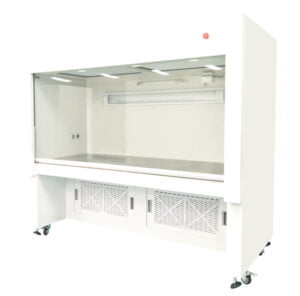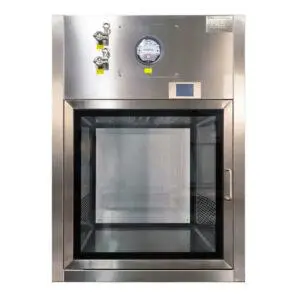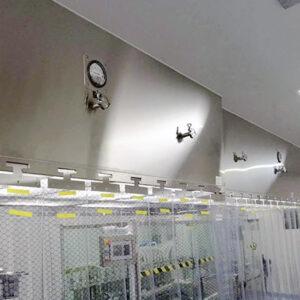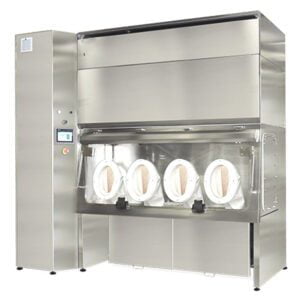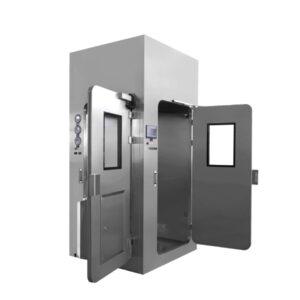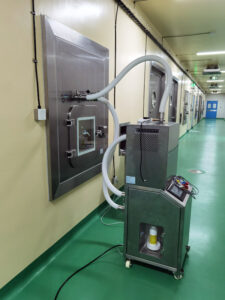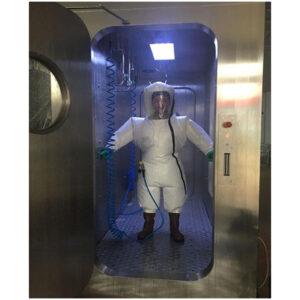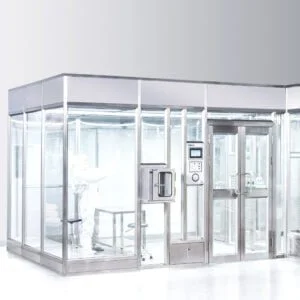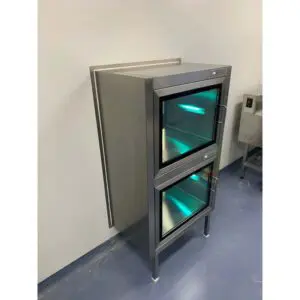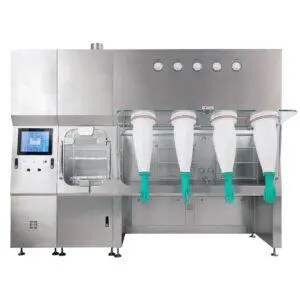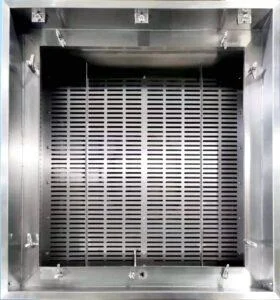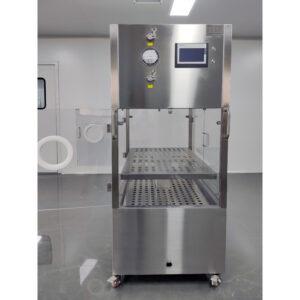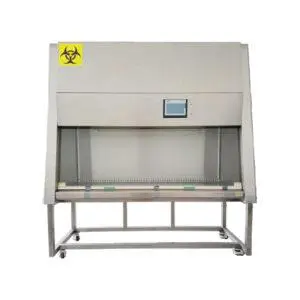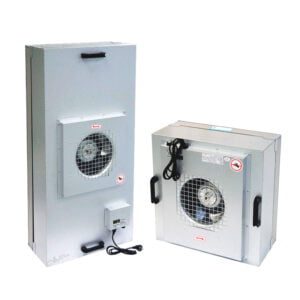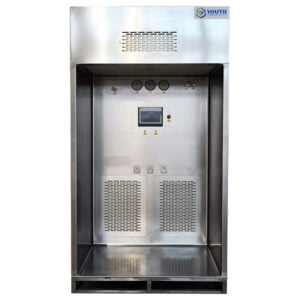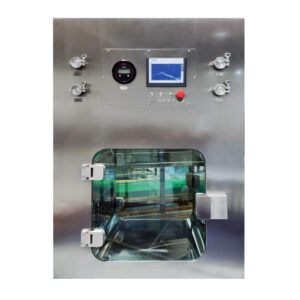
Para os engenheiros farmacêuticos e de biotecnologia, o cálculo da velocidade do ar para uma cabine de pesagem é uma etapa crítica do projeto que afeta diretamente a eficácia da contenção e a conformidade regulamentar. O desafio está em ir além de uma fórmula simples para um cálculo em nível de sistema que leve em conta os fatores operacionais dinâmicos. Um erro de cálculo aqui não apenas coloca em risco uma qualificação fracassada; ele compromete a segurança do operador e a integridade do produto.
Essa precisão é exigida por padrões globais em evolução, como o Anexo 1 da GMP da UE e do PIC/S, que requerem explicitamente uma abordagem científica e baseada em riscos para o controle de contaminação. A velocidade do ar é a variável projetada que equilibra a cortina de contenção interna contra a criação de turbulência perturbadora. Fazer isso corretamente não é negociável no manuseio de compostos potentes e é fundamental para proteger o produto e a equipe.
Parâmetros-chave para o cálculo da velocidade do ar
Definição do envelope de desempenho
A velocidade-alvo não é arbitrária. É a saída de um envelope de desempenho definido, estabelecido principalmente pela Faixa de Exposição Ocupacional (OEB) dos materiais manuseados. Compostos altamente potentes (OEB 4/5) exigem velocidades na extremidade superior do espectro aceitável para garantir uma captura robusta de partículas. Isso cria uma clara classificação de desempenho no mercado; a seleção de uma cabine exige a correspondência de sua capacidade com o nível de perigo específico do material para evitar tanto a subproteção quanto a dispendiosa engenharia excessiva.
A referência baseada em padrões
Os padrões do setor fornecem as proteções essenciais. O padrão de referência amplamente referenciado para o fluxo de ar unidirecional em repouso é 0,36 - 0,54 metros por segundo (m/s). Essa faixa estreita é o resultado de extensos testes empíricos para equilibrar a contenção eficaz de partículas com a criação de turbulência, que pode prejudicar a precisão da pesagem e ressuspender o material sedimentado. O projeto físico da cabine, especialmente o tamanho da abertura de acesso do operador, é uma entrada direta. Uma abertura maior requer uma velocidade média de face mais alta para manter uma cortina de ar estável em toda a abertura.
Quantificação das variáveis de entrada
Uma abordagem sistemática começa com a quantificação de todos os parâmetros interdependentes. Com base em minha experiência no projeto de instalações, ignorar o impacto das condições ambientais da sala sobre a entrada da cabine é um descuido comum que leva a desvios de desempenho durante as mudanças sazonais.
| Parâmetro | Faixa/valor típico | Impacto na velocidade |
|---|---|---|
| Nível de contenção (OEB 4/5) | Fim de faixa mais alto | Requer captura robusta de partículas |
| Faixa de velocidade padrão | 0,36 - 0,54 m/s | Equilibra a contenção e a turbulência |
| Tamanho da abertura de acesso | Abertura maior | Aumenta a velocidade de face necessária |
| Tolerância de uniformidade do fluxo de ar | ±12% desvio máximo | Crítico para a verificação do desempenho |
Fonte: ISO 14644-1:2015 Salas limpas e ambientes controlados associados - Parte 1: Classificação da limpeza do ar por concentração de partículas. Essa norma define a classificação da limpeza do ar, que depende fundamentalmente da manutenção da velocidade adequada do fluxo de ar unidirecional, fornecendo o contexto de desempenho fundamental para as faixas de velocidade e as tolerâncias de uniformidade essenciais para o projeto da cabine de pesagem.
Metodologia de cálculo passo a passo
Dos requisitos ao volume de ar
O cálculo passa do dimensionamento teórico para a especificação prática do sistema. Primeiro, defina os requisitos principais: nível de contenção, classe de limpeza interna (por exemplo, ISO 5) e dimensões físicas da cabine. O cálculo inicial se concentra no volume de ar (Qs), determinada pela multiplicação da velocidade-alvo selecionada (V) dentro da faixa padrão pela área efetiva do suprimento do filtro HEPA (A): Qs = A x V. Por exemplo, um alvo de 0,45 m/s em uma área de filtro de 0,8 m² produz um Q_s de 0,36 m³/s.
Estabelecimento da pressão de contenção
O princípio fundamental da contenção é a pressão negativa, criada ao garantir que o volume de escape (Qe) excede a alimentação. Um diferencial típico é 5-15%. Usando um diferencial de 10%, o cálculo é: Qe = Q_s x 1,10. Esse diferencial é o controle de engenharia inegociável que cria a entrada de ar, protegendo o operador. A implicação estratégica é clara: os protocolos de qualificação devem verificar essa relação entre exaustão e suprimento com mais rigor do que apenas a velocidade de suprimento, pois ela é o principal fator de segurança da contenção.
Especificação do sistema de ventiladores
Com Qs e QSe determinado, a especificação do sistema se concentra na seleção de um ventilador capaz de fornecer o volume de ar necessário contra a queda de pressão total do sistema. Essa queda de pressão inclui a resistência dos filtros (iniciais e carregados), dutos e dampers.
| Etapa de cálculo | Fórmula / Regra | Finalidade |
|---|---|---|
| Volume de ar de suprimento | Q_s = A x V | Determina a saída do filtro HEPA |
| Diferencial de volume do escapamento | Qe = Qs x 1,10 | Cria uma contenção de pressão negativa |
| Diferencial típico de exaustão | 5-15% maior que o suprimento | Garante a entrada de ar para dentro |
| Exemplo de velocidade alvo | 0,45 m/s | Dentro da faixa operacional padrão |
Fonte: Documentação técnica e especificações do setor.
Validação do desempenho com testes empíricos
Mapeamento de velocidade orientado por protocolo
Os cálculos teóricos são um ponto de partida para o projeto; a comprovação empírica é obrigatória. A velocidade do ar deve ser medida em uma grade de pontos ao longo da abertura de trabalho. A média deve estar dentro da faixa-alvo, sem que nenhum ponto individual apresente desvio superior a ±12%. Essa uniformidade é fundamental - zonas de baixa velocidade localizadas tornam-se pontos de falha na contenção. Esse teste quantitativo forma o núcleo dos protocolos de Qualificação de Instalação (IQ) e Qualificação Operacional (OQ).
O teste definitivo: Desafio de contenção
A validação definitiva é o teste de desempenho da contenção. Isso envolve a simulação de operações de transferência de pó usando um substituto, como lactose ou cloreto de sódio, enquanto se faz a amostragem da zona de respiração do operador com um contador de partículas. A concentração medida deve estar abaixo dos limites predefinidos com base no OEB. Esse teste, geralmente adaptado de metodologias como ASHRAE 110-2016 Método de teste de desempenho de capelas de exaustão de laboratório, O sistema integrado, fluxo de ar, geometria e procedimentos, comprova que ele oferece a proteção necessária.
Integrando a visualização e a contagem de partículas
Uma qualificação de desempenho (PQ) abrangente integra vários fluxos de dados. A visualização do fluxo de ar com tubos de fumaça confirma o fluxo unidirecional e laminar sem zonas mortas ou turbulência. A contagem simultânea de partículas dentro da cabine verifica se a classe de limpeza interna é mantida durante a operação simulada. Essa abordagem multiparâmetro demonstra que o desempenho da cabine é um sistema verificável e holístico.
| Tipo de teste | Indicador-chave de desempenho (KPI) | Critérios de aceitação |
|---|---|---|
| Uniformidade da velocidade do ar | Variação ponto a ponto | ≤ ±12% da média |
| Desempenho da contenção | Concentração da zona de respiração do operador | Abaixo dos limites predefinidos da OEB |
| Visualização do fluxo de ar | Estudo do padrão de fumaça | Unidirecional, sem turbulência |
| Qualificação do sistema | Protocolo multiparâmetro | Obrigatório para conformidade |
Fonte: ASHRAE 110-2016 Método de teste de desempenho de capelas de exaustão de laboratório. A rigorosa metodologia quantitativa dessa norma para medir a velocidade da face e a contenção por meio de testes de gás traçador é diretamente relevante e frequentemente adaptada para validar o desempenho do fluxo de ar e a proteção do operador das cabines de pesagem.
Como lidar com a carga do filtro e o desvio do sistema
O desafio da resistência dinâmica
Um dos principais desafios operacionais é o desvio do sistema. À medida que a HEPA e os pré-filtros são carregados com partículas, sua resistência aumenta, elevando a queda de pressão total do sistema. Se o ventilador operar em uma velocidade constante, essa resistência aumentada causará uma queda no volume de ar e, consequentemente, uma queda na velocidade da face. Essa degradação gradual pode levar o sistema a sair de sua faixa de qualificação antes da manutenção programada, criando um risco oculto à segurança.
Compensação automatizada com controles inteligentes
Os sistemas modernos atenuam esse problema com motores de ventiladores automáticos com controle de frequência (EC). Esses ventiladores ajustam sua velocidade em resposta aos sensores de pressão, mantendo um volume de ar constante (CAV) independentemente da carga do filtro. Isso transforma o desempenho de um ponto de ajuste estático em um estado dinamicamente garantido. Esse recurso não é mais um luxo; para o manuseio de compostos potentes, é uma expectativa padrão para manter a integridade dos dados e a segurança operacional durante o ciclo de vida do filtro.
Avaliação das vantagens e desvantagens do sistema de manutenção
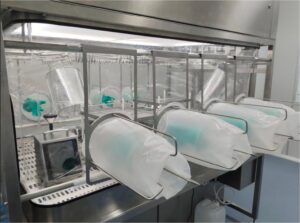
A escolha do sistema de manutenção do filtro apresenta uma compensação operacional e de segurança crítica. Os sistemas Bag-In/Bag-Out (BIBO) maximizam a segurança da equipe durante as trocas, pois contêm totalmente o filtro contaminado, mas aumentam a complexidade e o custo. Os sistemas slide-in/slide-out mais simples são mais econômicos, mas expõem os técnicos a riscos. Essa decisão deve ser orientada por uma avaliação formal de risco com base no OEB do material, considerando o custo total de propriedade, não apenas o preço de compra inicial.
| Componente do sistema | Recurso | Impacto operacional |
|---|---|---|
| Controle do ventilador | Controle automático de frequência (EC) | Mantém o volume de ar constante |
| Manutenção do filtro | Sistema Bag-In/Bag-Out (BIBO) | Maximiza a segurança da equipe |
| Queda de pressão | Aumenta com a carga do filtro | Reduz a velocidade se não for compensado |
| Base de avaliação de risco | Potência do material (OEB) | Impulsiona a escolha do sistema de manutenção |
Fonte: Documentação técnica e especificações do setor.
Integração com HVAC e controles de sala
A cabine como uma carga de sala dinâmica
Uma cabine de pesagem não é uma ilha. Ela é um componente dinâmico do sistema de controle ambiental da sala. A exaustão da cabine (Q_e) remove continuamente o ar condicionado da sala. O sistema HVAC da sala deve ser capaz de fornecer esse volume exato como ar de maquiagem sem comprometer as cascatas de pressão, a temperatura ou o controle de umidade da sala. Uma falha comum na integração é a especificação de uma cabine sem calcular seu impacto no equilíbrio de ar da sala, o que leva a problemas de fechamento de portas ou instabilidade do controle ambiental.
Projeto coordenado para estabilidade
Uma integração bem-sucedida requer colaboração antecipada entre o fornecedor da cabine e o engenheiro mecânico da instalação. As principais considerações incluem a localização das grades de suprimento e exaustão em relação à cabine e a garantia de que o sistema de gerenciamento predial (BMS) possa acomodar os sinais de controle da cabine. Opções como serpentinas de resfriamento integradas dentro da cabine destacam a necessidade dessa coordenação, pois transferem o gerenciamento da carga de calor da sala para o sistema dedicado da cabine.
Interface com o sistema de controle
Para instalações avançadas, a interface entre o sistema de controle da cabine e o BMS da sala é crucial. Os alarmes de baixa velocidade, pressão do filtro ou falha na contenção devem ser centralizados. O status operacional da cabine (ligado/desligado) deve ser interligado ao monitoramento da pressão da sala. Esse nível de integração garante que o ambiente controlado funcione como um sistema único e confiável, e não como um conjunto de dispositivos independentes.
Otimização para eficiência energética e ruído
O princípio da velocidade efetiva mínima
A otimização de energia começa com a seleção do velocidade efetiva mínima dentro da faixa qualificada que atende de forma confiável aos requisitos de contenção. Cada aumento de 0,1 m/s na velocidade aumenta significativamente o consumo de energia devido à relação cúbica entre a potência do ventilador e o fluxo de ar. A meta é qualificar e operar na extremidade inferior da faixa de 0,36 a 0,54 m/s, desde que os testes de contenção validem o desempenho.
Gerenciamento da saída acústica
Velocidades mais altas também aumentam o ruído operacional, principalmente devido ao ventilador e à turbulência do ar. As metas normalmente são ≤75 dB(A) na posição do operador para garantir um ambiente ergonômico e funcional. Os ventiladores EC inteligentes contribuem para a redução do ruído operando em velocidades mais baixas e otimizadas em comparação com os ventiladores de velocidade fixa que operam com amortecedores de estrangulamento. O projeto físico é igualmente importante; os difusores microperfurados e as geometrias internas simplificadas reduzem o ruído do ar e promovem o fluxo laminar.
Projeto para eficiência operacional
A eficiência a longo prazo também está relacionada à facilidade de limpeza e manutenção. Os cantos lisos e arredondados e as superfícies de aço inoxidável sem bordas reduzem os locais de acúmulo de partículas. Esse foco do projeto aumenta a eficácia da limpeza, reduz o risco de contaminação e minimiza o tempo de inatividade durante os ciclos de descontaminação. Esses elementos devem ser avaliados com o mesmo rigor que as especificações técnicas.
| Fator de otimização | Meta / Consideração | Benefício direto |
|---|---|---|
| Velocidade operacional | Velocidade mínima efetiva | Reduz o consumo de energia |
| Meta de nível de ruído | Normalmente, ≤75 dB(A) | Melhora a ergonomia do operador |
| Projeto de fluxo de ar | Difusores microperfurados | Aumenta a uniformidade e a eficiência |
| Design de gabinetes | Cantos lisos e arredondados | Melhora a capacidade de limpeza e reduz os riscos |
Fonte: Documentação técnica e especificações do setor.
Seleção e dimensionamento do sistema de ventilador correto
Adequação do ventilador à curva do sistema
A seleção do ventilador é ditada por duas coordenadas na curva do ventilador: o volume de ar necessário (Q_s) e a queda de pressão total do sistema nesse fluxo. O erro crítico é especificar um ventilador com base apenas na queda de pressão inicial do filtro. O sistema deve ser dimensionado para fornecer o volume necessário na queda de pressão máxima, que ocorre no final da vida útil do filtro. O subdimensionamento aqui garante falha de desempenho antes da data de troca do filtro.
Entendendo o custo total de propriedade
O preço de compra é um componente menor do custo total de propriedade (TCO). Os principais fatores de custo são recorrentes: substituição de filtros, consumo de energia, requalificação após o serviço e possível tempo de inatividade da produção. Um ventilador de melhor qualidade e corretamente dimensionado com um motor EC pode ter um custo inicial mais alto, mas gera uma economia substancial de energia e manutenção em um período de 5 a 10 anos. Investir em um acesso mais fácil à manutenção também reduz os custos de mão de obra e o tempo de exposição do técnico.
O modelo de justificativa do ciclo de vida
A justificativa financeira deve ser baseada em um modelo de TCO de ciclo de vida. Esse modelo compara não apenas os custos do equipamento, mas também o uso projetado de energia, a frequência e o custo de troca de filtros e as despesas de qualificação. Descobri que a apresentação dessa análise geralmente é a chave para garantir o orçamento para componentes de maior especificação que oferecem menor risco e menor custo a longo prazo.
| Critérios de seleção | Foco na especificação | Implicações do ciclo de vida |
|---|---|---|
| Motorista principal | Volume de ar (Q_s) e queda de pressão | Define a capacidade principal do ventilador |
| Ponto crítico de especificação | Pressão máxima de fim de vida útil do filtro | Garante um desempenho consistente |
| Principal fator de custo | Trocas recorrentes de filtro e requalificação | Domina o custo total de propriedade |
| Modelo de justificativa | Análise de TCO de 5 a 10 anos | Essencial para o planejamento financeiro |
Fonte: Documentação técnica e especificações do setor.
Qualificação final e transferência operacional
Consolidação de evidências no protocolo
A qualificação final (OQ/PQ) é a consolidação de todos os testes empíricos em um protocolo formal e documentado. Esse relatório prova que o sistema é “adequado à finalidade” em relação à Especificação de Requisitos do Usuário (URS). Ele inclui dados assinados para mapeamento de velocidade, visualização de fluxo de ar, testes de integridade de filtro (DOP/PAO), desafio de contenção, ruído e iluminação. Esse documento é a evidência definitiva para auditorias regulatórias e a linha de base para a verificação contínua do desempenho.
A transferência de um sistema gerenciado
A entrega deve fornecer mais do que equipamentos. Ela exige um pacote completo: o protocolo de qualificação, desenhos detalhados da construção, manuais de manutenção e Procedimentos Operacionais Padrão (POPs) claros e aprovados para operação, limpeza e monitoramento. A mudança é da instalação de uma cabine para o comissionamento de um ativo de contenção validado. Os POPs devem definir a frequência e o método de monitoramento de parâmetros críticos, como a velocidade da face ou o diferencial de pressão.
Construindo uma garantia à prova de futuro
A ênfase na integridade dos dados e na garantia contínua sugere um futuro regulatório que se inclina para o monitoramento do desempenho em tempo real. Seleção de soluções avançadas de cabines de pesagem com saídas digitais, registro de tendências e alarmes configuráveis, tornando a instalação preparada para o futuro. Esse recurso facilita a manutenção preditiva - alertando a equipe para filtrar o carregamento antes que a velocidade caia - e fornece trilhas de auditoria eletrônicas e robustas para conformidade.
Os principais pontos de decisão são definidos por uma abordagem baseada em riscos: combinar o desempenho da velocidade e da contenção com o OEB do material, validar os diferenciais de exaustão com o mesmo rigor que a velocidade de suprimento e selecionar sistemas com compensação automatizada para o carregamento do filtro. As prioridades de implementação devem incluir a integração antecipada com o HVAC da instalação e uma análise de TCO do ciclo de vida para justificar os controles inteligentes.
Precisa de orientação profissional para especificar e validar uma cabine de pesagem para seus requisitos específicos de manuseio de compostos potentes? A equipe de engenharia da YOUTH pode apoiar seu projeto desde o desenvolvimento do URS até a qualificação final, garantindo que sua estratégia de contenção esteja em conformidade e seja operacionalmente eficiente. Para uma discussão detalhada de sua aplicação, você também pode Entre em contato conosco.
Perguntas frequentes
P: Qual é a faixa de velocidade do ar padrão do setor para uma cabine de pesagem e o que impulsiona o alvo específico dentro dela?
R: O padrão de referência aceito para o fluxo de ar unidirecional em repouso é de 0,36 a 0,54 metros por segundo, conforme referenciado na chave Diretrizes de GMP. O alvo exato dentro dessa faixa é definido pelo nível de potência do material (OEB) e pelo tamanho da abertura física da cabine. Isso significa que as instalações que lidam com compostos altamente potentes devem selecionar uma velocidade na extremidade mais alta para garantir uma contenção robusta e, ao mesmo tempo, evitar velocidades excessivas que desperdiçam energia e criam turbulência.
P: Como você calcula o fluxo de ar de exaustão necessário para garantir a contenção de pressão negativa?
R: Você deve dimensionar o volume de exaustão para que seja 5-15% maior do que o volume de ar de suprimento, criando a entrada crítica de ar. Para um diferencial típico de 10%, calcule a exaustão (Qe) como oferta (Qs) multiplicado por 1,10. Essa proporção é um indicador de desempenho mais crítico do que a velocidade de suprimento por si só para a segurança do operador. Para projetos em que a proteção do pessoal é primordial, os protocolos de qualificação devem verificar rigorosamente se esse diferencial de exaustão para suprimento é mantido em todas as condições operacionais.
P: Quais testes empíricos são necessários para validar o desempenho da cabine além dos cálculos teóricos?
R: A validação exige um protocolo de vários parâmetros: medição da uniformidade da velocidade da face, visualização do fluxo de ar com estudos de fumaça e realização de testes reais de contenção com um pó substituto. Essa abordagem, adaptada de métodos como os de ASHRAE 110, A qualificação de terceiros, que prova que o sistema oferece proteção verificada. Se a sua operação exigir conformidade com as normas, você deverá fazer um orçamento para uma qualificação abrangente de terceiros, pois a instalação por si só não garante o desempenho.
Q: Como podemos manter uma velocidade de ar consistente à medida que os filtros são carregados com partículas ao longo do tempo?
R: Os controles inteligentes que usam ventiladores com controle automático de frequência (EC) são essenciais; eles ajustam a velocidade do motor para compensar o aumento da resistência do filtro, mantendo um volume de ar constante. Essa compensação automatizada é fundamental para a segurança sustentada e apoia a integridade dos dados. Para instalações com operações contínuas, investir nesse recurso não é negociável para evitar desvios de desempenho e os riscos de conformidade associados.
P: Quais são os principais pontos de integração entre uma cabine de pesagem e o sistema HVAC da sala?
R: A exaustão da cabine retira o ar de maquiagem condicionado da sala, portanto, o HVAC central deve fornecer esse ar sem interromper o equilíbrio da pressão da sala ou a estabilidade da temperatura. Essa integração é um fator crítico de sucesso oculto. Para novas instalações, isso significa que você deve facilitar a colaboração antecipada entre o fornecedor da cabine e os engenheiros da instalação durante o projeto para evitar adaptações dispendiosas e garantir o controle ambiental geral.
P: Como a seleção do ventilador afeta o custo total de propriedade de uma cabine de pesagem?
R: A seleção do ventilador é ditada pelo volume de ar necessário e pela queda de pressão total do sistema no final da vida útil do filtro. Um sistema de qualidade superior e dimensionado corretamente mantém o desempenho com menos energia e reduz o risco de requalificação. Isso significa que a justificativa financeira deve usar um modelo de custo total de propriedade de 5 a 10 anos, em que a economia decorrente da redução do tempo de inatividade e da manutenção geralmente supera o preço de compra inicial mais alto.
P: O que deve ser incluído no pacote final de transferência para garantir a prontidão operacional?
R: A transferência deve incluir o relatório completo do protocolo de qualificação (OQ/PQ) e procedimentos operacionais padrão claros para uso, monitoramento e manutenção. A documentação que comprova os testes de velocidade, contenção, integridade do filtro e ruído é obrigatória. Se o seu objetivo é estar preparado para o futuro, insista em sistemas com saídas digitais e alarmes para facilitar a manutenção preditiva e trilhas de auditoria robustas em relação às expectativas regulatórias em evolução.
Conteúdo relacionado:
- Cabines de pesagem de precisão para o setor farmacêutico
- O que é uma cabine de pesagem? Explicação dos fatos essenciais
- 7 etapas para calibrar perfeitamente sua cabine de pesagem
- Pesando o ROI do estande: Maximizando seu investimento
- Aumente a produtividade com cabines de pesagem automatizadas
- O guia definitivo para cabines de pesagem [Edição 2025]
- Cabine de pesagem versus sala de pesagem: Qual é a mais adequada para você?
- Tendências emergentes: O futuro da tecnologia de cabines de pesagem
- 5 recursos críticos de segurança em cabines de pesagem modernas