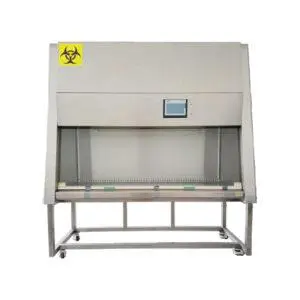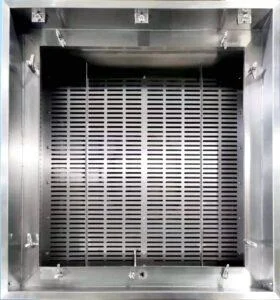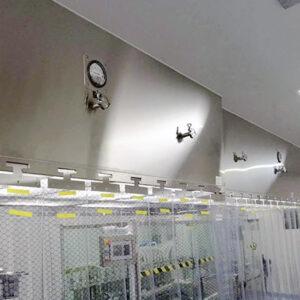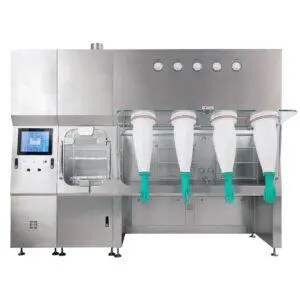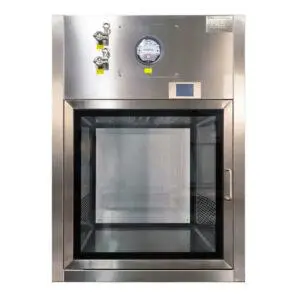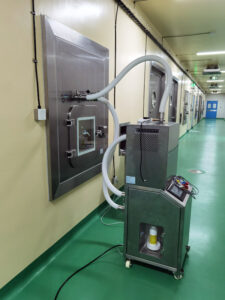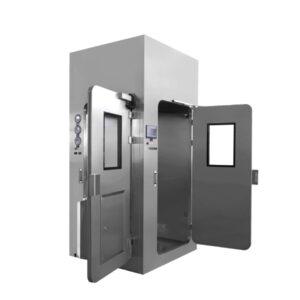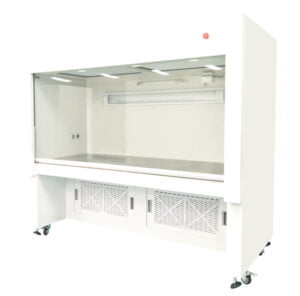
A seleção do tamanho errado da caixa de passagem é um erro capital com custos operacionais crescentes. Uma câmara superdimensionada aumenta o consumo de energia e compromete a eficiência do controle de partículas em unidades dinâmicas, enquanto uma câmara subdimensionada cria gargalos persistentes no fluxo de trabalho. Esse erro de cálculo força as equipes a absorverem as ineficiências diárias como despesas gerais, mascarando a raiz da falha de projeto. Uma metodologia de seleção precisa e orientada por dados é a única maneira de alinhar esse ponto crítico de transferência com a estratégia de controle de contaminação e com os requisitos de fluxo de material.
A mudança para o projeto de instalações baseado em modelos exige essa precisão. A padronização da aquisição de caixas de passagem em todos os locais exige que se vá além das suposições dimensionais para uma abordagem de calculadora formalizada. Este artigo fornece a estrutura de engenharia para determinar o volume mínimo prático que suporta seu processo, garantindo que o gasto de capital proporcione conformidade e produtividade.
Como calcular o volume necessário da câmara da caixa de passagem
O princípio do volume prático mínimo
O cálculo do núcleo visa o menor espaço interno que acomoda com segurança sua carga padrão. Não se trata de maximizar a capacidade, mas de otimizá-la. Adicione 50-100 mm de folga operacional em todos os lados às dimensões do maior item. Para um tote padrão de 600 mm x 400 mm x 200 mm, isso resulta em uma dimensão interna básica de aproximadamente 700 mm x 500 mm x 300 mm. Esse equilíbrio evita o controle de contaminação e os riscos de eficiência de uma câmara superdimensionada, que, em uma unidade dinâmica, aumenta o volume de ar que requer filtragem HEPA, elevando os custos de energia.
O custo do superdimensionamento
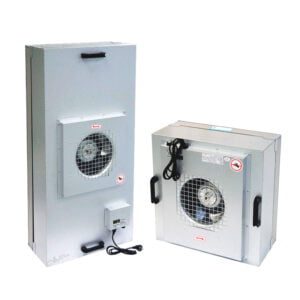
Um volume excessivamente grande tem impactos financeiros e de desempenho tangíveis. O volume de ar adicional requer uma unidade de filtro com ventilador (FFU) maior ou mais potente para manter a mesma taxa de troca de ar, aumentando diretamente as despesas operacionais e de capital. Além disso, uma câmara maior pode reduzir a eficácia da depuração de partículas se o padrão do fluxo de ar se tornar menos turbulento ou uniforme. Em nosso planejamento de instalações, descobrimos que a formalização da relação entre carga e volume em todos os projetos evita o desvio de especificações e otimiza o gasto de capital.
Validação com uma abordagem padronizada
Esse conceito de “calculadora de tamanho” permite um processo de aquisição estratégico e repetível. Ao documentar o cálculo de suas cargas padrão, você cria um modelo de especificação. Essa abordagem baseada em modelos permite que as organizações padronizem os equipamentos em diferentes locais e linhas de produção, garantindo a consistência e simplificando a validação. Ela transforma a seleção de caixas de passagem de uma discussão pontual com o fornecedor em um componente de engenharia do projeto de sua instalação.
| Exemplo de item de carga | Dimensões padrão (mm) | Dimensões internas mínimas (mm) |
|---|---|---|
| Caixa de papelão padrão | 600 x 400 x 200 | 700 x 500 x 300 |
| Liberação operacional | 50-100 mm por lado | Adicionado às dimensões de carga |
| Risco de câmara superdimensionada | Aumento do volume de ar | Maior custo de filtragem HEPA |
Fonte: Documentação técnica e especificações do setor.
Fatores-chave: Configuração de carga, frequência de transferência e volume
Definição do perfil de carga
O dimensionamento eficaz começa com uma análise tripartite. Configuração de carga é o principal impulsionador, definindo o que é transferido. Você deve documentar o perfil dimensional máximo, o tipo de transportador (bandejas, carrinhos, racks), o peso total e as características de derramamento do material. Esse perfil define o volume interno de base não negociável. Os especialistas do setor recomendam tratar a carga do pior caso, e não a média, como sua base de projeto para evitar restrições futuras.
Contabilização do tempo operacional
Frequência de transferência define com que frequência a caixa de passagem é usada, variando de transferências ocasionais a transferências constantes de lotes. Esse parâmetro determina a durabilidade do componente em vez do tamanho puro. As transferências de alta frequência exigem hardware robusto - dobradiças para serviços pesados, travas eletromagnéticas e gaxetas resistentes ao desgaste - independentemente das dimensões da câmara. Um tamanho inadequado para um processo de alta frequência cria um entrave operacional crônico, manifestando-se como gargalos no fluxo de trabalho que corroem a produtividade e elevam o risco de contaminação diariamente.
Sintetizando parâmetros para especificação
O necessário Volume interno é o resultado da sintetização da carga e da frequência. Uma transferência de alta frequência de um item pequeno pode exigir uma câmara modesta, mas com componentes premium. Um item grande, transferido com pouca frequência, requer um volume maior, mas potencialmente com peças padrão. Essa análise evita o erro comum de especificar uma unidade superdimensionada e com engenharia excessiva para uma tarefa simples e de baixa frequência, o que aumenta desnecessariamente os custos iniciais e do ciclo de vida.
| Fator | Parâmetro-chave | Impacto na especificação |
|---|---|---|
| Configuração de carga | Perfil dimensional máximo | Define o volume interno da base |
| Frequência de transferência | De ocasional a constante | Determina a durabilidade do componente |
| Transferências de alta frequência | Transferências em lote a cada poucos minutos | Requer componentes para serviços pesados |
| Tamanho inadequado | Gargalo crônico no fluxo de trabalho | Risco elevado de contaminação |
Fonte: Documentação técnica e especificações do setor.
Caixas de passagem estáticas vs. dinâmicas: Selecionando o tipo certo
Estratégias de controle de contaminação do núcleo
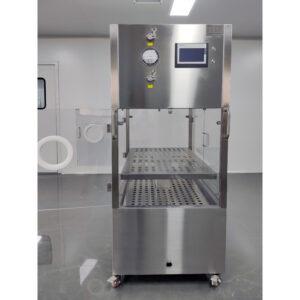
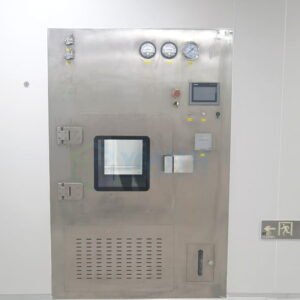
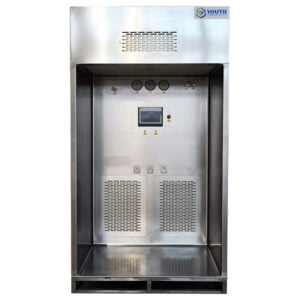
Essa escolha fundamental determina sua filosofia de transferência e deve ser definida logo no início do projeto da instalação. Caixas de passagem estáticas dependem de vedações herméticas e intertravamentos de portas para manter o isolamento entre as câmaras. Elas são adequadas para transferências entre áreas com classificação de limpeza semelhante. Caixas de passe dinâmicas incorporar uma FFU ou um chuveiro de ar para limpar ativamente as partículas com fluxo de ar unidirecional filtrado por HEPA, o que é essencial para transferências para zonas de classificação mais alta.
Consequências do erro de seleção
A escolha do tipo errado introduz um risco inerente que os controles processuais não podem mitigar totalmente. O uso de uma caixa estática onde é necessária uma proteção dinâmica cria um caminho de contaminação. Por outro lado, o uso de uma caixa dinâmica entre zonas idênticas acrescenta complexidade e custo desnecessários. Essa decisão funciona como um indicador tangível da tolerância ao risco do processo de uma organização. De acordo com ISO 14644-7, Na classificação de limpeza, a seleção é baseada na “função de proteção” necessária do dispositivo de separação, vinculando diretamente o tipo à classificação de limpeza.
A evolução em direção às portas de processo inteligentes
Olhando para o futuro, as unidades dinâmicas estão evoluindo de câmaras passivas para portas de processo integradas. A próxima geração provavelmente incorporará sensores para contagem de partículas, monitoramento de diferencial de pressão e conectividade IoT para dados de desempenho em tempo real e rastreabilidade de transferência. Essa evolução ressalta a importância de selecionar um tipo que não apenas atenda às necessidades de isolamento atuais, mas que também possa se integrar aos futuros sistemas de monitoramento de instalações e integridade de dados.
| Tipo | Controle de contaminação primária | Aplicação típica |
|---|---|---|
| Caixa de passe estática | Vedações herméticas e travas de porta | Transferências entre zonas de limpeza semelhantes |
| Caixa de passe dinâmica | Filtragem HEPA ativa (FFU) | Transferências para zonas de classificação superior |
| Erro de seleção | Risco inerente ao procedimento | Não pode ser totalmente mitigado por controles |
Fonte: ISO 14644-7: Salas limpas e ambientes controlados associados - Parte 7: Dispositivos de separação. Essa norma especifica os requisitos para dispositivos de separação, como caixas de passagem, informando diretamente a seleção entre os tipos estático (isolante) e dinâmico (raspador de partículas) com base em sua função de proteção e na classificação de limpeza exigida.
Integração do ciclo de trabalho e do fluxo de ar em seu cálculo de tamanho
Validação do volume em relação à taxa de transferência
Depois que o volume básico for calculado a partir das dimensões da carga, ele deverá ser validado em relação à realidade operacional. Para uso com alta frequência, verifique se a câmara permite carga e descarga eficientes e ergonômicas sem aglomeração. Isso pode justificar um pequeno aumento de volume além da folga mínima para melhorar o fluxo de trabalho do operador. No entanto, esse aumento deve ser justificado por uma análise de rendimento, e não por suposições.
A combinação crítica de fluxo de ar para unidades dinâmicas
Para caixas dinâmicas, qualquer volume final da câmara determina a especificação da FFU. A unidade deve ser capaz de manter a taxa de troca de ar necessária (normalmente mais de 25 trocas por hora) dentro do espaço maior para garantir a depuração eficaz das partículas. Um volume maior requer um ventilador com maior CFM (pés cúbicos por minuto) para atingir a mesma taxa de troca. Além disso, os componentes internos, como bicos de chuveiro de ar ou plenums, podem interferir no espaço utilizável, portanto, as dimensões finais da compra devem ser verificadas em relação ao layout interno do modelo específico.
Alcançando o equilíbrio de desempenho
A seleção final deve atender a dois critérios: eficiência da produção e desempenho do controle de contaminação. Um tamanho que otimiza a velocidade de carregamento, mas compromete a uniformidade do fluxo de ar, não funciona. Por outro lado, uma câmara de tamanho perfeito para o fluxo de ar que se torna um gargalo também falha. Essa etapa de integração, conforme orientada por documentos como IEST-RP-CC012.3, O sistema de passagem de nível, que garante que a caixa de passagem funcione como um nó confiável dentro do sistema de sala limpa maior.
| Considerações | Métrica principal | Orientação de especificação |
|---|---|---|
| Ciclo de trabalho de alta frequência | Carregamento/descarregamento eficiente | Pode justificar um modesto aumento de volume |
| Taxa de troca de ar da caixa dinâmica | Mais de 25 alterações por hora | A FFU deve corresponder ao volume final da câmara |
| Violação de componentes internos | Bicos, plenums | Reduz o espaço utilizável; verifique as especificações do modelo |
| Validação final | Produtividade versus controle de contaminação | Deve atender a ambos os critérios de desempenho |
Fonte: IEST-RP-CC012.3: Considerações sobre o projeto de salas limpas. Essa prática recomendada fornece orientação sobre a integração de equipamentos auxiliares, como caixas de passagem, garantindo que suas especificações de tamanho e fluxo de ar atendam aos requisitos gerais de controle operacional e de contaminação da sala limpa.
Considerações técnicas: Intertravamentos, materiais e capacidade de limpeza
Intertravamentos como controles projetados
Sistemas de intertravamento não são negociáveis. Eles impedem fisicamente a abertura simultânea de portas, reforçando a integridade do procedimento. A escolha entre intertravamentos mecânicos e eletromagnéticos envolve uma troca de confiabilidade e controle. Os sistemas eletromagnéticos geralmente se integram com mais facilidade aos sistemas de monitoramento das instalações, fornecendo um registro dos ciclos das portas - um ponto de dados valioso para investigações e manutenção preventiva. Eles substituem a conformidade humana variável por um controle projetado à prova de falhas.
A equação do custo do ciclo de vida do material
Materiais de construção, O aço inoxidável, normalmente 304 ou 316, apresenta uma clara decisão de custo e desempenho. Embora o 304 seja padrão para a maioria dos ambientes, o 316 oferece resistência superior à corrosão contra agentes de limpeza e esterilizantes agressivos. A especificação do aço inoxidável 316, especialmente para ciclos de limpeza de alta frequência ou em áreas de manuseio de compostos potentes, afeta o custo do ciclo de vida por meio da redução da degradação da superfície, da manutenção e das necessidades de revalidação. É um investimento inicial que compensa em termos de resiliência operacional.
Projetando para a capacidade de limpeza inerente
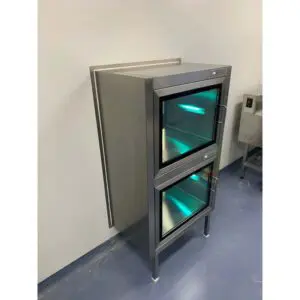
Capacidade de limpeza é uma exigência do projeto, não uma reflexão tardia. Ele exige costuras soldadas, polidas e lisas, com cantos arredondados e sem armadilhas ou pernas mortas onde contaminantes ou resíduos de limpeza possam se acumular. Recursos como lâmpadas UV-C internas oferecem descontaminação suplementar da superfície, mas não são uma barreira primária contra a contaminação. Sua especificação deve ser uma decisão direcionada e baseada em riscos para aplicações específicas, e não uma atualização geral. Conforme enfatizado em Anexo 1 das BPF da UE, O projeto deve permitir a limpeza e a desinfecção eficazes.
| Componente | Opção 1 | Opção 2 / Especificações principais |
|---|---|---|
| Sistema de intertravamento | Mecânica | Eletromagnético |
| Material de construção | Aço inoxidável 304 | Aço inoxidável 316 |
| Vantagem do aço inoxidável 316 | Resistência superior à corrosão | Agentes de limpeza agressivos |
| Mandato de limpeza | Costuras soldadas e lisas | Sem armadilhas ou pernas mortas |
| Lâmpadas UV-C | Descontaminação suplementar | Não é uma barreira primária |
Fonte: Anexo 1 das BPF da UE: Fabricação de produtos medicinais estéreis. O Anexo 1 enfatiza a necessidade de projeto e controles adequados para os dispositivos de transferência, diretamente relacionados às especificações de materiais, capacidade de limpeza e intertravamentos para evitar contaminação.
Conformidade do dimensionamento da caixa de passagem com os padrões de sala limpa
Integração ao envelope de pressão
O dimensionamento e a especificação corretos são inerentes à conformidade. A unidade deve se integrar perfeitamente à parede da sala limpa para manter uma vedação hermética, preservando os diferenciais críticos de pressão entre as zonas adjacentes. Essa integração nivelada é um fator crítico de sucesso da instalação, muitas vezes negligenciado; uma caixa de passagem não é um gabinete autônomo, mas um componente integrado do envelope arquitetônico e de pressão da sala. Uma vedação ruim compromete a classificação de todo o cômodo.
Suporte ao estado validado
O tamanho e o layout interno selecionados devem permitir a limpeza e a desinfecção eficazes de todas as superfícies, um requisito essencial das BPF. Um interior excessivamente complexo com cantos de difícil acesso pode se tornar uma dor de cabeça para a validação e a conformidade. Além disso, a compatibilidade do material - garantindo superfícies não derramadas, não reativas e resistentes a agentes de limpeza qualificados - é essencial para manter o estado validado do ambiente controlado. Isso se alinha às expectativas regulatórias para equipamentos em áreas de processamento asséptico.
Alinhamento com as expectativas regulatórias
A conformidade é demonstrada por meio da qualificação do projeto (DQ). Sua lógica de dimensionamento, baseada na carga e na necessidade do processo, torna-se parte da documentação do DQ. Isso mostra uma abordagem deliberada e baseada em riscos para a seleção de equipamentos. Normas como a ISO 14644 e orientações da FDA sobre processamento asséptico informar essas expectativas, enfatizando que os processos de transferência devem ser projetados para minimizar o risco de contaminação.
Estrutura de seleção passo a passo para dimensionamento ideal
Análise de contexto e carga (etapas 1 e 2)
Inicie o processo Identificando o contextoEm primeiro lugar, é necessário determinar a classificação de limpeza em ambos os lados da transferência para estabelecer a necessidade fundamental de uma unidade estática ou dinâmica. Em seguida, rigorosamente Caracterizar a carga. Documente o tamanho máximo, o peso e a configuração padrão de todos os itens que passarão por ele. Essa coleta de dados é fundamental; as suposições aqui prejudicam toda a especificação.
Do cálculo à especificação (etapas 3, 4 e 5)
Calcular o volume básico adicionando a folga operacional de 50-100 mm às dimensões da carga caracterizada. Em seguida, Analisar a frequência para especificar a durabilidade dos componentes - altas contagens de ciclos exigem hardware de nível comercial. Finalmente, Selecione o tipo e finalize o tamanho. Escolha estático ou dinâmico; para modelos dinâmicos, confirme se as dimensões internas finais do fabricante levam em conta quaisquer componentes aerodinâmicos que reduzam o espaço utilizável.
Integração final de recursos (Etapa 6)
Especifique os recursos necessários como prateleiras, UV-C, contadores de ciclos ou tipos específicos de portas de visualização. Certifique-se de que esses recursos se integrem ao tamanho da câmara escolhida e não criem problemas de limpeza ou interrupções no fluxo de ar. Essa etapa transforma as dimensões calculadas em uma especificação completa, pronta para aquisição, que alinha os gastos de capital com os requisitos operacionais e de controle de contaminação.
| Etapa | Ação primária | Principais resultados |
|---|---|---|
| 1. Identificar o contexto | Determinar zonas de limpeza | Necessidade estática vs. dinâmica |
| 2. Caracterizar a carga | Tamanho máximo do documento, peso | Configuração de carga padrão |
| 3. Calcular o volume básico | Adicione uma folga de 50-100 mm | Dimensões internas mínimas |
| 4. Analisar a frequência | Avaliar o ciclo de trabalho | Especificação de durabilidade do componente |
| 5. Selecione Type & Finalize (Tipo e finalização) | Escolha estático/dinâmico | Confirmar as dimensões finais |
| 6. Especificar recursos | Adicionar opções necessárias | Especificação de aquisição integrada |
Fonte: Documentação técnica e especificações do setor.
Finalização de sua especificação e lista de verificação de implementação
O documento de especificação de aquisições
A especificação final requer a síntese de todas as análises em um documento claro e prático. A lista de verificação deve incluir: dimensões internas confirmadas (Largura x Profundidade x Altura), classificação estática/dinâmica com especificações certificadas de fluxo de ar (para unidades dinâmicas), tipo de intertravamento e certificação, material de construção e acabamento (por exemplo, aço inoxidável 316L, polimento #4) e todos os recursos necessários (prateleiras fixas ou ajustáveis, UV, contadores de ciclos, material específico da gaxeta).
Garantia de uma integração perfeita
Envolva a engenharia das instalações e o fornecedor do painel da sala limpa no início do processo. Forneça a eles as dimensões exatas do corte, os detalhes do flange e os pontos de conexão de utilidades (para unidades dinâmicas) para garantir a compatibilidade. As soluções de reequipamento para a má integração com a parede são caras e geralmente comprometem o desempenho. A unidade deve chegar como um componente totalmente validado e pronto para ser instalado em uma abertura preparada, e não como uma peça de quebra-cabeça que exige modificações em campo.
Da especificação ao ativo operacional
Essa etapa final transforma um tamanho calculado em um ativo tangível que apoia a estratégia geral de controle de contaminação da sua instalação. Uma caixa de passagem adequadamente especificada, como uma unidade de filtro de ventilador dinâmico, O sistema de controle de qualidade, o sistema de controle de qualidade, torna-se um nó confiável e compatível em seu processo de transferência de materiais. Ele elimina a adivinhação, reduz os custos do ciclo de vida e fornece uma justificativa documentada para um dos equipamentos usados com mais frequência em seu ambiente controlado.
A seleção ideal da caixa de passagem depende de um fluxo de trabalho disciplinado e orientado por dados: defina rigorosamente o processo de carga e transferência, calcule o volume mínimo prático e selecione um tipo e recursos que correspondam ao seu risco de controle de contaminação. Essa metodologia evita a ineficiência crônica e as falhas de conformidade de uma unidade mal dimensionada.
Precisa de orientação profissional para especificar uma caixa de passagem que se alinhe precisamente aos requisitos de classificação e fluxo de materiais de sua sala limpa? A equipe de engenharia da YOUTH pode ajudar a traduzir seus parâmetros de processo em uma especificação tecnicamente justificada, garantindo integração e desempenho perfeitos.
Perguntas frequentes
P: Como calcular o volume interno mínimo de uma caixa de passagem com base em uma carga padrão?
R: Determine o volume mínimo prático adicionando uma folga operacional de 50 a 100 mm em todos os lados às dimensões de sua maior carga padrão. Por exemplo, uma sacola de 600 mm x 400 mm x 200 mm requer uma câmara de aproximadamente 700 mm x 500 mm x 300 mm. Esse método orientado por dados equilibra o ajuste com os riscos de contaminação, pois o superdimensionamento de uma unidade dinâmica aumenta o volume de ar filtrado por HEPA, aumentando os custos de energia e reduzindo potencialmente a eficiência da depuração de partículas. Para projetos em que o gasto de capital e a eficiência operacional estão vinculados, essa relação formalizada entre carga e volume é essencial para padronizar a aquisição.
P: Quais são as principais diferenças entre as caixas de passagem estáticas e dinâmicas e como faço para escolher?
R: A escolha define a sua estratégia de controle de contaminação. As unidades estáticas mantêm o isolamento por meio de vedações herméticas e intertravamentos para transferências entre zonas de limpeza semelhantes. As unidades dinâmicas limpam ativamente as partículas com ar filtrado por HEPA de uma unidade de filtro com ventilador (FFU), que é obrigatória para transferências para salas limpas de classificação mais alta. A seleção do tipo errado introduz um risco fundamental que os procedimentos não podem corrigir totalmente. Isso significa que as instalações com transferências para áreas ISO 5/Classe A ou B devem priorizar as caixas dinâmicas, tratando-as como componentes integrais de sua filosofia de qualidade por projeto.
P: Como a frequência de transferência afeta as especificações da caixa de passagem além do tamanho?
R: O uso de alta frequência e orientado por lotes determina a durabilidade dos componentes e a integridade do sistema, não apenas as dimensões da câmara. Ele exige hardware robusto, como dobradiças resistentes e travas eletromagnéticas para suportar ciclos constantes. Além disso, uma unidade subdimensionada para um processo de alto rendimento cria gargalos crônicos no fluxo de trabalho, aumentando o risco de manuseio e contaminação. Se a sua operação requer transferências a cada poucos minutos, planeje uma especificação que enfatize a resiliência mecânica e valide que o layout interno suporta o carregamento eficiente e sem aglomeração para evitar o atraso operacional diário.
P: Quais recursos técnicos não são negociáveis para garantir a conformidade e a limpeza da caixa de passagem a longo prazo?
R: As travas de porta projetadas são obrigatórias para impedir fisicamente a abertura simultânea, reforçando a integridade do procedimento. A construção deve usar aço inoxidável 304 ou 316 com costuras totalmente soldadas e lisas para eliminar armadilhas de partículas; o 316L oferece resistência superior à corrosão contra agentes agressivos, o que afeta o custo do ciclo de vida. Embora recursos como as lâmpadas UV-C ofereçam descontaminação suplementar, elas não são uma barreira primária. Isso significa que as instalações sob rigorosas Diretrizes de GMP deve priorizar a confiabilidade do intertravamento e a qualidade do material lavável em vez dos complementos.
P: Como as normas de sala limpa, como a ISO 14644, influenciam o dimensionamento e a instalação da caixa de passagem?
R: O dimensionamento adequado é inerentemente compatível com a conformidade com os padrões, garantindo que a unidade se integre perfeitamente à parede da sala limpa, preservando o envelope de pressão crítica. O layout interno deve permitir a limpeza eficaz de todas as superfícies de acordo com os requisitos de GMP, e os materiais não devem ser descartáveis. A unidade funciona como um dispositivo de separação e seu projeto deve estar alinhado com os princípios desse tipo de equipamento. Isso significa que seu plano de instalação deve envolver a engenharia de instalações com antecedência para garantir a vedação hermética e as conexões de utilidades, pois a adaptação de uma caixa mal integrada é cara e compromete o desempenho. Orientações relevantes podem ser encontradas em ISO 14644-7 em dispositivos de separação.
P: O que é uma estrutura sistemática para selecionar e especificar uma caixa de passagem?
R: Siga um fluxo de trabalho de seis etapas: 1) Identifique as zonas de limpeza em ambos os lados para escolher estática ou dinâmica. 2) Caracterize o tamanho, o peso e a configuração máximos da carga. 3) Calcule o volume básico adicionando a folga operacional às dimensões da carga. 4) Analise o ciclo de trabalho para especificar componentes duráveis. 5) Finalize o tipo e o tamanho, garantindo que os modelos dinâmicos levem em conta os componentes internos da FFU. 6) Especifique recursos como prateleiras ou UV. Para projetos em que a tolerância ao risco varia, essa estrutura alinha os gastos de capital com a eficiência operacional e o controle de contaminação, transformando o cálculo em um ativo qualificado.
Conteúdo relacionado:
- Previsão do mercado de caixas de passagem VHP: Análise de crescimento 2025-2030
- Tabela de tamanhos de caixas de passagem VHP: Opções de capacidade para salas limpas
- Transferência de material para salas limpas: Melhores práticas
- Validação da caixa de aprovação do VHP: Lista de verificação de conformidade IQ/OQ/PQ
- VHP versus caixas de passe tradicionais: Comparação das principais diferenças
- Requisitos de diferencial de pressão da caixa de passagem: Como manter o fluxo de ar ideal entre as zonas da sala limpa
- Controle de pressão da caixa de passagem VHP: Conformidade com a ISO 14644
- Sistemas de aeração VHP Pass Box: Guia completo de tecnologia
- Guia completo de seleção e implementação de caixas de passagem para controle de contaminação de salas limpas: Edição 2025 com estrutura de conformidade com GMP e ISO 14644