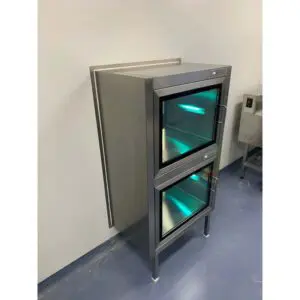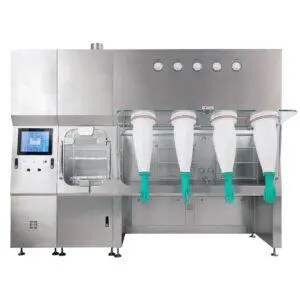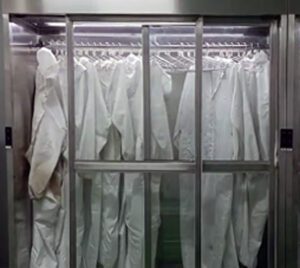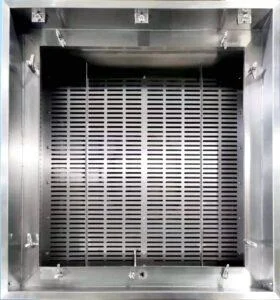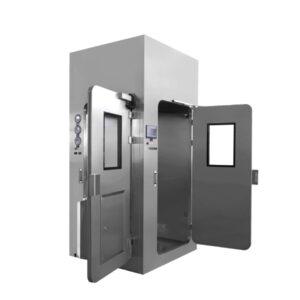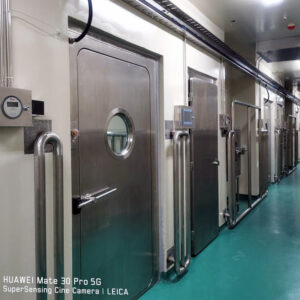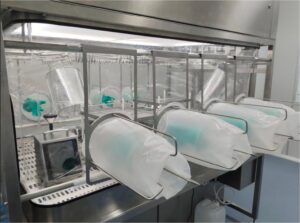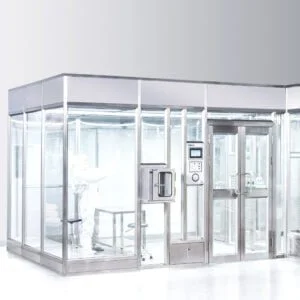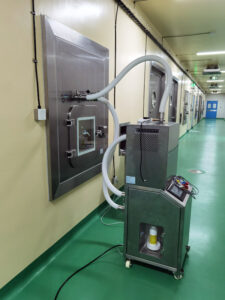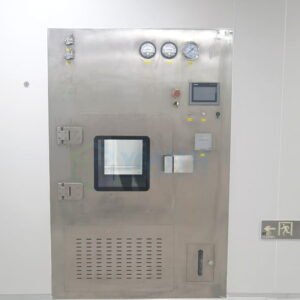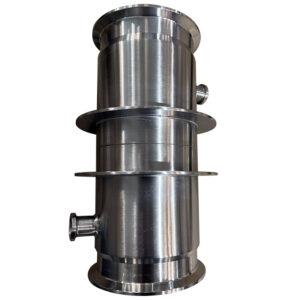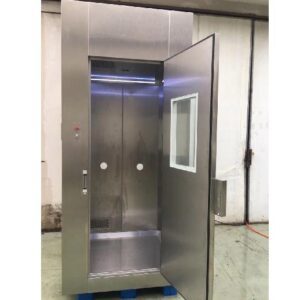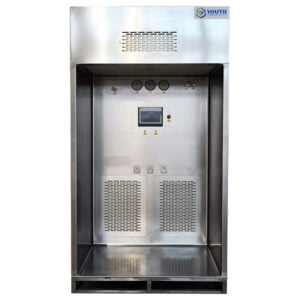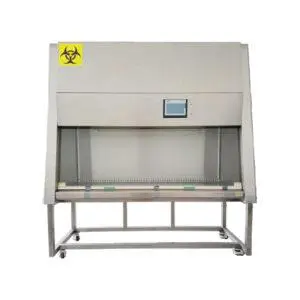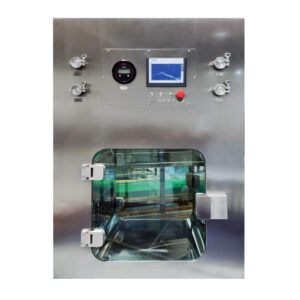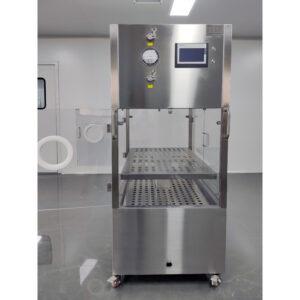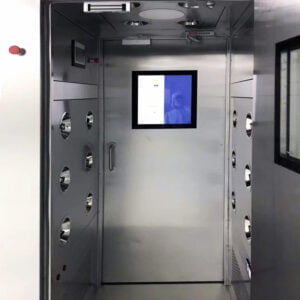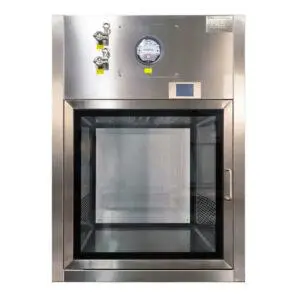
Em ambientes de alta contenção e controlados, a caixa de passagem é uma barreira crítica, não um simples gabinete. O desempenho da vedação da porta determina diretamente a integridade das cascatas de pressão e a contenção de agentes perigosos. Uma concepção errônea comum é que todas as caixas de passagem oferecem estanqueidade equivalente, o que leva a uma especificação excessiva e dispendiosa ou a um desempenho inferior perigoso em aplicações críticas.
A seleção da tecnologia de vedação de portas é uma decisão definitiva e binária com consequências operacionais e financeiras de longo prazo. Compreender as métricas de desempenho quantificáveis, os testes padronizados e os custos do ciclo de vida é essencial para os projetistas de instalações, engenheiros e gerentes de qualidade. Essa análise vai além das alegações dos fornecedores, chegando aos dados verificados e às estruturas de decisão necessárias para a especificação.
Vedações infláveis versus vedações estáticas: Explicação das principais diferenças
Definição das principais tecnologias
A escolha fundamental é entre mecanismos de vedação ativos e passivos. As vedações infláveis usam uma gaxeta tubular oca montada na moldura da porta. Ao ser fechada, a vedação é inflada com ar comprimido, criando ativamente uma barreira uniforme de alta pressão. Esse mecanismo ativo é projetado para ter um desempenho de “vazamento zero”. As vedações estáticas são gaxetas sólidas e celulares que dependem da compressão mecânica permanente das travas da porta para obter uma vedação passiva.
Níveis de aplicativos e desempenho
Essa distinção cria níveis claros de desempenho. Os selos infláveis são a tecnologia preferida para aplicações de contenção máxima, como laboratórios BSL-3/BSL-4 ou isoladores farmacêuticos rigorosos. As vedações estáticas atendem a ambientes controlados com menores exigências de contenção, como laboratórios BSL-1/BSL-2 ou salas limpas ISO Classe 5-8. O mercado foi segmentado de acordo com isso, com fornecedores especializados para atender a esses nichos distintos.
A troca crítica
A decisão representa uma troca crítica entre custo e contenção. As vedações infláveis proporcionam uma estanqueidade superior, mas introduzem a complexidade do sistema com suprimentos de ar comprimido e controles programáveis. As vedações estáticas oferecem uma solução mais simples e de menor custo, mas não podem se igualar ao nível de desempenho mais alto. A seleção da tecnologia errada pode causar uma interrupção operacional significativa. Comparamos os modos de falha do ciclo de vida e descobrimos que a redundância projetada em sistemas infláveis avançados geralmente justifica sua complexidade para transferências de missão crítica.
| Recurso | Selo inflável | Vedação estática |
|---|---|---|
| Tipo de vedação | Gaxeta tubular ativa | Gaxeta passiva e sólida |
| Ativação | Ar comprimido (por exemplo, 2,5 bar) | Compressão da trava mecânica |
| Desempenho de vazamento | “Capacidade de ”vazamento zero" | Vazamento permitido |
| Nível de contenção | Alta contenção (por exemplo, BSL-3/4) | Ambientes controlados |
| Complexidade do sistema | Alta (sistema de ar, controles) | Baixa |
Fonte: Documentação técnica e especificações do setor.
Principais métodos e padrões de teste de estanqueidade
O protocolo de teste padronizado
O teste de estanqueidade fornece a evidência quantificável do desempenho. O teste padronizado, definido em documentos como ISO 10648-2, O teste de estanqueidade, que envolve a instalação da caixa de passagem em um dispositivo de teste, a vedação de todas as penetrações e o uso de um sistema calibrado para criar e manter um diferencial de pressão especificado na porta. O fluxo de ar volumétrico necessário para sustentar essa pressão é medido, o que equivale diretamente à taxa de vazamento.
Interpretação dos resultados dos testes
Os testes são realizados em pressão positiva e negativa para garantir a integridade da vedação bidirecional. O fluxo de ar medido em metros cúbicos por hora (m³/h) em uma pressão padrão (normalmente 30 Pa) torna-se a métrica de desempenho definitiva. Essa validação rigorosa significa uma mudança no setor em que o ônus da conformidade recai cada vez mais sobre os fabricantes para que forneçam dados de desempenho pré-validados de testes laboratoriais controlados.
Da certificação de laboratório à verificação de campo
Um teste de laboratório perfeito é apenas a primeira etapa. Os modos de falha do mundo real - degradação da vedação, movimento da estrutura, instalação inadequada - destacam que a verificação em campo é igualmente essencial. A interface entre o invólucro externo da unidade e a abertura da parede não é testada na fábrica. O comissionamento deve incluir a verificação no local para garantir que essa interface construída em campo mantenha a integridade do conjunto certificado.
| Parâmetro | Valor de teste padrão | Unidade de medição |
|---|---|---|
| Diferencial de pressão de teste | 30 | Pascal (Pa) |
| Saída medida | Fluxo de ar volumétrico | m³/h |
| Direção do teste | Pressão positiva e negativa | Bidirecional |
| Validação de desempenho | Dados laboratoriais pré-validados | Certificação de fábrica |
Fonte: ISO 10648-2: Invólucros de contenção - Parte 2: Classificação de acordo com a estanqueidade e métodos de verificação associados. Esta norma fornece a metodologia formal para classificar a estanqueidade e define os métodos de teste para medir as taxas de vazamento volumétrico em diferenciais de pressão especificados, correspondendo diretamente aos parâmetros de teste descritos.
Critérios de aceitação da taxa de vazamento por aplicativo
A hierarquia de desempenho
A taxa de vazamento quantificada é a métrica definitiva que alinha uma caixa de passagem com sua aplicação pretendida. Os critérios de aceitação criam uma hierarquia clara de desempenho. Para instalações de alta contenção, o padrão é uma especificação de “vazamento zero”, geralmente documentada como 0,00 m³/h a 30 Pa. Isso indica vazamento abaixo do limite de detecção do aparelho de teste e exige a tecnologia de vedação inflável.
Vazamento permitido para ambientes controlados
Para ambientes controlados, é permitido um vazamento maior e quantificado. Um critério de aceitação típico para uma caixa de passagem com vedação estática robusta é ≤ 0,64 m³/h a 30 Pa. Esse padrão ventilado permite um vazamento mínimo e gerenciado, mantendo as cascatas de pressão funcionais. Os projetistas das instalações devem selecionar caixas de passagem com base nessa métrica crítica, pois ela é o principal determinante da compatibilidade do nível de biossegurança.
Um item não negociável para conformidade
A grande diferença nas taxas determina diretamente a adequação do sistema. Especificar uma caixa de passagem com uma taxa de vazamento permissível para uma aplicação BSL-3 é uma falha crítica de conformidade. Por outro lado, especificar uma unidade de vazamento zero para uma sala limpa básica representa um gasto de capital desnecessário. A taxa de vazamento, validada de acordo com padrões como ISO 14644-7, A segurança operacional e a aprovação regulatória não são negociáveis.
| Aplicativo | Taxa de vazamento necessária | Tecnologia de vedação |
|---|---|---|
| Laboratórios BSL-3/BSL-4 | 0,00 m³/h a 30 Pa | Vedações infláveis |
| Salas limpas farmacêuticas rigorosas | 0,00 m³/h a 30 Pa | Vedações infláveis |
| Laboratórios BSL-1/BSL-2 | ≤ 0,64 m³/h a 30 Pa | Vedações estáticas |
| Salas limpas ISO 5-8 | ≤ 0,64 m³/h a 30 Pa | Vedações estáticas |
Fonte: ISO 14644-7: Salas limpas e ambientes controlados associados - Parte 7: Dispositivos de separação. Esta norma aborda os requisitos para dispositivos de separação, como caixas de passagem, fornecendo uma estrutura para testes de integridade e vazamento que informa a hierarquia de desempenho e os critérios de aceitação para diferentes níveis de contenção.
Análise de custos: Custo de capital, operacional e total de propriedade
Entendendo os gastos de capital (CapEx)
O gasto de capital é maior para os sistemas de vedação infláveis. A montagem complexa, o compressor de ar integrado, a filtragem e os controles avançados de micro-PLC contribuem para um custo inicial mais alto. As unidades de vedação estática apresentam um preço de compra inicial mais baixo devido ao seu projeto mecânico mais simples. Essa diferença de custo inicial costuma ser o foco principal, mas é um quadro incompleto.
O custo operacional e o fator de tempo de inatividade
O Total Cost of Ownership (TCO) revela um quadro mais sutil, fortemente influenciado pela continuidade operacional. Para ambientes críticos, uma falha na caixa de passagem pode interromper toda a transferência de material, paralisando a pesquisa ou a produção. Recursos como suprimentos de ar redundantes para vedações infláveis são investimentos essenciais para a redução de riscos. O custo de um único evento de contaminação ou atraso na produção pode exceder em muito a diferença de capital entre os níveis do sistema.
A escolha do material impulsiona o custo do ciclo de vida
A escolha do material afeta diretamente os custos de longo prazo. A especificação do aço inoxidável 304L/316L com interiores polidos e soldados garante a resistência à corrosão e a capacidade de sobrevivência em ciclos de descontaminação rigorosos. Isso impede a proliferação de micróbios e evita substituições prematuras e dispendiosas. Materiais de qualidade inferior comprometem a integridade a longo prazo, apresentando custos significativos de ciclo de vida e riscos de contaminação que aumentam o TCO.
| Componente de custo | Sistema de vedação inflável | Sistema de vedação estática |
|---|---|---|
| Gastos de capital (CapEx) | Mais alto | Inferior |
| Principais fatores de custo | Compressor, controles micro-PLC | Montagem mais simples |
| Investimento crítico | Suprimentos de ar redundantes | N/A |
| Impacto material (TCO) | Aço inoxidável 304L/316L | Risco de materiais de baixa qualidade |
| Risco de tempo de inatividade | Muito alto se falhar | Alta |
Fonte: Documentação técnica e especificações do setor.
Instalação e comissionamento para desempenho garantido
A interface crítica
Mesmo uma caixa de passagem perfeitamente projetada falhará se for instalada incorretamente. A obtenção da taxa de vazamento certificada depende de uma integração perfeita na divisória da parede. A unidade deve estar nivelada, prumada e montada de forma rígida. Todas as lacunas entre o invólucro externo da caixa de passagem e a abertura da parede devem ser permanentemente vedadas usando sistemas de flange e protocolos apropriados.
Testes de verificação no local
Essa fase ressalta que a qualidade da instalação é tão importante quanto as especificações do projeto. O comissionamento deve incluir testes de verificação no local para confirmar que o desempenho do conjunto instalado corresponde à certificação de fábrica. Esse teste valida todo o conjunto, inclusive a interface da parede construída em campo, que não é coberta pelo relatório de teste de fábrica.
Validação do intertravamento de segurança
O comissionamento também envolve a validação do sistema de intertravamento programável - um componente inegociável para a integridade da contenção. O intertravamento, que impede a abertura simultânea das duas portas, deve ser testado em sequência e integrado aos sistemas de alarme da instalação. Ele deve funcionar como o componente de segurança fundamental, com lógica à prova de falhas que mantém a contenção durante uma perda de energia.
Protocolos de manutenção, monitoramento e validação contínuos
Regimes de manutenção proativos
O desempenho sustentado exige manutenção proativa. Para vedações infláveis, o monitoramento contínuo da pressão de suprimento com limites de alarme é essencial para detectar vazamentos ou problemas no compressor antes que a contenção seja violada. As vedações estáticas exigem inspeção visual e limpeza regulares para evitar a degradação do material ou o conjunto de compressão. Todos os componentes mecânicos precisam de verificações periódicas.
A mudança para o gerenciamento orientado por dados
Os sistemas modernos transformam a manutenção em uma atividade orientada por dados. Sensores e PLCs integrados podem registrar ciclos de portas, status de vedação e horas de lâmpada UVC, alimentando os dados para o sistema de gerenciamento de edifícios (BMS) de uma instalação. Essa conectividade transforma a caixa de passagem em um nó inteligente, fornecendo dados auditáveis para conformidade e permitindo a manutenção preditiva, conforme descrito em diretrizes como IEST-RP-CC012.3.
Revalidação programada
A revalidação regular, como parte do sistema de qualidade da instalação, garante que o sistema continue a atender aos critérios originais de aceitação da taxa de vazamento durante toda a sua vida operacional. Esse teste de desempenho programado não é opcional; é um requisito essencial para manter o status de validação em setores regulamentados.
| Atividade | Foco no selo inflável | Foco na vedação estática |
|---|---|---|
| Monitoramento primário | Pressão de ar contínua | Inspeção visual |
| Manutenção de chaves | Verificações do compressor e da mangueira | Limpeza, conjunto de compressão |
| Elemento orientado por dados | Registros de PLC, contagens de ciclos | N/A |
| Integração | Conectividade BMS para alarmes | Registros manuais |
| Cronograma de revalidação | Regular, por sistema de qualidade | Regular, por sistema de qualidade |
Fonte: IEST-RP-CC012.3: Considerações sobre o projeto de salas limpas. Esta prática recomendada descreve os princípios operacionais e de projeto para ambientes controlados, enfatizando a necessidade de manutenção planejada, monitoramento e protocolos de validação para manter o desempenho, o que se alinha com as atividades contínuas descritas.
Selecionando a porta de caixa de passagem certa para sua instalação
Adequação do desempenho ao aplicativo
A seleção começa com a correspondência entre os critérios de aceitação da taxa de vazamento e o nível de contenção de sua instalação. Esse é o primeiro e mais importante filtro. Em seguida, avalie os recursos necessários que transformam um simples ponto de transferência em um sistema integrado. Considere se são necessários ciclos de descontaminação, filtragem HEPA para troca de ar ou recursos de lavagem.
Especificação para integração e necessidades futuras
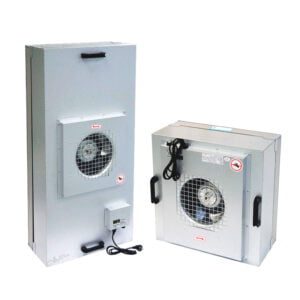
O planejamento estratégico deve considerar os recursos de integração futuros. A especificação de uma plataforma pronta para conectividade com um micro-PLC e protocolos de comunicação padrão permite a integração futura com software de monitoramento e rastreabilidade em toda a instalação. Essa abordagem com visão de futuro é mais econômica do que a adaptação. Para instalações que exigem a mais alta garantia de contenção, explorar soluções integradas de unidade de filtro de ventilador avançadas que garantem o fornecimento de ar ultralimpo para a câmara da caixa de passagem podem ser um complemento essencial para o desempenho da vedação da porta.
Fatores operacionais e ergonômicos
Não deixe de lado as necessidades operacionais. Botões de parada de emergência, grandes painéis de visão e alças ergonômicas afetam a usabilidade e a segurança diárias. O acabamento do material (por exemplo, polimento #4) afeta a capacidade de limpeza. Esses fatores influenciam a conformidade do operador com os protocolos de transferência, o que, em última análise, é tão importante quanto o próprio selo mecânico.
Próximas etapas: Como especificar e adquirir seu sistema
Desenvolvimento de uma especificação baseada em desempenho
O processo de aquisição deve ser orientado por especificações baseadas no desempenho. Indique claramente a taxa de vazamento necessária em uma pressão de teste definida, o material de construção e os recursos obrigatórios, como um intertravamento micro-PLC programável. Exija que os fornecedores forneçam relatórios de testes independentes e de terceiros que validem o desempenho declarado. Isso muda a conversa de recursos para resultados verificados.
Avaliação da capacidade do fornecedor
Avalie os fornecedores não apenas pelo preço, mas também pela capacidade de oferecer suporte especializado durante a instalação e o comissionamento, além do histórico de confiabilidade. Solicite estudos de caso ou referências de instalações semelhantes. Dado o alto custo do tempo de inatividade, priorize projetos com engenharia de confiabilidade, como sistemas de backup para funções críticas.
Garantia de desempenho em longo prazo
Certifique-se de que o pacote de aquisição inclua diretrizes detalhadas de instalação, protocolos de comissionamento e documentação clara para manutenção e validação contínuas. O contrato deve definir as responsabilidades pelos testes de verificação em campo. Essa abordagem abrangente garante que o desempenho especificado seja fornecido e mantido em suas instalações.
A estrutura de decisão é clara: primeiro, defina sua taxa de vazamento inegociável com base no nível de contenção. Segundo, avalie o TCO, priorizando a confiabilidade e a integridade do material em relação ao preço inicial. Terceiro, exigir verificação de campo e documentação abrangente para preencher a lacuna entre o teste de laboratório e o desempenho instalado. Essas três prioridades evitam erros de especificação dispendiosos.
Precisa de orientação profissional para especificar um sistema de caixa de passagem com integridade de vedação garantida? Os engenheiros da YOUTH pode ajudar a traduzir seus requisitos de contenção em uma especificação baseada em desempenho e em uma instalação validada. Entre em contato com a nossa equipe técnica para analisar o projeto da sua instalação e os protocolos de transferência.
Perguntas frequentes
P: Qual é a métrica de desempenho definitiva para selecionar uma porta de caixa de passagem e como ela se relaciona com os níveis de biossegurança?
R: A taxa de vazamento quantificada em uma pressão definida, normalmente medida em m³/h a 30 Pa, é a métrica crítica. As instalações de alta contenção, como os laboratórios BSL-3/BSL-4, exigem uma especificação de “vazamento zero” (0,00 m³/h), o que exige vedações infláveis. Para salas limpas BSL-1/2 ou ISO 5-8, uma taxa permissível como ≤ 0,64 m³/h é comum para vedações estáticas. Isso significa que o nível de biossegurança de sua instalação determina diretamente a taxa de vazamento necessária, tornando-a um ponto de partida inegociável para a especificação. A metodologia de classificação é definida em ISO 10648-2.
P: Como a comparação de custo entre vedações infláveis e estáticas muda quando se considera a propriedade total?
R: Embora as vedações infláveis tenham um custo de capital mais alto devido aos compressores e controles, o custo total de propriedade (TCO) é fortemente influenciado pelo risco operacional. Uma falha em um ambiente crítico pode interromper toda a transferência de material. Investir em recursos como suprimentos de ar redundantes reduz o dispendioso tempo de inatividade. Para obter integridade a longo prazo, especifique materiais resistentes à corrosão, como aço inoxidável 316L, para sobreviver aos ciclos de descontaminação. Isso significa que, para aplicações em que a continuidade da produção é fundamental, o investimento inicial mais alto em um sistema inflável robusto é justificado pelo risco reduzido do ciclo de vida.
P: Quais são as etapas críticas durante a instalação para garantir que uma caixa de passagem atenda ao desempenho de vazamento certificado?
R: O desempenho garantido exige uma integração perfeita na parede. A unidade deve ser montada de forma nivelada, plana e rígida, com todos os espaços entre a carcaça e a abertura da parede permanentemente vedados usando sistemas de flange apropriados. O comissionamento deve incluir testes de verificação no local para confirmar que o conjunto instalado corresponde à certificação de fábrica. Isso significa que você deve orçar e supervisionar a instalação por especialistas, pois as interfaces de campo não são cobertas por testes de laboratório e o acabamento inadequado comprometerá a contenção. Os princípios de integração são abordados em recursos como IEST-RP-CC012.3.
P: Uma caixa de passagem com um relatório de teste de fábrica perfeito ainda pode falhar no campo, e por quê?
R: Sim, a falha no mundo real é comum devido a problemas de instalação e interface. Um teste de laboratório valida a vedação da porta e a integridade do gabinete isoladamente. No entanto, o desempenho depende da interface de campo entre o invólucro externo da unidade e a parede do edifício, que pode ser comprometida por vedação inadequada, movimento da estrutura ou assentamento estrutural. Isso significa que você deve exigir e testemunhar a verificação de desempenho no local como parte do comissionamento, tratando o conjunto instalado como o sistema final sob teste.
P: Quais protocolos de manutenção são necessários para vedações de portas infláveis e estáticas?
R: As vedações infláveis exigem monitoramento contínuo da pressão de suprimento com alarmes para detectar vazamentos ou falhas no compressor de forma proativa. As vedações estáticas precisam de inspeção visual e limpeza regulares para evitar a degradação do material e garantir a compressão consistente das travas. Para ambos os tipos, verificações periódicas das dobradiças e travas mantêm o alinhamento adequado. Isso significa que o cronograma de manutenção da sua instalação deve ser específico para cada tecnologia, sendo que os sistemas infláveis exigem uma supervisão mais preditiva e instrumentada para evitar falhas incontroláveis.
P: Como devemos escrever uma especificação baseada em desempenho para adquirir um sistema de caixa de passagem?
R: Sua especificação deve indicar explicitamente a taxa de vazamento necessária em uma pressão de teste definida (por exemplo, ≤ 0,00 m³/h a ±30 Pa), materiais de construção (por exemplo, aço inoxidável 316L) e recursos obrigatórios, como um intertravamento micro-PLC programável. Exija que os fornecedores forneçam relatórios de testes independentes de terceiros que validem essas afirmações. Isso significa que você transfere o ônus da conformidade para o fabricante, reduzindo o risco do projeto e garantindo que você avalie os fornecedores com base em dados verificados, em vez de apenas declarações de projeto. Padrões como ISO 14644-7 fornecem uma estrutura para essas especificações.
P: Quais recursos transformam uma caixa de passagem básica em um sistema de transferência integrado e pronto para o futuro?
R: Procure ciclos de descontaminação integrados (portas UVC ou VHP), filtragem HEPA para troca de ar e capacidade de lavagem. Estrategicamente, especifique uma plataforma pronta para conectividade com um micro-PLC e protocolos padrão como Modbus ou Ethernet/IP. Isso permite a integração com sistemas de monitoramento de instalações para obter dados auditáveis sobre ciclos de portas, status de vedação e horas de lâmpada UVC. Isso significa que a seleção de uma plataforma inteligente e conectada é mais econômica do que a adaptação posterior e atende diretamente às crescentes demandas regulatórias de integridade de dados e manutenção preditiva.
Conteúdo relacionado:
- Selos de vedação infláveis: Inovação em isoladores de esterilidade
- Portas APR de vedação pneumática e portas APR de vedação mecânica
- Previsão do mercado de caixas de passagem VHP: Análise de crescimento 2025-2030
- Portas herméticas de biossegurança: Componentes essenciais para o controle da contaminação
- Escolhendo a porta hermética de biossegurança perfeita para suas instalações
- Controle de pressão da caixa de passagem VHP: Conformidade com a ISO 14644
- Validação da caixa de aprovação do VHP: Lista de verificação de conformidade IQ/OQ/PQ
- VHP versus caixas de passe tradicionais: Comparação das principais diferenças
- Portas herméticas de biossegurança: Aumentando a segurança e a contenção do laboratório