Os problemas de contaminação nos fluxos de trabalho de PCR raramente são atribuídos a uma única falha de equipamento. Eles têm origem em uma decisão de aquisição tomada sem um limite de fluxo de trabalho estabelecido - um laboratório compra uma capela para resolver um problema de contaminação e, na primeira semana, executa um trabalho de estágio misto nela, e o ruído de fundo nos resultados piora, não melhora. Diagnosticar essa falha significa desfazer não apenas o protocolo de descontaminação, mas a lógica espacial de toda a configuração da bancada, muitas vezes depois que várias execuções já foram comprometidas. Compreender exatamente o que um exaustor de fluxo laminar pode e não pode fazer - e sob quais condições seu fluxo de ar se torna um problema em vez de um controle - determina se o equipamento resolve o problema ou o amplifica.
Casos de uso pré-PCR em que um capô laminar agrega valor
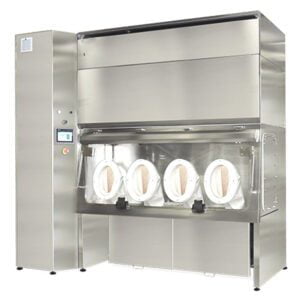
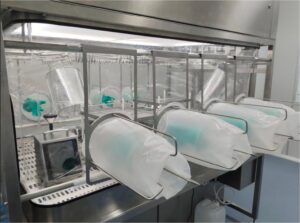
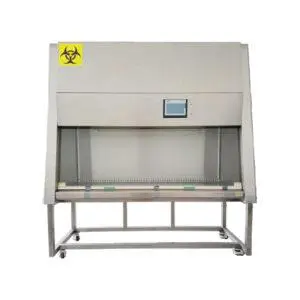
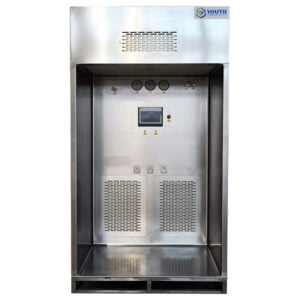
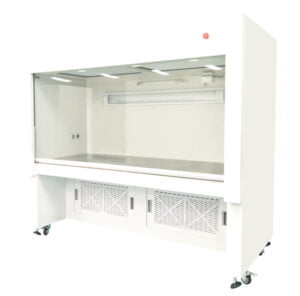
Uma capela de fluxo laminar ganha seu lugar em uma configuração de PCR em um estágio específico: antes do início da amplificação, quando os reagentes e as misturas principais precisam ser montados em ar que não introduza partículas ambientais na reação. Esse é um problema real e solucionável. O ar ambiente do laboratório carrega cargas de partículas que a filtragem HEPA reduz substancialmente, e a limpeza do ar ISO Classe 5 - o padrão de classificação da ISO 14644-7 para dispositivos de separação - é uma meta razoável para o trabalho com reagentes sensíveis. A proteção não é absoluta, mas é significativamente melhor do que a preparação em bancada aberta.
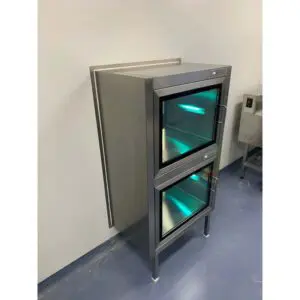
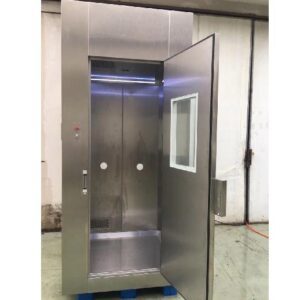
Dois recursos adicionais tornam a capela útil especificamente para o trabalho pré-PCR, e não apenas para a limpeza do fluxo de ar. As lâmpadas germicidas UV permitem a descontaminação da superfície entre os usos, o que degrada o DNA e o RNA residuais que a limpeza com alvejante, por si só, pode não resolver totalmente. A superfície de trabalho de aço inoxidável suporta a limpeza compatível com alvejante, que é a intervenção química que realmente degrada os ácidos nucleicos contaminantes em vez de simplesmente deslocá-los.
| Recurso | O que ele faz | Por que é importante |
|---|---|---|
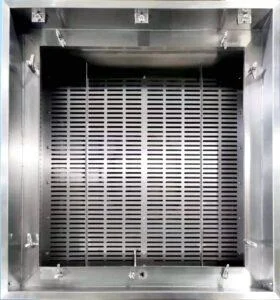
| Filtragem HEPA/ULPA | Fornece ar limpo unidirecional ISO Classe 5 em toda a área de trabalho | Reduz os níveis de partículas suspensas no ar que poderiam contaminar reagentes sensíveis de PCR |
| Lâmpadas germicidas UV | Aplica irradiação UV-C entre os usos para degradar o DNA/RNA deixado nas superfícies | Reduz a contaminação por transferência ao fornecer uma etapa de descontaminação da superfície antes do manuseio do reagente |
| Superfície de trabalho em aço inoxidável | Proporciona uma superfície lisa e não porosa compatível com limpeza à base de alvejante | Permite a degradação química eficaz do DNA residual, dando suporte aos protocolos de descontaminação pós-uso |
Esses recursos funcionam juntos, mas somente se o capô permanecer restrito a material não amplificado. O ciclo de UV não recupera um espaço de trabalho que tenha sido exposto a amplicons. A superfície de aço inoxidável não torna a descontaminação pós-amplificação confiável em um contexto de ensaio de alta sensibilidade. O valor desses recursos está condicionado à manutenção do limite do estágio.
Condições de preparação de reagentes que se beneficiam de um fluxo de ar mais limpo
A comparação prática que importa na aquisição não é o capô de fluxo laminar versus a cabine de segurança biológica - essa decisão pertence a outra seção - mas sim o capô de fluxo laminar versus a caixa de ar morto, que é o compartimento de ar parado às vezes usado para a preparação sensível de reagentes de PCR. A distinção tem consequências diretas para o risco de contaminação.
Uma caixa de ar morta não oferece proteção contra partículas. Ela limita as correntes de ar por meio da geometria do compartimento, o que reduz a probabilidade de que os aerossóis no nível da bancada perturbem a superfície de trabalho, mas não faz nada para filtrar o ar que já está dentro dela. Se um operador aproximar materiais contaminados da abertura do compartimento ou se o ambiente do laboratório transportar partículas transportadas pelo ar do trabalho adjacente, essas partículas não serão excluídas. A exaustor de fluxo laminar fornece ar unidirecional continuamente filtrado em toda a superfície de trabalho, o que significa que as partículas que chegam são ativamente excluídas em vez de simplesmente não serem perturbadas.
Essa vantagem é real para a preparação de reagentes, mas não é uma garantia. O fluxo de ar laminar reduz o risco de que partículas ambientais contaminem uma reação durante a preparação - ele não elimina a contaminação de superfícies inadequadamente descontaminadas, de mãos e luvas ou de materiais de consumo que foram armazenados ou transportados por áreas contaminadas antes de chegarem à capela. As equipes que instalam um exaustor de fluxo laminar e relaxam a disciplina de descontaminação da superfície porque o fluxo de ar “dá conta do recado” tendem a observar as mesmas taxas de contaminação com as quais começaram, às vezes piores, porque o fluxo de ar do exaustor pode redistribuir as partículas dos consumíveis contaminados pela superfície de trabalho limpa se os materiais forem introduzidos sem cuidado.
A conclusão razoável é que o fluxo de ar mais limpo melhora as condições de preparação de reagentes em relação às alternativas não filtradas, mas apenas como um componente de uma configuração controlada que inclui protocolo de descontaminação, disciplina de manuseio de consumíveis e segregação de estágios.
Manuseio de amostras em estágios mistos que anulam o controle de contaminação
Trazer o produto amplificado - amplicons - para o mesmo espaço de trabalho de uma capela de fluxo laminar que esteja executando a preparação do reagente pré-PCR não introduz um risco gerenciável. Isso anula o objetivo da capela de forma imediata e confiável. Esse não é um caso isolado ou um cenário improvável que exija um manuseio inadequado. É o padrão de falha mais comum para capelas de fluxo laminar de PCR em uso no campo.
O mecanismo é simples. Os amplicons estão presentes em concentrações muitas ordens de magnitude mais altas do que o modelo-alvo em uma amostra clínica ou de pesquisa. O fluxo de ar laminar que protege os reagentes das partículas ambientais funciona empurrando o ar filtrado continuamente pela superfície de trabalho e para fora, em direção ao operador. Esse mesmo fluxo de ar dispersa qualquer contaminação introduzida na superfície de trabalho, inclusive aerossóis contendo amplicons ou gotículas de tubos abertos pós-PCR. Uma vez que os amplicons são distribuídos pelo espaço de trabalho, nenhum ciclo de UV ou protocolo de alvejante aplicado posteriormente pode retornar a capela de forma confiável a um estado em que o trabalho sensível pré-PCR esteja protegido. A contaminação é redistribuída, não contida.
A mesma falha ocorre com amostras não embaladas que podem conter material de modelo e com consumíveis de estágios mistos - pontas de pipetas, tubos ou recipientes de reagentes que foram movidos entre as áreas pós-PCR e pré-PCR sem separação clara. Qualquer uma dessas introduções colapsa o limite do estágio do qual a capela depende para realizar seu trabalho. A decisão de aquisição ou protocolo que impede isso não é um procedimento de limpeza. É um limite de zona física e processual definido antes de o capô ser usado pela primeira vez.
Fluxo de ar laminar versus medidas de segregação e contenção do fluxo de trabalho
O fluxo laminar e a contenção são opostos em termos de engenharia. Um exaustor projetado para empurrar o ar filtrado para fora através dos reagentes não oferece nenhuma barreira interna e nenhuma proteção ao operador. Isso não é uma falha - é o projeto correto para a tarefa de proteção de reagentes em um ambiente não perigoso e de pré-amplificação. O problema surge quando se espera que o mesmo gabinete manipule materiais ou procedimentos que exijam contenção em vez de fluxo de saída limpo.
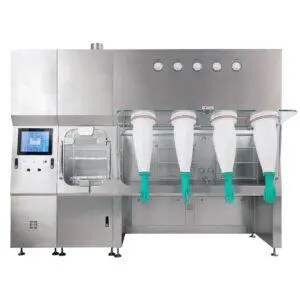
Quando as transferências geradoras de aerossol, os riscos biológicos ou o manuseio pós-amplificação entram no processo, um capô de fluxo laminar é o tipo de compartimento errado. A cabine de segurança biológica fornece fluxo de ar interno para proteção do pessoal e fluxo descendente filtrado por HEPA para proteção do produto - uma arquitetura de fluxo de ar fundamentalmente diferente, projetada para conter, não apenas limpar. A escolha de um exaustor de fluxo laminar para trabalhos que exigem contenção cria um risco de exposição do usuário que não pode ser corrigido com a adição de uma etapa de limpeza ou com a modificação do protocolo. O tipo de equipamento determina se o perigo é tratado em nível de engenharia.
A orientação do CDC no Biosafety in Microbiological and Biomedical Laboratories (BMBL), 6ª edição, também aponta para compartimentos com ar parado - capelas de PCR sem ventilação - para determinadas aplicações sensíveis de PCR em que a preocupação é evitar que o fluxo de ar distribua amplicons em vez de introduzir partículas. Essa recomendação reflete o inverso da lógica de projeto da capela de fluxo laminar: para algumas configurações, o ar mais limpo é não ter ar forçado. Nenhuma das opções é universalmente correta; o compartimento correto depende de qual vetor de contaminação é o principal risco naquele estágio do fluxo de trabalho. Veja LAF vs. cabine de biossegurança: Quando usar cada tipo para uma comparação mais completa da arquitetura do fluxo de ar e dos critérios de seleção.
| Equipamentos | Características do fluxo de ar | O que ele protege | Adequado para aerossóis perigosos? | Aplicação típica de PCR |
|---|---|---|---|---|
| Capela de fluxo laminar para PCR | Ar filtrado por HEPA unidirecional (horizontal ou vertical) | Somente amostra - reduz as partículas transportadas pelo ar na superfície de trabalho | Não | Configuração não perigosa de reagentes pré-PCR em que o ar limpo para os reagentes é a prioridade |
| Cabine de Biossegurança (Classe II) | Fluxo de ar interno para proteção pessoal, fluxo descendente com filtro HEPA para proteção do produto | Amostra e usuário - contém aerossóis de risco biológico | Sim | Manuseio de riscos biológicos, material amplificado e procedimentos que geram aerossóis |
| Capô de PCR com ar parado (caixa de ar morta) | Sem fluxo de ar forçado; gabinete sem ventilação | Nem amostra nem usuário - limita as correntes de ar para reduzir a propagação do aerossol | Não | Configurações de PCR sensíveis em que o ar parado é preferível de acordo com a orientação do CDC, evitando a interferência do fluxo de ar |
A implicação da aquisição é que a seleção de um tipo de gabinete com base na categoria do produto e não no estágio do fluxo de trabalho cria uma lacuna que o protocolo não pode fechar. Se o fluxo de trabalho incluir risco biológico ou manuseio pós-amplificação, o capô de fluxo laminar foi a escolha errada, independentemente da qualidade do protocolo de descontaminação.
Lacunas na definição de zonas que prejudicam a implementação da PCR
O motivo mais comum pelo qual um exaustor de fluxo laminar para PCR não consegue reduzir a contaminação não é a qualidade do equipamento ou a especificação do fluxo de ar - é a ausência de zonas definidas antes de o exaustor entrar em serviço. A definição da zona, nesse contexto, significa três coisas que devem ser decididas antes do primeiro uso: qual espaço físico e quais estágios do fluxo de trabalho são permitidos dentro da capela, qual cronograma de exposição aos raios UV rege a descontaminação da superfície entre os usos e qual produto químico de limpeza é aplicado a quais superfícies e em quais intervalos.
Quando essas decisões não são tomadas explicitamente, elas são tomadas implicitamente por quem está na bancada. Isso normalmente significa que a capela acumula uso em estágios mistos ao longo de dias ou semanas, a lâmpada UV é acionada de forma inconsistente porque não há um cronograma escrito e a limpeza da superfície alterna entre álcool (que não degrada o DNA) e alvejante (que degrada), dependendo do que estiver disponível. Cada uma dessas lacunas prejudica de forma independente o controle de contaminação que a capela foi comprada para oferecer.
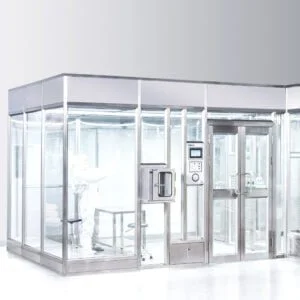
A segregação de zonas também tem um componente espacial que é frequentemente subestimado. Um exaustor de fluxo laminar colocado na mesma bancada que um termociclador ou em uma sala onde os géis pós-PCR são executados está sujeito à exposição de amplicons de procedimentos próximos, mesmo que o operador realize o trabalho pré-PCR com cuidado dentro do exaustor. A separação física - uma sala dedicada de pré-PCR ou uma área de laboratório claramente demarcada com padrões de tráfego definidos - faz parte do requisito de definição de zona. O exaustor impõe o fluxo de ar limpo em sua área de trabalho; ele não estabelece o limite da zona limpa. Esse limite é uma decisão do projeto do laboratório e do fluxo de trabalho que o equipamento não pode substituir.
Exposição amplificada de material que excede o que o capuz pode proteger
Há um limite de projeto para a proteção da capela de fluxo laminar no trabalho de PCR, e não é um limite probabilístico que varia com a qualidade do protocolo ou com a frequência de descontaminação. Quando o material amplificado entra no espaço de trabalho, a capela é funcionalmente inadequada como controle de contaminação para a preparação de reagentes pré-PCR. As características do fluxo de ar que a tornam útil para a preparação de reagentes de ar limpo - fluxo de saída unidirecional, sem barreira de contenção - a tornam ativamente contraproducente quando há amplicons presentes.
Esse limite decorre do projeto de engenharia da capela, e não de um limite regulamentar formal. O CDC BMBL fornece um contexto de referência de processo que apóia a seleção apropriada do invólucro para o trabalho de PCR, mas a inadequação de uma capela de fluxo laminar para ambientes pós-amplificação é uma consequência lógica do fluxo de ar sem contenção, e não uma constatação regulamentar. A implicação prática é a mesma, independentemente de como o limite é enquadrado: se o material amplificado, os procedimentos geradores de aerossol ou os riscos biológicos fizerem parte do fluxo de trabalho, a pergunta correta não é como reforçar o protocolo da capela de fluxo laminar, mas sim se é necessária uma cabine de segurança biológica ou uma configuração de contenção segregada.
As equipes que reconhecem esse limite após a aquisição geralmente tentam recuperar a separação aumentando o tempo do ciclo de UV ou acrescentando a frequência do tratamento com alvejante. Nenhuma dessas abordagens restaura a contenção que o capô nunca foi projetado para oferecer. O limite de amplicon é um critério de seleção, não um parâmetro de manutenção.
Um exaustor de fluxo laminar suporta a preparação de reagentes pré-PCR quando o espaço de trabalho é rigidamente controlado, o limite do estágio é fisicamente imposto e o protocolo de descontaminação é consistente. Esse é um valor restrito, mas genuíno. O modo de falha é previsível: o limite não é definido antes do primeiro uso, os materiais de estágio misto entram na zona limpa e o fluxo de ar laminar que deveria proteger os reagentes redistribui a contaminação.
Antes de especificar uma capela de fluxo laminar para PCR, as decisões que determinam se ela funcionará não estão na folha de dados do produto. São decisões sobre o fluxo de trabalho: quais estágios são permitidos dentro da capela, como a zona é fisicamente separada do trabalho pós-amplificação, qual produto químico de limpeza é usado e em que cronograma, e se alguma parte do processo envolve riscos biológicos ou transferências geradoras de aerossol que exigem contenção em vez de fluxo de saída limpo. Se essas perguntas forem respondidas antes da aquisição, o equipamento desempenhará a função pretendida. Se elas forem adiadas para depois da instalação, o exaustor se tornará a superfície mais cara em um espaço de trabalho contaminado.
Perguntas frequentes
P: Nosso laboratório tem apenas uma sala - um exaustor de fluxo laminar ainda pode reduzir a contaminação por PCR se não for possível fazer a separação física das zonas?
R: Somente com controles de compensação rigorosos, e o risco permanece significativamente maior do que em uma configuração espacialmente separada. A separação física é parte do requisito de definição de zona do qual a capela depende - a capela impõe o fluxo de ar limpo dentro de sua superfície de trabalho, mas não pode estabelecer o limite da zona limpa ao seu redor. Se um laboratório de sala única também executa análise pós-amplificação ou trabalho em gel, os aerossóis de amplicon desses procedimentos podem atingir a capela mesmo quando o manuseio pré-PCR dentro dela é cuidadoso. Se não for possível separar totalmente as salas, o requisito mínimo é definir padrões de tráfego, segregar rigorosamente os consumíveis e programar a configuração pré-PCR antes que qualquer trabalho pós-amplificação ocorra no mesmo espaço, e não depois. Isso reduz, mas não elimina, o risco de exposição que a separação física controlaria de outra forma.
P: Depois de instalar a capela e definir as zonas, qual é a primeira etapa operacional antes de iniciar a preparação de qualquer reagente de PCR?
R: Estabeleça e documente o cronograma de descontaminação UV e o protocolo químico de limpeza antes do primeiro uso, e não junto com ele. O valor de descontaminação do exaustor depende da execução consistente dos ciclos de UV entre os usos e da aplicação de uma limpeza de superfície compatível com alvejante em um cronograma definido. Se essas decisões forem adiadas para quem estiver na bancada, a exposição aos raios UV se tornará inconsistente e a química de limpeza será padronizada para o que estiver disponível, incluindo o álcool, que não degrada o DNA. Escrever o cronograma antes do primeiro uso significa que a linha de base de contaminação que a capela cria no primeiro dia é aquela que pode ser mantida de forma confiável, em vez de uma que se degrada implicitamente nas primeiras semanas de uso.
P: Uma capela de fluxo laminar é sempre a escolha errada, mesmo para a preparação de reagentes pré-PCR sem a presença de material amplificado?
R: Sim, quando o principal risco de contaminação for o fluxo de ar que distribui os amplicons e não as partículas ambientais que entram na reação. A orientação do CDC na BMBL 6ª edição aponta para compartimentos sem ventilação para determinadas aplicações sensíveis de PCR em que o próprio fluxo de ar forçado é o perigo, não a carga de partículas transportadas pelo ar. Se o espaço de trabalho de preparação de reagentes for adjacente às áreas de pós-amplificação e se houver detecção ou suspeita de aerossóis contendo amplicon no ar ambiente, um compartimento de ar parado que não force o movimento do ar poderá oferecer melhor proteção do que um capô de fluxo laminar para essa configuração específica. O compartimento correto depende de qual vetor de contaminação é dominante, e não de qual categoria de produto é mais comumente associada ao trabalho de PCR.
P: Como uma capela de fluxo laminar se compara a uma cabine de segurança biológica para a preparação rotineira de reagentes de PCR quando não há risco biológico presente?
R: Para a montagem de reagentes pré-PCR estritamente não perigosos, uma capela de fluxo laminar é a opção adequada - um gabinete de biossegurança não é o substituto correto nesse contexto. As cabines de segurança biológica são projetadas para contenção, com fluxo de ar interno que protege o operador e uma arquitetura de fluxo de ar fundamentalmente diferente. Essa arquitetura não é otimizada para proteger os reagentes de partículas ambientais durante a montagem em bancada aberta de materiais não perigosos. A comparação relevante no estágio de preparação de reagentes pré-PCR é capela de fluxo laminar versus caixa de ar morto, e não capela de fluxo laminar versus cabine de segurança biológica. A cabine de segurança biológica torna-se a escolha correta somente quando o fluxo de trabalho inclui riscos biológicos, transferências geradoras de aerossol ou manuseio pós-amplificação - condições em que a contenção é necessária e o fluxo de ar externo de um capô de fluxo laminar torna-se um problema.
P: Para um laboratório que processa amostras clínicas infecciosas e preparação de reagentes padrão, vale a pena comprar gabinetes separados para cada estágio ou adaptar o protocolo em torno de um único gabinete?
R: Vale a pena investir em gabinetes separados para cada estágio, pois a adaptação do protocolo não pode substituir a arquitetura correta do fluxo de ar em cada estágio. Um gabinete de biossegurança lida com segurança com amostras infecciosas; um capô de fluxo laminar protege os reagentes durante a montagem pré-PCR. A tentativa de executar os dois estágios em um único compartimento - seja uma cabine de segurança biológica usada para a preparação de reagentes ou um exaustor de fluxo laminar colocado em operação próximo a materiais perigosos - cria um risco de contaminação do reagente ou de exposição do usuário que as etapas de descontaminação não podem fechar de forma confiável. O custo de um segundo compartimento é fixo; o custo de repetidas execuções com falha, resultados comprometidos ou um evento de contaminação envolvendo material infeccioso não é. Para qualquer fluxo de trabalho que combine genuinamente os dois estágios, os compartimentos separados e combinados por estágio representam o menor risco total e, ao longo do tempo, o menor custo total.