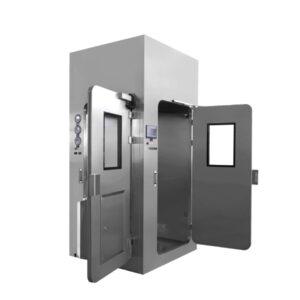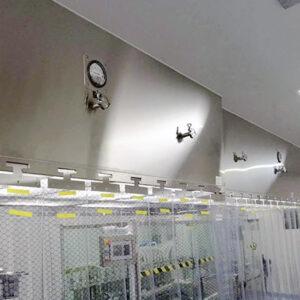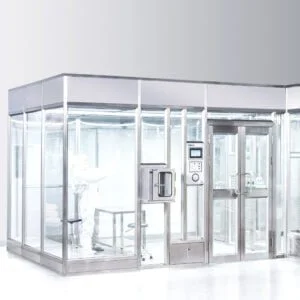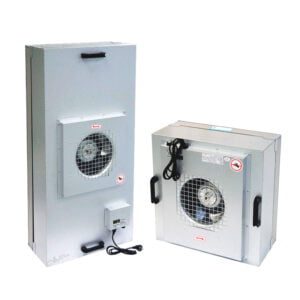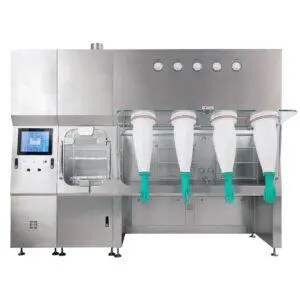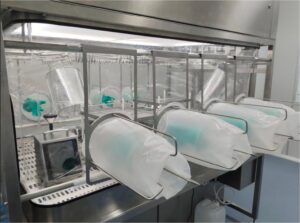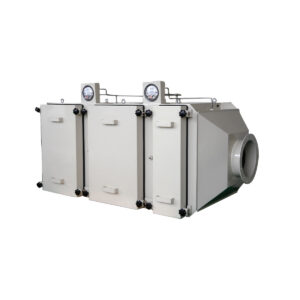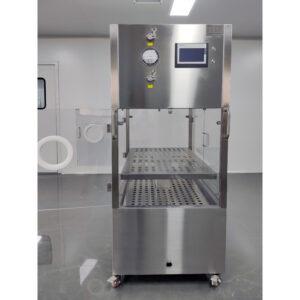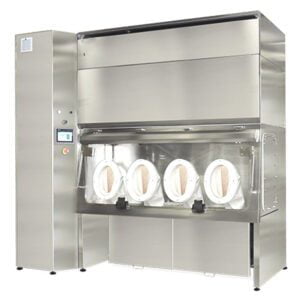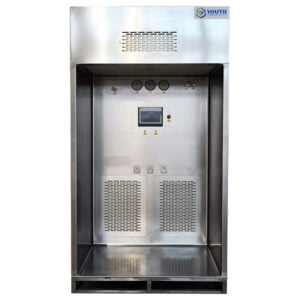
A maioria das equipes de BPF descobre o problema de layout durante o comissionamento, e não durante o projeto - quando o palete está dentro da cabine, o tambor está na porta e não há um caminho limpo para a ferramenta de amostra ou para o registro de liberação da linha. Nesse estágio, a cabine já está fabricada, o cronograma de qualificação está comprometido e qualquer retrabalho estrutural redefine o QI. O erro de origem é quase sempre o mesmo: o escopo da cabine foi definido como uma peça de equipamento de depósito e não como uma etapa controlada dentro da sequência de entrada. O que se segue é uma análise seção por seção do fluxo de trabalho, do layout, da limpeza, da organização, da qualificação e das decisões de especificação que determinam se uma cabine suporta a operação diária de GMP ou se acumula desvios silenciosamente.
Quais etapas do fluxo de trabalho de GMP moldam uma cabine de amostragem farmacêutica?
Uma cabine de amostragem farmacêutica tem peso operacional em quatro pontos distintos na sequência de recebimento: confirmação de recebimento, identificação do material, amostragem física e retorno ao armazenamento em quarentena. Cada etapa coloca uma demanda diferente na cabine, e tratar as quatro como uma única atividade indiferenciada é o que produz layouts subdimensionados e POPs incompletos.
A confirmação do recebimento ocorre antes de a cabine ser aberta. Os contêineres devem ser verificados em relação à documentação de entrega de forma que não haja risco de confusão. Essa verificação requer espaço - espaço físico para rótulos, contêineres em status de quarentena e o operador - idealmente na zona de entrada da cabine ou próximo a ela, e não em uma mesa de armazém a vinte metros de distância. Quando essa etapa é totalmente separada da área ocupada pela cabine, os lotes entram rotineiramente na zona de amostragem antes que a identificação seja concluída, o que representa uma falha na disciplina do lote mesmo antes do início da amostragem.
A identificação e a amostragem do material são as duas etapas planejadas pela maioria das equipes, mas geralmente são planejadas como uma única ação. Na prática, a identificação exige que o contêiner esteja visível e legível sob iluminação adequada antes de ser aberto, e a amostragem exige que a proteção do fluxo de ar esteja ativa durante a abertura, a transferência e o novo fechamento. Se a iluminação da cabine e a geometria do fluxo de ar não tiverem sido projetadas para as duas atividades simultaneamente, os operadores se adaptam improvisando - abrindo os contêineres parcialmente fora da zona protegida ou contando com a iluminação do armazém suspenso que não faz parte de nenhum registro de qualificação.
O retorno ao armazenamento encerra a sequência. Os contêineres lacrados novamente devem sair da cabine sem recontaminar a amostra recém-colhida ou pegar a contaminação do ambiente de fundo. Uma cabine que não tenha uma zona de preparação para os contêineres lacrados novamente, nenhum caminho definido para os recipientes de amostra e nenhuma etapa de limpeza de linha incorporada ao layout físico empurra todo esse controle para a instrução processual - e o controle processual sem suporte físico é difícil de ser defendido durante a inspeção. Enquadrar a cabine como uma sequência de transferência controlada em vez de um dispositivo de captura de pó é a decisão de projeto que molda todo o resto.
Como a entrada de matéria-prima altera o layout do estande e a lógica de manuseio
A realidade física da entrada de matéria-prima é mais congestionada do que qualquer desenho simples de cabine sugere. Um único evento de amostragem normalmente envolve o contêiner ou tambor de transporte original, um palete ou carrinho de quarentena, a ferramenta de amostragem, um recipiente de amostra, materiais de fechamento e vedação, uma impressora de etiquetas ou etiquetas pré-impressas e um kit de limpeza para uso entre amostras. Todos esses itens precisam estar ao alcance do operador ou dentro do espaço da cabine ao mesmo tempo, e a maioria deles precisa se mover por um caminho definido durante e após o evento de amostragem.
O padrão de falha que surge quando o layout é projetado com base em um desenho minimalista é o congestionamento do fluxo de trabalho. Uma cabine que parece viável no papel - largura correta, profundidade correta, cobertura HEPA adequada - torna-se operacionalmente inviável quando um tambor de 200 litros é posicionado para amostragem e não há espaço restante para o operador mover o recipiente de amostra para a superfície de rotulagem sem romper o limite da zona limpa. Isso não é um erro do operador; é um erro de projeto de layout que se apresenta como um erro do operador durante as auditorias.
O formato do contêiner é a variável de layout mais subestimada durante a aquisição. Os pós recebidos em tambores de fibra exigem uma geometria de manuseio diferente daqueles recebidos em contêineres menores de PEAD ou em sacos a granel. Uma cabine dimensionada para amostragem de tambores não pode acomodar de forma confiável operações de sacos a granel sem modificações, e uma cabine dimensionada para contêineres pequenos pode criar uma falsa sensação de adequação até a chegada de uma remessa maior. Antes de finalizar as dimensões da cabine, a equipe de admissão deve mapear o maior e mais complexo formato de contêiner esperado na operação de rotina, e não o formato médio. O layout da cabine precisa acomodar esse cenário com margem, e não apenas acomodar o caso médio.
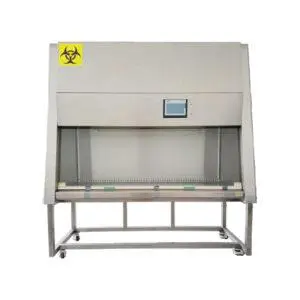
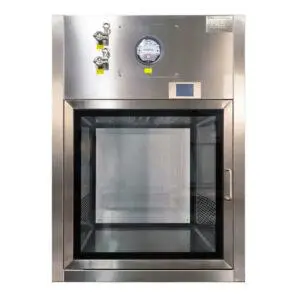
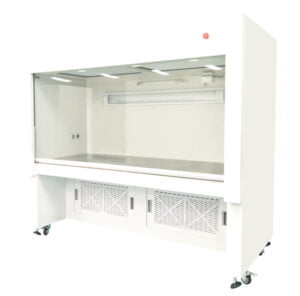
As etapas de limpeza da linha agravam o problema de congestionamento. Entre os materiais, a cabine deve ser limpa e verificada se está vazia antes que o próximo contêiner seja introduzido. Essa verificação exige que o operador - ou uma segunda pessoa - confirme que a cabine está livre de todos os materiais anteriores, o que significa que deve haver um ponto definido em que essa confirmação ocorra e uma evidência documentada de que ela aconteceu. Se a cabine não puder suportar fisicamente duas pessoas ao mesmo tempo, ou se não houver uma área de preparação para os materiais que aguardam para entrar após a liberação, a etapa de liberação da linha será comprimida ou documentada após o fato, o que não é defensável. Explore como Cabine de distribuição, cabine de amostragem, cabine de pesagem As configurações lidam com essas restrições de preparação física antes de se comprometerem com uma área de cobertura.
Quais são os detalhes de limpeza e de desobstrução de linha que os compradores geralmente ignoram
A verificabilidade da limpeza não é o mesmo que a capacidade de limpeza. Uma cabine pode passar no teste inicial de fluxo de ar, parecer visualmente limpa após uma limpeza e, ainda assim, ser estruturalmente difícil de limpar de forma a satisfazer um POP escrito - porque o POP descreve um processo que a geometria da cabine não suporta totalmente.
O problema geométrico mais comum é a junção entre paredes e pisos. Os cantos internos afiados e os perfis rebaixados acumulam pó de maneiras que um pano plano não consegue alcançar. Quando um inspetor pede ao operador de limpeza para demonstrar o procedimento de limpeza e o operador não consegue alcançar os cantos traseiros do piso da cabine sem se agachar abaixo da altura de trabalho do sistema de exaustão, o POP já está em questão. A especificação de transições suaves e com ranhuras entre paredes e pisos elimina a maioria desses ângulos cegos, mas aumenta o custo de fabricação e raramente é especificada em documentos de aquisição gerados por equipes de armazém ou instalações que não estão familiarizadas com os requisitos de validação de limpeza.
O material da superfície é importante pelo mesmo motivo. O aço macio pintado pode marcar, lascar ou desenvolver porosidade na superfície ao longo dos ciclos de limpeza, criando locais de retenção que anulam o teste de recuperação do swab. Painéis de aço inoxidável eletropolido ou de polietileno de alta densidade são mais defensáveis, mas a escolha precisa ser feita no momento da especificação, e não adaptada após a validação da limpeza gerar resultados inaceitáveis.
A etapa de limpeza de linha merece a mesma atenção como uma entrada de design físico, não apenas como um procedimento. Para onde vai a ferramenta de amostragem usada entre os materiais? Onde fica o saco de resíduos durante a limpeza? Há um caminho de saída definido para os resíduos que não passam de volta pela zona limpa? Quando essas perguntas não podem ser respondidas apontando para uma característica física da cabine - um gancho dedicado, uma porta de resíduos, uma prateleira de preparação fora da zona de fluxo de ar - as respostas acabam no POP como instruções que dependem inteiramente da memória do operador. Essa dependência é um desvio que está esperando para ser documentado. Os Guia de seleção de cabines de pesagem abrange as especificações de superfície e geometria relacionadas que se aplicam igualmente aos ambientes de amostragem.
Onde as responsabilidades de depósito e CQ criam lacunas de contenção
As cabines de amostragem instaladas em áreas de depósito ficam em um limite operacional entre dois grupos com treinamento diferente, prioridades diferentes e, muitas vezes, estruturas de relatórios diferentes. O pessoal do depósito gerencia o fluxo de materiais, a eficiência do armazenamento e o rendimento. A equipe de controle de qualidade gerencia a identificação, a integridade da amostragem e a documentação. Quando a cabine é de propriedade de um grupo, mas usada por ambos, a lógica de contenção tende a seguir as prioridades do grupo dominante em vez do requisito mais rigoroso.
A consequência mais concreta dessa divisão é a disciplina do fluxo de ar. Uma cabine operando sob pressão negativa em relação à área de fundo direciona quaisquer partículas deslocadas para longe do ambiente circundante do depósito e para sua própria filtragem de exaustão. Essa configuração protege o armazém do material amostrado e protege o material amostrado da contaminação cruzada com a poeira ambiente. Mas a pressão negativa só funciona conforme o planejado se a porta ou a abertura de acesso da cabine for gerenciada de forma consistente, o que significa que os operadores entendem por que a disciplina de abertura é importante, e não apenas que o procedimento diz para mantê-la fechada. Quando a cabine é tratada como infraestrutura de armazém e não como equipamento de controle de qualidade, o gerenciamento da porta tende a se degradar primeiro, porque a prioridade do armazém é o rendimento e uma porta de cabine aberta é mais rápida.
Essa lacuna de responsabilidade geralmente se torna visível durante a preparação da auditoria, e não durante a operação diária. O CQ pode documentar o procedimento corretamente enquanto as práticas do armazém se afastam dele, porque os dois grupos não estão observando o comportamento um do outro na cabine. Para fechar essa lacuna, é necessário mais do que POPs compartilhados - é necessário definir a propriedade da cabine como um ativo de ambiente controlado, com uma cadeia clara de registros de limpeza, registros de acesso e monitoramento de filtros. O Anexo 1 das BPF da UE aborda os princípios de direcionalidade do fluxo de ar no contexto da fabricação estéril, mas a lógica subjacente - de que a direção do fluxo de ar é uma decisão de contenção, não apenas de ventilação - aplica-se como analogia na configuração de qualquer ambiente de amostragem em que a direção da contenção seja importante.
As decisões de aquisição tendem a favorecer a perspectiva do armazém por padrão, porque o armazém geralmente é onde está o orçamento de capital. Isso significa que as especificações da cabine frequentemente omitem os requisitos específicos de CQ - monitoramento de pressão diferencial, controles de acesso intertravados, zonas de vestimenta dedicadas - até que o CQ seja incluído na revisão da especificação tardiamente. Incluir o CQ no processo de especificação antes que o layout seja fixado é uma decisão estrutural, não uma cortesia de coordenação.
Como a documentação e a qualificação afetam a aprovação do estande
A qualificação é onde as suposições do projeto se tornam evidências de conformidade. Uma cabine que foi especificada com metas claras de desempenho pode ser qualificada de forma eficiente porque os protocolos IQ, OQ e PQ definiram critérios de aprovação para o teste. Uma cabine que foi especificada com base nos princípios gerais de GMP sem metas mensuráveis força a equipe de qualificação a derivar esses critérios durante a execução, o que introduz negociação, atraso e inconsistência na documentação.
A classificação ISO de sala limpa atribuída à cabine determina a contagem de partículas, o fluxo de ar e os critérios de desempenho do filtro que os testes de qualificação devem verificar. Uma cabine destinada à amostragem de matéria-prima ambiente pode ser especificada de acordo com a ISO 8, enquanto uma cabine que suporta materiais mais sensíveis ou mais próxima de uma área de fabricação pode precisar atender à ISO 7. Essa classificação não é intercambiável - projetar de acordo com a ISO 8 e depois precisar da ISO 7 após a análise regulatória exige modificações físicas, novos testes e nova documentação de um pacote de qualificação que já estava parcialmente concluído. Confirmar a classificação de destino antes da liberação do projeto é uma decisão de limite, não um detalhe.
| O que confirmar | Risco se não estiver claro | Por que é importante |
|---|---|---|
| Classificação de sala limpa ISO exigida (por exemplo, ISO 8, ISO 7) | Falha na aprovação e qualificação regulatória | Esse é um limite de conformidade mensurável exigido para aprovação e qualificação regulatória. |
| Presença de medidores de pressão diferencial para monitoramento do filtro em tempo real | Incapacidade de manter um desempenho qualificado | Essencial para manter o desempenho qualificado e fornecer documentação para conformidade contínua. |
Os medidores de pressão diferencial merecem atenção especial porque desempenham uma função dupla: confirmam que o sistema de filtragem está funcionando conforme qualificado durante a operação diária e fornecem a documentação contínua que demonstra a conformidade contínua entre os eventos de requalificação programados. Uma cabine sem monitoramento de pressão diferencial pode ser aprovada na qualificação inicial, mas não pode demonstrar um desempenho qualificado contínuo, o que significa que cada inspeção de rotina se torna uma lacuna esperando para ser encontrada. Para uma abordagem estruturada da sequência completa de qualificação, o Guia de qualificação IQ OQ PQ abrange a estrutura do protocolo e os requisitos de evidência em detalhes.
Quais restrições de processo devem ser corrigidas antes da liberação do projeto
A liberação do projeto é o ponto a partir do qual as alterações se tornam caras. O projeto do sistema de fluxo de ar, a carcaça do filtro, as dimensões estruturais e a alimentação elétrica estão todos comprometidos na fabricação. Quando as restrições do processo são deixadas ambíguas até depois da liberação do projeto - ou resolvidas informalmente durante a aquisição sem documentação formal - o resultado normalmente é uma cabine que requer modificações físicas antes de ser qualificada, um retrofit que não foi orçado e um cronograma de qualificação que não é mais válido.
As três restrições que mais comumente aparecem tarde demais são a velocidade do ar, a eficiência do filtro e a fonte de alimentação. Cada uma delas parece simples em uma lista de verificação de especificações, mas cada uma tem consequências que atingem a infraestrutura da instalação, não apenas a cabine em si.
| Restrição de processo | Limite/Especificação exigida | Por que é importante |
|---|---|---|
| Velocidade do ar para contenção | 0,45m/s ±20% ou 0,3-0,6m/s ajustável | Uma restrição fixa de desempenho que determina o design do sistema de ventilador e fluxo de ar. |
| Eficiência do filtro HEPA | Eficiência de 99,995% a 0,3μm | Uma especificação técnica não negociável para limpeza que determina a seleção e o custo do filtro. |
| Requisitos da fonte de alimentação | CA trifásico 380V/50Hz, faixa de consumo de 500W a 7,5kW | Detalhes práticos de infraestrutura que devem ser resolvidos antes da instalação para evitar adaptações dispendiosas. |
A velocidade do ar e a eficiência da HEPA são valores de desempenho que devem ser confirmados em relação ao perfil de risco específico do material e à classificação ISO desejada, e não adotados a partir de uma folha de especificações genérica. Uma instalação que lida com compostos potentes ou pós finos pode precisar de uma velocidade de contenção mais rigorosa do que o valor nominal, e projetar para a extremidade inferior de uma faixa ajustável por motivos de custo pode comprometer a contenção sob condições operacionais reais.
A fonte de alimentação é a restrição mais provável de ser totalmente ignorada até que a instalação seja iminente. Um estande que consome 7,5 kW em uma fonte de alimentação trifásica de 380 V precisa de um circuito elétrico dedicado que pode não existir em um armazém que foi construído para iluminação e pequenas máquinas. A confirmação da capacidade real de fornecimento em relação à necessidade de energia do estande antes da liberação do projeto é uma verificação prática da infraestrutura. Os retrofits elétricos pós-instalação raramente são orçados, frequentemente atrasam a ocupação e, às vezes, exigem a execução de novas atividades de qualificação se a modificação do fornecimento afetar os parâmetros operacionais que já foram testados. Confirmar isso em relação à infraestrutura elétrica existente da instalação é uma verificação única que evita uma categoria de retrabalho que é desproporcionalmente perturbadora em relação à simplicidade da verificação.
O julgamento mais útil que uma equipe de projeto ou de compras pode aplicar antes de finalizar a especificação de uma cabine de amostragem é se o POP e o layout da cabine estão sendo desenvolvidos em paralelo ou em sequência. Quando o POP é escrito após a instalação da cabine - o que é mais comum do que a maioria das equipes reconhece - o POP acaba descrevendo o que a cabine permite e não o que o processo exige. Essa inversão é o mecanismo por trás da maioria dos desvios evitáveis que surgem durante o comissionamento ou a primeira auditoria.
Antes de liberar o projeto, confirme a meta de classificação ISO, os formatos de contêineres que representam o pior caso realista de layout, as especificações de fluxo de ar e filtro correspondentes a essa meta e a capacidade de fornecimento de energia no ponto de instalação real. Essas quatro confirmações, feitas com o QC e as instalações na mesma sala antes da liberação dos desenhos, valem mais do que qualquer número de ajustes pós-instalação.
Perguntas frequentes
P: Essa orientação ainda se aplica se nossa área de amostragem for uma sala dedicada em vez de uma cabine independente?
R: O fluxo de trabalho e a lógica de contenção se aplicam, mas o caminho da qualificação e o projeto do fluxo de ar diferem significativamente. Uma sala dedicada introduz variáveis adicionais - diferenciais de pressão no nível da sala, requisitos de antecâmara de vestimenta e integração de HVAC - que uma cabine autônoma resolve internamente. O princípio de alinhamento entre o POP e o layout permanece o mesmo, mas o escopo do que precisa ser qualificado se expande e o limite de responsabilidade entre as instalações e o CQ se torna mais complexo de definir formalmente.
P: Depois que a cabine for aprovada no IQ e no OQ, o que a equipe deve fazer antes da primeira execução de amostragem ao vivo?
R: Conclua uma execução de PQ documentada usando formatos de contêineres representativos - especificamente o formato maior e mais complexo esperado na operação de rotina, não um caso de teste conveniente. O PQ é o ponto em que as falhas de congestionamento, os problemas de tempo de liberação de linha e as lacunas de documentação tornam-se visíveis em condições reais antes que exista um registro de desvio. A execução do primeiro evento de amostragem ao vivo sem um PQ concluído significa que a primeira falha real se torna um desvio de produção em vez de uma descoberta de qualificação, o que acarreta uma consequência regulatória maior.
P: Em que ponto a especificação de uma cabine de amostragem farmacêutica em vez de um compartimento industrial geral se torna um requisito de conformidade em vez de apenas uma prática recomendada?
R: Quando o material que está sendo amostrado se enquadra no escopo das BPF - o que significa que ele entrará em um registro de fabricação de lote - o ambiente em que a amostragem ocorre é uma etapa controlada pelas BPF, não uma atividade de depósito. O FDA 21 CFR Parte 211 estabelece que a amostragem de matérias-primas e em processo deve ocorrer em condições que impeçam a contaminação e a mistura. Esse enquadramento regulatório torna o ambiente controlado um requisito, não uma preferência. O limite não é determinado apenas pelo perigo do pó; ele é determinado pelo fato de o material amostrado entrar em um lote de produto regulamentado.
P: Como as equipes devem avaliar a diferença de custo entre um estande com velocidade de fluxo de ar fixa e um com faixa ajustável?
R: Escolha a ajustabilidade somente se a instalação lidar com materiais com requisitos de contenção significativamente diferentes nas operações de rotina - nesse caso, a velocidade fixa força um compromisso que pode proteger menos alguns materiais ou especificar demais para outros. Se a instalação coletar amostras de um perfil de material consistente, a velocidade fixa no ponto especificado correto é mais defensável durante a qualificação porque o parâmetro validado não muda entre os usos. Os sistemas ajustáveis introduzem o ônus da documentação para confirmar qual configuração de velocidade estava ativa durante cada evento de amostragem, o que acrescenta um controle processual que deve ser mantido de forma consistente.
P: Qual é o risco realista se o QC só for incluído na revisão da especificação da cabine depois que o desenho do layout já estiver finalizado?
R: O risco prático é um pacote de qualificação construído com base no que foi fabricado e não no que o processo exige. Os requisitos específicos de CQ - monitoramento de pressão diferencial, material de superfície adequado para validação de limpeza, caminhos definidos de saída de resíduos e amostras - são estruturalmente difíceis de serem adaptados após a conclusão da fabricação. O risco mais consequente é que o POP acabe descrevendo as restrições da cabine em vez dos requisitos do processo de admissão, que é a condição sob a qual os desvios evitáveis se acumulam gradualmente e se tornam visíveis somente sob inspeção em vez de durante a operação diária.