Specificarea unei unități de tratare a aerului pentru o cameră curată este o decizie tehnică cu miză mare. Un sistem subdimensionat nu reușește să mențină curățenia, riscând contaminarea produselor și nerespectarea reglementărilor. O unitate supradimensionată impune costuri de capital și operaționale severe și inutile. Provocarea principală este trecerea de la simplele calcule ale debitului de aer la un model de sistem holistic care să echilibreze performanța, eficiența energetică și cheltuielile financiare totale.
Această abordare integrată este esențială acum. Costurile energiei sunt volatile, iar mandatele de sustenabilitate ale întreprinderilor sunt din ce în ce mai stricte. Alegerea între un AHU central și un sistem modular FFU reprezintă o bifurcație arhitecturală fundamentală, care blochează flexibilitatea și structura costurilor pentru un deceniu sau mai mult. Un pas greșit aici nu poate fi corectat cu ușurință.
Principii cheie pentru dimensionarea AHU pentru camere curate și fluxul de aer
Obiectivul ne-negociabil: Controlul particulelor
Proiectarea sistemului HVAC pentru camere curate diferă complet de aplicațiile de confort. Obiectivul principal nu este temperatura ocupantului, ci controlul activ al particulelor. AHU trebuie să furnizeze un volum precis de aer condiționat pentru a obține clasificarea ISO impusă prin diluare și filtrare. Acest volum este calculat pe baza schimburilor de aer pe oră (ACH), o variabilă care crește exponențial în funcție de strictețea curățeniei.
Efectul în cascadă al deciziilor privind componentele
Dimensionarea nu poate fi un exercițiu secvențial, componentă cu componentă. O alegere la nivelul serpentinei sau al filtrului declanșează o cascadă de consecințe la nivelul întregului sistem. Selectarea unei viteze frontale mai mari pentru a reduce amprenta AHU crește căderea de presiune, ceea ce necesită un ventilator mai puternic, crescând consumul de energie pe întreaga durată de viață. Experții din domeniu recomandă modelarea integrată încă de la început pentru a vizualiza aceste compromisuri între dimensiunea fizică, presiunea statică și consumul de kW înainte de ofertarea oricărui echipament.
Triada performanței: Curățenie, Temperatură, Umiditate
AHU este gardianul a trei parametri interconectați: numărul de particule, temperatura și umiditatea. În timp ce ACH conduce fluxul de aer pentru curățenie, serpentinele și sistemele de umidificare trebuie dimensionate pentru sarcinile termice sensibile și latente ale încăperii. Vedem adesea proiecte în care debitul de aer este calculat corect, dar capacitatea de răcire este subestimată, ceea ce duce la derivă în afara specificațiilor în timpul vârfului de producție.
Calcularea debitului de aer necesar: Ghidul clasei ACH și ISO
Formula fundamentală
Punctul de plecare pentru toate dimensiunile este determinarea debitului de aer necesar în picioare cubice pe minut (CFM). Formula este simplă: Debitul de aer necesar (CFM) = (volumul camerei în ft³ x ACH) / 60. Variabila critică este ACH, care nu este un număr unic, ci un interval dictat de clasa ISO țintă, activitățile camerei și modelul de flux de aer. Utilizarea capătului inferior al intervalului este o scurtătură comună, dar riscantă, care nu lasă nicio marjă pentru încărcarea filtrului sau pentru variațiile operaționale.
Costul exponențial al curățeniei
ACH necesar este cel mai important factor al cererii de energie HVAC. Selectarea unei clasificări cu un nivel mai stricte decât este necesar impune o penalizare energetică permanentă și severă. O evaluare riguroasă a nevoilor reale ale procesului este o măsură esențială de sustenabilitate și de control al costurilor. De exemplu, o sală de vestiare ISO 5 atașată unei săli principale ISO 7 este o sursă frecventă de supra-specificare și de risipă de energie.
Referință ACH în funcție de clasa ISO
Tabelul următor, bazat pe surse autorizate precum Manualul ASHRAE - Aplicații HVAC, Capitolul 19, furnizează intervalele tipice ACH care constituie baza de calcul a debitului de aer.
| Clasa ISO | Clasă echivalentă (Fed Std 209E) | Gama ACH tipică |
|---|---|---|
| ISO 8 | Clasa 100,000 | 15 - 25 |
| ISO 7 | Clasa 10,000 | 30 - 60 |
| ISO 6 | Clasa 1,000 | 90 - 180 |
| ISO 5 | Clasa 100 | 240 - 600+ |
Sursă: Manualul ASHRAE - Aplicații HVAC, Capitolul 19: Spații curate. Această referință autoritară oferă metodologiile de bază pentru calcularea ratelor de schimbare a aerului pe baza clasei de curățenie, care este principalul factor pentru determinarea debitului de aer necesar (CFM) pentru o AHU.
Componentele AHU de bază: Dimensionarea ventilatoarelor, serpentinelor și filtrelor
Selectarea ventilatorului: Depășirea presiunii statice externe totale
Ventilatorul trebuie să livreze CFM-ul necesar față de presiunea statică externă totală (ESP). ESP este suma rezistenței de la conducte, clapete, grile, serpentine de condiționare și filtre. O greșeală frecventă este specificarea unui ventilator pe baza unei căderi de presiune a filtrului curat. Ventilatorul trebuie să fie dimensionat pentru sfârșitul vieții căderea de presiune a filtrelor HEPA/ULPA finale, astfel cum este definită de standarde precum EN 1822-1:2009. Subestimarea acesteia duce la un flux de aer inadecvat atunci când filtrele sunt cel mai necesare.
Căderea de presiune a filtrului: principalul generator de energie
În timp ce serpentinele contribuie, căderea de presiune a filtrului este componenta dominantă și variabilă a ESP. Pe măsură ce filtrele se încarcă, căderea de presiune crește, forțând ventilatorul să lucreze mai mult pentru a menține CFM. Această relație face ca selecția filtrelor - tipul de mediu, adâncimea pliurilor - să influențeze direct costurile energetice operaționale. Selectarea filtrelor HEPA cu cădere de presiune redusă, chiar și la un cost inițial mai ridicat, produce adesea un ROI rapid prin reducerea energiei ventilatorului.
Dimensionarea bobinei pentru condiționare precisă
Serpentinele gestionează sarcinile de căldură sensibilă și latentă. Acestea sunt dimensionate pe baza diferenței de temperatură și a capacității de dezumidificare necesare. Pentru sălile curate cu toleranțe strânse (±0,5°C), poate fi necesară o configurație a serpentinei cu o clapetă frontală și de trecere sau cu mai multe trepte pentru a preveni răcirea excesivă, menținând în același timp controlul umidității. Distanța dintre aripioare și dispunerea tuburilor serpentinei contribuie, de asemenea, la pierderea de presiune a acesteia, făcând legătura cu energia ventilatorului.
Face Velocity: Echilibrul dintre eficiența energetică și costul sistemului
Definirea pârghiei de proiectare
Viteza frontală este viteza aerului (în m/s sau fpm) care trece prin zona frontală a componentelor precum serpentinele de răcire și prefiltrele. Acesta este un parametru de proiectare esențial, cu implicații financiare directe. Orientările tradiționale sugerează 2,0 - 2,5 m/s (400-500 fpm). Acest singur număr influențează în mod disproporționat dimensiunea fizică a unității, căderea de presiune și profilul energetic.
Compromisul dintre viteza mare și viteza mică
Această decizie creează un compromis clar între cheltuielile de capital și cele operaționale. O viteză mai mare (~2,5 m/s) produce o AHU mai compactă și mai ieftină, dar crește căderea de presiune a serpentinei și a filtrului, crescând costurile energetice ale ventilatorului continuu. O viteză mai mică (~2,0 m/s) reduce semnificativ pierderea de presiune, reducând consumul de energie, dar necesită o unitate mai mare și mai scumpă. Dovezile arată că reducerea vitezei frontale de la 2,54 la 2,0 m/s poate reduce puterea specifică a ventilatorului cu aproximativ 4,5%.
Analiza financiară prin TCO
Alegerea se transformă dintr-o preferință tehnică într-un calcul financiar. Tabelul următor ilustrează consecințele directe ale deciziei privind viteza nominală asupra economiei sistemului.
| Parametru de proiectare | Viteză mare (~2,5 m/s) | Viteză redusă (~2,0 m/s) |
|---|---|---|
| Dimensiunea și costul unității | Compact, capital redus | Capital mai mare, mai mare |
| Cădere de presiune | Mai mare | Semnificativ mai mici |
| Consumul de energie al ventilatorului | Cost continuu mai ridicat | Inferioară (reducere ~4.5% SFP) |
| Optimizarea TCO | Costuri inițiale mai mici | Justificate prin economii de energie |
Sursă: Documentație tehnică și specificații industriale.
Sistemele centrale AHU vs. FFU: O decizie critică de proiectare
Furculița arhitecturală
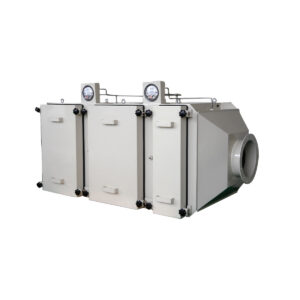
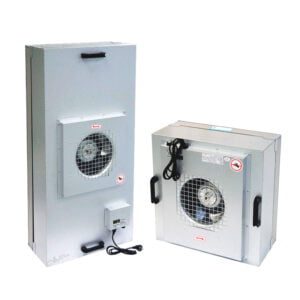
Aceasta este alegerea fundamentală care definește costul proiectului, flexibilitatea și gama de furnizori. Un AHU central tradițional condiționează aerul într-o cameră dedicată instalației și îl distribuie prin conducte către filtre HEPA terminale. Un sistem FFU (Fan Filter Unit) utilizează module descentralizate, alimentate de ventilatoare în grila tavanului, fiecare cu propriul motor și filtru, recirculând aerul din încăpere.
Selecție în funcție de aplicație
Piața s-a bifurcat. Sistemele FFU, cu costul lor inițial mai mic, instalarea simplificată și modularitatea inerentă, domină acum majoritatea camerelor curate ISO 5-8. Natura lor distribuită oferă redundanță pasivă. Cu toate acestea, AHU centrale cu HEPA canalizate rămân necesare pentru aplicații de nișă: medii periculoase (de exemplu, manipularea compușilor farmaceutici puternici), spații cu toleranțe de temperatură extrem de mici (±0,5°C) sau zone ISO 8 mari, necritice, în care primul cost este primordial.
Analiza comparativă a sistemelor
Matricea decizională este complexă. IEST-RP-CC012.1: Considerații privind proiectarea camerelor curate oferă îndrumări cu privire la strategiile de flux de aer care stau la baza acestei alegeri. Tabelul de mai jos sintetizează diferențiatorii cheie.
| Criterii | AHU centrală cu HEPA cu conducte | Sistem de unitate de filtrare a ventilatorului (FFU) |
|---|---|---|
| Aplicație dominantă | Niche, medii periculoase | Majoritatea camerelor curate ISO 5-8 |
| Controlul temperaturii | Extrem de strâns (±1°F) | Toleranțe standard |
| Costul inițial și instalarea | Superior, complex | Inferioară, simplificată |
| Model de redundanță | Rețele de ventilatoare N+1 (active) | Inerentă, distribuită (pasivă) |
| Scalabilitate și flexibilitate | Mai jos | Înaltă, modulară |
Sursă: IEST-RP-CC012.1: Considerații privind proiectarea camerelor curate. Această practică recomandată oferă orientări cuprinzătoare privind strategiile de flux de aer și conceptele de control al contaminării, care informează alegerea arhitecturală fundamentală între sistemele centralizate și distribuite de furnizare a aerului.
Evaluarea costului total al proprietății: Cheltuieli de capital vs. cheltuieli operaționale
Trecerea dincolo de comanda de achiziție
O selecție informată necesită modelarea costului total de proprietate (TCO) pe un ciclu de viață de 10-15 ani. Compromisul clar dintre costul inițial al echipamentului și economiile operaționale multianuale transformă dimensionarea AHU într-o decizie de inginerie financiară. Având la dispoziție date dovedite privind economiile de energie, cumpărătorii sofisticați solicită acum furnizorilor analize TCO.
Defalcarea factorilor determinanți CAPEX și OPEX
Cheltuielile de capital sunt determinate de dimensiunea fizică a AHU și de viteza frontală selectată. Cheltuielile operaționale sunt dominate în mod covârșitor de consumul de energie al ventilatorului, care este el însuși o funcție principală a căderii de presiune a filtrului. Acest lucru creează o legătură directă între specificațiile filtrului și situația P&L a instalației.
Viitorul achizițiilor publice
Furnizorii care oferă doar echipamentele cu prețul cel mai scăzut vor pierde în fața celor care pot modela și garanta performanța energetică pe întreaga durată de viață. În plus, presiunile în materie de durabilitate și obiectivele de zero net ale întreprinderilor transformă modelele cu viteză redusă și eficiență ridicată în mandate. Tabelul următor prezintă cadrul financiar pentru această evaluare.
| Factor de cost | Factori determinanți ai cheltuielilor de capital (CAPEX) | Factori determinanți ai cheltuielilor operaționale (OPEX) |
|---|---|---|
| Influența primară | Dimensiunea fizică a AHU, Viteza nominală | Consumul de energie al ventilatorului |
| Componenta cheie Impact | Bobinele mai mari costă mai mult | Căderea de presiune a filtrului este primară |
| Compromis financiar | Costuri inițiale mai mici | Cheltuieli energetice multianuale mai mari |
| Tendința viitoare | Echipament cu ofertă scăzută | Analiză și garanții TCO |
| Link de durabilitate | Investiția inițială | Alinierea la obiectivul zero net |
Sursă: Documentație tehnică și specificații industriale.
Redundanța sistemelor și reducerea riscurilor pentru aplicații critice
Definirea caracterului critic
Pentru mediile cu misiune critică din domeniul farmaceutic, al fabricării semiconductorilor sau al produselor biologice avansate, o defecțiune a sistemului poate duce la pierderi de milioane de euro în produse. Strategiile de redundanță nu sunt opționale; ele sunt o cerință de reducere a riscurilor. Abordarea diferă fundamental între cele două arhitecturi de sistem principale.
Redundanță activă vs. pasivă
Un AHU central utilizează redundanța activă, de obicei prin intermediul unui grup de ventilatoare N+1. Dacă un ventilator se defectează, celelalte cresc turația pentru a menține fluxul de aer. Acest lucru necesită o logică de control complexă și crește amprenta și costul unității. În schimb, un sistem FFU oferă redundanță pasivă, inerentă. Defectarea unei singure unități dintre zeci sau sute are un impact neglijabil asupra condițiilor generale din încăpere, deoarece unitățile din jur compensează.
Selectarea strategiei adecvate
Alegerea este direct legată de decizia arhitecturală de bază și de natura riscului. Pentru aplicațiile de nișă care necesită un AHU personalizat, redundanța este o caracteristică integrată, gestionată. Pentru paradigma dominantă FFU, robustețea este obținută prin distribuție. Tabelul de mai jos compară impactul unei defecțiuni pentru fiecare abordare.
| Arhitectura sistemului | Strategia de redundanță | Impactul unui singur eșec |
|---|---|---|
| Centrală AHU | Rețele de ventilatoare N+1 | Risc potențial la nivel de sistem |
| Sistemul FFU | Proiectare distribuită, inerentă | Impact minim asupra stării camerei |
| Soluții AHU personalizate | Caracteristici încorporate și gestionate | Risc controlat, izolat |
Sursă: Documentație tehnică și specificații industriale.
Criteriile de selecție finale și lista de verificare a punerii în aplicare
Validarea și alegerea arhitecturii
În primul rând, validarea riguroasă a clasei ISO și a ACH calculate în raport cu nevoile reale ale procesului. În al doilea rând, faceți alegerea arhitecturală fundamentală: AHU central pentru aplicații de nișă, cu risc ridicat sau cu toleranță foarte scăzută; sisteme FFU pentru camere curate standard ISO 5-8 care necesită flexibilitate și un cost total de proprietate mai scăzut. Această decizie vă va restrânge lista de furnizori și va stabili traiectoria costurilor proiectului.
Specificarea componentelor și modelarea energetică
În al treilea rând, pentru dimensionarea AHU, specificați toate componentele - ventilator, serpentine, filtre - pentru a îndeplini CFM calculat la maxim ESP. Selectați în mod conștient o viteză frontală optimizată pentru TCO, nu doar pentru costul inițial. În al patrulea rând, modelați consumul de energie concentrându-vă pe creșterea în timp a căderii de presiune a filtrului. Utilizați acest model pentru a evalua opțiunile de filtrare și economiile potențiale generate de acționarea ventilatorului cu frecvență variabilă (VFD).
Revizuirea și documentarea riscurilor
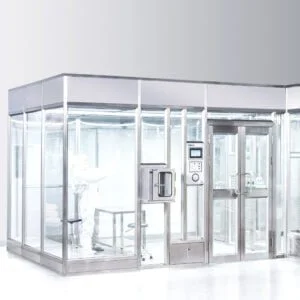
În al cincilea rând, definiți cerințele de redundanță în funcție de importanța operațională și de toleranța la riscul financiar. În cele din urmă, asigurați-vă că toate deciziile sunt documentate în funcție de un model TCO cuprinzător. Acest model ar trebui să justifice orice cheltuieli de capital mai mari prin economii operaționale cuantificate, asigurându-se că proiectul este atât solid din punct de vedere tehnic, cât și optimizat din punct de vedere economic pentru întreaga sa durată de viață. Pentru proiectele în care modularitatea și implementarea rapidă sunt prioritare, explorarea sistemelor moderne de soluții modulare pentru camere curate poate oferi o cale viabilă care se aliniază cu arhitectura bazată pe FFU și cu obiectivele TCO.
Calea către un AHU optimizat pentru camere curate necesită trecerea de la calcule izolate la o gândire de sistem integrat. Prioritizați decizia arhitecturală între sistemele centrale și FFU, deoarece aceasta dictează toate alegerile ulterioare. Utilizați viteza nominală ca pârghie financiară pentru a echilibra cheltuielile de capital și operaționale și insistați asupra unei analize TCO care să proiecteze costurile energetice pe durata de viață a sistemului. Această abordare disciplinată asigură respectarea performanțelor fără o inginerie excesivă inutilă.
Aveți nevoie de îndrumare profesională pentru a modela costul total al proprietății pentru aplicația dvs. specifică de cameră curată? Echipa de ingineri de la YOUTH este specializată în transpunerea specificațiilor de performanță în proiecte HVAC eficiente, optimizate din punct de vedere financiar. Oferim analiza necesară pentru a vă justifica investiția de capital.
Contactați-ne pentru a discuta parametrii proiectului dvs. și pentru a primi o comparație preliminară a sistemului.
Întrebări frecvente
Î: Cum se calculează fluxul de aer necesar pentru o cameră curată clasificată ISO?
R: Se determină debitul total de aer prin înmulțirea volumului camerei în metri cubi cu numărul necesar de schimburi de aer pe oră (ACH), apoi împărțirea la 60 pentru a obține CFM. ACH este dictat de clasa ISO, variind de la 15-25 pentru ISO 8 la 90-180 pentru ISO 6, după cum se detaliază în standarde precum ISO 14644-4:2022. Acest lucru înseamnă că selectarea unei clasificări mai stricte decât cea de care are nevoie procesul dvs. va crește exponențial costurile cu energia HVAC din prima zi.
Î: Care este compromisul dintre viteza frontală și costul total de proprietate pentru un AHU?
R: Viteza frontală creează în mod direct un compromis financiar între capitalul și cheltuielile operaționale. O viteză mai mare (~2,5 m/s) produce o unitate mai mică și mai ieftină, dar crește pierderea de presiune și energia ventilatorului. O viteză mai mică (~2,0 m/s) necesită o investiție de capital mai mare, dar reduce semnificativ costurile continue cu energia, datele indicând economii potențiale de ~4,5% în puterea specifică a ventilatorului. Pentru proiectele în care eficiența energetică este o prioritate, planificați un cost inițial mai ridicat pentru a asigura economii operaționale pe termen lung.
Î: Când ar trebui să alegeți un AHU central în locul unui sistem FFU (Fan Filter Unit)?
R: Alegeți un AHU central tradițional cu HEPA cu conducte numai pentru aplicații de nișă: spații care manipulează materiale periculoase, cele care necesită o stabilitate extremă a temperaturii (±1°F) sau încăperi ISO 8 necritice. Pentru marea majoritate a camerelor curate ISO 5-8, modularitatea, costul redus și redundanța inerentă a sistemelor FFU fac din acestea alegerea dominantă. Această decizie arhitecturală timpurie fixează în mod fundamental structura de costuri a proiectului, flexibilitatea și opțiunile disponibile ale furnizorului.
Î: Cum influențează selectarea filtrului consumul continuu de energie al unui AHU pentru camere curate?
R: Căderea de presiune prin filtre, în special atunci când acestea se încarcă cu particule, este principalul factor care determină consumul de energie al ventilatorului continuu. Selectarea filtrelor HEPA/ULPA finale cu rezistență inițială mai mică și înțelegerea caracteristicilor de încărcare ale acestora, conform unor standarde precum EN 1822-1:2009, este esențială pentru eficiență. Aceasta înseamnă că specificația filtrului nu este doar o decizie de control al contaminării, ci și o pârghie financiară majoră pentru reducerea costurilor de exploatare pe întreaga durată de viață.
Î: Ce ar trebui inclus într-o analiză a costului total al proprietății pentru sistemul HVAC pentru camere curate?
R: Un model TCO adecvat trebuie să echilibreze costul inițial al echipamentului cu economiile operaționale multianuale, în principal din energia ventilatorului influențată de căderea de presiune a sistemului și de viteza frontală. Cumpărătorii sofisticați solicită acum furnizorilor să furnizeze această analiză a performanței energetice pe întreaga durată de viață. În cazul în care organizația dvs. are obiective de sustenabilitate corporativă sau de zero-zero net, adoptarea proactivă a modelelor de înaltă eficiență vă protejează în viitor instalația împotriva viitoarelor mandate și justifică cheltuielile de capital prin economiile operaționale.
Î: Cum abordați redundanța pentru un mediu de cameră curată cu misiune critică?
R: Implementați redundanța pe baza arhitecturii sistemului ales. O AHU centrală necesită strategii active, cum ar fi matricele de ventilatoare N+1. În schimb, un sistem FFU (Fan Filter Unit) oferă redundanță pasivă, inerentă, prin distribuție, deoarece defectarea unei singure unități are un impact minim. Pentru proiectele în care continuitatea operațională este primordială, robustețea distribuită a FFU reprezintă adesea o soluție mai fiabilă și mai simplă decât complexitatea de proiectare a unei AHU personalizate.
Î: Care sunt pașii cheie în finalizarea unei specificații și selecții AHU?
R: Urmați o listă de verificare structurată: validați clasa ISO și ACH, alegeți între AHU central sau arhitectura FFU, specificați componentele pentru CFM și presiunea statică cu o viteză frontală optimizată TCO, modelați consumul de energie concentrându-vă pe căderea filtrului și definiți nevoile de redundanță. Consultați ghiduri de proiectare cuprinzătoare, cum ar fi Manualul ASHRAE - Aplicații HVAC, Capitolul 19. Acest lucru asigură că proiectul dvs. este solid din punct de vedere tehnic și justificat din punct de vedere economic pentru întreaga sa durată de viață.
Conținut înrudit:
- Ghidul complet al unității de filtrare cu ventilator pentru managerii de camere curate: Selecția tehnică, instalarea și optimizarea performanței 2025 Edition
- Ventilator Unitate de filtrare Principiile fluxului de aer și performanța fluxului laminar: Ghid complet pentru mediile cu presiune pozitivă din camerele curate
- Optimizarea modelelor de flux de aer în sistemele cu ventilator și filtru
- Calculul ratei de schimbare a aerului în unitatea de filtrare a ventilatorului: Formula pas cu pas pentru clasificarea camerelor curate
- Top 3 aplicații ale unității de filtrare a ventilatorului în producția farmaceutică
- Unitatea de filtrare cu ventilator (FFU) vs. sistemele HVAC convenționale: 8 diferențe esențiale de performanță pentru aplicațiile în camere curate
- Unități cu ventilator cu filtru sau hote cu flux laminar: Ce să alegeți?
- Specificații ale unității de filtrare cu ventilator pentru camere curate | Comparație tehnică
- Tendințe emergente: Viitorul tehnologiei unităților de filtrare cu ventilator