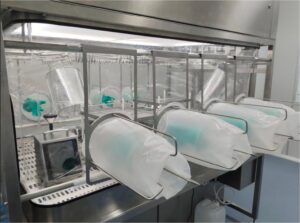
În instalațiile de înaltă securitate, integritatea barierei dvs. de control al contaminării nu este negociabilă. O singură încălcare poate duce la contaminare încrucișată, opriri costisitoare ale producției și expunere semnificativă la reglementări. Alegerea echipamentului de decontaminare a personalului este o decizie tehnică esențială, nu o achiziție de bunuri. Specificarea controlului presiunii diferențiale în cadrul acestor sisteme definește capacitatea lor fundamentală de a vă proteja atât produsul, cât și personalul.
Tendințele actuale din industrie și reglementările din ce în ce mai stricte, cum ar fi anexa 1 actualizată la GMP a UE, pun un accent fără precedent pe soluții de izolare validate, bazate pe date. Diferența de performanță dintre stațiile de spălare de bază și ecluzele de decontaminare proiectate nu a fost niciodată mai importantă. Înțelegerea specificațiilor precise care guvernează aceste sisteme este esențială pentru a face o investiție de capital care să reducă riscul operațional pe termen lung.
Ce sunt sistemele de duș Dual Airtight Door Mist?
Definirea controlului tehnic
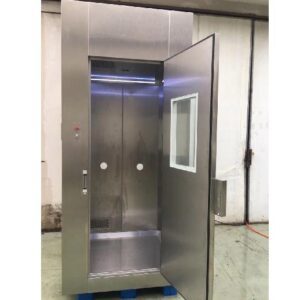
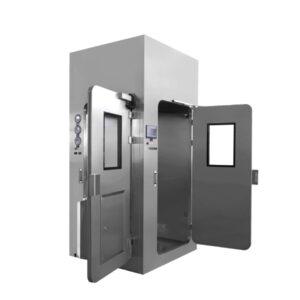
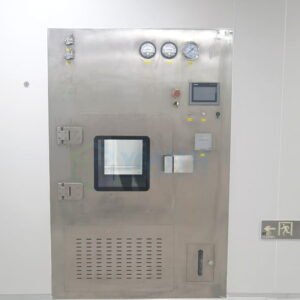
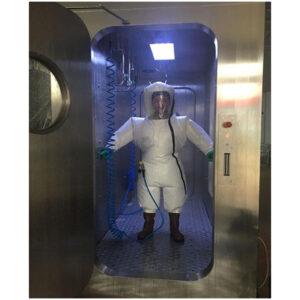
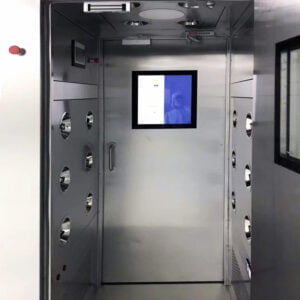
Sistemele de duș cu ceață cu două uși etanșe sunt camere de decontaminare a personalului validate. Acestea funcționează ca un vestibul cu două uși închise ermetic. O persoană intră, prima ușă se etanșează și se inițiază un ciclu controlat. O ceață fină de picături de 5-10 microni încapsulează particulele și materialele periculoase de pe haine și piele. O clătire ulterioară îndepărtează contaminarea, iar efluentul este reținut și evacuat în siguranță. A doua ușă se deblochează numai după finalizarea ciclului, menținând izolarea zonei.
Funcție de bază vs. concepție greșită comună
Funcția principală este performanța bioconținerii, nu confortul utilizatorului. Experții din industrie subliniază faptul că aceasta este o paradigmă distinctă de cabinetele de aburi rezidențiale sau de dușurile industriale de bază. Fiecare element de proiectare - de la construcția din oțel inoxidabil 304/316 la secvențierea controlerului logic programabil (PLC) - este determinat de reducerea riscurilor. Am comparat specificațiile rezidențiale și industriale și am constatat că filosofia de control este fundamental diferită. Una prioritizează validarea izolării; cealaltă se concentrează pe controlul umidității sau pe curățarea simplă.
Rezultat validat al performanței
Eficacitatea este cuantificabilă. Evaluările efectuate de terți, cum ar fi cele realizate de SafeBridge, validează factori de reducere a decontaminării de până la 800x. Aceste date cantitative reprezintă diferențiatorul esențial pentru conformitatea cu reglementările. Sistemul este un punct de control proiectat în cadrul strategiei de control al contaminării a unei instalații. Instalarea și funcționarea acestuia sunt guvernate de un protocol definit, asigurând rezultate reproductibile care satisfac controlul auditorilor pentru aplicații precum manipularea compușilor puternici.
Specificații cheie pentru controlul presiunii diferențiale
Rolul PLC
Controlul presiunii diferențiale este piatra de temelie a izolării. Acesta asigură un flux de aer unidirecțional de la zonele curate la cele mai puțin curate. Acesta este gestionat de un PLC de nivel industrial de la producători precum Siemens sau Allen-Bradley. PLC-ul orchestrează întreaga secvență: blocarea ușilor, acționarea supapelor pentru ceață și clătire și, în mod esențial, monitorizarea și menținerea diferențelor de presiune prin feedback-ul senzorilor și controlul automat al clapetei. O defecțiune a controlului aici echivalează cu o încălcare a izolării.
Parametrii critici de performanță
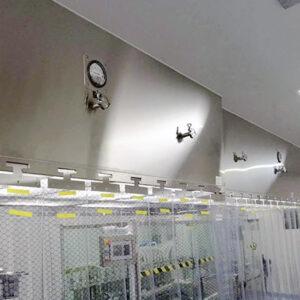
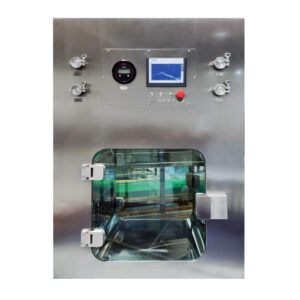
Menținerea unei diferențe de presiune specificate, de obicei 15-30 Pașcali, este un proces activ. Sistemul reglează în mod constant amortizoarele de aer pentru a compensa deschiderile ușilor, mișcarea personalului și fluctuațiile HVAC. Acest control în timp real este ceea ce separă o adevărată cameră de aer de o simplă cameră. Interfața om-mașină (HMI) oferă acces protejat prin parolă pentru ca operatorii să vizualizeze datele în timp real, să selecteze rețete de cicluri și să revizuiască jurnalele de alarme, creând o pistă de audit esențială.
Validarea eficacității sistemului de control
Specificațiile trebuie să fie dovedite, nu doar declarate. Tabelul următor detaliază componentele de bază și valorile de referință ale performanței acestora care definesc capacitatea unui sistem.
| Componenta de control | Specificații cheie | Parametru de performanță |
|---|---|---|
| Sistem PLC | Siemens / Allen-Bradley | Gestionează blocarea ușii |
| Diferențială de presiune | 15-30 pascali | Menținut prin amortizoare |
| Dimensiunea picăturii de ceață | 5-10 microni | Încapsulează particulele |
| Reducerea decontaminării | Până la 800x | Validat de o terță parte |
| Acces HMI | Protejat prin parolă | Controlul rețetei ciclului |
Sursă: Documentație tehnică și specificații industriale.
Sisteme cu două uși vs. sisteme cu o singură ușă: O comparație a performanțelor
Principiul sasului
Diferența de performanță este definită de crearea unei anticamere fizice. Un sistem cu două uși creează un adevărat sas, permițând decontaminarea secvențială, menținând în același timp diferențele de presiune între camerele sau zonele curate adiacente. O unitate cu o singură ușă este o stație de spălare locală; aceasta nu poate izola mediile. Atunci când ușa se deschide, presiunea se egalizează, iar izolarea este pierdută. Pentru aplicațiile cu compuși puternici, această distincție este absolută.
Evaluarea capacității funcționale
O configurație cu două uși permite decontaminarea validată. Persoana se află într-o cameră sigilată pe întreaga durată a ciclului, asigurându-se că procesul se încheie înainte de trecerea de zonă. Un sistem cu o singură ușă nu oferă o astfel de garanție. Controlul fluxului de personal este imposibil. Experții din industrie recomandă sistemul cu ușă dublă ca un control tehnic nenegociabil pentru orice zonă care necesită niveluri definite de control al contaminării, deoarece este singurul model care poate fi validat în mod oficial.
Comparație bazată pe decizii
Alegerea între cele două este o evaluare fundamentală a riscurilor. Tabelul de mai jos clarifică diferențele operaționale și de performanță care dictează potrivirea aplicației.
| Caracteristică | Sistem cu două uși | Unitate cu o singură ușă |
|---|---|---|
| Funcția principală | Decontaminare validată a personalului | Stație de spălare locală |
| Integritatea contenției | Crearea ecluzei fizice | Fără izolare de mediu |
| Controlul presiunii | Menține fluxul de la curățenie la murdărie | Fără control diferențial |
| Statutul validării | Esențial pentru compușii puternici | Nu se poate garanta izolarea |
| Aplicație potrivită | Controlul industrial cu mize mari | Industrial/rezidențial de bază |
Sursă: Documentație tehnică și specificații industriale.
Analiza costurilor: Investiții de capital și eficiență operațională
Înțelegerea cheltuielilor de capital
Investiția inițială este semnificativă. Aceasta cuprinde camera, construcția din oțel inoxidabil, controalele PLC, HMI și serviciile de validare. Acesta nu este un domeniu pentru ingineria valorii bazată pe costuri. Prima plătește pentru marja de siguranță proiectată și pentru asigurarea reglementărilor. Cu toate acestea, argumentele de afaceri trebuie să se extindă dincolo de prețul de achiziție, la costul total de proprietate (TCO). Costul unei singure defecțiuni de izolare - pierderi de producție, curățare, acțiuni de reglementare - poate depăși cheltuielile de capital.
Modelul de parteneriat pentru ciclul de viață
Eficiența operațională este proiectată în sistemele moderne prin intermediul componentelor modulare, plug-and-play. Această filozofie de proiectare minimizează timpii morți în timpul întreținerii. Furnizorii sprijină adesea acest lucru cu programe de întreținere preventivă planificată (PPM). Din experiența mea, acest lucru transformă relația cu furnizorul într-un parteneriat pe durata ciclului de viață. Contractul de servicii asigură timpul de funcționare și devine un centru de valoare primar, protejându-vă continuitatea operațională mult mai eficient decât o achiziție de echipamente la un preț scăzut.
Cadrul costului total al proprietății
Evaluarea costurilor necesită o viziune holistică. Următoarea defalcare evidențiază modul în care alegerile inițiale influențează riscul financiar și operațional pe termen lung.
| Factor de cost | Caracteristică | Impactul asupra TCO |
|---|---|---|
| Cheltuieli de capital | Investiție inițială semnificativă | Costuri inițiale ridicate |
| Construcția sistemului | Oțel inoxidabil, comenzi PLC | Durabilitate pe termen lung |
| Model de întreținere | Componente plug-and-play | Reducerea costurilor de inactivitate |
| Structura de sprijin | Contracte de program PPM | Asigură timpul de funcționare |
| Riscul de eșec | Oprirea producției, acțiuni de reglementare | Depășește cu mult prima de sistem |
Sursă: Documentație tehnică și specificații industriale.
Ce sistem este mai bun pentru dimensiunea instalației dumneavoastră?
Configurație, nu nevoie de bază
Dimensiunea instalației influențează configurația, nu cerința fundamentală pentru un sistem cu două uși în zonele de înaltă securitate. Specificațiile de performanță de bază pentru controlul presiunii și validare rămân constante. O instalație mai mică cu constrângeri de spațiu reduse utilizează de obicei un design compact, cu vestibul direct. Provocarea tehnică constă în integrarea aceluiași nivel de performanță într-un spațiu mai mic, fără compromisuri.
Fluxul și zonarea dictează proiectarea
Instalațiile mai mari cu fluxuri complexe de personal pot necesita vestibuluri extinse sau în unghi drept pentru a gestiona traficul și procedurile de îmbrăcare. Decizia este determinată de harta zonală de control al contaminării a instalației dvs. și de numărul de tranziții zilnice ale personalului. Sistemul trebuie să fie dimensionat și modelat pentru a se potrivi punctului de integrare arhitecturală, menținând în același timp toți parametrii de performanță. Capacitatea furnizorului de a oferi inginerie personalizată este esențială în acest caz.
Asigurarea performanței universale
Fie că este vorba de o instalație pilot sau de un loc de producție la scară largă, orice instalație reglementată care manipulează materiale periculoase are nevoie de asigurarea performanței pe care o oferă doar un sistem cu două uși configurat corespunzător. Întrebarea nu este dacă, ci cum este configurat. Rezultatul validării - izolarea dovedită - trebuie să fie identic, indiferent de suprafața instalației.
Conformitate și validare: Respectarea standardelor din industrie
Imperative de reglementare
Conformitatea necesită validarea documentată a performanței în raport cu standarde specifice. Pentru produsele farmaceutice, Anexa 1 la GMP a UE este obligatorie. Siguranța la locul de muncă se încadrează în orientările OSHA și NIOSH pentru limitele de expunere a personalului. Aderarea la standarde de accesibilitate precum ICC A117.1 poate fi de asemenea necesară pentru anumite instalații. Instalarea trebuie să respecte codurile sanitare relevante, cum ar fi ASME A112.18.1/CSA B125.1 pentru racordurile de alimentare.
Dovada stă în date
Îndeplinirea unui standard constă adesea în furnizarea de dovezi. Diferențiatorul esențial este reprezentat de datele cantitative de performanță obținute în urma evaluărilor efectuate de terți independenți. Un raport care dovedește un factor de reducere de 800 de ori este o dovadă tangibilă pentru autoritățile de reglementare. Validarea include provocarea sistemului cu particule surogat, verificarea logicii de siguranță a sasului și demonstrarea capacității de curățare conform protocoalelor CIP. Aceste dovezi satisfac controlul, ceea ce o autocertificare a producătorului nu poate face.
Validarea ca criteriu de achiziție
Pe măsură ce sectoare precum cel al produselor terapeutice avansate și cel al produselor electronice se confruntă cu mandate mai stricte, validarea va deveni un criteriu esențial de achiziție. Tabelul de mai jos prezintă standardele și tipul de dovezi de validare necesare pentru a demonstra conformitatea.
| Cerință | Standard / Linie directoare | Dovezi de validare |
|---|---|---|
| Fabricarea produselor farmaceutice | EU GMP Anexa 1 | Obligatoriu pentru conformitate |
| Siguranța la locul de muncă | Orientări OSHA / NIOSH | Limite de expunere a personalului |
| Dovada performanței | Evaluarea de către o terță parte (de exemplu, SafeBridge) | Date de reducere 800x |
| Domeniul de validare | Provocarea particulelor surogat | Verificarea logicii sasului |
| Cleanability Proof | Testarea materialelor și a proiectării | Eficacitatea bilelor de pulverizare CIP |
Sursă: Documentație tehnică și specificații industriale.
Considerații privind instalarea, spațiul și întreținerea
Integrare preinstalare
Instalarea este un proces consultativ, multidisciplinar. Aceasta necesită o coordonare detaliată cu managementul instalațiilor pentru a se integra cu sistemele HVAC (pentru controlul presiunii), sanitare (pentru alimentare și evacuare) și electrice existente. Planificarea spațiului trebuie să țină cont de amprenta la sol a camerei, de accesul liber la servicii pe toate laturile și de spațiul de așteptare a personalului în afara ușii de intrare. Neplanificarea accesului pentru servicii este o neglijență frecventă și costisitoare.
Proiectare pentru mentenabilitate
Designul modular este vital. Componentele de pe dopuri și deconectări rapide permit înlocuirea rapidă fără a încălca sistemul de izolare sau a necesita timpi morți mari. Selecția materialelor, determinată de compatibilitatea chimică, dictează capacitatea de curățare și durabilitatea pe termen lung. De exemplu, includerea bilelor de pulverizare CIP (clean-in-place) este o caracteristică de proiectare care reduce în mod direct munca și îmbunătățește repetabilitatea validării curățării.
Asigurarea continuității operaționale
O instalare reușită depinde de modelul de asistență al furnizorului. Un plan PPM clar, cu intervale de service definite și previziuni privind piesele de schimb, este esențial pentru continuitatea operațională. Proiectul inițial ar trebui să includă protocoale de testare de acceptare în fabrică (FAT) și de testare de acceptare la fața locului (SAT), asigurându-se că sistemul funcționează conform validării odată instalat în mediul specific al instalației dumneavoastră.
Cum să alegeți sistemul potrivit pentru nevoile dumneavoastră
Începeți cu o evaluare a riscurilor
Selecția începe cu o evaluare riguroasă a materialelor manipulate (potență, toxicitate) și a nivelului de izolare necesar. Aceasta definește criteriul de referință al performanței. Prioritizați furnizorii care oferă rapoarte de validare cantitative independente. Evitați să confundați tehnologia industrială cu caracteristicile rezidențiale; filosofia de control trebuie să se axeze exclusiv pe bioconținere. Pentru componente precum carcasele din plastic, asigurați-vă că acestea îndeplinesc standardele relevante privind materialele, cum ar fi ANSI Z124.1.2.
Evaluarea ierarhiei de control
Examinați sistemul de control. Un sistem bazat pe PLC cu înregistrare a datelor este obligatoriu pentru pistele de audit în mediile reglementate. Comenzile de bază bazate pe cronometru nu sunt suficient de sofisticate pentru monitorizarea în timp real și gestionarea alarmelor. Evaluați HMI din punct de vedere al ușurinței în utilizare și al gradului de istoricizare a datelor. Sistemul de control este creierul operațiunii; capacitatea sa trebuie să corespundă cerințelor dumneavoastră privind conformitatea și datele operaționale.
Partener pentru ciclul de viață
În cele din urmă, evaluați furnizorul ca pe un partener pe termen lung. Oferă acesta asistență solidă pe durata ciclului de viață și contracte PPM? Proiectarea lor este favorabilă serviciilor? Alegerea corectă este un parteneriat strategic cu un furnizor a cărui expertiză tehnică, rigoare de validare și model de servicii se aliniază cu riscurile operaționale și de conformitate pe termen lung ale instalației dumneavoastră. Pentru o privire detaliată asupra unui sistem proiectat în conformitate cu aceste specificații, consultați datele tehnice pentru un duș de ceață validat pentru camere curate.
Decizia se bazează pe trei puncte: date de performanță validate în detrimentul afirmațiilor de marketing, un sistem de control condus de PLC pentru o izolare asigurată și un model de parteneriat cu furnizorul centrat pe asistența pe durata ciclului de viață. Specificațiile dvs. trebuie să impună rapoarte de testare terțe și să definească arhitectura de control necesară. Astfel, achiziția trece de la o achiziție de echipamente bazată pe preț la o investiție de capital bazată pe risc.
Aveți nevoie de îndrumare profesională privind specificarea unui sistem de decontaminare pentru strategia dvs. de izolare? Inginerii de la YOUTH poate furniza analize specifice aplicației și date validate privind sistemul pentru a vă fundamenta decizia.
Pentru o consultare directă cu privire la cerințele proiectului dumneavoastră, puteți, de asemenea Contactați-ne.
Întrebări frecvente
Î: Cum ne asigurăm că dușul nostru de ceață cu două uși îndeplinește cerințele critice de control al presiunii diferențiale?
R: Aveți nevoie de un sistem gestionat de un PLC de nivel industrial de la un producător precum Siemens. Acest controler automatizează încuietorile ușilor, monitorizează senzorii de presiune în timp real și reglează amortizoarele pentru a menține o diferență precisă, de obicei între 15 și 30 pascali. Pentru proiectele în care eșecul izolării este inacceptabil, planificați această ierarhie de control bazată pe PLC și o HMI cu ecran tactil pentru accesul sigur al operatorului și înregistrarea datelor.
Î: Care sunt principalele etape de conformitate pentru validarea performanței unui sistem de decontaminare a personalului?
R: Conformitatea necesită o validare documentată în raport cu standarde precum EU GMP Anexa 1, utilizând teste cantitative efectuate de terți. Etapa critică constă în testarea sistemului cu particule surogat pentru a dovedi un factor de reducere a contaminării măsurabil, cum ar fi 800x. Acest lucru înseamnă că instalațiile care manipulează compuși puternici trebuie să achiziționeze sisteme cu aceste date independente de performanță, deoarece acestea reprezintă dovada principală care satisface cerințele de reglementare pentru un sas de înaltă securitate.
Î: Cum influențează designul fizic al unui sistem cu două uși întreținerea și integrarea instalației?
R: Proiectarea afectează în mod direct operabilitatea pe termen lung. O construcție modulară cu componente "plug-and-play" este esențială pentru o întreținere rapidă fără a încălca izolarea. În plus, instalarea necesită inginerie personalizată pentru a se integra cu sistemele HVAC, sanitare și electrice ale instalației dvs., iar spațiul trebuie să țină cont de accesul la servicii. Dacă operațiunea dvs. necesită un timp de funcționare ridicat, prioritizați furnizorii care oferă această modularitate și un program clar de întreținere preventivă planificată (PPM) în timpul selecției furnizorului.
Î: Atunci când alegeți un duș cu ceață, cum abordăm standardele privind accesibilitatea și componentele sanitare?
R: Trebuie să evaluați sistemul în raport cu standardele specifice ale produsului. Construcția și siguranța cabinei de duș trebuie să se alinieze cu ANSI Z124.1.2, în timp ce robinetele și valvele trebuie să fie conforme cu ASME A112.18.1/CSA B125.1. Pentru instalațiile accesibile, verificați, de asemenea, dacă spațiile libere și controalele îndeplinesc ICC A117.1. Aceasta înseamnă că lista dvs. de verificare a achizițiilor trebuie să includă aceste standarde pentru a asigura conformitatea cu codul și performanța corespunzătoare a materialelor.
Î: Este necesar un sistem cu două uși pentru o instalație mai mică, sau poate fi suficientă o unitate cu o singură ușă?
R: Un sistem cu două uși nu este negociabil pentru nicio instalație care necesită izolare validată, indiferent de dimensiune. Configurația cu două uși creează un sas esențial care menține diferențele de presiune și permite decontaminarea secvențială. În timp ce amplasamentele mai mici pot utiliza un design compact, cu vestibul direct, acestea nu pot face compromisuri cu privire la această specificație de performanță de bază. Acest lucru înseamnă că decizia dvs. se bazează pe riscul de contaminare, nu pe metrii pătrați.
Î: Cum ar trebui să evaluăm costul total de proprietate pentru un duș de ceață cu grad ridicat de izolare?
R: Priviți dincolo de cheltuielile de capital inițiale semnificative pentru cameră și controale. Adevărata analiză a costurilor trebuie să ia în considerare atenuarea riscurilor operaționale și suportul pentru ciclul de viață prin contracte de servicii. Aceste programe PPM asigură timpul de funcționare și sunt o parte esențială a modelului de afaceri. Pentru operațiunile care manipulează materiale periculoase, planificați acest model de parteneriat, deoarece costul unei breșe de izolare depășește cu mult investiția într-un sistem validat, care beneficiază de servicii de asistență.
Conținut înrudit:
- Sisteme de control PLC pentru izolatoare de testare a sterilității
- Filtre de aer conforme cu GMP | Cerințe FDA Validarea camerelor curate
- Sisteme de duș validate pentru camere curate | Lista de verificare pentru pregătirea auditului
- Cabine de cântărire de precizie pentru industria farmaceutică
- Ghidul complet al dușurilor cu ceață pentru decontaminarea produselor farmaceutice și a camerelor curate: 2025 Standarde industriale și implementare
- Principiile de funcționare ale dușului de ceață: Cum tehnologia de ceață cu ultrasunete realizează decontaminarea picăturilor de 5-10 microni în camerele curate
- Dușuri de decontaminare conforme cu GMP | Ghidul cerințelor FDA
- Echipamente de purificare de laborator | Protocoale de validare | Pregătirea auditului
- Personalizarea ușilor etanșe de biosecuritate pentru protecție optimă